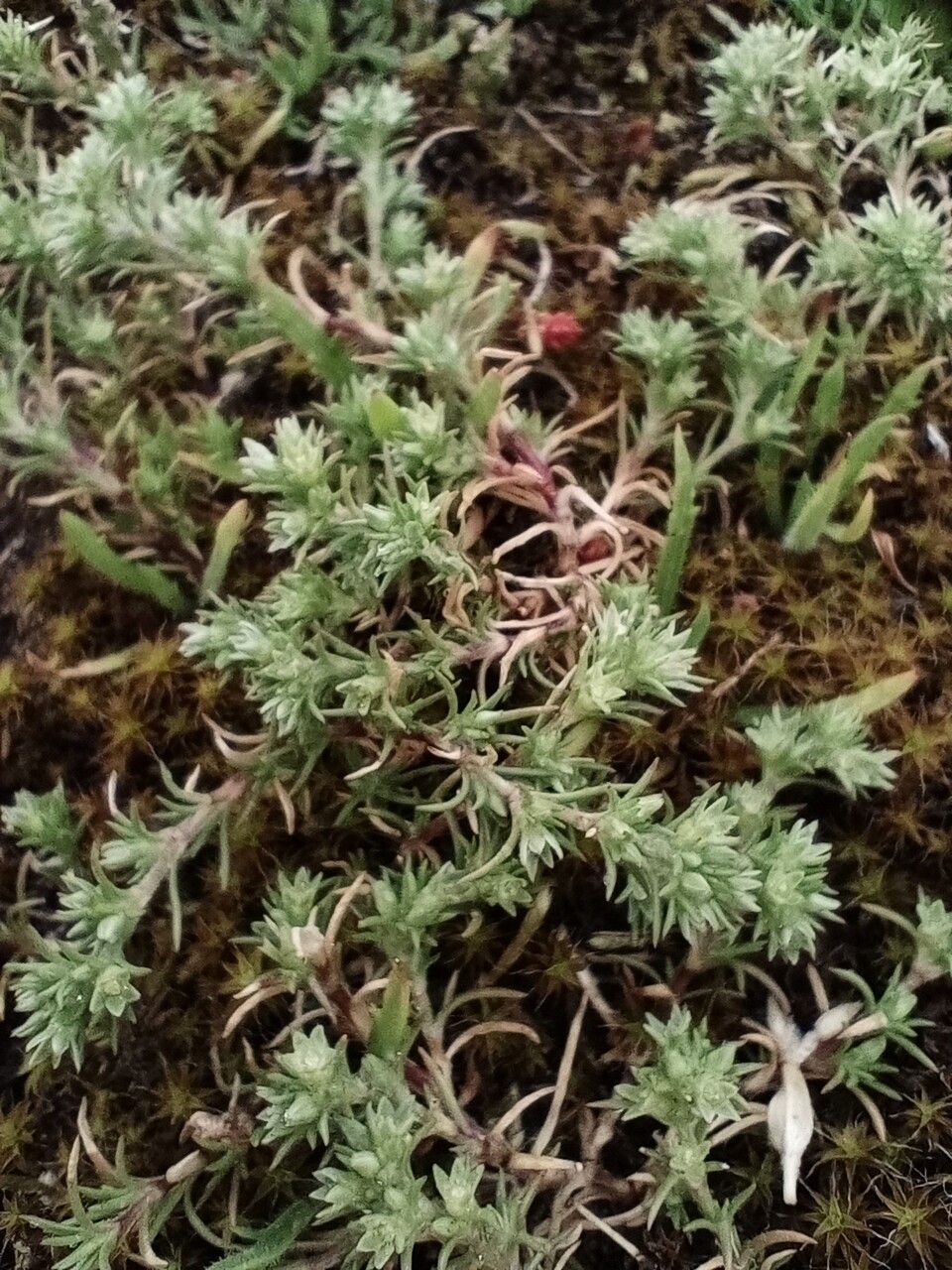
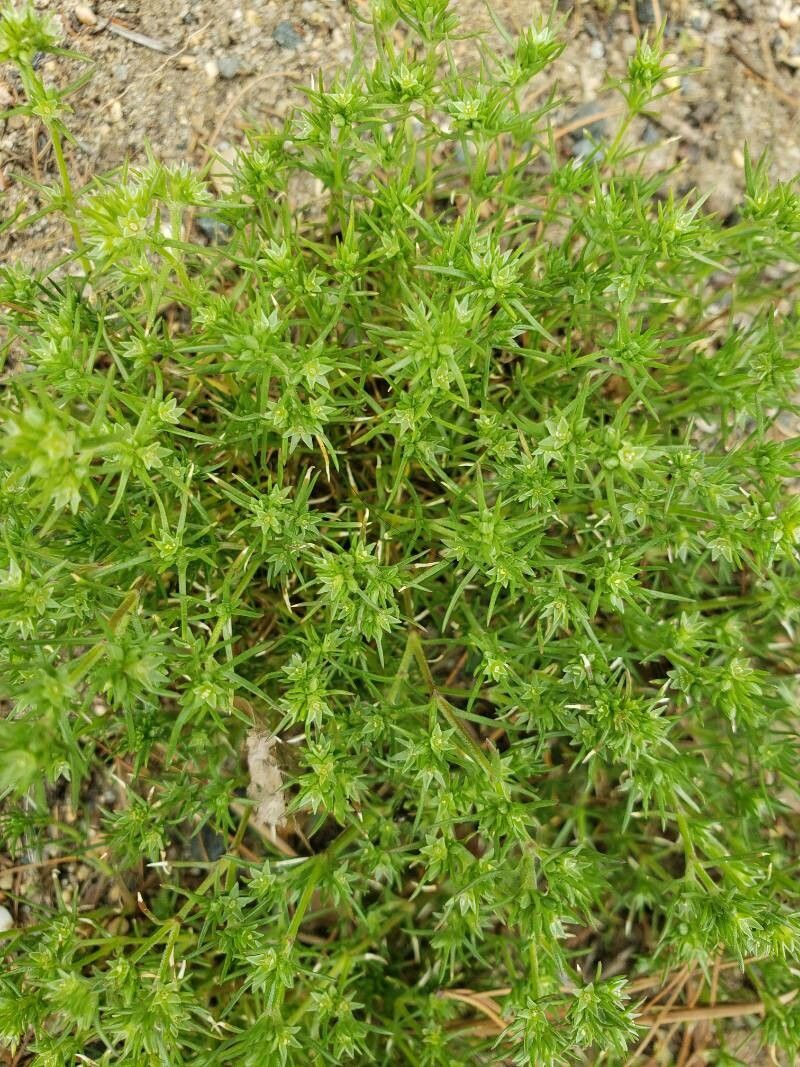
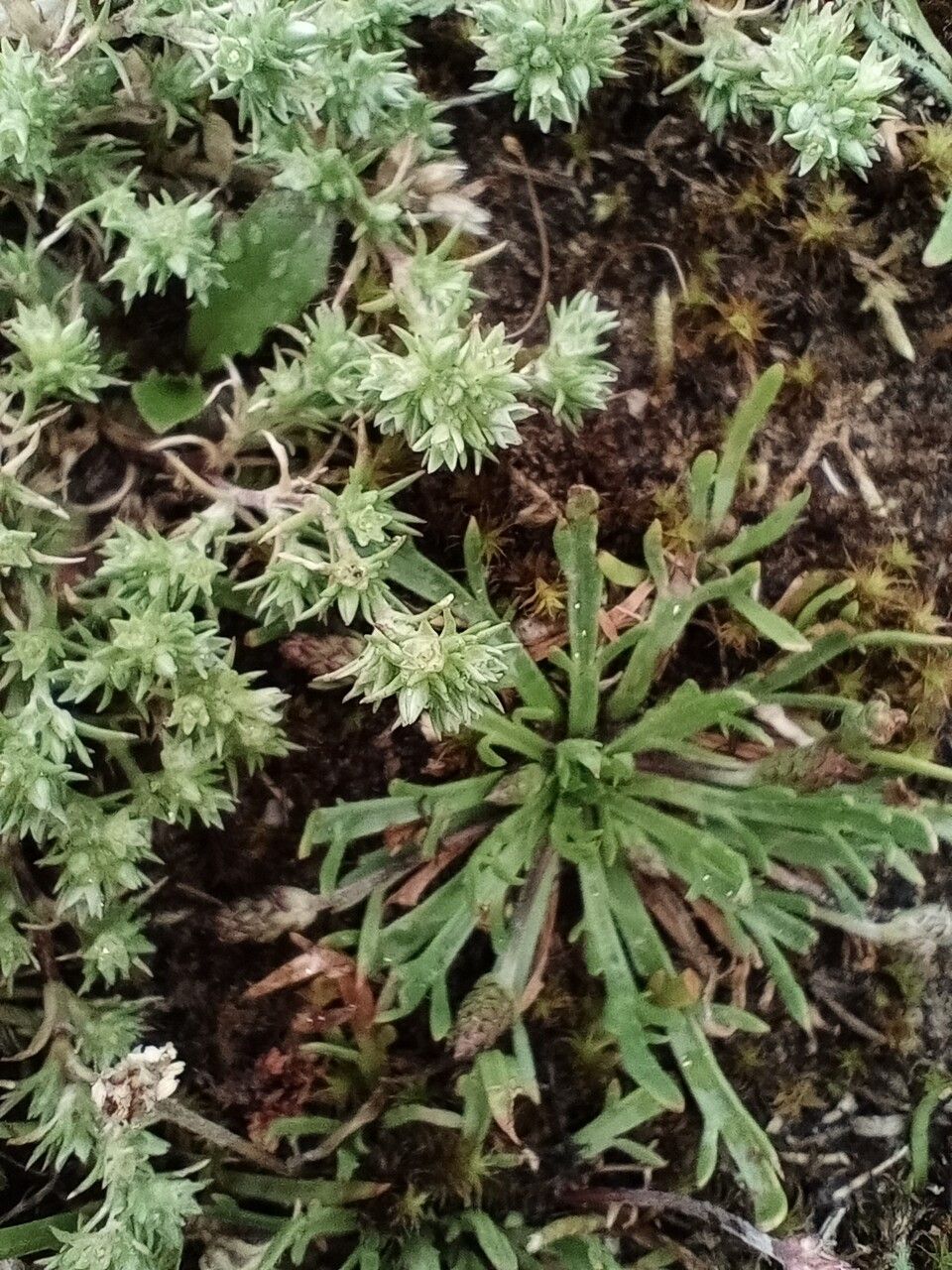
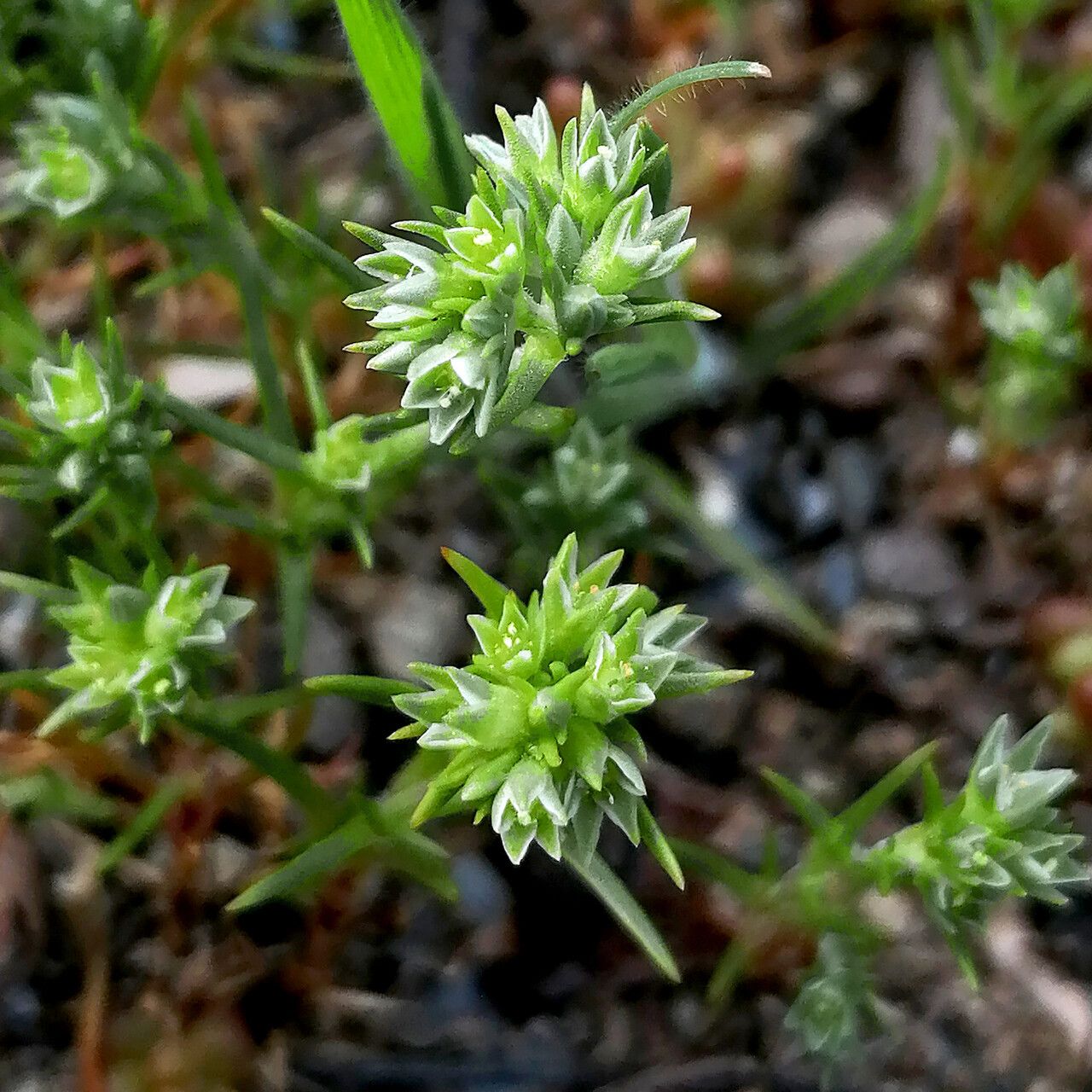
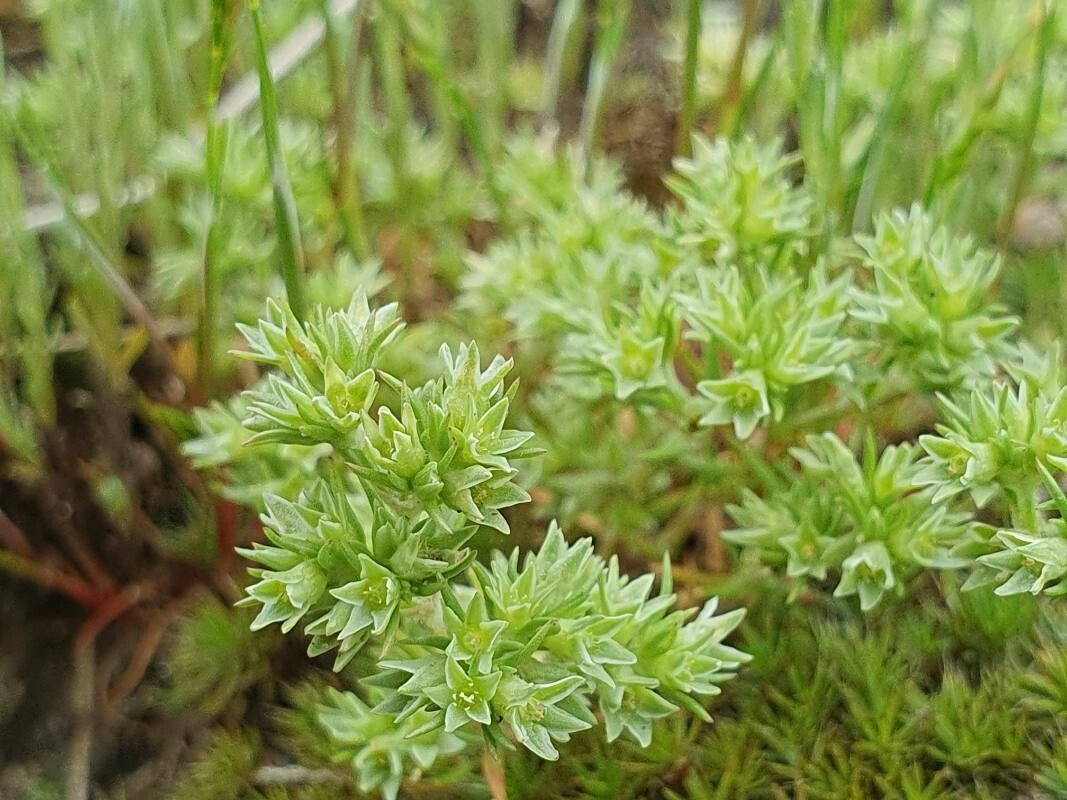
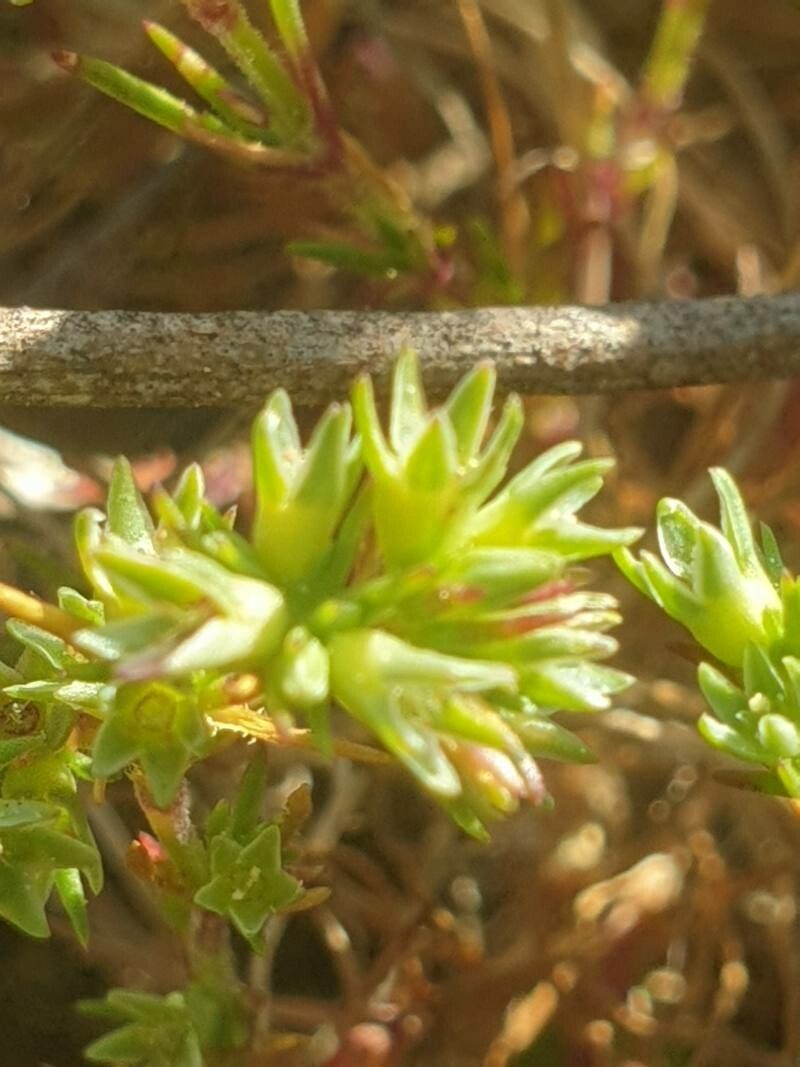
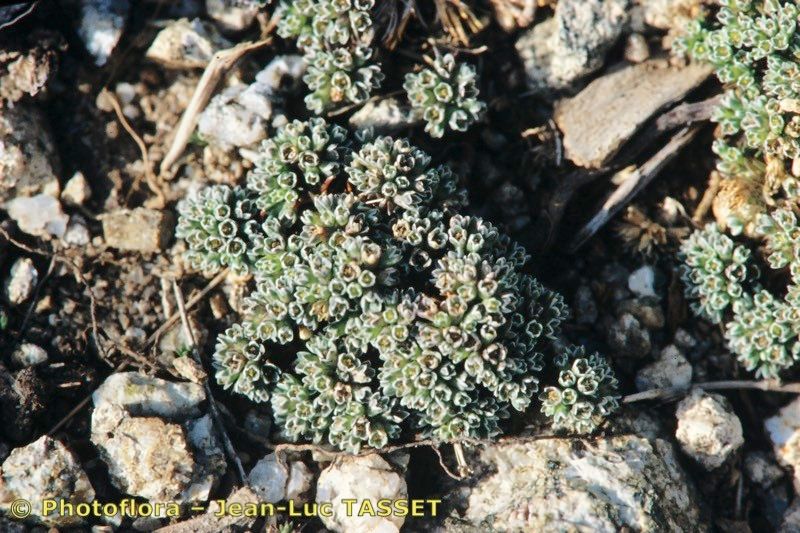
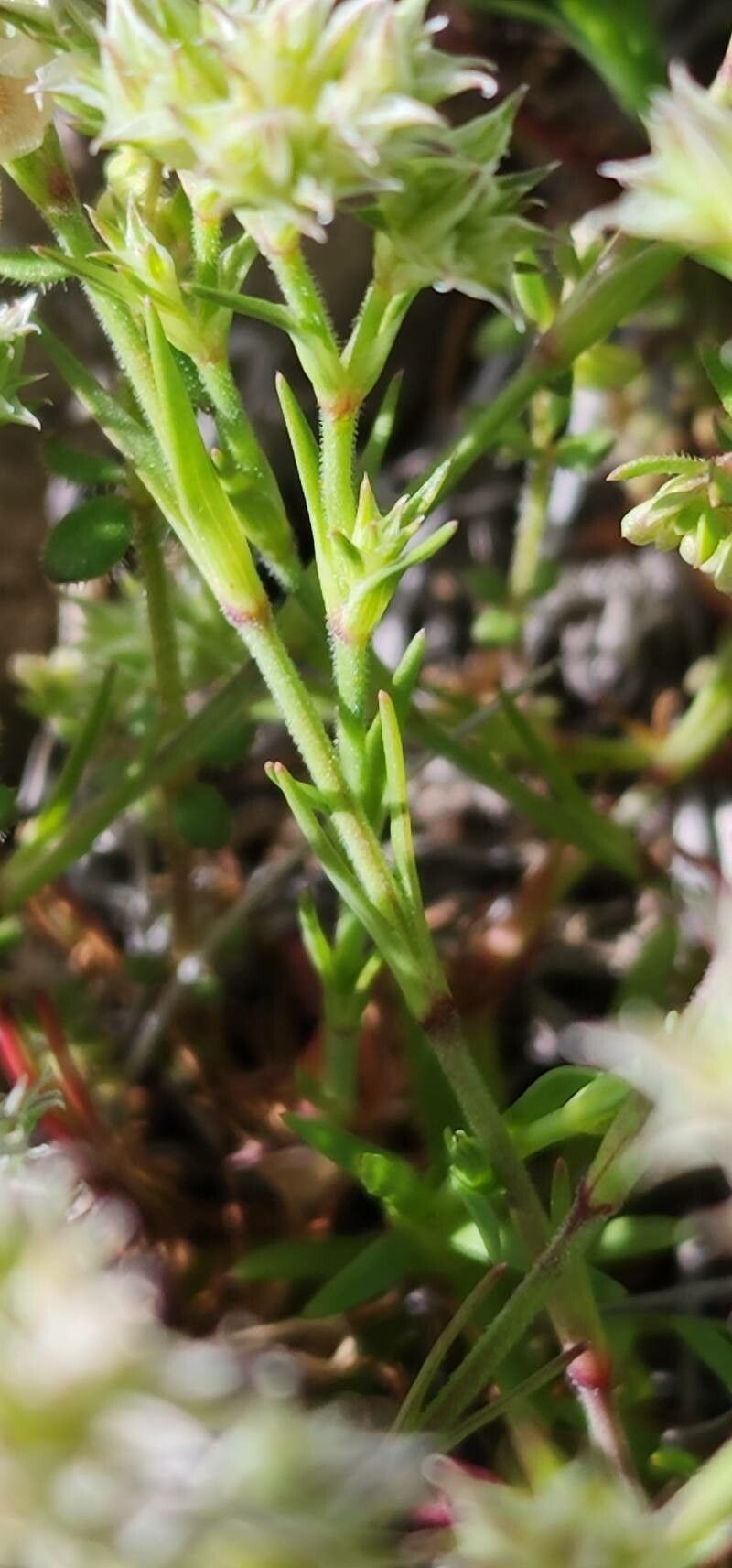
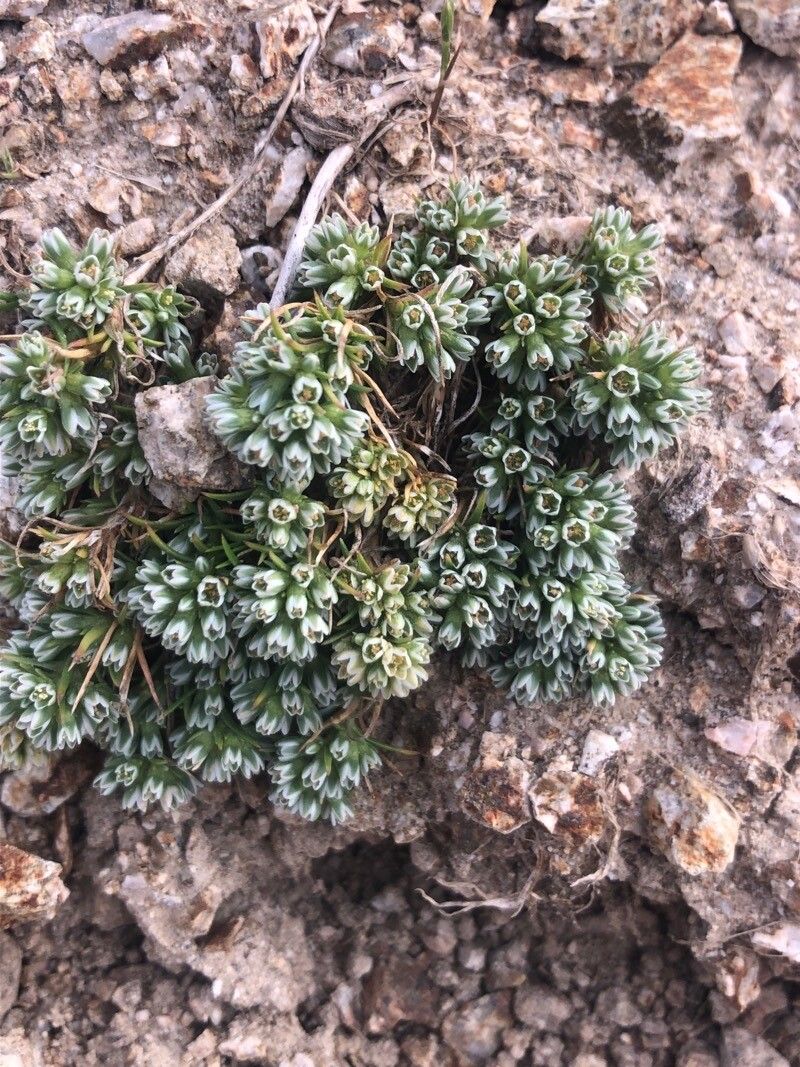
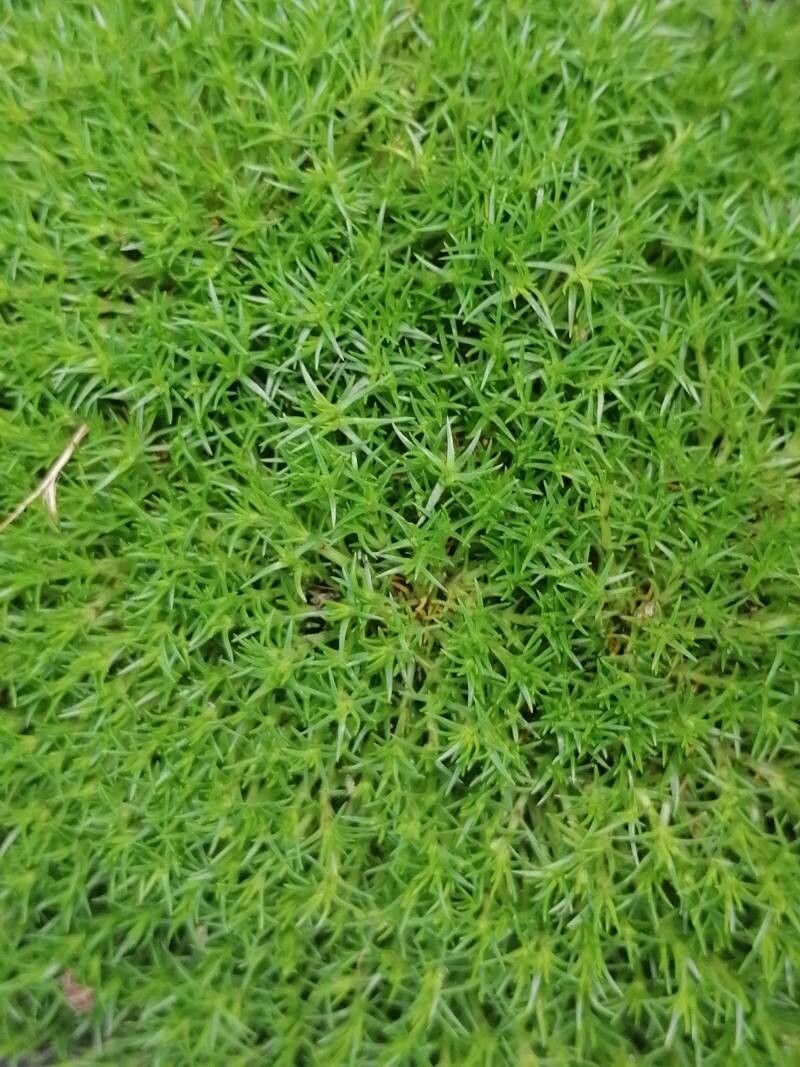
Scleranthus annuus is a species of flowering plant in the family Caryophyllaceae known by the common names German knotweed and annual knawel. It is native to Europe, Asia, and North Africa, and it is known throughout the rest of the temperate world as an introduced species and a common weed. It grows in many types of habitat, often in disturbed areas.
German knotwort is generally disease-resistant and not prone to ailments. Still, it can be affected by pests and diseases present in its environment. Such infections are typically mild. Regarding care, this plant demands moderate maintenance. Regular pruning is needed to preserve a neat appearance and encourage healthy growth. Applying fertilizer can also help stimulate flowering. German knotwort is appropriate for anyone with an outdoor area, like a garden or patio, and does not require extensive care experience. It may need more attention when cultivated indoors.
How to keep Scleranthus Annuus.
Light
german knotwort comes from regions where it enjoys uninterrupted light for most of the day, though it can also succeed in locations that receive light only part of the day. Both excessive and insufficient light can potentially affect the healthy growth of german knotwort, particularly during its various growth stages.
Water
German knotwort, native to temperate regions, thrives in conditions of moderate moisture. To maintain consistent soil moisture without causing waterlogging, it should be watered weekly. As an annual herb, it can withstand short dry periods and tends to grow vigorously when there is regular rainfall in its natural habitat.
Temperature
German knotwort is a plant that thrives in temperate climates. It prefers a temperature range of 68 to 95 °F (20 to 35 ℃). During the height of summer, consider providing shade or increasing irrigation to prevent overheating.
Fertilizer
German knotwort benefits from regular, light applications of fertilizer to encourage healthy leaf development. You should fertilize German knotwort about once a month during the summer months. Nitrogen is important for foliage, and supplementing with nitrogen-rich sources helps German knotwort thrive.
Pruning
German knotwort is a low-growing annual plant that forms a dense mat. To encourage growth and remove any dead material, prune it from early to late spring. Regularly deadhead the flowers and prune the plant after it blooms to maintain its shape, reduce pests, and promote overall health. This will ensure the plant maintains a vibrant appearance.
Botanical profile.
- Plant Type
- Herb
- Life Cycle
- Annual, Biennial
- Genus
- Scleranthus
- Family
- Caryophyllaceae
- Hardiness Zone
- 5
- Mature Height
- 5 cm to 25 cm
- Mature Spread
- 13 cm
- Leaf Color
- Green
- Leaf Type
- Evergreen
- Flower Color
- White, Yellow, Green
- Flower Size
- 2.54 cm
- Bloom Time
- Mid spring, Late spring, Early summer, Mid summer
- Planting Time
- Spring, Summer
- Harvest Time
- Summer, Early fall
Other names.
Reader questions.
How should I best water my German knotwort plant?
Watering German knotwort is easy and flexible. You have options like using a garden hose with a spray nozzle, a watering can, or any other common tool. It's not too particular about water source and can thrive with rainwater, tap water, or filtered water. Avoid watering from above to prevent leaf and flower damage and the risk of disease. Drip irrigation systems are often the best for German knotwort as they evenly and directly water the soil. For container-grown German knotwort, use a cup, watering can, or tap water to water the soil directly.
What are the sunlight requirements for German knotwort?
German knotwort thrives in full sunlight, requiring above 6 hours of sunlight daily, known as full sun, but it can also manage in partial sun, which is about 3-6 hours of sunlight. When planning your garden, observe the movement of sunlight throughout to ensure that your plants receive the ideal balance of light and shade, essential for their growth and happiness.
What temperature is best for German knotwort to grow?
To cultivate healthy German knotwort, it is ideal to keep it within a specific temperature range of 65~75℉(18~25℃). Although German knotwort can tolerate higher and lower temperatures, it is recommended to maintain the growing area within a few degrees of this range whenever possible. If the temperature deviates from the preferred range, it does not mean that the growth will cease entirely. German knotwort can withstand a wider range of temperatures before experiencing damage or reduced growth. On the higher end, temperatures between 75~85℉(25~30℃) are acceptable. On the lower end, the plant can handle temperatures as low as 5℉(-15℃). However, it is crucial to note that the upper temperature range is more critical, as German knotwort thrives in cooler conditions. Exceeding the upper range may cause growth to slow down, and temperatures above 85℉(30℃) could lead to the plant's demise.
What should I do if I give too much or too little water to my German knotwort plant?
The solution for underwatering German knotwort is straightforward: when you notice that your plant is lacking moisture, water it more regularly. On the other hand, overwatering can be a serious issue, especially if not detected early. Overwatered German knotwort may get sick and eventually die. To prevent such a scenario, it is important to choose a suitable location for growth, with ample sunlight to dry the soil and good drainage to avoid waterlogging. If you are overwatering German knotwort in a pot, consider transferring it to a new pot. The previous container may have had poor soil drainage or inadequate drainage holes. When repotting the overwatered German knotwort, make sure to use loose soil and a pot with efficient drainage.
How essential is lighting for growing German knotwort?
Lighting is crucial for the healthy growth of German knotwort, a plant that originates from areas with abundant light throughout the day. It can survive in less sunny conditions, but both too much or too little light can affect its growth. When natural sunlight is insufficient, especially during winter or in darker spaces, artificial lighting becomes necessary. LED lights are recommended for their ability to provide specific light wavelengths needed by plants. For full sun plants, 30-50W/sq ft of artificial light is needed, partial sun plants require 20-30W/sq ft, and full shade plants need 10-20W/sq ft. The light source should be placed 12-36 inches above the plant to mimic natural sunlight, and most plants will benefit from 8-12 hours of light per day.
Does German knotwort need different temperatures at different stages of growth?
To ensure a healthy growth of German knotwort, it's crucial to maintain an ideal temperature range of 65~75℉ (18~25℃) in your growing space. It's better to keep the temperature on the lower side within this range, but be careful not to go below -5℉ (-20℃). Extremely cold temperatures can negatively affect the plant's growth at any stage, although they are not as harmful as excessive heat. If the temperature remains high during the budding stage, German knotwort may not flower at all.
How frequently should I water my German knotwort plant?
German knotwort requires regular watering throughout the growing season. In the spring, water once a week. As the season progresses and it gets warmer, you may need to water two to three times a week. However, be careful not to exceed this rate as it can harm the plant. It's important to keep the soil consistently moist but not wet. When watering German knotwort in a pot, you'll need to water more frequently. Pot soil can dry out faster than ground soil, so plan to water a container-grown plant a few times a week compared to just once a week for an in-ground plant.
What symptoms indicate inadequate light for German knotwort when grown indoors?
When German knotwort is grown indoors and doesn't receive enough light, it may show several symptoms including small leaves compared to older, more mature ones, leggy or sparse growth that appears thin and stretched, faster leaf drop to conserve resources, slower or halted new growth, and lighter-colored new leaves indicative of chlorophyll and nutrient deficiency. Chlorosis, sunscald, leaf curling, wilting, and leaf scorching are other symptoms, with chlorosis being the loss of leaf green color, sunscald the damage from intense light, leaf curling a defense mechanism to minimize sunlight damage, wilting from excessive water loss, and leaf scorching from too much sunlight.
Here are three tips to help control the temperature of German knotweed.
Here are three tips for successfully growing German knotwort indoors: 1. Choose the coldest room: Select the coldest room in your home for growing German knotwort indoors. This room should be shielded from the intense heat of the sun during the middle of the day. However, it is important to ensure that the room still receives a healthy amount of sunlight, as zero sunlight can inhibit the growth of German knotwort. 2. Beware of high temperatures: German knotwort is typically grown during the spring and early summer, which can bring with it fluctuating high temperatures. These temperature changes can negatively impact the flowering stage of German knotwort, causing buds to transform into non-flowering buds. To avoid this, it is crucial to maintain a temperature range of 65-75℉ (18-25℃) so that your German knotwort can fully bloom. 3. Protect from frost: While German knotwort can tolerate lower temperatures as low as -5℉(-20℃), it cannot withstand significant frost. Therefore, it is important to avoid exposing German knotwort to the cold temperatures of late fall or winter to prevent frost damage. Signs of frost damage include wilting, discoloration, and eventual browning or blackening of affected parts. These damaged sections cannot be salvaged and should be pruned to maintain the plant's overall health.
How much water does my German knotwort plant need?
Determining how much water to give your German knotwort can be approached in a few different ways. Some gardeners prefer to gauge the soil moisture by feeling it, and they recommend watering until the top six inches of soil are moist. Alternatively, you can use a standard measurement of about two gallons per week, adjusting as needed based on temperature and soil dryness. However, be cautious of overwatering if your plant requires less. When growing German knotwort in a container, you'll need a different approach. Make sure to moisten all layers of dry soil, either by checking with your finger or watering until you see a slight drainage from the pot.
How can lighting issues be resolved for German knotwort grown indoors and outdoors?
To address lighting issues for German knotwort, gradual adaptation to the right light conditions is key. For indoor plants, start by moving them weekly towards a sunnier location to reach the optimal 6 hours of direct sunlight a day, use south-facing windows, and consider artificial lighting like desk or ceiling lamps for at least 8 hours daily, or invest in grow lights if the plant is large. For outdoor plants, also gradually move them to sunnier spots each week, avoiding sudden light intensity changes to prevent sunburn. Obstructions to light, like trees, may be reduced by pruning. For smaller plants, consider transplanting during dormant periods to a location with ample sunlight and good drainage. It's noted that while plants affected by insufficient sunlight may not fully recover, new growth will be healthy after adjusting the light exposure.
Does German knotwort require different temperatures during different seasons?
Maintaining a stable temperature in your growing area is essential throughout the year. If you live in an area with harsh winters or hot summers, it's recommended to bring your plants indoors. Keeping them in a cool room provides optimal conditions for German knotwort growth. If you decide to keep your plants outside, closely monitor the temperature. In particularly hot summers, ensure that the temperature does not exceed 85℉(30℃). If it does, German knotwort can quickly dehydrate and sustain damage, eventually leading to their demise.