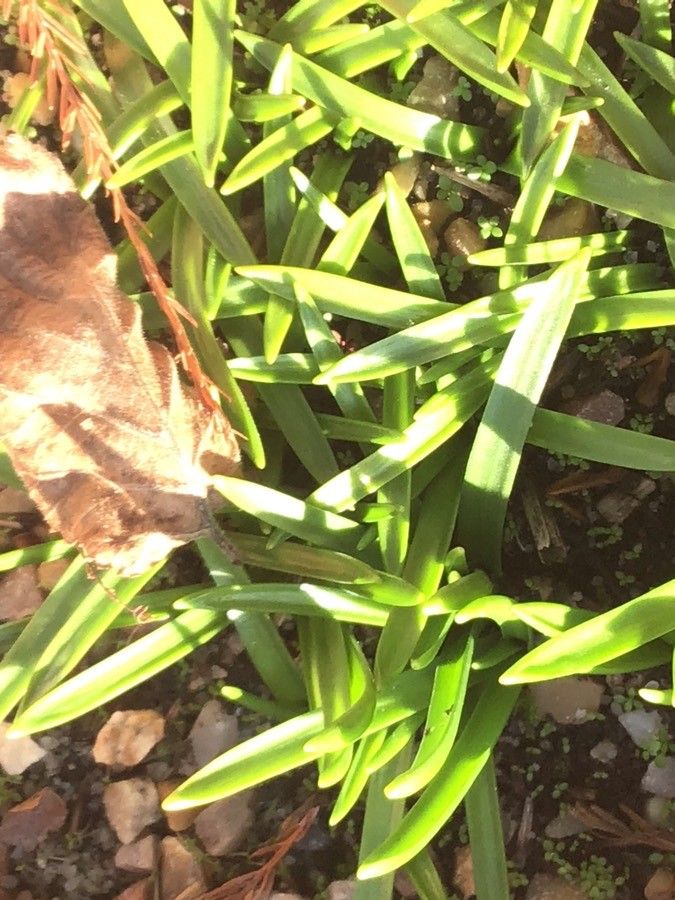
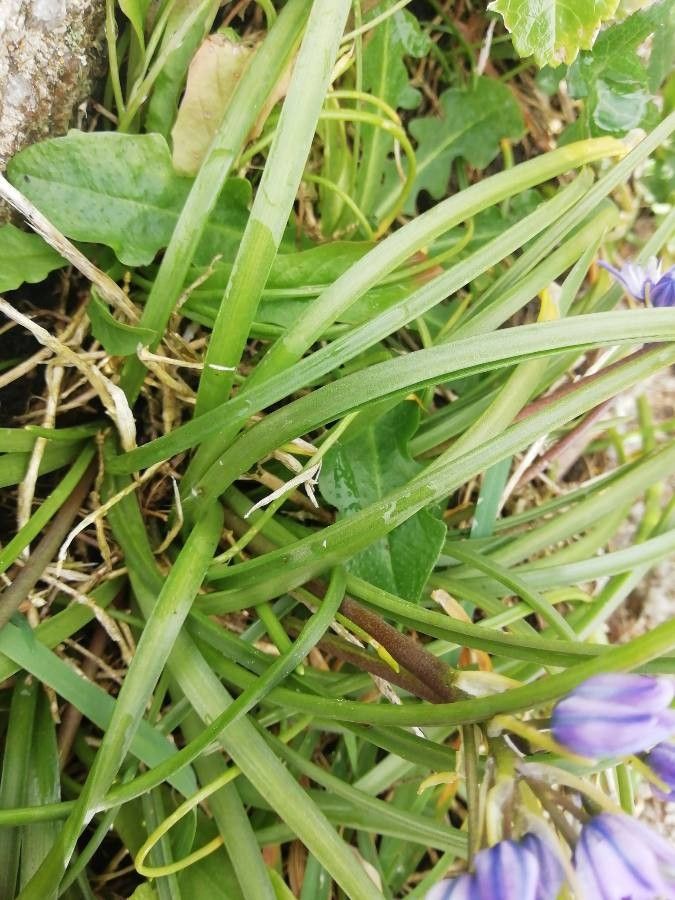
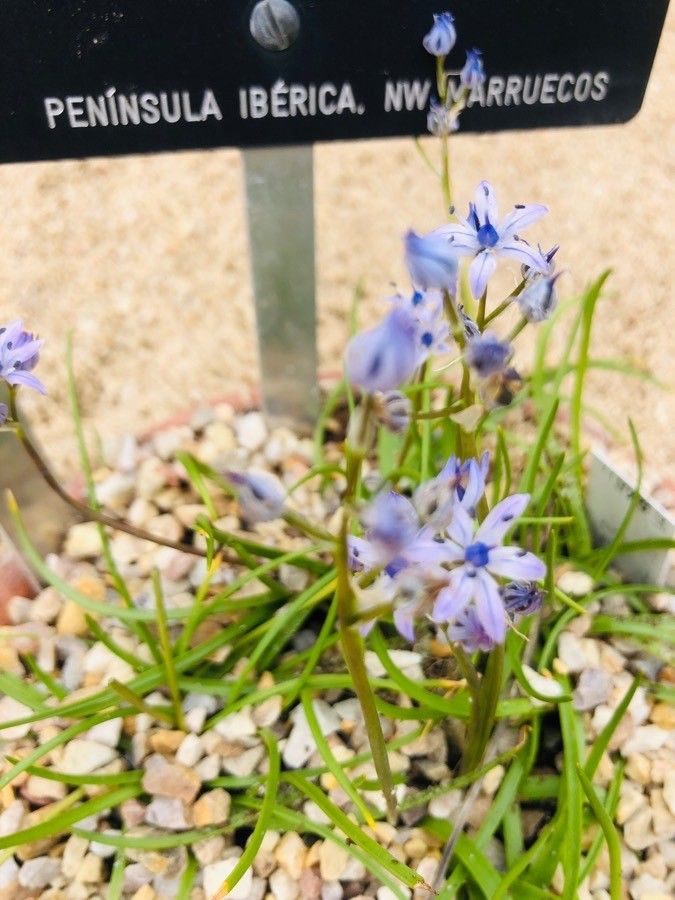
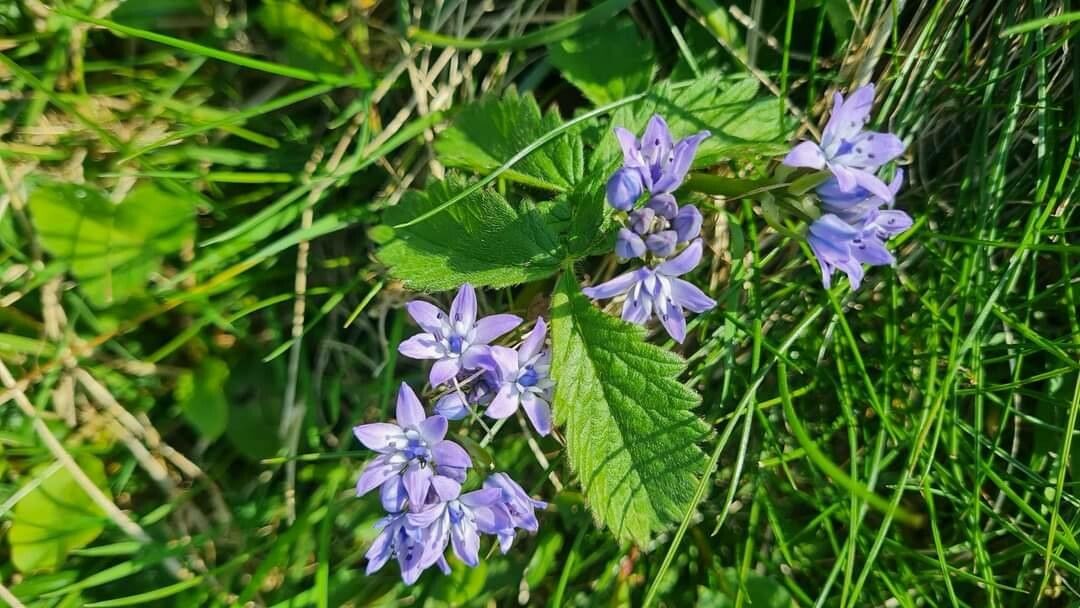
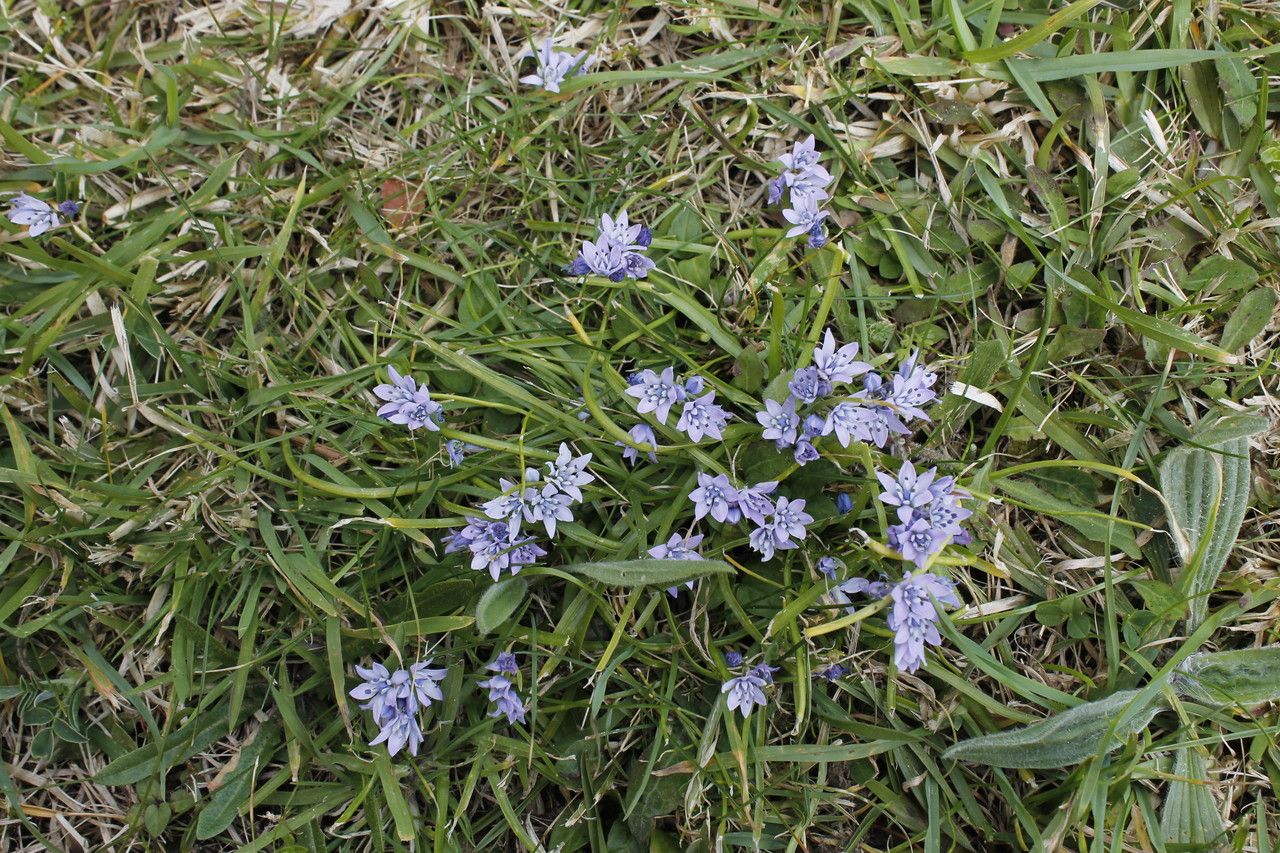
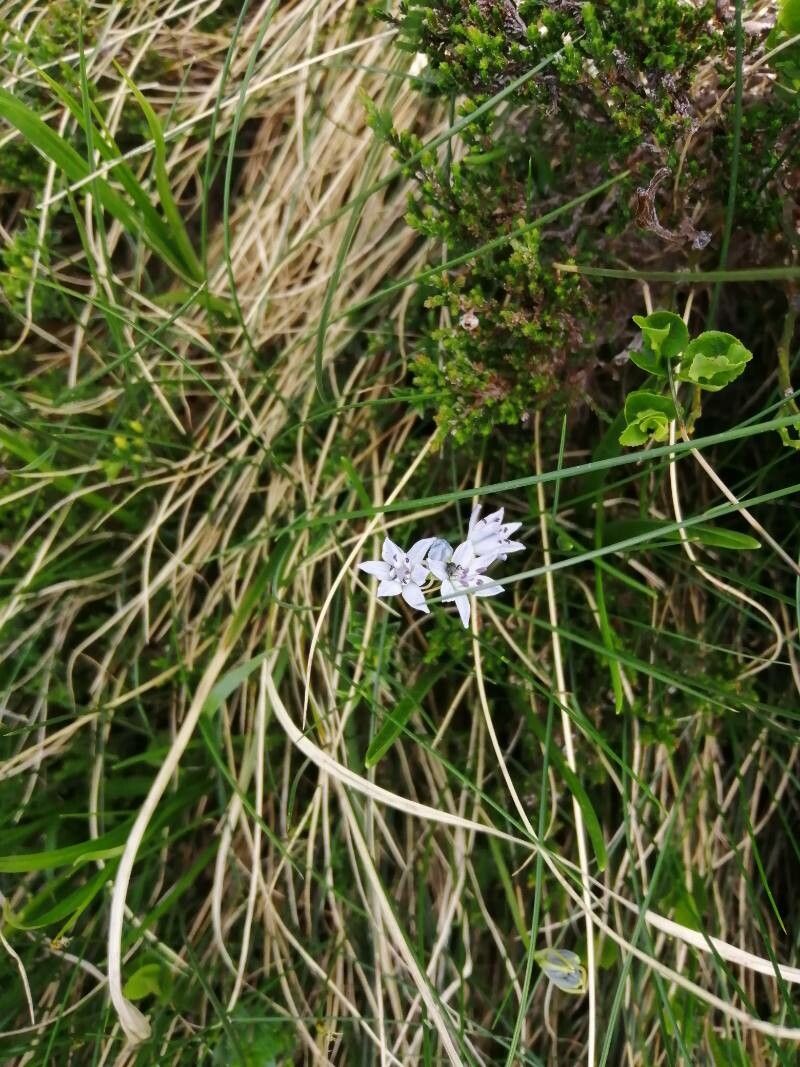
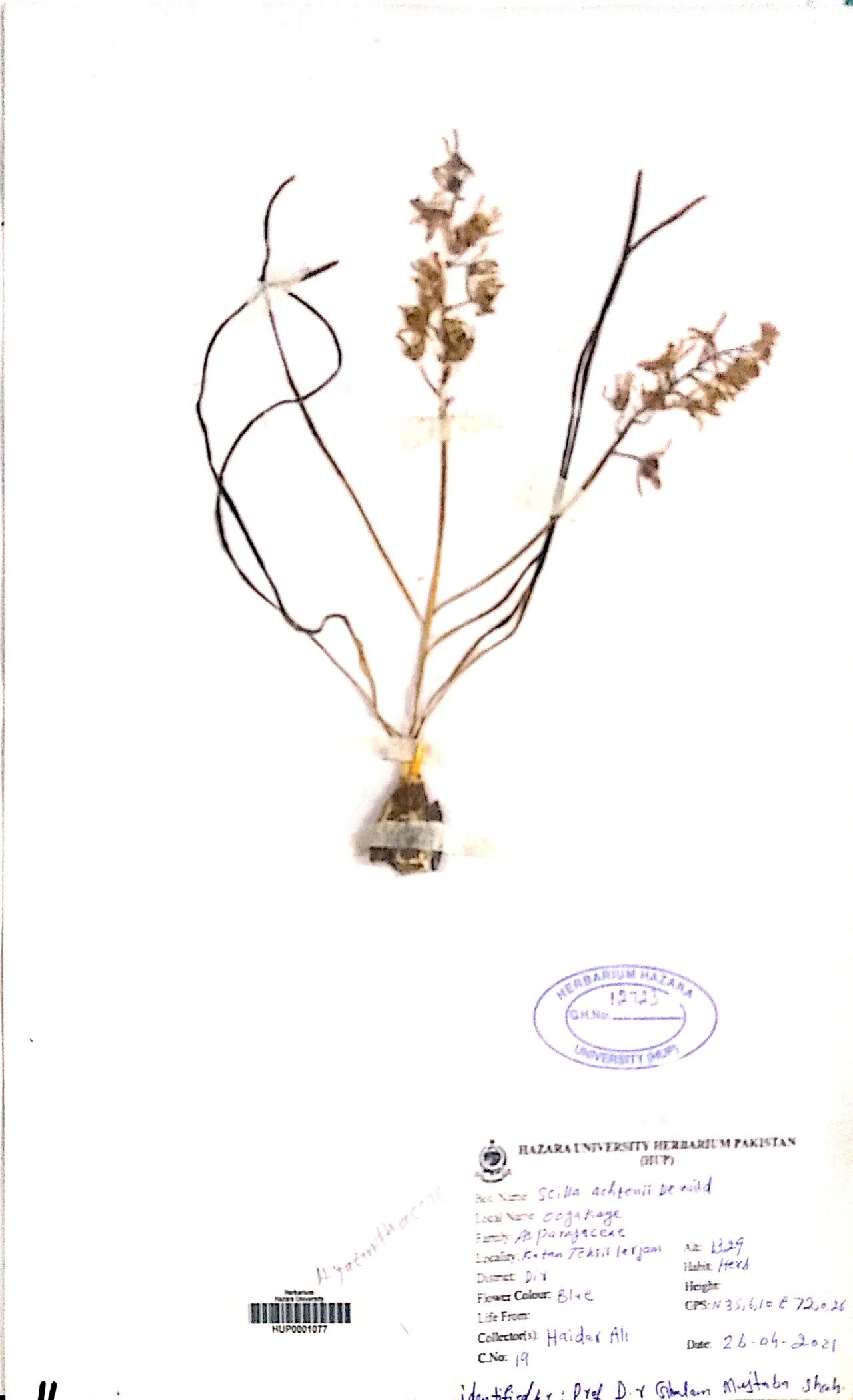
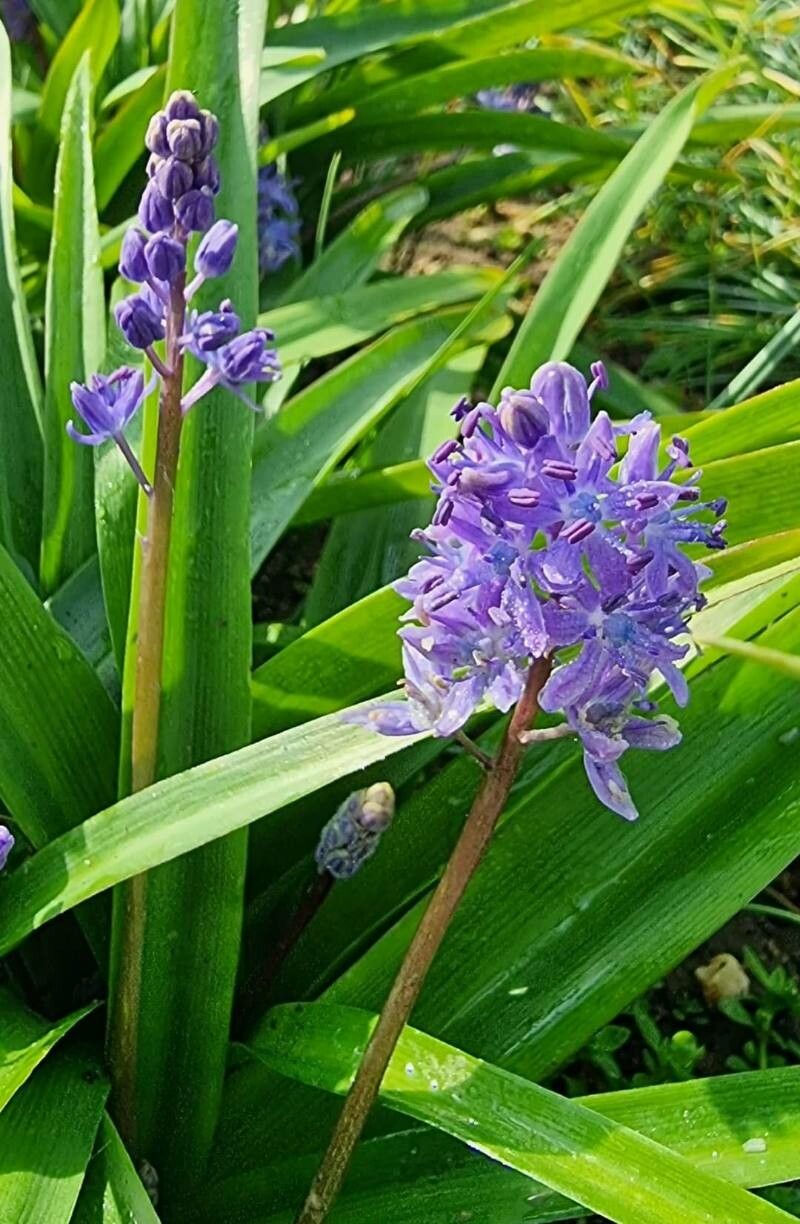
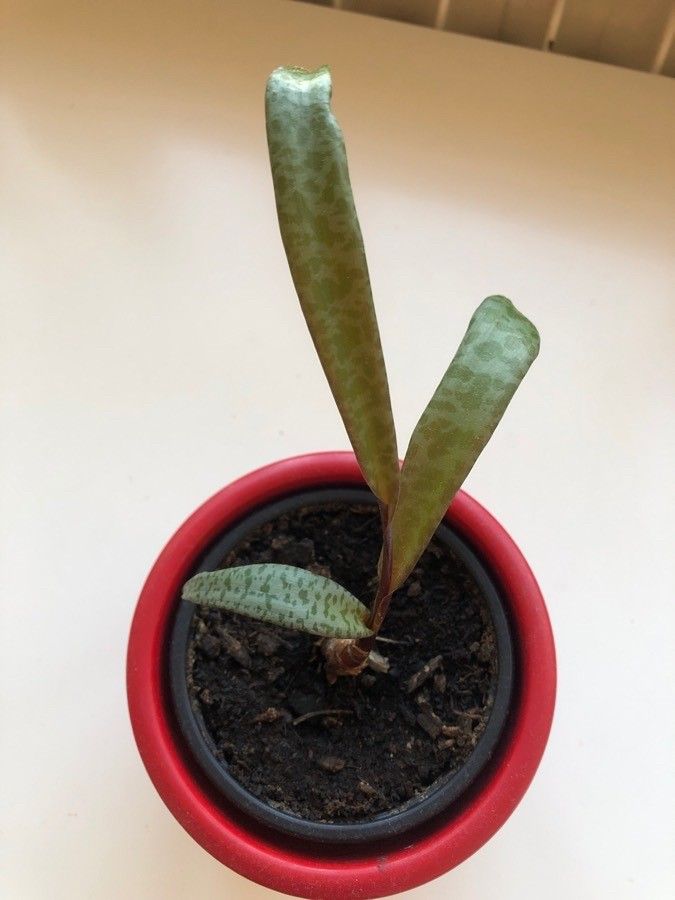
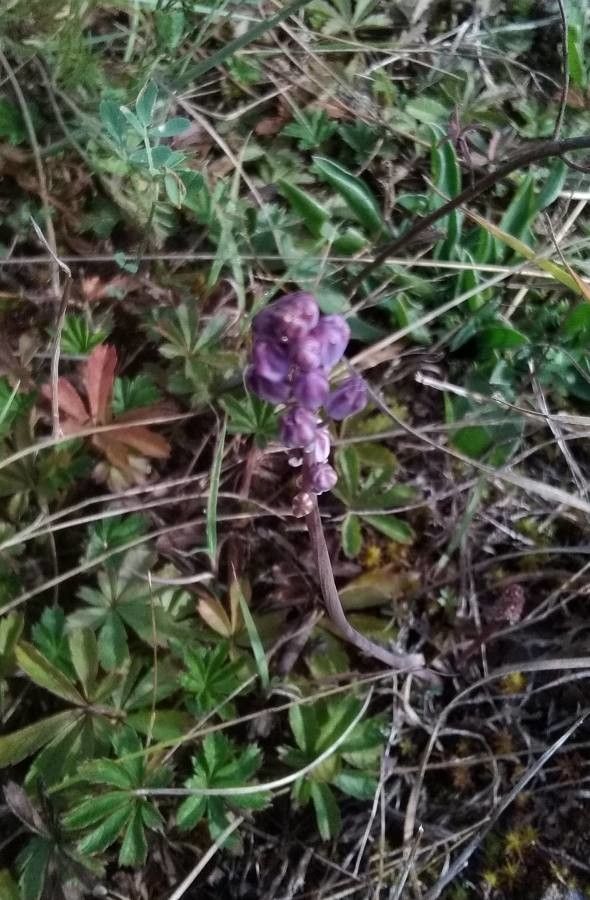
Scilla verna, commonly known as spring squill, is a flowering plant native to Western Europe. It belongs to the squill genus Scilla. Its star-like blue flowers are produced during the spring. It is a small plant, usually reaching 5-15 centimetres in height. It is perennial and grows from a bulb which is 10-15 millimetres across and ovoid in shape. Two to seven leaves grow from the base of the plant; they are long and narrow, measuring 3–20 cm by 2–5 mm. The flowers grow in a dense cluster of two to twelve at the top of the upright stem. They are scentless and have six violet-blue tepals, 5–8 mm long. Each flower has a 5–15 mm long, bluish bract at the base. The seeds are ovoid and black. The diploid number of chromosomes is 20 or 22. The plant occurs from Portugal north through Spain, France, Great Britain (particularly the west coast) and Ireland (mainly along the east coast), reaching as far as the Faroe Islands and Norway. It is found in short dry grassy areas, usually near the sea. It is one of the key components of the H7 plant community in the British National Vegetation Classification system. It was chosen as the county flower for County Down in Northern Ireland after a public vote organised by the charity Plantlife in 2002.
Spring squill is relatively disease-resistant and generally not prone to illness. Nonetheless, it can be affected by pests and diseases present in its surroundings. These problems are typically minor. Regarding care, this plant requires moderate maintenance. It should be pruned regularly to preserve a neat appearance and support healthy growth. Fertilizing can also encourage flowering. Spring squill is well suited for anyone with outdoor space, such as a garden or patio, and does not demand a lot of gardening experience. It may need more attention when grown indoors.
How to keep Scilla Verna.
Light
Spring squill prefers plenty of sunlight and does best in places that are bright for most of the day, though it can tolerate moderate light. Cloudy, overcast conditions can impair its growth. Adapted to open habitats with direct sun, it may struggle when light is inadequate, showing stunted growth or pale leaves.
Water
Spring squill thrives in humid environments, needing weekly watering to prevent waterlogging. This plant, native to coastal regions, efficiently uses water during its growing season and is well-suited to temperate climates with regular rainfall. It is often found in rocky seaside landscapes.
Temperature
Spring squill grows best in moderate temperatures, roughly 32 to 90°F (0 to 32°C). Native to temperate regions, it may require attention during the hottest parts of summer or during freezing winter conditions.
Fertilizer
The best time to fertilize a Spring squill is in early spring, as it comes out of dormancy and begins active growth. Fertilization supplies essential nutrients needed for healthy development. Although Spring squill has fairly low fertilizer requirements, fertilizing annually can improve its survival and encourage better, longer-lasting flowers.
Pruning
Spring squill is known for its delicate blue flowers nestled among grassy foliage and requires minimal pruning. To ensure healthy growth, trim the spent flowers and remove dead leaves from early to late spring. Making clean cuts helps prevent plant stress, while light pruning improves airflow, reduces the risk of disease, and encourages abundant flowering in the next season.
Botanical profile.
- Plant Type
- Herb
- Life Cycle
- Perennial
- Genus
- Scilla
- Family
- Asparagaceae
- Hardiness Zone
- 3-8
- Mature Height
- 5 cm to 15 cm
- Mature Spread
- 0 cm to 10 cm
- Leaf Color
- Green
- Leaf Type
- Deciduous
- Flower Color
- Blue
- Flower Size
- 0.51 cm to 1.52 cm
- Bloom Time
- Early spring, Mid spring
- Planting Time
- Spring
- Harvest Time
- Late spring, Early summer
Other names.
Reader questions.
How should I water my Spring squill?
To properly water the Spring squill, it is recommended to use filtered water at room temperature. Tap water may contain harmful particles for this plant, so filtered water is preferred. The water's temperature should be at room temperature or slightly warmer since the Spring squill is used to a warm environment, and cold water can shock it. Moreover, it is best to avoid overhead watering as it can cause issues with the foliage. Instead, apply filtered room temperature water directly to the soil until it is thoroughly soaked. This method benefits the plant by moistening its roots and aiding in the spread and nutrient collection.
Do I have to add fertilizer to my Spring squill?
The main structure of the Spring squill is made up of its leaves. Fertilization is really important for keeping these leaves looking great and functioning properly. Proper fertilization helps ensure that the leaves maintain a consistent color and healthy texture. Fertilization also has benefits below the soil, as it helps the Spring squill develop new roots and maintain its existing root system. This not only keeps the plant healthy in the present, but also enhances its ability to absorb soil nutrients in the future.
What are the sunlight requirements for Spring Squill?
Spring Squill requires full sun, which means it needs above 6 hours of sunlight daily, but it can also tolerate partial sun, receiving about 3-6 hours of sunlight each day. It's crucial to observe the movement of sunlight through your garden to identify spots that offer a perfect balance of light and shade, ensuring the plants' optimal growth. This careful selection helps in catering to the particular needs of Spring Squill for ample solar exposure, as it flourishes in well-lit locations for most of the day. However, it might face growth challenges under overcast conditions or when exposed to insufficient light, which could result in pale foliage or hindered growth.
What temperatures are suitable for growing Spring squill?
Spring squill thrives in moderate temperatures, specifically within the range of 32 to 90°F (0 to 32°C), making it ideal for temperate climates. Although the plant possesses strong cold resistance, requiring minimal frost protection measures, it might need intervention during extreme weather conditions. During the peak summer or freezing winter, ensuring the plant is appropriately cared for is crucial. For winter conditions below -35°C, protective measures like covering the plant with soil or straw are recommended. Additionally, watering the plant generously before the first freeze in autumn helps maintain soil moisture and prevents drought, supporting the plant's health through winter and early spring.
What should I do if I give my Spring squill too much or too little water?
Overwatering is a more common issue than underwatering for the health of your Spring squill. If you give it too much water, its stems and leaves may wilt and turn yellow. Overwatering for a long time can also cause diseases like root rot, mold, and mildew that can kill the plant. Underwatering is less likely because the Spring squill can tolerate drought quite well. But when it does happen, the leaves will become brittle and brown. It's important to recognize the signs of overwatering early on so you can take action. Some of the diseases caused by overwatering, like root rot, may be irreversible if not addressed promptly. If you notice early signs of overwatering, reduce your watering schedule right away. You should also check the quality of the soil. If it drains poorly, replace it with a loose, well-draining potting mix. On the other hand, if you see signs of underwatering, simply water the plant more frequently until those signs improve.
When should I fertilize my Spring squill for the best results?
If you grow Spring squill outdoors, it will start growing new leaves in early spring, signaling that it's time to fertilize. Usually, one application of fertilizer is enough, but if you want to maximize growth, you can fertilize multiple times in spring and early summer. In this case, you can feed Spring squill approximately once every month to a month and a half.
How does artificial lighting support Spring Squill's growth indoors?
Indoor Spring Squill plants require adequate lighting to grow optimally, especially when natural sunlight is insufficient, like in winter or less sunny spaces. Artificial lights, such as LEDs, can be customized to provide specific wavelengths needed by plants, offering a vital growth support system. For full sun plants, 30-50W/sq ft of artificial light is recommended, partial sun plants need 20-30W/sq ft, and full shade plants require 10-20W/sq ft. The light source should be placed 12-36 inches above the plant to mimic natural sunlight conditions and be kept on for 8-12 hours per day to match the natural daylight duration for your plant species.
How to care for Spring squill in low temperatures?
Spring squill is notably cold-tolerant, thriving best when temperatures stay above 0°C. If winter temperatures are expected to drop below -30°C, it is vital to keep the plant warm. Although the plant may not exhibit noticeable changes when temperatures fall below -35°C, these conditions can lead to decreased sprouting or even prevent sprouting in spring. To care for Spring squill in low temperatures, if any parts of the plant fail to sprout by spring, you should remove these non-sprouting parts to encourage healthy growth.
How frequently should I water my Spring squill?
If your Spring squill is in a pot, the most accurate way to determine if it needs water is by checking the soil with your finger. If the top two to three inches of soil feel dry, it is time to water it. If your Spring squill is planted outdoors, you can use a similar method to check the soil. Once you notice that the top few inches of soil have dried out, it is time to water. In the spring and early fall, watering once a week is usually sufficient. However, during extremely hot weather, you may need to water it two or more times per week. It is worth mentioning that mature, well-established Spring squill plants can endure dry spells quite well.
When is not a good time to add fertilizer to my Spring squill?
During late fall and winter, your Spring squill goes into a dormant phase and stops growing. So, it's best to avoid fertilizing it during this time. In spring and summer, if you do decide to fertilize, you should gradually decrease the amount of fertilizer as summer approaches because the growth rate of your Spring squill slows down. In general, it's not a good idea to fertilize your Spring squill when the weather is unusually hot or the soil is extremely dry. This can stress your plant and make it die prematurely.
What are the signs of insufficient light for Spring Squill?
Spring Squill shows various symptoms when it doesn't receive enough light. These include the growth of smaller new leaves, leggy or sparse growth as the spaces between leaves or stems lengthen, early shedding of older leaves to conserve resources, slower or halted growth, paler than usual new leaves indicating a lack of chlorophyll, and conditions like chlorosis where leaves lose their green color. Moreover, excessive sunlight can cause issues like sunscald, leaf curling as a defense against water loss, wilting from increased transpiration, and leaf scorching, which reflects in brown, dry edges on leaves.
How to manage high temperatures for Spring squill?
During the summer, it's critical to ensure that Spring squill is not exposed to temperatures above 32°C. High temperatures exceeding 35°C can lead to the leaves becoming lighter in color, curling, becoming sunburned, and in severe cases, the plant might wilt and dry out completely. To protect and care for Spring squill in high temperatures, trim away any sunburned or dried-up parts of the plant. Moving the plant to a shaded area or using a shade cloth can protect it from direct midday and afternoon sun. Additionally, watering the plant in the morning and evening will help keep the soil moist, providing a conducive environment for its growth.