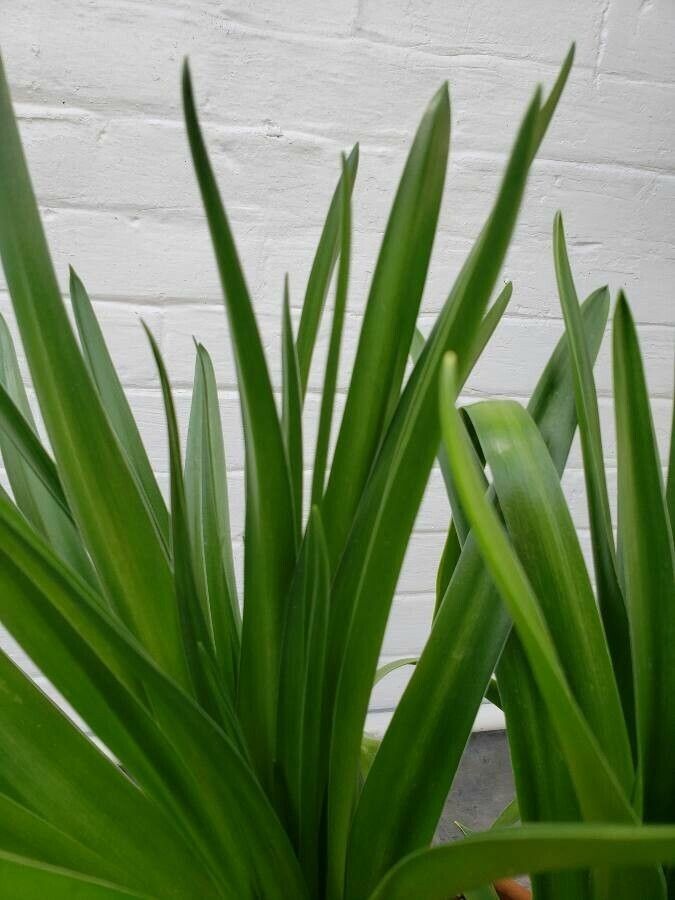
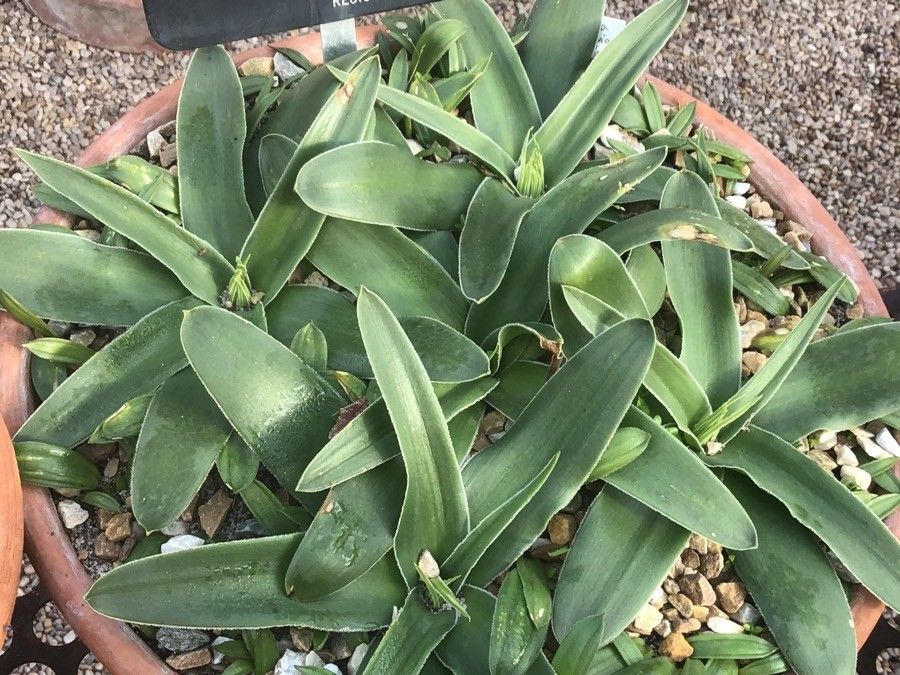
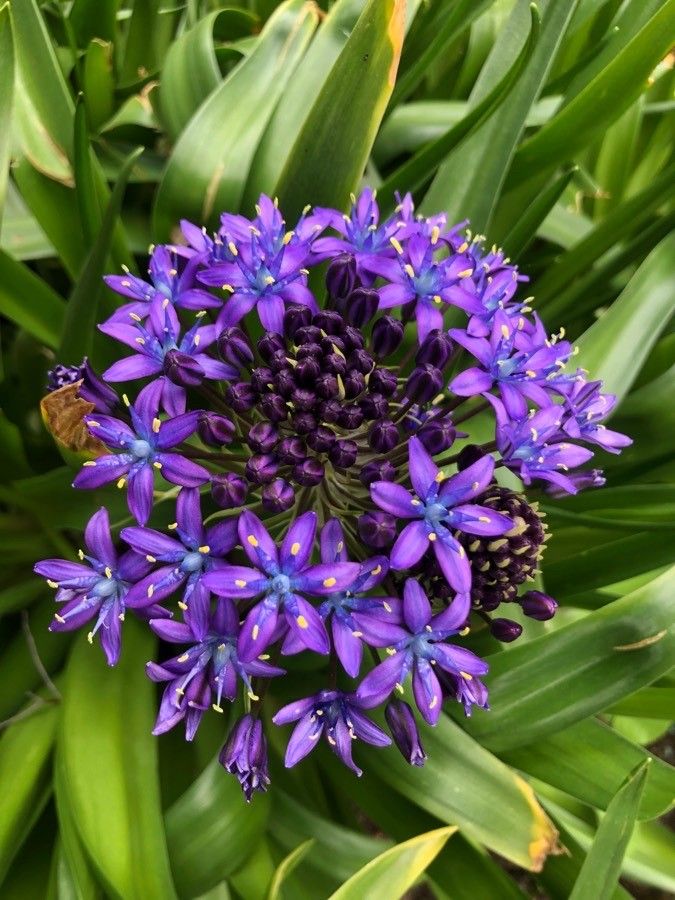
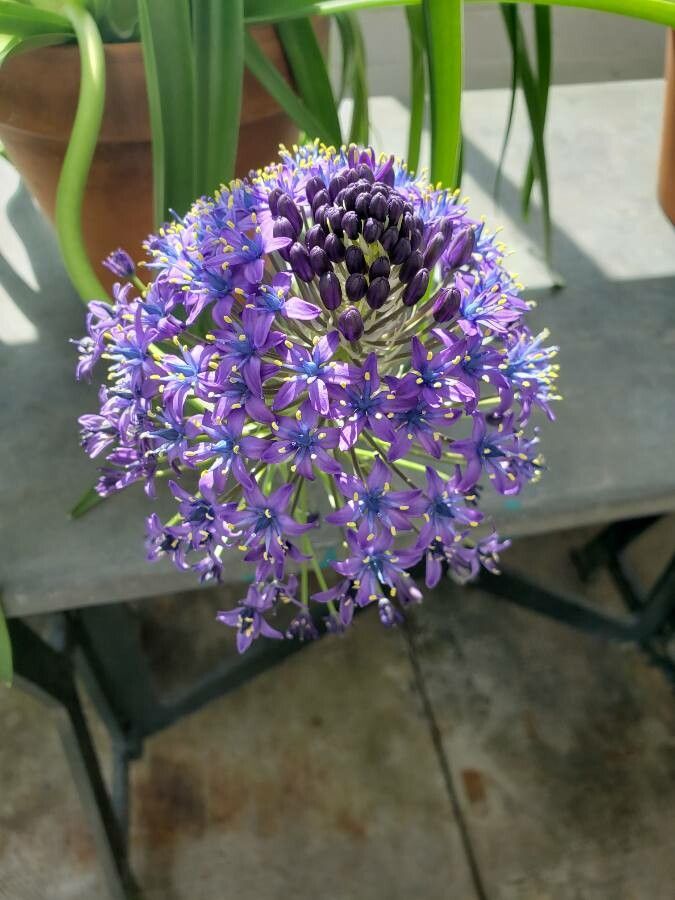
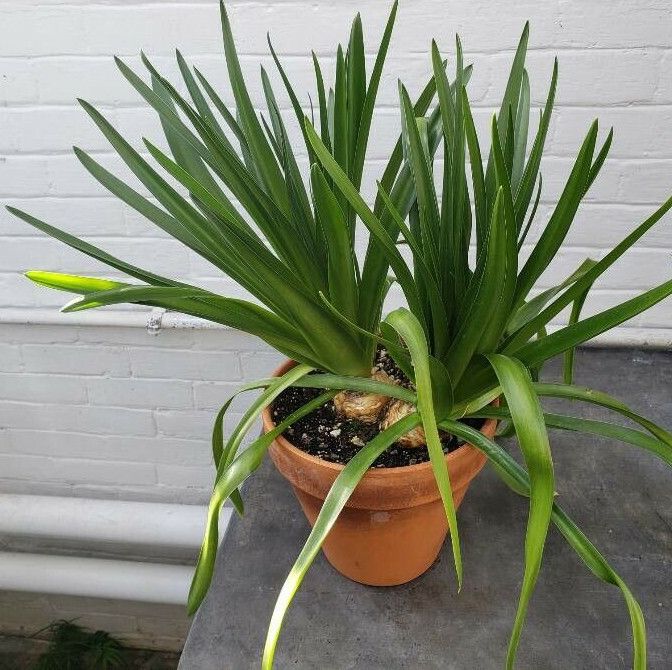
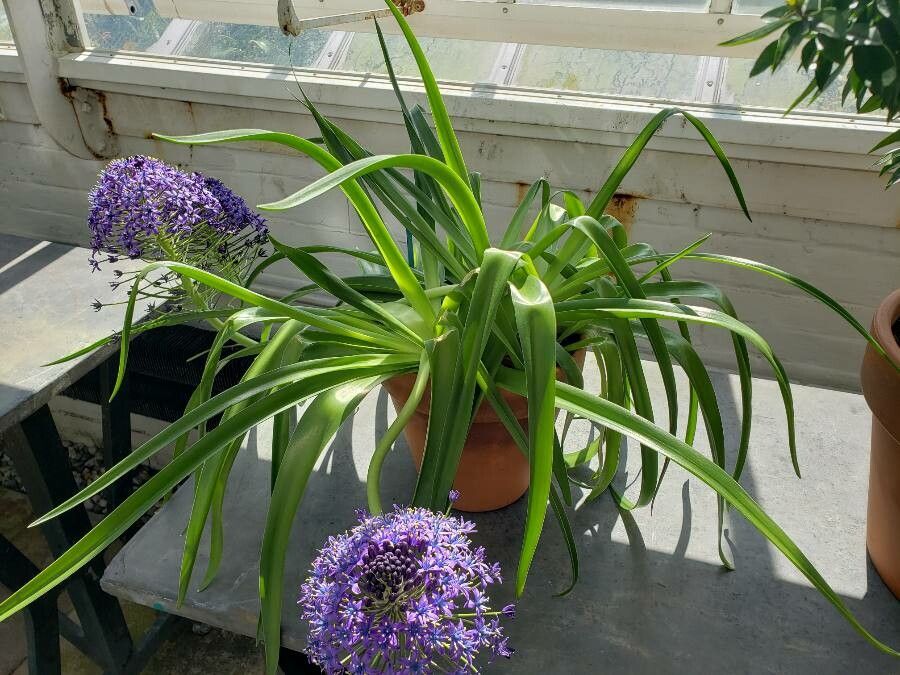
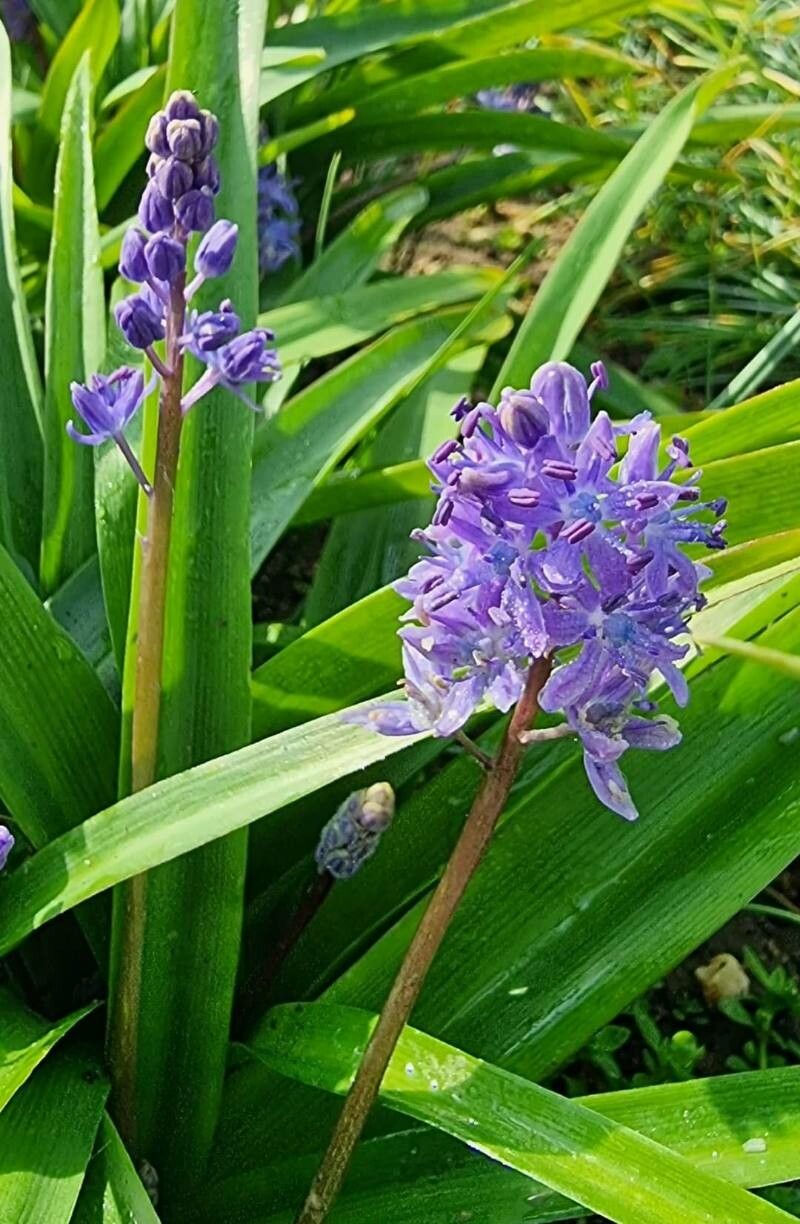
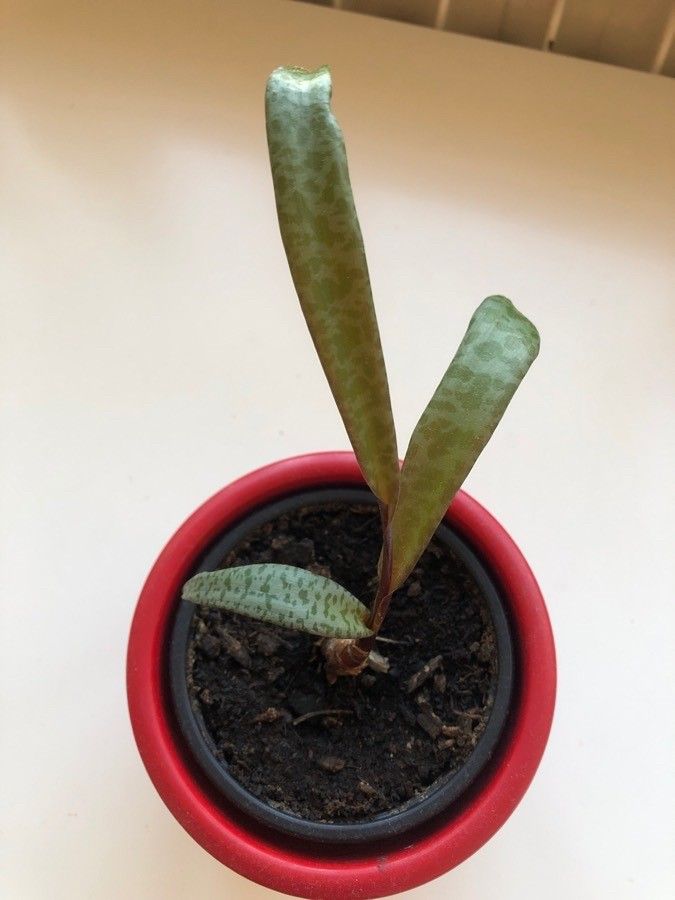
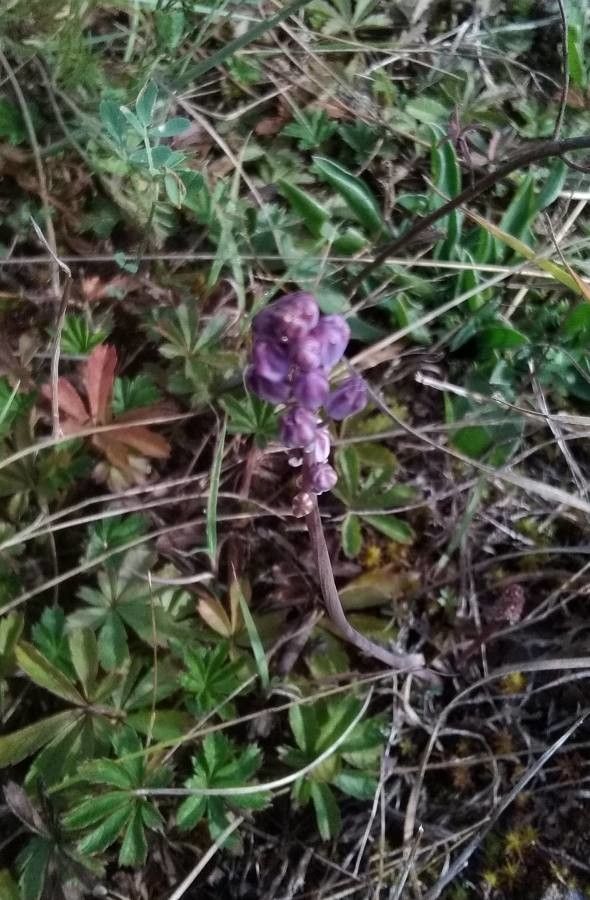
Scilla peruviana, commonly known as the Peruvian squill, is a bulbous perennial plant belonging to the Asparagaceae family. Native to the Mediterranean region, it thrives in rocky areas and open woodlands. The plant showcases large, striking flower spikes that can reach up to 60 cm in height. These star-shaped flowers are typically blue-violet or purple with a white center. The strap-like leaves can grow up to 60 cm long.
Scilla peruviana is easy to cultivate, requiring well-draining soil with moderate moisture levels. It prefers full sun or partial shade but can also tolerate some shade. This plant blooms from late spring to early summer, making it an excellent choice for garden borders or containers.
Historically, the Peruvian squill has been used for its medicinal properties, particularly its diuretic effects, which help treat urinary tract infections and kidney stones. However, all parts of the plant are toxic if ingested by humans or animals, so caution is necessary.
The Portuguese squill, despite its name, is not actually from Peru. According to legend, in the 16th century, botanist Carolus Clusius mistakenly identified the plant's origin. When examining bulbs that arrived on a ship called "Peru," he incorrectly assumed the plant came from that country and named it Hyacinthus stellatus peruanus. In 1753, Linnaeus renamed it Scilla peruviana. FUN FACT · FROM THE LIBRARY
Overall, Scilla peruviana is a beautiful ornamental plant that enhances any garden with its stunning flowers. While it possesses some medicinal benefits, it should only be used under medical supervision due to its toxic nature.
Portuguese squill is fairly disease-resistant and typically does not suffer from illnesses. Still, it can be vulnerable to pests and the diseases found in its environment. When infections do occur, they are generally mild. Regarding upkeep, this plant needs a moderate amount of care. It should be pruned on a regular basis to preserve its appearance and support healthy growth. Applying fertilizer can also assist in encouraging blooms. Portuguese squill is well suited for anyone who has an outdoor area, like a garden or patio, and does not demand extensive gardening experience. It may need extra attention if cultivated indoors.
How to keep Scilla Peruviana.
Light
Portuguese squill grows best in a location that receives a consistent amount of sunlight throughout the day, which is essential for its healthy development. It can also do well in areas where light is variable. However, prolonged low light and excessive exposure can both have a detrimental effect on its growth.
Water
The Portuguese squill is a plant native to the Mediterranean region. It thrives in moderate humidity and well-drained soil. To ensure optimal growth, it needs to be watered weekly, balancing its drought tolerance with its hydration requirements. During its blooming season, which occurs in warmer temperatures, its water needs increase.
Temperature
Portuguese squill is native to a climate where temperatures range from 59 to 95 °F (15 to 35 ℃). It does best in those conditions, so to grow it in other climates you should modify the temperature to replicate them, especially across different seasons.
Fertilizer
The primary time to fertilize Portuguese squill is in early spring, when the flowers are beginning to form. Using an appropriate fertilizer promotes stronger blooms and helps Portuguese squill produce attractive flowers. Fertilizing at that early-spring stage supports excellent flowering during the season and supplies energy for dormant growth phases.
Pruning
The Portuguese squill is known for its beautiful clusters of blue flowers and requires minimal pruning. Ideally, pruning should be done from early spring to late winter. Be sure to trim away any dead or damaged leaves, but avoid cutting the green foliage. Pruning helps improve air circulation, reduces the risk of disease, and promotes healthy growth. Additionally, regularly deadheading the plant will help maintain its aesthetic appeal.
Pot & Repot
Repot the Portuguese squill every 2-3 years in the spring, using a medium-sized pot to accommodate its bulbous growth. After repotting, ensure there is good drainage and gradually acclimate the plant to shaded conditions. Regularly monitor moisture levels to provide attentive care that encourages healthy growth as the Portuguese squill adapts to its new environment.
Botanical profile.
- Plant Type
- Herb
- Life Cycle
- Perennial
- Genus
- Scilla
- Family
- Asparagaceae
- Hardiness Zone
- 7-10
- Mature Height
- 10 cm to 25 cm
- Mature Spread
- 15 cm to 20 cm
- Leaf Color
- Green
- Leaf Type
- Evergreen
- Flower Color
- Blue, Purple
- Flower Size
- 1.02 cm to 2.03 cm
- Bloom Time
- Mid spring, Late spring
- Planting Time
- Spring
- Harvest Time
- Early summer, Mid summer
Other names.
Reader questions.
How should I water my Portuguese squill?
When watering the Portuguese squill, it's important to use filtered water at room temperature or slightly warmer. Tap water may have harmful particles, so filtered water is preferred. This plant prefers a warm environment, so it's best to avoid using cold water, as it can be a shock. It's also recommended to refrain from overhead watering, as it can lead to foliage issues. Instead, water the plant by applying filtered room temperature water directly to the soil until it is completely soaked. This method helps moisten the roots and allows them to spread and collect the necessary nutrients.
Why should I put fertilizer on my Portuguese squill?
Fertilization is important for Portuguese squill for various reasons. It provides essential nutrients for the plant's growth above and below ground. Although Portuguese squill has relatively low fertilization needs and can sometimes survive without it, annual fertilization can greatly benefit the plant. It helps to ensure its survival and may improve the quality and longevity of its flowers. Therefore, if you want your Portuguese squill to look its best, it's advisable to regularly fertilize it.
What are the sunlight requirements for Portuguese squill?
Portuguese squill requires full sun, defined as over 6 hours of sunlight, to thrive, but it can also grow in partial sun, which is about 3-6 hours of sunlight. It's important to observe the movement of sunlight through your garden to find spots that offer the right balance of light and shade. This ensures the plants remain healthy and happy. In general, Portuguese squill enjoys steady sunlight throughout the day, but it can also adapt to fluctuating light conditions. However, both extended periods of low light and excessive exposure can negatively affect its growth.
What is the indigenous climate for Portuguese squill?
Portuguese squill, scientifically known as Scilla peruviana, is indigenous to climates where temperatures range from 59 to 95 °F (15 to 35 °C). It thrives best within these temperature ranges. To cultivate Portuguese squill in different climates, it's important to adjust the environment to closely mimic these temperature conditions, ensuring the plant gets a similar temperature experience especially during the changing seasons.
What do I do if I give my Portuguese squill too much or too little water?
Overwatering and underwatering can harm your Portuguese squill, but overwatering is more common. If it gets too much water, the stems and leaves may wilt and turn yellow. Overwatering for a long time can cause diseases like root rot, mold, and mildew, which can be fatal for your plant. Portuguese squill is less likely to be underwatered as it tolerates drought well. However, underwatering can still happen, causing brittle, brown leaves. It's important to spot signs of overwatering early. Some disease effects can't be fixed if you wait too long. Reduce watering if you see early signs, and check the soil's drainage. Replace it with a loose, well-draining mix if it drains poorly. If your plant is receiving too little water, increase watering until the signs go away.
When should I fertilize my Portuguese squill?
The best time to fertilize a Portuguese squill is in late winter to early spring when it is transitioning from dormancy to active growth. Fertilizing at this time promotes healthy growth and sets the plant up for a successful season. Although early spring is the most favorable time, fertilizing during the fall is also acceptable. However, it is not recommended to fertilize during summer or winter.
How can artificial lighting be used for Portuguese squill?
When natural sunlight is not sufficient, especially during winter or in less sunny areas, artificial lighting can be crucial for the growth of indoor Portuguese squill plants. LED lights are recommended as they can be customized to provide specific light wavelengths needed by the plant. Full sun plants should receive 30-50W/sq ft of artificial light, partial sun plants 20-30W/sq ft, and full shade plants 10-20W/sq ft. The artificial light source should be placed 12-36 inches above the plant to mimic natural sunlight and be kept on for 8-12 hours a day to replicate natural daylight hours, promoting healthier and faster growth.
How does Portuguese squill handle cold temperatures?
Portuguese squill exhibits strong cold resistance and generally does not require special frost protection measures during winter. However, in exceptionally cold climates where winter temperatures are expected to fall below -15°C, it becomes important to take steps to protect the plant against the cold. This can be achieved by covering the plant with insulating materials such as soil or straw. Additionally, watering the plant abundantly before the first freeze of autumn is recommended to ensure the soil remains moist and enters a frozen state, which helps in preventing drought and water scarcity for the plant during the harsh winter and early spring months.
How often do I need to water my Portuguese squill?
If your Portuguese squill plant is in a pot, you can use a precise method to determine if it needs water. Just stick your finger into the soil and if the top two to three inches feel dry, it's time to water it. If you're growing Portuguese squill outdoors in the ground, you can use a similar method. When you notice that the top few inches of soil are dry, it's time to water. Generally, in the spring and early fall, you'll need to water the plant about once a week using this method. However, during extremely hot weather, you may need to increase watering to twice or more per week. It's worth noting that mature and well-established Portuguese squill plants have a remarkable ability to endure drought.
When should I not put fertilizer on my Portuguese squill?
To ensure the health of your Portuguese squill, it is best to only fertilize during late winter and early spring. This plant has minimal fertilization needs, so a single annual feeding will suffice. Overfertilization can easily occur if you continue fertilizing throughout spring, summer, and fall, leading to various complications. However, if you missed fertilizing in spring, it is acceptable to feed the plant in the fall. Additionally, avoid fertilizing during the winter when the Portuguese squill is in a dormant growth phase and does not produce new growth.
What are the symptoms of inadequate lighting for Portuguese squill?
When Portuguese squill does not receive enough light, it may not show immediate symptoms but eventually, issues like smaller new leaves, leggy or sparse growth, faster leaf drop, and halted new growth can arise, indicating light deficiency. Insufficient sunlight leads to poor chlorophyll production, resulting in pale or irregularly colored leaves. Conversely, too much sunlight can cause symptoms such as chlorosis, where leaves yellow due to chlorophyll breakdown, sunscald, leaf curling as a defense against water loss, wilting from excessive transpiration, and leaf scorching characterized by brown, dry edges on leaves.
What should be done if Portuguese squill experiences low temperatures?
Portuguese squill is cold-tolerant and prefers temperatures to be above 15°C. During winter, it is important to maintain temperatures above -10°C for the plant. In cases where the temperature falls below -15°C, the plant may not show immediate negative impacts during winter, but there could be a decrease in sprouting or no sprouting at all come spring. If this happens, in spring, it's advisable to remove any parts of the plant that have failed to sprout as a solution to this issue.