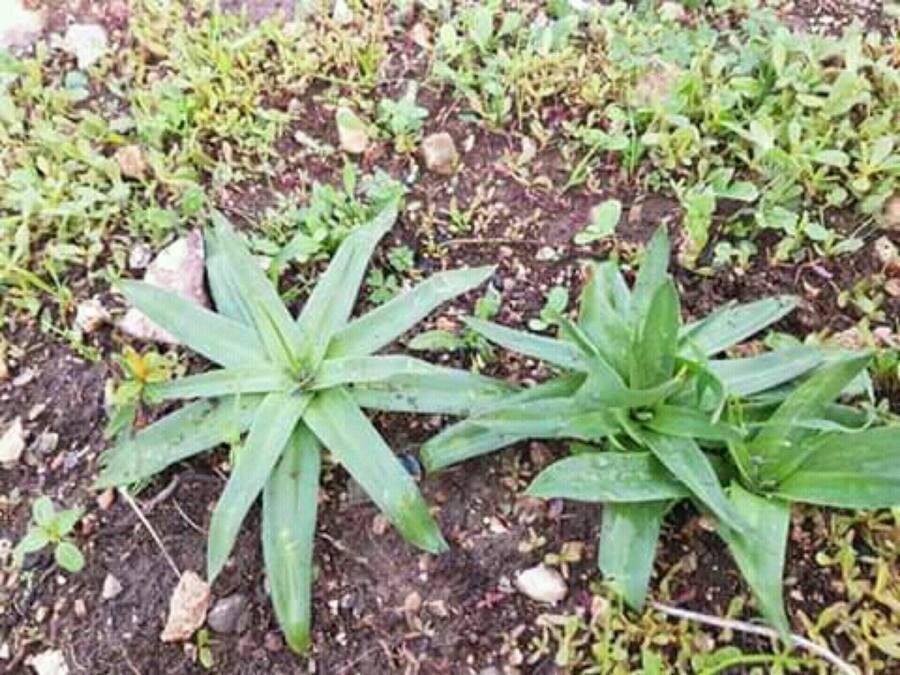
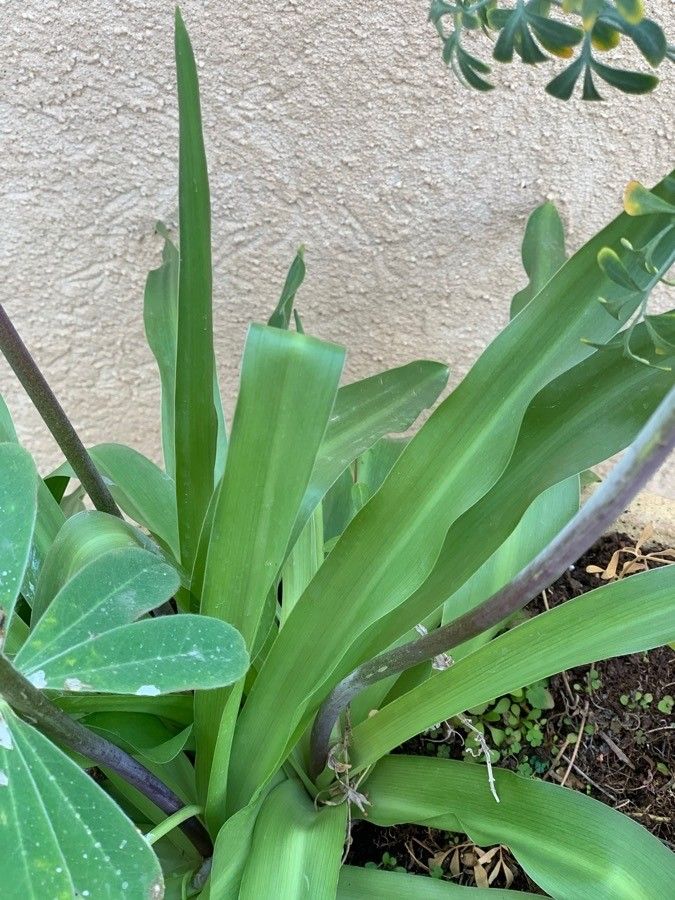
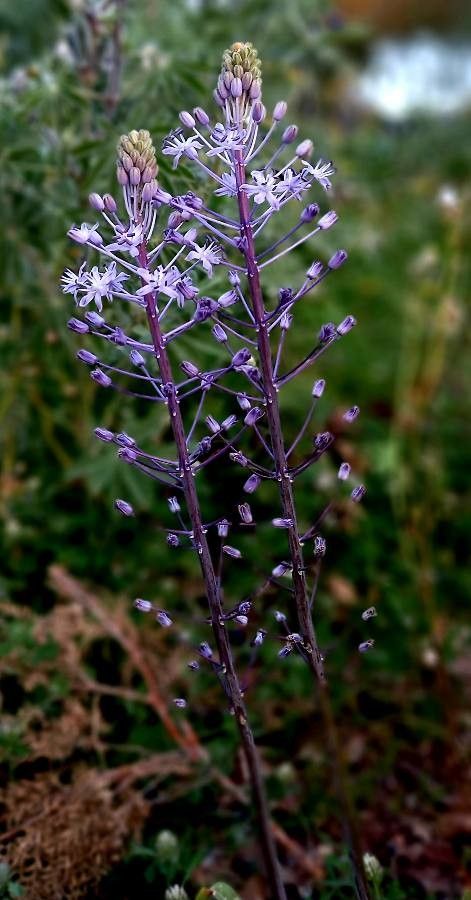
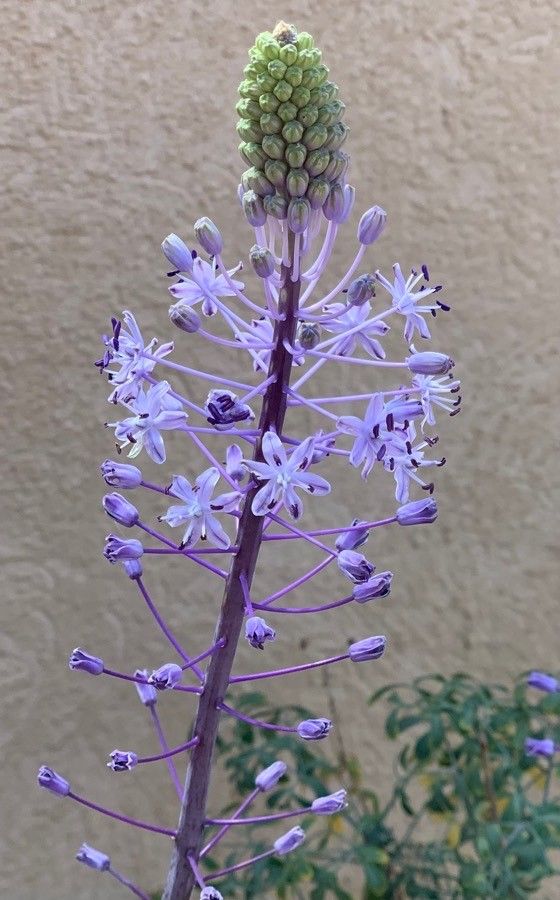
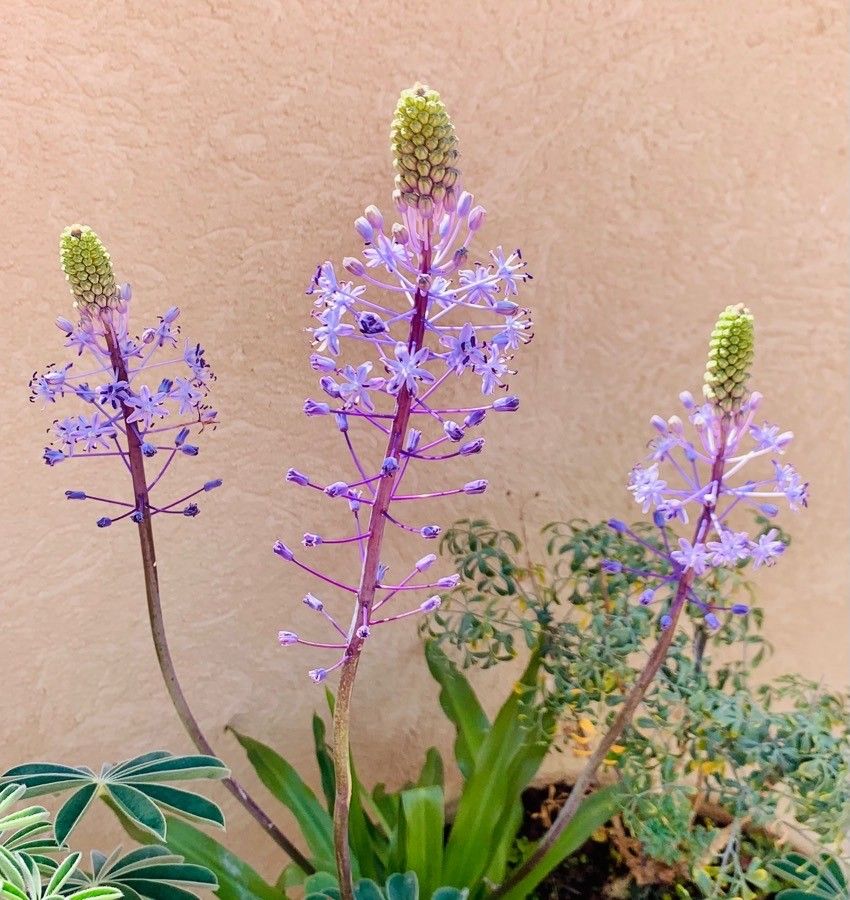
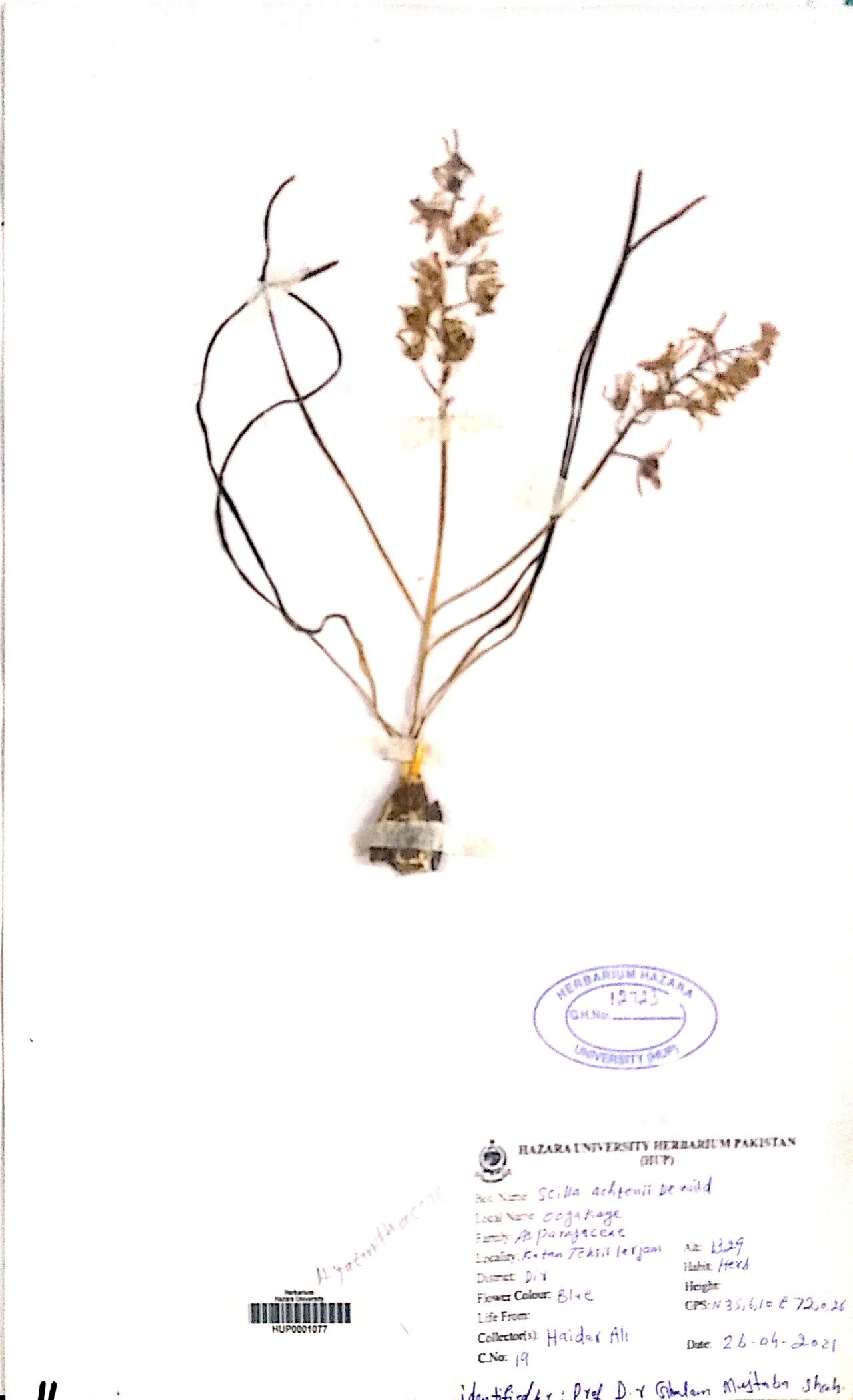
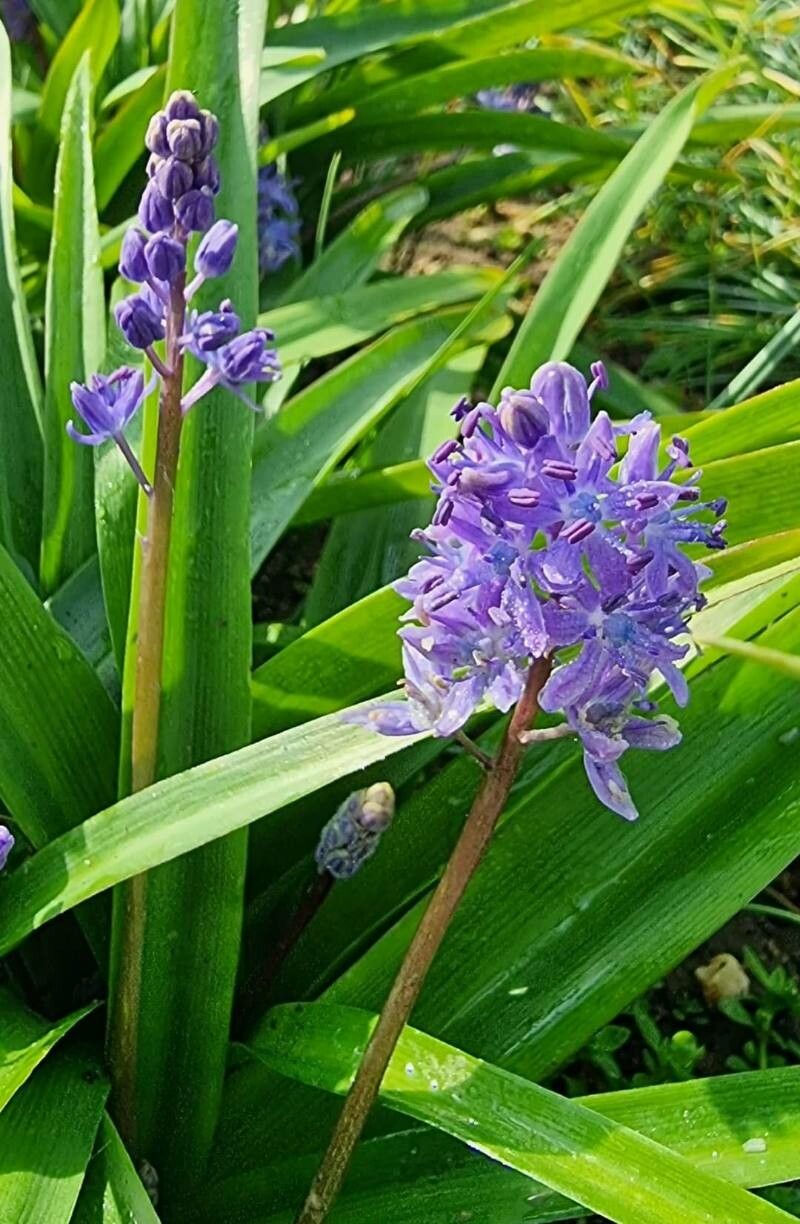
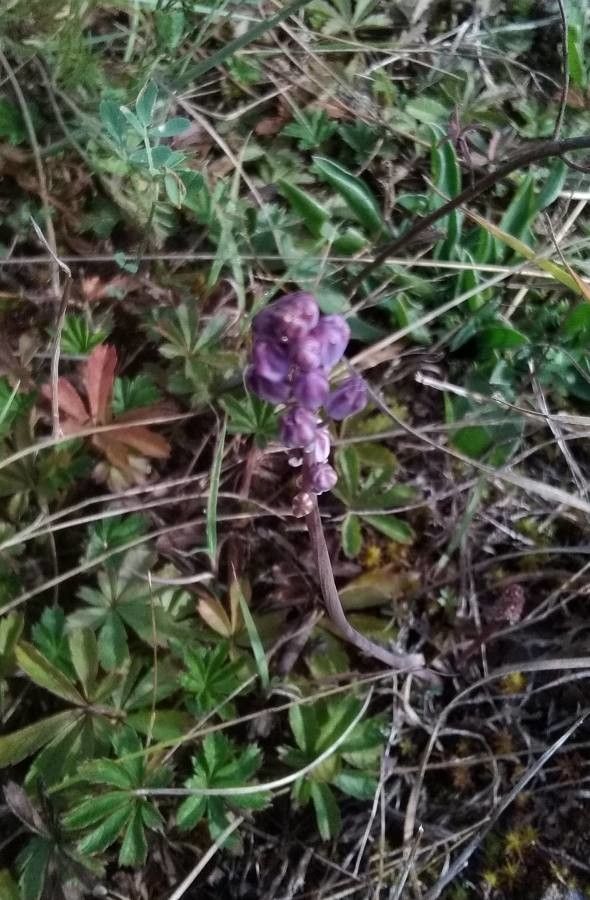
Scilla hyacinthoides is a geophyte, native to the Middle East, though it was also brought to France by the Turks. Currently this plant is in the process of domestication as a cut flower in Israel due to its inflorescences. Scilla hyacinthoides is a bulb plant. It flowers in March to April with bluish-purple flowers on 50–80 cm high flowering stalks.
Spanish bluebell shows strong resistance to disease and is generally not prone to illnesses. However, it can be affected by pests and diseases present in its environment. These problems are typically not serious. In terms of care, this plant needs moderate maintenance. It requires regular pruning to keep a good appearance and support healthy growth. Fertilizing can also help encourage flowering. Spanish bluebell is suitable for anyone with an outdoor area, such as a garden or patio, and does not demand extensive gardening experience. It may need more attention when grown indoors.
How to keep Scilla Hyacinthoides.
Light
The Spanish bluebell grows best in spots with moderate sunlight, though it can also tolerate areas where the sun is abundant all day. Its growth and flowering may be influenced by either excessive or insufficient light. Due to its native habitat, it has become adapted to a variety of light conditions.
Water
Hyacinth bluebells, which originally come from Mediterranean climates, prefer infrequent watering and can sustain themselves with weekly hydration. They thrive outdoors where there is seasonal rainfall and benefit from cool temperatures and moist soil during their growth cycles, producing vibrant blooms.
Temperature
The Spanish bluebell is native to regions with a temperate climate and prefers a temperature range of 32 to 95 ℉ (0 to 35 ℃). During the winter months, the plant may benefit from cooler temperatures around 32 to 50 ℉ (0 to 10 ℃) to provide a suitable dormancy period. In the summer months, it can tolerate temperatures up to 95 ℉ (35 ℃) if given adequate water.
Fertilizer
The best time to fertilize a Spanish bluebell is in early spring, as it breaks dormancy and starts active growth. Fertilizing supplies essential nutrients for healthy development. Although Spanish bluebells have fairly low fertilizer requirements, applying fertilizer annually can improve their survival and encourage better, longer-lasting blooms.
Pruning
The hyacinth bluebell is known for its vibrant blue flowers and flourishes when properly pruned. To encourage growth and minimize the risk of disease, trim any spent flowers and older leaves from early to late spring. Use clean, sterilized tools when making cuts to support healthier blooms and extend the plant's lifespan.
Pot & Repot
Repot Spanish bluebell in early spring. Choose a pot that is wider than it is deep and provides good drainage. Use a loamy, well-draining potting mix enriched with compost. Gently remove old soil from the bulb and plant it at a depth equal to the bulb’s height. Water thoroughly after repotting and place the pot in a sunny spot. Avoid overwatering to prevent bulb rot.
Botanical profile.
- Plant Type
- Herb
- Life Cycle
- Perennial
- Genus
- Scilla
- Family
- Asparagaceae
- Hardiness Zone
- 3-9
- Mature Height
- 15 cm to 49 cm
- Mature Spread
- 23 cm to 30 cm
- Leaf Color
- Green
- Leaf Type
- Deciduous
- Flower Color
- Blue, Pink, White
- Flower Size
- 1.52 cm to 2.03 cm
- Bloom Time
- Mid spring, Late spring
- Planting Time
- Autumn, Winter, Spring
- Harvest Time
- Early summer, Mid summer
- Native Area
- Spain, Portugal
Other names.
Reader questions.
How should I water my Hyacinth bluebell plant?
To ensure the health of your Hyacinth bluebell, follow these watering guidelines: Use filtered water at room temperature, as tap water may contain harmful particles. Warm water is preferred as the plant is adapted to a warm environment and can be shocked by cold water. Avoid overhead watering to prevent foliage complications. Instead, thoroughly soak the soil with filtered, room temperature water. This helps moisten the roots and enables them to spread and collect vital nutrients.
Why should I add plant food to my Hyacinth bluebell?
Fertilization plays a crucial role in the growth of the Hyacinth bluebell and other plants. By providing essential nutrients, fertilization supports the plant's development both above and below the ground. Despite the Hyacinth bluebell having relatively low fertilization needs, annual fertilization can greatly benefit the plant. It helps maintain its health and can even enhance the longevity and quality of its flowers. Therefore, for those seeking to optimize the appearance of their Hyacinth bluebell, regular annual fertilization should be prioritized.
What are the sunlight requirements for Hyacinth bluebell?
Hyacinth bluebell requires full sun exposure, defined as more than 6 hours of sunlight per day, but can also grow in partial sun, which is about 3-6 hours of sunlight per day. This balance is critical for the plant's health, mimicking its natural habitat and promoting vigorous growth and vibrant coloration. Over or underexposure to sunlight can stress the plant, possibly hindering its flowering or causing other health issues.
What is the native climate for Hyacinth bluebell?
The Hyacinth bluebell is native to regions that experience temperate climates, typically where temperatures range between 59 to 95°F (15 to 35°C). This plant favors mild conditions and may need additional care, such as shading or misting, during intense summer heat to thrive.
What should I do if I give too much water or too little water to my Hyacinth bluebell?
Both overwatering and underwatering can harm the health of your Hyacinth bluebell, but overwatering is more common. When this plant gets too much water, its stems and leaves may wilt and turn yellow. Overwatering for a long time can also cause diseases like root rot, mold, and mildew, which can kill your plant. Underwatering is less likely with the Hyacinth bluebell because it can handle drought. However, it can still happen, and when it does, the leaves may become brittle and brown. It's really important to notice signs of overwatering quickly when taking care of your Hyacinth bluebell. Some diseases caused by overwatering, like root rot, are hard to fix if you wait too long. If you see early signs of overwatering, reduce your watering right away. Also, check the soil where your plant is growing. If it doesn't drain well, replace it with loose, well-draining potting mix. On the other hand, if your Hyacinth bluebell doesn't seem to get enough water, simply water it more regularly until the signs improve.
When should I put fertilizer on my Hyacinth bluebell?
The best time to fertilize a Hyacinth bluebell is in late winter to early spring, when the plant is transitioning from dormancy to active growth. Fertilizing during this period promotes healthy growth and sets the plant up for a successful season. Although early spring is the most beneficial time to fertilize, it is also acceptable to do so in the fall. However, it is not recommended to fertilize a Hyacinth bluebell during summer or winter.
How can artificial lighting be used for Hyacinth bluebell?
When natural sunlight is insufficient, artificial lighting can be a viable solution for Hyacinth bluebell, especially indoors. LED lights are recommended due to their ability to provide specific wavelengths needed for plant growth. The lighting needs vary by the plant's sunlight requirements: 30-50W/sq ft for full sun plants, 20-30W/sq ft for partial sun, and 10-20W/sq ft for full shade. The distance between the plant and light should be 12-36 inches to mimic the sun, and the duration should equate to natural daylight hours, typically 8-12 hours per day.
How does Hyacinth bluebell handle cold weather?
Hyacinth bluebell has a strong resistance to cold and generally does not require special frost protection measures in winter. However, in areas where temperatures are expected to fall below -15°C, it is important to protect the plant from the cold, which can be done by covering it with soil or straw. Additionally, watering the plant abundantly before the first freeze in autumn to ensure the soil remains moist is recommended. This preparation helps prevent drought and water scarcity for the plant during the colder months.
How frequently should I give water to my Hyacinth bluebell?
If your plant is in a pot, the most precise way to determine if your Hyacinth bluebell needs water is by checking the soil moisture. Simply insert your finger into the soil and if the top two to three inches feel dry, it's time to water. For outdoor Hyacinth bluebells planted in the ground, you can use a similar method to assess the soil moisture. Once again, if the top few inches of soil are dried out, it's a sign that watering is needed. Typically, during spring and early fall, watering once a week using this method is sufficient. However, during periods of extremely hot weather, you may need to increase watering to twice per week or even more frequently. It's worth noting that mature, well-established Hyacinth bluebells have a remarkable ability to withstand drought.
When is it a bad idea to fertilize my Hyacinth bluebell?
To properly nourish your Hyacinth bluebell, it is important to fertilize it only during late winter and early spring. This plant requires minimal fertilization, so a single annual feeding is sufficient. Overfertilizing during spring, summer, and fall can lead to complications. However, if you missed fertilizing in spring, it is acceptable to feed the plant in fall. It is unnecessary to fertilize during winter as the Hyacinth bluebell is in a dormant phase and does not experience new growth.
What are the common symptoms of improper lighting for Hyacinth bluebell?
Improper lighting can cause several symptoms in Hyacinth bluebell: small and pale new leaves, leggy or sparse growth, early leaf drop, halted or slow new growth, chlorosis, sunscald, leaf curling, wilting, and leaf scorching. These symptoms signal that the plant is either getting too much or too little light, leading to stress and poor health. Addressing these issues promptly can prevent long-term damage.
What should I do if the Hyacinth bluebell experiences temperatures below -15°C?
If the Hyacinth bluebell experiences temperatures dropping below -15°C, you might not notice immediate changes, but there could be a significant impact on its ability to sprout in spring. Decreased sprouting or complete failure to sprout may occur. To address this, in spring, you should remove any parts of the plant that have failed to sprout to promote healthier growth.