Schizophragma hydrangeoides, commonly known as the climbing hydrangea vine, is a deciduous climbing plant in the Hydrangeaceae family. Native to Japan and Korea, it is widely cultivated in gardens worldwide for its appealing foliage and showy flowers.
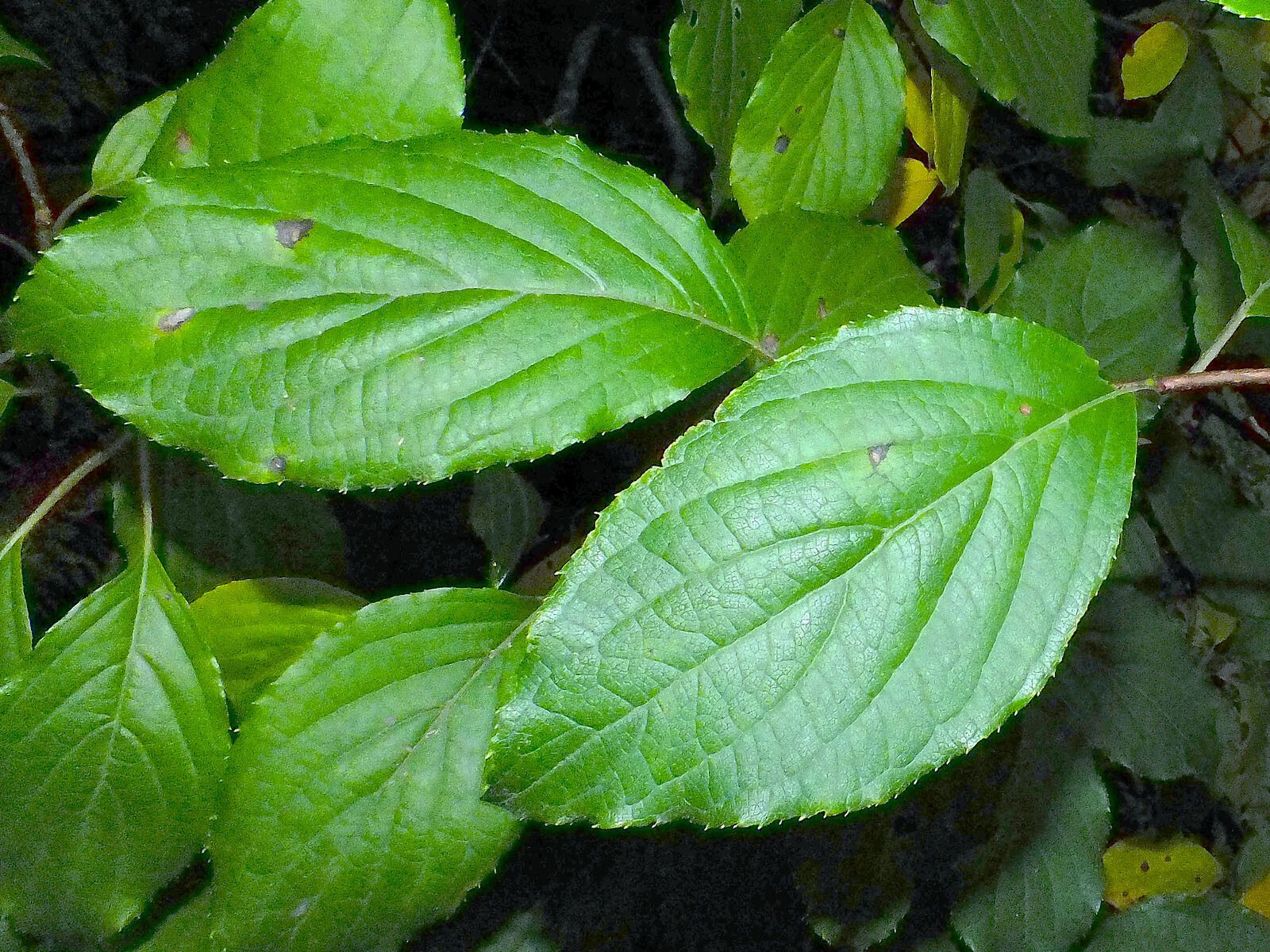
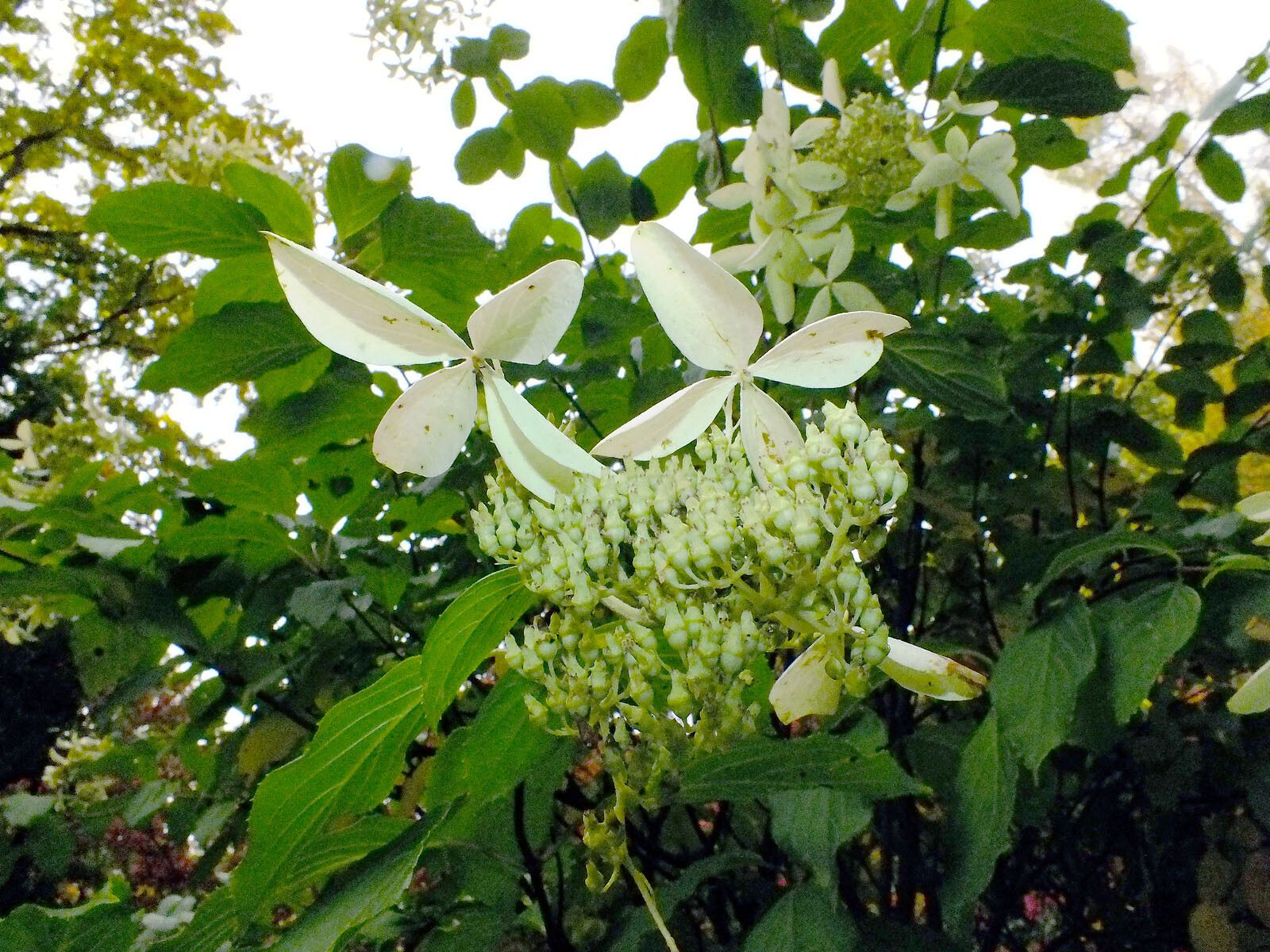
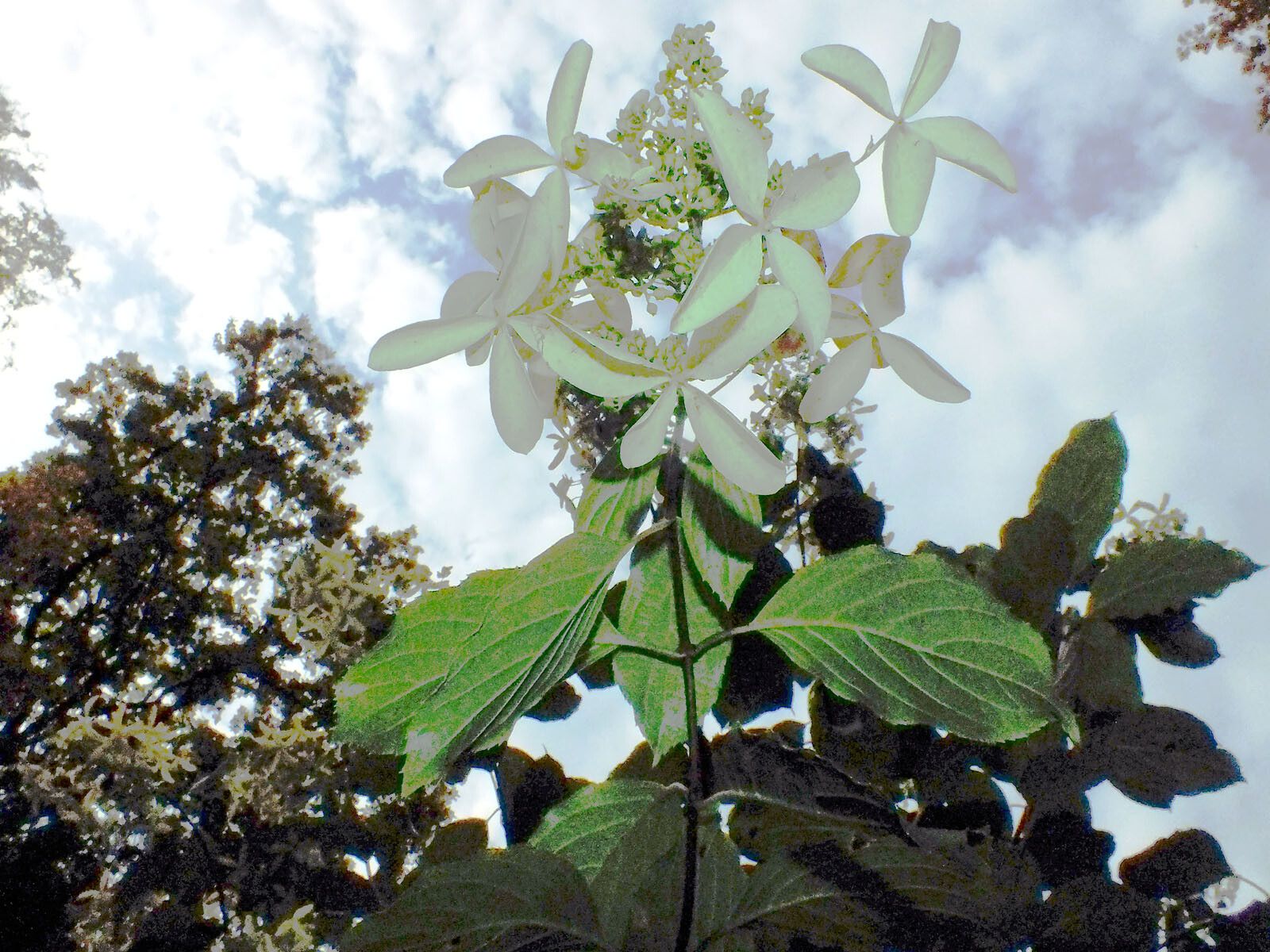
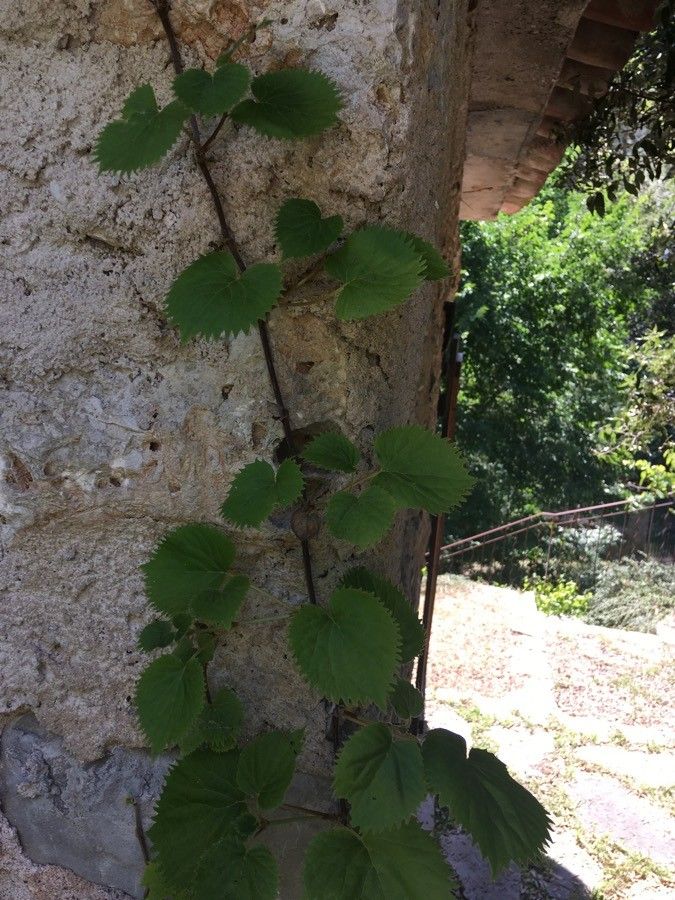
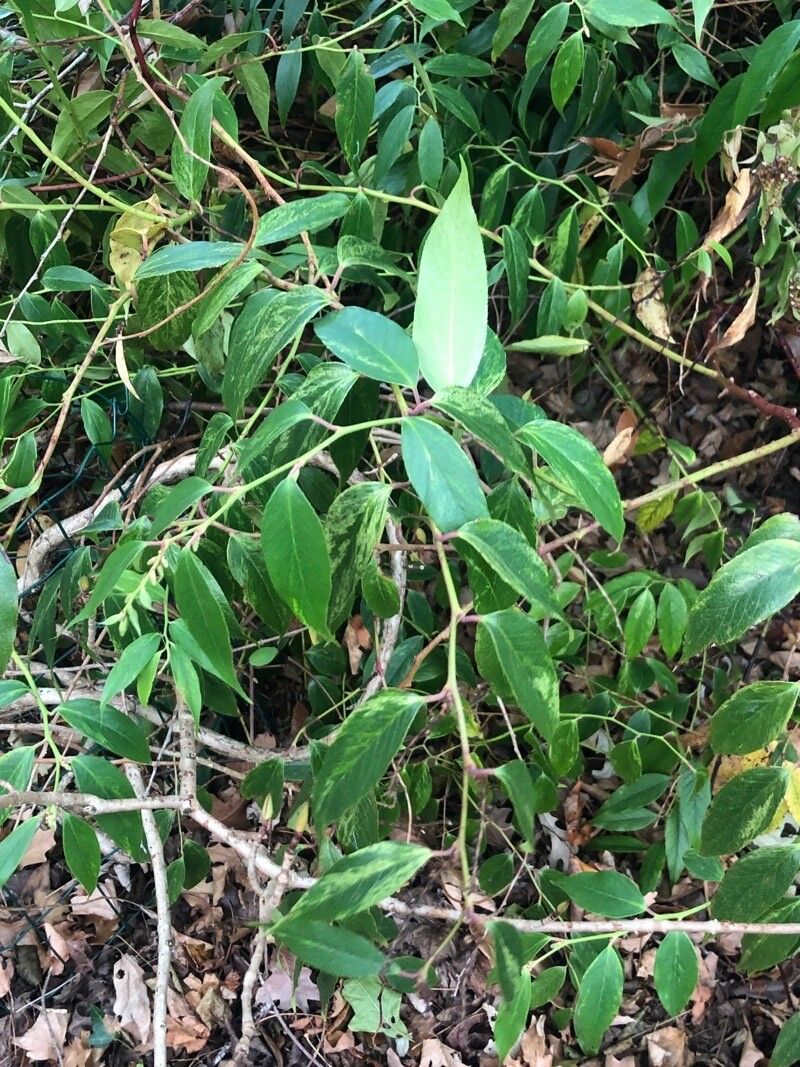
The plant features heart-shaped leaves that are dark green with serrated edges. In autumn, these leaves turn yellow before falling off. The flowers, which are white or pinkish-white, have a delicate, lace-like appearance.
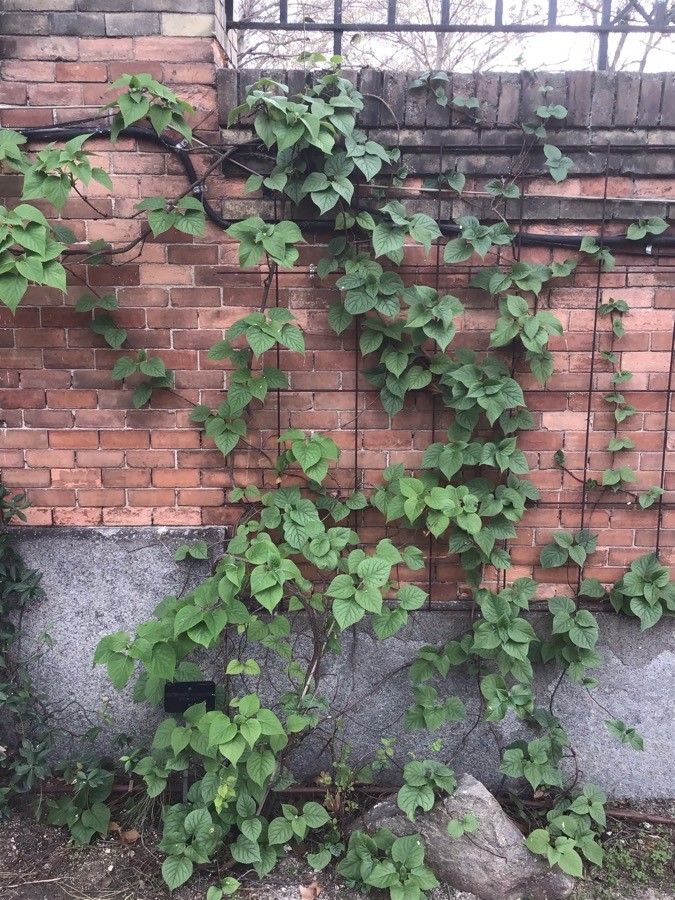
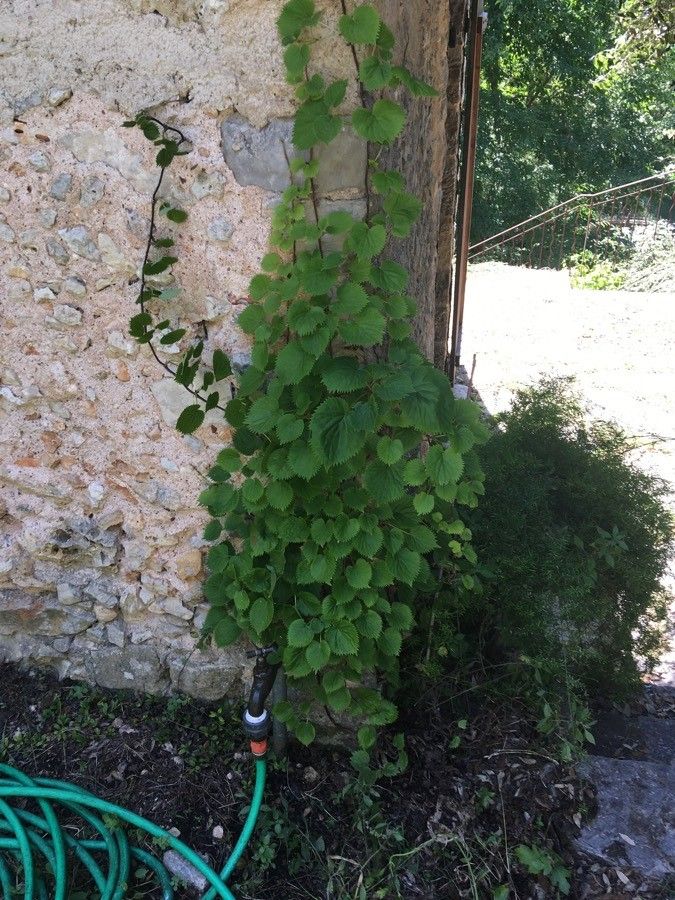
Schizophragma hydrangeoides thrives in partial shade or filtered sunlight and prefers well-drained, organically rich soil. When supported by a trellis or wall, it can grow up to 30 feet tall.
Blooming from late spring to early summer, the climbing hydrangea vine attracts bees and other pollinators with its nectar-rich flowers. It can be propagated through stem cuttings taken during the summer months.
Overall, Schizophragma hydrangeoides is an attractive ornamental plant that enhances any garden setting while providing habitat for beneficial insects like bees.
Hydrangea hydrangeoides is fairly disease-resistant and is usually not susceptible to illnesses. In terms of maintenance, this plant is fairly low-maintenance. When grown outdoors it needs only light watering, and larger specimens typically do not require pruning. Smaller plants, however, should be pruned after they finish blooming. Hydrangea hydrangeoidest is appropriate for anyone with an outdoor area, such as a garden or deck, and does not demand much experience in plant care.
How to keep Schizophragma Hydrangeoides.
Light
Hydrangea hydrangeoides occurs naturally in habitats like forest understories or rocky areas, where it grows with natural shade. It prefers partial sun but can tolerate full sun or full shade, demonstrating its versatile and hardy nature.
Temperature
Hydrangea hydrangeoides is highly adaptable to different climate conditions, from very hot summers to cold winters. Still, it has an optimal temperature range for its growth. If temperatures get too high, the plant can suffer heat and humidity stress, which may kill it. In areas where temperatures approach the lower limit of its cold tolerance, it is important to provide insulation to protect the plant.
Fertilizer
The timing of fertilizing Hydrangea hydrangeoides is important. Apply fertilizer in early spring and continue monthly until early summer. Fertilizer promotes attractive blooms and provides energy during both dormant periods and active growth.
Botanical profile.
- Plant Type
- Shrub, Vine
- Life Cycle
- Perennial
- Genus
- Schizophragma
- Family
- Hydrangeaceae
- Hardiness Zone
- 5-9
- Mature Height
- 4.57 m to 9.14 m
- Mature Spread
- 2.44 m to 3.05 m
- Leaf Color
- Dark Green, Forest Green
- Leaf Type
- Deciduous
- Flower Color
- White, Pink
- Flower Size
- 2.54 cm to 7.62 cm
- Bloom Time
- Summer
- Planting Time
- Spring, Autumn
- Harvest Time
- Fall
- Native Area
- Russia, Japan, South Korea
Other names.