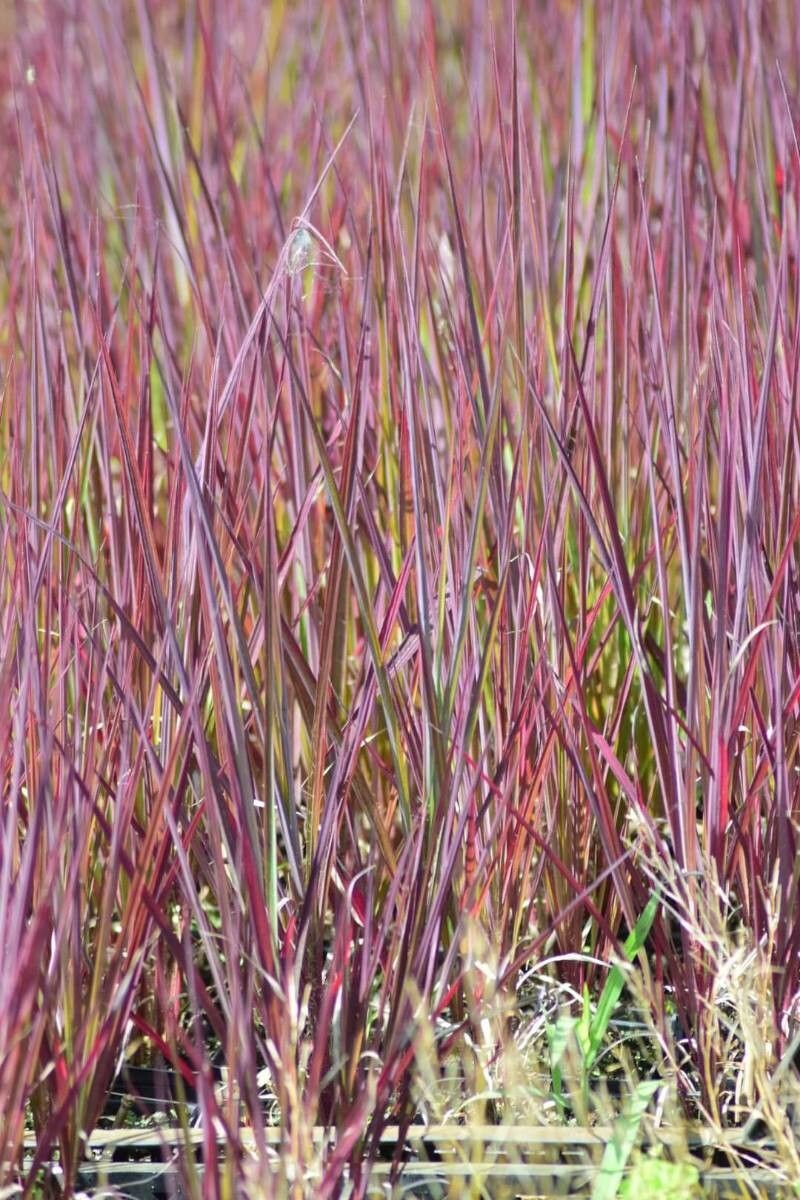
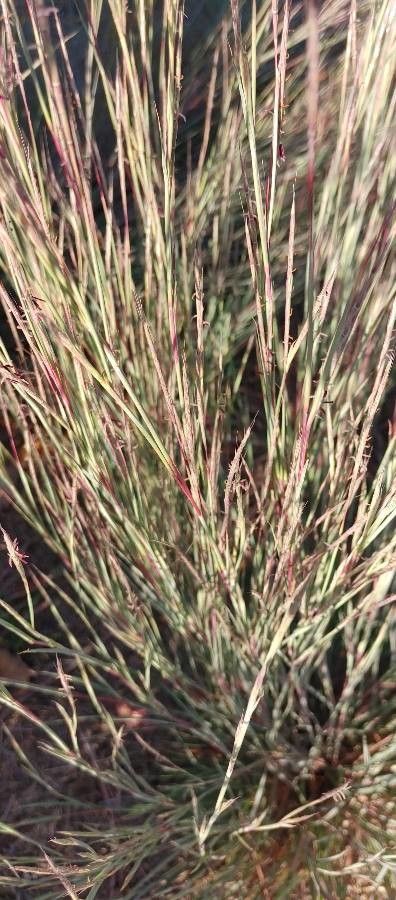
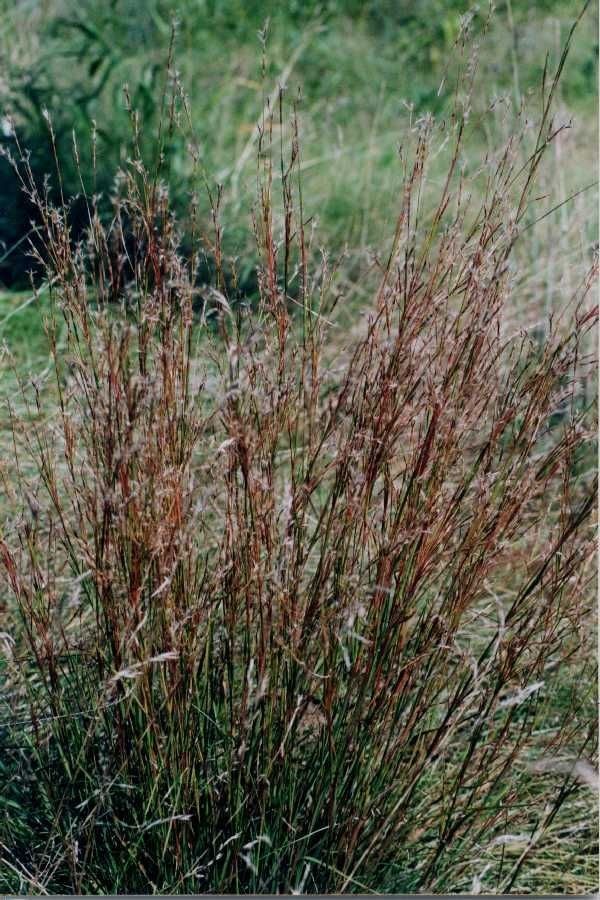
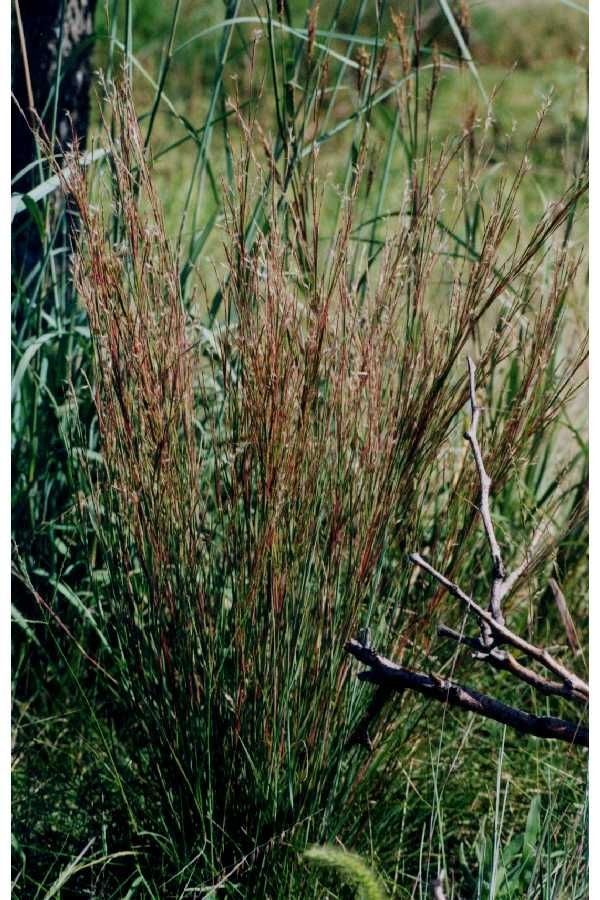
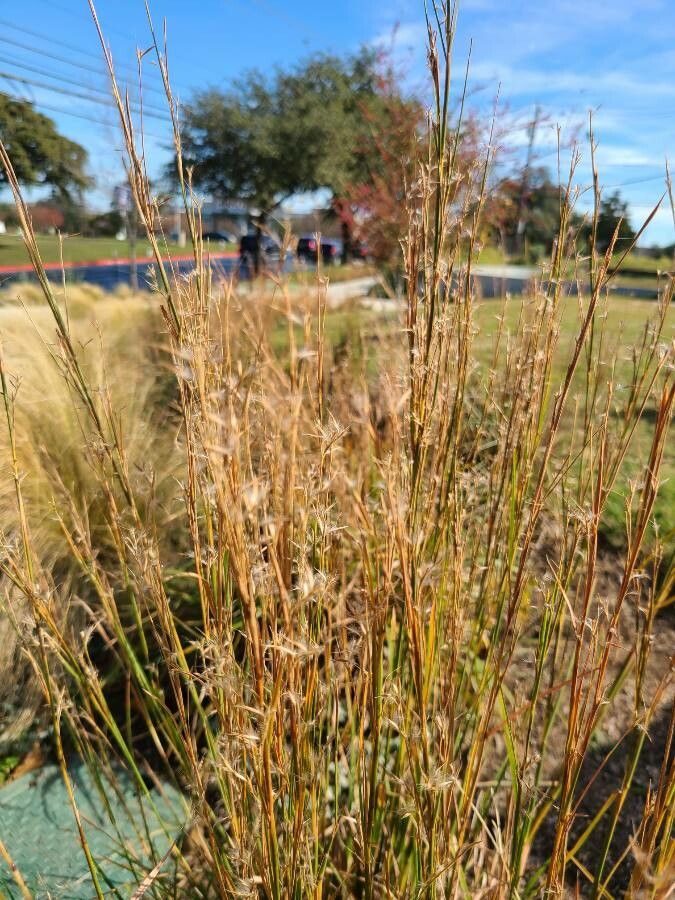
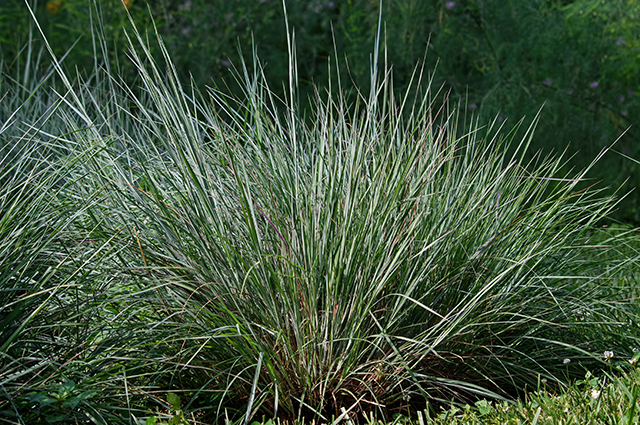
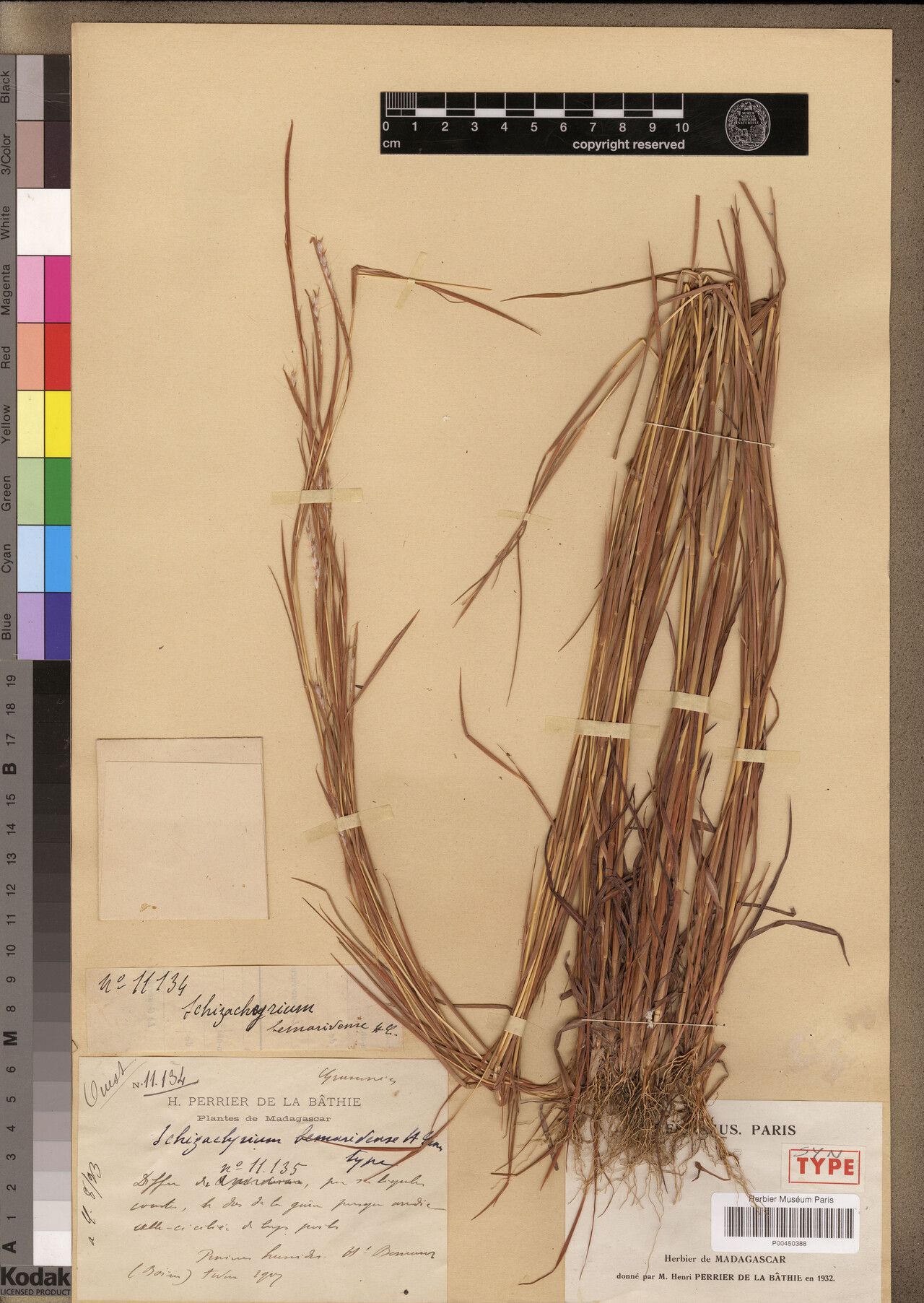
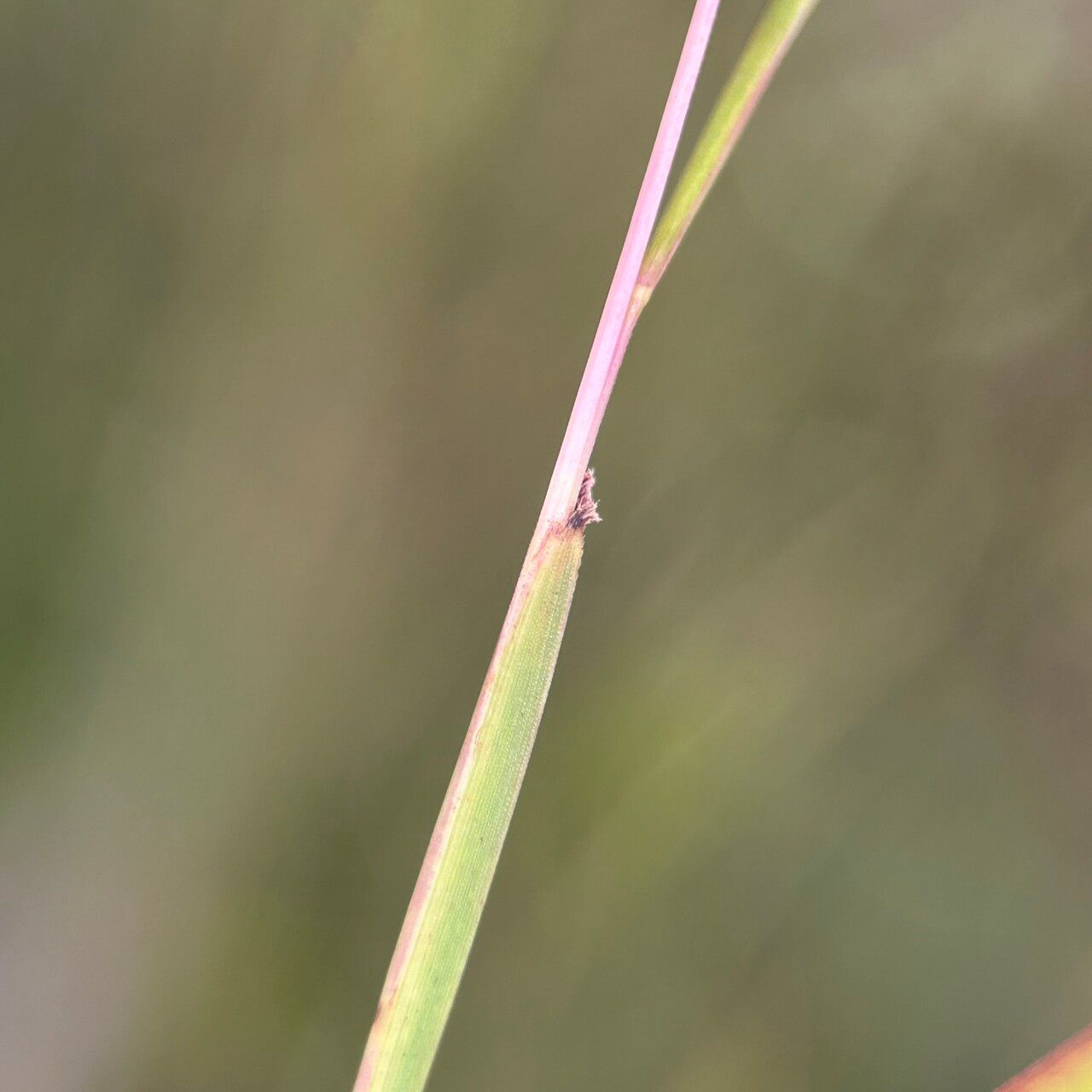
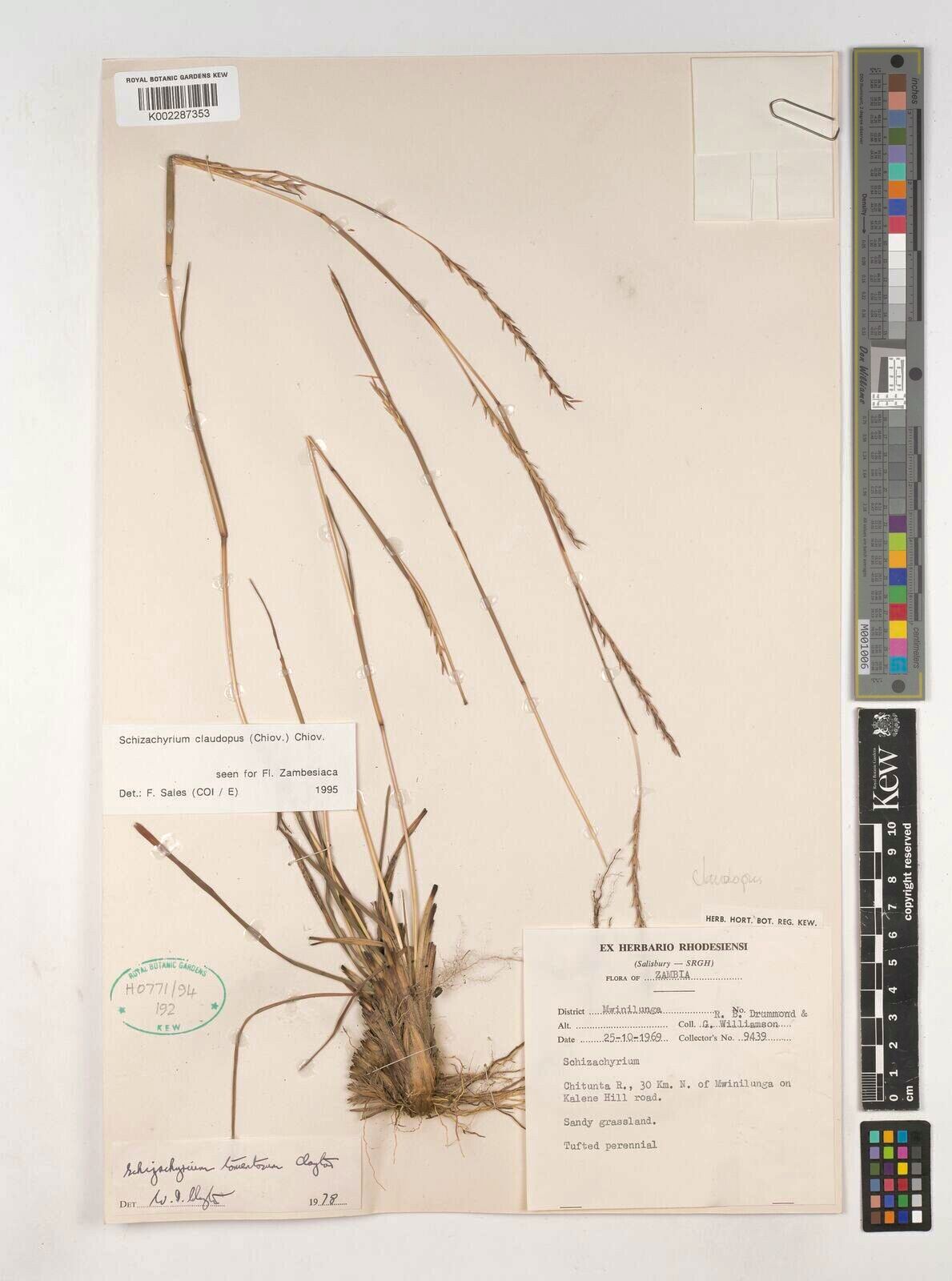
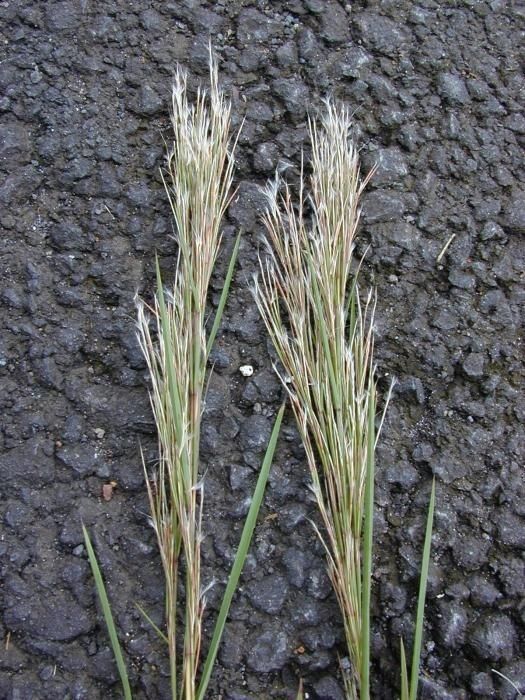
Schizachyrium scoparium, commonly known as little bluestem, is a native grass species widespread across North America. This warm-season grass typically reaches heights of 2-4 feet and features blue-green leaves that turn reddish-brown in the fall. In late summer and early fall, it produces small flowers followed by fluffy seed heads. Little bluestem is a crucial element of prairie ecosystems, providing habitat for numerous species of birds and insects. It is also prized in landscaping for its ornamental value, drought tolerance, and resilience to extreme environmental conditions such as heat and cold. Additionally, Native American tribes have historically used little bluestem for medicinal purposes to treat various ailments like fever and diarrhea. Overall, Schizachyrium scoparium is a versatile plant with significant ecological importance and aesthetic appeal in diverse settings.
Little bluestem has strong disease resistance and is generally not prone to illnesses. Regarding care, this plant is relatively low-maintenance. When grown outdoors it needs minimal watering, and larger plants typically do not require pruning. Smaller plants, however, should be pruned after they have bloomed. Little bluestem is suitable for anyone with outdoor space, such as a garden or deck, and does not demand a lot of care experience.
How to keep Schizachyrium Scoparium.
Light
Little bluestem comes from areas where plentiful sunlight is the norm, so it thrives when exposed to abundant light. Sun exposure is important for its optimal growth, although it can tolerate some light shade. Insufficient light may limit its growth, while excessive exposure can stress the plant.
Water
Little bluestem, native to the prairies of North America, is a resilient grass that thrives in a variety of moisture conditions and is moderately drought-tolerant. To prevent over-saturation, it's best to water it regularly, increasing to twice a week when necessary. This grass is ideal for xeriscaping, as it benefits from natural rainfall and remains hardy during dry spells.
Temperature
Little bluestem originates from temperate regions. It does best at temperatures of 68 to 95 °F (20 to 35 ℃). In hotter or colder seasons, consider modifying the growing environment to approximate this temperature range.
Fertilizer
Little bluestem needs extra nutrients to encourage healthy new growth. In spring, adding compost around the plant’s base will effectively supply the nutrients it requires. Fertilizing helps support vigorous growth and assists the plant in resisting diseases and pests.
Pruning
Little bluestem showcases upright blue-green foliage that turns a vibrant orange in the fall. Minimal pruning is needed, and it’s best to do this in early spring to shape the plant and encourage new growth. Avoid cutting it back in late fall. Pruning helps improve air circulation, prevent diseases, and maintain the plant’s vigor and appearance.
Pot & Repot
When repotting Little bluestem, choose a pot 1-2 inches (2.5–5.1 cm) larger with ample drainage. Use a well-draining potting mix. Repot in spring or fall, ensuring that the root ball is slightly lower than the rim of the flower pot. Water thoroughly after repotting and place it in a warm spot with indirect sunlight.
Botanical profile.
- Plant Type
- Grass
- Life Cycle
- Perennial, Annual
- Genus
- Schizachyrium
- Family
- Poaceae
- Hardiness Zone
- 3-9
- Mature Height
- 0.3 m to 1.22 m
- Mature Spread
- 46 cm to 61 cm
- Leaf Color
- Green, Blue, Red, Orange, Brown
- Leaf Type
- Deciduous
- Flower Color
- Tan
- Flower Size
- 2.54 cm
- Bloom Time
- Mid summer
- Planting Time
- Spring, Summer
- Harvest Time
- Mid summer, Late summer, Early fall
- Native Area
- Georgia, Mexico
Other names.
Reader questions.
What are the sunlight requirements for little bluestem?
Little bluestem requires full sun exposure, which is defined as above 6 hours of sunlight per day, to thrive optimally. It can also tolerate partial sun, which amounts to about 3-6 hours of sunlight. Adequate sun exposure is critical for its growth, though it can withstand slightly shaded conditions. It's important to watch how sunlight moves through your garden to choose spots that offer a good balance of light and shade, ensuring the plants' well-being.
What are the ideal temperature conditions for growing Little Bluestem?
Little bluestem, scientifically known as Schizachyrium scoparium, thrives in temperate climates, with the ideal temperature range being between 68 to 95 °F (20 to 35 °C). This grass is known for its strong cold resistance, indicating that special frost protection measures are usually not necessary. However, in environments where winter temperatures may drop below -35°C, it is crucial to provide protection to the plant by covering it with soil or straw. Additionally, watering the plant abundantly before the first freeze in autumn is recommended to keep the soil moist, which helps in preventing drought and water scarcity during winter and early spring.
Why is sun exposure essential for little bluestem, and what are the considerations for artificial lighting?
Sun exposure is crucial for the optimal growth of little bluestem, as it originates from areas where abundant sunlight is common. While it can tolerate partial shade, poor lighting may impede its growth, and excessive sun can stress the plant. In cases where natural sunlight is insufficient, especially in winter or less sunny spaces, artificial lighting becomes essential. LED lights are recommended due to their ability to be customized to provide the specific wavelengths needed by plants. For full sun plants, 30-50W/sq ft of artificial light is needed; for partial sun plants, 20-30W/sq ft; and for full shade plants, 10-20W/sq ft. The light source should be placed 12-36 inches above the plant to mimic natural sunlight, and most plants require 8-12 hours of light per day.
How does Little Bluestem react to low temperatures, and what are the solutions if issues arise?
Little Bluestem exhibits remarkable cold tolerance, ideally growing when temperatures are above 20°C and maintaining health above 0°C during winter. However, when temperatures fall below -35°C, the plant may face challenges such as reduced or completely halted sprouting in spring. To address these issues, it's advisable to remove any plant parts that have failed to sprout in the spring, which helps in promoting new growth and maintaining plant health.
What are the symptoms of inadequate lighting for little bluestem, and how can it affect the plant?
Inadequate lighting can lead to several symptoms in little bluestem, including smaller new leaves, leggy or sparse growth, faster leaf drop, slowed or ceased new growth, lighter-colored new leaves, chlorosis, sunscald, leaf curling, wilting, and leaf scorching. These symptoms indicate stress due to insufficient sunlight, affecting the plant's ability to photosynthesize and maintain healthy growth. Chlorosis, for instance, shows a loss of leaf green color due to the breakdown of chlorophyll from excessive sunlight or inadequate light, affecting photosynthesis.
What should be done if Little Bluestem is exposed to high temperatures?
During the summer, it's critical to ensure that Little Bluestem's surrounding temperatures remain below 35°C. Exposure to temperatures exceeding 38°C can lead to symptoms such as lighter leaf color, leaf curling, an increased risk of sunburn, and, in severe cases, wilting and dryness of the entire plant. To mitigate these effects, affected parts of the plant should be trimmed away. Moving the plant to a shaded area during the midday and afternoon sun or using a shade cloth can also be beneficial. Additionally, watering the plant in the morning and evening will help keep the soil moist and prevent further stress.
What solutions can be applied to address light-related issues in little bluestem?
To address light-related issues in little bluestem, consider the following solutions: For indoor plants, gradually increase sunlight exposure to at least 6 hours daily using a south-facing window or provide additional light with artificial sources, ensuring lights are on for at least 8 hours. For outdoor plants, move them gradually to sunnier spots to avoid sudden exposure that could cause sunburn. If sunlight is obstructed, try pruning obstructive branches or, for smaller plants, consider transplanting during their dormant period to a location with better sunlight and drainage. Although parts of the plant damaged by insufficient light may not recover, new growth should be healthy with improved light conditions.