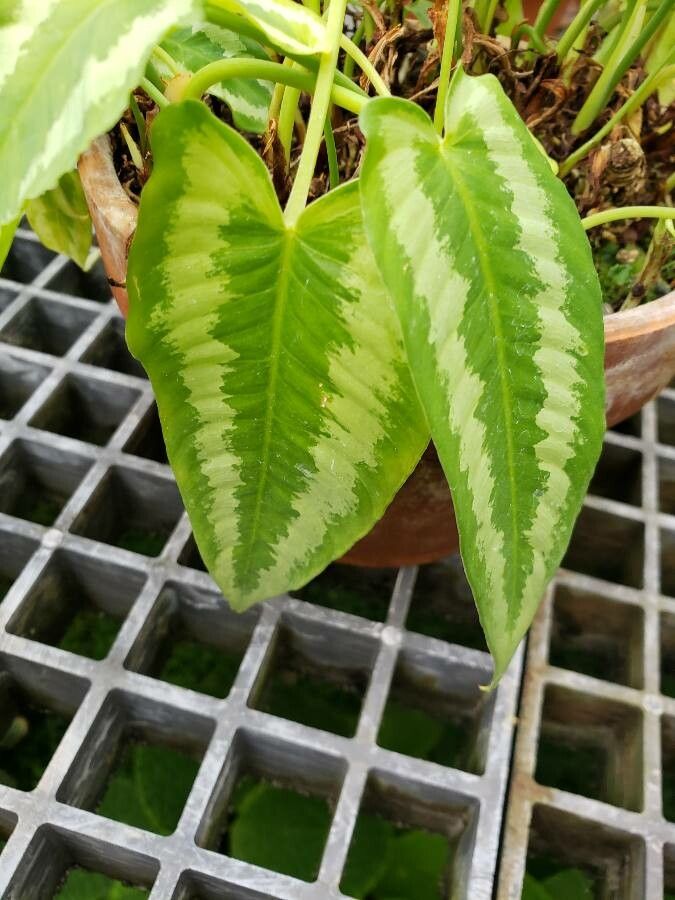
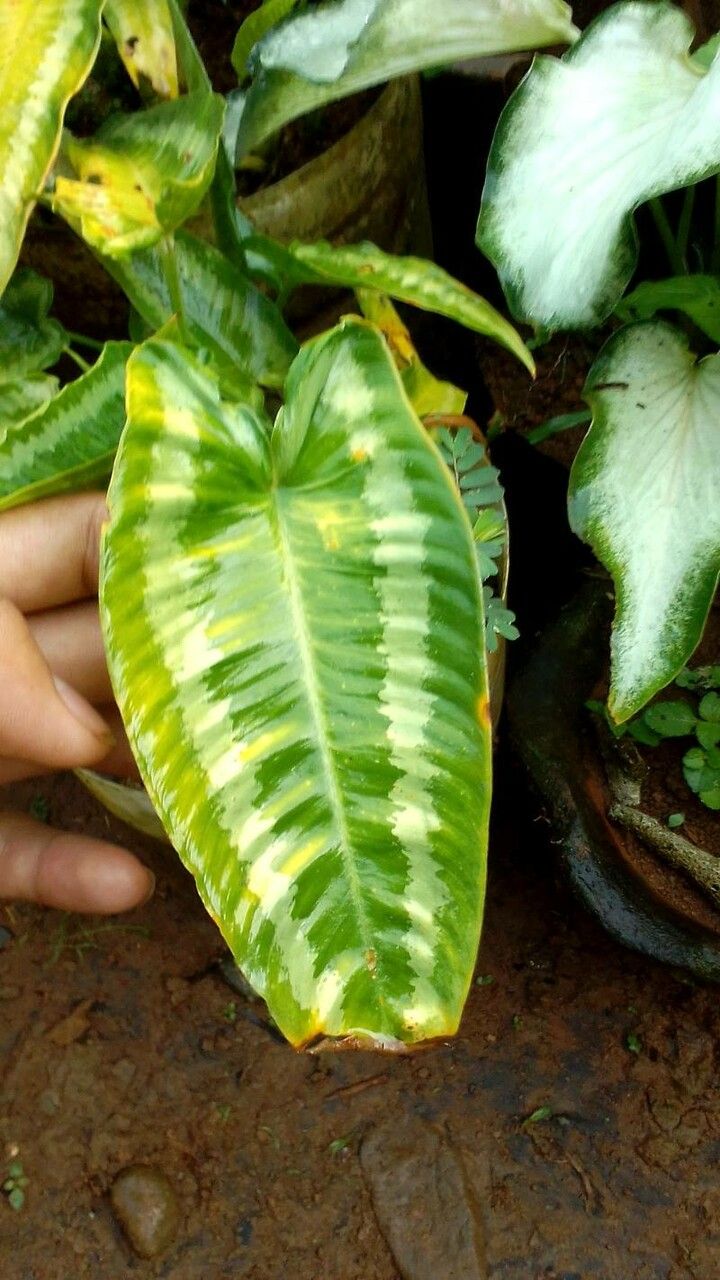
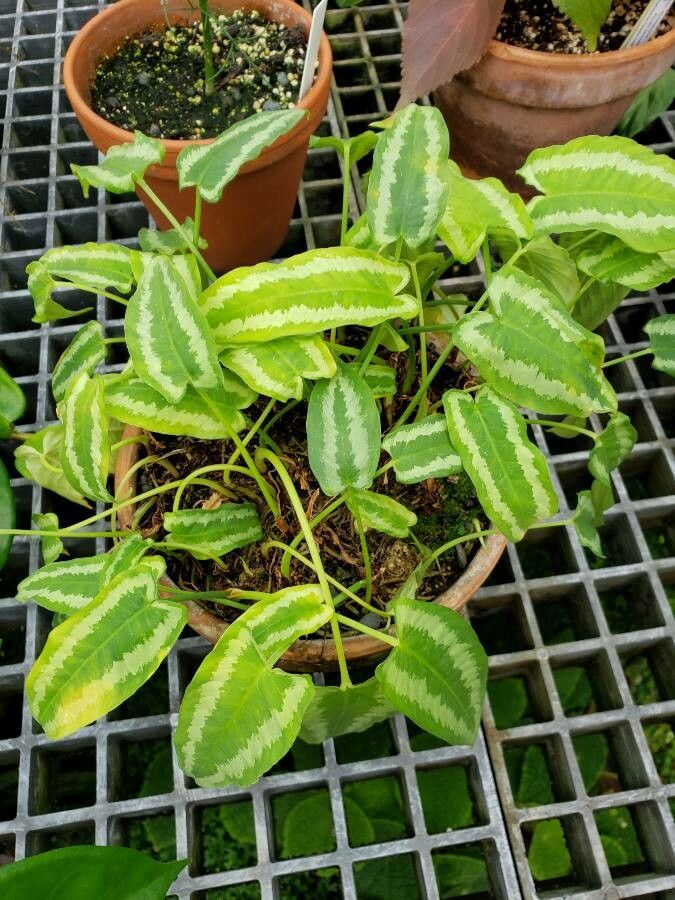
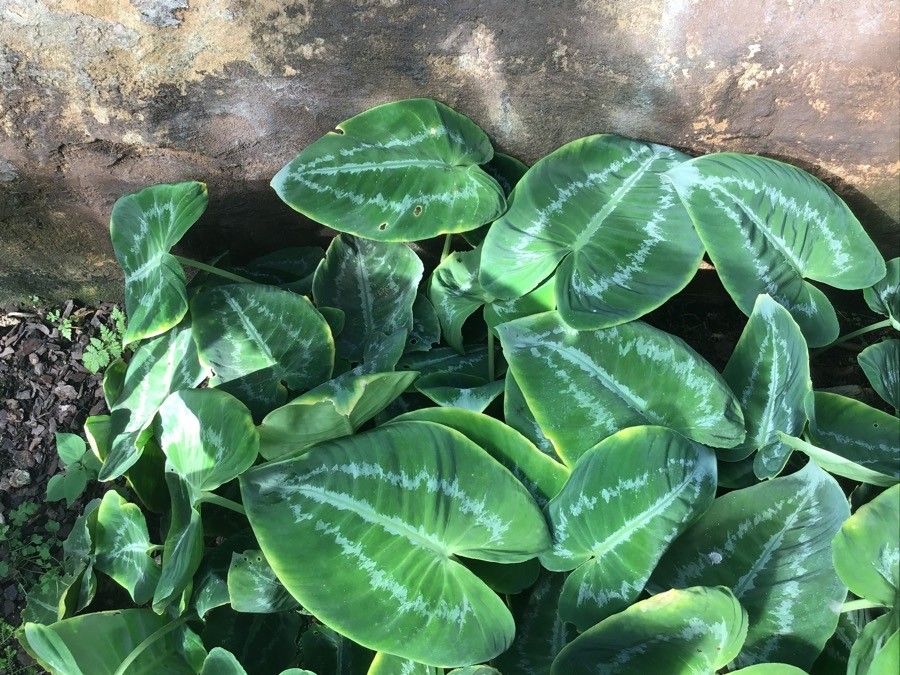
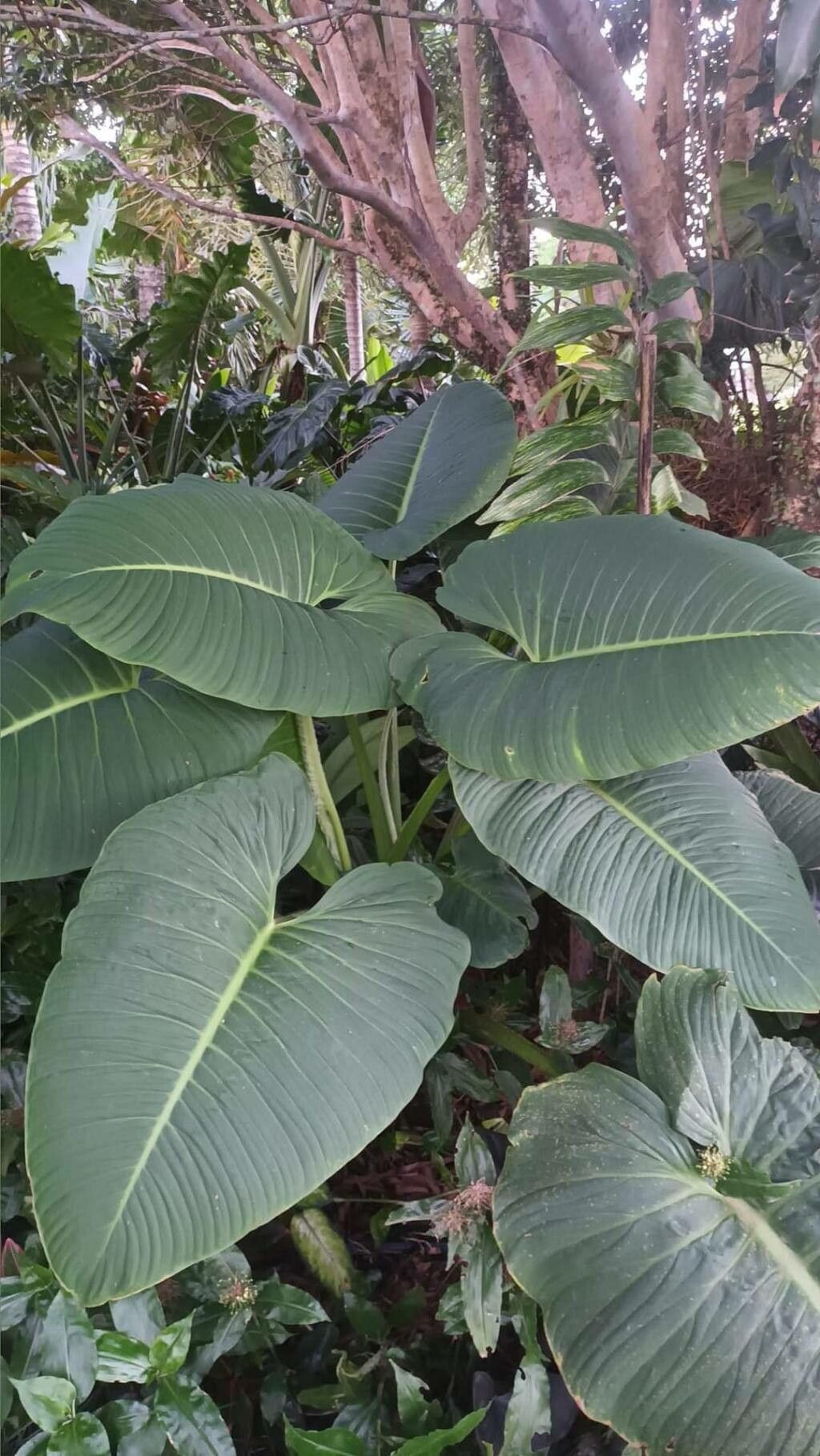
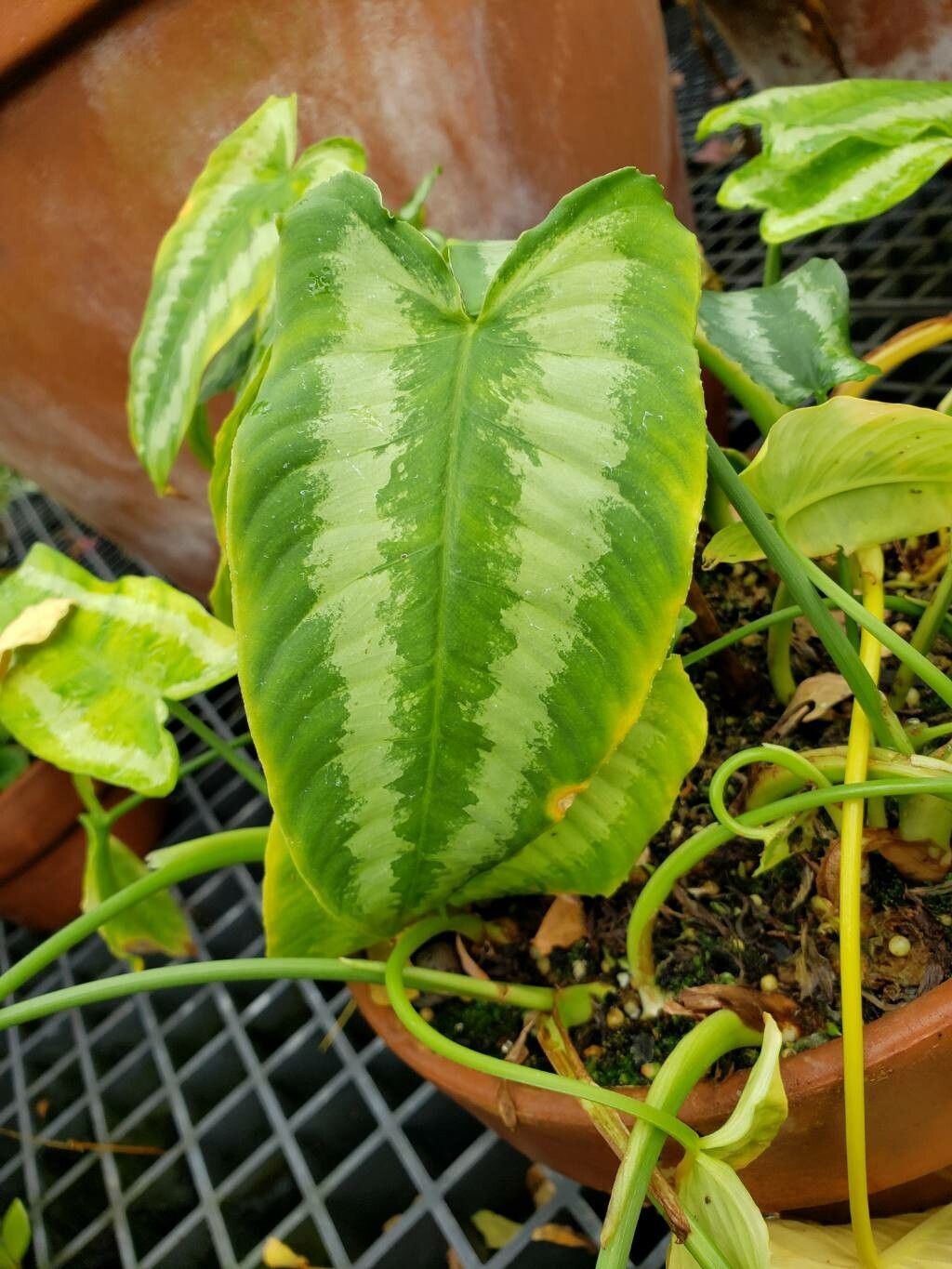
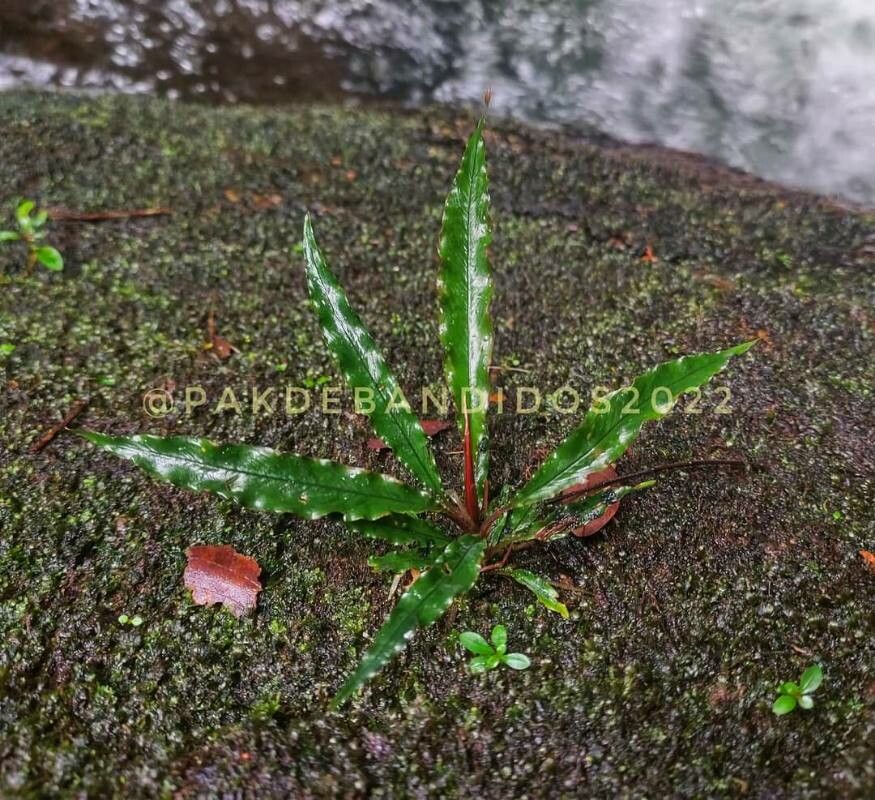
The genus Schismatoglottis belongs to the Araceae family of flowering plants. Although the members of the genus resemble those of the genus Homalomena in terms of appearance and development pattern, the two genera are not closely related. The absence of scent in Schismatoglottis leaves is the main distinction. This hybrid, sometimes known as Chinese evergreen, has parent plants that are native to Southeast Asian subtropical forests. The ability of most aglaonemas to thrive in the poor fight is a crucial trait.
The Drop Tongue Plant has strong resistance to disease and typically does not suffer from illnesses. Still, it can be vulnerable to pests and diseases present in its environment, though these problems are generally not serious. Care-wise, the plant requires moderate maintenance. It should be pruned regularly to preserve a neat appearance and support healthy growth, and fertilizing can help encourage flowering. This plant is appropriate for anyone with outdoor space, like a garden or patio, and does not demand extensive gardening experience. It may need extra attention if kept indoors.
How to keep Schismatoglottis Wallichii.
Light
The Drop Tongue Plant originates from habitats like forest understories or rocky areas, where it grows in natural shade. It prefers partial sun but can adjust to full sun or full shade, showing that it is versatile and hardy.
Temperature
Drop Tongue Plant comes from tropical areas where the climate is usually warm and humid. Therefore, it is well suited to high temperatures and humidity. It does not like sudden temperature shifts and prefers a steady temperature, so avoiding indoor temperature fluctuations is important. It generally cannot tolerate cold conditions and needs warmer temperatures to grow. If the ambient temperature falls too low, the plant may stop growing or even perish.
Fertilizer
Proper fertilization is essential for the Drop Tongue Plant's health and appearance. Apply fertilizer to the Drop Tongue Plant in summer, repeating the application monthly throughout the season. Nutrients fuel growth and help maintain the plant's parts. Fertilization improves the Drop Tongue Plant's flower display, ensuring the best blooms.
Pruning
Pruning Sometimes leaves will completely wither or develop brown tips. If this occurs, all you have to do to get rid of the leaf totally is chop it off just at the soil's surface. A leaf cannot regrow from the place where it is cut, hence there is no purpose in cutting a portion of it.
Toxicity
Although the toxicity level is modest in humans, it can cause symptoms including oral soreness, excessive salivation, mild nausea, and potential dermatological issues (although it is mainly toxic if ingested). Be cautious while using them around your furry pals as they are hazardous to animals.
Further reading →
The toxicity and danger assessments provided are for reference only. We do not assure their accuracy, so it's crucial not to depend on them. Seek professional advice when necessary for accurate guidance.
Botanical profile.
- Plant Type
- Herb
- Life Cycle
- Perennial
- Genus
- Schismatoglottis
- Family
- Araceae
- Hardiness Zone
- 10-12
- Mature Height
- 1.5 m
- Mature Spread
- 40 cm to 76 cm
- Leaf Color
- Green, Silver
- Leaf Type
- Evergreen
- Flower Color
- White
- Flower Size
- 3.05 cm to 5.08 cm
- Bloom Time
- All year round
- Planting Time
- Spring, Summer, Autumn
- Harvest Time
- All year round
- Native Area
- Indonesia, Singapore, Malaysia, Thailand