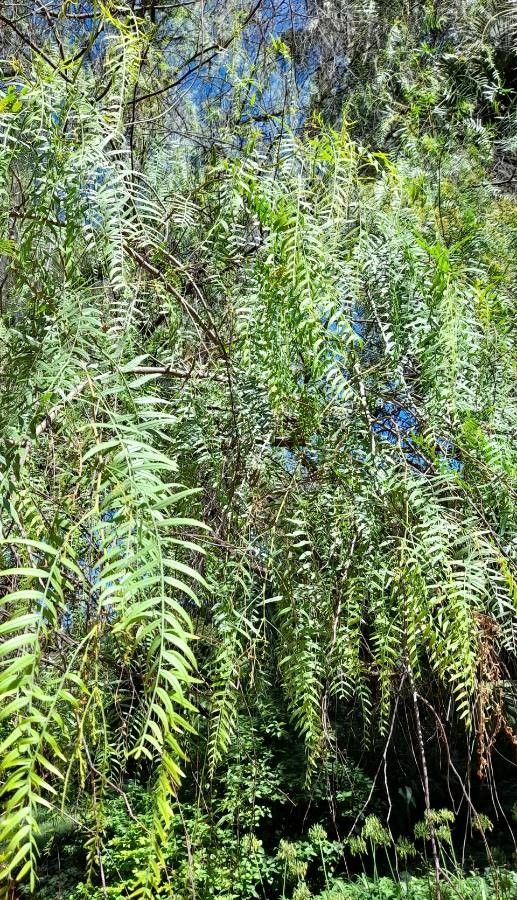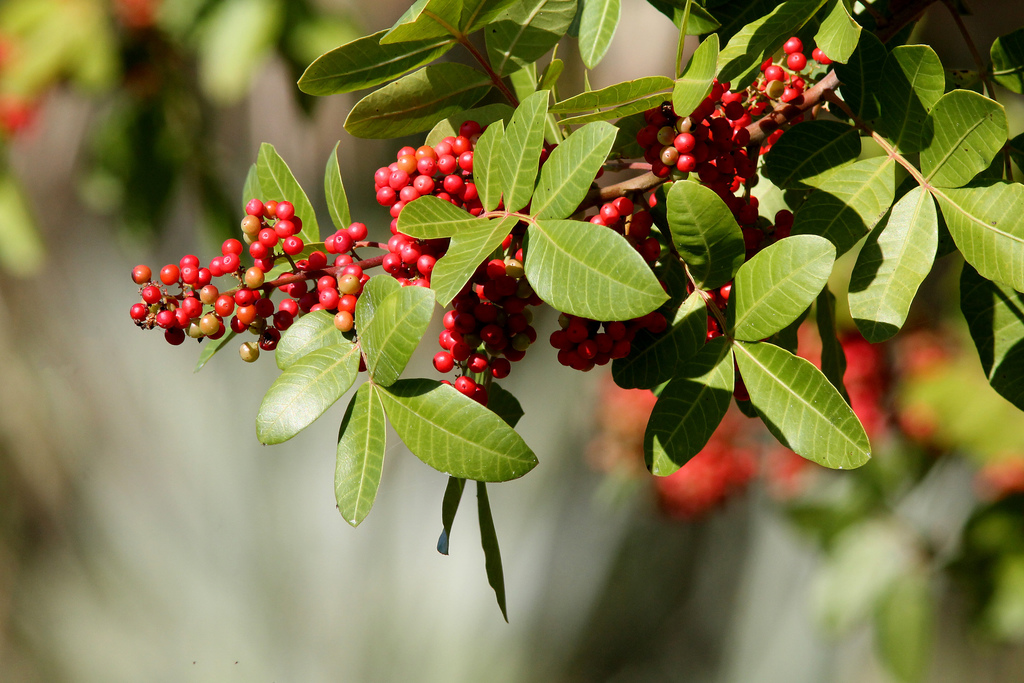
Schinus terebinthifolia, commonly known as the Brazilian pepper tree, is a small to medium-sized evergreen native to South America. It belongs to the Anacardiaceae family and can reach a height of 10-15 meters. The tree boasts a dense, spreading crown with drooping branches, contributing to its attractive appearance.
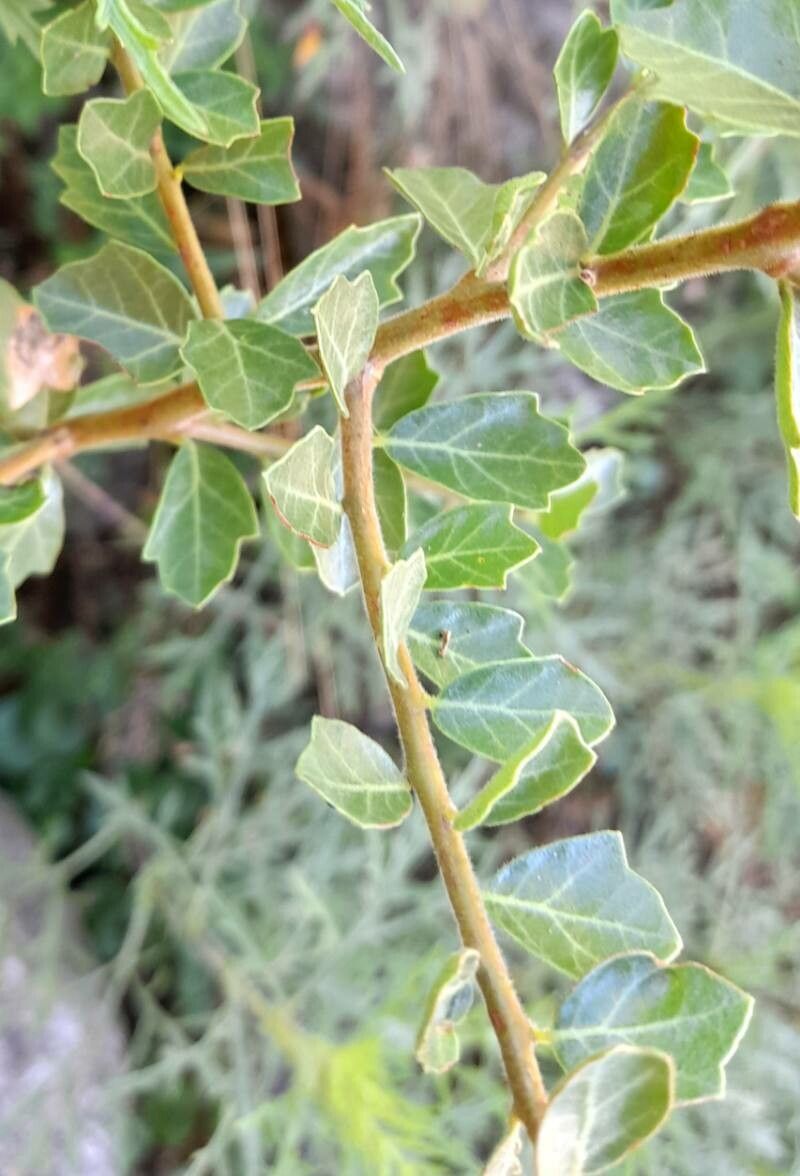
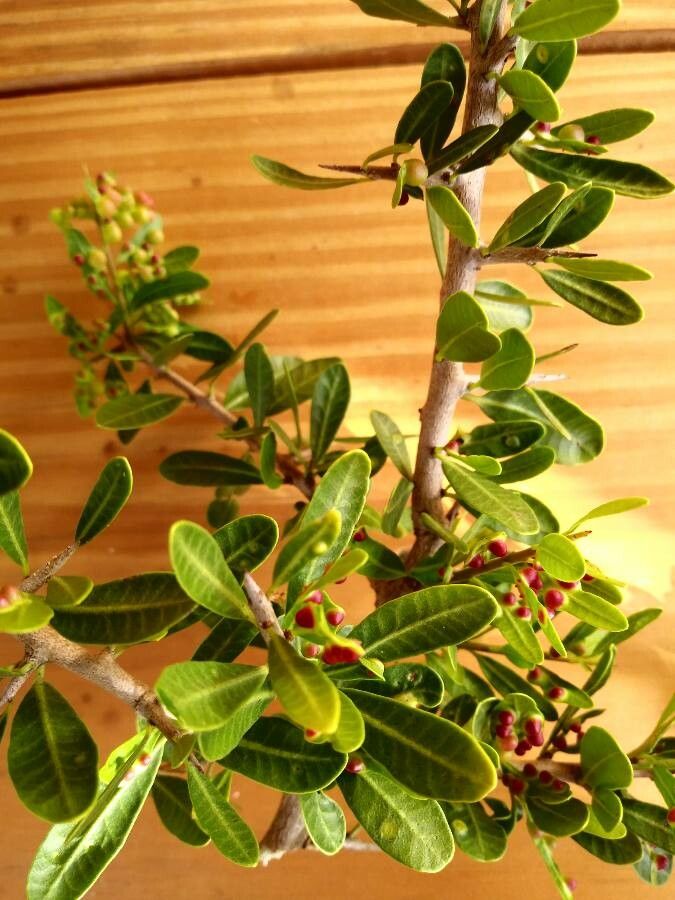
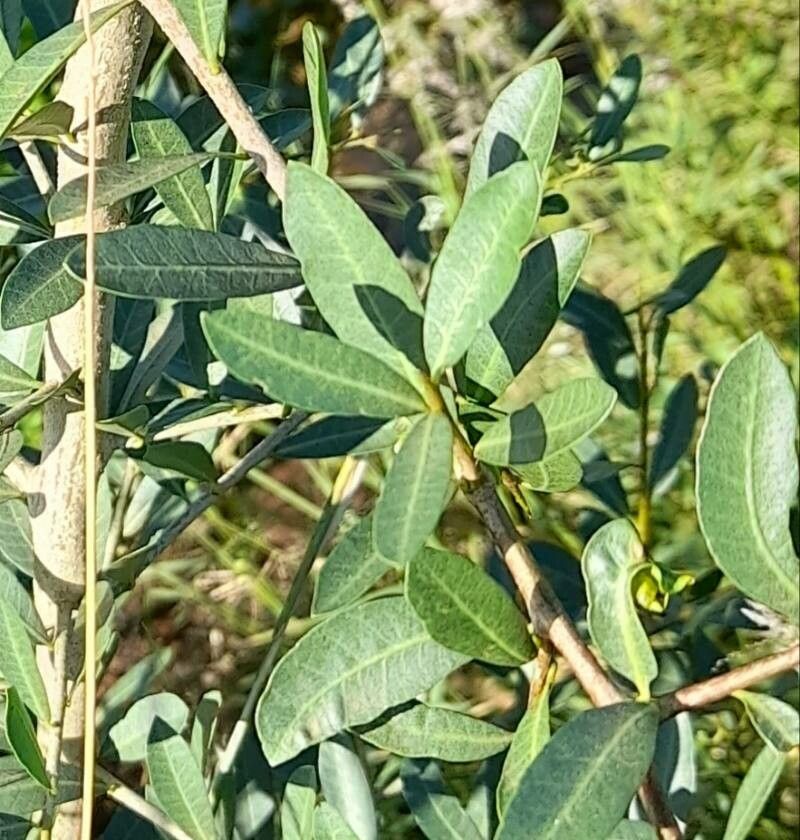
The leaves of the Brazilian pepper tree are pinnate, consisting of 7-19 glossy green leaflets. Its small flowers, which are white or yellowish-green, appear in clusters at the end of branches during the spring or summer.
The fruit of Schinus terebinthifolia is a red, berry-like drupe, each containing a single seed. These fruits ripen during fall or winter and can remain on the plant for several months.
Scientific studies have discovered that the Brazilian peppertree is effective against the harmful antibiotic-resistant bacterium Methicillin-resistant Staphylococcus aureus (MRSA), which can lead to fatal skin and blood infections. The Brazilian peppertree contains compounds that inhibit the bacterium's ability to communicate and survive as a group, a process known as quorum sensing. This finding sheds light on why the Brazilian peppertree has been used as an effective folk remedy in Brazil for many years. FUN FACT · FROM THE LIBRARY
Initially introduced as an ornamental plant, the Brazilian pepper tree has become an invasive species in many parts of the world due to its rapid growth and ability to outcompete native vegetation. Additionally, it produces allelopathic chemicals that inhibit the growth of surrounding plants.
Despite its invasive nature, Schinus terebinthifolia has been used medicinally by indigenous people for centuries, valued for its anti-inflammatory properties. It has also been used as a spice substitute for black pepper because of its similar taste profile. However, it should be consumed with caution, as it may cause allergic reactions in some individuals.
Overall, Schinus terebinthifolia is a fascinating plant species with both beneficial medicinal properties and significant negative ecological impacts when introduced outside its native range.
The Brazilian peppertree is native to Argentina, Paraguay, and Brazil. It was introduced to Florida in the mid-1800s as an ornamental plant. The tree's bright red berries and vibrant green leaves are frequently used as Christmas decorations. Additionally, because the fruit of Schinus plants can be used as a substitute for black pepper, it is commonly known as the Brazilian peppertree.
Botanical profile.
- Plant Type
- Tree, Shrub
- Life Cycle
- Perennial
- Genus
- Schinus
- Family
- Anacardiaceae
- Hardiness Zone
- 9-12
- Mature Height
- 7.01 m to 10.06 m
- Mature Spread
- 7.62 m
- Leaf Color
- Green
- Leaf Type
- Evergreen
- Flower Color
- White
- Flower Size
- 0.25 cm
- Bloom Time
- All year round
- Planting Time
- Spring, Summer, Autumn
- Harvest Time
- All year round
- Native Area
- Brazil