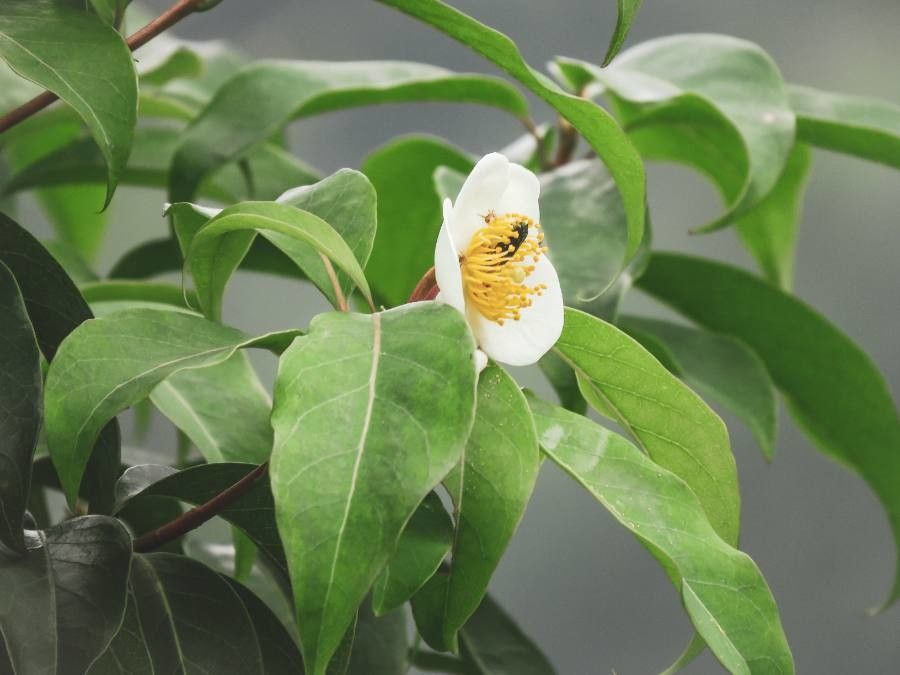
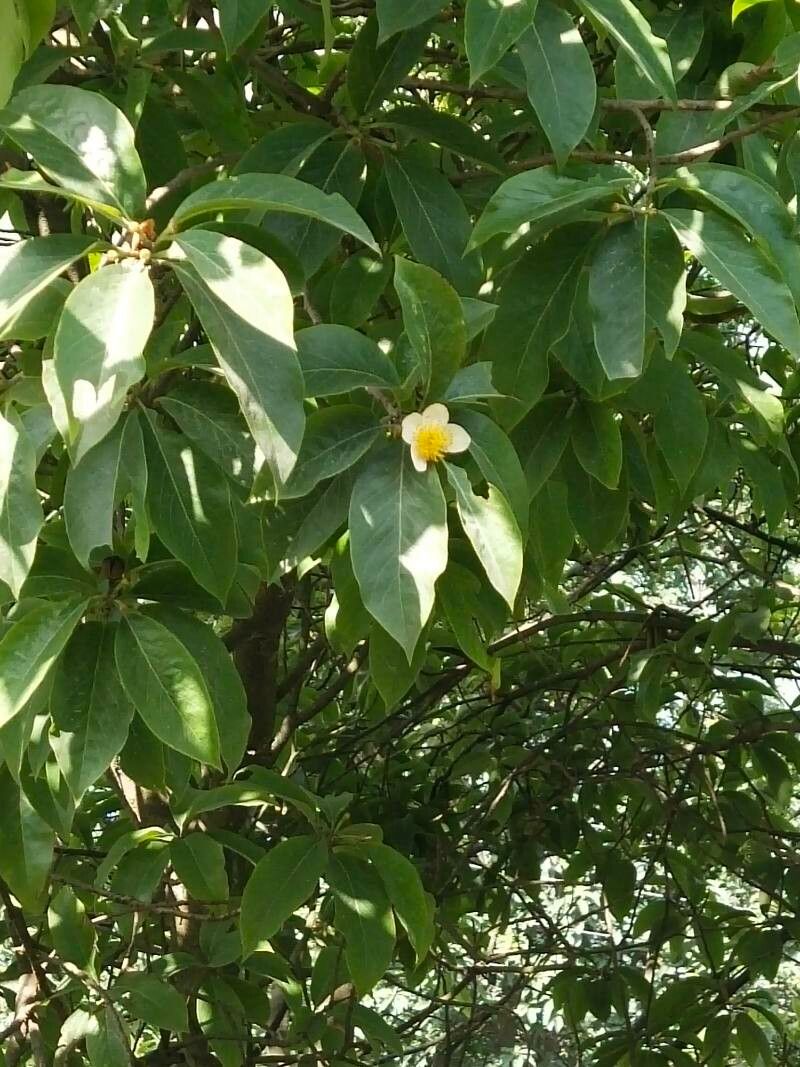
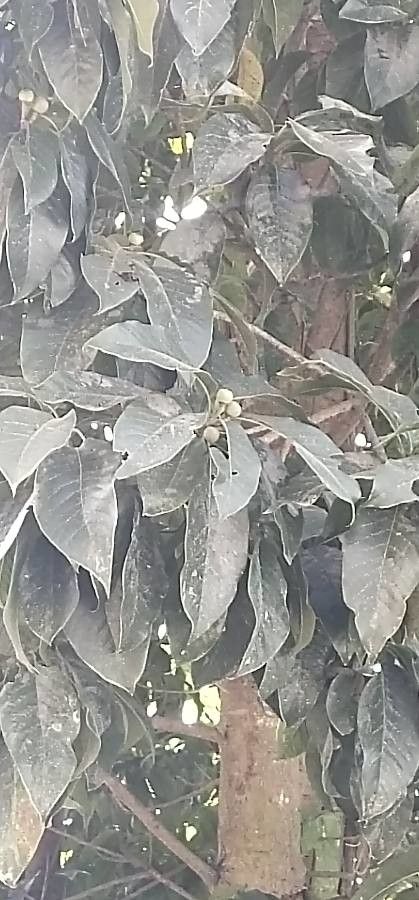
Schima wallichii is an evergreen tree belonging to the tea family Theaceae. It is also known as the needlewood tree.Schima wallichii is native to a wide area of China and tropical Asia. It grows 10–20 metres (33–66 ft) tall.
The Needlewood Tree has good disease resistance and is generally not prone to illnesses. In terms of care, this plant is relatively low-maintenance. When planted outdoors, it needs only minimal watering, and larger specimens typically do not require pruning. Smaller plants should be pruned after they have bloomed. The Needlewood Tree is suitable for anyone with outdoor space, such as a garden or a deck, and does not demand extensive care experience.
How to keep Schima Wallichii.
Light
Needlewood Tree comes from open habitats, such as sunny meadows and forest edges, where plenty of light is available. It prefers Full Sun but can also tolerate Partial Sun, adapting well to a range of sunlight conditions.
Water
The Needlewood Tree, native to Southeast Asia, thrives in humid environments similar to those of tropical rainforests. It has a remarkable ability to retain water and needs to be watered weekly to prevent waterlogging. Generally grown outdoors, the Needlewood Tree's growing season coincides with the monsoon cycle, allowing it to absorb substantial amounts of moisture.
Temperature
Needlewood Tree comes from tropical areas, where the climate is generally warm and humid. As a result, it is adapted to high heat and humidity. It does not tolerate sudden temperature shifts and prefers a steady thermal environment, so avoiding temperature fluctuations indoors is important. It typically cannot withstand cold and needs higher temperatures to grow. If the surrounding temperature falls too low, the plant may stop growing or even die.
Fertilizer
The best time to fertilize a Needlewood Tree is in early spring, as it breaks dormancy. This encourages overall growth and development of flowers. Fertilization improves the foliage, stems, and branches, and promotes flowers that are larger, more vivid, and longer-lasting. It helps move nutrients from the roots to the blooms and enhances the plant’s health and resistance to disease.
Pruning
The Needlewood Tree, famous for its needle-like leaves, benefits greatly from careful pruning. For best results, trim the tree during its dormancy, typically from early to late winter. This will help shape its growth, remove dead branches, and improve airflow. Regular pruning enhances the tree's appearance, reduces stress, and improves its overall health, leading to a strong, resilient structure that ensures optimal longevity.
Botanical profile.
- Plant Type
- Tree
- Life Cycle
- Perennial
- Genus
- Schima
- Family
- Theaceae
- Hardiness Zone
- 9-11
- Mature Height
- 14.94 m
- Mature Spread
- 6.1 m
- Leaf Color
- Dark Green
- Leaf Type
- Evergreen
- Flower Color
- White
- Flower Size
- 3.05 cm to 4.06 cm
- Bloom Time
- Summer
- Planting Time
- Spring, Summer, Autumn
- Harvest Time
- Late summer, Fall
Other names.
Reader questions.
What are the sunlight requirements for a Needlewood Tree (Schima wallichii)?
The Needlewood Tree (Schima wallichii) thrives under specific sunlight conditions to ensure its growth and health. It requires 'Full sun,' which means it needs above 6 hours of sunlight daily, or 'Partial sun,' indicating it should receive about 3-6 hours of sunlight. It's important to observe how sunlight moves through your garden throughout the day. This observation will help you identify the perfect balance of light and shade in your garden, allowing you to choose the best spots for planting your Needlewood Tree. Proper placement according to these requirements is key to ensuring the happiness and health of your tree.