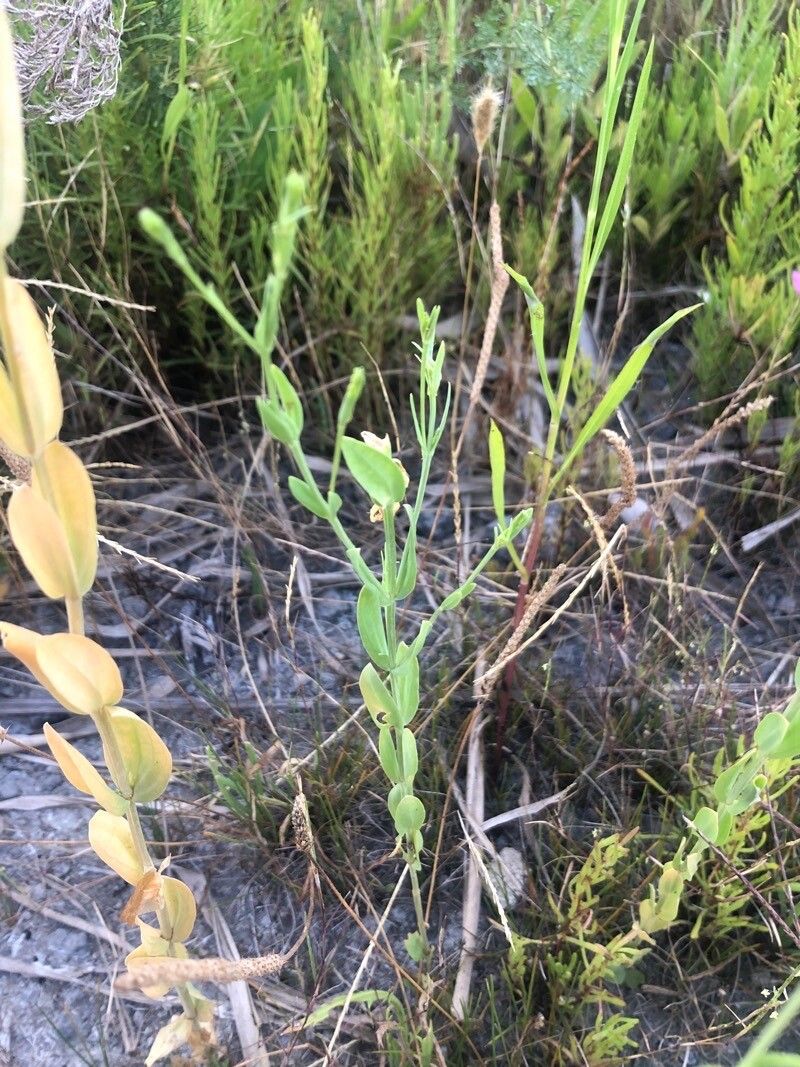
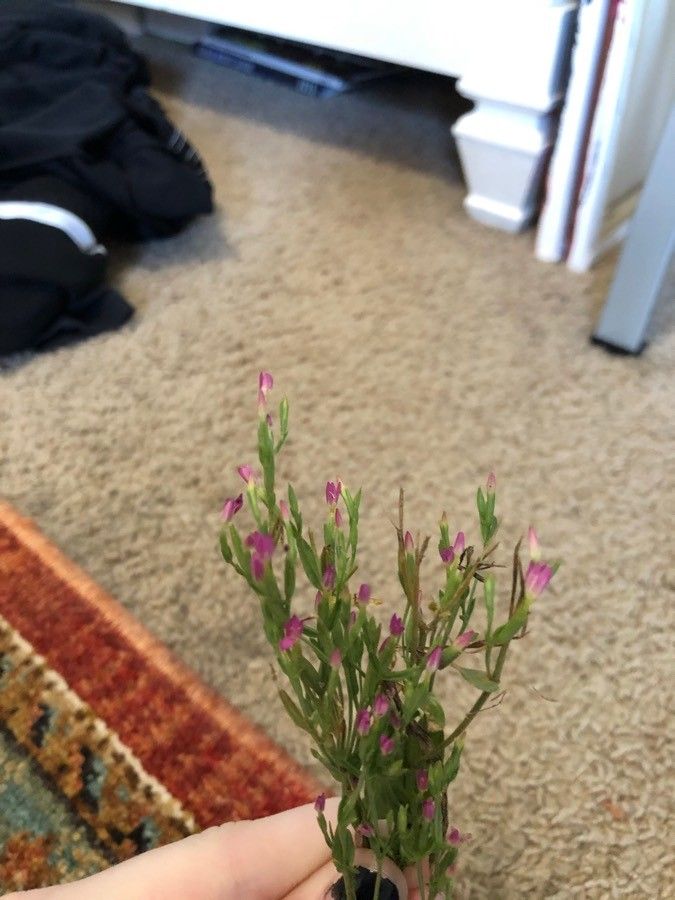
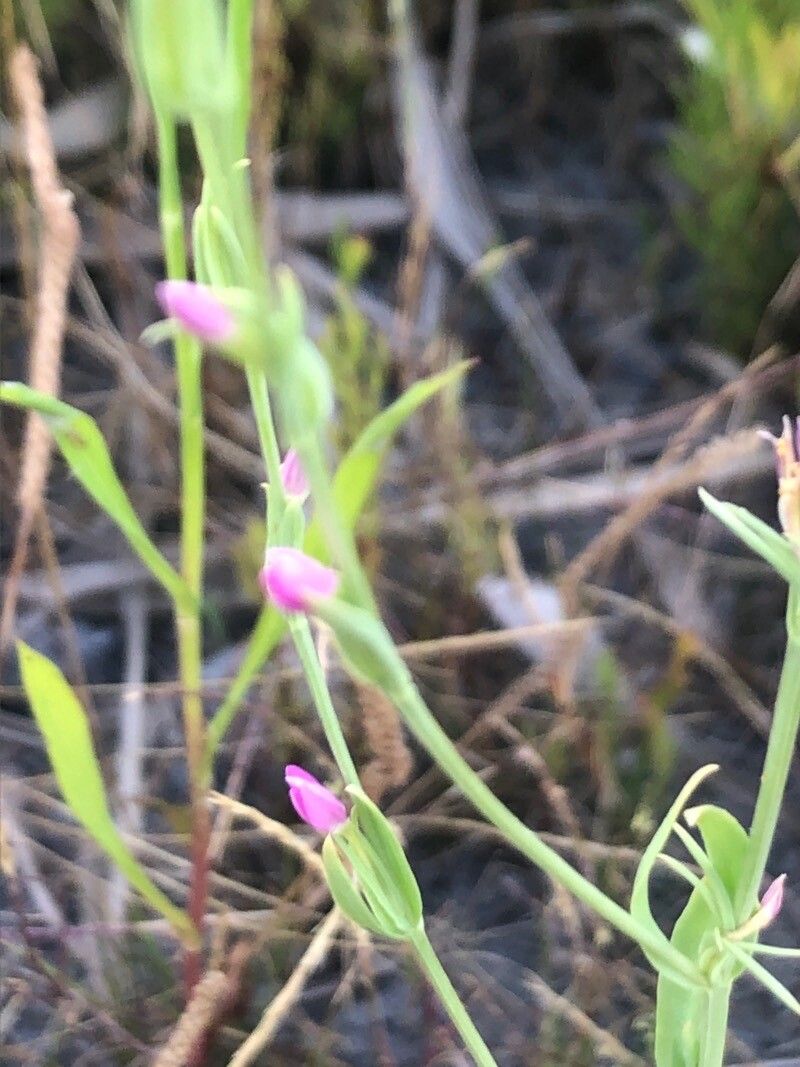
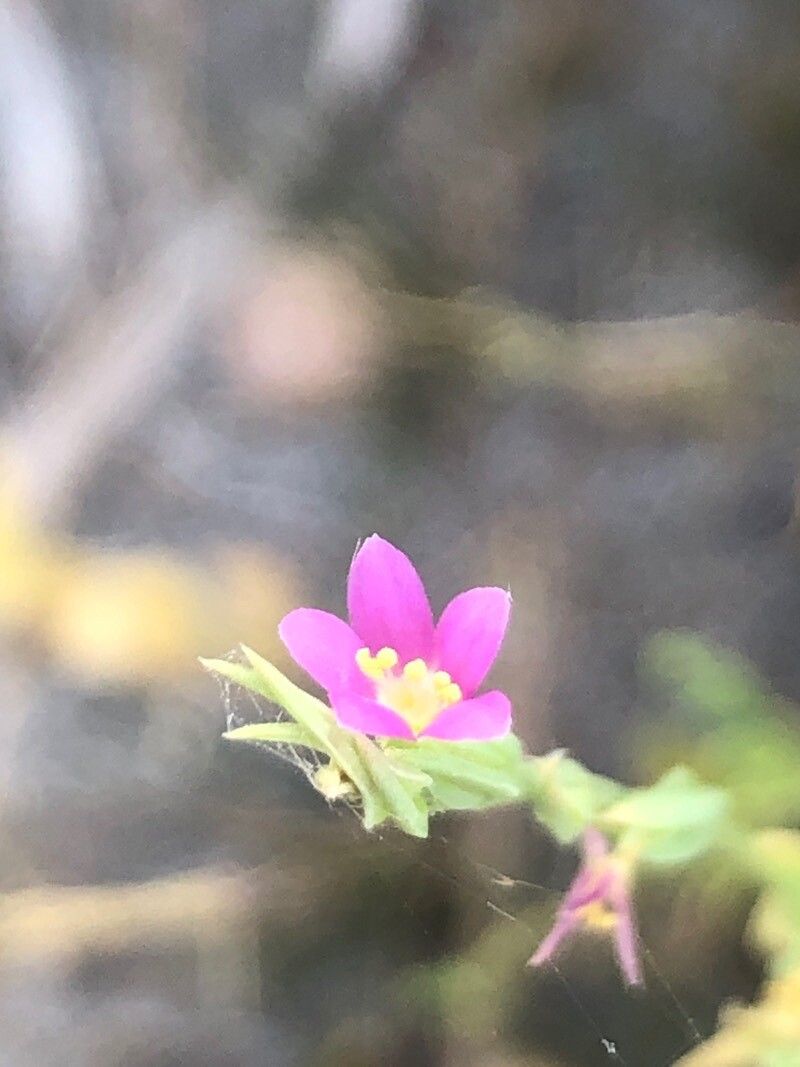
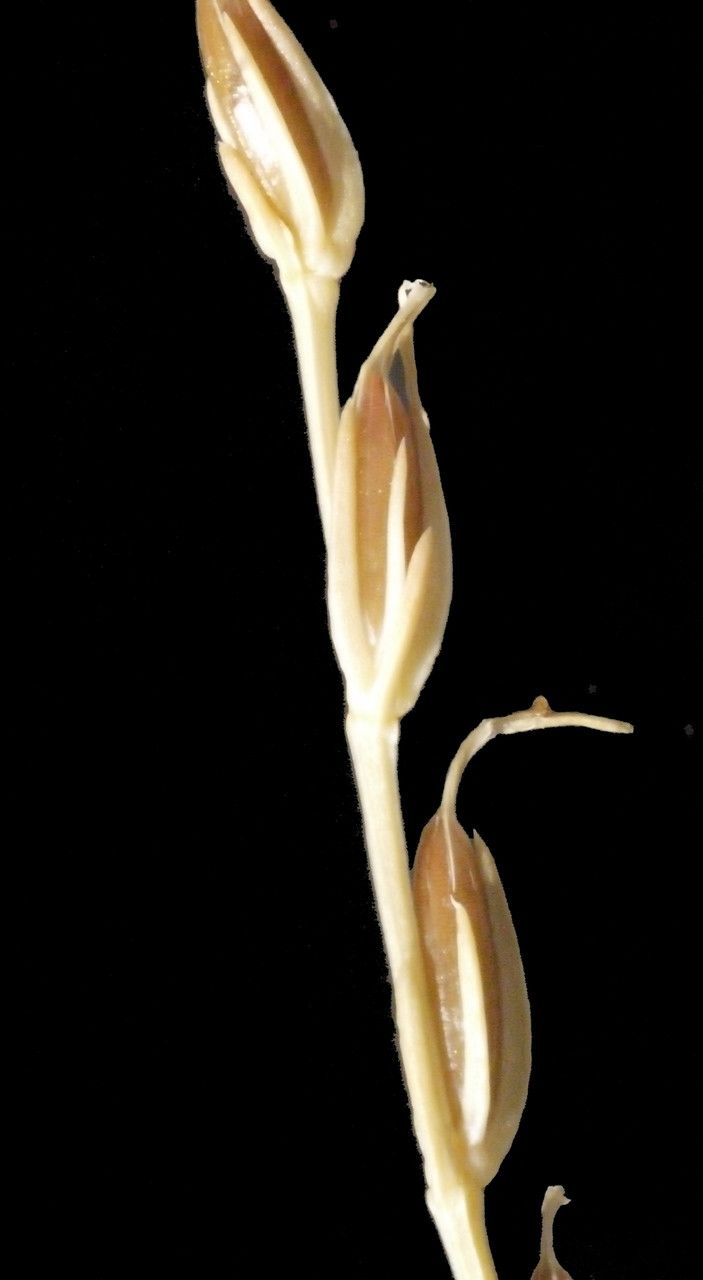
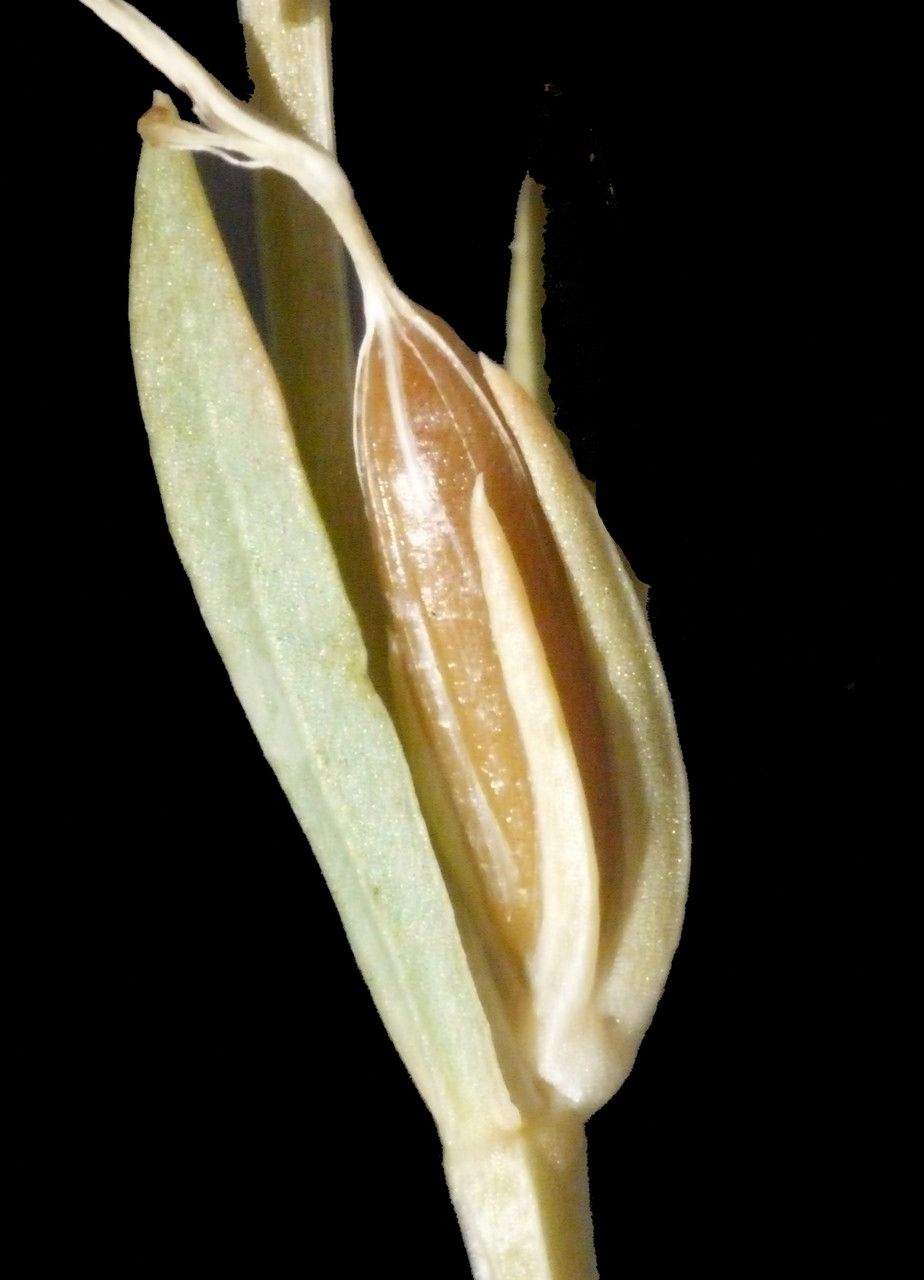
Schenkia spicata is a species of annual herb in the family Gentianaceae. It has a very wide old world distribution, ranging from north Africa, through Europe and into Asia. It was first published as Gentiana spicata by Carl Linnaeus in his 1753 Species plantarum. It was later transferred into Erythraea and then Centaurium, under a broad circumscription of the latter genus that was subsequently found to be polyphyletic. In 2004 Centaurium was split into four genera, with C. spicatum becoming Schenkia spicata. At the same time, it was noted that European and Australian specimens ascribed to this species are in fact different taxa; for example, all Australian specimens studied were tetraploid, whereas all European specimens studied were diploid. Therefore, the Australian specimens were segregated into a new species, Schenkia australis.
Spiked centaury is fairly resistant to disease and generally not prone to illnesses. Still, it can be vulnerable to pests and diseases present in its environment. These problems are typically mild. As for care, this plant has moderate maintenance needs. It should be pruned regularly to preserve a neat appearance and support healthy growth. Fertilizing can also help encourage flowering. Spiked centaury is well suited for anyone with an outdoor area, such as a garden or patio, and does not require extensive gardening experience. It may need extra attention when grown indoors.
How to keep Schenkia Spicata.
Light
Spiked centaury comes from bright, open habitats and does best in full sun. It will tolerate some partial shade but prefers direct sunlight for optimal growth. This plant, which can be annual or biennial, is noted for its sun-loving habit.
Water
Spiked centaury is moderately drought-tolerant, thriving best in well-drained soil with consistent moisture. Watering it twice a week helps maintain the necessary soil moisture. Its efficient root system captures rainwater in open grasslands, improving its ability to conserve water during dry spells.
Fertilizer
Spiked centaury does well with regular, light fertilizer applications to encourage healthy leaf development. You should feed Spiked centaury roughly once a month during the summer. Nitrogen is vital for foliage, so adding nitrogen-rich sources helps Spiked centaury prosper.
Pruning
The spiked centaury is a plant with slender stems and bright pink flowers that thrives in well-drained soils. To promote growth, it's best to prune it from early to late spring. During this time, remove any dead stems to encourage a bushier appearance. Light pruning also improves air circulation, which helps reduce the risk of disease and ensures robust flowering and longevity.
Botanical profile.
- Plant Type
- Herb
- Life Cycle
- Annual, Biennial
- Genus
- Schenkia
- Family
- Gentianaceae
- Leaf Type
- Semi-evergreen
- Native Area
- Libya, Egypt, Turkey, Pakistan, Croatia, Morocco, Uzbekistan, Russia, Iraq, Romania, Portugal, France, Tajikistan, Tunisia, Philippines, Cyprus, Bulgaria, Armenia, Greece, Ukraine, Lebanon, Afghanistan, Syria, Kyrgyzstan, Kazakhstan, Italy, Spain, Vietnam, Iran, Albania, Azerbaijan, Algeria, Turkmenistan
Other names.