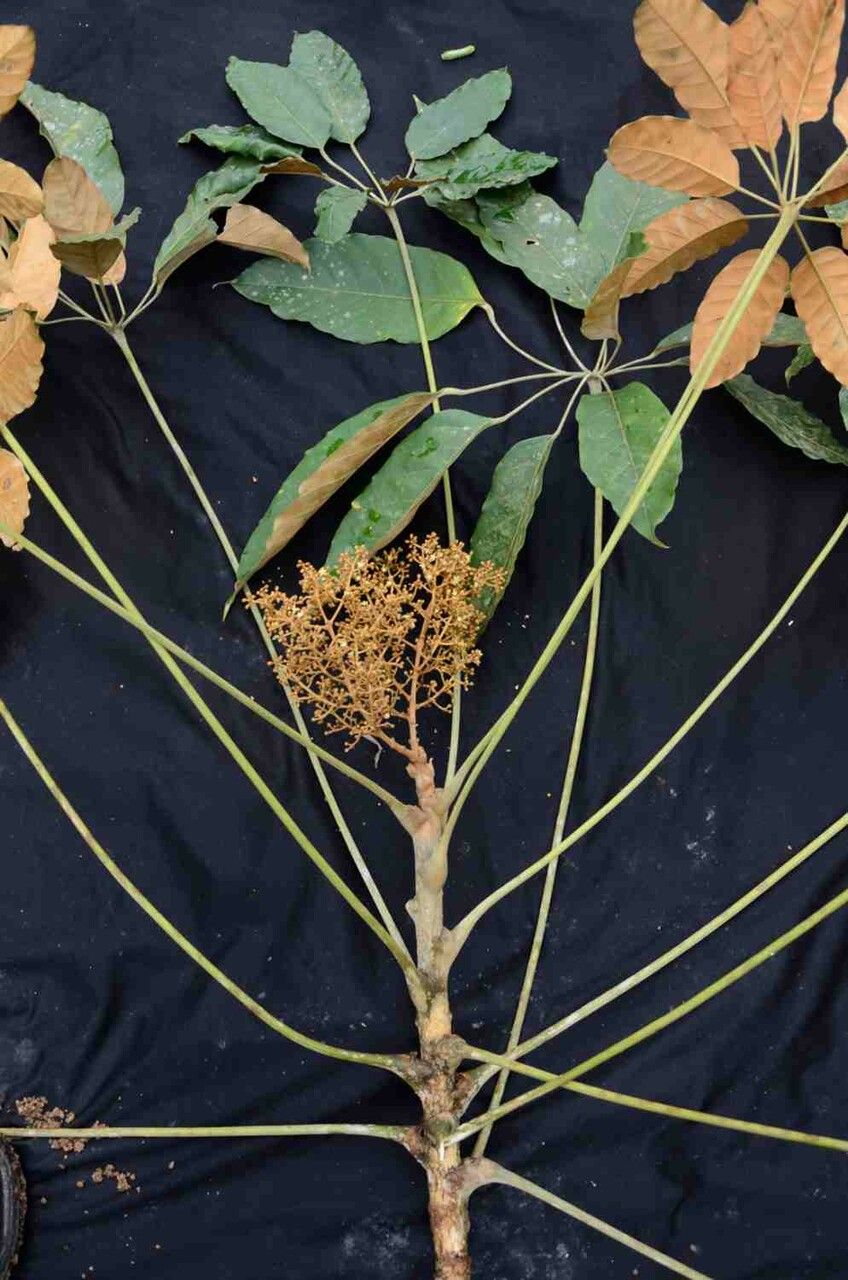
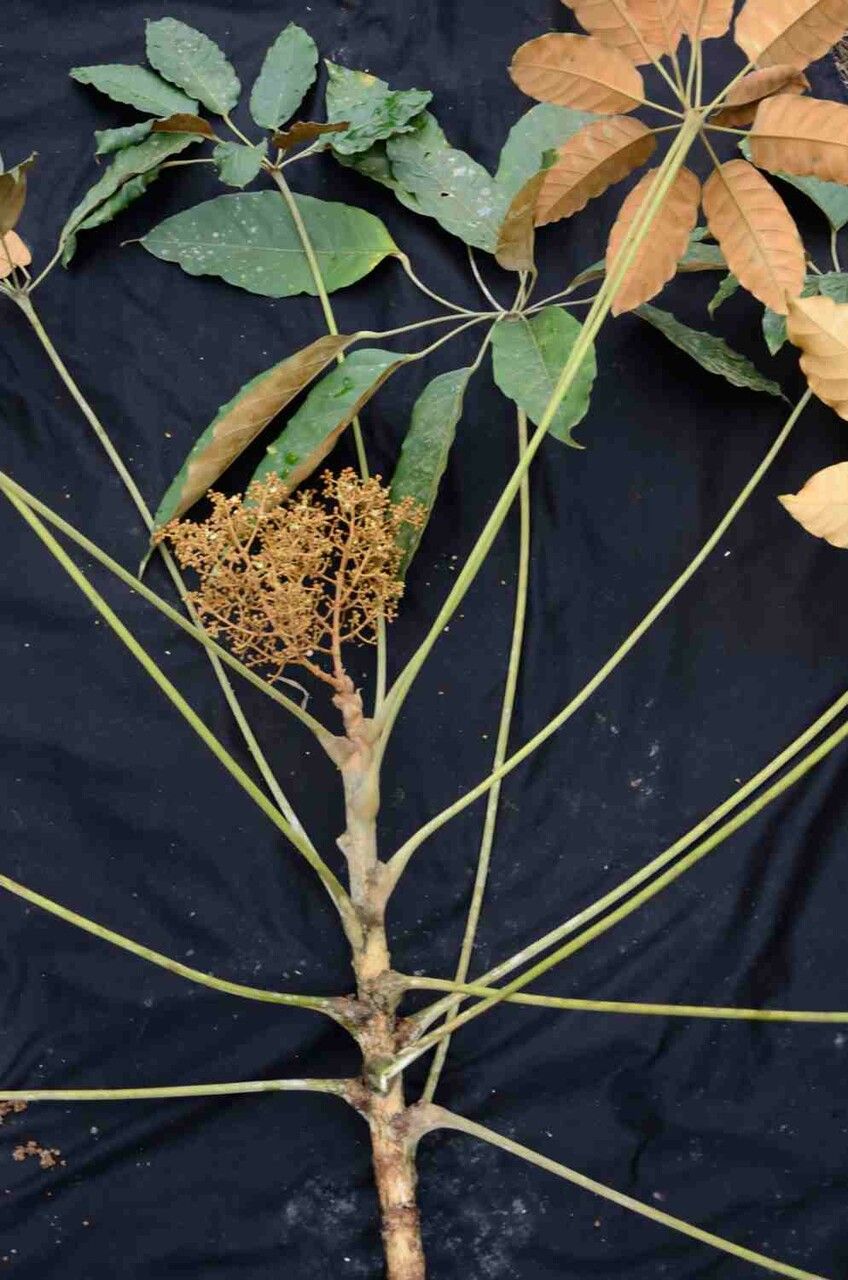
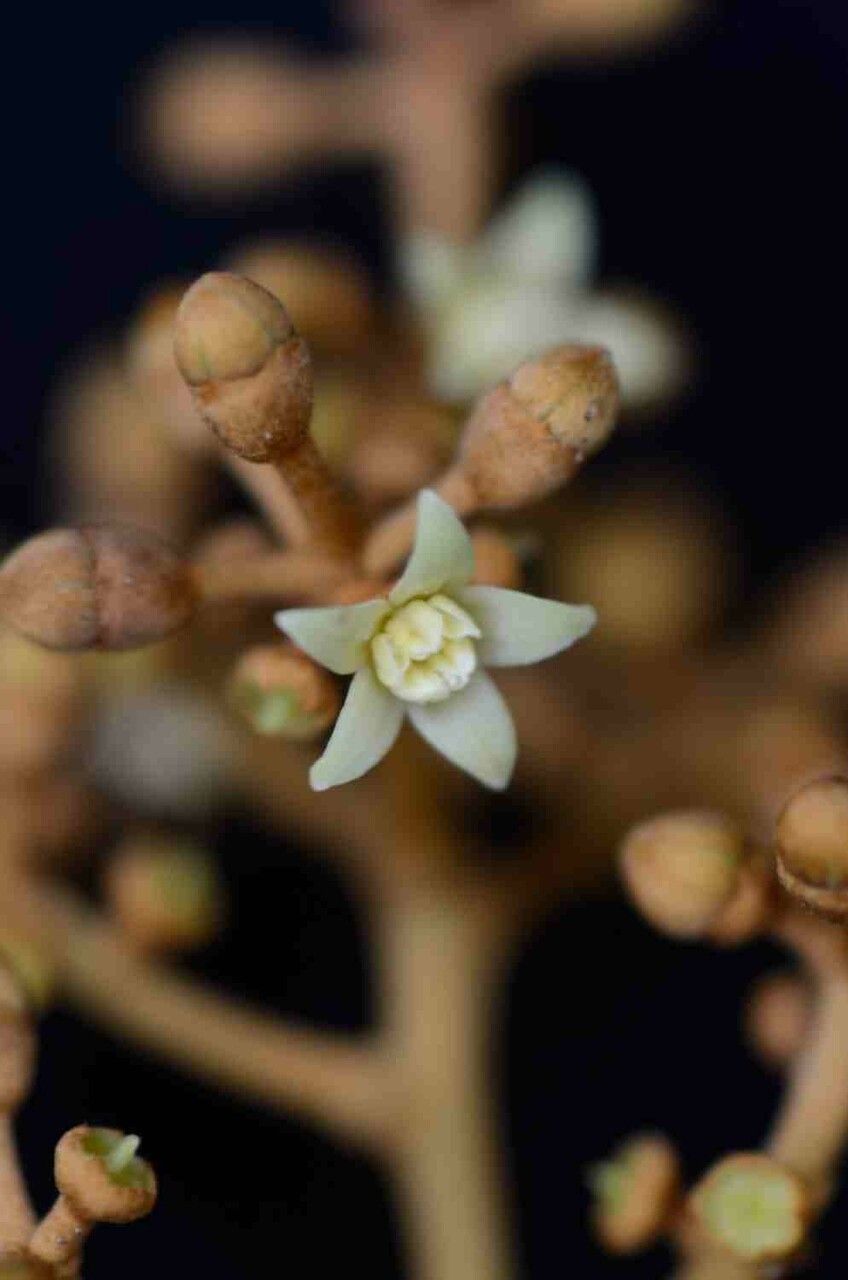
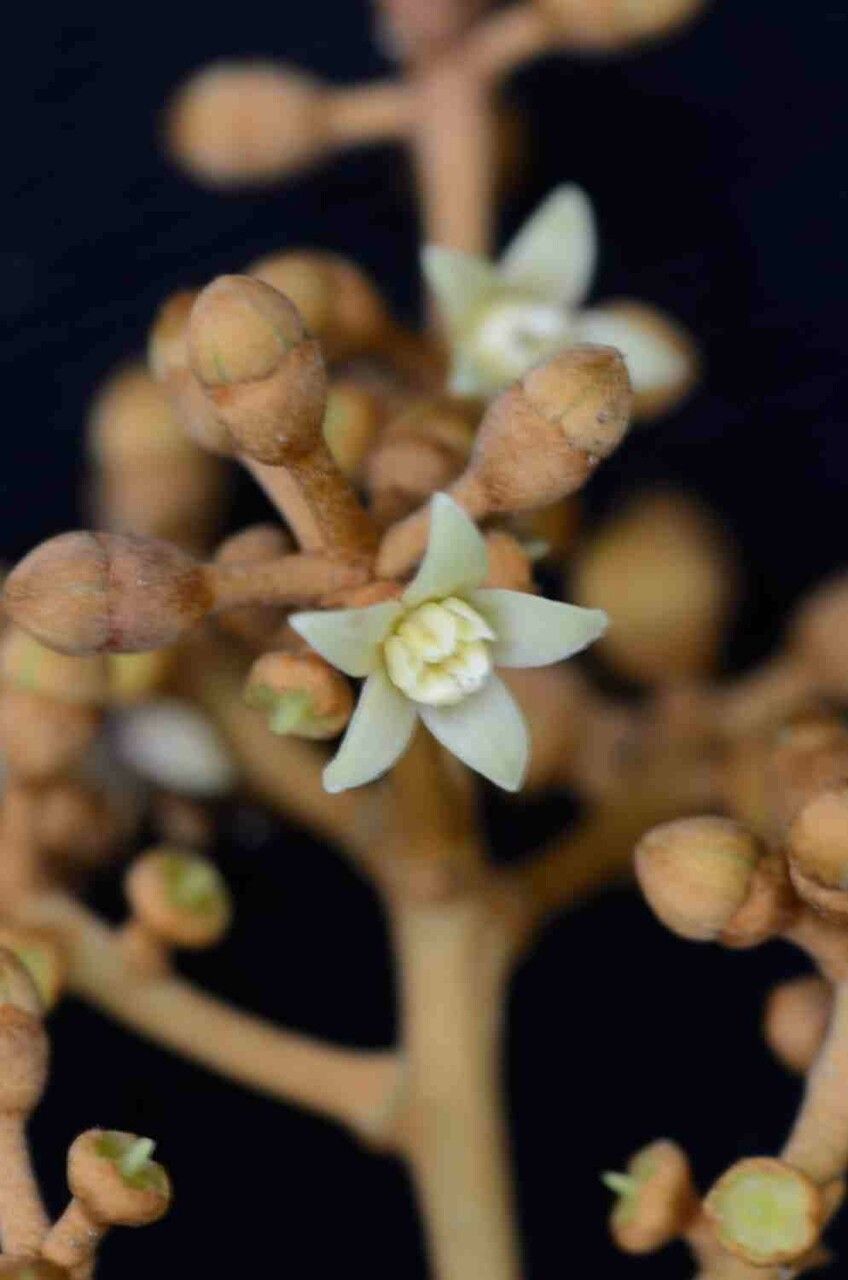
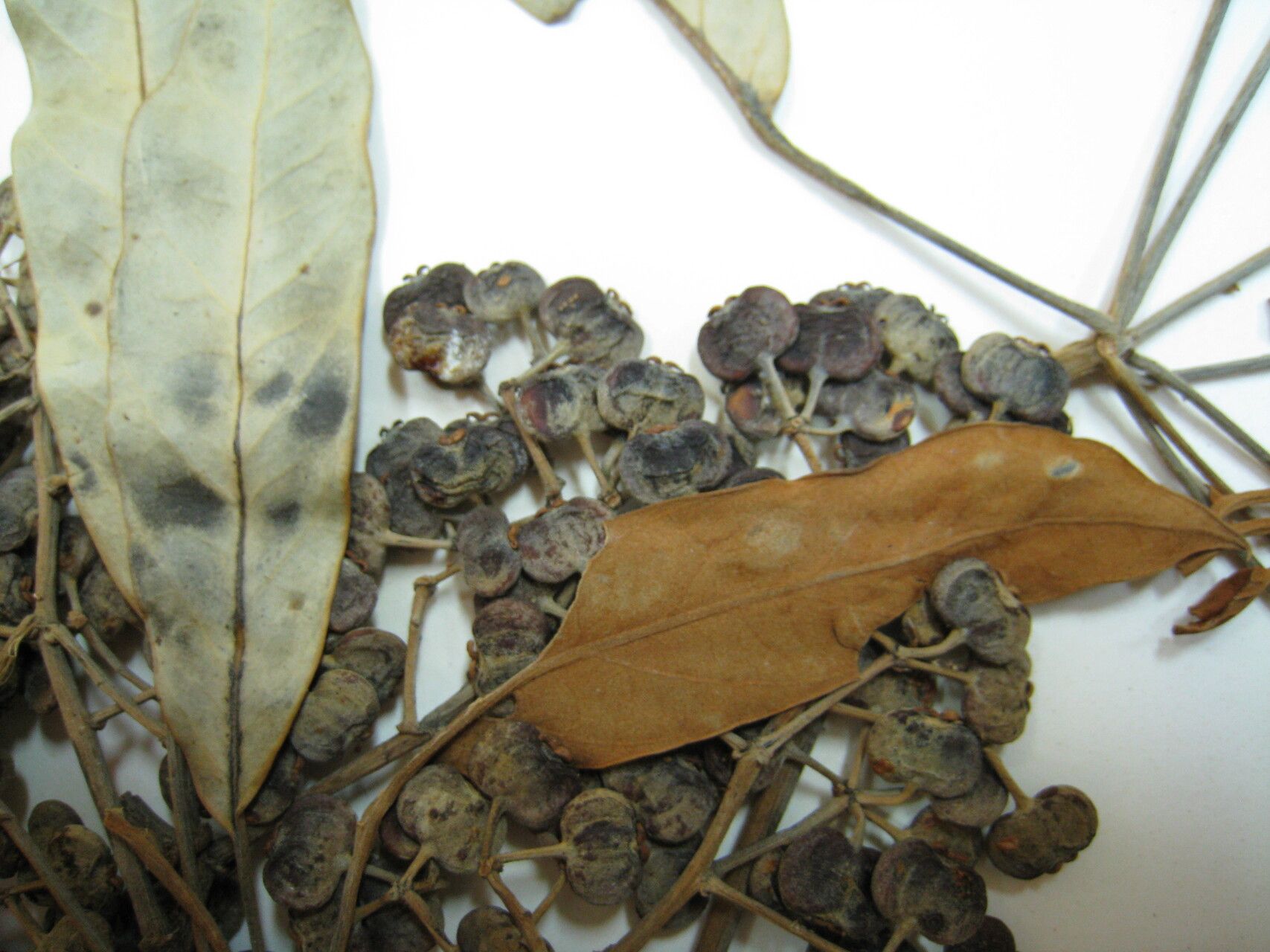
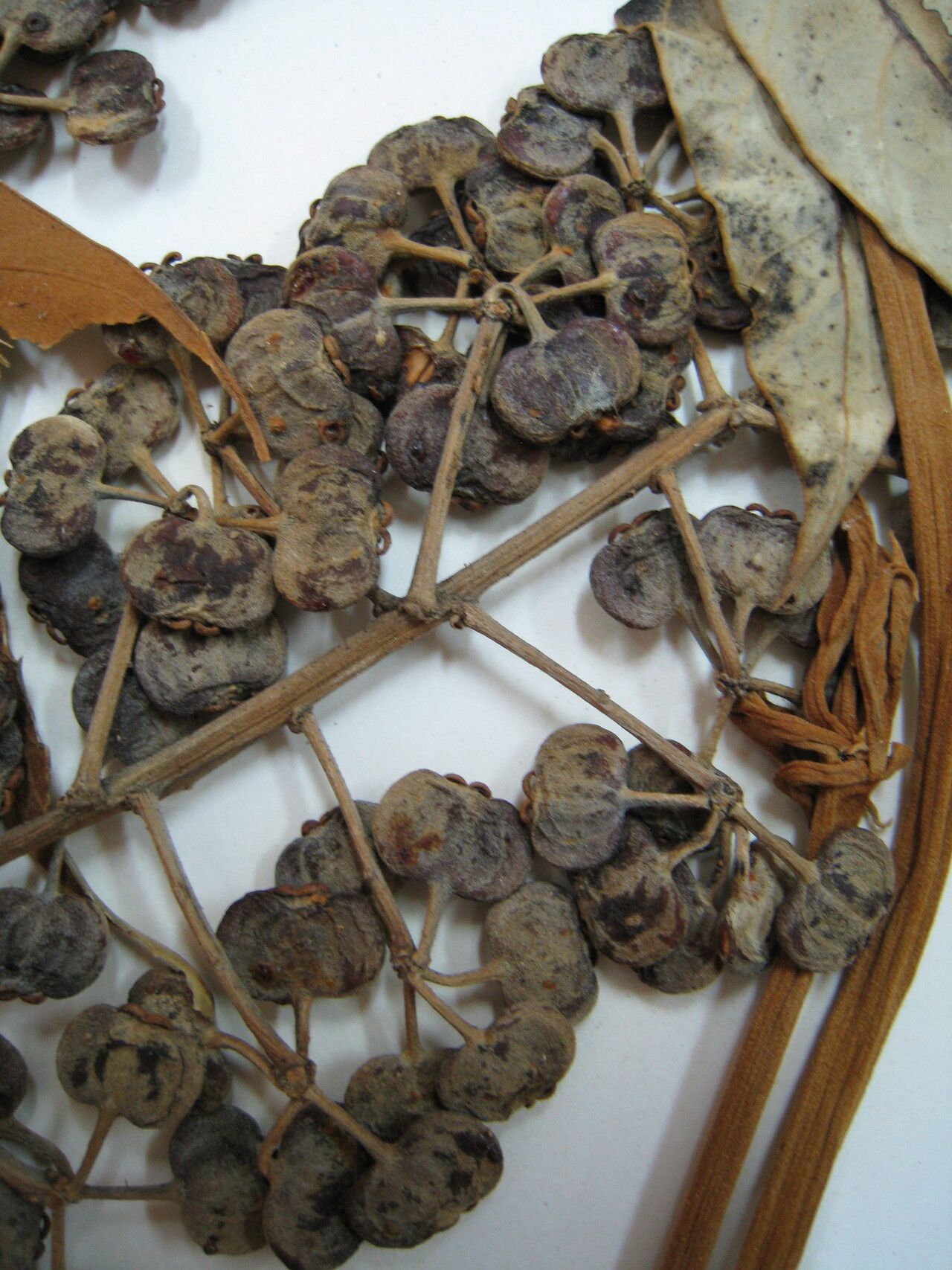
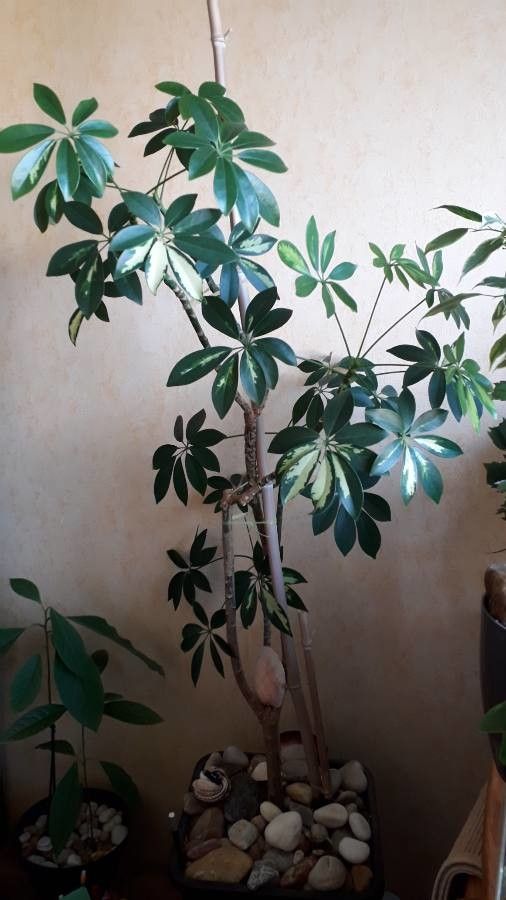
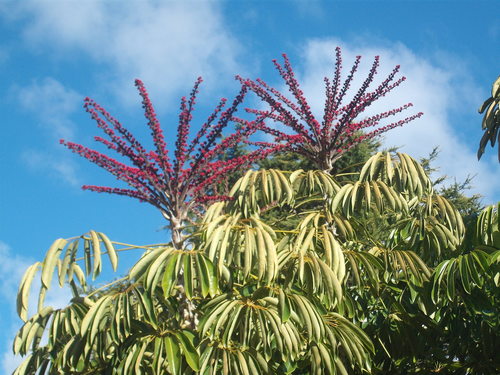
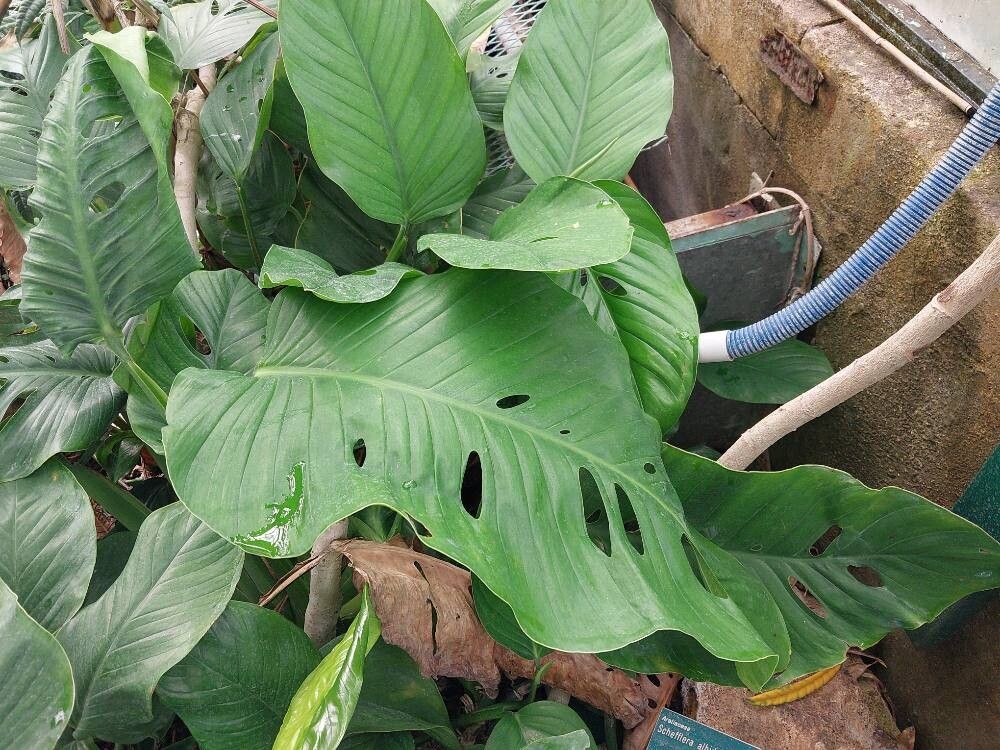
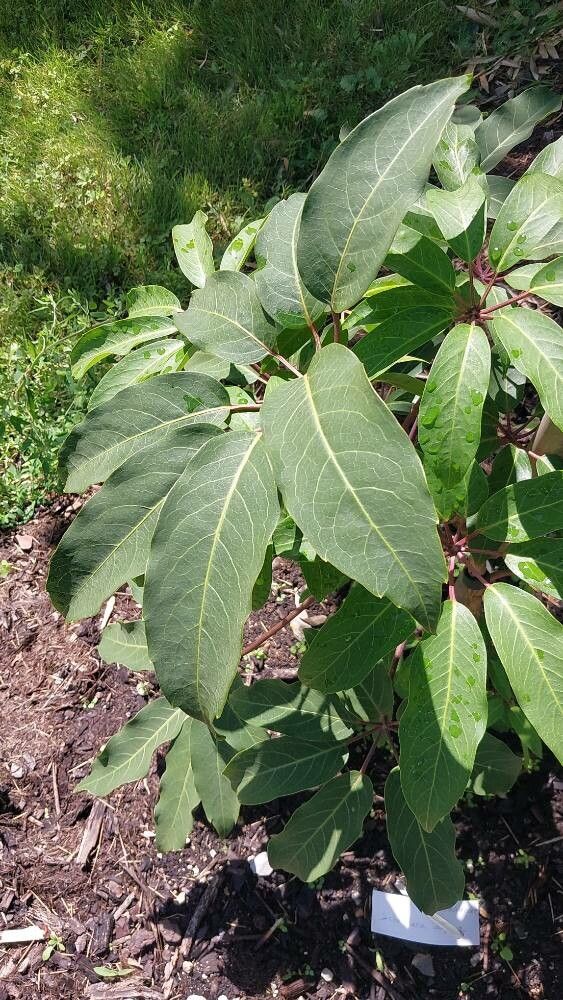
Schefflera morototoni (yagrumo macho; syn. Didymopanax morototoni (Aubl.) Decne. & Planch., Didymopanax morototoni var. angustipetalum March; Panax morototoni Aublet; Sciadophyllum paniculatum Britton ) is a timber tree native to southern Mexico, the Greater Antilles, Central America, and South America. It grows in a variety of habitats, such as the Caatinga, Cerrado, and Amazon Rainforest of Brazil.
Schefflera morototoni is largely resistant to disease and generally does not suffer from illnesses. From a care standpoint, this plant is fairly low maintenance. When grown outdoors it needs only minimal watering, and larger specimens usually do not require pruning. Smaller plants, however, should be trimmed after they finish blooming. Schefflera morototonit is appropriate for anyone with an outdoor area, such as a garden or deck, and does not demand much prior gardening experience.
How to keep Schefflera Morototoni.
Light
Schefflera morototoni is native to habitats like forest understories or rocky areas, where it grows in natural shade. It prefers partial sun but can tolerate both full sun and full shade, illustrating its versatility and hardiness.
Temperature
Schefflera morototoni comes from tropical areas where the climate is generally warm and humid. As a result, it is well suited to high temperatures and humidity. It does not tolerate sudden temperature changes and favors a stable thermal environment, so indoor temperature fluctuations should be avoided. It typically cannot withstand cold and needs higher temperatures to grow. If the surrounding temperature drops too much, the plant may stop growing or even die.
Fertilizer
Fertilization is essential for the care of Schefflera morototoni. Regular feeding during the active growing season maintains the energy for its showy foliage and supports overall growth. Failing to fertilize can lead to unhealthy leaves, reduced ornamental value, and stunted or weak growth that is more likely to break.
Pruning
Schefflera morototoni is known for its large, glossy leaves and rapid growth. To maintain its health and appearance, it's important to prune it regularly in early spring. Effective pruning techniques include removing damaged branches, thinning out foliage to improve airflow, and shaping the plant for aesthetic appeal. These practices encourage robust growth and help prevent disease.
Botanical profile.
- Plant Type
- Tree
- Life Cycle
- Perennial
- Genus
- Schefflera
- Family
- Araliaceae
- Hardiness Zone
- 10-12
- Mature Height
- 20.12 m to 29.87 m
- Mature Spread
- 10.06 m to 14.94 m
- Leaf Color
- Dark Green, Forest Green
- Leaf Type
- Evergreen
- Flower Color
- White
- Flower Size
- 0.25 cm to 0.51 cm
- Bloom Time
- Summer
- Planting Time
- Spring, Summer, Autumn
- Harvest Time
- Late summer, Early fall, Mid fall
Other names.
Reader questions.
What are the sunlight requirements for Schefflera morototoni?
Schefflera morototoni, also known by its botanical name Schefflera morototoni, thrives under specific sunlight conditions. It requires 'Partial sun,' meaning about 3-6 hours of sunlight daily, or it can grow in 'Full shade,' which is defined as receiving less than 3 hours of sunlight per day. It's important to observe the movement of sunlight through your garden to identify spots that offer the ideal balance of light and shade to ensure the plants remain healthy and happy.
What is Schefflera morototoni?
Schefflera morototoni, also known by its botanical name Schefflera morototoni, is a plant species. Information specific to its essentials, content, and symptoms was not provided.