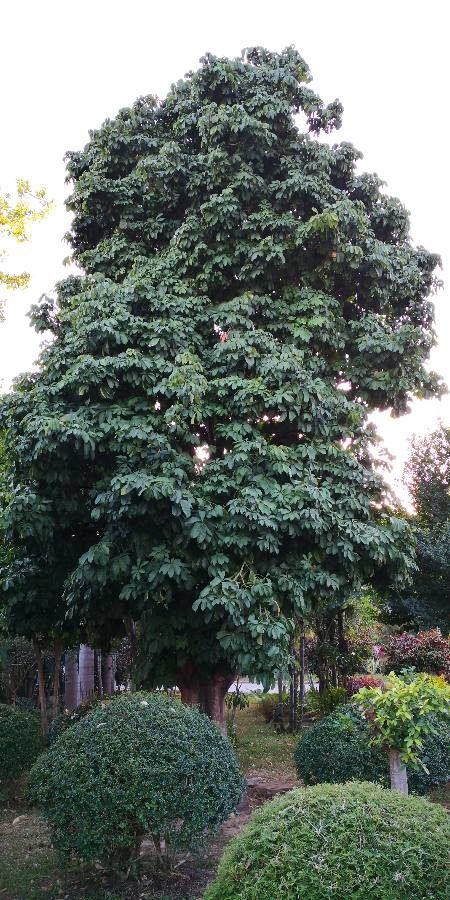
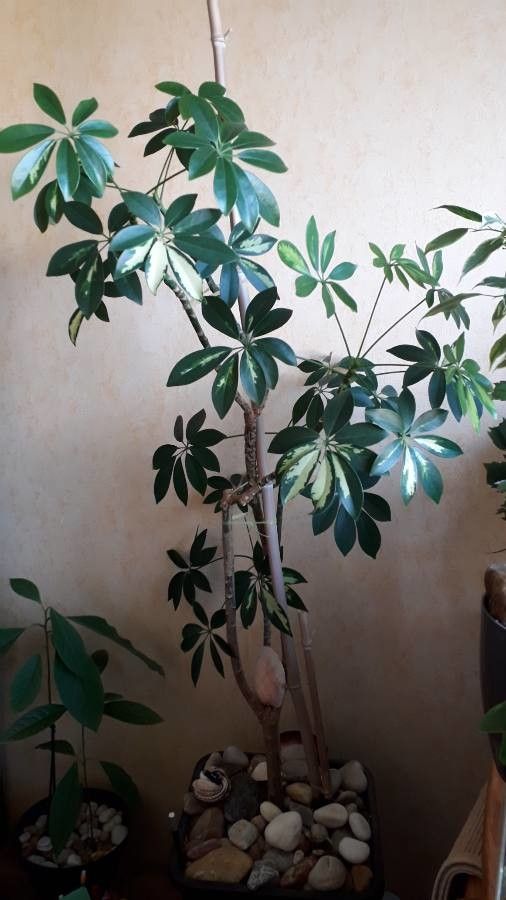
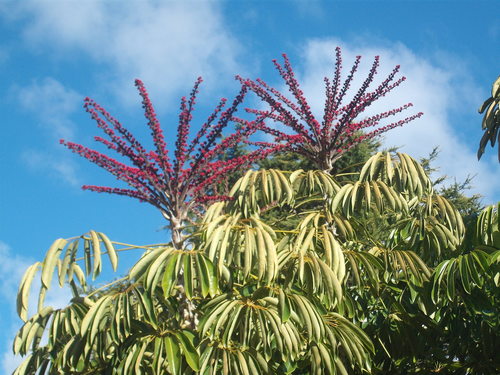
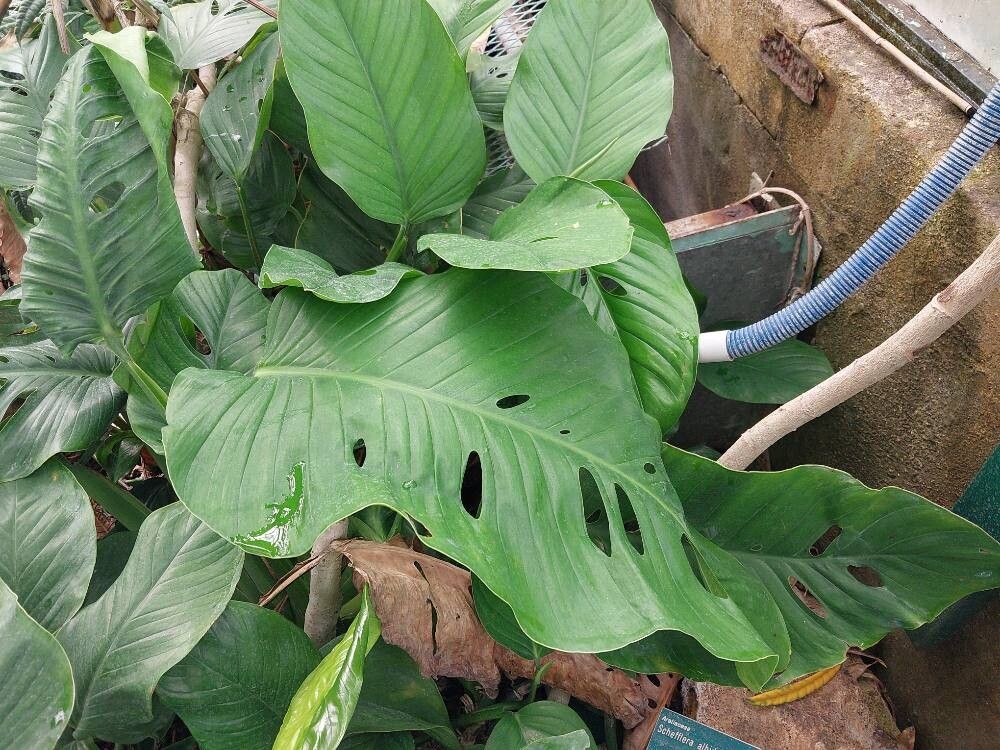
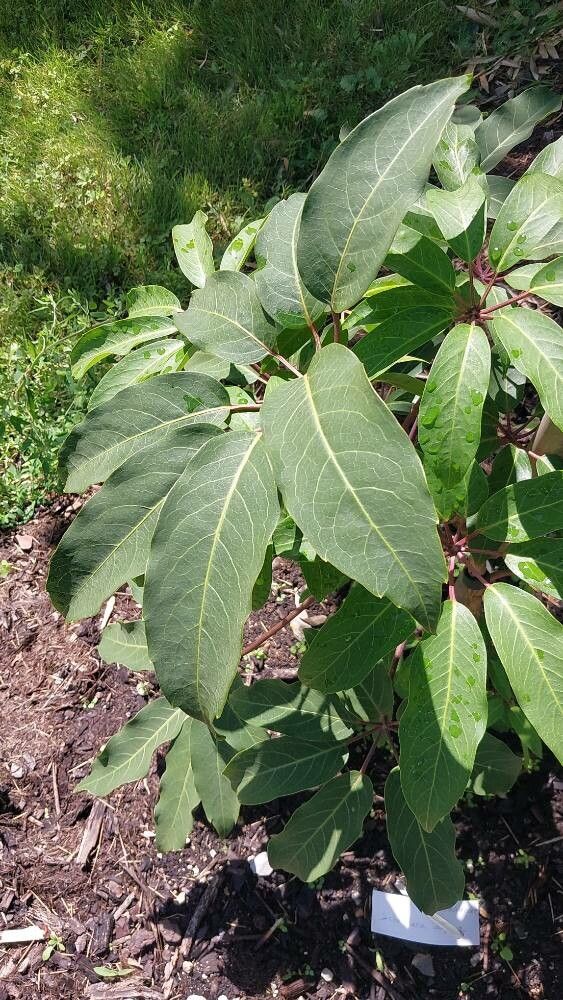
Octopus tree has strong disease resistance and is generally not susceptible to illnesses. Regarding care, this plant is fairly low-maintenance. When grown outdoors it needs minimal watering, and larger specimens typically do not require pruning. Smaller plants, however, should be pruned after they have finished blooming. Octopus tree is suitable for anyone with an outdoor area, such as a garden or deck, and does not demand extensive care experience.
How to keep Schefflera Macrostachya.
Light
Originating from bright, sunlit habitats, the Octopus tree is a tropical woody plant that flourishes in full sun but can also tolerate partial sunlight. It commonly grows in open, well-lit locations with little shade.
Water
The octopus tree thrives in humid environments with moderate moisture levels. To keep the soil moist but not waterlogged, it should be watered every 2-3 weeks. This plant prefers indoor settings where humidity can be easily regulated, and it benefits from regular misting, especially in dry climates.
Temperature
The Octopus tree is adapted to warm climates, doing best in temperatures between 68 to 100.4 °F (20 to 38 ℃). In its native habitat it needs steady warmth and may require protection if temperatures fall significantly.
Fertilizer
The best time to fertilize an Octopus tree is in early spring, when it is coming out of dormancy. This encourages overall growth and supports flower development. Fertilization improves the foliage, stems, and branches, and encourages flowers that are large, vivid, and long-lasting. It helps transfer nutrients from the roots to the flowers and enhances the plant’s health and resistance to disease.
Pruning
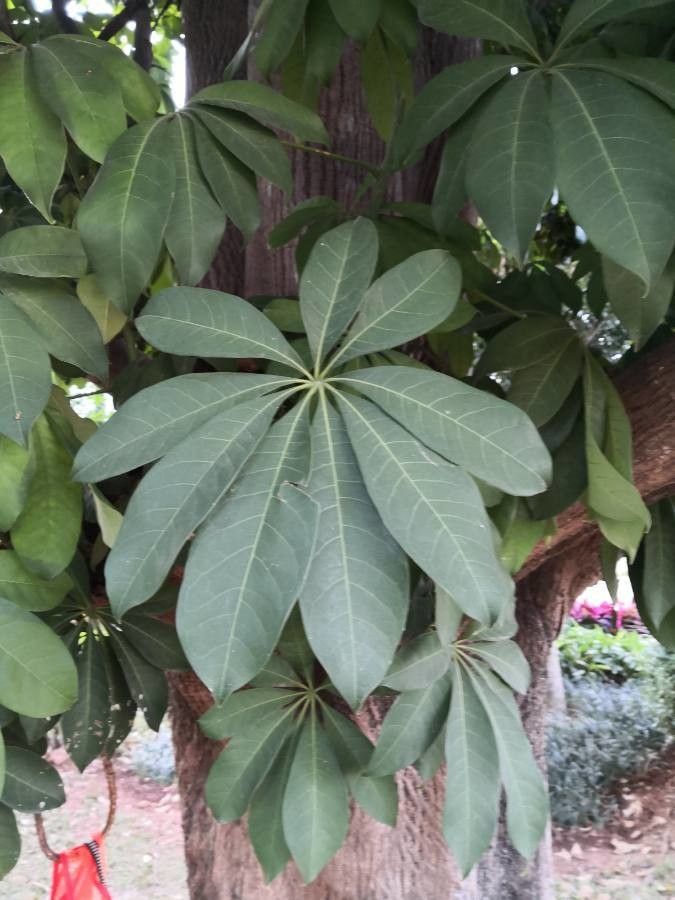
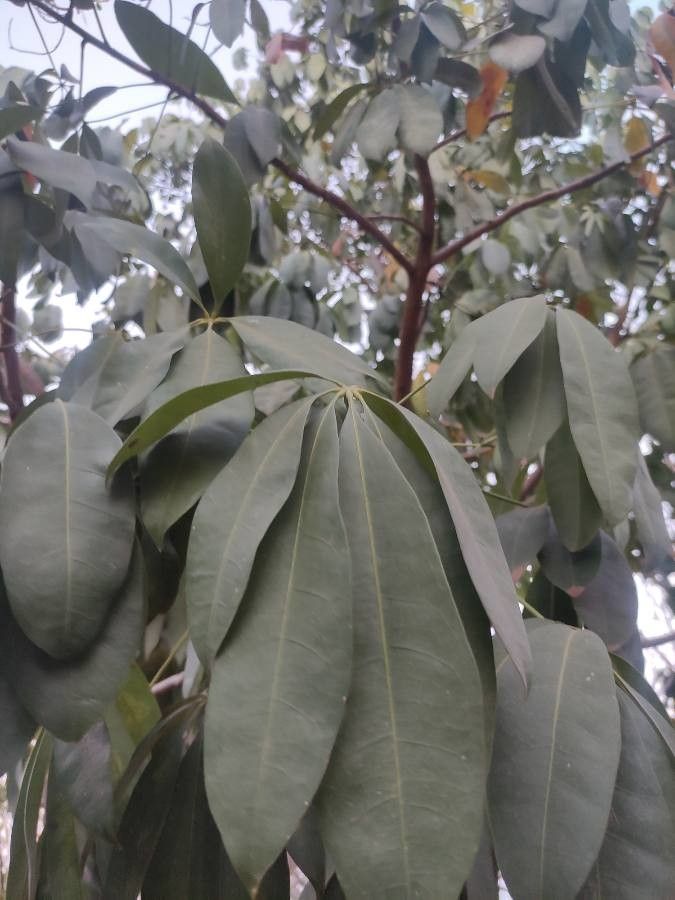
The octopus tree has lush, segmented leaves and a bushy growth pattern. To maintain its shape and improve air circulation, prune the tree in early spring, starting by removing any dead wood. Light pruning enhances the tree's health and vigor by improving light penetration and reducing the risk of mold and pests. Be careful not to over-prune, as heavy pruning can lead to stunted growth.
Botanical profile.
- Plant Type
- Tree
- Life Cycle
- Perennial
- Genus
- Schefflera
- Family
- Araliaceae
- Hardiness Zone
- 10-11
- Mature Height
- 3.05 m to 30.48 m
- Mature Spread
- 2.13 m to 3.96 m
- Leaf Color
- Dark Green, Forest Green
- Leaf Type
- Deciduous
- Flower Color
- White, Cream
- Flower Size
- 0.51 cm to 0.76 cm
- Bloom Time
- Summer, Early fall
- Planting Time
- Spring, Summer, Autumn
- Harvest Time
- Late summer, Fall
Other names.
Reader questions.
What are the sunlight requirements for an Octopus tree?
The Octopus tree, native to bright, sun-drenched environments, thrives best in full sun, meaning it requires more than 6 hours of direct sunlight daily. However, it can also tolerate partial sun, defined as about 3-6 hours of sunlight. It's important to observe how sunlight moves through your garden to pick spots that provide the right balance of light for your plants.
What is the Octopus tree and where does it originate from?
The Octopus tree, scientifically known as Schefflera macrostachya, originates from tropical regions. These regions are characterized by their typically warm and humid climates, making the Octopus tree well-adapted to high temperatures and humidity. This plant thrives in environments that offer stable temperature conditions without sudden fluctuations, which are crucial for its growth and survival.
Can an Octopus tree grow indoors under artificial lighting?
Yes, Octopus trees can grow indoors with the help of artificial lighting, especially when natural sunlight is insufficient. Indoor plants generally require adequate lighting for optimal growth, with full sun plants needing 30-50W per square foot, partial sun plants 20-30W per square foot, and full shade plants 10-20W per square foot of artificial light. LED lights are recommended due to their ability to provide specific wavelengths needed for plant growth. The artificial light source should be placed 12-36 inches above the plant for 8-12 hours per day to mimic natural daylight hours.
What temperature conditions are ideal for the Octopus tree?
Ideal temperature conditions for the Octopus tree are warm environments where sudden temperature changes are minimized. The plant does not tolerate cold well and requires temperatures above 20°C for optimal growth. During the winter, it's recommended to maintain the temperature above 20°C, and it's important to keep the plant indoors if outdoor temperatures drop near or below 5°C to prevent damage.
What are the symptoms of light deficiency in an Octopus tree?
Symptoms of light deficiency in an Octopus tree include smaller new leaves, leggy or sparse growth, faster leaf drop, slower or no new growth, lighter-colored new leaves, chlorosis, sunscald, leaf curling, wilting, and leaf scorching. These symptoms indicate that the plant is not receiving adequate sunlight, which is crucial for its growth and health.
How does low temperature affect the Octopus tree, and what can I do?
Low temperatures negatively affect the Octopus tree, leading to symptoms like lighter-colored leaves when the temperature falls below 1°C, and possible frost damage that turns leaves brown or black, accompanied by wilting and drooping. To mitigate these effects, affected parts should be trimmed off, and the plant should be moved to a warm indoor environment. Placing the tree near a south-facing window ensures it receives ample sunlight, but it should be kept away from heaters or air conditioning vents to avoid air dryness.
How can I address light deficiency for my Octopus tree indoors?
To address light deficiency indoors, gradually move your Octopus tree to a sunnier location each week until it receives at least 6 hours of direct sunlight daily. Use a south-facing window and keep curtains open during the day for maximum exposure. If the plant is too large or not easily movable, consider using artificial light. A desk or ceiling lamp kept on for at least 8 hours daily can help, or investing in professional plant grow lights will provide ample light.
How can I protect the Octopus tree from high temperatures?
To protect the Octopus tree from high temperatures—specifically, temperatures exceeding 38°C during summer—it's essential to avoid exposure to sunburn by providing shade during the midday and afternoon sun. Trim away any sunburned or dried-up parts of the plant. Ensure the soil remains moist by watering the plant in the morning and evening. An adequately shaded location can help prevent the leaves' color from lightening and mitigate the susceptibility to sunburn.
What steps should be taken for an Octopus tree experiencing light deficiency outdoors?
For outdoor Octopus trees, gradually acclimate them to more sunlight by moving them to sunnier spots weekly to avoid sunburn. Begin by identifying and reducing obstructions, such as pruning surrounding trees. If transplanting is necessary, especially for smaller plants, do so during the plant's dormant period in late winter or early spring, ensuring to dig up the roots and soil ball together and relocate to a sunny, well-drained location.