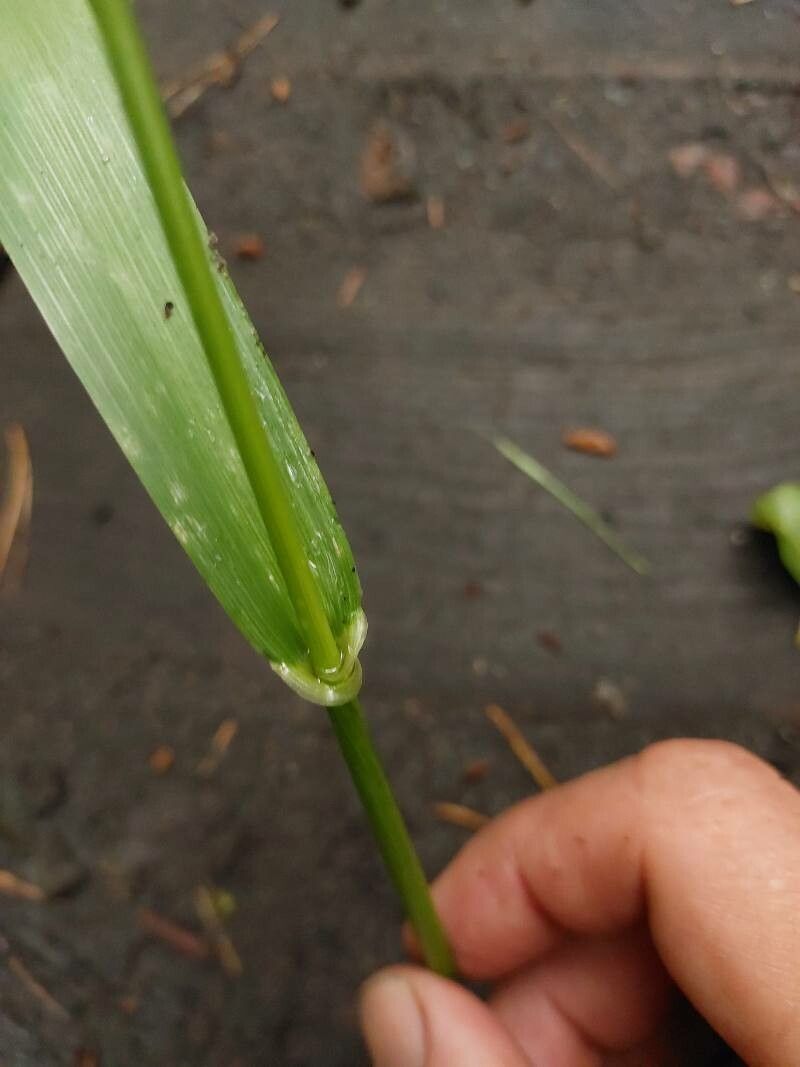
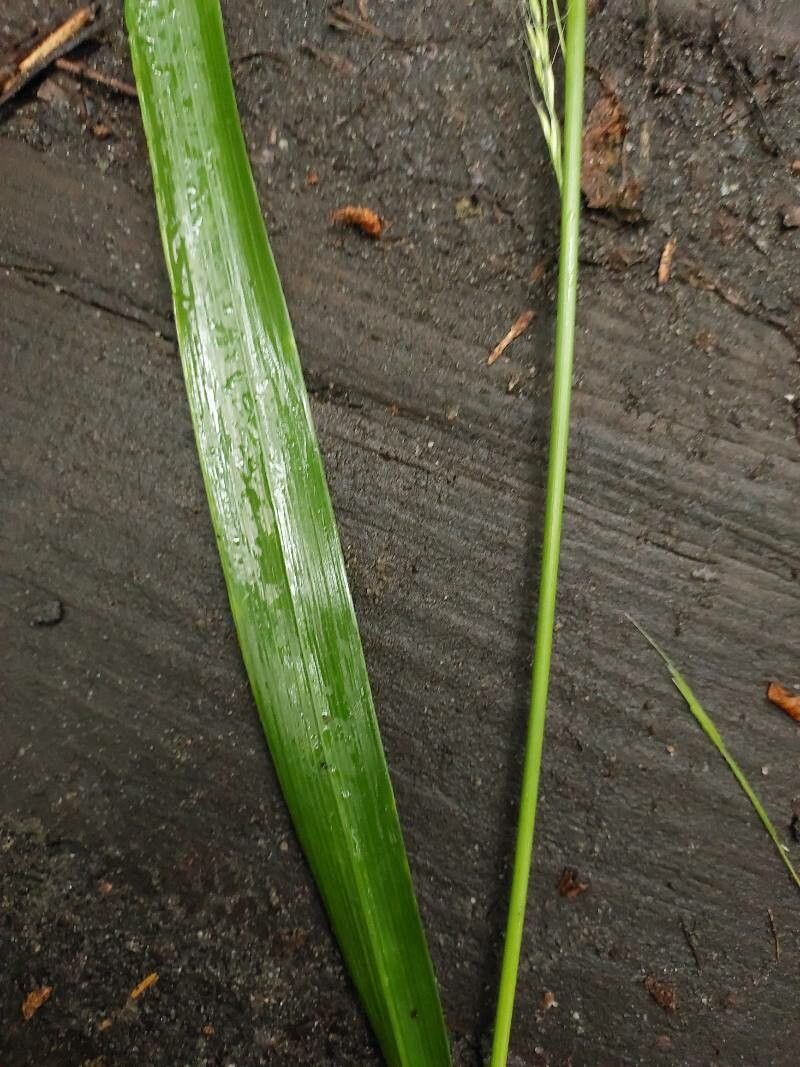
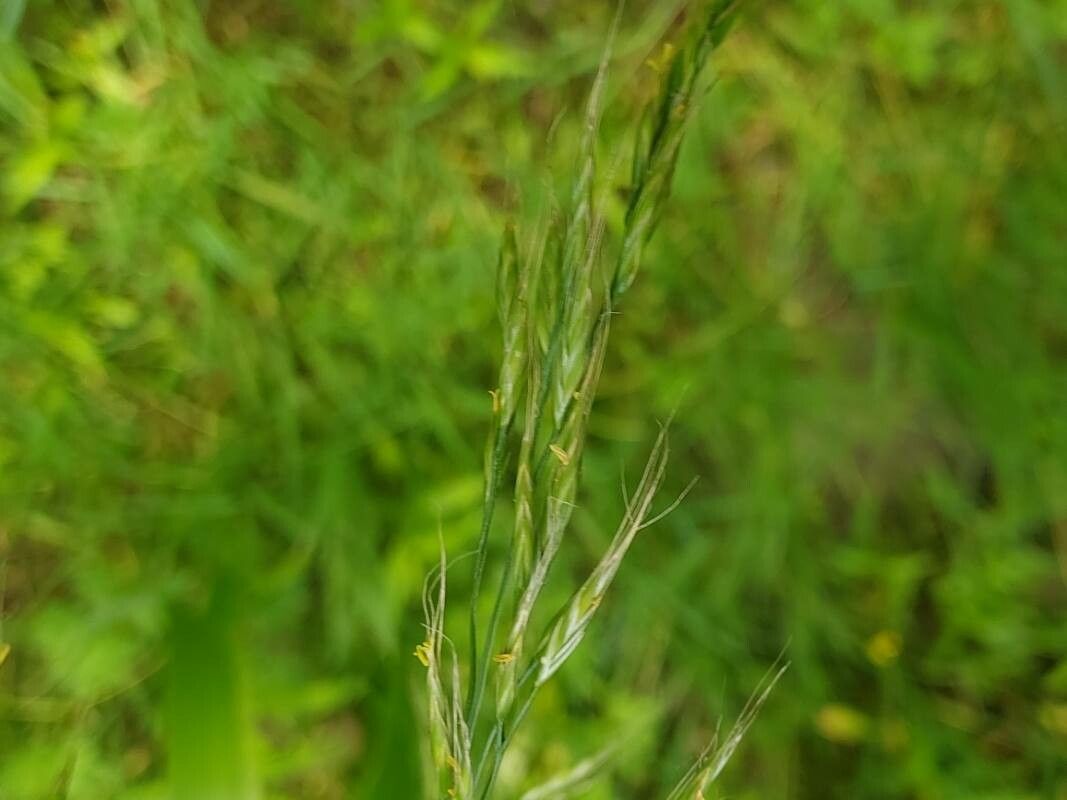
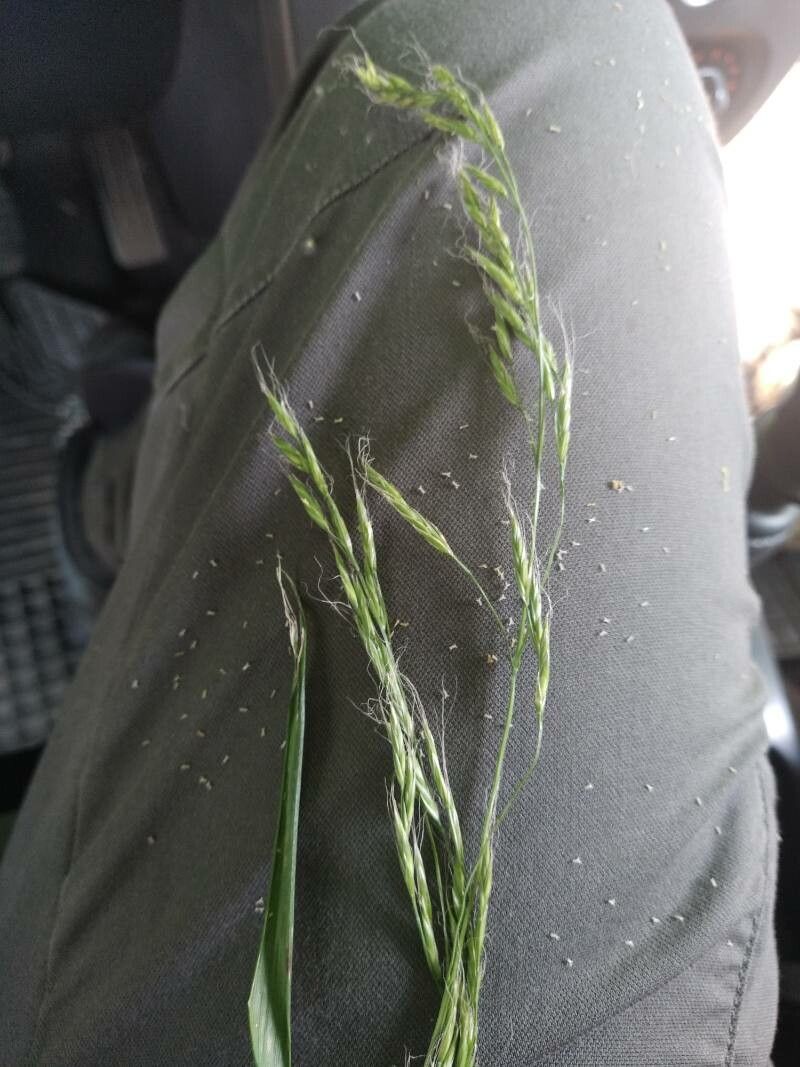
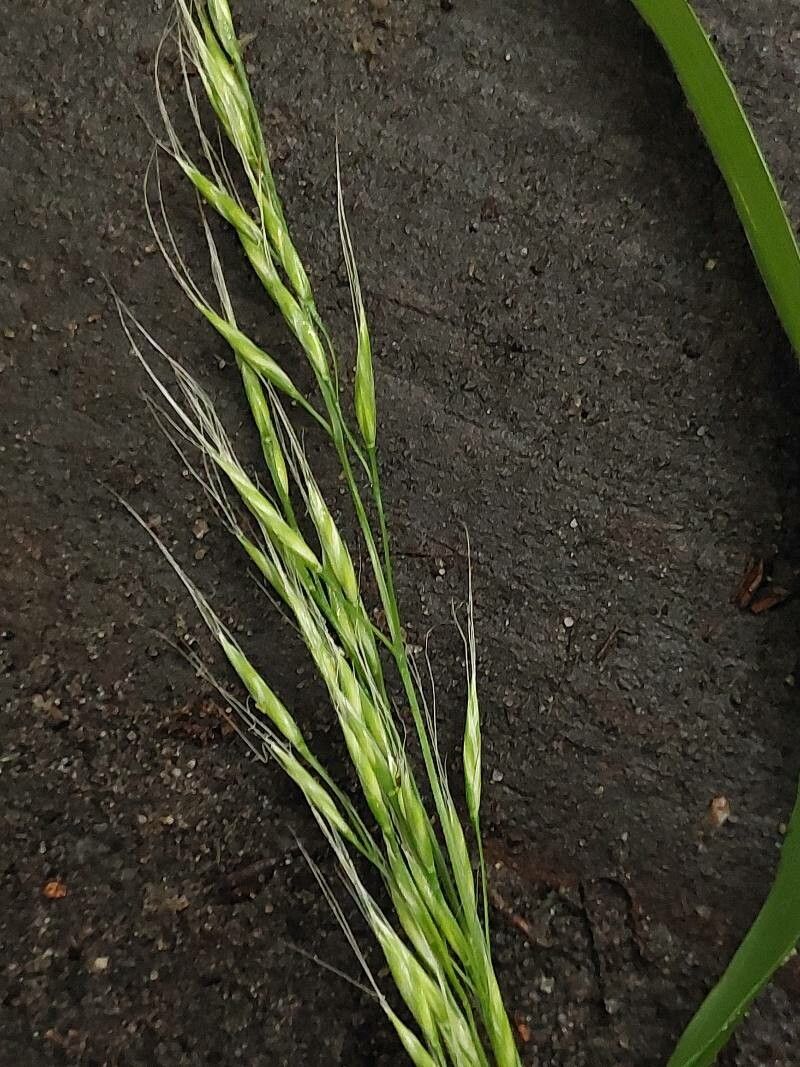
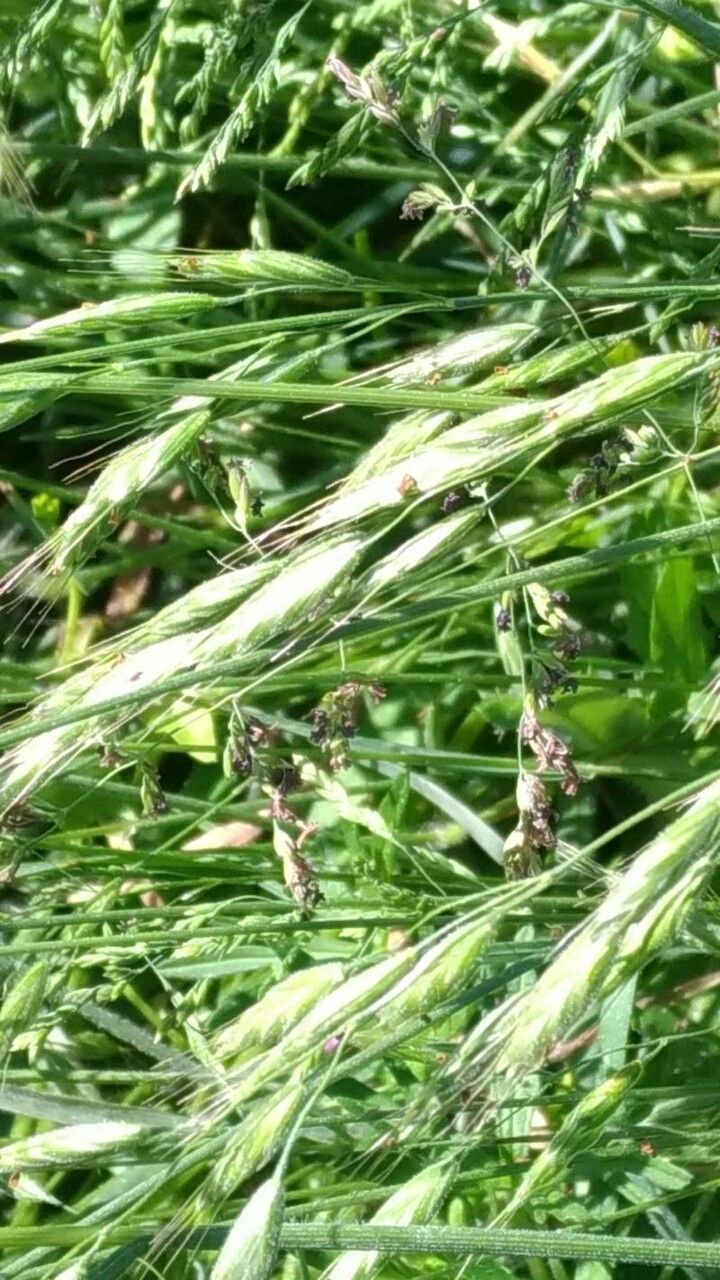
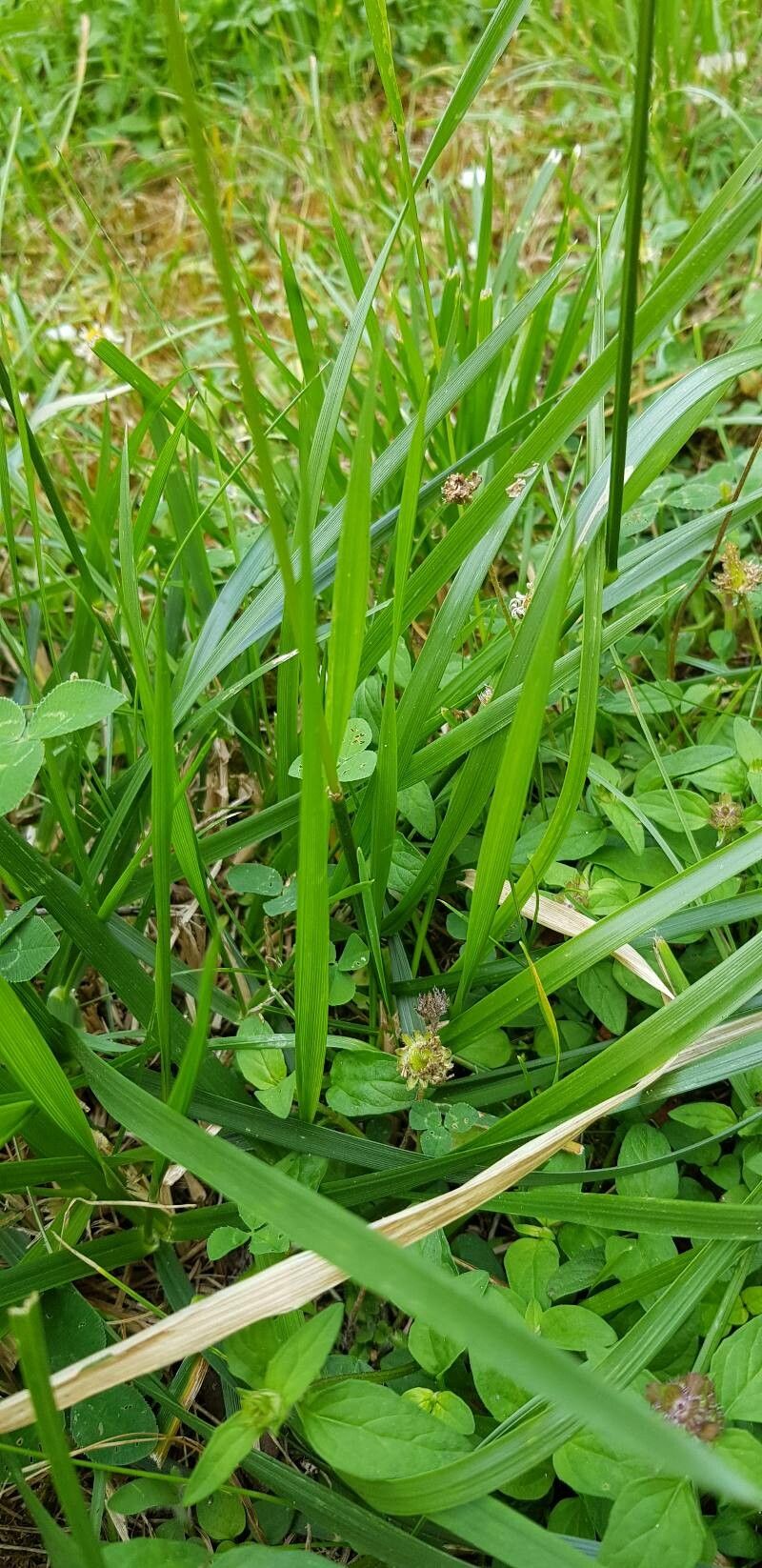
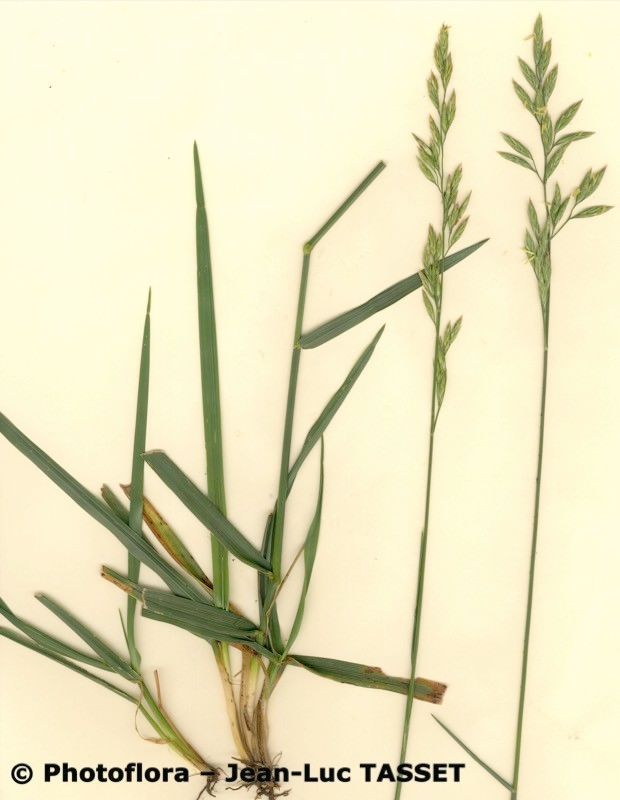
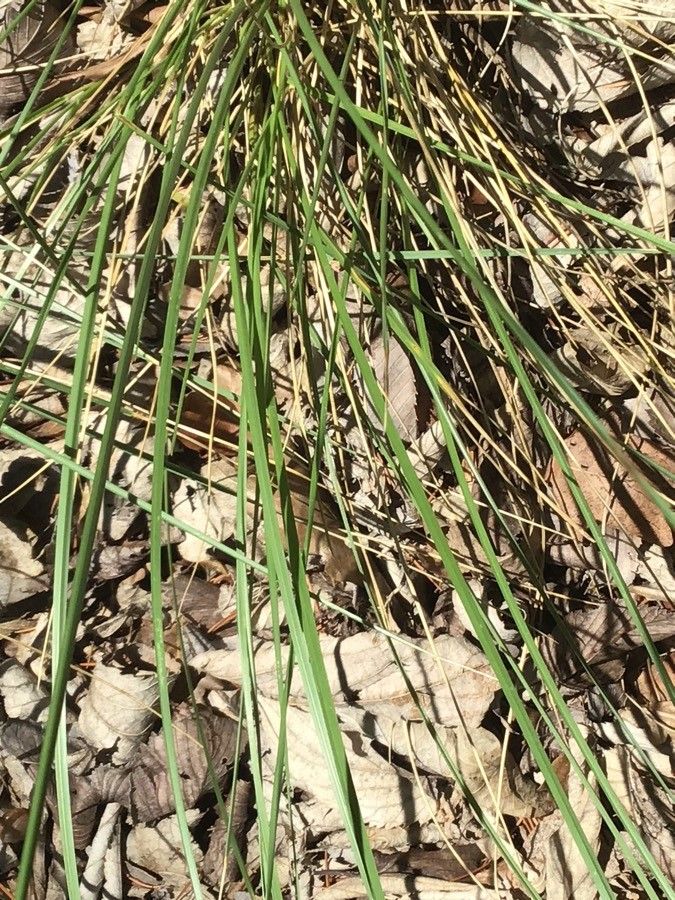
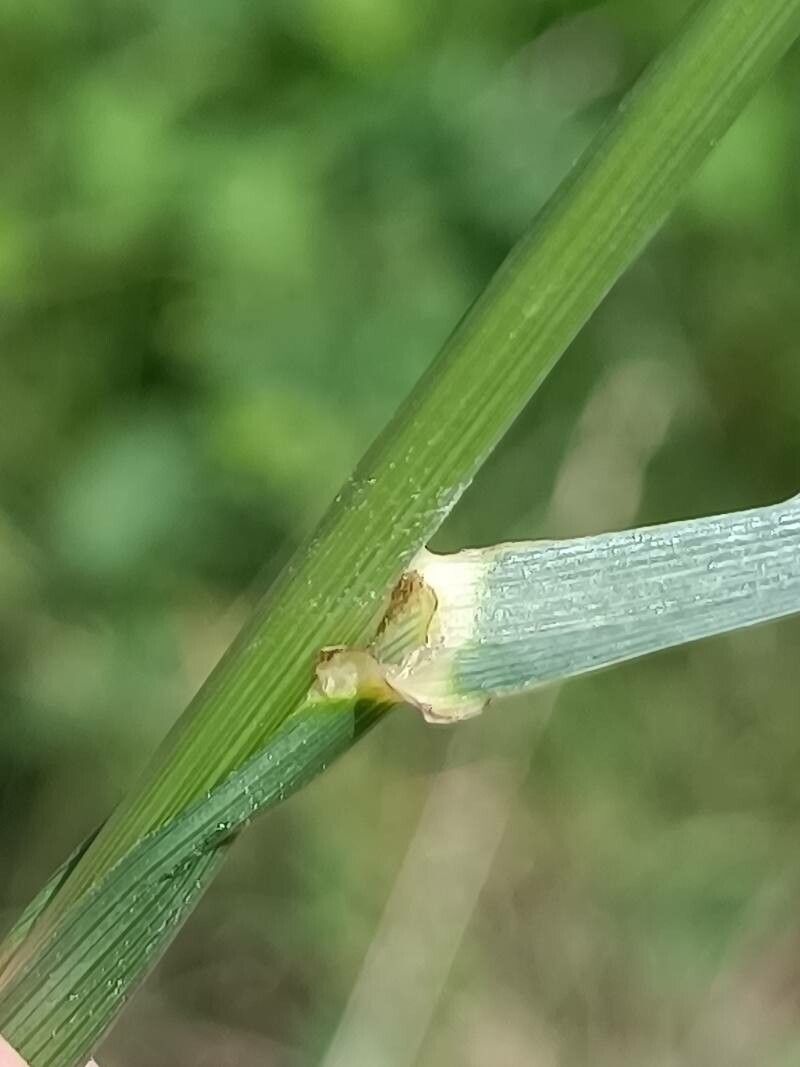
Schedonorus giganteus, commonly known as giant fescue, is a perennial grass species in the Poaceae family. Native to Europe and Asia, it has been introduced and naturalized in many regions worldwide, including North America.
Giant fescue can grow up to 2 meters in height and features a deep root system, making it drought-tolerant. Its long green leaves have rough edges, and it produces dense clusters of flowers in late spring or early summer.
This plant is widely used for forage production due to its high yield potential, palatability for livestock, and ability to withstand harsh environmental conditions. However, in some areas, it can become invasive and outcompete native vegetation.
Additionally, giant fescue possesses medicinal properties. Its roots contain alkaloids that have traditionally been used as diuretics and anti-inflammatory agents.
Overall, Schedonorus giganteus is a versatile plant species with various uses, but it requires careful management in regions where it might become invasive.
Giant brome grass has strong disease resistance and is generally not susceptible to illnesses. In terms of care, this plant is fairly low-maintenance. When planted outdoors it needs little watering, and larger plants usually do not require pruning. Smaller plants, however, should be pruned after they finish blooming. Giant brome grass is suitable for anyone with outdoor space, such as a garden or a deck, and does not demand much gardening experience.
How to keep Schedonorus Giganteus.
Light
Giant brome grass is a perennial, herbaceous species that favors sunlight and originates in open habitats, commonly thriving in meadows and grasslands. It prefers full sun but can also tolerate partial sun conditions.
Temperature
Giant brome grass can adapt to a wide range of temperature conditions, but its distribution may still be limited by various combinations of water and heat. It grows best in warm summer climates with adequate rainfall or watering. Extended stretches of cloudy, rainy weather or sustained high temperatures can raise the likelihood of Giant brome grass dying. In winter, adequate protection from the cold can improve the plant's chances of survival.
Fertilizer
Giant brome grass needs extra nutrients to encourage healthy new growth. In spring, adding compost around the base of the plant will supply the nutrients it requires. Fertilizing supports vigorous growth and helps the plant resist diseases and pests.
Botanical profile.
- Plant Type
- Grass
- Life Cycle
- Perennial
- Genus
- Schedonorus
- Family
- Poaceae
- Hardiness Zone
- 5-9
- Mature Height
- 0.61 m to 1.22 m
- Mature Spread
- 30 cm to 49 cm
- Leaf Color
- Light Green, Forest Green
- Leaf Type
- Semi-evergreen
- Flower Size
- 0.51 cm to 1.02 cm
- Bloom Time
- Early summer, Mid summer
- Planting Time
- Spring, Autumn
- Harvest Time
- Late summer, Early fall
- Native Area
- Turkey, Sweden, India, Austria, Slovakia, Montenegro, Pakistan, Slovenia, Croatia, Belarus, Uzbekistan, Russia, Germany, Estonia, Romania, Latvia, Belgium, Netherlands, Nepal, France, Tajikistan, Czech Republic, Bulgaria, Armenia, Poland, Greece, Ukraine, Serbia, China, Lithuania, Norway, Afghanistan, Kyrgyzstan, Kazakhstan, Italy, Spain, Switzerland, Denmark, Finland, Bhutan, Iran, Albania, Ireland, United Kingdom, Hungary, Azerbaijan
Other names.