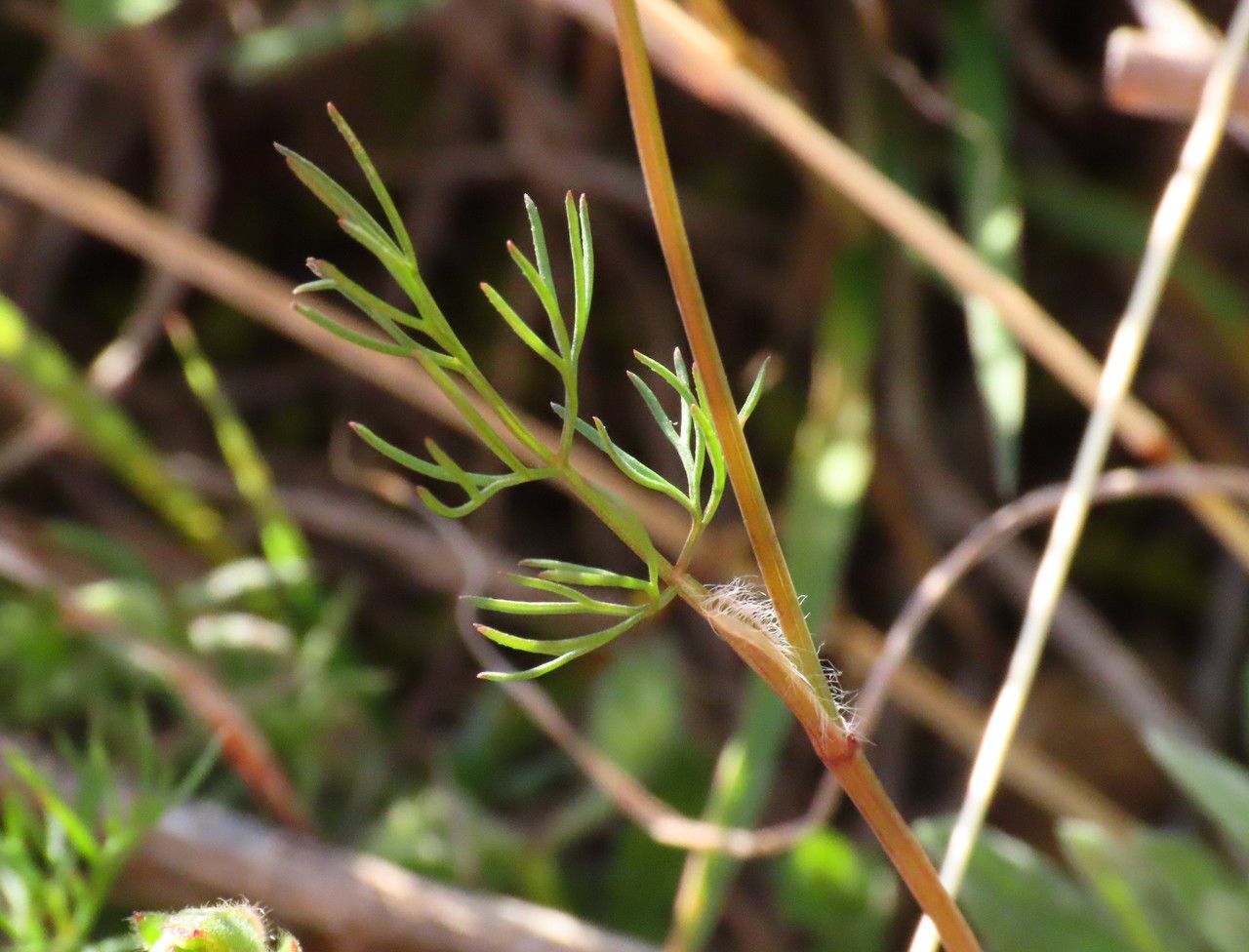
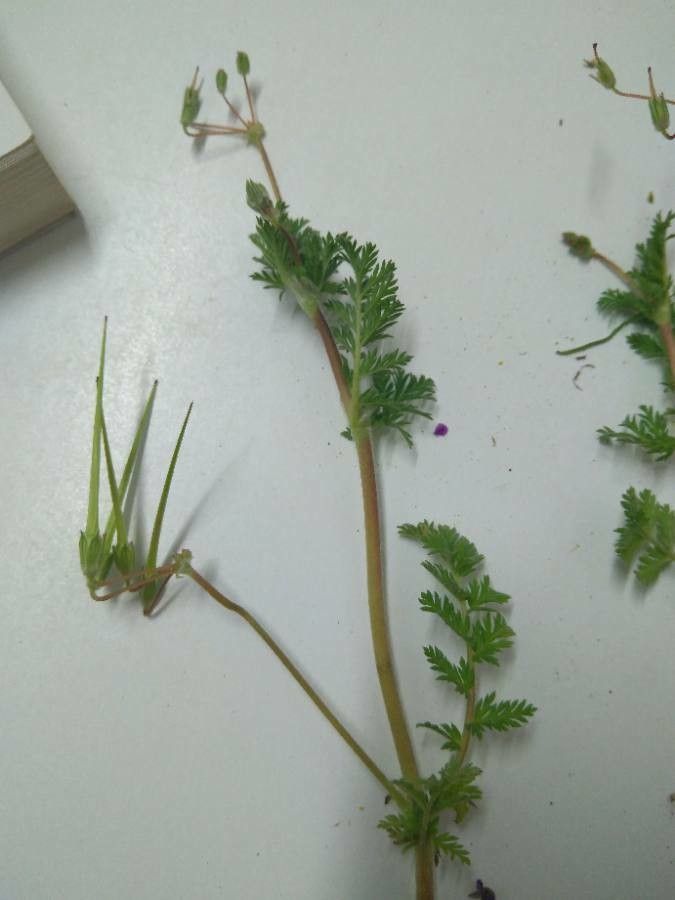
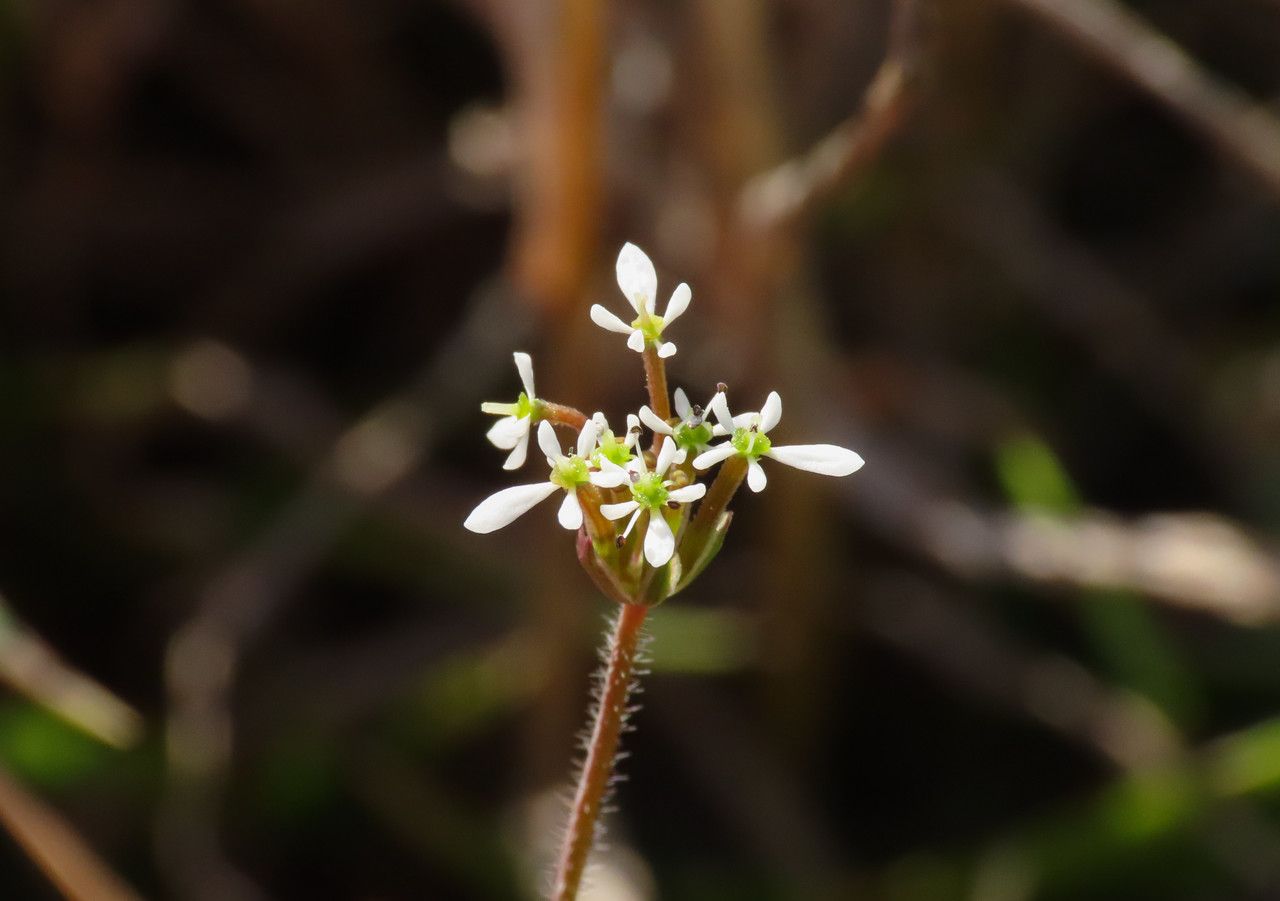
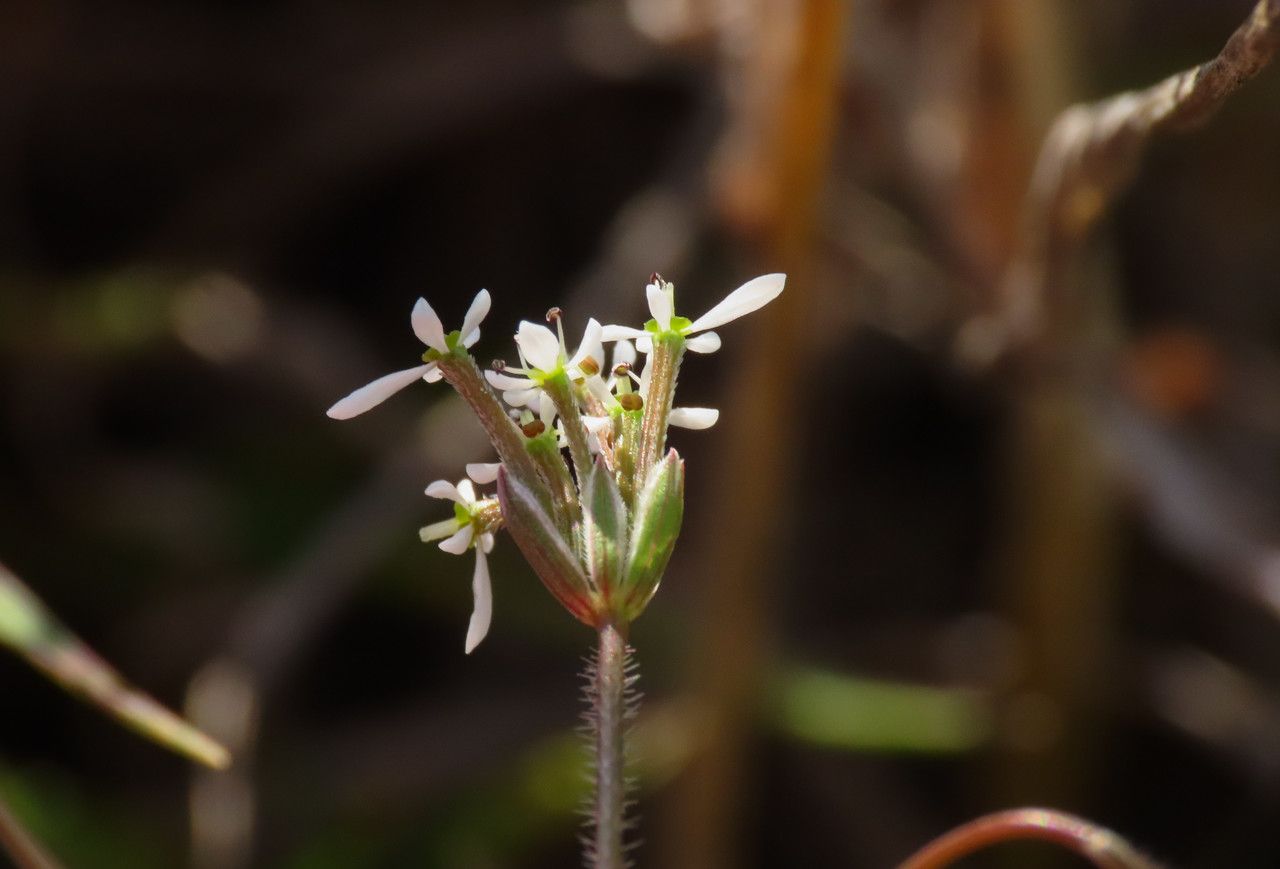
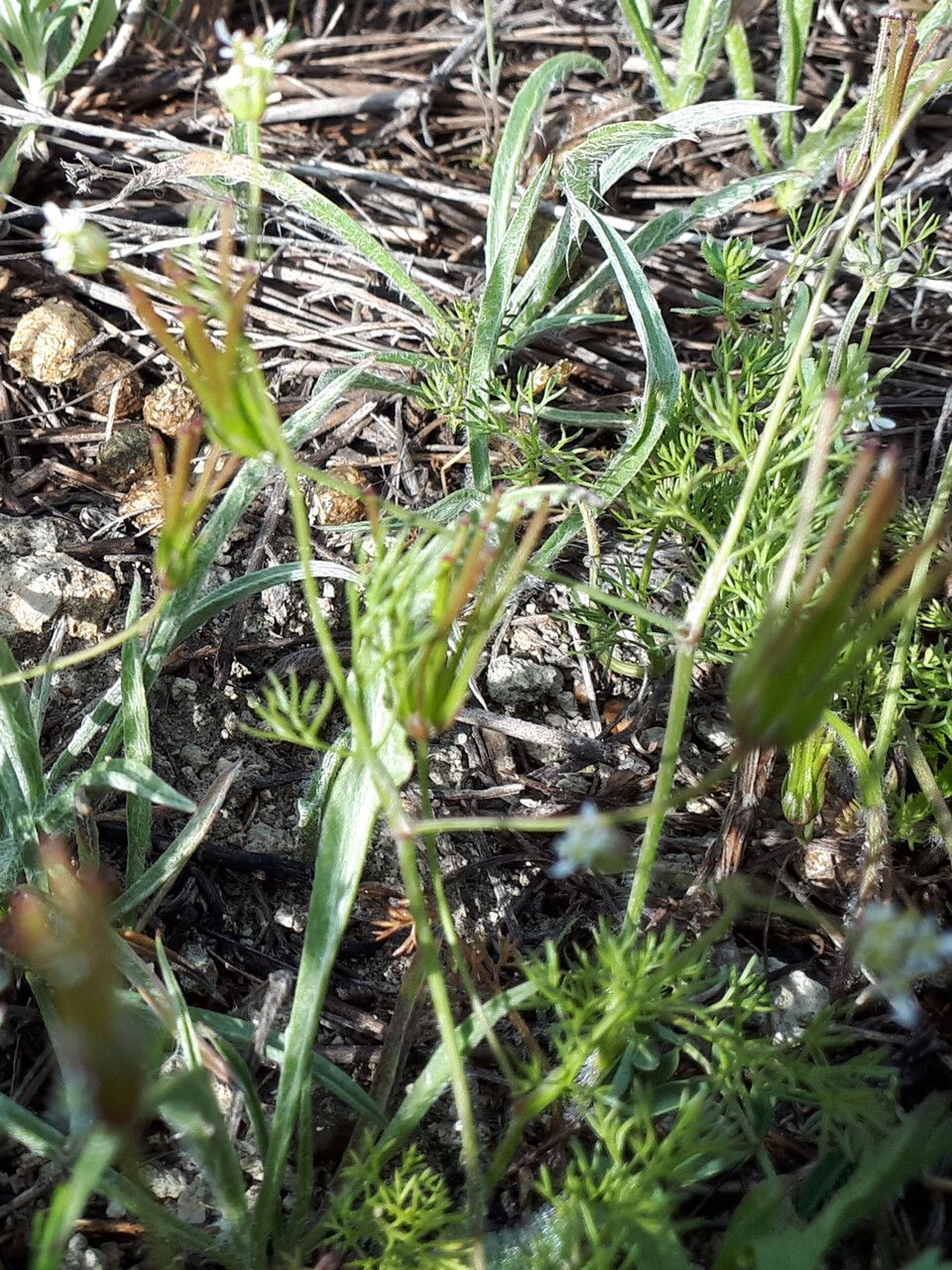
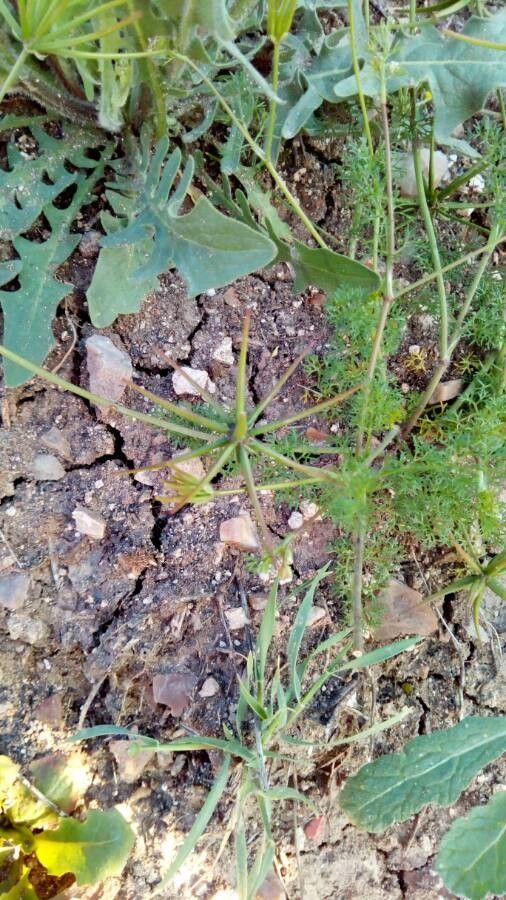
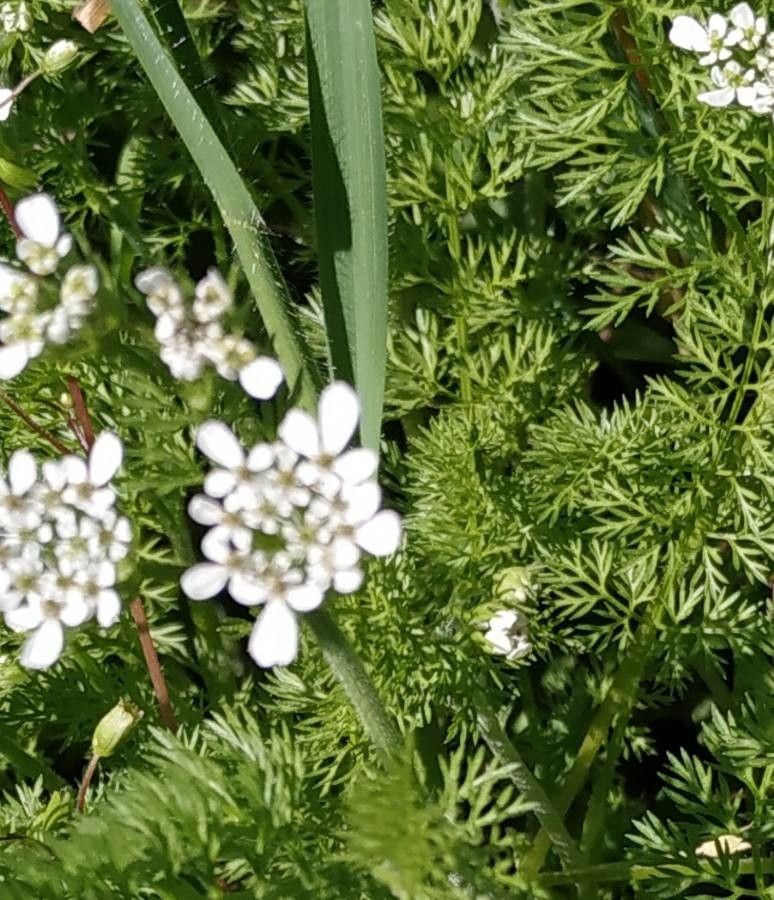
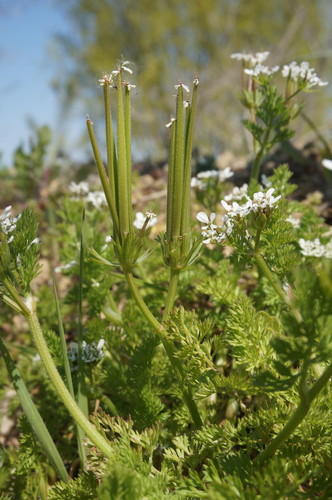
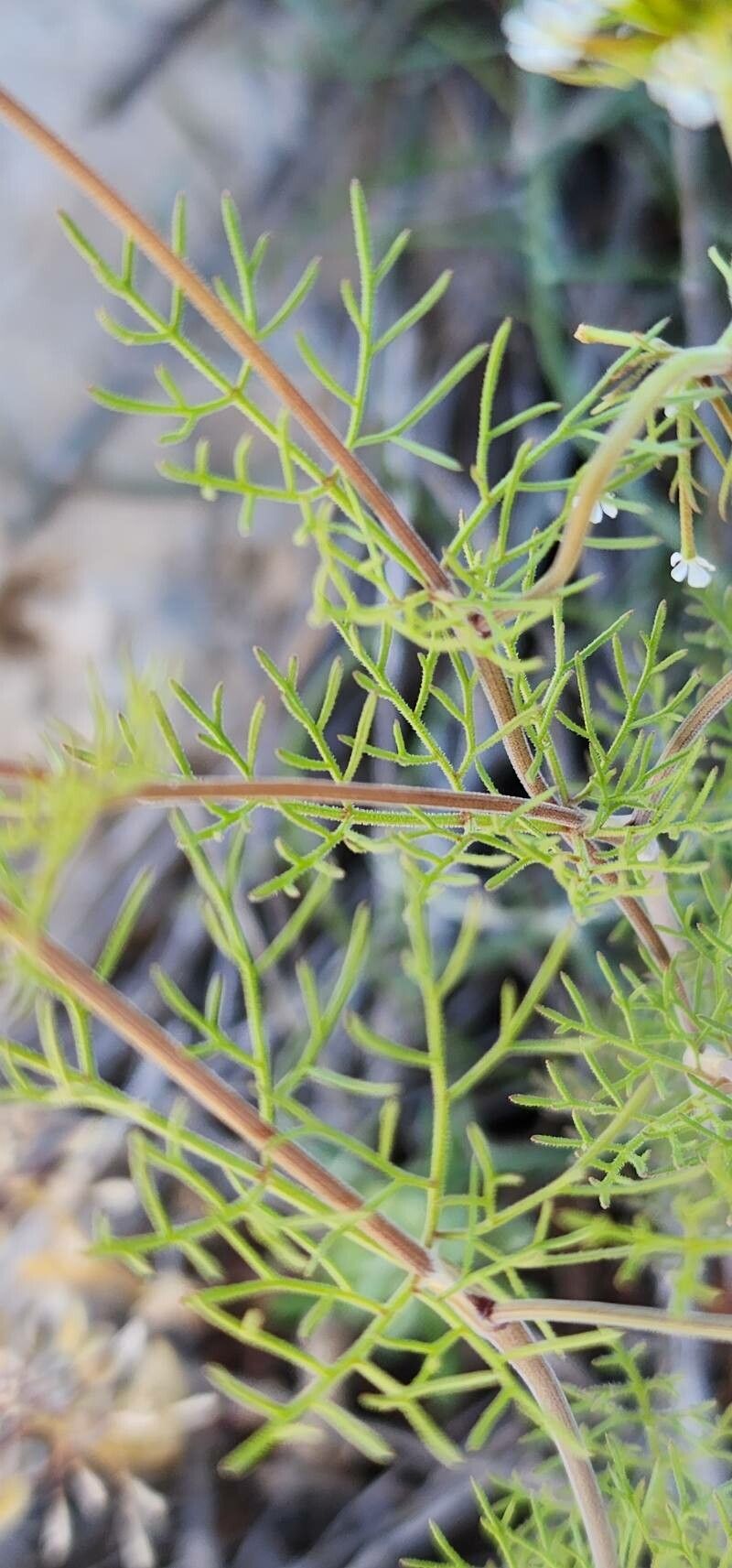
Southern shepherd's needle has strong disease resistance and is generally not prone to illnesses. Nevertheless, it can be vulnerable to pests and diseases present in its surroundings, though these infections are typically mild. Regarding care, this plant needs moderate maintenance. It should be pruned regularly to preserve a neat appearance and healthy growth. Fertilizing can also help encourage flowering. Southern shepherd's needle is well suited for anyone with outdoor space, such as a garden or patio, and does not require extensive care experience. It may need more attention when cultivated indoors.
How to keep Scandix Australis.
Light
Southern shepherd's needle comes from bright, open habitats and does best in full sun. It can tolerate some partial shade but favors direct sunlight for optimal growth. This plant, which can be annual or biennial, is noted for its sun-loving habit.
Water
Southern shepherd's needle, which originates from moderate climates, thrives best with consistent moisture. However, it can endure short periods of dryness. For optimal health, water the plant weekly, especially during the growing season when increased light causes higher evaporation rates. As an outdoor plant, its water requirements may also increase with rising temperatures.
Temperature
Southern shepherd's needle can tolerate a wide range of temperatures, but its range may still be restricted by different combinations of water and heat. It does best in warm summer climates with adequate rainfall or watering. Long periods of cloudy, rainy weather or extended high temperatures can increase the risk of Southern shepherd's needle dying. In winter, proper protection from cold can boost the plant's survival rate.
Fertilizer
Southern shepherd's needle responds well to regular, light applications of fertilizer to encourage healthy leaf growth. Fertilize Southern shepherd's needle about once a month during the summer months. Nitrogen is important for foliage, and adding nitrogen-rich sources helps Southern shepherd's needle thrive.
Pruning
Southern shepherd's needle is an annual herb with delicate, feathery foliage. To keep its shape and encourage new growth, lightly prune the plant from early to late spring. Remove any spent blooms and dead stems. Be sure to use clean, sharp tools to prevent disease, which will promote healthier, denser foliage and vigorous growth.
Botanical profile.
- Plant Type
- Herb
- Life Cycle
- Annual
- Genus
- Scandix
- Family
- Apiaceae
- Hardiness Zone
- 7-10
- Mature Height
- 10 cm to 30 cm
- Mature Spread
- 15 cm to 30 cm
- Leaf Color
- Green
- Leaf Type
- Deciduous
- Flower Color
- White
- Flower Size
- 0.20 cm to 0.51 cm
- Bloom Time
- Early spring, Mid spring
- Planting Time
- Spring
- Harvest Time
- Late spring, Early summer
Other names.
Reader questions.
What are the sunlight requirements for Southern shepherd's needle?
Southern shepherd's needle thrives in environments that offer full sun, requiring more than 6 hours of direct sunlight daily. It can also tolerate partial sun, which means about 3-6 hours of sunlight a day. Observing how sunlight moves through your garden will help you find the perfect spot that provides the right balance of light and shade to ensure the plant's happiness and optimal growth.
How does artificial lighting support plant growth?
Artificial lighting becomes crucial for indoor plants, especially when natural sunlight is insufficient, like during winter or in less sunny spaces. LED lights are popular for indoor plant lighting as they can be tuned to provide specific wavelengths needed by plants. For plants that require full sun, 30-50W/sq ft of artificial light is recommended, 20-30W/sq ft for partial sun plants, and 10-20W/sq ft for full shade plants. Placing the light source 12-36 inches above the plant mimics natural sunlight, and ensuring 8-12 hours of light per day aligns with the natural daylight hours most plants need for healthy growth.
What symptoms indicate insufficient light for Southern shepherd's needle indoors?
When Southern shepherd's needle is grown indoors with inadequate light, it may show signs of light deficiency, including smaller new leaves, leggy or sparse growth, early leaf drop to conserve resources, slower or stopped growth, lighter-colored new leaves indicating a lack of chlorophyll, and symptoms of chlorosis where leaves lose their green color and turn yellow. These symptoms highlight the struggle of the plant under low light conditions and emphasize the need for proper lighting.
What are some symptoms of excessive sunlight exposure?
Excessive sunlight can be harmful, leading to symptoms like sunscald, which appears as pale or necrotic spots on the plant; leaf curling as a defense mechanism to minimize water loss; wilting due to increased transpiration and dehydration; leaf scorching characterized by brown, dry leaf edges; and chlorosis from the breakdown of chlorophyll, affecting the plant's photosynthesis. These signs indicate that the plant is under stress from too much sunlight.
How can I manage light conditions for Southern shepherd's needle for optimal growth?
Managing light conditions involves gradually moving the plant to sunnier locations to reach the recommended 6 hours of direct sunlight for indoor and outdoor plants. For indoors, use a south-facing window or artificial light for at least 8 hours daily. For outdoors, avoid sudden changes in light that could cause sunburn. If your plant is grounded and blocked by obstructions like trees, consider pruning or transplanting to a sunny spot with good drainage. While affected parts may not recover, new growth after adjusting light conditions will be healthy.