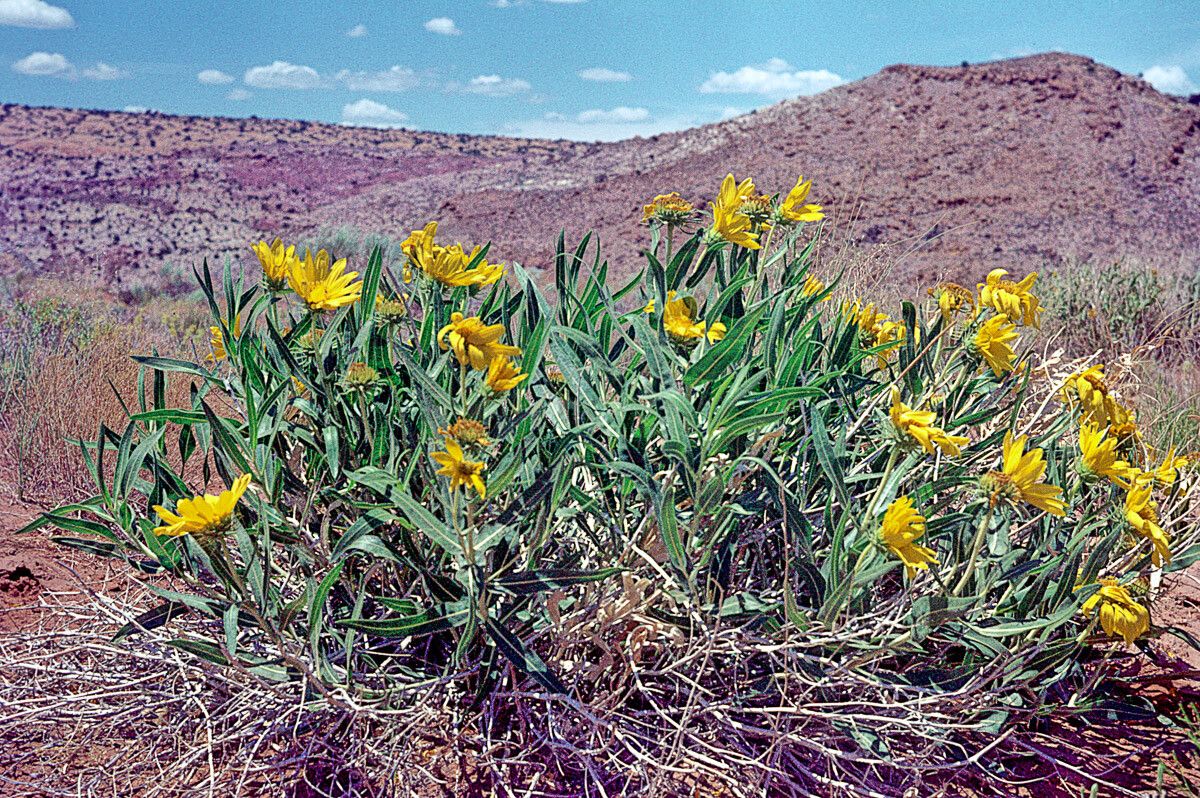
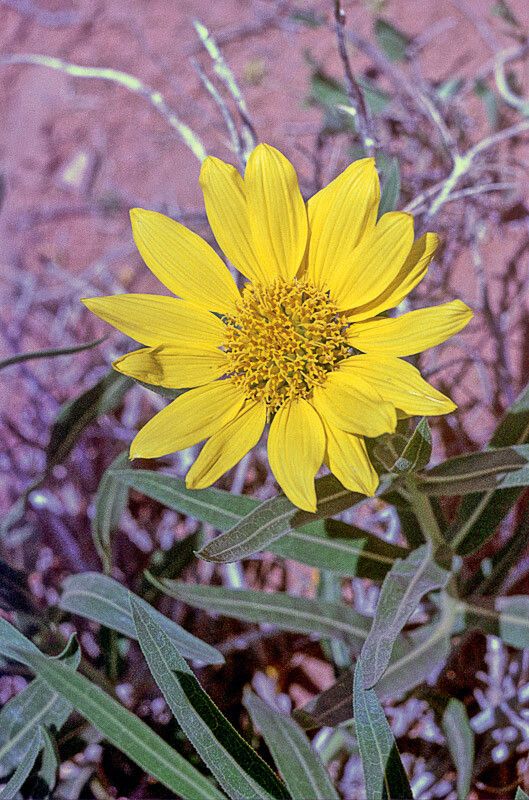
Scabrethia scabra is a perennial plant species in the family Asteraceae. Commonly known as the rough-leaved scabrethia, it is native to South America, particularly Argentina, Bolivia, and Peru. The plant typically grows up to 1 meter in height and features rough-textured, lance-shaped leaves with serrated edges. Its small, yellowish-green flowers form clusters at the end of long stems.
Scabrethia scabra thrives in moist, well-drained soils under full sun or partial shade. Traditionally, it has been used for medicinal purposes, such as treating fever, inflammation, and respiratory problems like asthma and bronchitis.
The plant's distinct characteristics make it an attractive addition to gardens and landscapes for its ornamental value. Its drought tolerance also makes it a suitable choice for xeriscaping projects, where water conservation is essential.
Overall, Scabrethia scabra's unique properties make it an interesting species both aesthetically and medicinally. Indigenous people of South America have valued it for centuries, making this plant a valuable addition both ecologically and culturally.
Badlands mule-ears is fairly disease-resistant and usually not susceptible to illnesses. However, it can be affected by pests and diseases found in its environment. These problems are typically mild. For care, this plant requires moderate maintenance. It should be pruned regularly to keep a neat appearance and healthy growth. Fertilizing can also encourage flowering. Badlands mule-ears is suitable for anyone with outdoor space, such as a garden or patio, and does not require extensive care experience. It may need more attention when grown indoors.
How to keep Scabrethia Scabra.
Light
Badlands mule-ears is a sun-loving herbaceous perennial that comes from open habitats and is often found thriving in meadows and grasslands. It prefers full sun but can also tolerate partial sun.
Water
Badlands mule-ears thrive in arid environments, demonstrating remarkable drought tolerance. This plant requires minimal watering, ideally just once a week. It grows best outdoors in dry climates and prefers well-draining soil, which mimics its natural habitat. This helps prevent waterlogging and ensures optimal growth.
Temperature
Badlands mule-ears can adjust to a wide range of temperature conditions, but its range may still be constrained by various combinations of moisture and heat. It performs best in warm summer climates with sufficient rainfall or watering. Extended periods of cloudy, rainy weather, or prolonged high temperatures, can increase the risk of Badlands mule-ears dying. In winter, protecting the plant from cold can raise its chances of survival.
Fertilizer
Early spring, as a Badlands mule-ears is coming out of dormancy and beginning active growth, is the best time to fertilize it. Fertilizing supplies essential nutrients for healthy growth. Although a Badlands mule-ears requires relatively little fertilizer, applying it annually can improve its survival and encourage better, longer-lasting flowers.
Pruning
To ensure the health and appearance of Badlands mule-ears, it's important to prune them in the spring. Pruning helps remove dead growth and improves the plant's shape. Cutting back spent flowers can encourage more blooms. Additionally, thinning the plants can improve airflow, which reduces the risk of disease. For tailored pruning techniques that best suit your garden conditions, consult reliable gardening resources.
Botanical profile.
- Plant Type
- Herb, Shrub
- Life Cycle
- Perennial
- Genus
- Scabrethia
- Family
- Asteraceae
- Hardiness Zone
- 4-9
- Mature Height
- 30 cm to 61 cm
- Mature Spread
- 30 cm to 46 cm
- Leaf Color
- Green, Dark Green
- Leaf Type
- Semi-evergreen
- Flower Color
- Yellow
- Flower Size
- 2.03 cm to 3.05 cm
- Bloom Time
- Summer
- Planting Time
- Spring, Summer
- Harvest Time
- Late summer, Early fall, Mid fall
Other names.