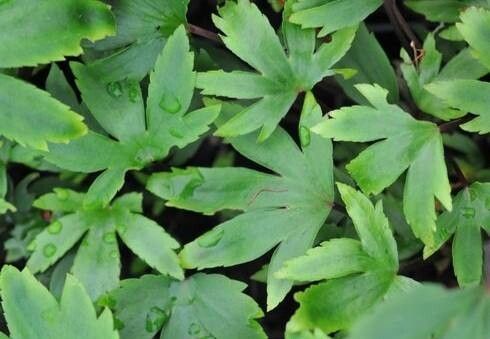
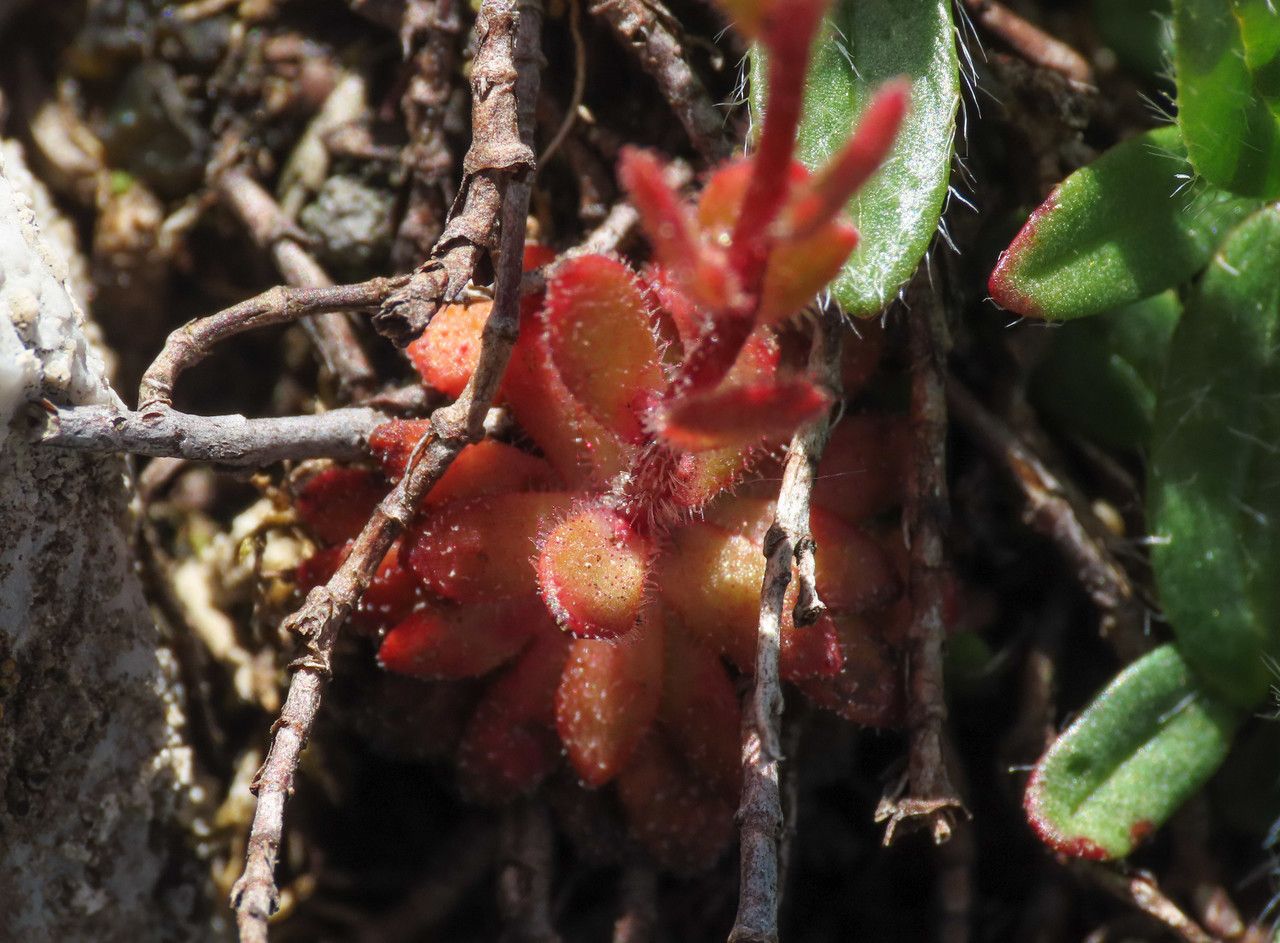
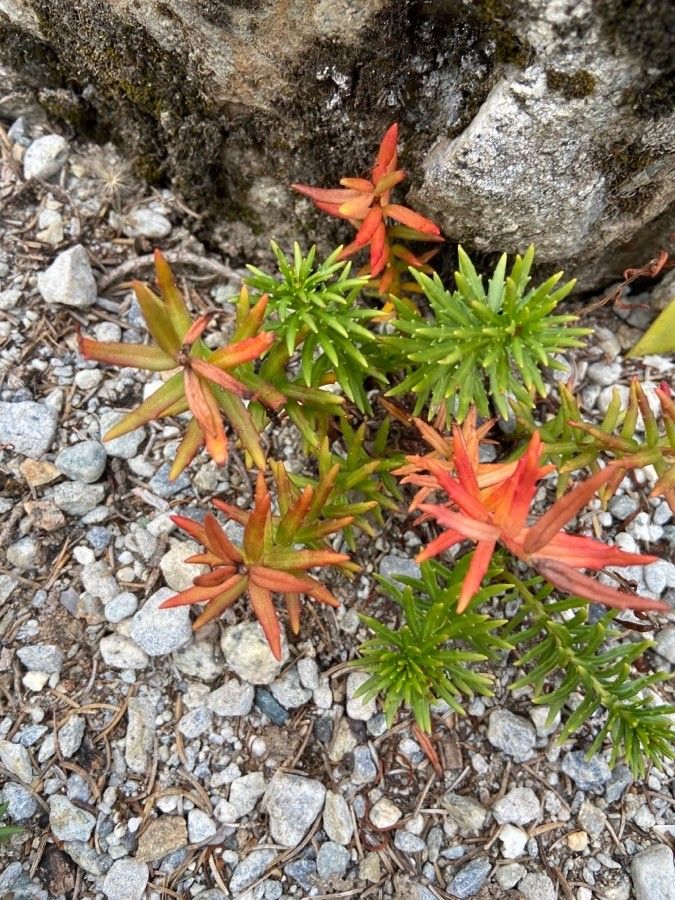
Saxifraga stolonifera, commonly known as Strawberry Begonia or Creeping Saxifrage, is a low-growing perennial plant belonging to the Saxifragaceae family. Native to East Asia, it is found in Japan, Korea, and China. This plant has a creeping habit, with stolons that produce small plantlets at their tips. Its heart-shaped leaves have scalloped edges and a velvety texture on the upper surface.
In late spring or early summer, the Strawberry Begonia produces small white or pink star-shaped flowers with five petals and yellow centers. These flowers are held above the foliage on thin, wiry stems that can reach up to 30 cm in height.
Saxifraga stolonifera prefers moist soil conditions but can tolerate some drought once established. It grows best in partial shade but can also thrive in full shade or full sun when provided with sufficient moisture.
The plant is often used as ground cover due to its creeping habit and attractive foliage. It is also an excellent addition to rock gardens, woodland gardens, or for edging along paths or borders.
Overall, Saxifraga stolonifera is a low-maintenance perennial that adds interest and texture to any garden while providing excellent ground cover for shaded areas.
Strawberry saxifrage has strong disease resistance and is generally not prone to illnesses. Still, it can be vulnerable to leaf spots if light and ventilation are inadequate and watering is excessive. Its care level is considered easy, since it only needs regular watering and doesn't require much additional attention. Strawberry saxifrage is appropriate for people who lack the time and energy for routine care.
How to keep Saxifraga Stolonifera.
Light
Strawberry saxifrage does well in moderate to low light and can also thrive in full shade. Neither too little nor too much sunlight significantly hinders its growth. Because it evolved in areas with dense foliage, it is adapted to reduced sun exposure and maintains healthy development throughout its life.
Water
Strawberry saxifrage grows best in moist environments and prefers soil that remains consistently damp, although it can handle moderate drought conditions. To keep it healthy, it's important to water it twice a week during the growing season. As an evergreen plant often cultivated indoors for its attractive foliage, maintaining proper hydration is essential to prevent its leaves from drying out.
Humidity
This plant will thrive in moderate humidity, which is probably the level in your home. However, misting it a few times a week can be very beneficial. Make sure the room has good ventilation.
Temperature
The strawberry saxifrage does best in its native growing conditions with temperatures between 15 and 35 ℃ (59 and 95 ℉). It flourishes at moderate temperatures of 20 to 25 ℃ (68 to 77 ℉), but can tolerate cooler ranges of 10 to 15 ℃ (50 to 59 ℉) if watering and light are adjusted. In colder months, it is advised to keep the plant in a cool room with bright, indirect light to help it endure the lower temperatures.
Fertilizer
Usually one fertilizer application in spring is enough for Strawberry saxifrage, but several feedings can boost growth. Apply fertilizer once every month to a month and a half. Fertilization improves the leaves' appearance and function, helping maintain even color and a healthy texture. It also encourages root development and better nutrient uptake for long-term plant health.
Pruning
Strawberry saxifrage is a low-growing perennial plant that forms rosettes and produces red stolons. To keep the plant healthy, thin out crowded growth and remove any damaged leaves in the spring. Regular pruning is important, as it promotes growth, improves airflow, encourages flowering, and helps control its spread. For more detailed care instructions, consult reliable horticultural resources.
Pot & Repot
When repotting Strawberry saxifrage, select a container 1-2 inches (2.5–5.1 cm) larger with good drainage. Use a well-draining potting mix. Repot in spring or fall, making sure the root ball sits slightly below the rim of the flower pot. Water thoroughly after repotting and place it in a warm location with indirect sunlight.
Toxicity
The begonia plant contains a lot of a substance known as oxalate. When ingested, the oxalate precious stones fix themselves in different tissues causing aggravation and injury. You will likely experience various toxicity symptoms ranging from mild to severe depending on the quantity you have ingested.
Further reading →
The toxicity and danger assessments provided are for reference only. We do not assure their accuracy, so it's crucial not to depend on them. Seek professional advice when necessary for accurate guidance.
Botanical profile.
- Plant Type
- Herb
- Life Cycle
- Perennial
- Genus
- Saxifraga
- Family
- Saxifragaceae
- Hardiness Zone
- 7-9
- Mature Height
- 8 cm to 46 cm
- Mature Spread
- 30 cm to 61 cm
- Leaf Color
- Green, Silver, White, Gray, Red, Variegated
- Leaf Type
- Evergreen
- Flower Color
- White
- Flower Size
- 2.54 cm to 7.62 cm
- Bloom Time
- Late spring, Early summer, Mid summer
- Planting Time
- Spring
- Harvest Time
- Mid summer
- Native Area
- Vietnam, Myanmar, Japan, South Korea, China
Other names.
Reader questions.
How should I water my Strawberry saxifrage?
To care for the Strawberry saxifrage plant, it's important to water it with filtered water at room temperature. Tap water may contain harmful particles. This plant prefers warm water as it is used to a warm environment. Cold water could be a shock to its system. Avoid watering the plant from above, as it can cause issues with the leaves. Instead, make sure to thoroughly soak the soil with filtered room temperature water. This helps moisturize the roots and allows them to spread and collect nutrients from the soil.
Why do I have to put fertilizer on my Strawberry saxifrage plant?
The Strawberry saxifrage is mainly composed of leaves, so fertilization is important for promoting healthy foliage. Proper fertilization will ensure that the leaves maintain consistent color and a healthy texture. Additionally, fertilization benefits the plant's root system by encouraging the growth of new roots and supporting the existing ones. This not only keeps the plant healthy in the present, but also enhances its ability to absorb nutrients from the soil in the future.
How much sunlight does Strawberry saxifrage need to grow?
To ensure that Strawberry saxifrage grows well, it needs 3-6 hours of direct sunlight daily. It is important to note that it should also have some shade during the hottest times to avoid sun damage. Ideally, morning sunlight is best for this plant, but it can tolerate some afternoon sun if it is not too hot. For the perfect amount of sunlight, consider planting Strawberry saxifrage in an area that receives partial sun, such as under a tree or on the east side of a building.
What are the optimal growing temperatures for Strawberry Saxifrage?
Strawberry Saxifrage flourishes in environments with temperatures ranging from 15 to 35°C (59 to 95°F). Its ideal growth occurs at moderate temperatures between 20 to 25°C (68 to 77°F). However, it is also adaptable to cooler climates, tolerating temperatures of 10 to 15°C (50 to 59°F) with proper adjustments in watering and light exposure. During the colder months, placing the plant in a room that's cool yet receives bright indirect light can help it manage lower temperatures without needing special frost protection measures in winter.
What should I do if I give my Strawberry saxifrage too much or too little water?
Overwatering is a more common problem for Strawberry saxifrage, causing wilting and yellowing of stems and leaves. It can also lead to diseases like root rot, mold, and mildew, which are deadly for the plant. Underwatering, although less frequent, can still happen and result in brittle, brown leaves. Therefore, it's important to be aware of the signs of overwatering and take action promptly. If overwatering is detected, reduce watering and check the soil's drainage. Replace poorly draining soil with a loose, well-draining potting mix. If underwatering is observed, increase watering until the signs improve.
What is the best time to give my Strawberry saxifrage plant fertilizer?
If you grow your Strawberry saxifrage outdoors, it will send new growth shooting out in early spring. This is a sign that it's time to start fertilizing. Generally, a single application of fertilizer in the spring is sufficient for the plant to thrive. However, if you want to maximize its growth, you can fertilize it multiple times throughout the spring and early summer. In this case, you can feed it about once every month to a month and a half.
What will occur if Strawberry saxifrage doesn't receive adequate sunlight?
Strawberry saxifrage can suffer from sun damage if it is exposed to too much direct sunlight. This can cause the leaves to turn yellow, dry out, or burn. Additionally, the plant may wilt or become stunted. To prevent sun damage, it is important to provide some shade for the Strawberry saxifrage during the hottest parts of the day. You can accomplish this by using a shade cloth or planting the Strawberry saxifrage near taller plants that can naturally provide shade.
How should Strawberry Saxifrage be cared for in winter?
Strawberry Saxifrage is recognized for its strong cold resistance, meaning special frost protection measures are generally not necessary. Nonetheless, if winter temperatures are forecasted to plummet below -15°C, it's crucial to safeguard the plant with soil or straw coverings. An essential tip for winter care includes watering the plant abundantly before the first freeze of autumn to keep the soil moist, therefore helping to prevent drought and water scarcity for the plant during the winter and early spring months.
How often should I give water to my Strawberry saxifrage?
If your Strawberry saxifrage is in a pot, the best way to know if it needs water is by checking the soil moisture. Simply stick your finger into the soil and if the first two to three inches are dry, it's time to water it. If you're growing the Strawberry saxifrage outdoors in the ground, you can use the same method. Once you notice the top few inches of soil are dry, it's time to add water. During spring and early fall, this will likely mean watering about once a week. In extremely hot weather, you may need to increase watering to twice or more per week. However, it's worth noting that mature and well-established Strawberry saxifrage can handle drought quite well.
When is not a good time to put fertilizer on my Strawberry saxifrage?
During the late fall and winter, your Strawberry saxifrage goes into a period of dormancy and stops producing new growth. It's best to avoid fertilizing it during this time. If you decide to fertilize it during spring and summer, gradually reduce the amount of fertilizer as summer approaches because the saxifrage's growth rate slows down. In general, it's not a good idea to fertilize your Strawberry saxifrage during extremely hot weather or when the soil is excessively dry. Fertilizing under these conditions could stress your plant and cause it to die prematurely.
What will happen if Strawberry saxifrage gets too much sunlight? -> What happens if Strawberry saxifrage gets too much sunlight?
If Strawberry saxifrage doesn't receive adequate sunlight, it could become tall and thin, with few leaves. The leaves may also turn yellow or pale green, indicating insufficient chlorophyll production due to the lack of sunlight. To fix this issue, you can try relocating Strawberry saxifrage to a sunnier area or trim nearby foliage to let more light reach the plant.
What are the symptoms of Strawberry Saxifrage experiencing extreme temperatures?
When Strawberry Saxifrage is exposed to temperatures below -15°C, there may not be visible signs of distress during winter, but a reduced sprout rate or absence of sprouting may occur in spring. During hot summers, with temperatures above 35°C and particularly exceeding 38°C, the plant's leaves may lighten, curl, become prone to sunburn, and the plant can wilt and dry in severe cases. For cold damage, removal of unsprouted parts in spring is recommended, whereas for heat damage, trimming sunburned or dried parts, relocating for shade, and watering during cooler parts of the day (morning and evening) are advised.