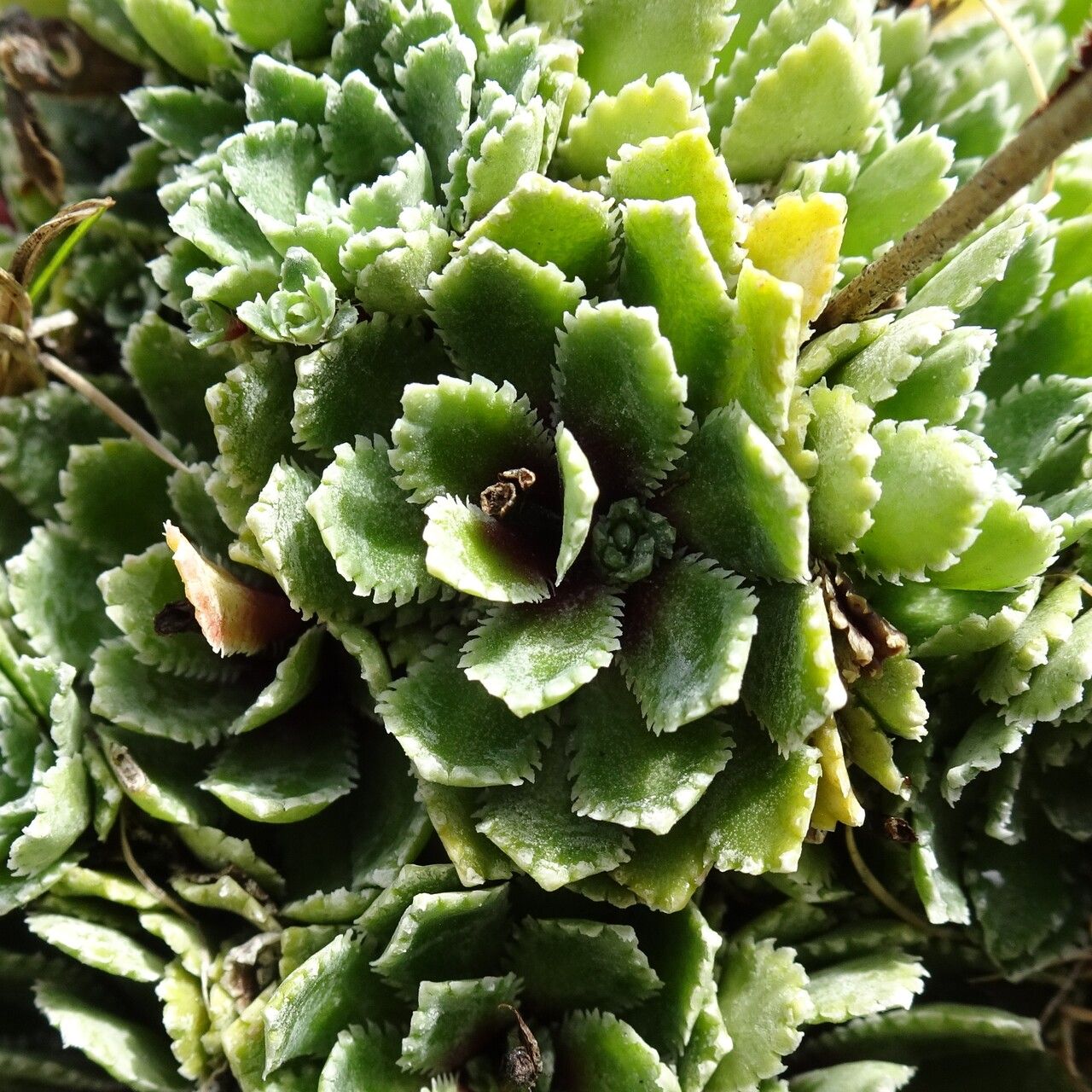
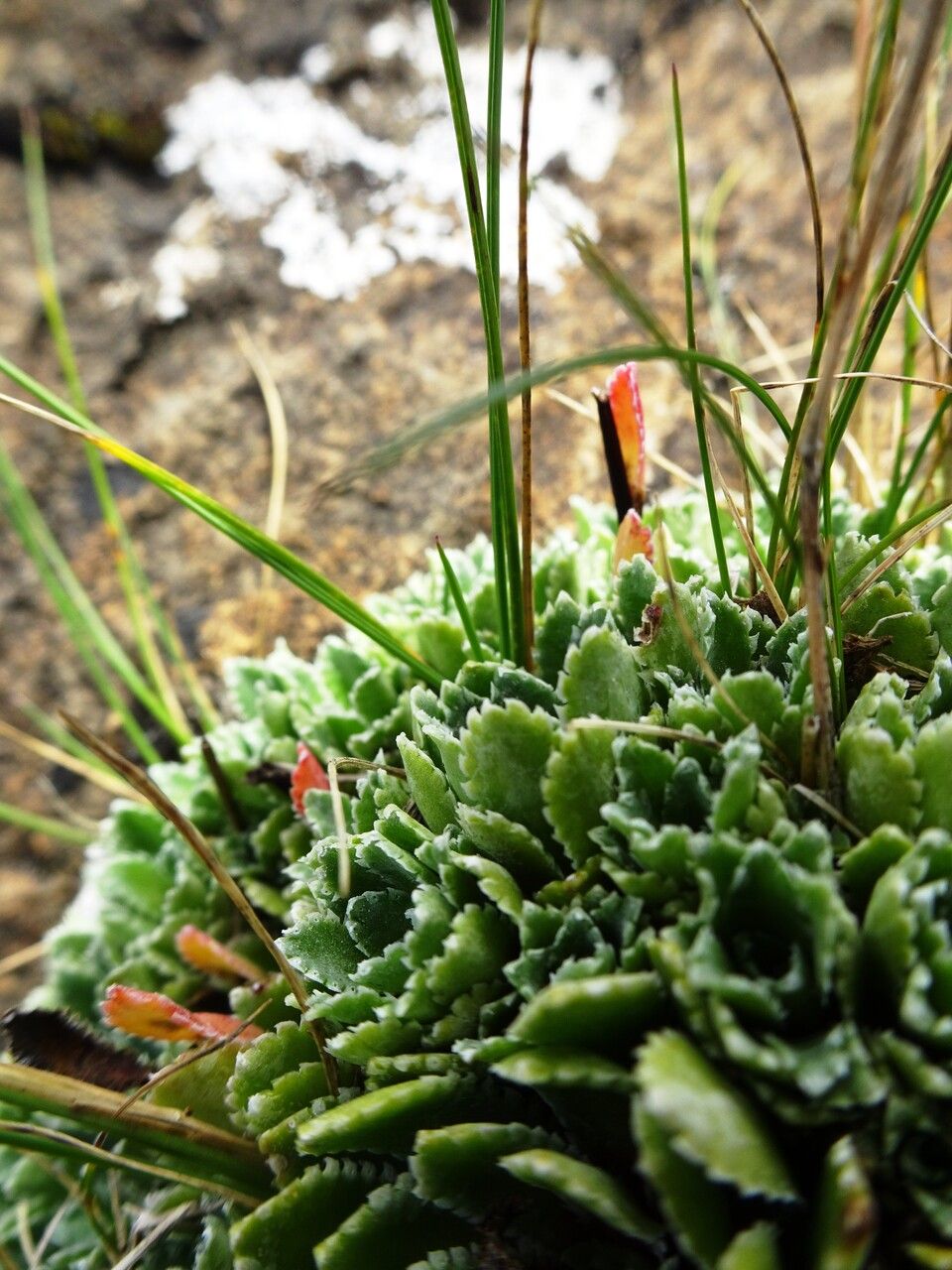
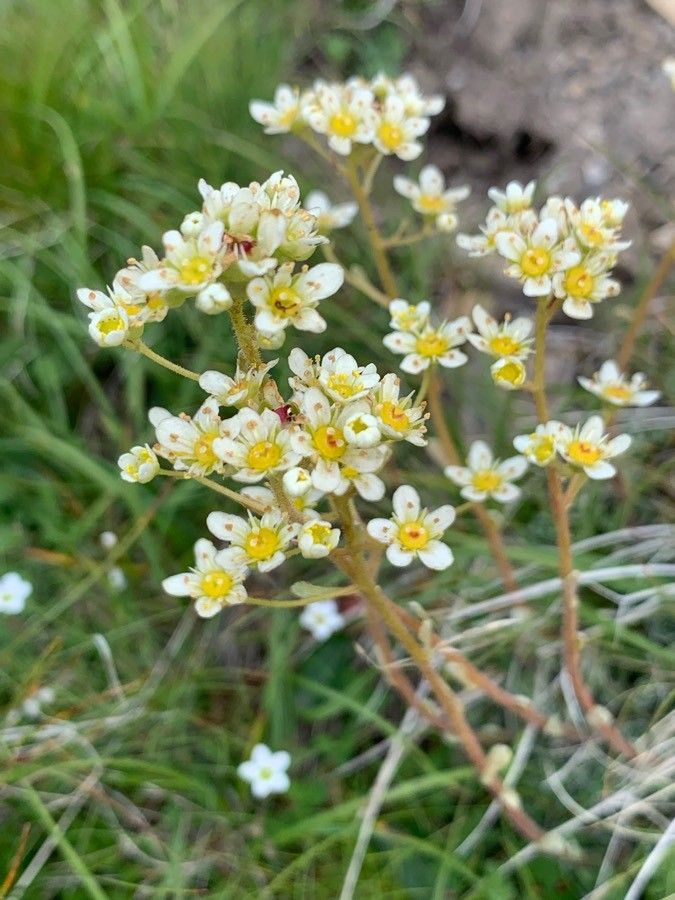
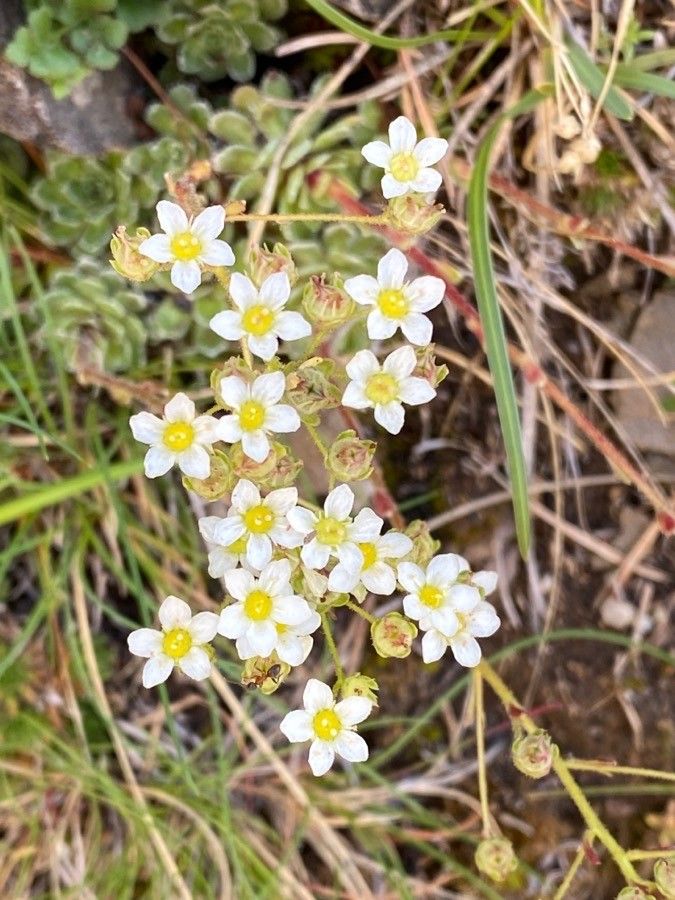
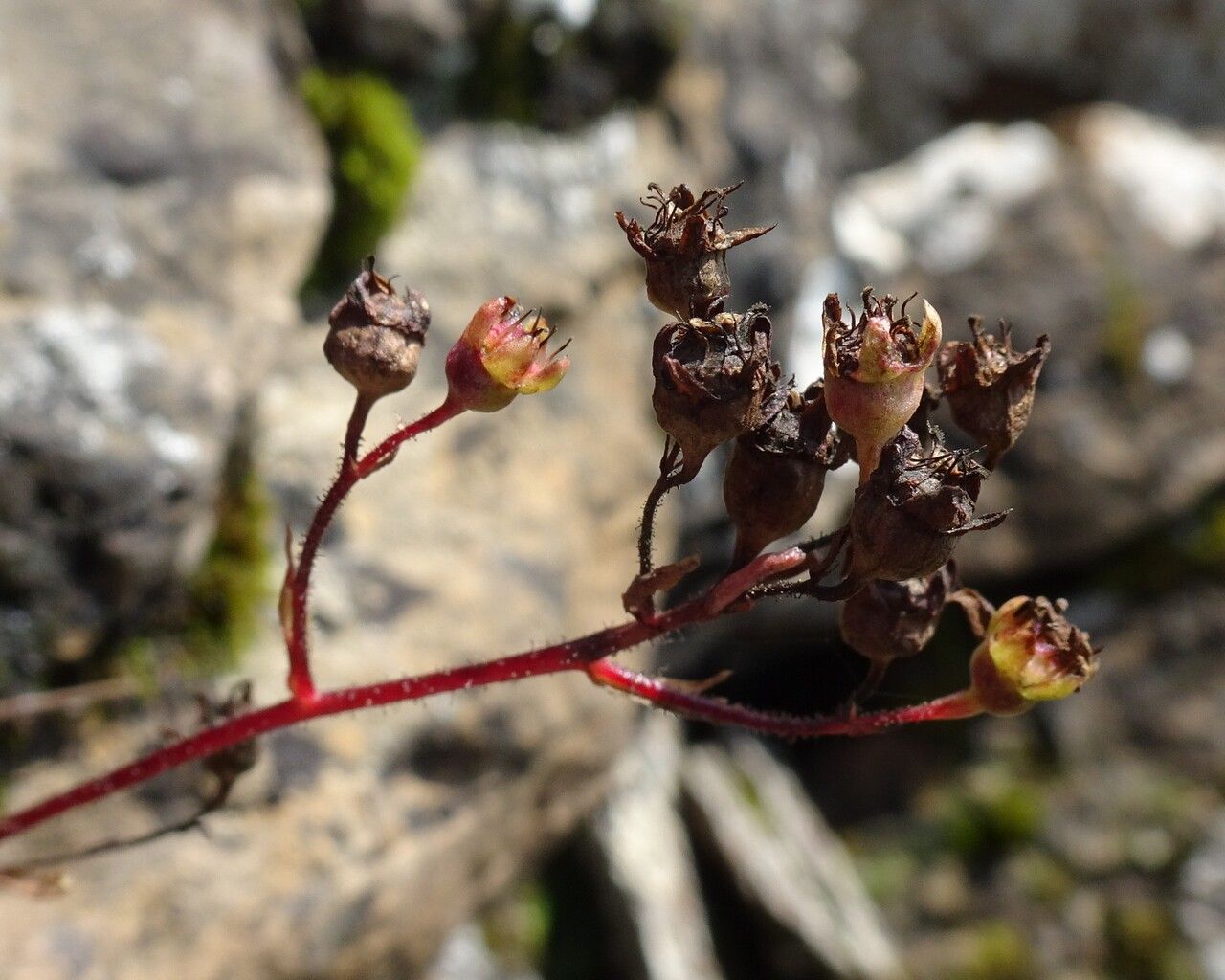
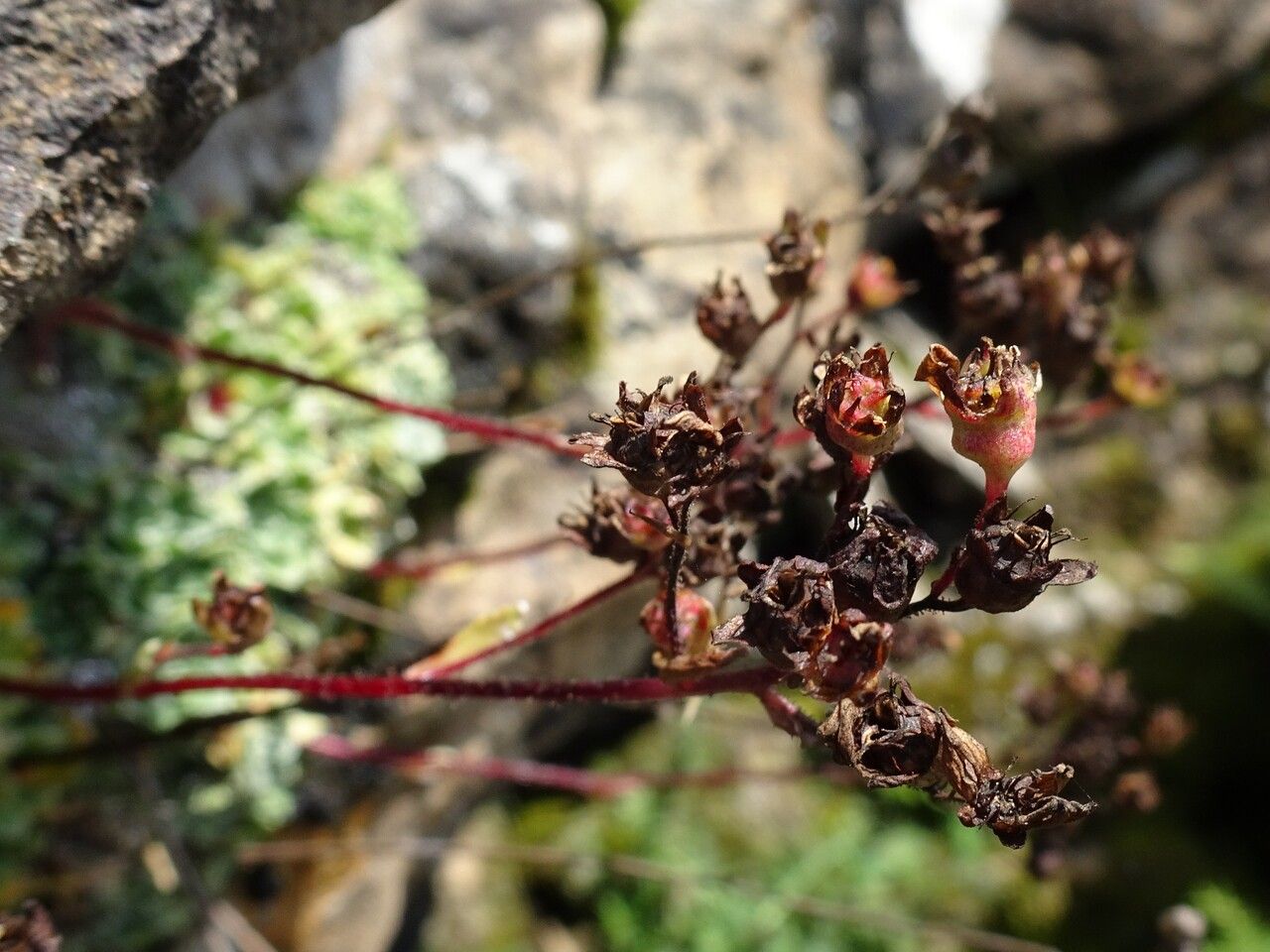
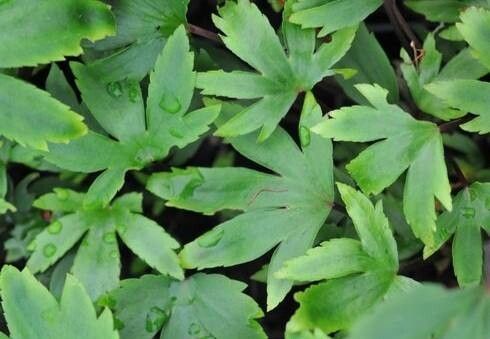
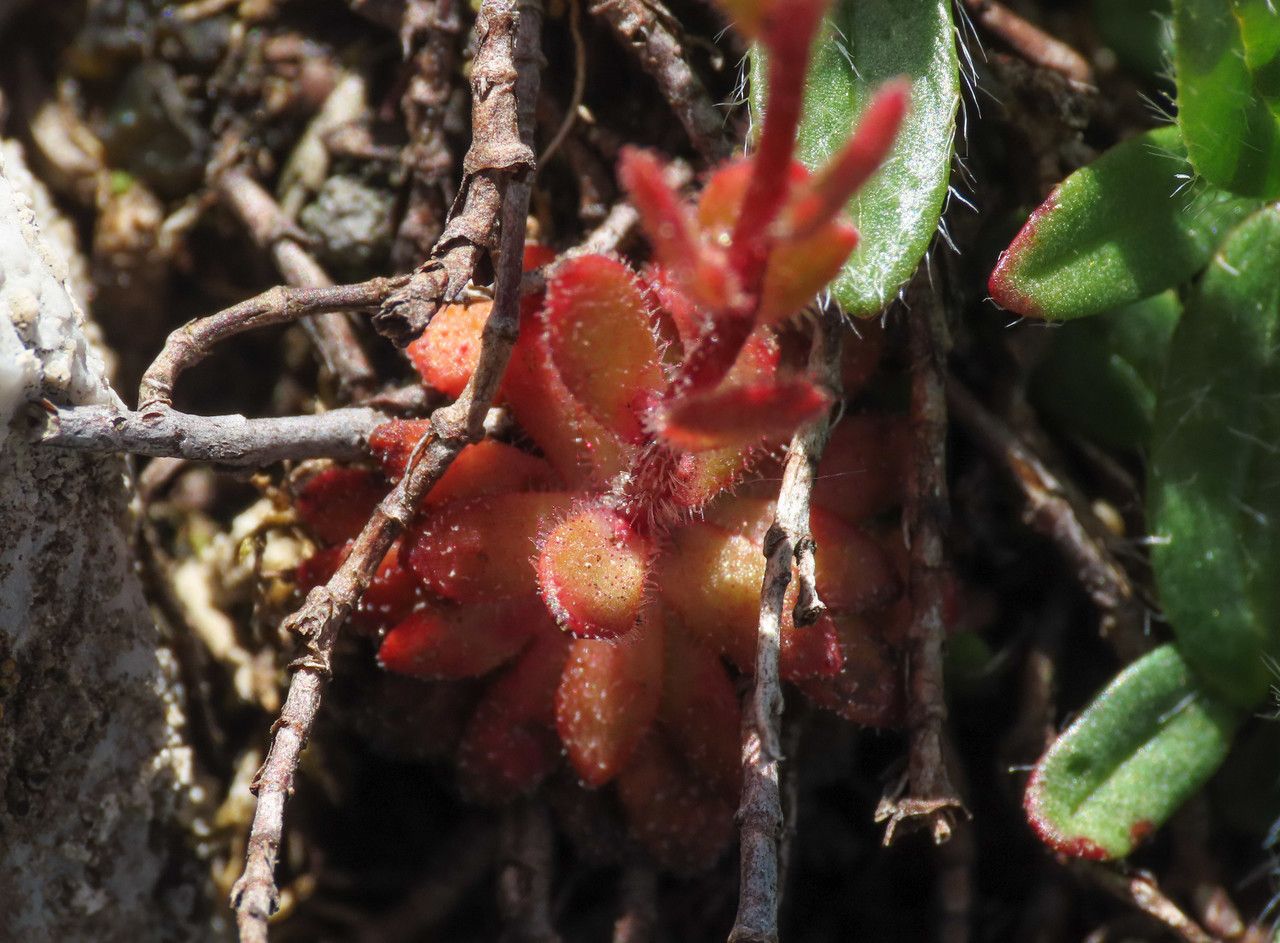
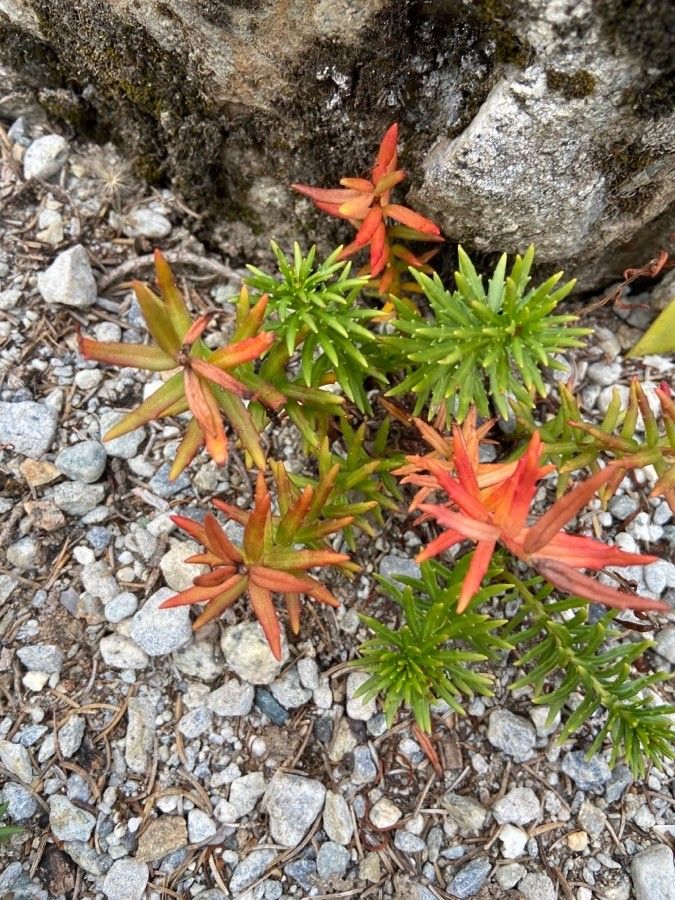
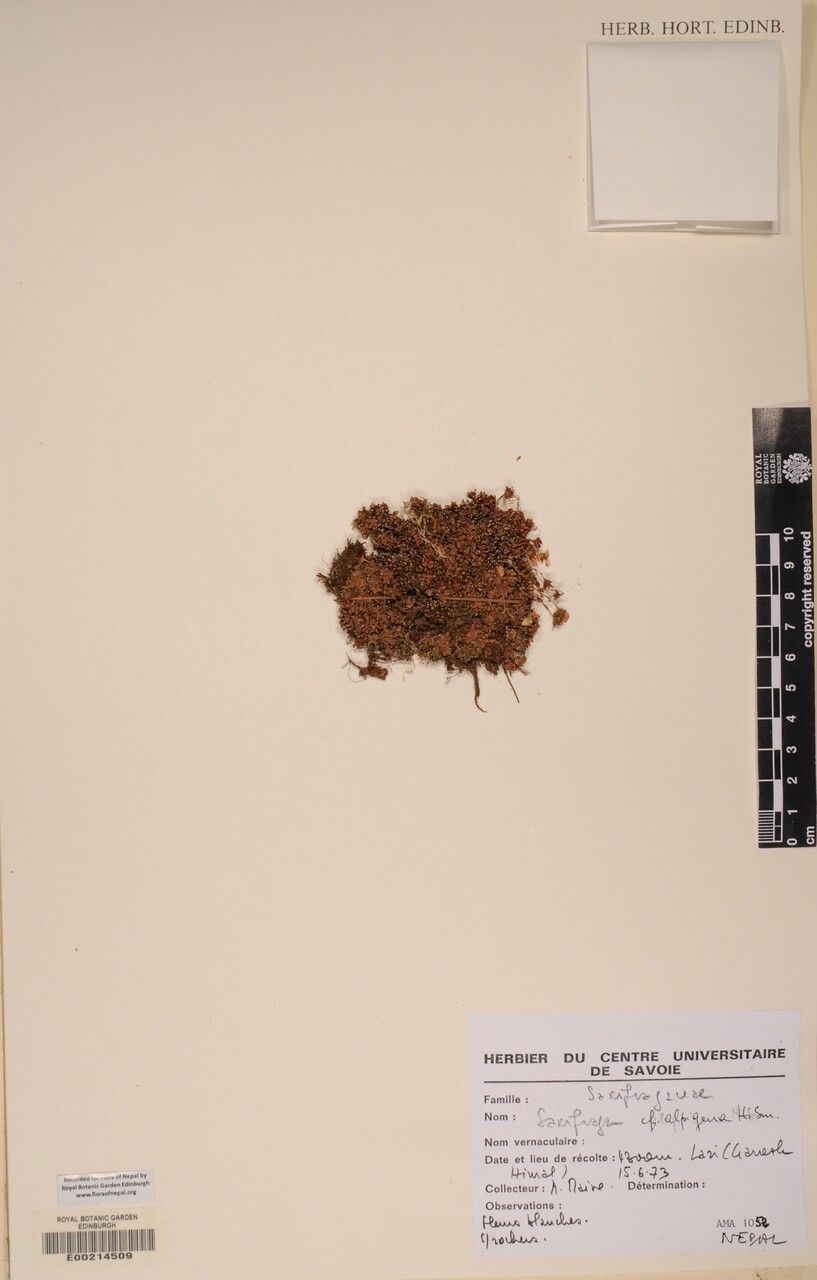
Saxifraga paniculata is an alpine species of flowering plant in the saxifrage family, with native distribution in the temperate northern hemisphere. Common names include alpine saxifrage, encrusted saxifrage, lifelong saxifrage, lime-encrusted saxifrage, livelong saxifrage, white mountain saxifrage, and silver saxifrage.
Meadow saxifrage is fairly disease-resistant and generally does not suffer from illnesses. Nevertheless, it can be affected by pests and diseases present in its environment. These issues tend to be mild. Regarding care, this plant needs moderate maintenance. It should be pruned regularly to preserve a neat appearance and encourage healthy growth. Feeding the plant can also support better flowering. Meadow saxifrage works well for anyone with outdoor space, such as a garden or patio, and does not demand extensive gardening experience. It may need more attentive care if kept indoors.
How to keep Saxifraga Paniculata.
Light
The meadow saxifrage prefers a moderate amount of sunlight. Excessive sun can scorch its leaves, while insufficient light can impede its growth and flowering. Consequently, it does best in locations that alternate between sun and shade, similar to its natural environment where it grows among plants that partially filter the sunlight.
Water
White mountain saxifrage thrives in well-drained, moderately moist conditions and requires weekly watering. This plant, native to rocky alpine regions, can tolerate short periods of dryness due to its strong root system. It is best grown outdoors in cool climates, where it flourishes in moist soil that is not waterlogged. Proper moisture management promotes optimal growth and blooming.
Humidity
This plant will thrive in moderate humidity, which is probably the level in your home. However, misting it a few times a week can be very beneficial. Make sure the room has good ventilation.
Temperature
Meadow saxifrage, native to temperate zones, does best at temperatures of 50 to 95 °F (10 to 35 ℃). Seasonal adjustments may be necessary: keep it warmer in winter and give it shade during very hot summer weather.
Fertilizer
Meadow saxifrage should be fertilized mainly in early spring as the flowers begin to form. The proper fertilizer promotes stronger blooms and helps Meadow saxifrage produce attractive flowers. Fertilizing at that early-spring stage ensures good flowering during the season and supplies energy for dormant growth phases.
Pruning
Your white mountain saxifrage doesn't require pruning, but removing spent blooms can help keep your garden looking tidy.
Pot & Repot
Repot the white mountain saxifrage every two years in the spring. Use a slightly larger pot with good drainage. Ensure the plant has moist, well-draining soil and place it in partial shade after repotting. This alpine perennial thrives in cooler weather, which promotes its health and vibrant blooms.
Botanical profile.
- Plant Type
- Herb
- Life Cycle
- Perennial
- Genus
- Saxifraga
- Family
- Saxifragaceae
- Hardiness Zone
- 6-9
- Mature Height
- 15 cm to 40 cm
- Mature Spread
- 30 cm
- Leaf Color
- Green
- Leaf Type
- Deciduous
- Flower Color
- White
- Flower Size
- 2.54 cm
- Bloom Time
- Early spring, Mid spring
- Planting Time
- Summer
- Harvest Time
- Late spring, Early summer
- Native Area
- Sweden, Austria, Czech Republic, Slovakia, Montenegro, Poland, Croatia, Slovenia, Morocco, Belarus, Serbia, Russia, Lithuania, Norway, Germany, Italy, Spain, Switzerland, Denmark, Estonia, Finland, France, Ireland, United Kingdom, Hungary, Latvia, Belgium, Portugal
Other names.
Reader questions.
What should I do if I give my White mountain saxifrage too much or too little water?
White mountain saxifrage and other succulents are known for their ability to withstand long periods without water, so it is rare to find them suffering from underwatering. However, if you forget to water your White mountain saxifrage for a month or more, you may notice it looking thirsty or damaged due to lack of water. Signs of underwatering include a lackluster and wrinkled appearance, dried up or brown and crispy leaves, and completely dried out soil. To remedy this, give your plant plenty of water by submerging the pot in water for 5-10 minutes, ensuring the soil is properly rehydrated. On the other hand, overwatering can be dangerous to White mountain saxifrage and can lead to root rot. This occurs when moist conditions allow fungi and bacteria to thrive in the soil and attack the roots, preventing them from absorbing nutrients and water. Symptoms of overwatering include yellow, swollen, and translucent organs that may burst open, as well as browning and falling leaves. To address overwatering, it is important to change the growing conditions, improve air ventilation, and adjust the frequency of watering. If caught early, it may be possible to save the plant by removing it from the pot, checking the roots and soil, and removing any unhealthy roots affected by root rot. If the majority of the roots are affected, it may be best to propagate a new White mountain saxifrage from healthy stems. However, if only a portion of the roots are affected, there is a chance of saving the plant by removing unhealthy roots, dipping the remaining roots in a fungicide, and repotting in fresh, well-draining soil. While this may not always work, in most cases the plant can make a full recovery and produce new growth in the next growing season.
Why should I put fertilizer on my White mountain saxifrage?
Fertilizing White mountain saxifrage boosts nutrient levels in the growing medium, promoting healthy growth during the season. While this plant does store water and nutrients, applying plant food helps support its growth. Additionally, fertilizing can stimulate mature specimens to produce blooms in the growing season.
What are the sunlight requirements for White Mountain Saxifrage?
White Mountain Saxifrage thrives with a generous amount of daily sun exposure for optimal growth. It is capable of handling less intense midday light but may experience stunted growth due to insufficient light. Originating from sun-abundant habitats, it can also withstand periods of shade. However, excessive shade or a lack of sunlight could potentially harm the plant. For successful cultivation, observe your garden's sunlight patterns and choose locations that ensure a good balance of light and shade, as the plant needs full sun, meaning above 6 hours of sunlight, or partial sun, about 3-6 hours of sunlight.
What are the ideal growing conditions for White mountain saxifrage?
White mountain saxifrage thrives in temperatures ranging from 68 to 100.4 °F (20 to 38 °C), originating from temperate habitats. It prefers heat but can adapt to cooler environments gradually to avoid shock. With seasonal changes, introduce temperature variations slowly to maintain its health. It requires a lot of sunlight, especially when grown indoors, so placing it near a south-facing window or using supplemental lighting if natural light is inadequate is beneficial. During colder times, when temperatures drop below 20°C, its growth diminishes, and watering should be minimized or halted to prevent root rot. If grown outside and temperatures approach freezing, consider moving it indoors or providing insulation to protect it.
How frequently do I need to water my White mountain saxifrage?
To determine how often to water White mountain saxifrage, the best way is to check the soil and water only when it is completely dry. You can use your finger or a moisture meter to check the soil below the surface. If you have planted it in a deep pot, you can use a stick or chopstick to check for moisture. If the soil feels even slightly damp, wait a few days and check again. Generally, most people will need to water White mountain saxifrage every two weeks in summer and once a month in winter. However, there are various factors that can influence the frequency of watering. The section below provides some considerations to help determine how often to water.
When should I fertilize my White mountain saxifrage?
White mountain saxifrage only requires a small amount of fertilizer during its growing season, which should be applied 1-2 times a year. It is recommended to fertilize in the spring and autumn, avoiding winter and summer when the plant is dormant. If you have recently repotted the plant, be cautious about the amount of fertilizer used, and it is wise to wait a few months before applying any fertilizer after repotting.
How do I use artificial lighting for my indoor White Mountain Saxifrage?
Indoor White Mountain Saxifrage requires adequate lighting for healthy growth, especially when natural sunlight is scarce, such as during winter or in darker areas of a home. To supplement natural light, one can use artificial lights, which help the plant grow faster and healthier. LED lights are recommended for their ability to provide specific light wavelengths needed by plants. Full sun plants should receive 30-50W/sq ft of artificial light, partial sun plants 20-30W/sq ft, and full shade plants 10-20W/sq ft. The correct lighting setup includes placing the light source 12-36 inches above the plant to mimic the sun and ensuring it receives 8-12 hours of light per day.
How should I care for White mountain saxifrage in low temperatures?
White mountain saxifrage is sensitive to cold and performs best when the temperature remains above 20°C. It must be kept above 0°C during winter to prevent dormancy or damage. If temperatures fall below -5°C, the plant may show signs of weakness, wilting, and susceptibility to root rot, with symptoms like withering appearing a week after frost exposure. To protect it from low temperatures, trim any frost-damaged sections and inspect for root rot, removing affected roots as necessary. The plant can be propagated through cuttings if needed. Move it to a warmer indoor spot ideally near a south-facing window to ensure adequate sunlight, supplementing with artificial light if necessary.
What do I need to think about when watering my White mountain saxifrage?
To properly water your White mountain saxifrage, you need to consider various environmental factors such as container size, soil type, temperature, and humidity. For the container and soil, choose one with good drainage to prevent waterlogging. A small container holds less moisture, so it requires more frequent watering, while a larger pot retains water longer and needs less frequent watering. Avoid using an oversized pot as it can lead to overwatering. When repotting, choose a container only slightly larger than the current one, and opt for a shallow container since White mountain saxifrage has shallow root systems. In terms of watering frequency, during winter when growth is slower, water less often as the plant requires less energy and water. Cool winter air minimizes water evaporation, making the soil stay wet longer compared to the summer. Furthermore, the general climate in your area affects watering needs. In a humid location with abundant rainfall, watering needs are reduced compared to a dry and arid climate. Keep in mind that the same geographic location can have varying conditions depending on the season and indoor heating or air conditioning usage. If your White mountain saxifrage is planted in the ground, it usually doesn't require additional watering beyond natural precipitation. However, during prolonged dry periods, occasional watering may be necessary. If the plant is in a container, it can be moved outside in spring and summer and brought indoors as temperatures drop. Potted plants kept outside generally need more water due to increased sun exposure, even on a shaded porch.
When should I not put fertilizer on my White mountain saxifrage?
White mountain saxifrage, like other plants, goes through a dormancy period where it stops growing. During this period, it is important to refrain from applying fertilizer. This happens in both summer and winter. Additionally, it is recommended to avoid fertilizing for a few months after repotting in the spring.
What are the symptoms of insufficient light in White Mountain Saxifrage?
White Mountain Saxifrage displays several symptoms when suffering from light deficiency. These include smaller new leaves, leggy or sparse growth due to longer spaces between leaves or stems, faster leaf drop as the plant conserves resources, slower or halted growth as the plant enters a survival mode, lighter-colored new leaves indicating a lack of chlorophyll and nutrients, chlorosis or yellowing of leaves from excessive sunlight, sunscald characterized by pale or damaged tissue from intense light, leaf curling to minimize exposure to sunlight, wilting from excessive water loss, and leaf scorching seen as brown or crispy leaf edges due to too much sunlight.
What should I do if White mountain saxifrage experiences high temperatures?
During the hot summer months, keep White mountain saxifrage below 38°C to avoid halting its growth and incurring damage from excessive water loss, wilting, or sunburn if temperatures rise above 43°C. To aid recovery, remove any sunburned or rotten parts and shield the plant from direct afternoon sunlight. If the plant has suffered from root rot due to overwatering or heat, watering should be ceased until healthy new roots develop. Ensuring the plant is in a cooler, shaded location during peak heat can prevent these issues and support recovery and growth.