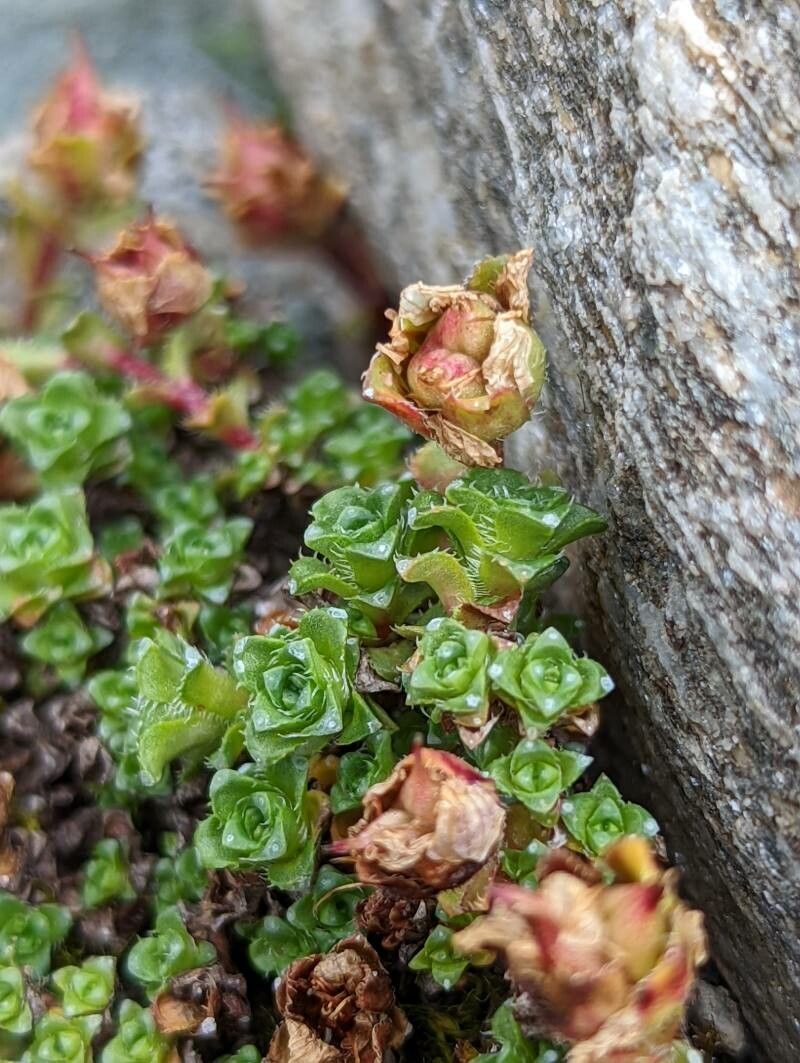
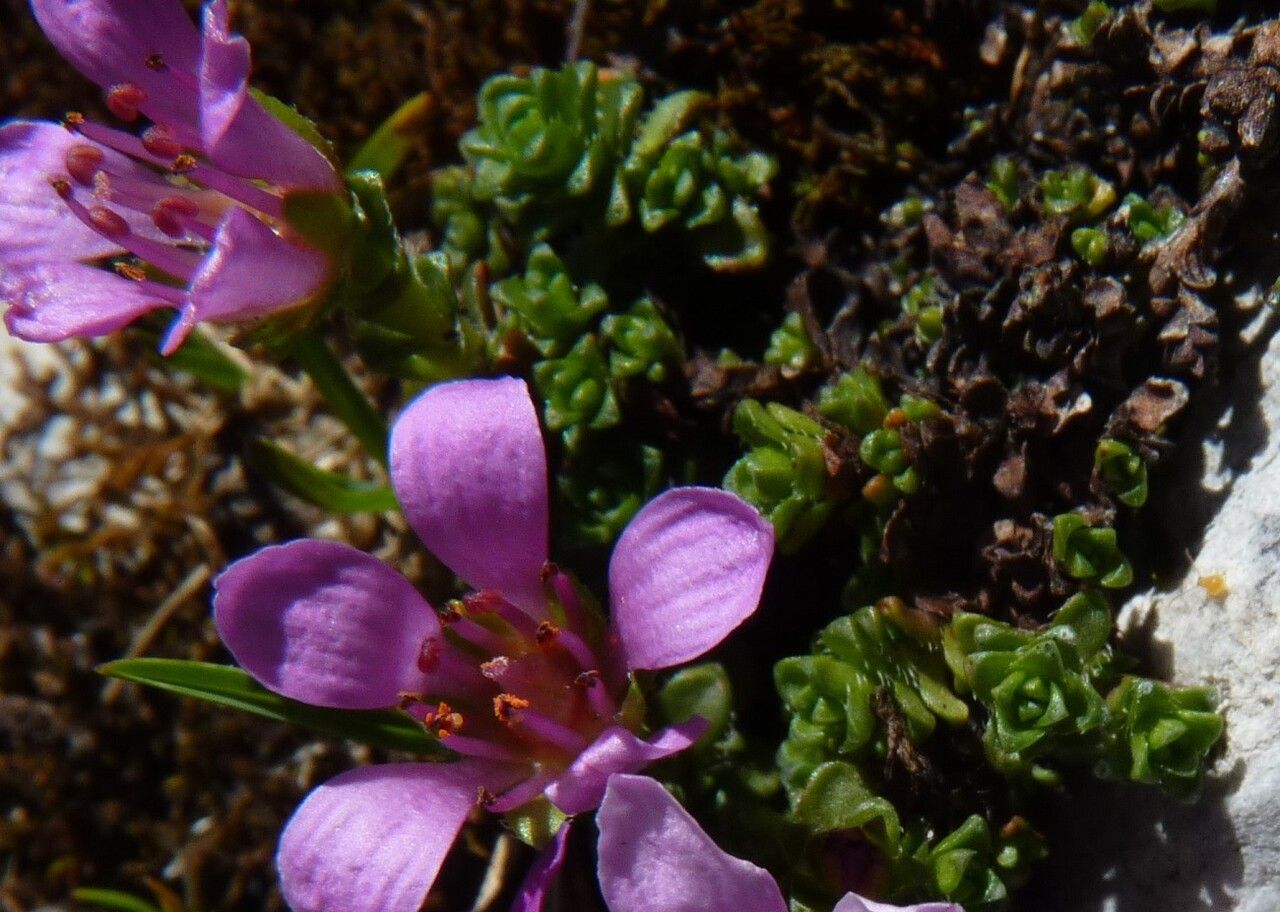
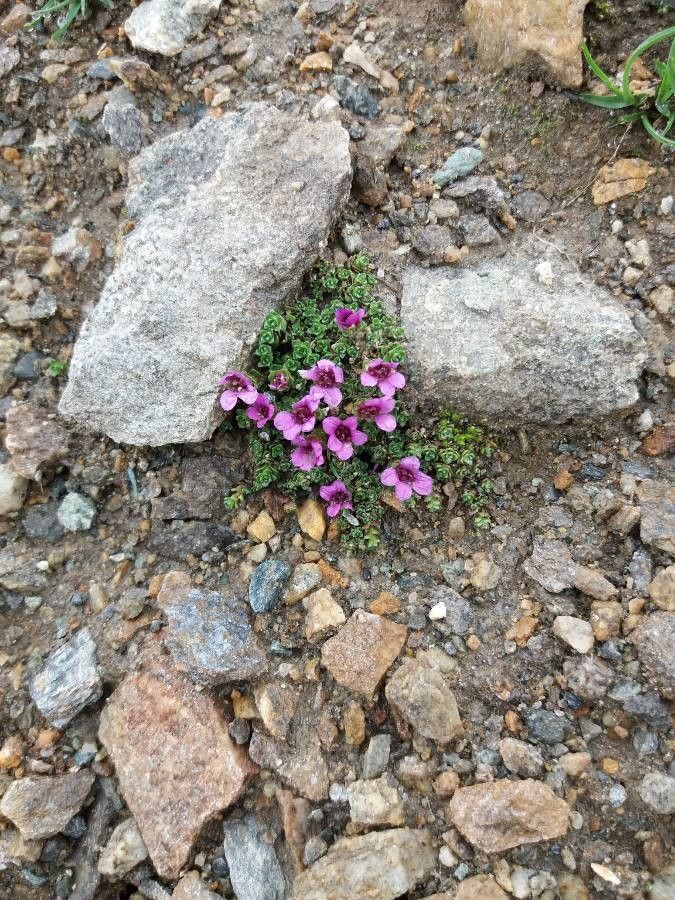
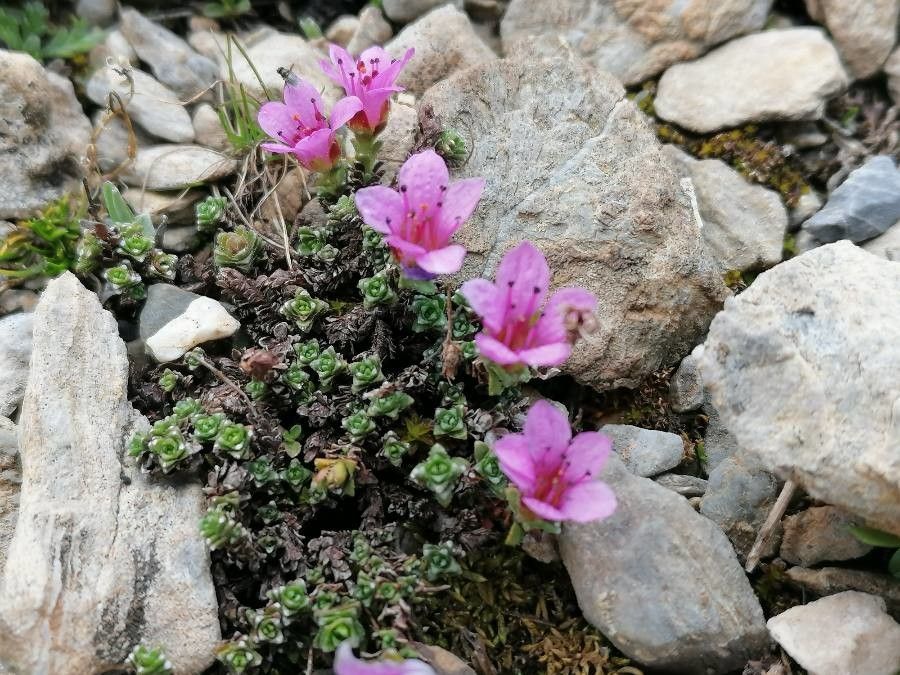
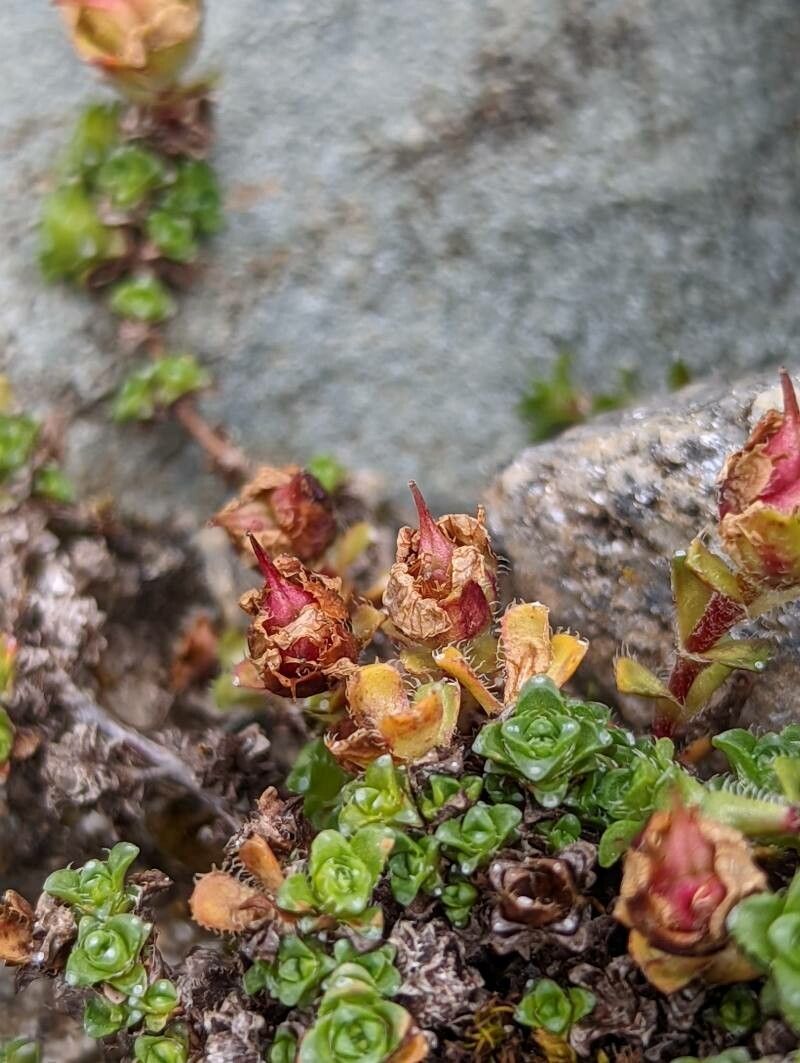
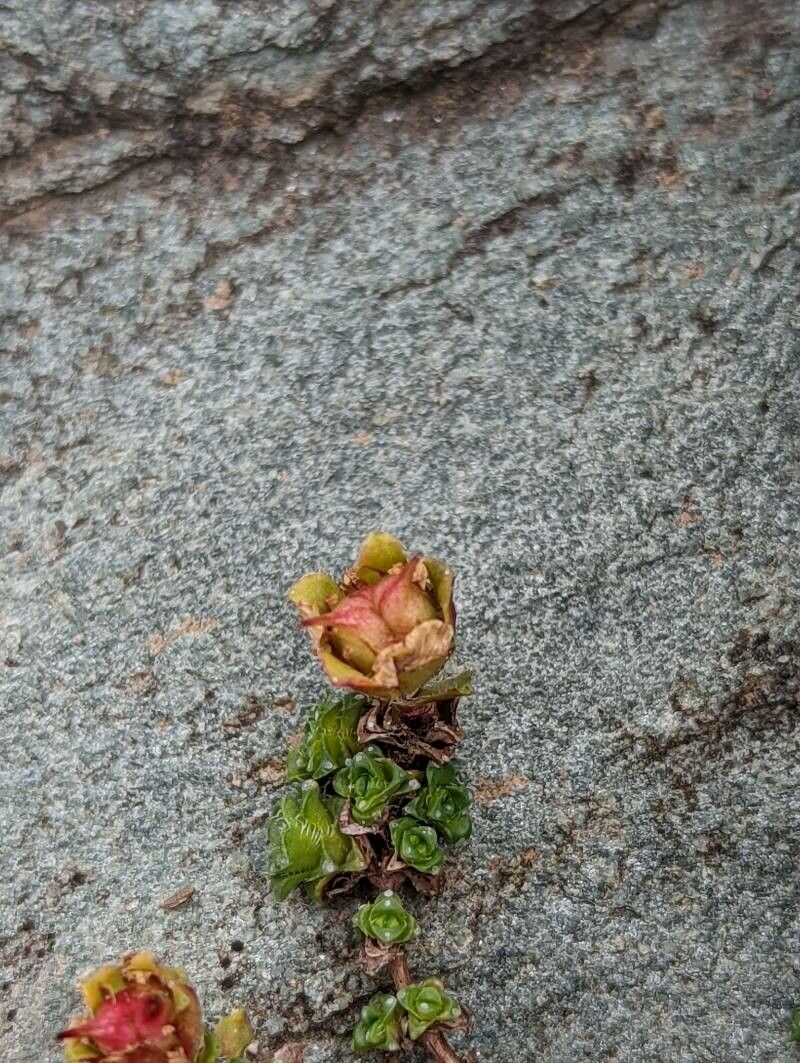
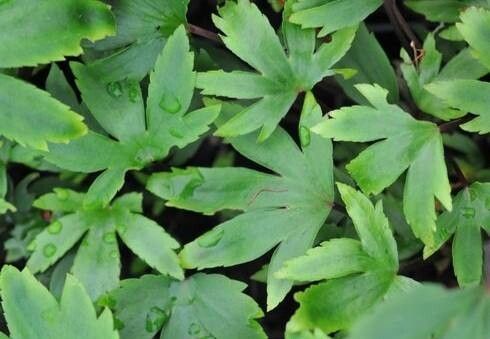
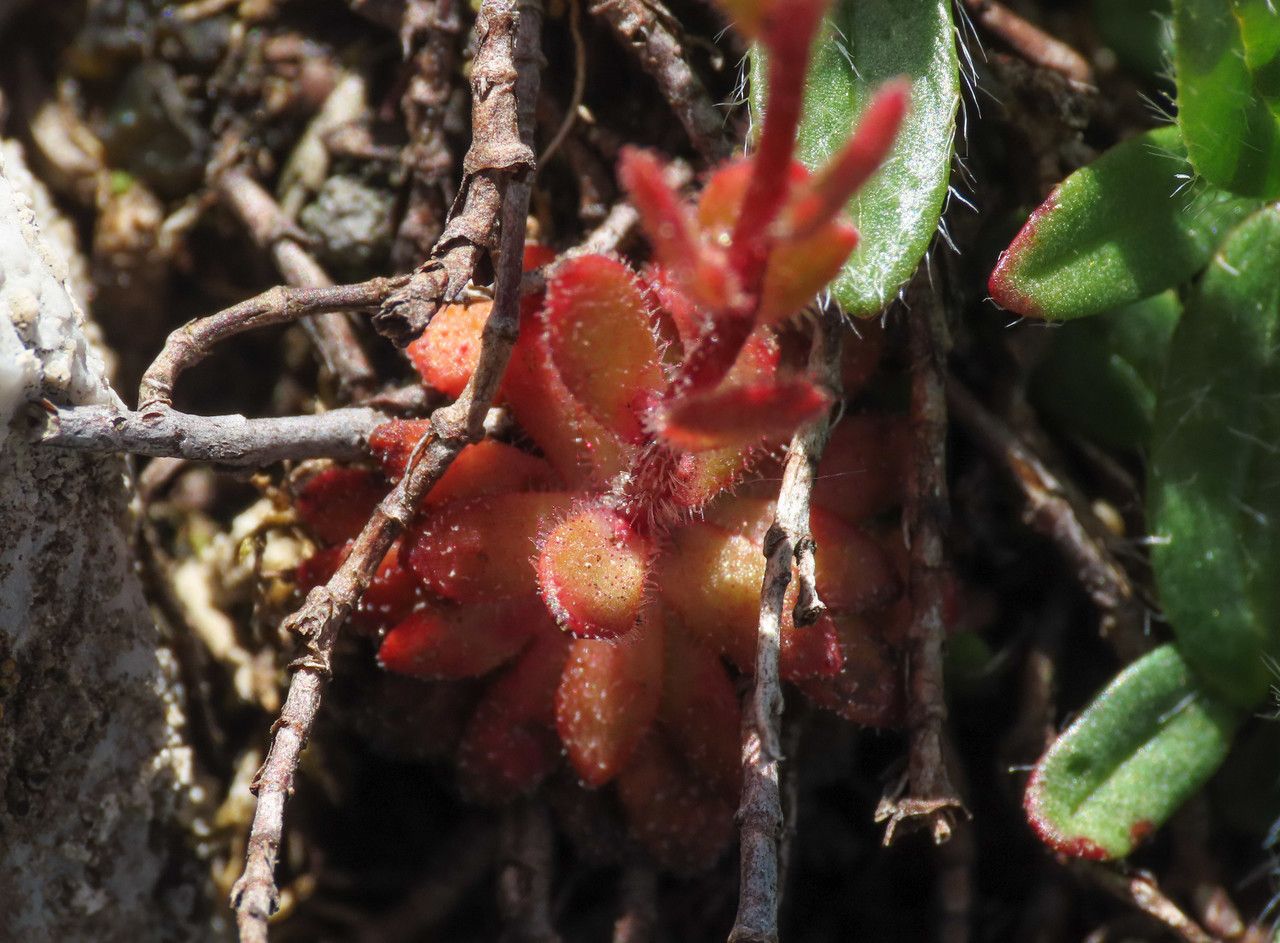
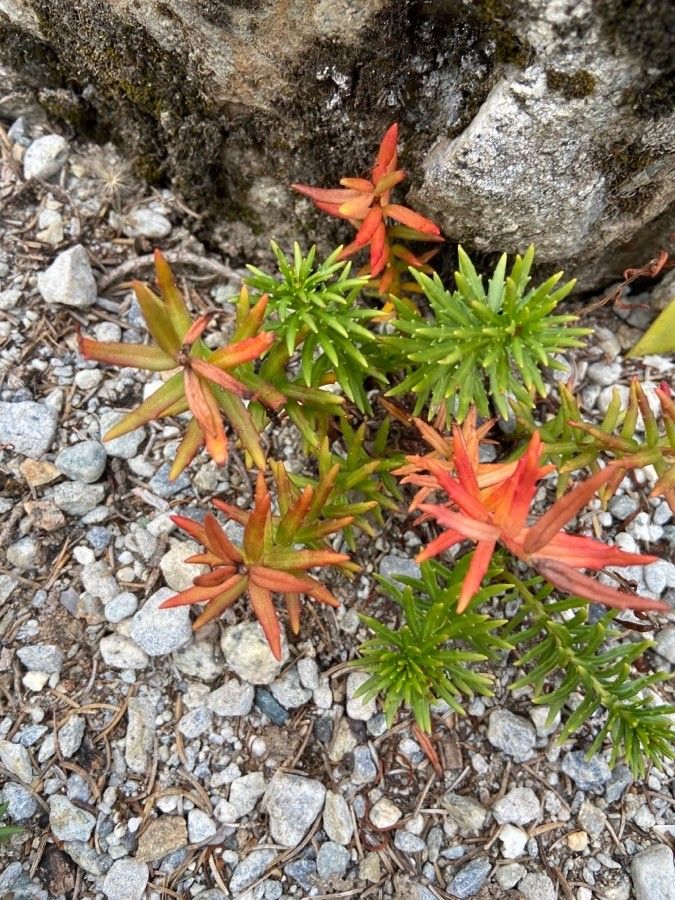
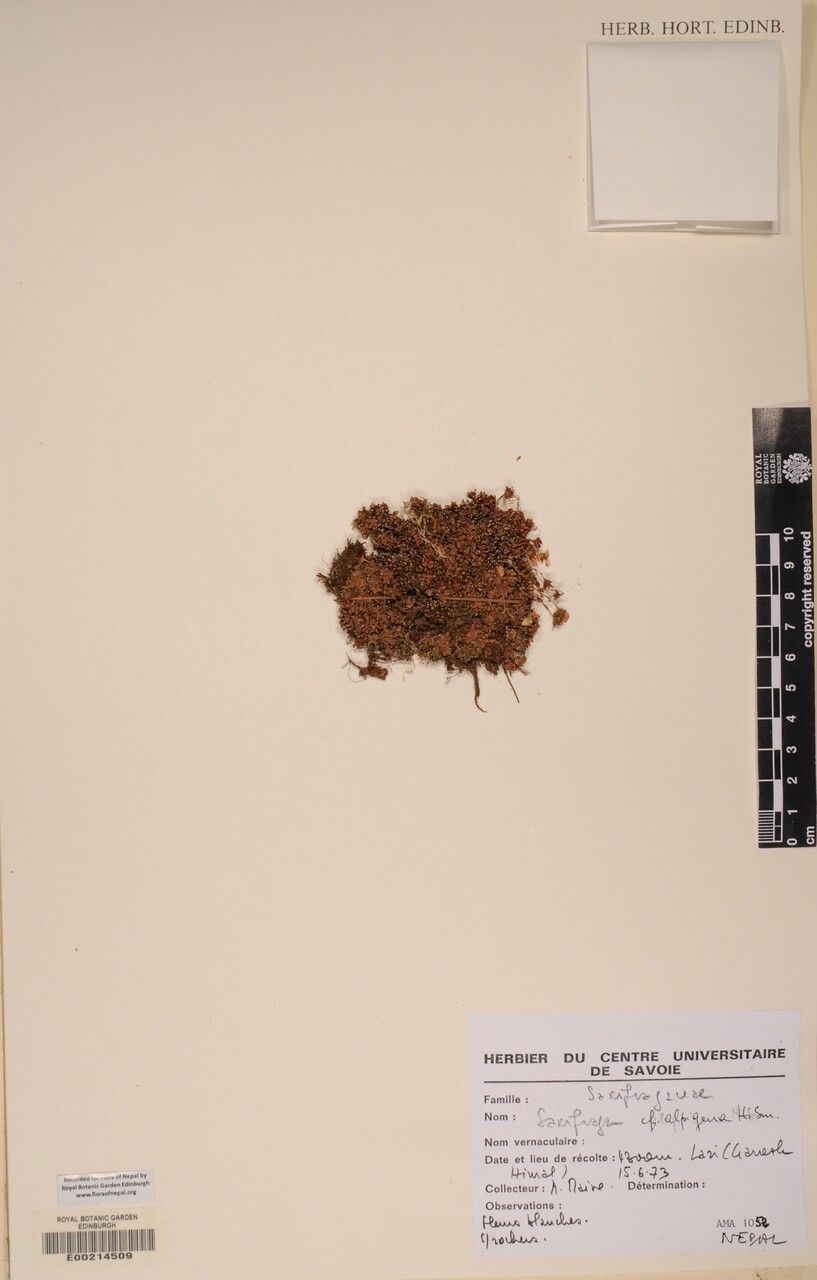
Saxifraga oppositifolia, commonly known as Purple Saxifrage, is a small perennial plant belonging to the Saxifragaceae family. Native to the Arctic and alpine regions of Europe, Asia, and North America, this resilient plant typically grows up to 5 cm in height. Its leaves form a rosette at the base, are green in color, and sport purple tips.
The flowers of Saxifraga oppositifolia are star-shaped, each with five petals that can range in color from pinkish-purple to white. These flowers bloom from April to June, attracting pollinators such as bees and butterflies.
Purple Saxifrage thrives in rocky or gravelly soils at high altitudes, environments where other plants struggle due to harsh conditions like extreme cold, strong winds, prolonged snow cover, or short growing seasons.
For centuries, indigenous people have utilized this plant for its medicinal properties, particularly its anti-inflammatory effects. Hikers also use it as an emergency food source because of its high vitamin C content.
Gardeners favor Saxifrages for their ability to add color to early spring landscapes, a time when most other plants have yet to bloom. They can be easily propagated from seeds or cuttings but require well-drained soil and plenty of sunlight.
Saxifrages play an important ecological role by providing food for pollinators and helping stabilize soil on rocky slopes. This stabilization is crucial during heavy rainfall events or snowmelt periods when erosion can be a significant problem.
Purple mountain saxifrage is fairly resistant to disease and generally not prone to illnesses. Still, it can be affected by pests and diseases present in its environment, though such infections are usually mild. Regarding care, the plant needs moderate maintenance. It should be pruned regularly to preserve a good appearance and healthy growth. Fertilizing can also encourage flowering. This saxifrage is well suited for anyone with an outdoor area, like a garden or patio, and does not demand much gardening experience. It may need more attention if kept indoors.
How to keep Saxifraga Oppositifolia.
Light
Purple mountain saxifrage requires a large amount of sunlight each day, showing its best growth when consistently exposed to sun. It can tolerate partial shade, but insufficient light slows its growth and may lead to paler coloration. Native to mountainous terrain, purple mountain saxifrage has adapted to take advantage of the brief sunlight that appears between the shadows of peaks. Excessive exposure can cause wilting, while too little illumination can result in weak, stunted development.
Water
Purple mountain saxifrage thrives in alpine tundra environments. It prefers consistent moisture but can tolerate short dry spells. To ensure healthy growth, it requires moderate watering on a weekly basis. This plant is well-suited for outdoor cultivation, as it is resilient to cold temperatures, which help with water uptake and retention.
Temperature
Purple mountain saxifrage is a plant that prospers in temperate climates, particularly at temperatures between 32 and 95 °F (0 to 35 ℃). It is native to cooler regions but can tolerate warmer conditions. Seasonal temperature adjustments may be necessary for optimal growth.
Fertilizer
For Purple mountain saxifrage, the best time to apply fertilizer is in early spring while the flowers are forming. Using the appropriate fertilizer promotes better blooms and helps Purple mountain saxifrage produce attractive flowers. Fertilizing in early spring ensures strong flowering during the season and supplies energy for dormant growth phases.
Pruning
Purple mountain saxifrage is known for its vibrant purple flowers and requires minimal pruning. To maintain the plant's health and appearance, start by removing dead stems in early to late spring. You can also lightly shape the plant, but be sure not to cut more than one-third of its foliage. This approach enhances the plant's resilience and bloom quality, promoting robust growth during the active season.
Pot & Repot
Repot the purple mountain saxifrage every 2 to 3 years in early spring, during its growth phase. Use shallow, wide containers that mimic its native habitat. Make sure the new pot is only slightly larger than the previous one to prevent over-watering. Maintain well-drained soil to help the plant adapt after repotting.
Botanical profile.
- Plant Type
- Herb
- Life Cycle
- Perennial
- Genus
- Saxifraga
- Family
- Saxifragaceae
- Hardiness Zone
- 3-10
- Mature Height
- 5 cm
- Mature Spread
- 15 cm
- Leaf Color
- Dark Green
- Leaf Type
- Evergreen
- Flower Color
- Purple
- Flower Size
- 1.27 cm
- Bloom Time
- Late winter, Early spring, Mid spring
- Planting Time
- Spring, Summer
- Harvest Time
- Late spring, Early summer, Mid summer
Other names.
Reader questions.
How should I water my Purple mountain saxifrage?
To ensure the healthy growth of the Purple mountain saxifrage, it is recommended to use filtered water at room temperature. Tap water may contain harmful particles, so filtering it is preferable. The plant originates from a warm environment, so it's best to use room temperature water or slightly warmer to avoid shocking its system with cold water. It's important to refrain from overhead watering as it can cause problems with the foliage. Instead, water the plant by applying filtered room temperature water to the soil until it is completely soaked. This method benefits the plant by moistening the roots and helping them spread through the soil to collect essential nutrients.
Why should I put fertilizer on my Purple mountain saxifrage?
The main structure of the Purple mountain saxifrage is made up of its leaves. Fertilizing it is vital for maintaining the leaves' appearance and function. Proper fertilization ensures consistent color and a healthy texture of the leaves. Fertilization also benefits the plant's roots. It helps generate new roots and maintain the existing ones, improving the plant's ability to absorb soil nutrients in the long run. Therefore, fertilizing not only keeps the plant healthy now but also enhances its future nutrient absorption.
What are the sunlight requirements for Purple Mountain Saxifrage?
Purple Mountain Saxifrage thrives best with a plentiful amount of solar exposure each day, requiring more than 6 hours of sunlight to showcase its best growth. It can tolerate partial shade, but insufficient light may slow its growth and lead to pale coloration. This plant is originally from mountainous terrains, where it has adapted to make the most of the sunlight available between the shadows cast by peaks. However, overexposure to sunlight could result in wilting, and inadequate illumination might lead to weak and stunted development.
What is the ideal climate for Purple mountain saxifrage?
Purple mountain saxifrage, botanically known as Saxifraga oppositifolia, thrives best in temperate climates, favoring conditions between 32 to 95 °F (0 to 35 °C). Native to cooler regions, it has a strong resistance to cold and can generally cope without special frost protection in winter. Yet, in environments where temperatures may plummet below -35°C, implementing cold protection measures by covering the plant with soil or straw is advisable. Additionally, to prepare for winter, it's recommended to water the plant abundantly before the first freeze in autumn to ensure the soil remains moist and enters a frozen state, aiding the plant through potentially drought-stricken winter and early spring periods.
What should I do if I give my Purple mountain saxifrage too much or too little water?
Overwatering is a common issue that can harm your Purple mountain saxifrage. If this plant gets too much water, its stems and leaves may wilt and turn yellow. Overwatering for a long time can also cause diseases like root rot, mold, and mildew, which can kill the plant. Underwatering, on the other hand, is less likely to happen since this plant can tolerate some drought. But when it does occur, the leaves of the Purple mountain saxifrage may become brittle and brown. It's important to notice signs of overwatering early so you can take action. Some diseases caused by overwatering, such as root rot, may not be fixable if you wait too long. If you see early signs of overwatering, reduce your watering schedule immediately. Check the quality of the soil where the plant grows. If it drains poorly, replace it with a loose, well-draining potting mix. If you see signs of underwatering, simply water more frequently until those signs improve.
When should I fertilize my Purple mountain saxifrage plant?
If you grow Purple mountain saxifrage outdoors, it will begin to send out new growth in early spring. This is the signal that it's time to start fertilizing for the year. Generally, a single application of fertilizer is sufficient for Purple mountain saxifrage. However, if you want to promote maximum growth, you can fertilize multiple times during the spring and early summer. In this case, you can feed your plant about once every month to a month and a half.
How can artificial lighting support the growth of indoor Purple Mountain Saxifrage plants?
For indoor Purple Mountain Saxifrage plants, artificial lighting is crucial when natural sunlight is insufficient, especially during winter or in less sunny spaces. LED lights are recommended as they can provide specific wavelengths needed by the plants. Full sun plants require 30-50W/sq ft of artificial light, partial sun plants need 20-30W/sq ft, and full shade plants need 10-20W/sq ft. The artificial light source should be placed 12-36 inches above the plant to mimic natural sunlight, and most plants will need 8-12 hours of light per day.
How should Purple mountain saxifrage be cared for in low temperatures?
Purple mountain saxifrage is exceptionally cold-tolerant, performing best when temperatures stay above 0°C. Throughout the winter, it is crucial to ensure that conditions remain above -30°C to prevent damage. Should temperatures dip below -35°C, the plant might not exhibit immediate signs of distress; however, reduced or absent sprouting can occur in the following spring. In such cases, removing any parts of the plant that have failed to sprout is the recommended course of action once spring arrives.
How frequently should I water my Purple mountain saxifrage?
Determining when to water your Purple mountain saxifrage depends on whether it is potted or planted in the ground. For potted plants, check the soil by sticking your finger in it. If the top two to three inches feel dry, it's time to water. The same goes for plants in the ground - when the first few inches of soil are dry, add water. Typically, watering once a week during spring and early fall is sufficient. However, during extremely hot weather, you may need to water twice a week or more. It's worth noting that mature, well-established Purple mountain saxifrages can tolerate periods of drought.
When is it best to not use fertilizer on my Purple mountain saxifrage?
During the late fall and winter, your Purple mountain saxifrage goes into a dormant phase and stops growing. It is important to avoid fertilizing it during this time. In spring and summer, if you choose to fertilize, gradually decrease the amount as summer approaches because the growth rate of your Purple mountain saxifrage will slow down. It is never a good idea to fertilize your Purple mountain saxifrage during very hot weather or when the soil is extremely dry as this can cause stress and premature death.
What are the symptoms of inadequate lighting for Purple Mountain Saxifrage?
Symptoms of light deficiency in Purple Mountain Saxifrage include smaller new leaves, leggy or sparse growth, faster leaf drop, slower or no new growth, and lighter-colored new leaves, indicating a lack of chlorophyll and essential nutrients. Excessive light can cause chlorosis, sunscald, leaf curling, wilting, and leaf scorching, which are harmful to the plant's health and ability to photosynthesize.
What are the care instructions for Purple mountain saxifrage in high temperatures?
During the summer months, keeping Purple mountain saxifrage in temperatures below 35°C is optimal to avoid heat stress. Exposure to temperatures exceeding 41°C can result in the leaves turning a lighter color, curling, becoming susceptible to sunburn, and, in severe instances, the plant might wilt and dry out completely. To mitigate these issues, trimming away the sunburned and dried-up parts of the plant, relocating it to a shaded area away from the intense midday and afternoon sun, or utilizing a shade cloth are effective strategies. Ensuring the plant is watered in the morning and evening to maintain soil moisture will also help combat the effects of high temperatures.