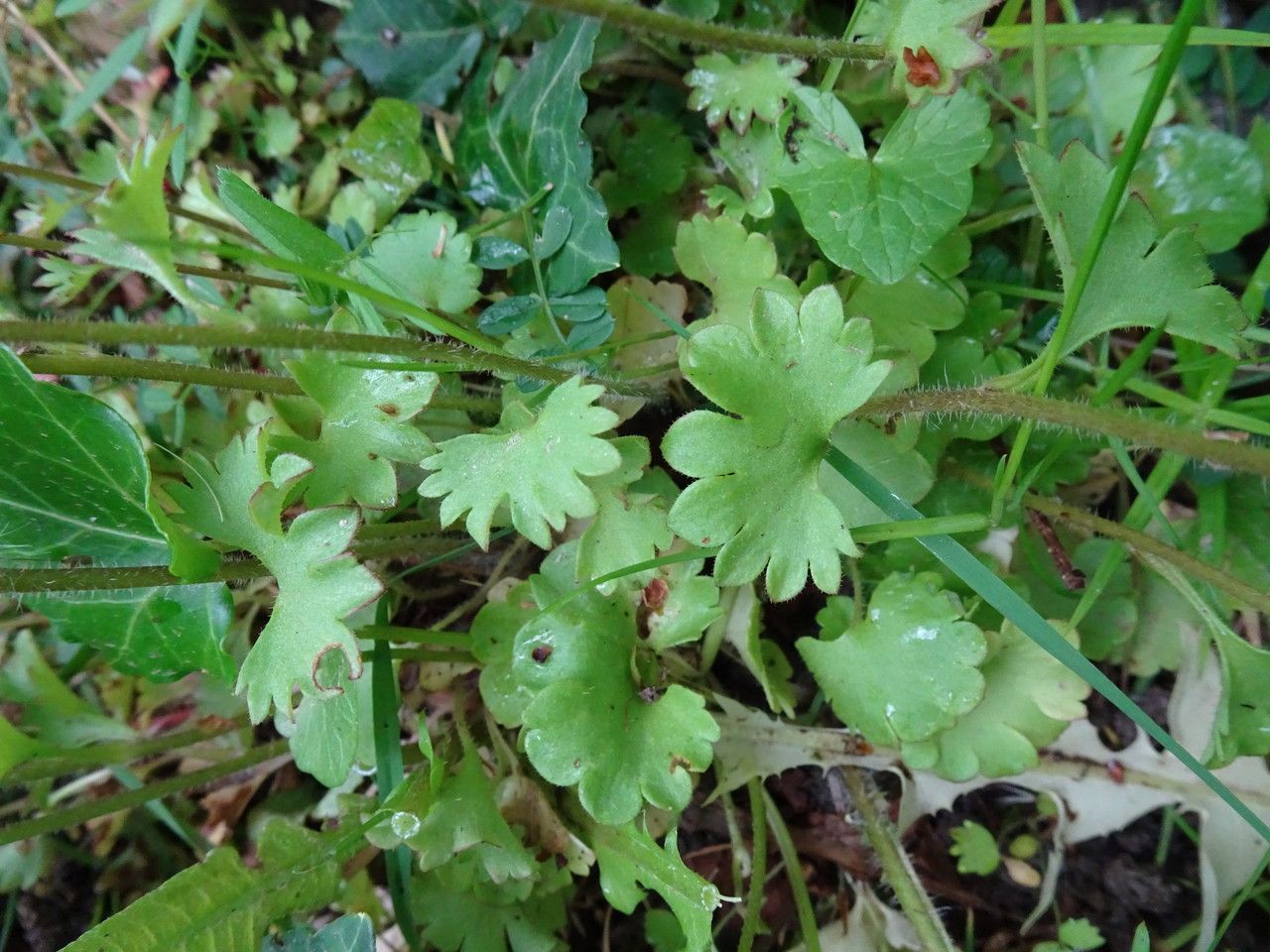
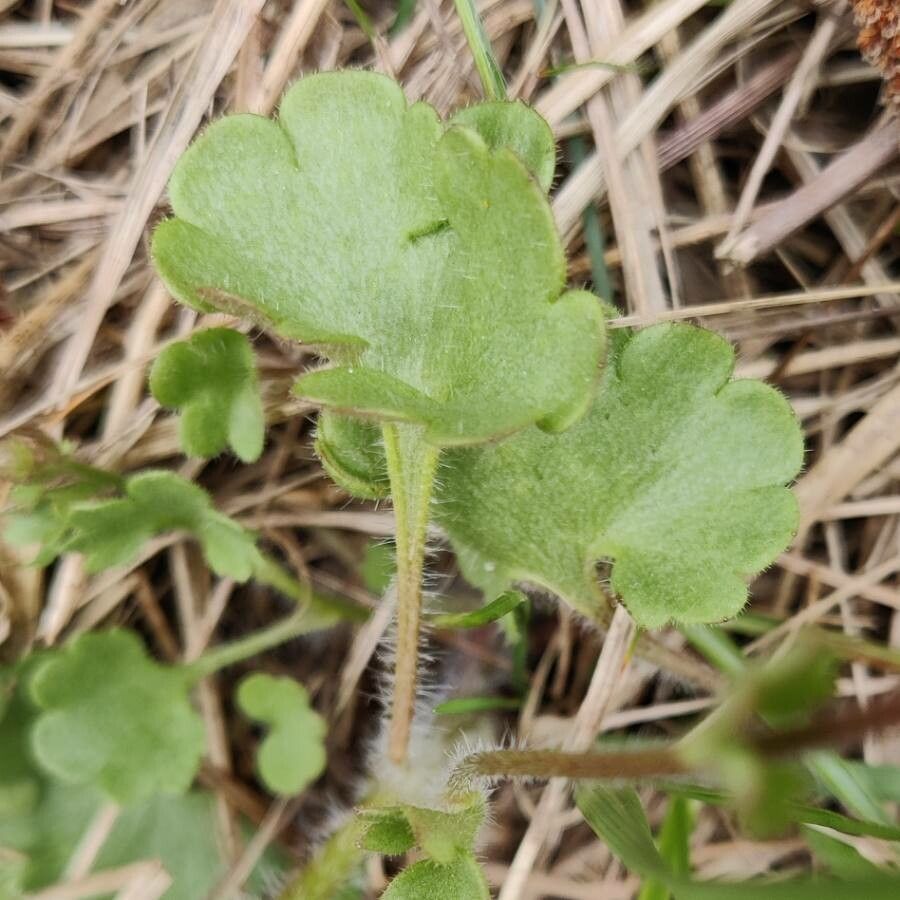
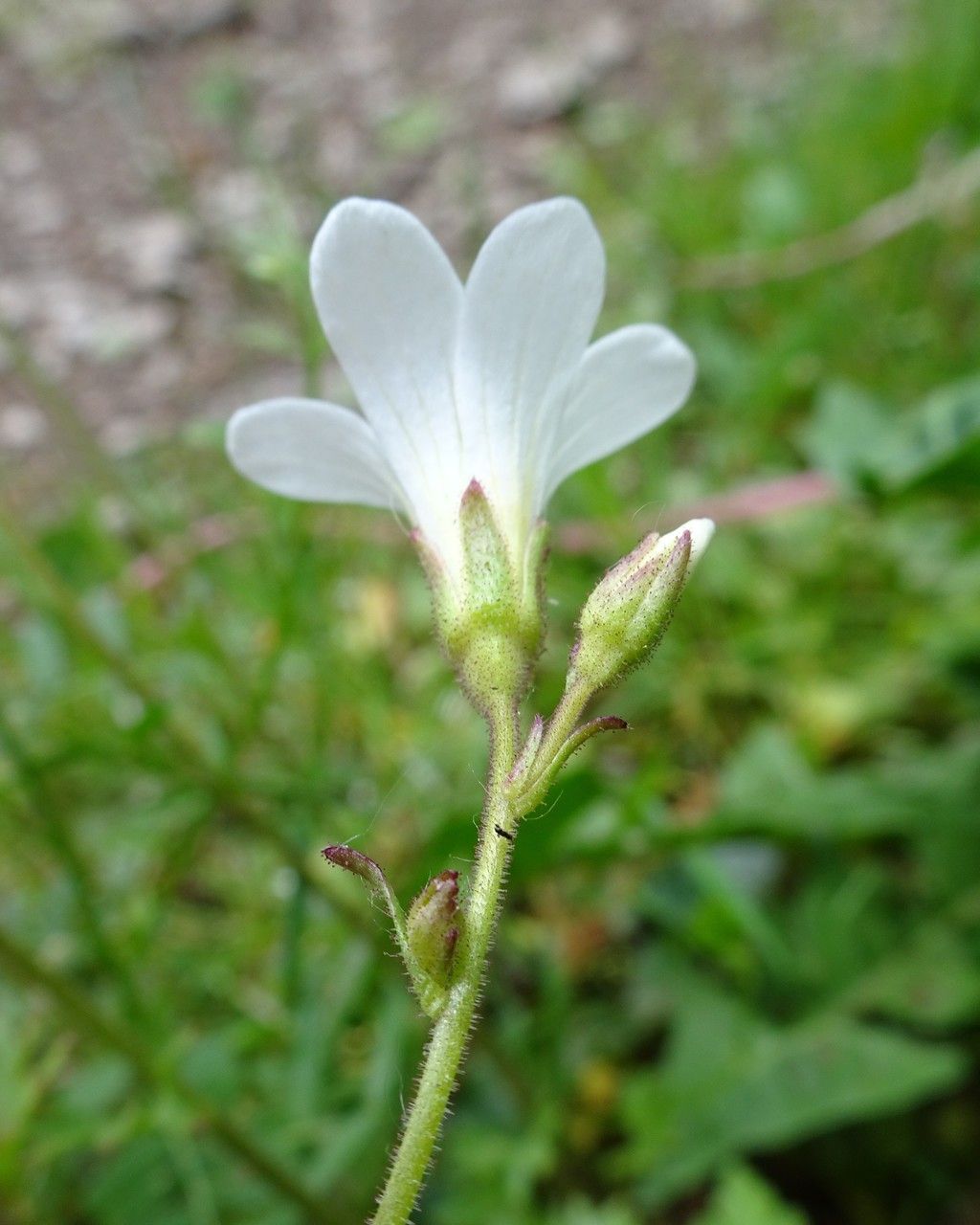
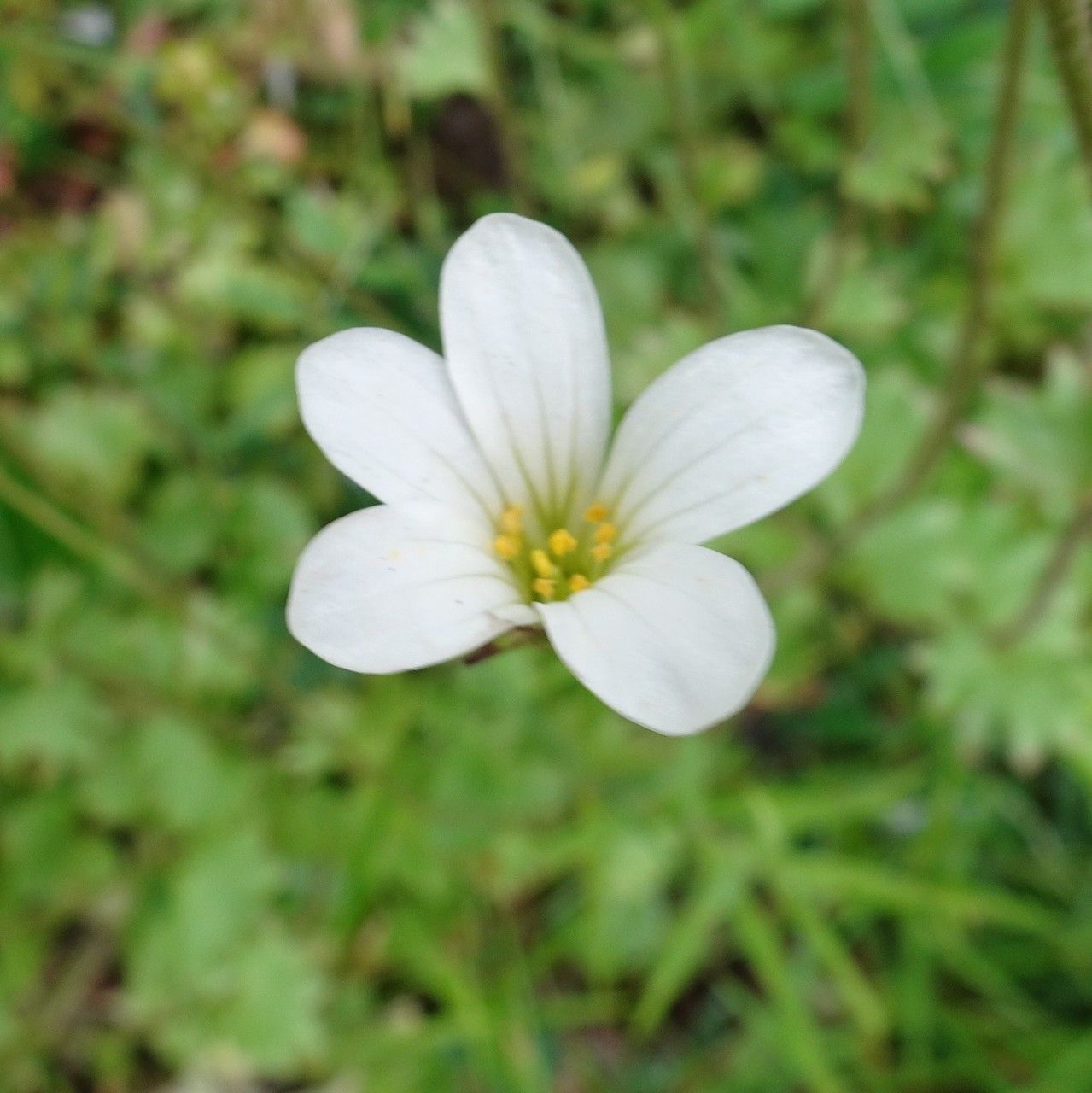
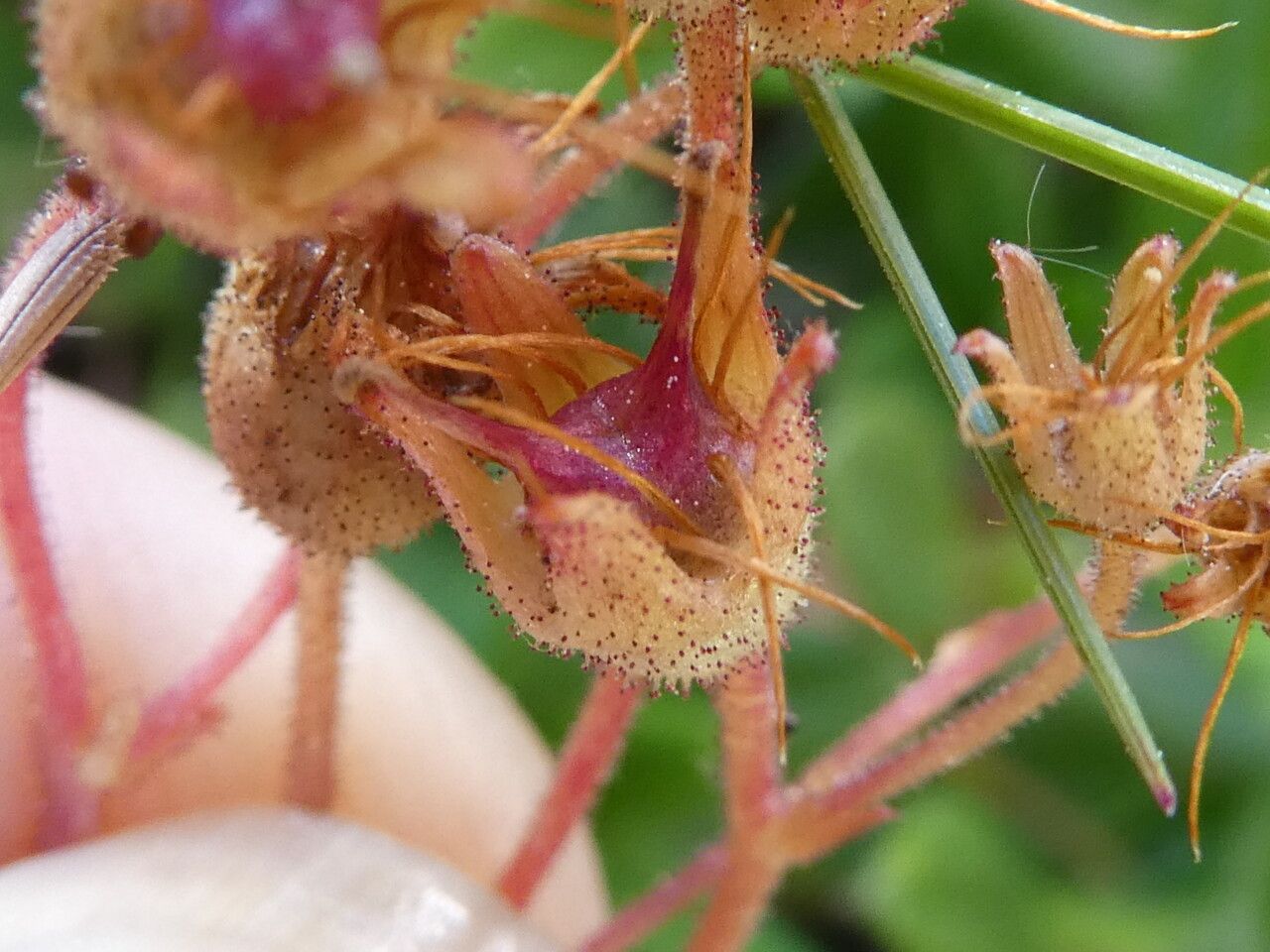
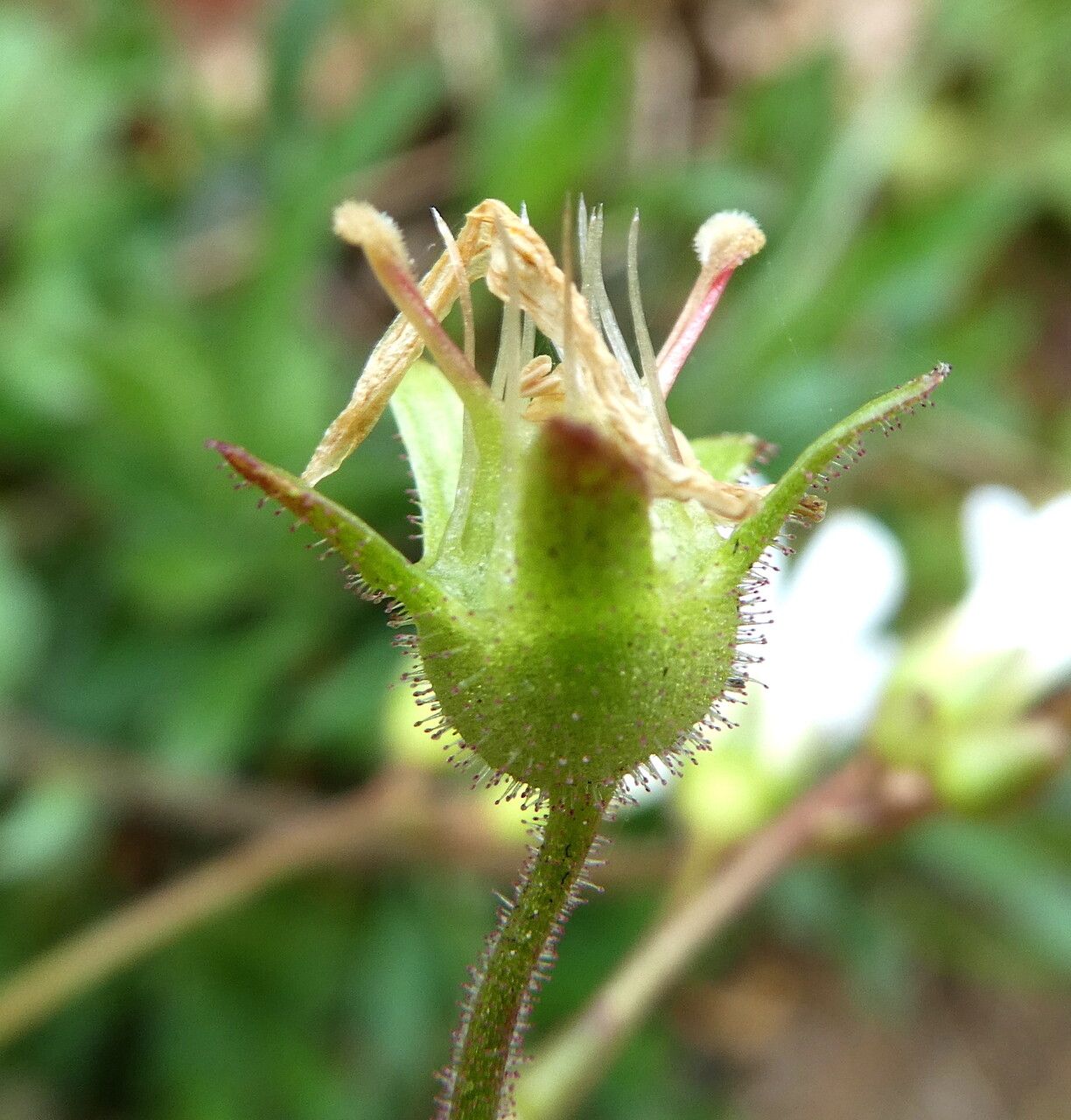
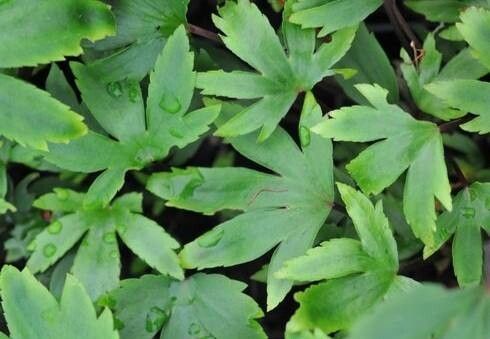
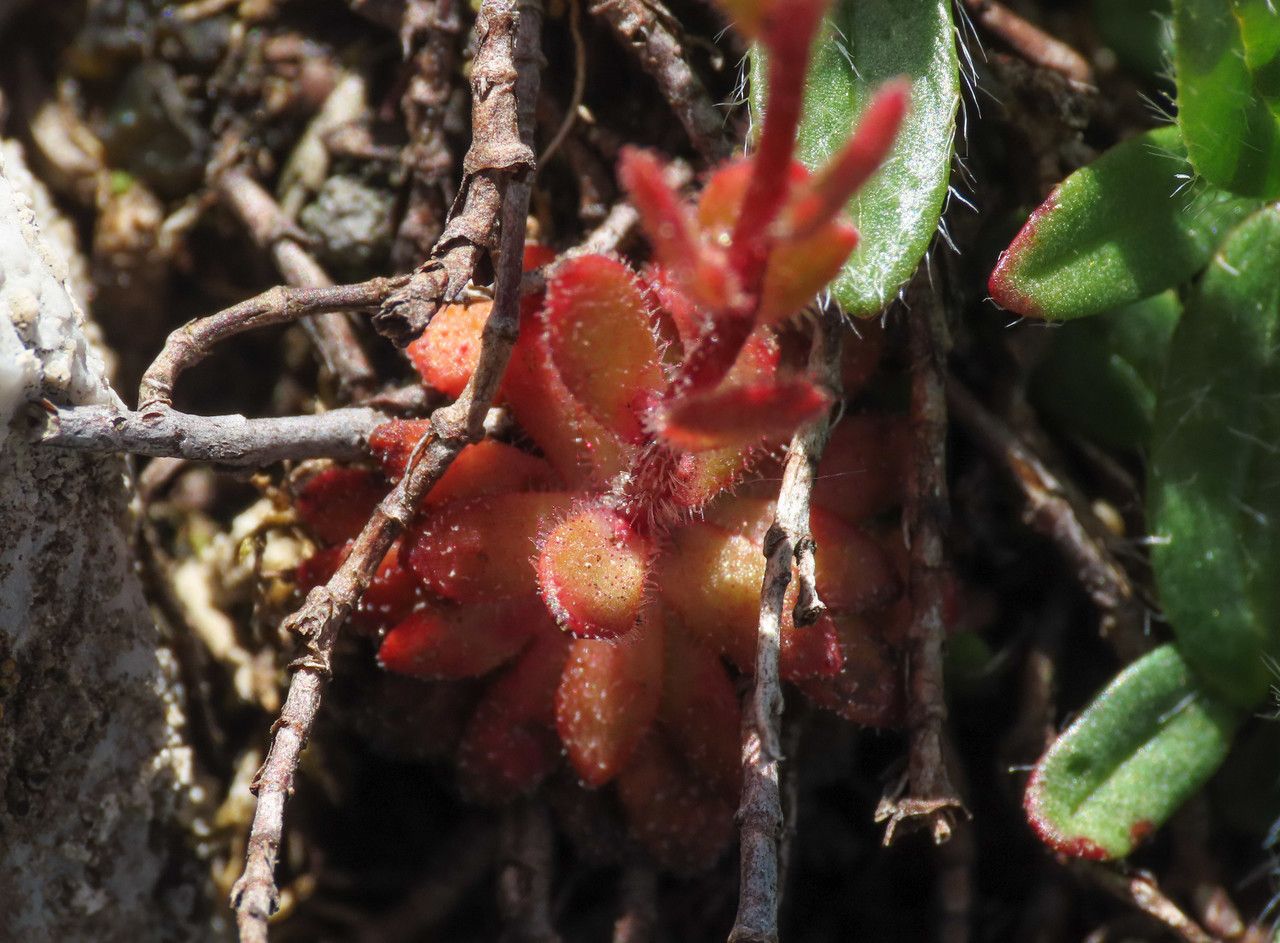
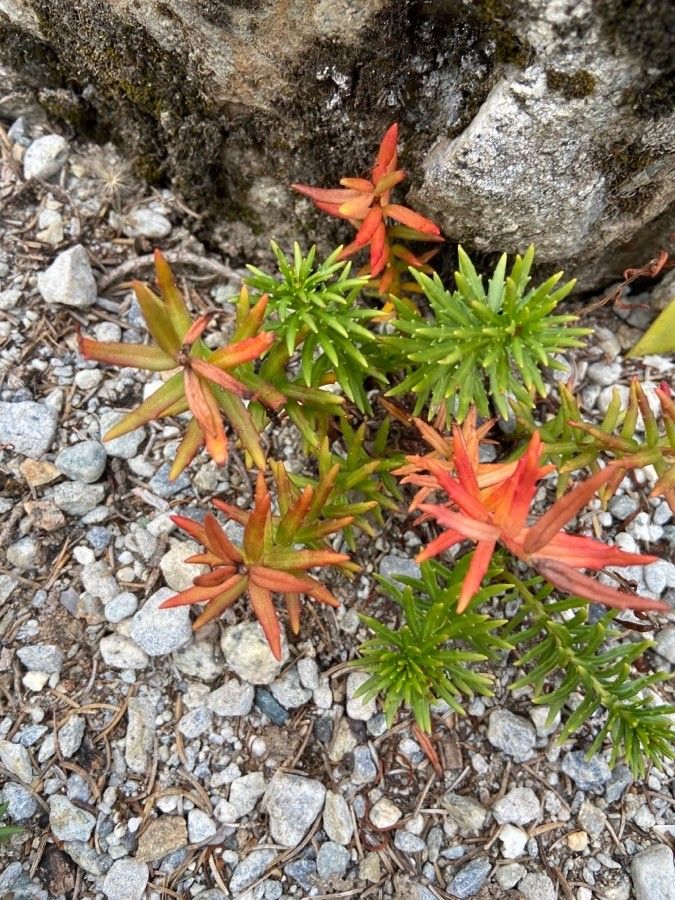
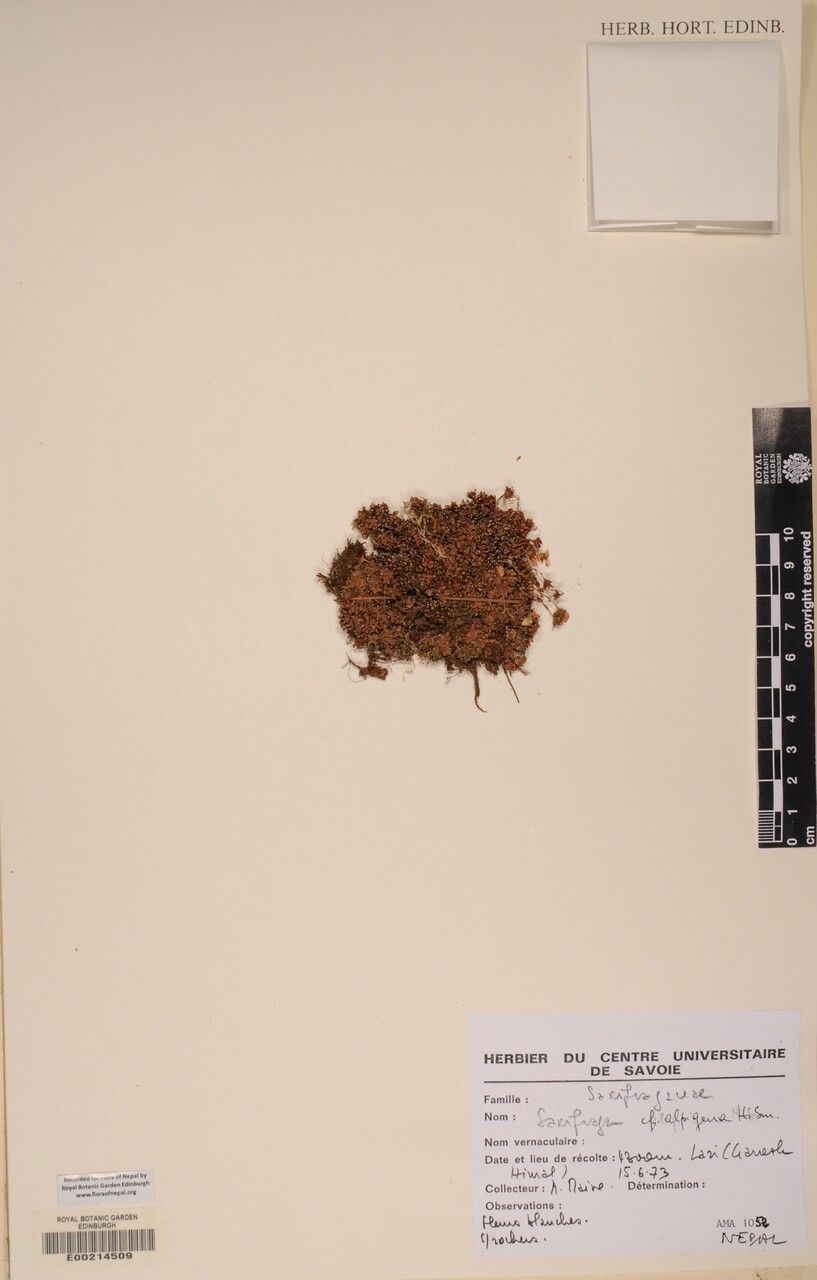
Saxifraga granulata, commonly known as Meadow Saxifrage, is a perennial herbaceous plant that belongs to the Saxifragaceae family. Native to Europe and Asia, this plant thrives in meadows, grasslands, and rocky areas. Typically, it grows up to 30 cm in height and features a basal rosette of deeply lobed, toothed leaves. The small flowers are white or pinkish, with five petals arranged in a star shape, blooming from May to July on long stems above the foliage.
Saxifraga granulata prefers well-drained soils rich in organic matter but can also tolerate poor soils. It thrives in full sun or partial shade but can grow under full shade conditions as well.
Historically, the plant has been used for medicinal purposes due to its anti-inflammatory properties. It has served as an herbal remedy for various ailments, including wounds, respiratory problems, and digestive issues.
Beyond its medicinal uses, Saxifraga granulata is an attractive ornamental plant. Its delicate flowers make it suitable for rock gardens or border planting schemes.
Overall, Saxifraga granulata is a versatile herbaceous perennial that offers both ornamental value and medicinal benefits, making it an excellent addition to any garden or landscape design project.
Meadow saxifrage is fairly disease-resistant and generally does not suffer from illnesses. Nevertheless, it can be affected by pests and diseases present in its environment. These issues tend to be mild. Regarding care, this plant needs moderate maintenance. It should be pruned regularly to preserve a neat appearance and encourage healthy growth. Feeding the plant can also support better flowering. Meadow saxifrage works well for anyone with outdoor space, such as a garden or patio, and does not demand extensive gardening experience. It may need more attentive care if kept indoors.
How to keep Saxifraga Granulata.
Light
The meadow saxifrage prefers a moderate amount of sunlight. Excessive sun can scorch its leaves, while insufficient light can impede its growth and flowering. Consequently, it does best in locations that alternate between sun and shade, similar to its natural environment where it grows among plants that partially filter the sunlight.
Water
Meadow saxifrage thrives in temperate zones with consistent moisture. It prefers soil that remains evenly moist, helping it avoid issues related to drought or excessive humidity. To ensure healthy growth, water the plant weekly to maintain the proper moisture balance. This resilient plant is commonly cultivated outdoors and flourishes when the soil moisture aligns with natural precipitation patterns.
Temperature
Meadow saxifrage, native to temperate zones, does best at temperatures of 50 to 95 °F (10 to 35 ℃). Seasonal adjustments may be necessary: keep it warmer in winter and give it shade during very hot summer weather.
Fertilizer
Meadow saxifrage should be fertilized mainly in early spring as the flowers begin to form. The proper fertilizer promotes stronger blooms and helps Meadow saxifrage produce attractive flowers. Fertilizing at that early-spring stage ensures good flowering during the season and supplies energy for dormant growth phases.
Pruning
Meadow saxifrage is characterized by its delicate white flowers and rosette-forming structure. For best results, prune the plant from early to late spring, making sure to remove any dead foliage to improve air circulation. Take care to avoid making deep cuts into the crown. Pruning after the flowers have bloomed can enhance the number of flowers in the following season. Consistent maintenance not only revitalizes growth but also helps prevent disease.
Pot & Repot
Repot meadow saxifrage every 2-3 years in the spring, using a medium-sized pot with good drainage. After repotting, ensure the plant receives regular watering and partial sunlight. Using a slightly larger container will encourage growth without the risk of overpotting. Handle the plant carefully to minimize stress on the roots during the transplanting process.
Botanical profile.
- Plant Type
- Herb
- Life Cycle
- Perennial
- Genus
- Saxifraga
- Family
- Saxifragaceae
- Hardiness Zone
- 6-9
- Mature Height
- 15 cm to 40 cm
- Mature Spread
- 30 cm
- Leaf Color
- Green
- Leaf Type
- Deciduous
- Flower Color
- White
- Flower Size
- 2.54 cm
- Bloom Time
- Early spring, Mid spring
- Planting Time
- Summer
- Harvest Time
- Late spring, Early summer
- Native Area
- Sweden, Austria, Czech Republic, Slovakia, Montenegro, Poland, Croatia, Slovenia, Morocco, Belarus, Serbia, Russia, Lithuania, Norway, Germany, Italy, Spain, Switzerland, Denmark, Estonia, Finland, France, Ireland, United Kingdom, Hungary, Latvia, Belgium, Portugal
Other names.
Reader questions.
How should I water my Meadow saxifrage in the best way?
To properly water the Meadow saxifrage, use filtered water at room temperature. Tap water may contain harmful particles, so filtered water is preferred. Since this plant thrives in warm environments, avoid using cold water as it can shock the plant. Additionally, it's best to avoid overhead watering to prevent foliage complications. Instead, gently pour filtered room temperature water onto the soil until it is completely saturated. This helps to moisten the roots and allows them to spread through the soil to collect nutrients effectively.
Why should I put fertilizer on my Meadow saxifrage?
Fertilization is important for the Meadow saxifrage for a few reasons. It provides key nutrients that help the plant grow both above and below ground. However, the Meadow saxifrage doesn't require a lot of fertilization. Sometimes, it can even survive well without it. Nevertheless, annual fertilization can greatly benefit the Meadow saxifrage by keeping it alive and encouraging the production of better and longer-lasting flowers. Therefore, those who want their Meadow saxifrage to look its best should make sure to fertilize it every year.
What are the sunlight requirements for Meadow saxifrage?
Meadow saxifrage requires a medium level of sunlight exposure, thriving best in conditions that offer a mix of sun and shade throughout the day. It can tolerate about 3-6 hours of sunlight, known as partial sun, but grows well in full shade too, which is less than 3 hours of sunlight. The plant's ideal environment mimics its natural habitat where sunlight is moderately filtered by surrounding vegetation. Observing the movement of sunlight through your garden and choosing spots that maintain a balance of light and shade will ensure the plant's well-being.
What are the ideal growing conditions for Meadow Saxifrage?
Meadow Saxifrage, botanically known as Saxifraga granulata, is native to temperate regions and thrives best in temperatures ranging from 50 to 95 °F (10 to 35 ℃). It has strong cold resistance, which means special frost protection measures are usually not necessary. However, during extreme seasons, some adjustments might be required. For instance, ensuring a warmer environment during winter and providing shade during the scorching summer heat are essential. If winter temperatures are expected to drop below -25°C, it's important to protect the plant using materials such as soil or straw. Additionally, watering the plant abundantly before the first freeze in autumn helps keep the soil moist and prevents drought and water scarcity during winter and early spring.
What can I do if I give my Meadow saxifrage too much or too little water?
Both overwatering and underwatering can harm your Meadow saxifrage, but overwatering is more common. When the plant is overwatered, the stems and leaves may wilt and turn yellow. Overwatering for a long time can also cause diseases like root rot, mold, and mildew, which can kill the plant. Underwatering is less likely, as the Meadow saxifrage is somewhat drought tolerant. However, it is still possible, and if it happens, the leaves will become brittle and brown. It's important to detect signs of overwatering early when caring for your Meadow saxifrage. Some diseases caused by overwatering, like root rot, may be irreversible if not addressed promptly. If you see early signs of overwatering, reduce your watering schedule and check the soil's drainage. Replace poorly draining soil with a loose, well-draining potting mix. If signs suggest your Meadow saxifrage is not getting enough water, simply water more regularly until the signs improve.
When should I fertilize my Meadow saxifrage?
The best time to fertilize a Meadow saxifrage is in the late winter to early spring. This is when the plant is coming out of its dormant phase and starting to grow actively. Fertilizing during this time helps promote healthy growth and gives the plant a strong start for the season. Although it is generally recommended to fertilize in early spring, it is also okay to fertilize in the fall. However, it is not advisable to fertilize in the summer or winter.
How does artificial lighting affect Meadow saxifrage when grown indoors?
When natural sunlight is insufficient, especially during winter or in less sunny indoor locations, artificial lighting becomes essential for Meadow saxifrage's growth. Adequate lighting is critical, with LED lights being a preferred option due to their ability to provide specific light wavelengths that plants need. The intensity of artificial light should be adjusted based on the plant's requirement: 30-50W/sq ft for full sun plants, 20-30W/sq ft for partial sun plants, and 10-20W/sq ft for full shade plants. The light source should be placed 12-36 inches above the plant to mimic natural sunlight and should remain on for 8-12 hours per day to simulate the natural length of daylight hours.
How does Meadow Saxifrage respond to low temperatures?
Meadow Saxifrage is cold-tolerant and performs well in temperatures above 10°C. During winter, it should be maintained above -15°C to ensure health and vigor. If temperatures fall below -25°C, while there may not be noticeable changes during the winter, a decreased sprouting or even absence of sprouting may be observed come springtime. To manage this, any parts of the plant that have failed to sprout in the spring should be removed.
How frequently should I water my Meadow saxifrage?
If your Meadow saxifrage is in a pot, the most precise way to determine if it needs water is to stick your finger into the soil. If the top two to three inches of soil are dry, it's time to water it. If you're growing your Meadow saxifrage outdoors in the ground, you can use the same method to test the soil. Again, if the top few inches of soil have dried out, it's time to water it. Generally, during the spring and early fall, you'll need to water this plant approximately once a week using this method. However, during extremely hot weather, you may need to water it two or more times a week. It's worth noting that mature, well-established Meadow saxifrage plants have a strong ability to withstand drought.
When is the best time to not use fertilizer on my Meadow saxifrage?
To ensure the health of your Meadow saxifrage, it is important to only fertilize it in late winter and early spring. This plant has low fertilization needs, so a single annual feeding during this time is sufficient. Avoid fertilizing during spring, summer, and fall as this can easily lead to overfertilization and its associated complications. The only exception is if you missed fertilizing in spring, in which case it is acceptable to feed the plant in the fall. Additionally, there is no need to fertilize during the winter when the Meadow saxifrage is in a dormant growth phase and does not require new growth.
What are the symptoms of inadequate lighting for Meadow saxifrage?
Meadow saxifrage shows several symptoms when it doesn't receive enough light. These include smaller new leaves, leggy or sparse growth, faster leaf drop, slower or no new growth, and lighter-colored new leaves. Additionally, excessive sunlight can cause chlorosis, where leaves lose their green color, sunscald, leaf curling as a defense mechanism to excessively sunny conditions, wilting due to increased water loss, and leaf scorching marked by brown, dry, and crispy leaf edges.
How should Meadow Saxifrage be cared for in high temperatures?
In high-temperature conditions, particularly during summer, it is crucial to ensure that Meadow Saxifrage is kept below 35°C. Exposure to temperatures above 38°C can lead to leaves becoming lighter in color, prone to curling, susceptibility to sunburn, and in severe cases, can cause the entire plant to wilt and dry out. To mitigate these effects, trim away sunburned and dried-up parts of the plant. Moving the plant to a location that provides shade during the midday and afternoon sun, or utilizing a shade cloth, can be beneficial. Additionally, watering the plant in the morning and evening will help maintain soil moisture and plant health.