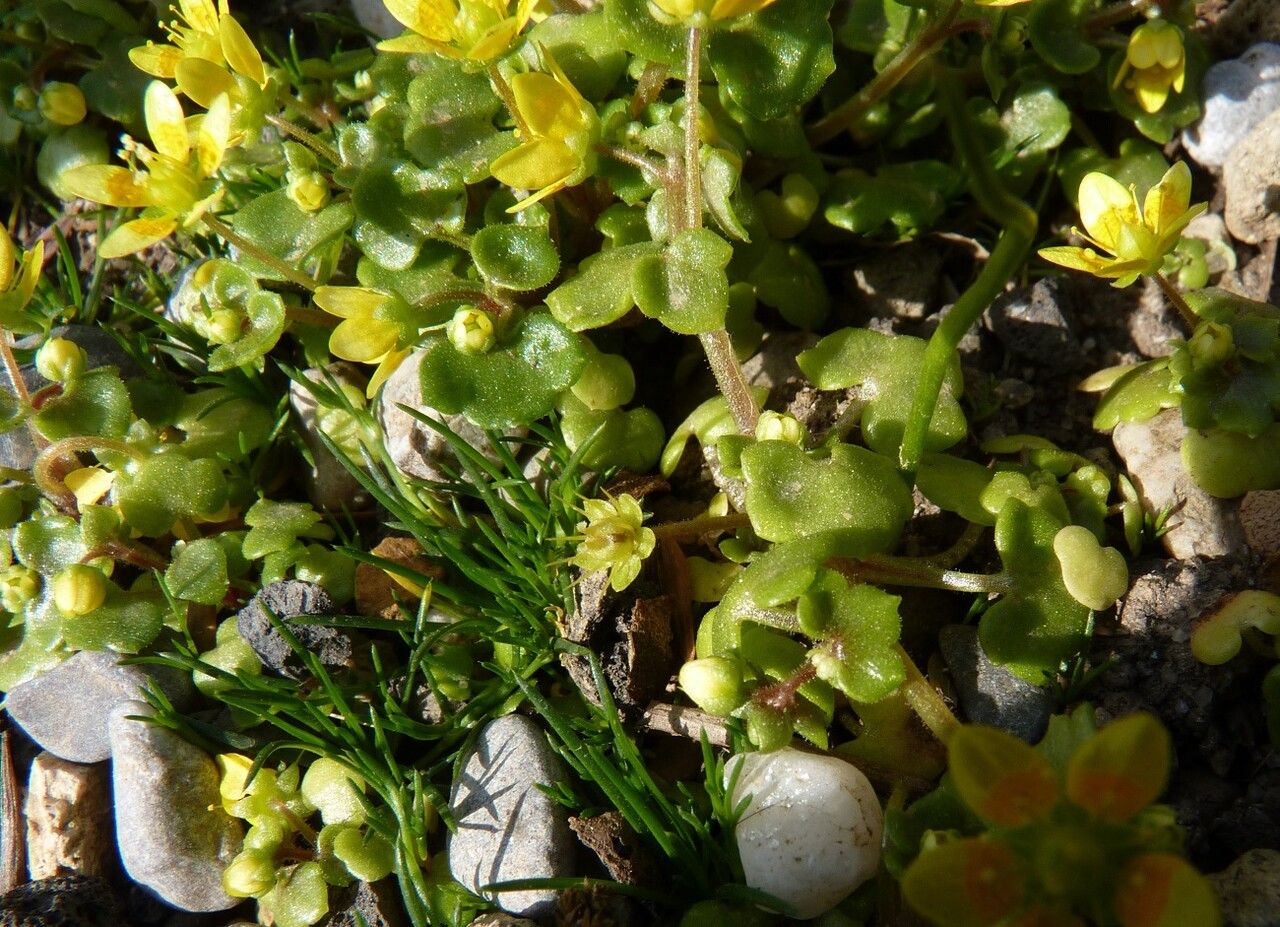
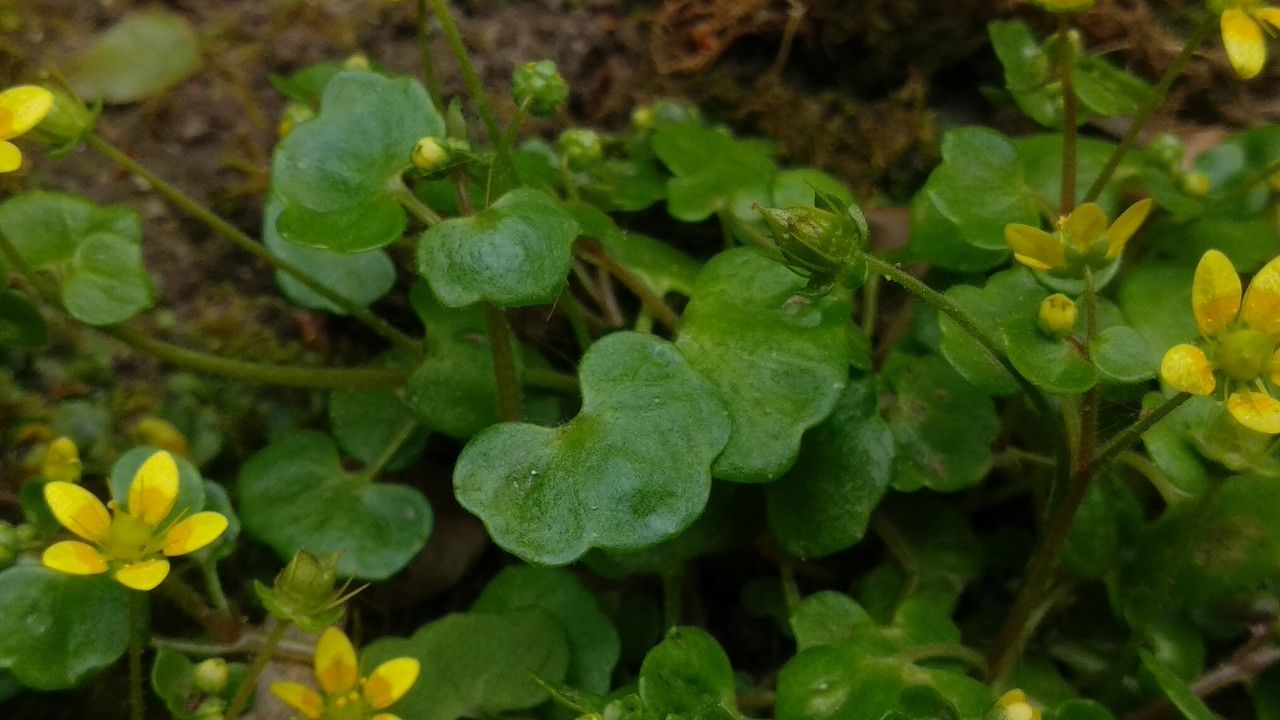
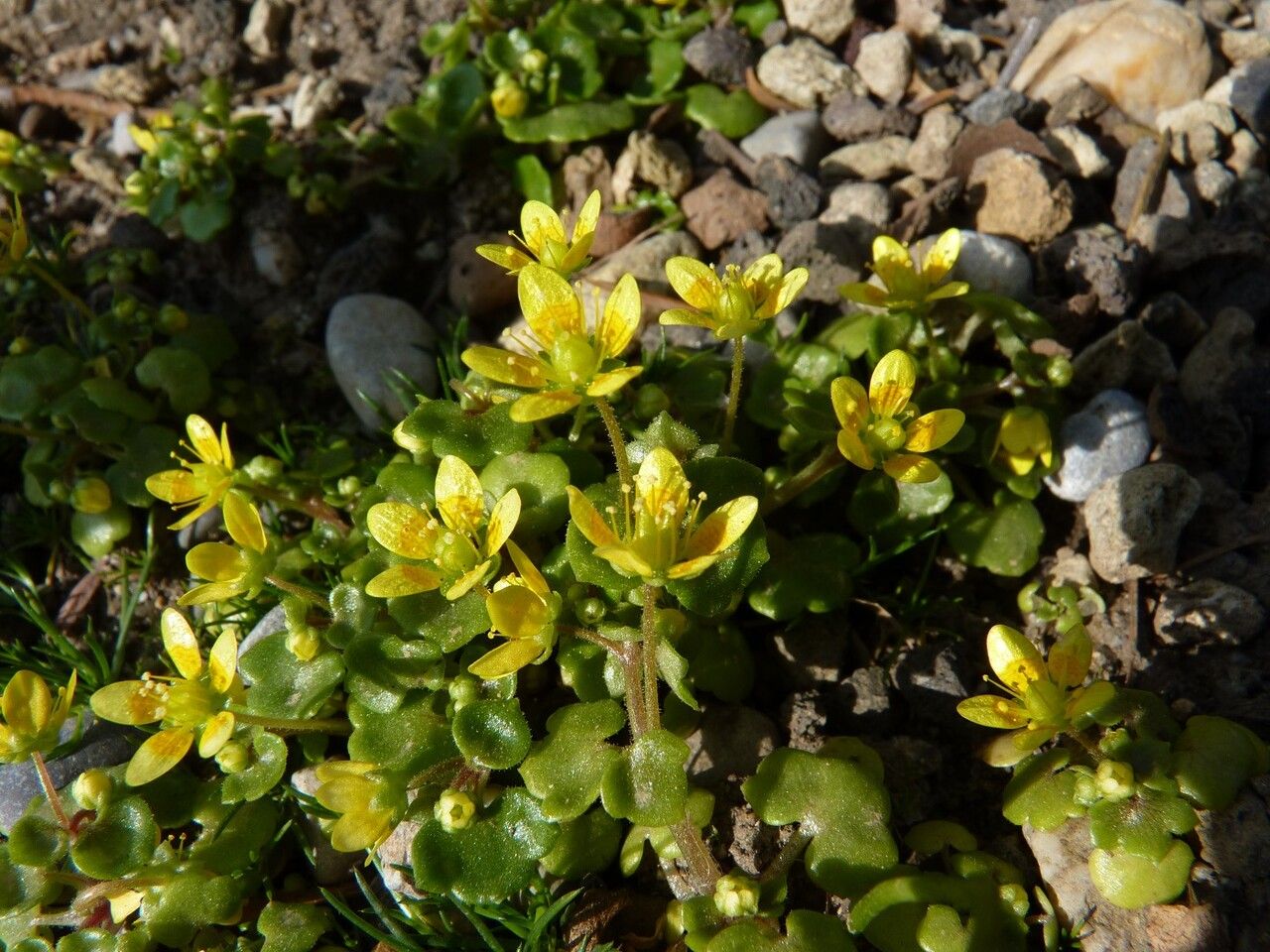
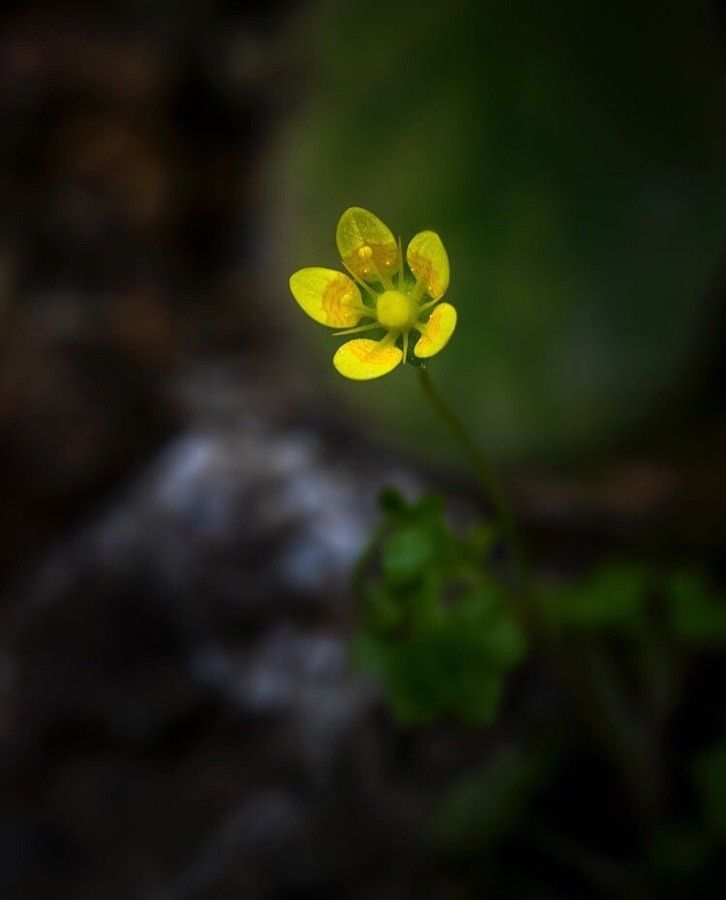
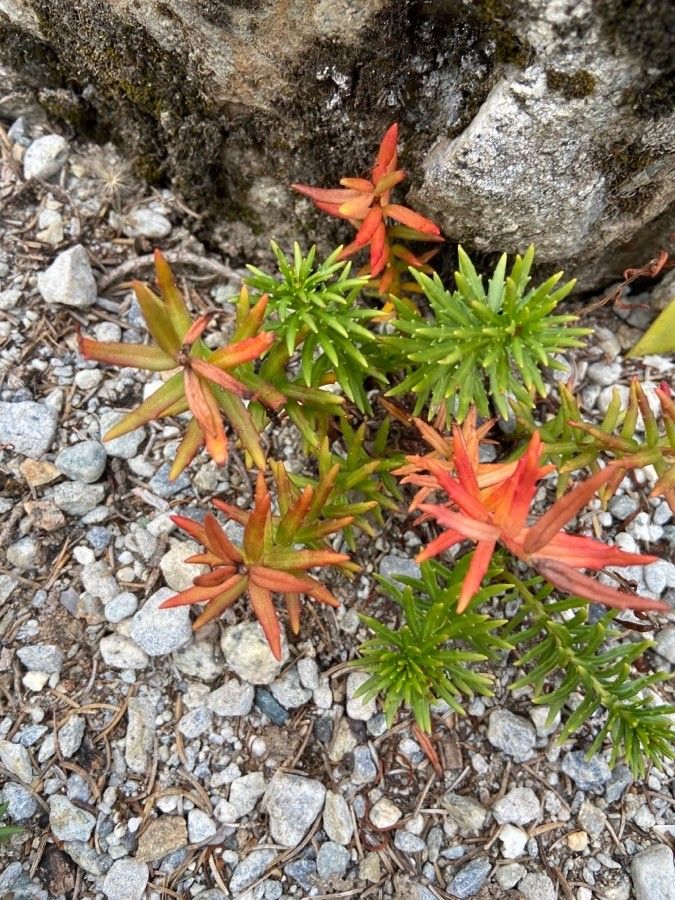
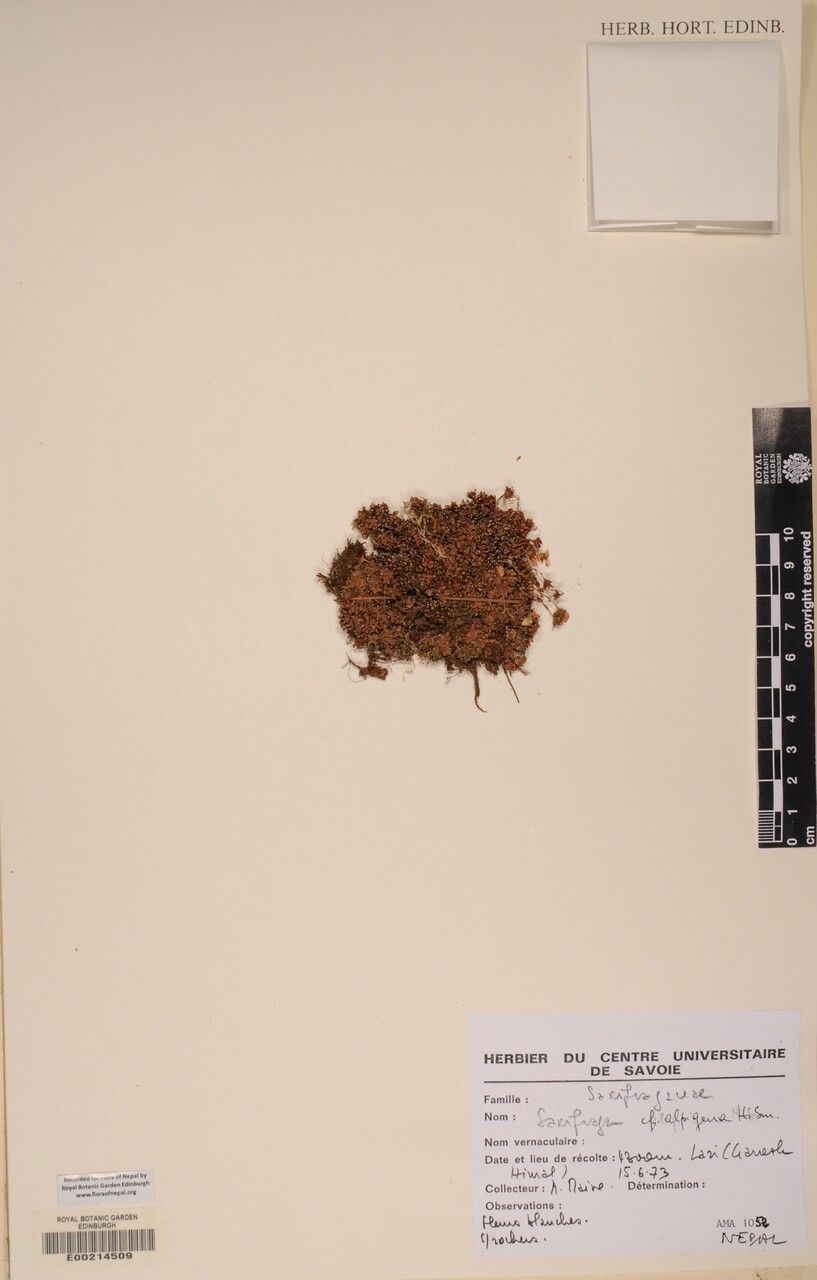
Celandine saxifrage is fairly disease-resistant and is usually not susceptible to illnesses. However, it can be affected by pests and diseases present in its surroundings. These problems are typically mild. For care, this plant requires moderate maintenance. It should be pruned regularly to maintain a neat appearance and healthy growth. Fertilizing can also help encourage flowering. Celandine saxifrage is suitable for anyone with outdoor space, such as a garden or patio, and does not demand extensive gardening experience. It may need more attention if grown indoors.
How to keep Saxifraga Cymbalaria.
Light
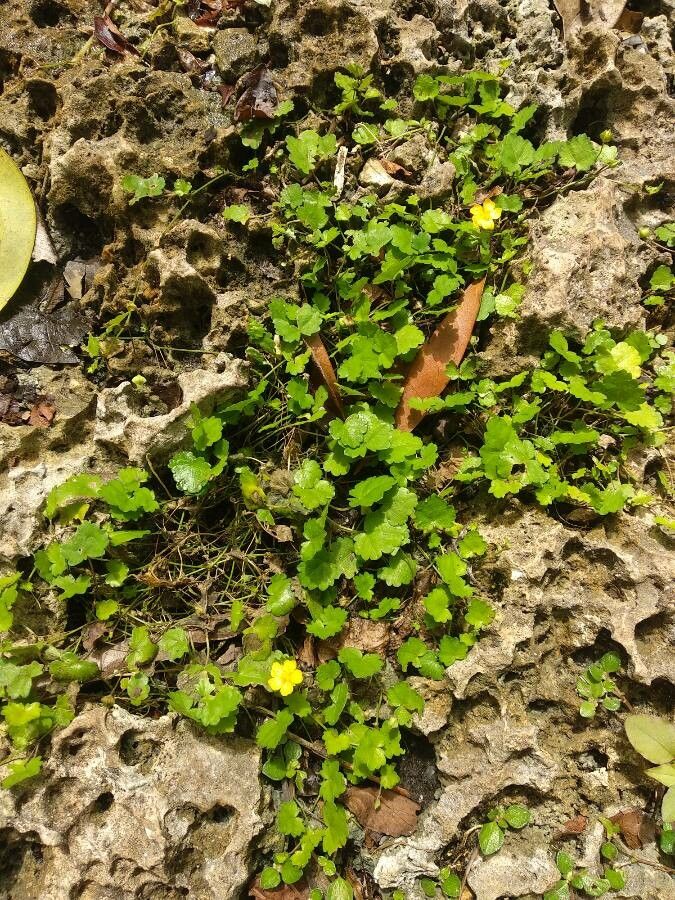
Celandine saxifrage is native to habitats like forest understories and rocky areas, where it occurs in natural shade. It prefers partial sun but can tolerate full sun or full shade, reflecting its hardy and adaptable nature.
Fertilizer
The best time to fertilize Celandine saxifrage is in early spring when its flowers are forming. Using the appropriate fertilizer promotes better blooms and helps Celandine saxifrage produce attractive flowers. Fertilizing in early spring ensures strong flowers during the season and supplies energy for dormant growth phases.
Pruning
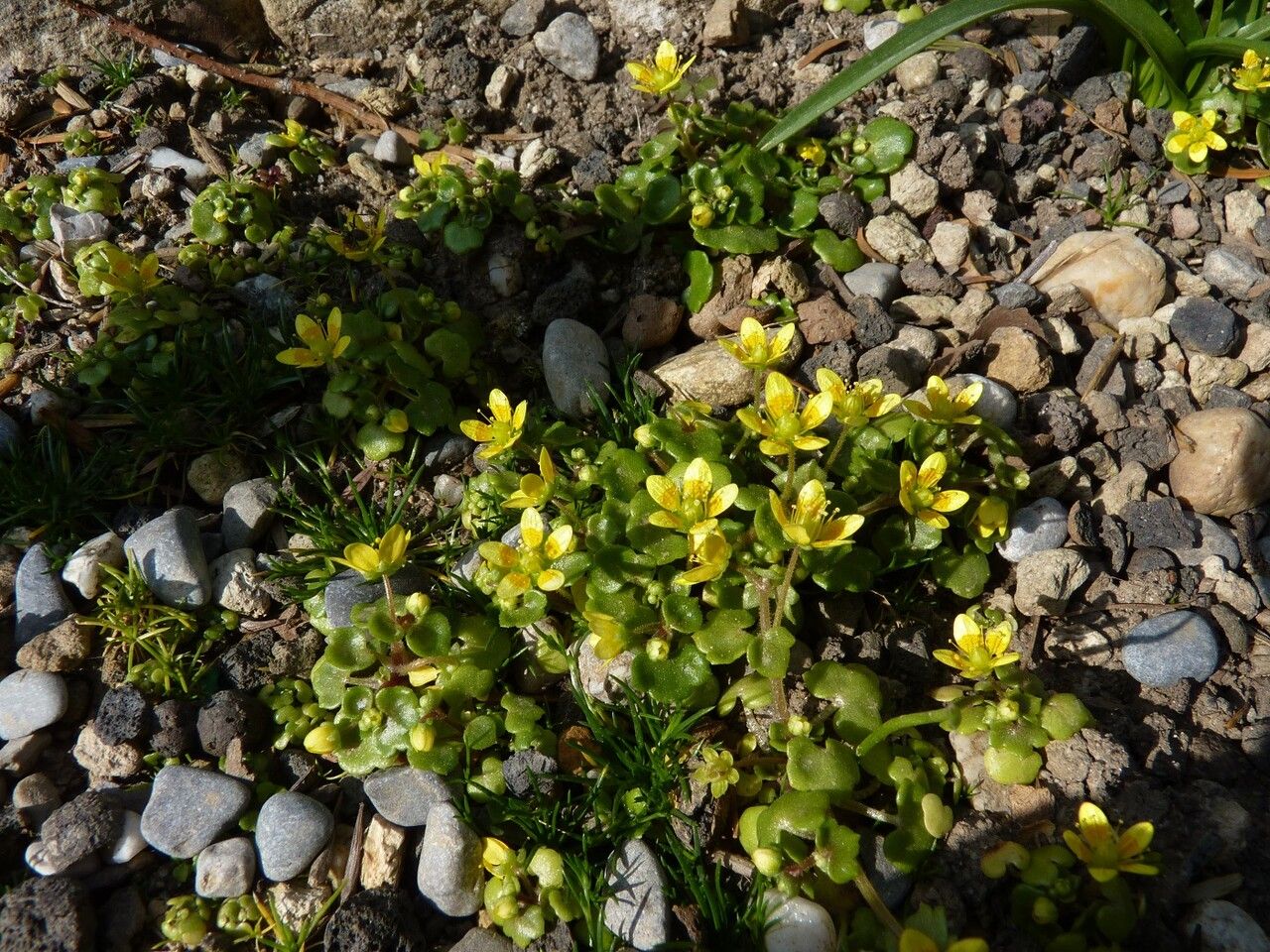
Celandine saxifrage is a low-growing perennial herb known for its rosette leaves and yellow flowers. To encourage healthy growth, prune the plant from early to late spring to remove any dead stems. Be careful not to prune too heavily. Always ensure your tools are clean to prevent disease, which will also help improve air circulation and promote blooming.
Botanical profile.
- Plant Type
- Herb
- Life Cycle
- Perennial
- Genus
- Saxifraga
- Family
- Saxifragaceae
- Hardiness Zone
- 5-9
- Mature Height
- 5 cm to 15 cm
- Mature Spread
- 10 cm to 30 cm
- Leaf Color
- Light Green, Dark Green
- Leaf Type
- Evergreen
- Flower Color
- Yellow
- Flower Size
- 0.51 cm to 1.02 cm
- Bloom Time
- Spring, Summer
- Planting Time
- Spring, Summer, Autumn
- Harvest Time
- Late spring, Summer, Early fall, Mid fall
Other names.
Reader questions.
What are the sunlight requirements for Celandine saxifrage (Saxifraga cymbalaria)?
Celandine saxifrage, scientifically known as Saxifraga cymbalaria, thrives under specific sunlight conditions. It requires partial sun, meaning it should receive about 3-6 hours of sunlight a day. For those areas with less light, it can also grow in full shade, where it gets less than 3 hours of sunlight. When cultivating Celandine saxifrage, it's important to observe the natural sunlight patterns in your garden. Select locations that offer an ideal mix of light and shade to ensure the plants' optimal growth and happiness.
What is Celandine saxifrage?
Celandine saxifrage, botanically known as Saxifraga cymbalaria, is a plant species. Details about its essentials, such as its uses, care, or specific characteristics, were not provided. Additionally, information regarding symptoms related to this plant, possibly in the context of care issues, diseases, or pests, was not given.