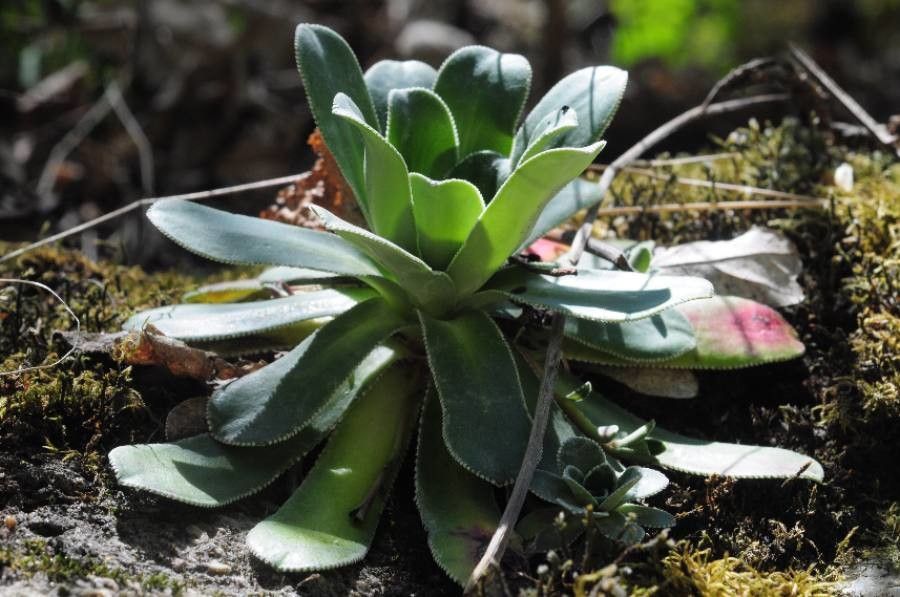
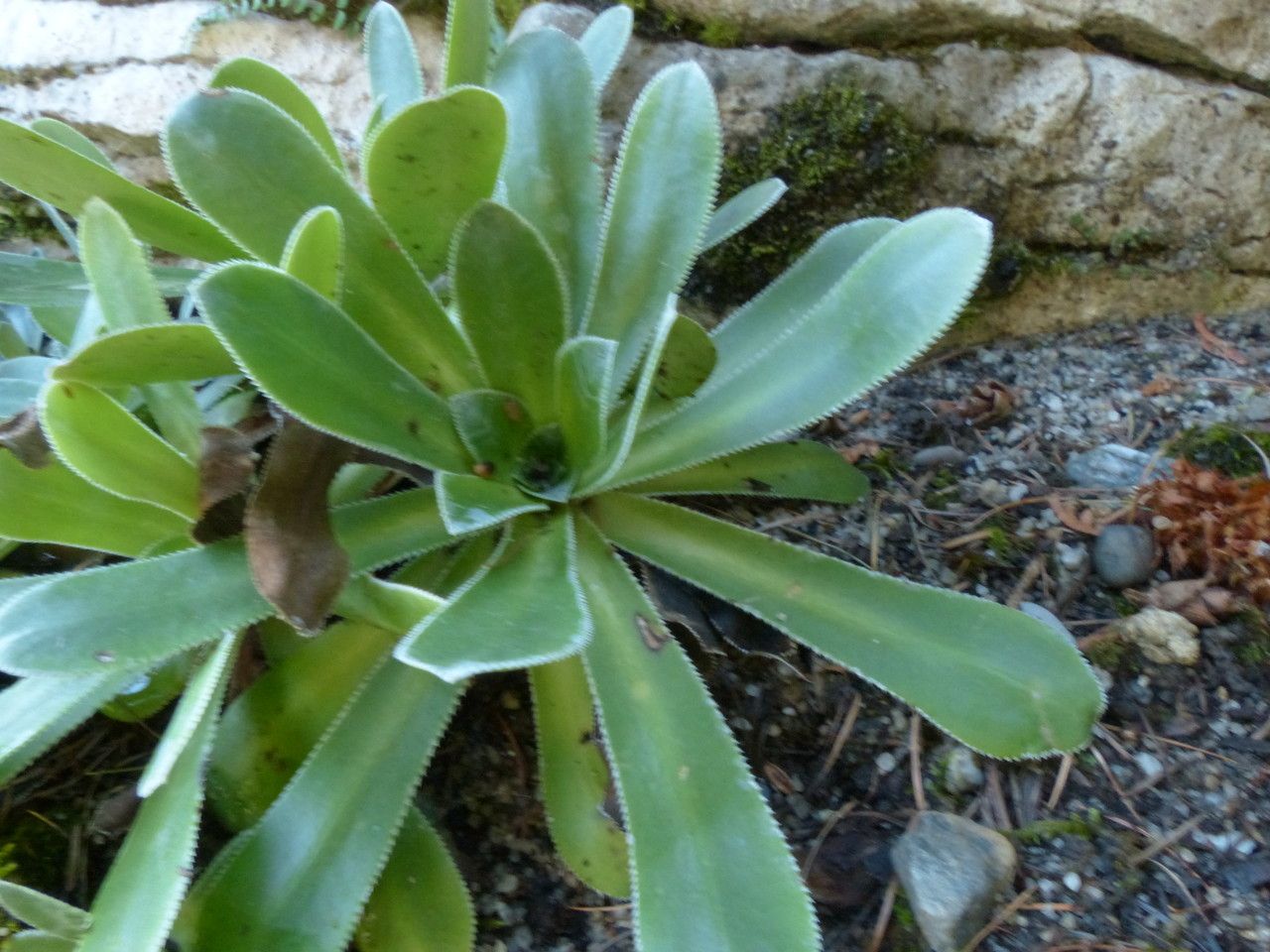
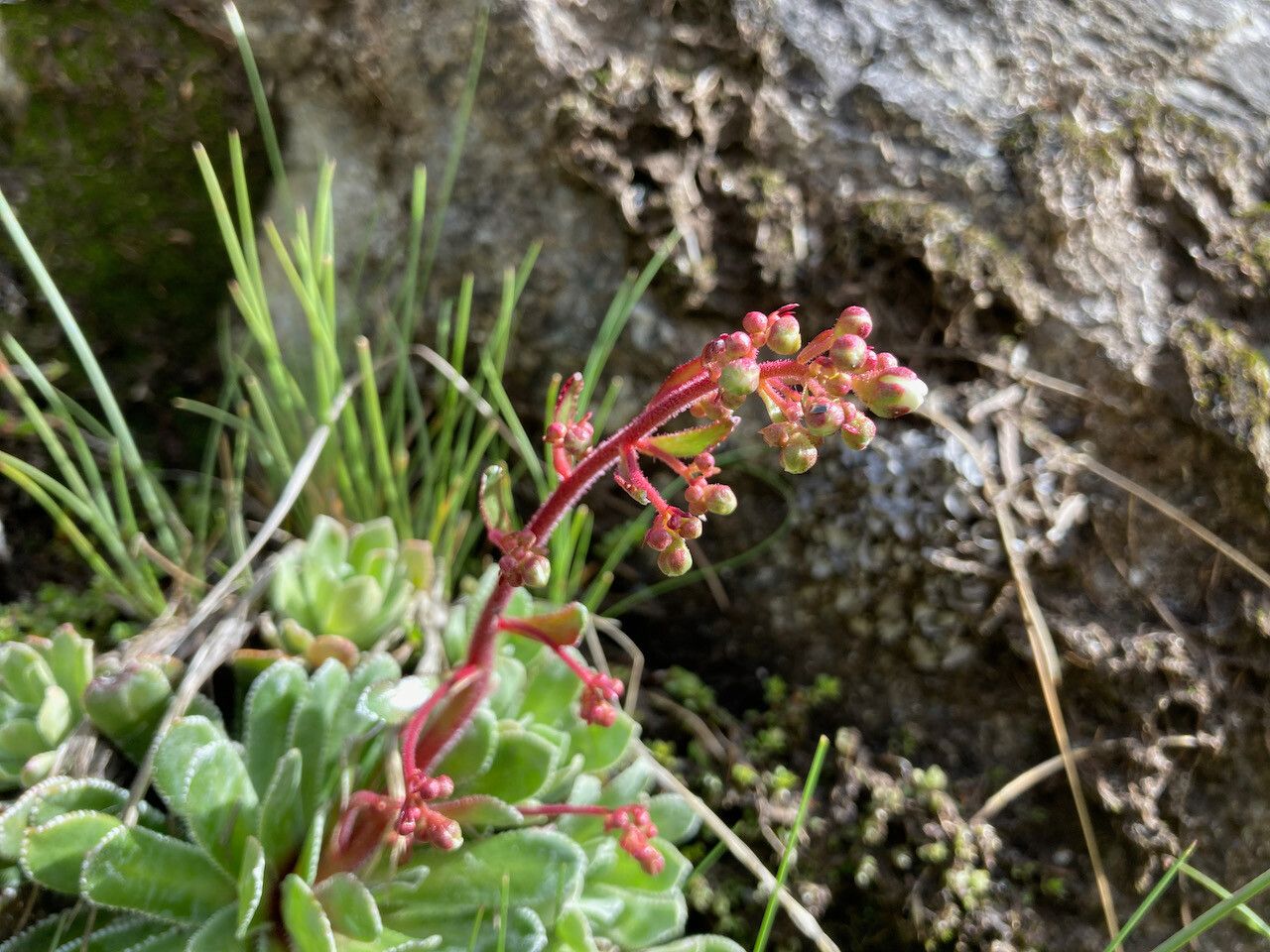
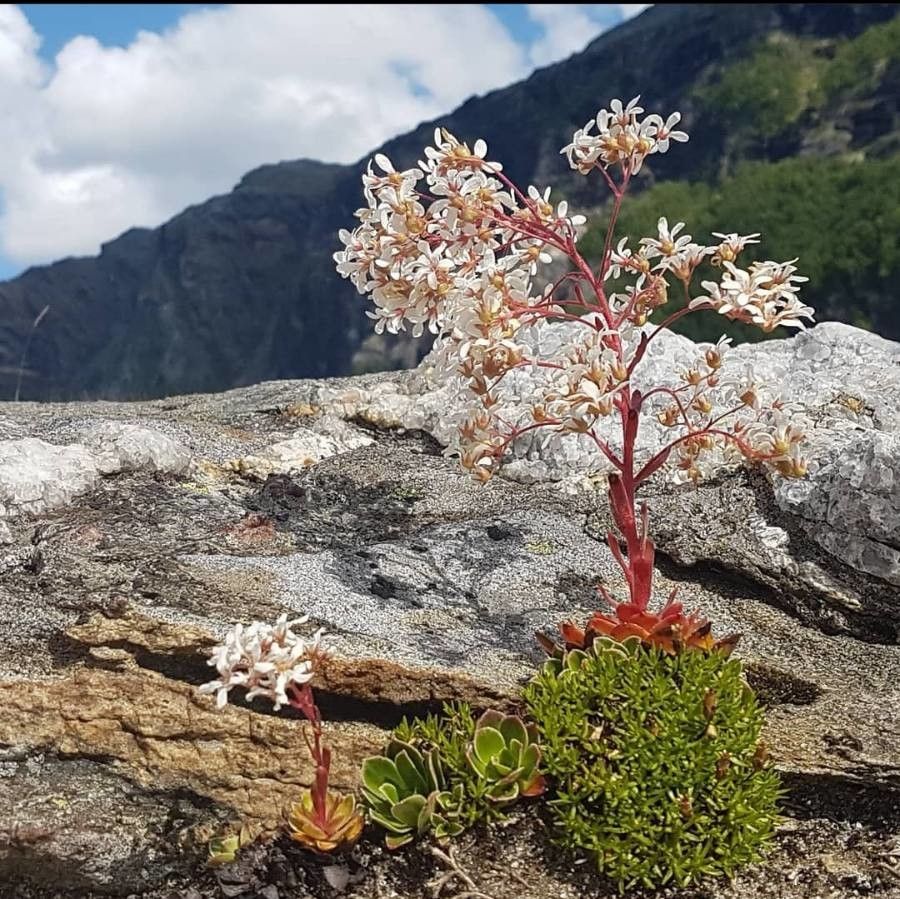
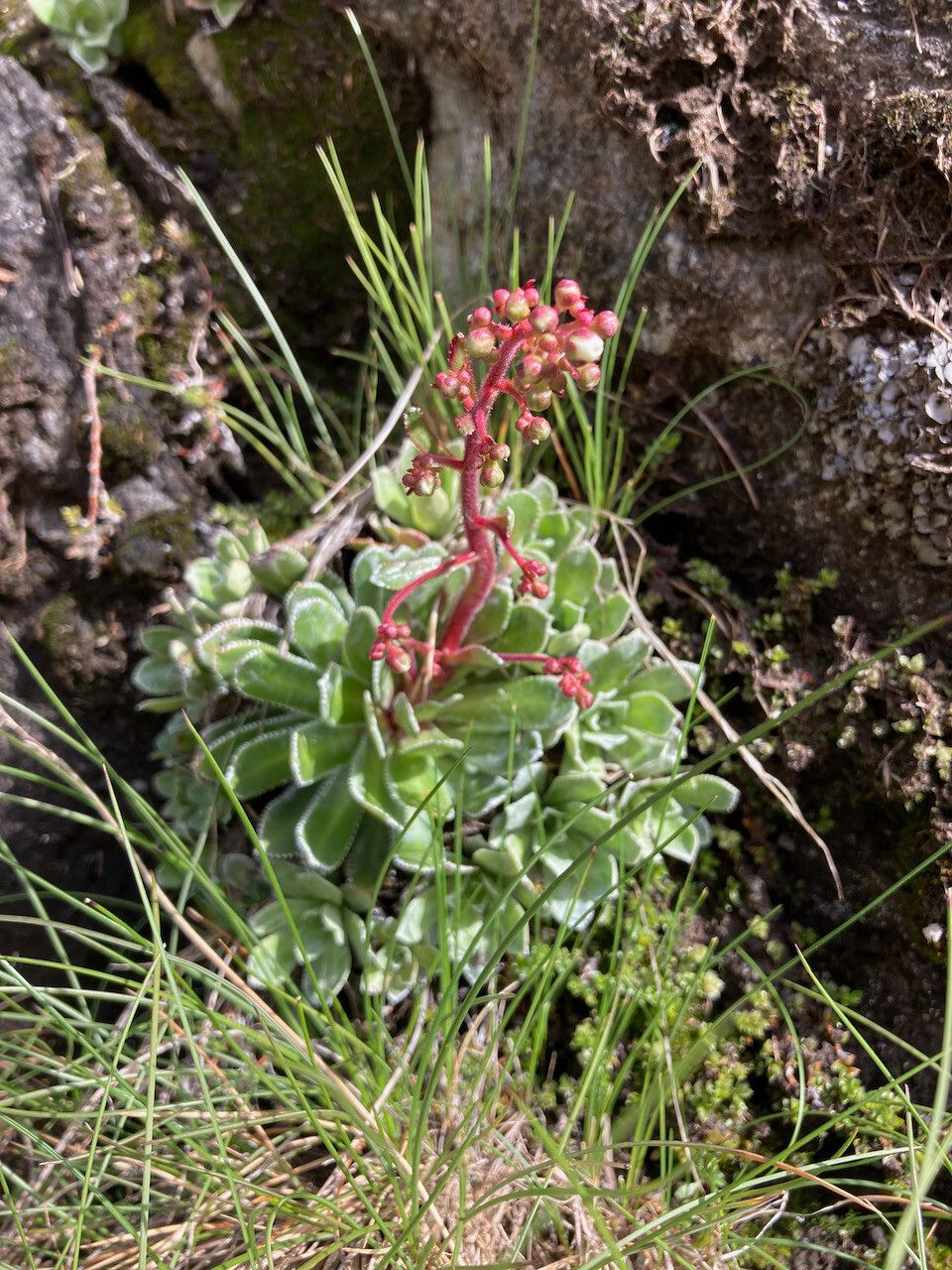
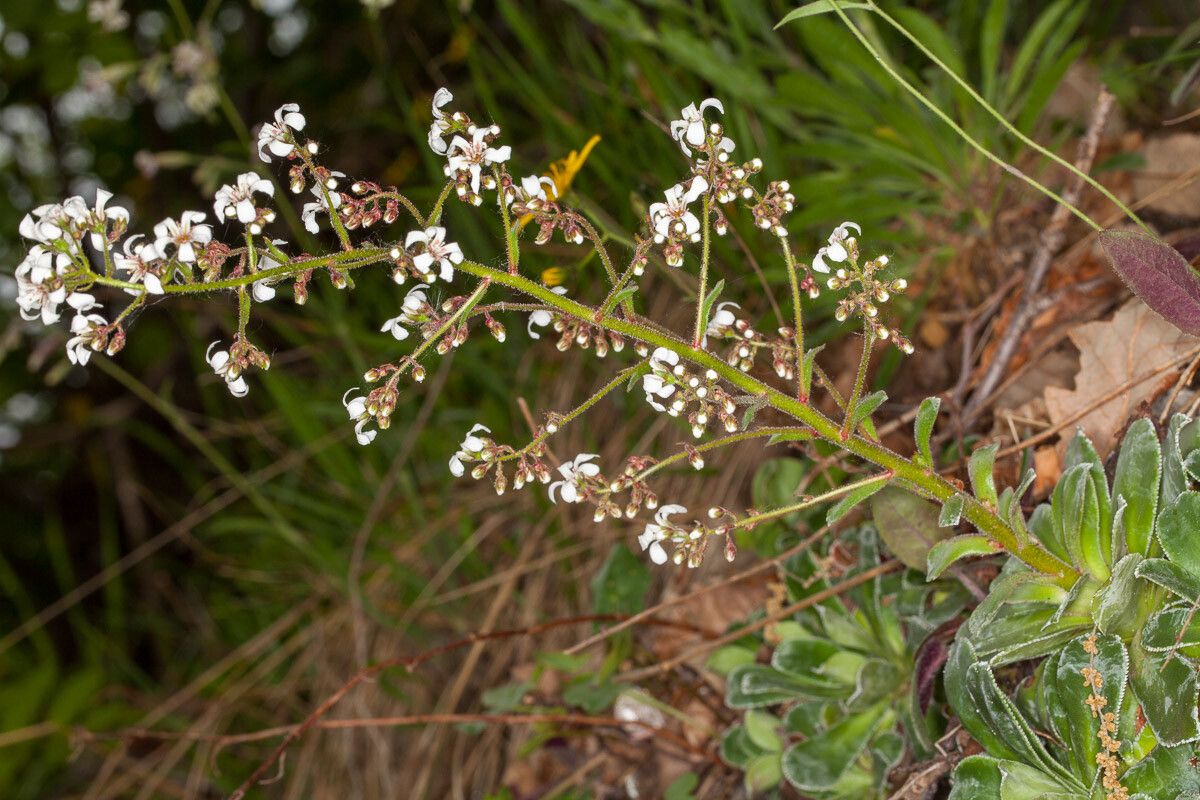
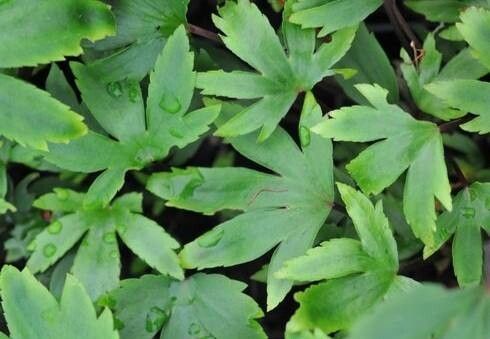
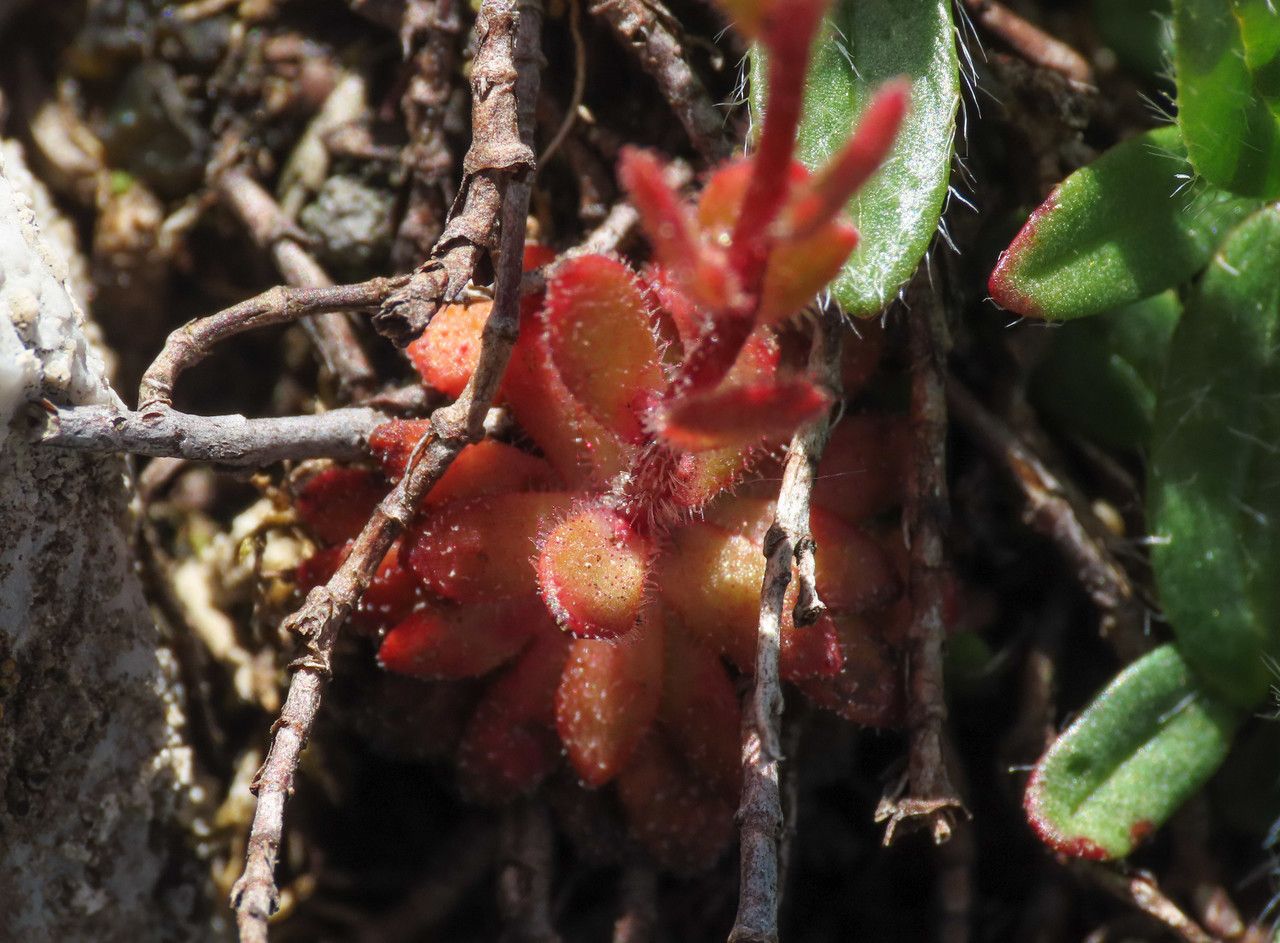
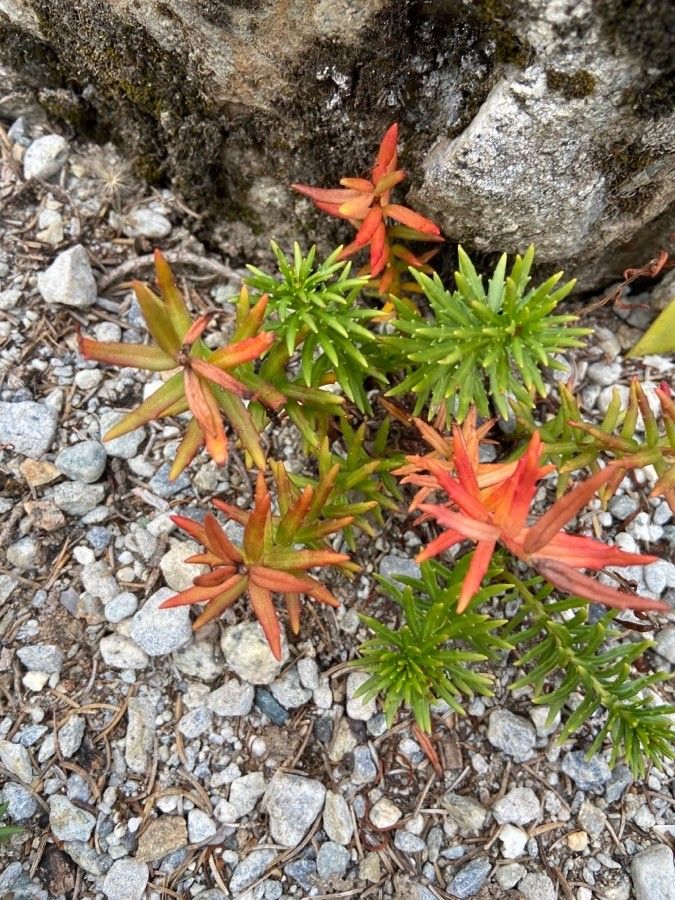
Saxifraga cotyledon, the pyramidal saxifrage, occurs in the mountains of Europe and has rosettes about 20 centimetres (8 in) across of tongue-shaped leaves, beaded but not toothed. In May or June the tall panicles of white flowers, branched and pyramidal in outline, may reach 60 cm (24 in). It is one of Norway's two national flowers (chosen in 1935). Its relationship to the "silver saxifrages" (Saxifraga sect. Ligulatae) remains to be resolved to full satisfaction.
Pyramidal saxifrage is fairly resistant to disease and is usually not prone to illnesses. However, it can be vulnerable to pests and diseases present in its surroundings. These problems are typically not serious. In terms of care, this plant needs moderate maintenance. It should be pruned regularly to keep a neat appearance and support healthy growth. Fertilizing can also help encourage flowering. Pyramidal saxifrage is suitable for anyone with outdoor space, such as a garden or patio, and does not demand extensive gardening experience. It may need more attention if grown indoors.
How to keep Saxifraga Cotyledon.
Light
Pyramidal saxifrage does best with a moderate amount of sunlight; overly intense exposure can cause harm. It can, however, withstand intervals of strong sun. Its growth needs reflect its ancestral habitat, which was not constantly sunlit but experienced occasional intense light, shaping its capacity to cope with variable sunlight.
Water
Pyramidal saxifrage thrives in alpine environments, where it prefers moderate moisture and a stable weekly watering routine. While it can tolerate short periods of dryness, it is best suited for cooler climates and rocky soils. This makes it an ideal choice for outdoor settings like rock gardens, where it can benefit from natural precipitation.
Temperature
Pyramidal saxifrage is native to temperate areas and grows best in temperatures from 32 to 95 °F (0 to 35 ℃). It favors cooler conditions rather than warmer ones. In hotter seasons it may need extra shade or additional watering to stay healthy.
Fertilizer
The primary time to fertilize Pyramidal saxifrage is in early spring when the flowers are forming. Using the proper fertilizer promotes better blooms and helps Pyramidal saxifrage produce attractive flowers. Fertilizing in early spring ensures strong flowering through the season and supplies energy for dormant growth phases.
Pruning
To enhance the growth and blooming of pyramidal saxifrage, careful pruning is essential. In early spring, remove spent flowers and damaged leaves. Additionally, thin out overcrowded areas to improve airflow and prevent disease. These practices encourage a compact form, reduce legginess, and ensure healthier plants.
Pot & Repot
To encourage healthy growth and maintain its unique pyramidal shape, repot your pyramidal saxifrage every 2-3 years in the spring. Use a medium-sized pot to provide adequate space for development. After repotting, keep the soil moist and place the plant in a location with bright, indirect light.
Botanical profile.
- Plant Type
- Herb
- Life Cycle
- Perennial
- Genus
- Saxifraga
- Family
- Saxifragaceae
- Hardiness Zone
- 3-9
- Mature Height
- 30 cm
- Mature Spread
- 30 cm
- Leaf Color
- Green, Gray, Silver
- Leaf Type
- Evergreen
- Flower Color
- White
- Flower Size
- 0.51 cm to 1.02 cm
- Bloom Time
- Late spring, Early summer
- Planting Time
- Spring, Summer
- Harvest Time
- Mid summer, Late summer
- Native Area
- Norway, Austria, Sweden, Italy, Spain, Switzerland, Iceland
Other names.
Reader questions.
How should I water my Pyramidal saxifrage plant?
To properly care for the Pyramidal saxifrage, it is best to use filtered water at room temperature. Tap water may contain harmful particles for this plant. Since the Pyramidal saxifrage is accustomed to warm conditions, it is important to avoid cold water, which can shock its system. Additionally, overhead watering should be avoided to prevent issues with the foliage. Instead, you should thoroughly water the soil with filtered room temperature water until it is completely soaked. This helps the roots to stay moist and spread through the soil to gather necessary nutrients.
Why should I put fertilizer on my Pyramidal saxifrage plant?
To keep your Pyramidal saxifrage healthy and vibrant, fertilization plays a crucial role. The leaves of this plant form its main structure, so ensuring they remain in great condition is important. Proper fertilization ensures consistent leaf color and a healthy texture. Additionally, fertilization supports the development of new roots and maintenance of existing ones below the surface. By fertilizing your plant, you not only keep it healthy in the present, but also enhance its ability to absorb nutrients from the soil in the future.
What are the sunlight requirements for Pyramidal saxifrage?
Pyramidal saxifrage requires a moderate amount of sunlight to thrive optimally and can endure periods of abundant sun exposure. It is adaptable to various sun exposures due to its ancestral environment, which wasn't entirely sun-exposed but had periods of intense light. For growth, it can benefit from about 3-6 hours of sunlight (partial sun) but can also tolerate more than 6 hours of sunlight (full sun). Monitoring the movement of sunlight through your garden to find spots that offer a mix of light and shade could be pivotal in ensuring the plant's health.
What is the native climate of Pyramidal saxifrage?
Pyramidal saxifrage is native to temperate regions and thrives in temperatures ranging from 32 to 95 °F (0 to 35 ℃). It prefers cooler climates over warmer ones. The plant demonstrates strong cold resistance and generally does not require special frost protection measures during the winter. However, it may need extra shade or watering in hotter seasons to maintain its health. If winter temperatures are expected to drop below -35°C, it's important to provide cold protection by covering the plant with insulating materials like soil or straw. Additionally, watering the plant abundantly before the first freeze in autumn helps to ensure the soil remains moist and enters a frozen state, preventing drought and water scarcity during winter and early spring.
What should I do if I give my Pyramidal saxifrage too much or too little water?
Both overwatering and underwatering can harm the health of your Pyramidal saxifrage, but overwatering is more common. If the plant gets too much water, its stems and leaves may wilt and turn yellow. Overwatering for a long time can also lead to diseases like root rot, mold, and mildew, which can kill the plant. Underwatering is less common because the plant can handle drought. However, it can still happen and cause brittle, brown leaves. It's important to recognize the signs of overwatering early on. Some diseases from overwatering, like root rot, may not be fixable if you wait too long. If you notice signs of overwatering, reduce your watering right away. Check the soil quality too. If it drains poorly, replace it with a loose, well-draining potting mix. If you see signs of underwatering, simply water more regularly until the signs go away.
When should I fertilize my Pyramidal saxifrage plant?
When you grow your Pyramidal saxifrage outdoors, it will start growing new leaves in early spring. This is a sign that it's time to fertilize the plant. Usually, one application of fertilizer in spring is sufficient for the Pyramidal saxifrage to grow well. However, if you want to maximize its growth, you can fertilize it multiple times throughout spring and early summer. In this case, you can feed the plant once every month to a month and a half.
How does artificial lighting benefit indoor Pyramidal saxifrage?
For indoor Pyramidal saxifrage, adequate lighting is crucial, especially when natural sunlight is insufficient. Artificial lights, such as LED lights, are beneficial as they can be customized to offer specific wavelengths needed by the plants. Full sun plants require 30-50W per square foot, partial sun plants need 20-30W per square foot, and full shade plants require 10-20W per square foot of artificial light. Positioning the light source 12-36 inches above the plant best mimics natural sunlight, with an ideal light duration of 8-12 hours per day to promote healthy growth.
How does Pyramidal saxifrage react to low temperatures?
Pyramidal saxifrage is remarkably cold-tolerant, thriving best when temperatures remain above 0°C. It should ideally be kept above -30°C during winter months. Despite its resilience, if temperatures fall below -35°C, the plant may not show immediate signs of distress during the winter. However, such extreme cold can lead to a decrease in sprouting or possibly no sprouting at all come springtime. To address this issue, it's recommended to remove any parts of the plant that have failed to sprout in spring.
How often should I water my Pyramidal saxifrage plant?
If your Pyramidal saxifrage is in a pot, you can use the most precise method to determine if it needs water by sticking your finger into the soil. If the top two to three inches of soil are dry, it's time to water it. If you have planted your Pyramidal saxifrage outdoors in the ground, you can use a similar method to test the soil. Once the top few inches of soil have dried out, it's time to water it. Typically, during spring and early fall, you'll need to water this plant about once a week using this method. However, in extremely hot weather, you may need to increase watering to twice a week or more. It's worth noting that mature, well-established Pyramidal saxifrage plants can tolerate drought fairly well.
When is the best time to not fertilize my Pyramidal saxifrage?
Your Pyramidal saxifrage will go into a dormant phase during late fall and winter, meaning it won't grow. So, it's best not to fertilize it during this time. In spring and summer, if you do choose to fertilize, start decreasing the amount as summer comes because the growth rate of your Pyramidal saxifrage will slow down. A general rule is to avoid fertilizing when the weather is unusually hot or the soil is extremely dry as it can harm your Pyramidal saxifrage and cause it to die early.
What symptoms indicate insufficient light in Pyramidal saxifrage?
When Pyramidal saxifrage is grown in insufficient light, several symptoms can manifest, such as smaller new leaves, leggy or sparse growth, faster leaf drop, slower or ceased new growth, pale or irregularly colored new leaves indicating a lack of chlorophyll and essential nutrients, and conditions like chlorosis (leaves turning yellow), sunscald (necrotic areas due to intense sunlight), leaf curling (defense mechanism against excess sunlight), wilting (due to increased water loss), and leaf scorching (brown, dry, crispy leaf edges). These symptoms help identify the need for better light management for the plant.
What should be done if Pyramidal saxifrage experiences high temperatures?
During the summer, it's crucial to keep Pyramidal saxifrage's temperature below 35°C to avoid stress on the plant. Exposing the plant to temperatures exceeding 38°C can cause the leaves to lighten in color, become prone to curling, susceptible to sunburn, and in severe cases may lead to the entire plant wilting and drying out. To mitigate these effects, trim away the sunburned and dried-up parts of the plant. Moving the plant to a location that provides shade during the midday and afternoon sun, or using a shade cloth, can offer necessary protection. Additionally, watering the plant in the morning and evening will help keep the soil moist and support the plant's health under high temperatures.