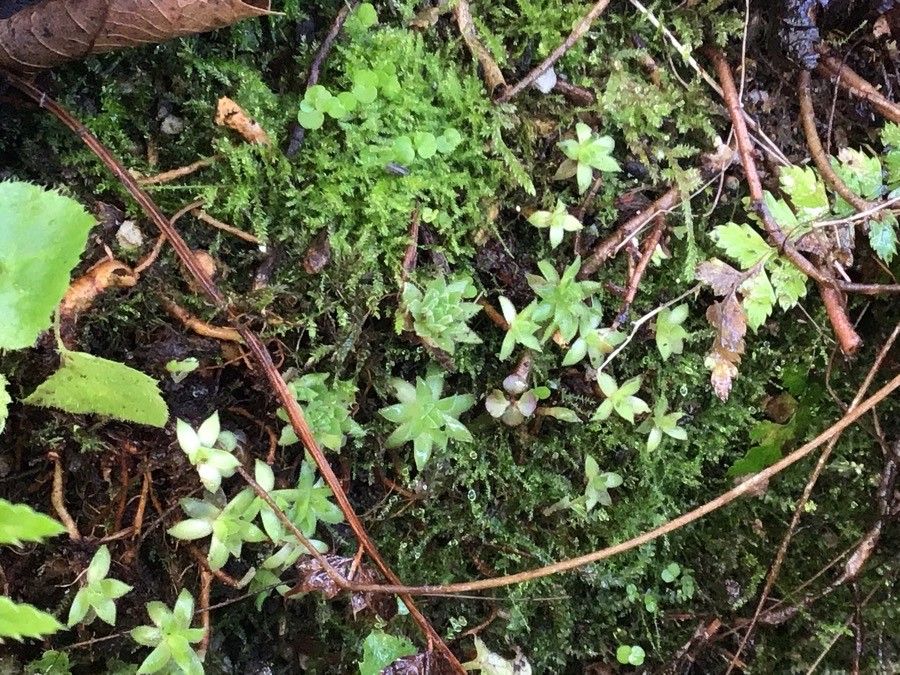
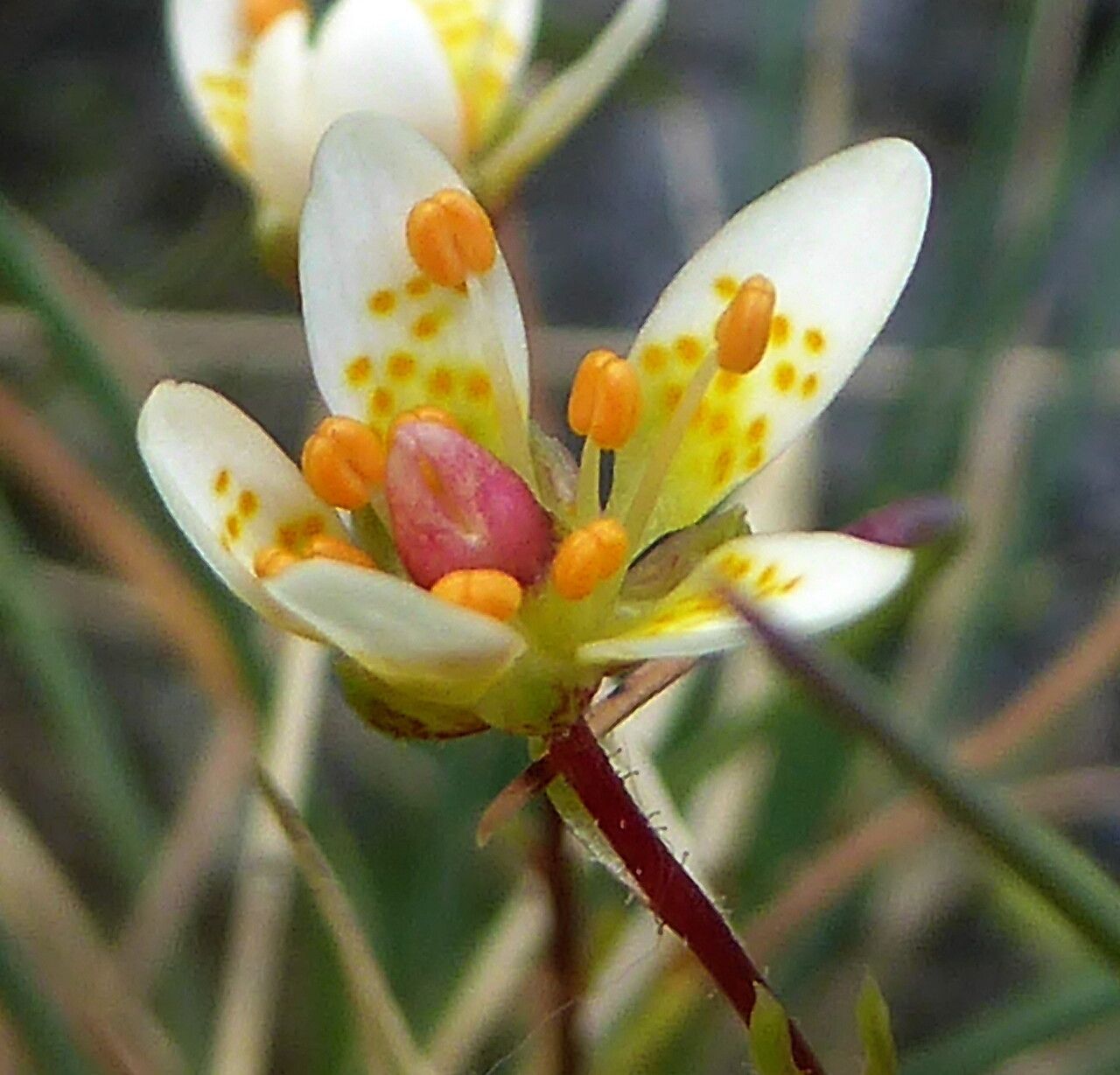
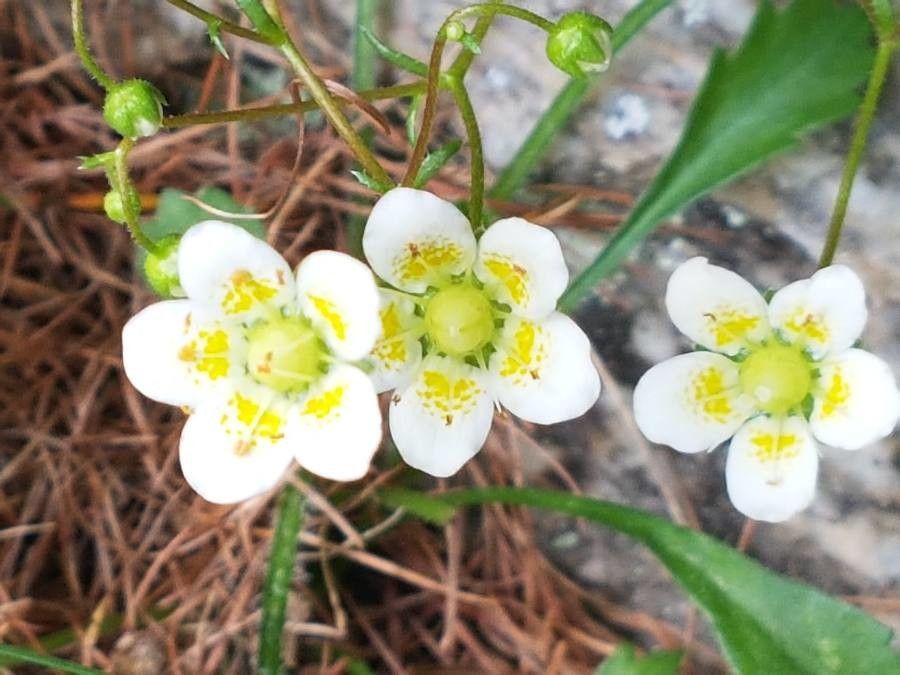
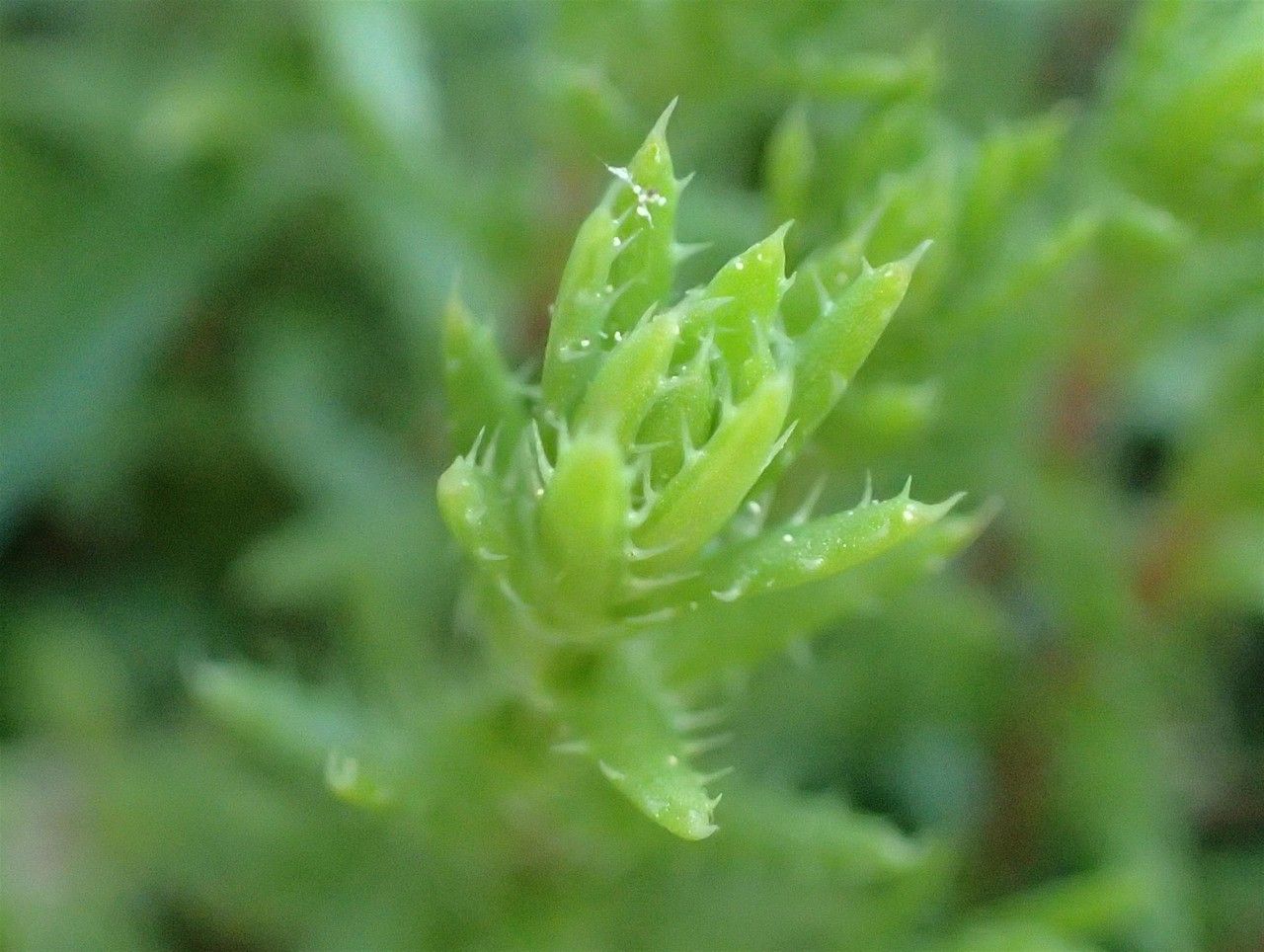
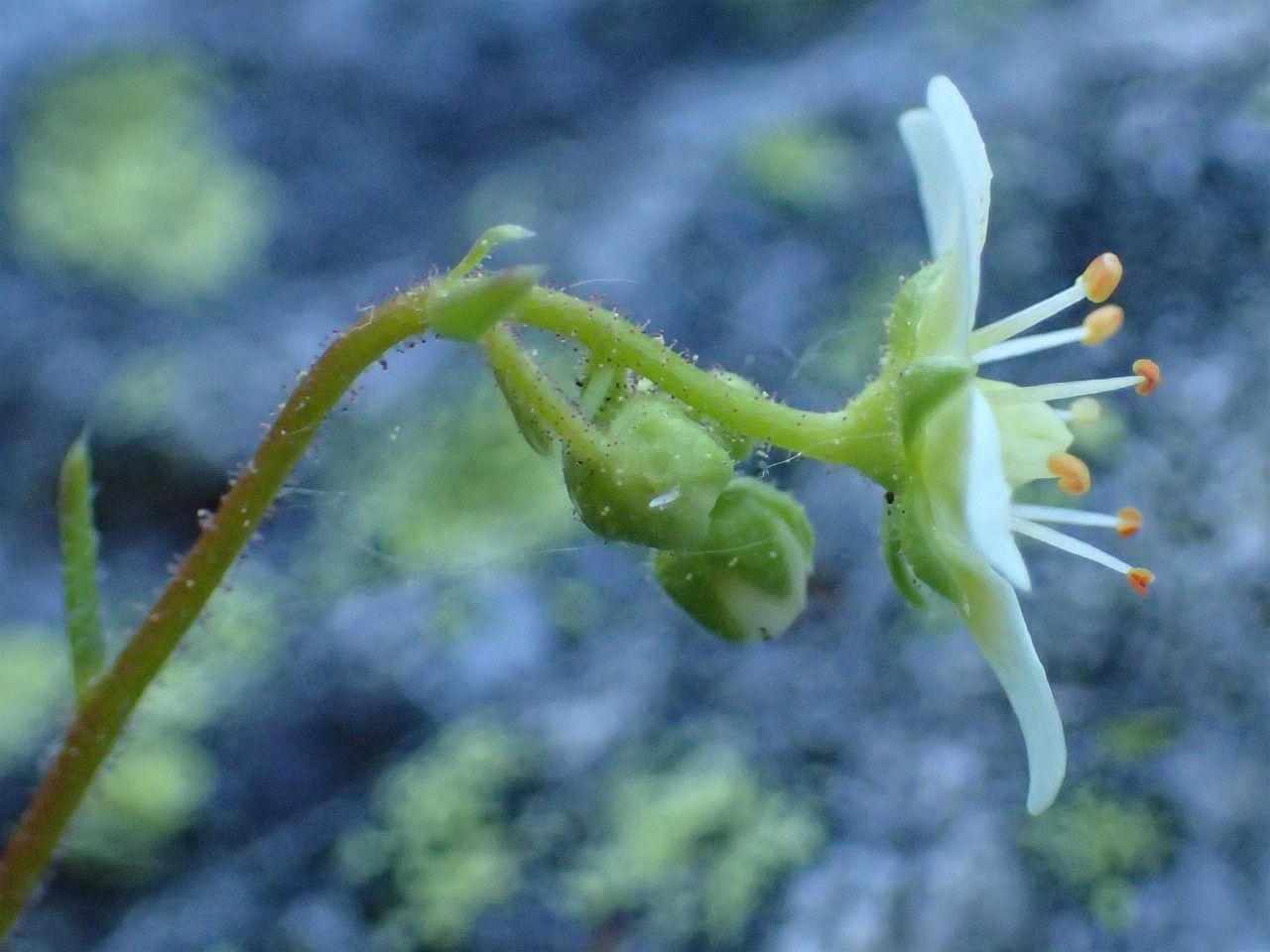
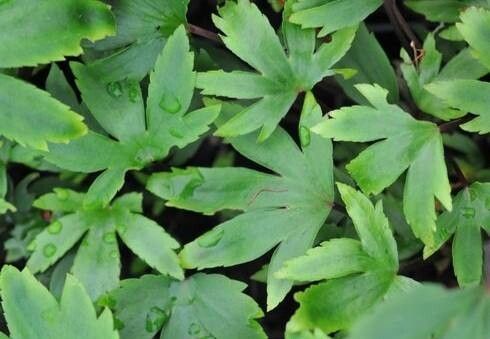
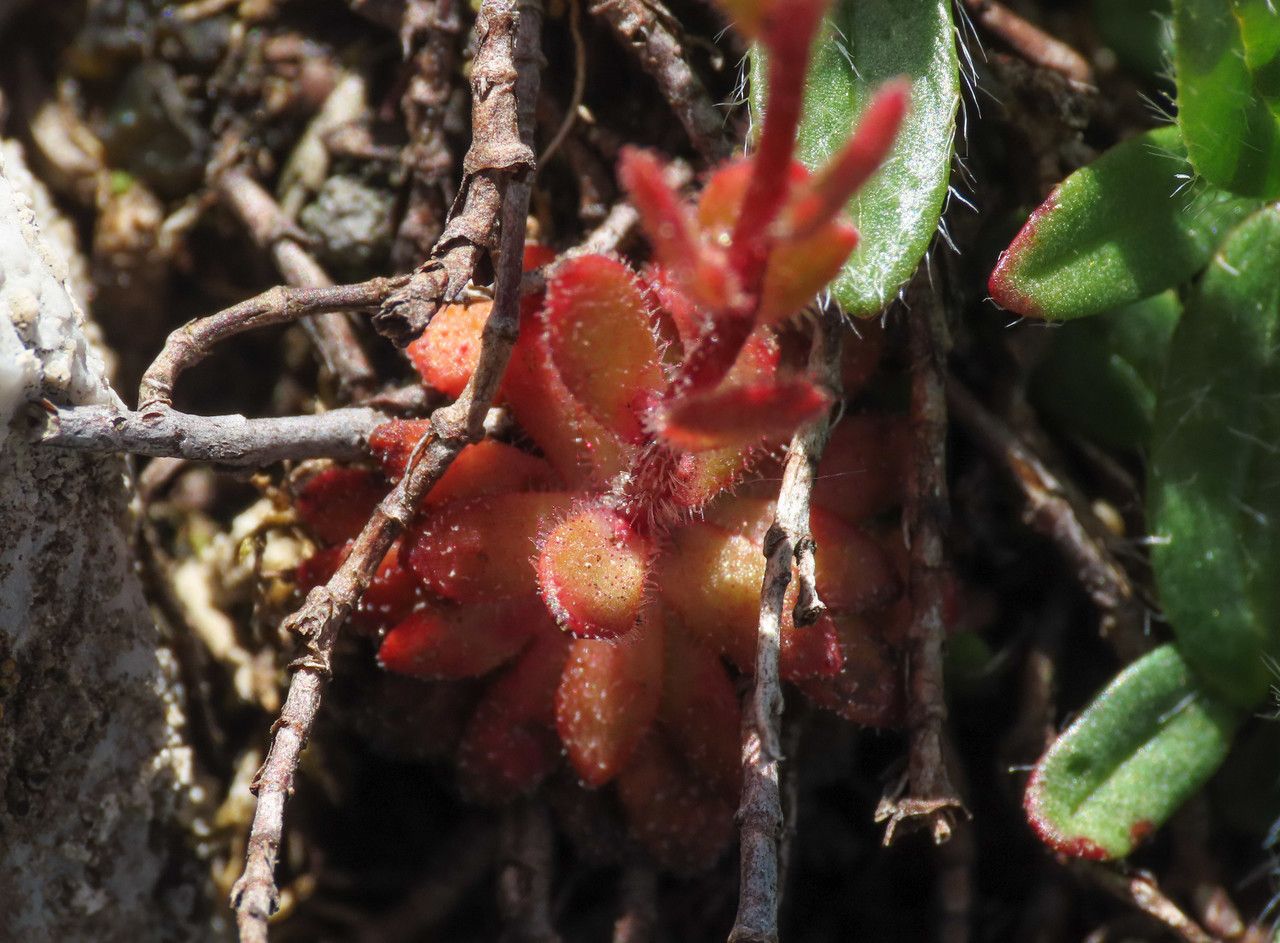
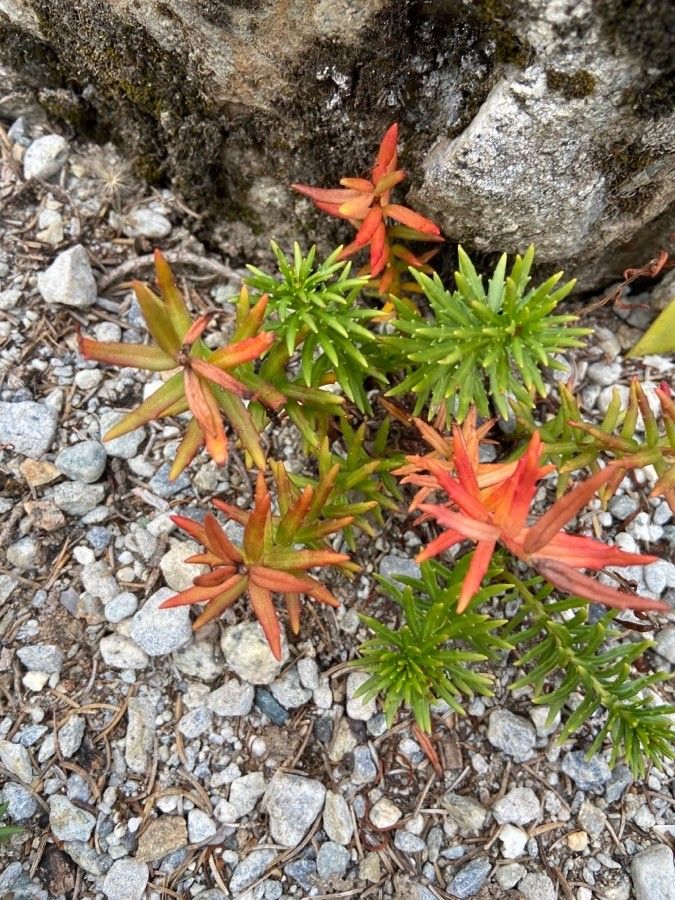
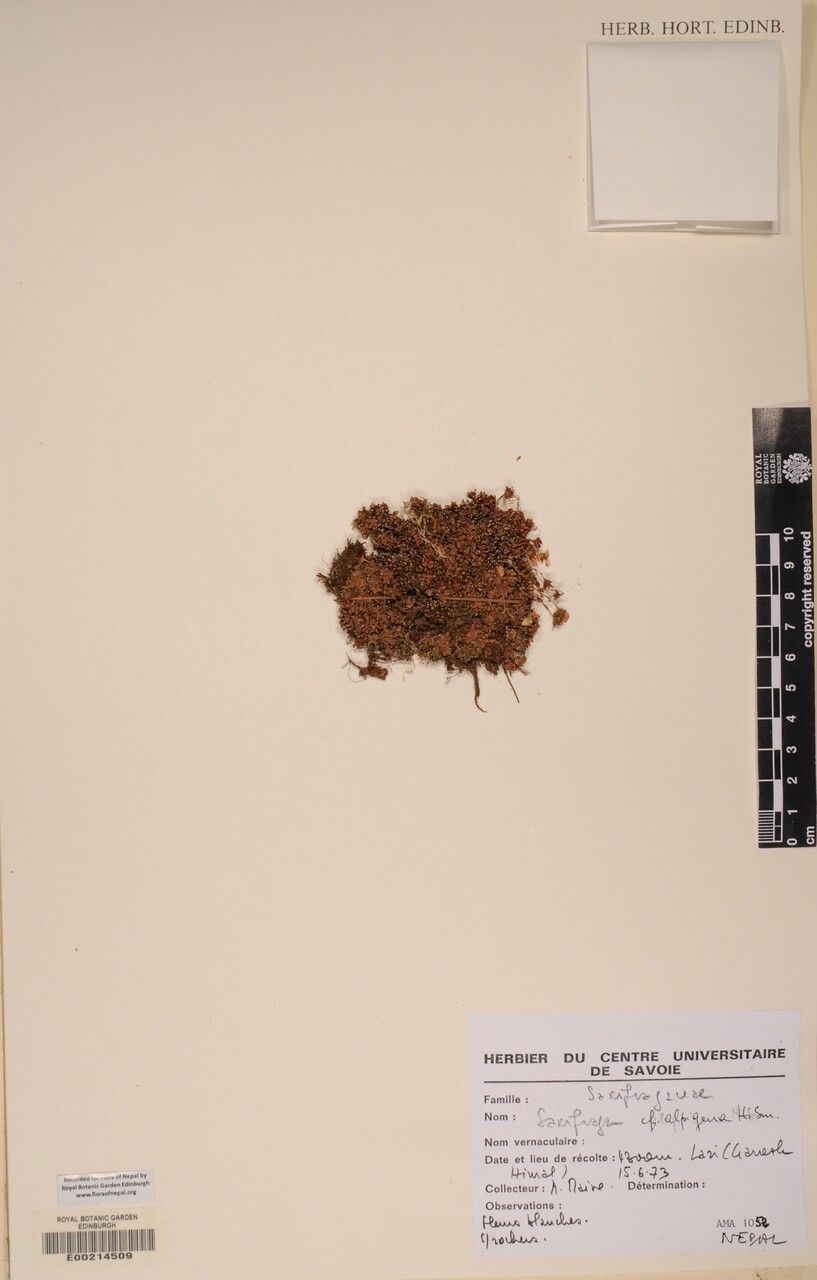
Saxifraga aspera is a species of saxifrage known by the common name of rough saxifrage. In German it is known as Rauhhaariger Steinbrech. It is placed in section Trachyphyllum of the genus Saxifraga. There are two subspecies, Saxifraga aspera subsp. aspera and Saxifraga aspera subsp. micrantha. It is a plant of the pan-Arctic tundra and is also found in Europe at moderately high altitudes in the Alps, Pyrenees and northern Apennines.
Rough saxifrage is fairly disease-resistant and typically not prone to illnesses. However, it can still be affected by pests and diseases present in its surroundings. These issues are generally not severe. In terms of care, the plant requires moderate maintenance. It should be pruned regularly to maintain a good appearance and encourage healthy growth. Fertilization can also help promote flowering. Rough saxifrage is suitable for anyone with an outdoor space, such as a garden or patio, and does not require much care experience. It may need more attention when grown indoors.
How to keep Saxifraga Aspera.
Light
Rough saxifrage is a sun-loving, perennial herbaceous species that comes from open habitats and is commonly found in meadows and grasslands. It favors full sun but is also able to tolerate partial sun.
Water
Rough saxifrage thrives in rocky alpine habitats, preferring well-drained environments with moderate moisture. To keep it healthy, water it weekly to maintain consistent hydration without causing waterlogging. This plant is ideal for higher elevations, and to ensure its success, gardeners should replicate the natural mountain rain conditions during the growing season.
Fertilizer
For Rough saxifrage, the primary time to apply fertilizer is in early spring when the flowers are forming. The suitable fertilizer promotes stronger blooms and helps Rough saxifrage produce attractive flowers. Fertilizing in early spring ensures good flowering during the season and supplies energy for dormant growth phases.
Pruning
To help rough saxifrage thrive, prune it from early to late spring by removing dead foliage to encourage new growth. Be cautious not to over-prune, as this can stress the plant. Pruning at the right time promotes blooming and helps the plant remain compact, while regular thinning improves air circulation, reducing the risk of disease.
Botanical profile.
- Plant Type
- Herb
- Life Cycle
- Perennial
- Genus
- Saxifraga
- Family
- Saxifragaceae
- Hardiness Zone
- 4-8
- Mature Height
- 5 cm to 10 cm
- Mature Spread
- 10 cm to 15 cm
- Leaf Color
- Dark Green
- Leaf Type
- Evergreen
- Flower Color
- White, Yellow
- Flower Size
- 1.02 cm to 1.52 cm
- Bloom Time
- Early summer, Mid summer
- Planting Time
- Spring, Autumn
- Harvest Time
- Late summer, Early fall
Other names.
Reader questions.
What are the sunlight requirements for Rough saxifrage?
Rough saxifrage (Saxifraga aspera) needs specific sunlight conditions to thrive. It requires full sun, which means the plant should receive above 6 hours of sunlight daily. However, it can also grow in partial sun, defined as about 3-6 hours of sunlight each day. It's important to watch how sunlight moves through your garden to identify spots that offer the ideal balance of light and shade. This consideration ensures your Rough saxifrage plants can be happy and healthy in their environment.
What is Rough saxifrage?
Rough saxifrage, scientifically known as Saxifraga aspera, is a plant species. There is no additional detailed information provided about its essentials or symptoms.