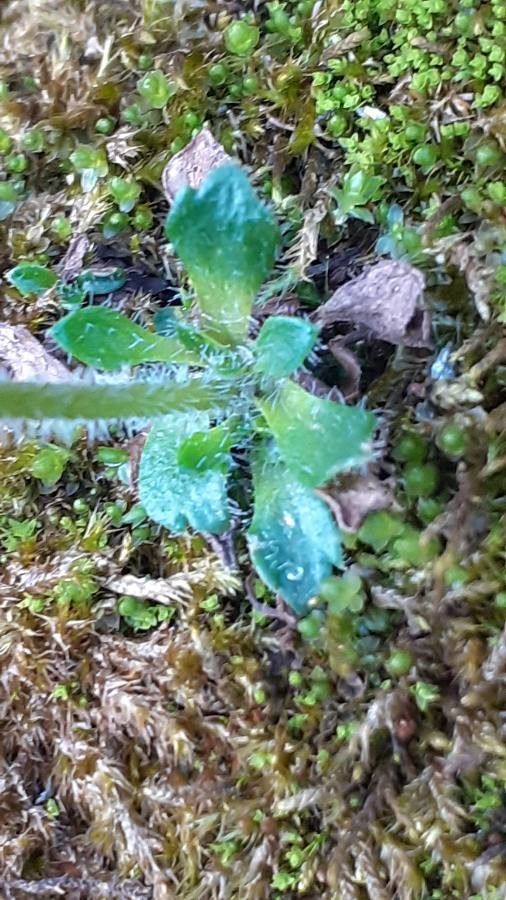
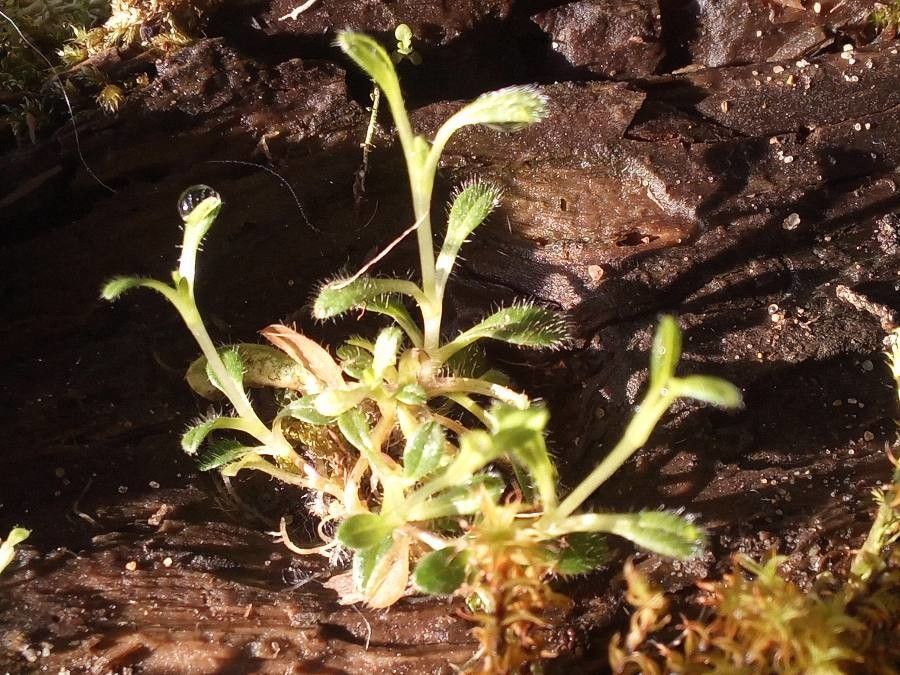
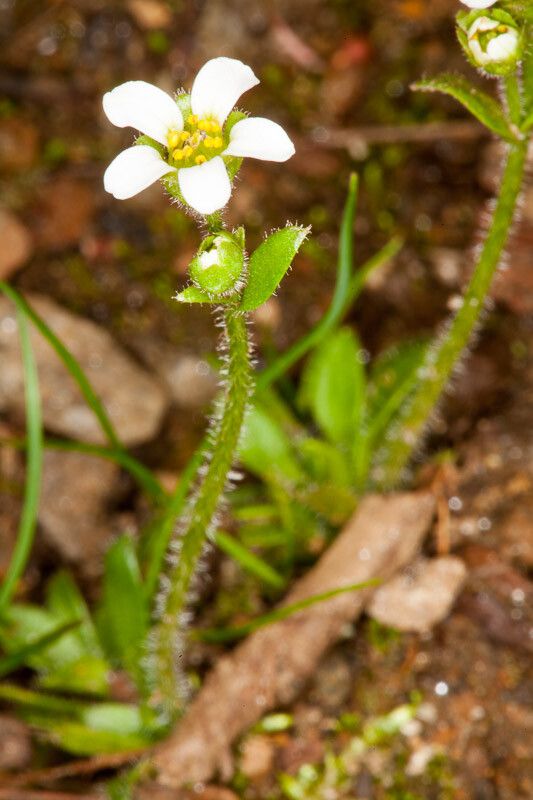
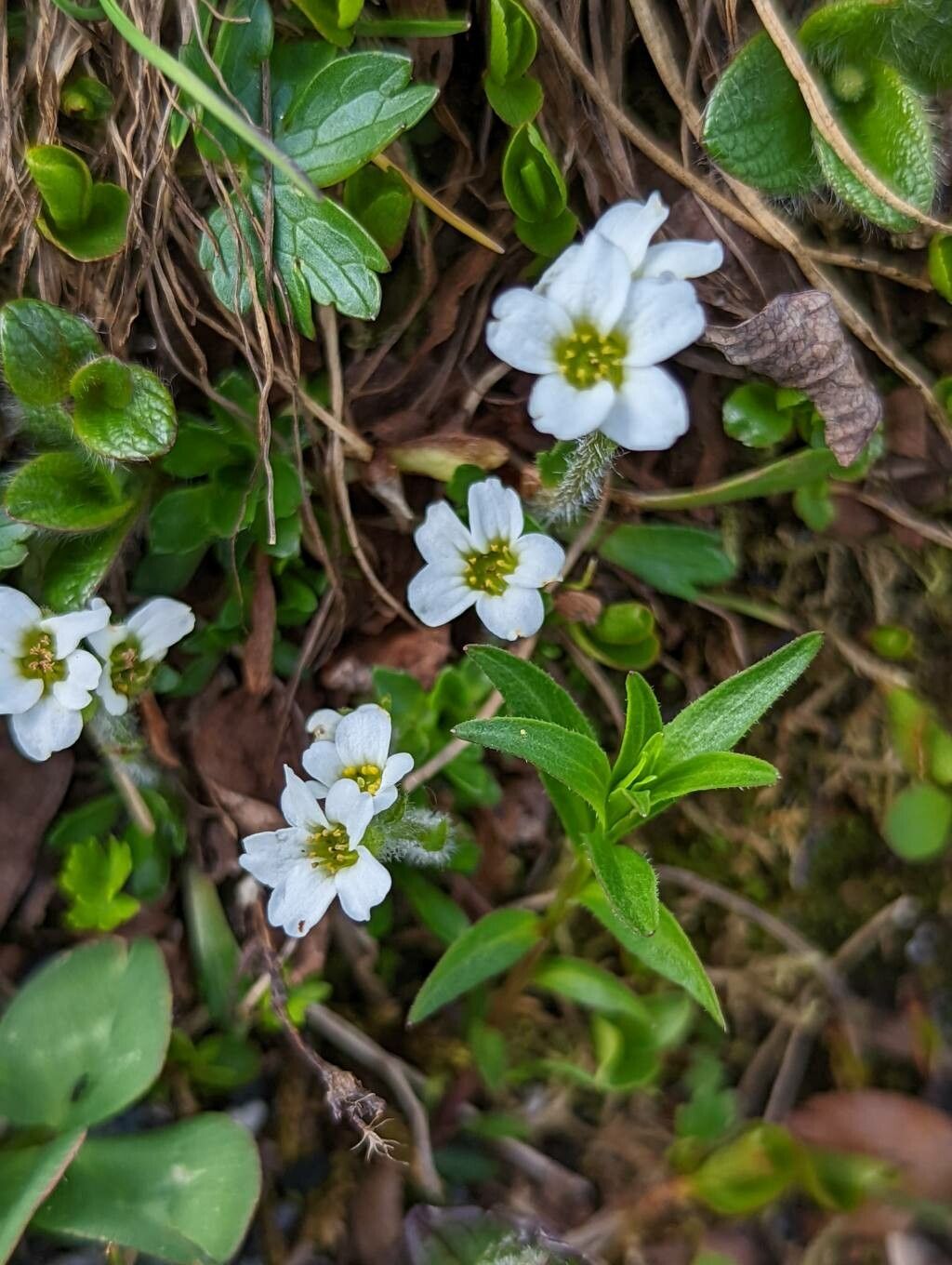
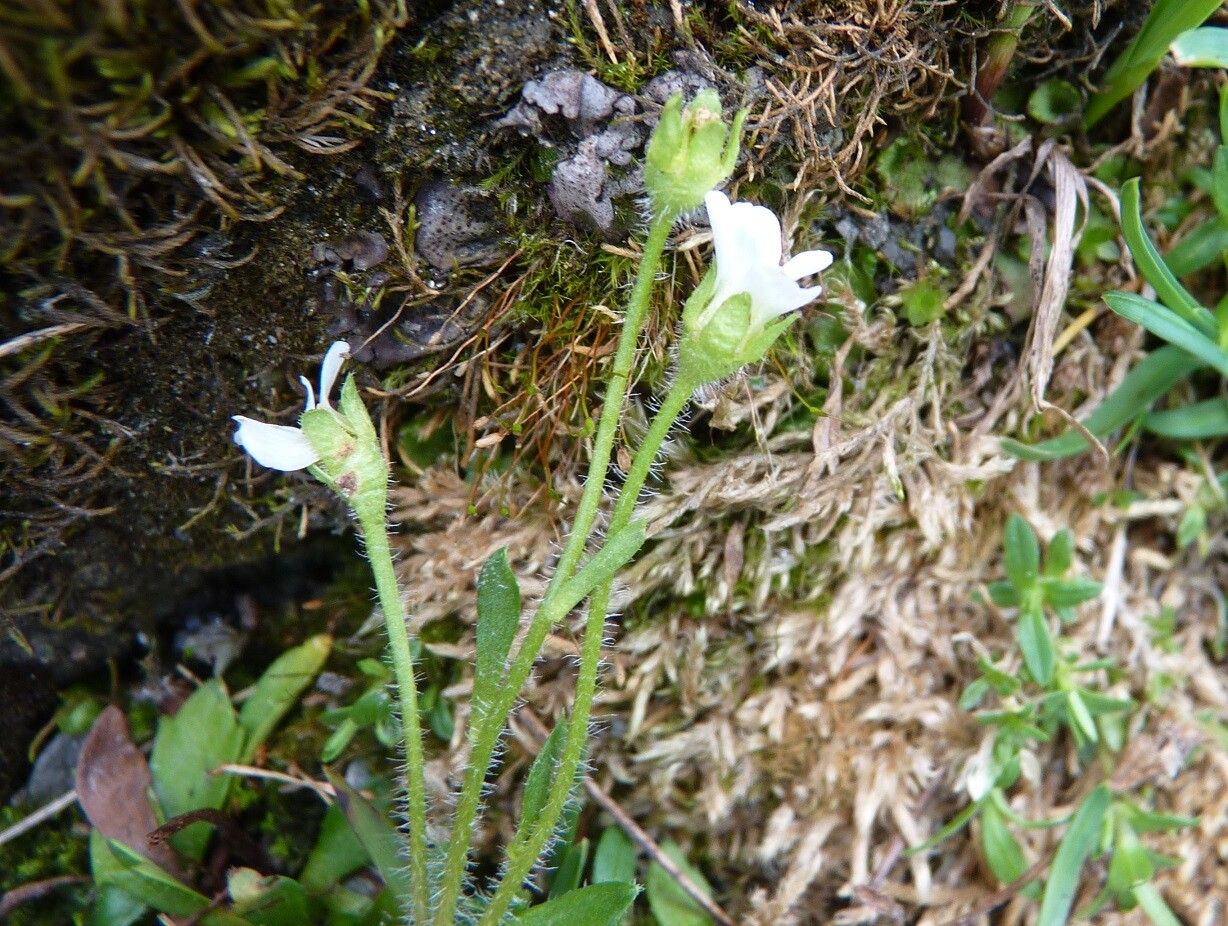
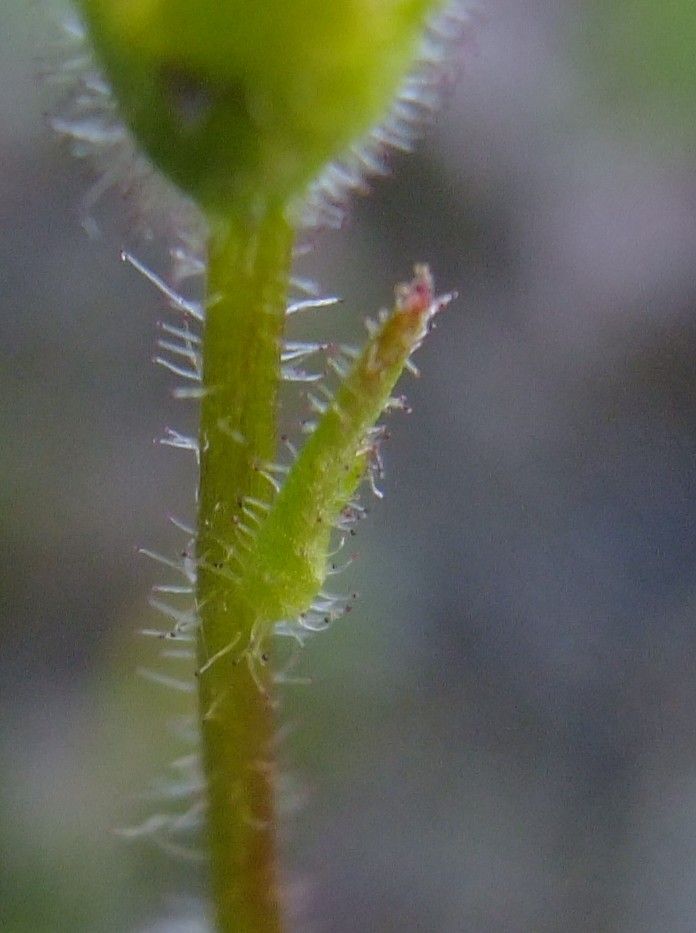
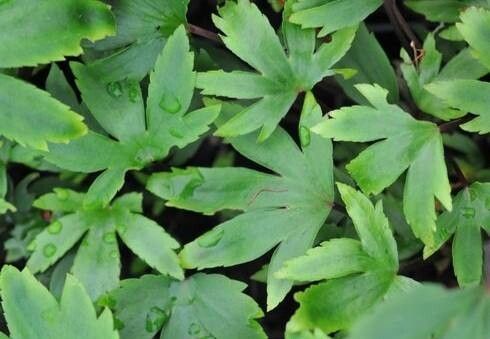
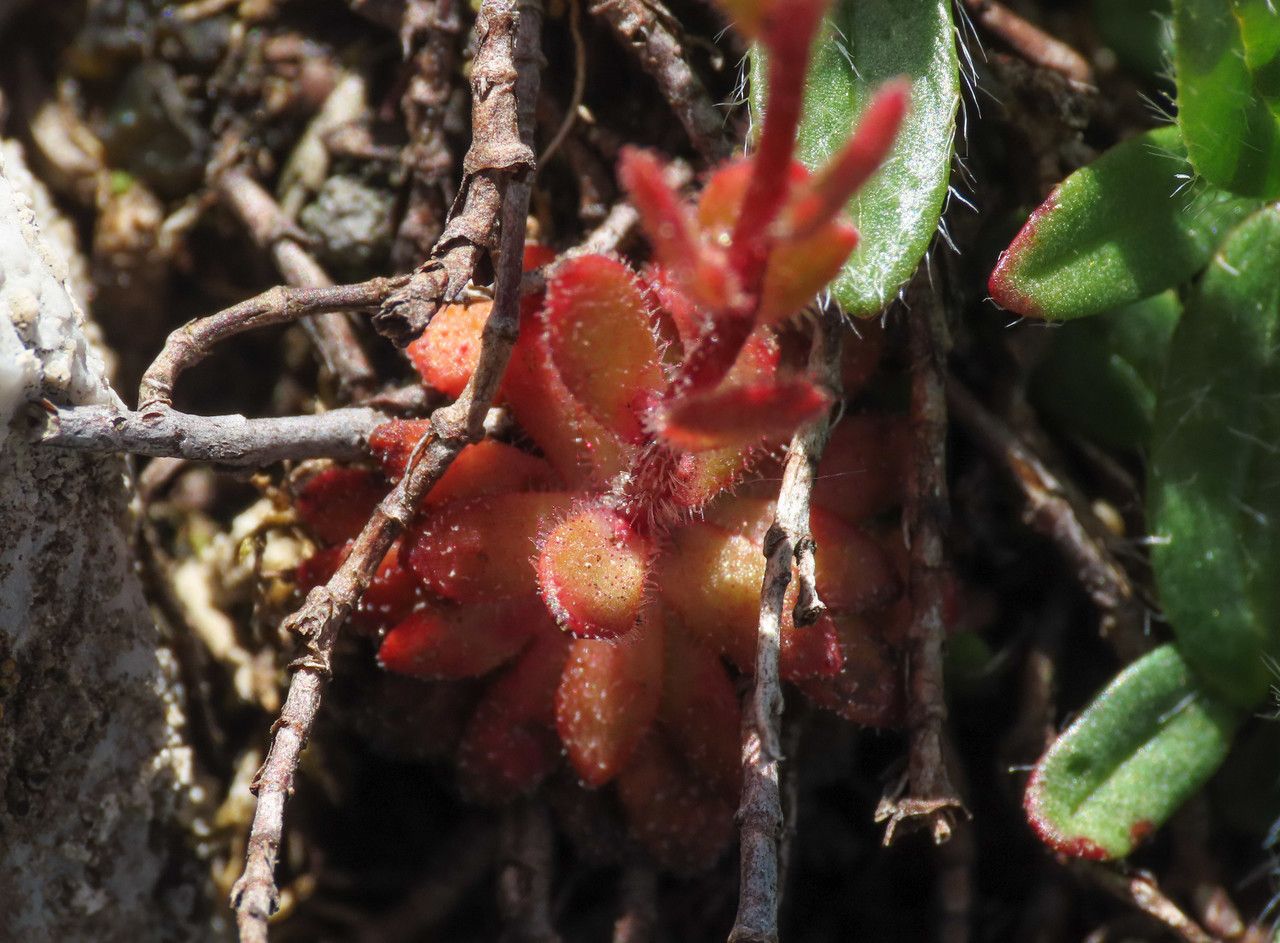
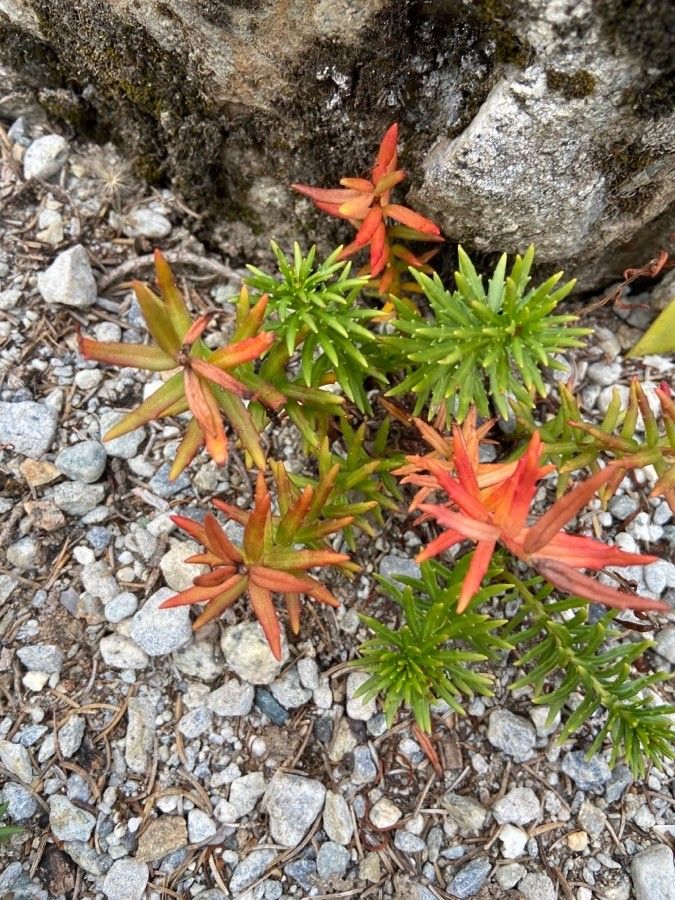
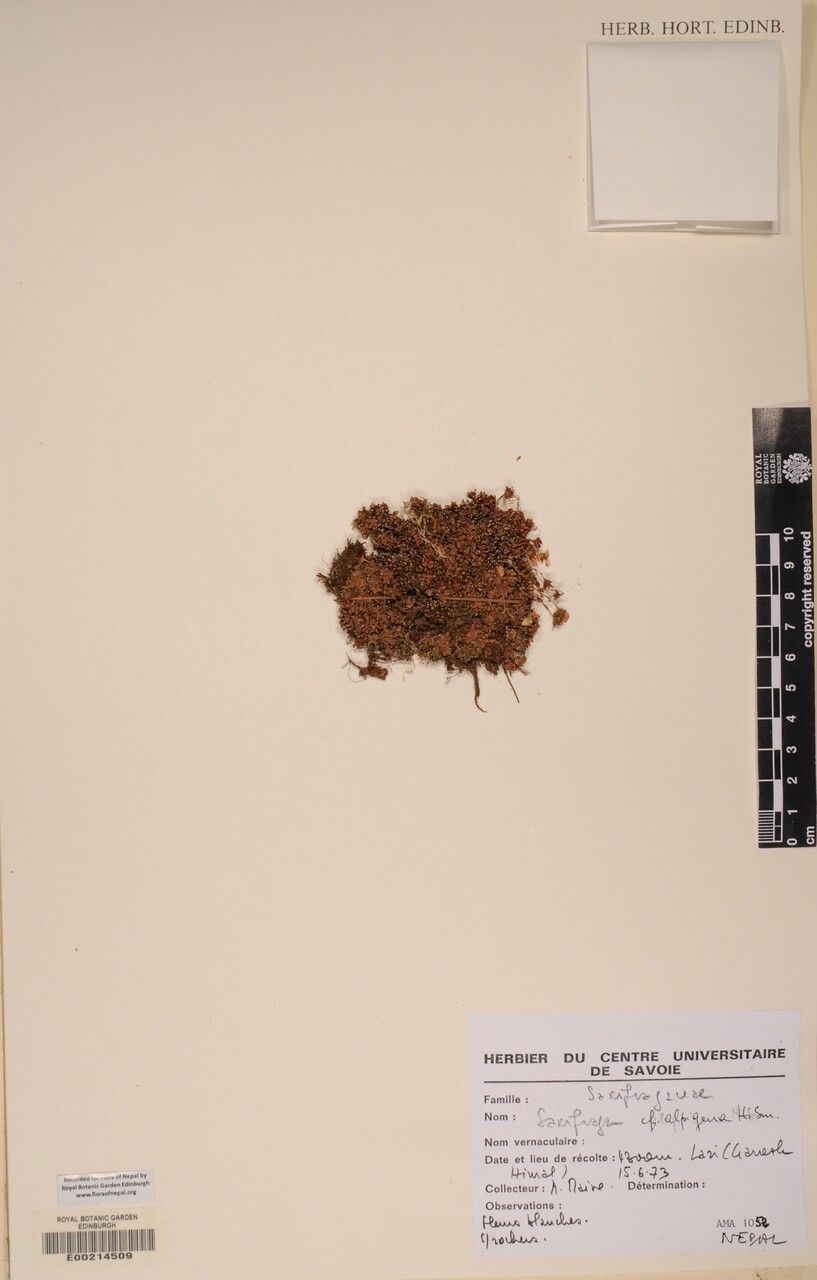
Scree saxifrage is fairly disease-resistant and typically does not suffer from many illnesses. However, it can be vulnerable to pests and diseases present in its surroundings. Such infections are generally mild. Regarding care, this plant requires moderate maintenance. Regular pruning is necessary to preserve a good appearance and support healthy growth. Applying fertilizer can also help encourage flowering. Scree saxifrage is suitable for anyone with an outdoor space, such as a garden or patio, and does not demand a lot of care experience. It may need more attention when grown indoors.
How to keep Saxifraga Androsacea.
Light
Scree saxifrage occurs naturally in habitats like forest understories or rocky locations, where it receives natural shade. It prefers partial sun but can tolerate both full sun and deep shade, which shows its versatile, hardy character.
Water
The scree saxifrage flourishes in alpine environments where rainfall is scarce. It typically requires weekly watering but can adapt to drought conditions quite well. This plant depends on natural precipitation and tends to grow best outdoors. Despite limited rainfall during the growing season, it remains resilient.
Fertilizer
The primary time to fertilize Scree saxifrage is in early spring when the flowers are forming. Using the correct fertilizer encourages better blooms and helps Scree saxifrage produce attractive flowers. Fertilizing in early spring helps ensure good flowering during the season and provides energy for the plant's dormant growth phases.
Pruning
To keep your scree saxifrage healthy and beautiful, it's best to prune it from early to late spring. Trim away old foliage to encourage new growth, and remove spent flowers to prolong the blooming period. By pruning carefully, you can improve air circulation, which helps prevent mildew, and enhance the plant's natural alpine beauty.
Botanical profile.
- Plant Type
- Herb
- Life Cycle
- Perennial
- Genus
- Saxifraga
- Family
- Saxifragaceae
- Hardiness Zone
- 3-7
- Mature Height
- 2 cm to 5 cm
- Mature Spread
- 3 cm to 6 cm
- Leaf Color
- Dark Green, Forest Green
- Leaf Type
- Evergreen
- Flower Color
- White
- Flower Size
- 0.51 cm to 1.02 cm
- Bloom Time
- Mid spring, Late spring
- Planting Time
- Spring, Summer, Autumn
- Harvest Time
- Early summer, Mid summer
- Native Area
- Austria, Slovakia, Montenegro, Bulgaria, Poland, Croatia, Slovenia, Ukraine, Serbia, Germany, Italy, Spain, Switzerland, Albania, Romania, France
Other names.
Reader questions.
What are the sunlight requirements for Scree Saxifrage (Saxifraga androsacea)?
Scree Saxifrage (Saxifraga androsacea) thrives in conditions that meet its sunlight requirements, which are categorized into partial and full sun. Partial sun refers to areas that receive about 3-6 hours of sunlight per day, whereas full sun is defined as locations getting more than 6 hours of sunlight daily. It's essential to observe the movement of sunlight through your garden carefully. Finding the ideal spots that offer a harmonious balance of light and shade will significantly contribute to the well-being of your Scree Saxifrage, ensuring it grows happily and healthily.
What is the botanical name of Scree saxifrage?
The botanical name of Scree saxifrage is Saxifraga androsacea. This information highlights its classification in the botanical world, distinguishing it from other plants within the Saxifraga genus.