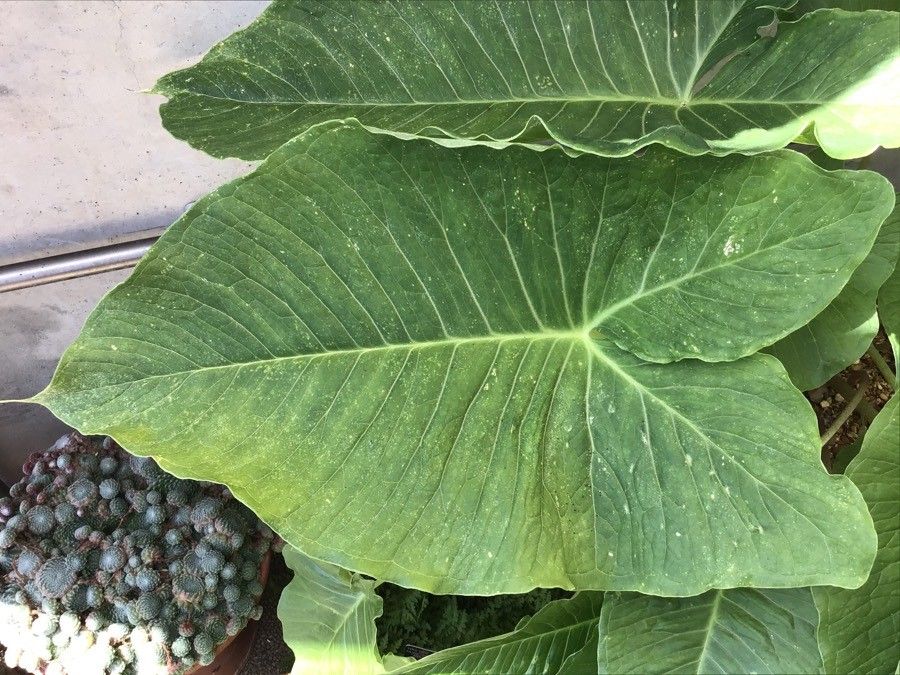
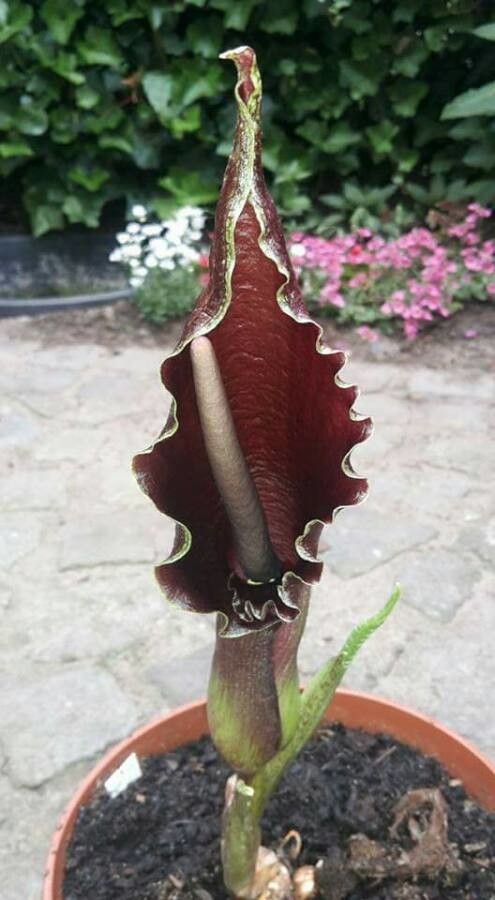
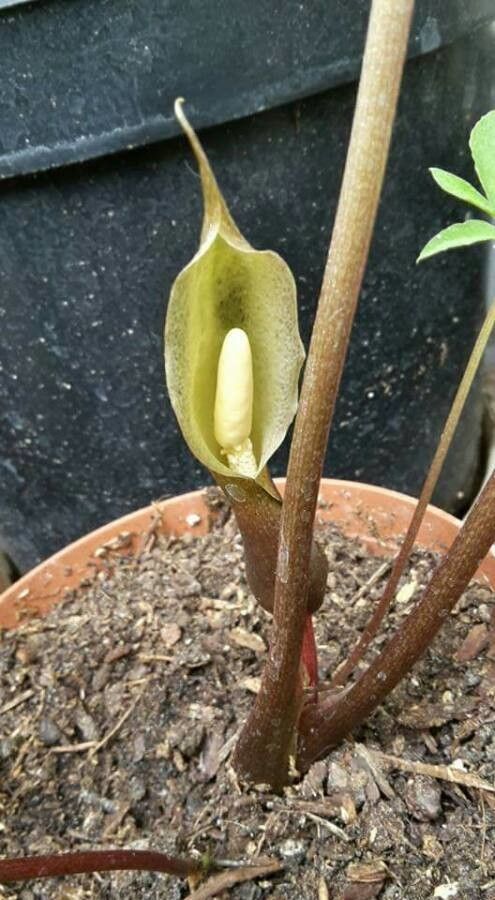
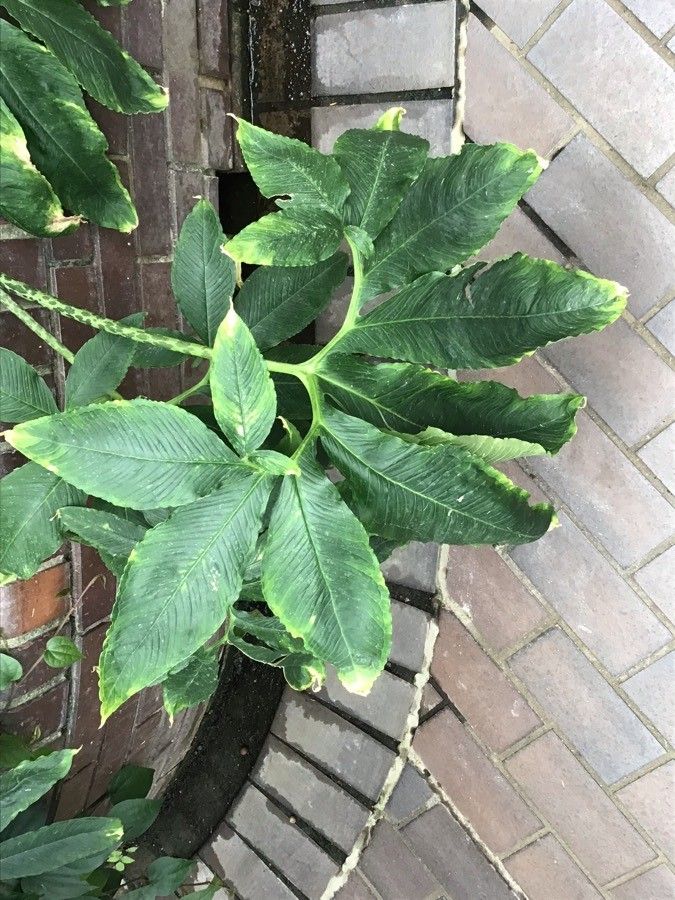
The giant voodoo lily has good disease resistance and is generally not prone to illnesses. However, it can be vulnerable to pests and diseases present in its surroundings. These infections are usually not severe. Regarding care, this plant needs moderate maintenance. It should be pruned regularly to preserve a neat appearance and support healthy growth. Fertilizing can also help encourage flowering. The giant voodoo lily is suitable for anyone who has an outdoor space, such as a garden or patio, and does not require much gardening experience. It may need more attention when cultivated indoors.
How to keep Sauromatum Giganteum.
Light
The giant voodoo lily is native to habitats such as forest understories and rocky areas, where it occurs in natural shade. It prefers partial sun but can adapt to full sun or full shade, illustrating its versatile and hardy nature.
Water
The giant voodoo lily flourishes in humid environments, a testament to its tropical origins. It requires balanced watering; it's neither drought-tolerant nor able to withstand overly soggy conditions. A weekly watering schedule is ideal. Although it is an evergreen that is often grown outdoors, it benefits greatly from natural rainfall for its hydration needs.
Temperature
The giant voodoo lily comes from tropical areas, where the climate is generally warm and humid. Therefore it is well adapted to high temperatures and moisture. It does not like sudden temperature shifts and prefers a consistent temperature, so avoiding indoor temperature fluctuations is important. It typically does not tolerate cold and requires warmer conditions to grow. If the ambient temperature falls too low, the plant may stop growing or even die.
Fertilizer
Proper fertilization is essential for the Giant voodoo lily's health and appearance. Apply fertilizer in summer, repeating the treatment monthly throughout the season. Nutrients provide the energy for growth and help maintain the plant's parts. Feeding the Giant voodoo lily improves its flower display, ensuring the best blooms.
Pruning
The giant voodoo lily flourishes when properly pruned. Focus on removing dead leaves and spent flowers from early to late spring. This encourages healthy growth and helps prevent pests. For the best results, use sterilized tools and avoid excessive cutting to maintain the plant's vibrant appearance.
Pot & Repot
Repot the giant voodoo lily every year during its growth cycle, ideally in the spring. Use large and sturdy pots to accommodate its rapid growth. After repotting, make sure the plant receives plenty of light and moisture to aid its recovery and encourage continued impressive growth.
Botanical profile.
- Plant Type
- Herb
- Life Cycle
- Perennial
- Genus
- Sauromatum
- Family
- Araceae
- Hardiness Zone
- 6-10
- Mature Height
- 61 cm to 91 cm
- Mature Spread
- 61 cm to 91 cm
- Leaf Color
- Green, Dark Green
- Leaf Type
- Deciduous
- Flower Color
- Purple
- Flower Size
- 15.24 cm to 30.48 cm
- Bloom Time
- Mid spring, Late spring
- Planting Time
- Spring, Summer, Autumn
- Harvest Time
- Early summer, Mid summer
- Native Area
- China
Reader questions.
What are the sunlight requirements for Giant Voodoo Lily?
Giant Voodoo Lily prefers partial sun, thriving in areas with about 3-6 hours of sunlight daily. However, it can also tolerate full shade conditions where it receives less than 3 hours of sunlight. It's crucial to observe how sunlight moves through your garden to select the perfect spots that provide a balance of light and shade, ensuring your plants remain happy and healthy.
What is the Giant Voodoo Lily?
The Giant Voodoo Lily, known botanically as Sauromatum giganteum, is a distinctive plant. Unfortunately, there is no further specific information provided regarding its characteristics, care, or habitat.
What essentials should I know about growing Giant Voodoo Lily?
Native to environments like forest understories or rocky areas, the Giant Voodoo Lily is adapted to natural shade, thriving in partial sun but capable of tolerating full shade. This makes it a versatile perennial herbaceous plant. For indoor plants, adequate lighting is vital for optimal growth, especially when natural sunlight is insufficient. Artificial lights such as LED lights, tailored to provide specific wavelengths, can help support plant growth, with recommended wattages varying based on whether the plant needs full sun, partial sun, or full shade.
What are the symptoms of incorrect lighting for Giant Voodoo Lily?
Symptoms of incorrect lighting in Giant Voodoo Lily can vary based on the light condition. In low light, you might observe smaller leaves, leggy growth, faster leaf drop, slower or halted growth, and lighter-colored new leaves. Excessive sunlight can lead to chlorosis, sunscald, leaf curling, wilting, and leaf scorching. These symptoms indicate either a deficiency or excess of light, affecting the plant's ability to photosynthesize and maintain overall health.
How can I address lighting issues for my Giant Voodoo Lily?
To address lighting issues for Giant Voodoo Lily, gradual adaptation to changing light conditions is key. For indoor plants that are large or not easily movable, using artificial light, such as professional plant grow lights for at least 8 hours daily, can provide additional support. Outdoors, avoid sudden changes in light intensity by gradually moving plants to sunnier spots each week. If sunlight is obstructed, consider pruning blocking branches or transplanting smaller plants to a location with ample sunlight and good drainage. Note that parts of the plant affected by insufficient light may not recover, but new growth will be healthy after light conditions improve.