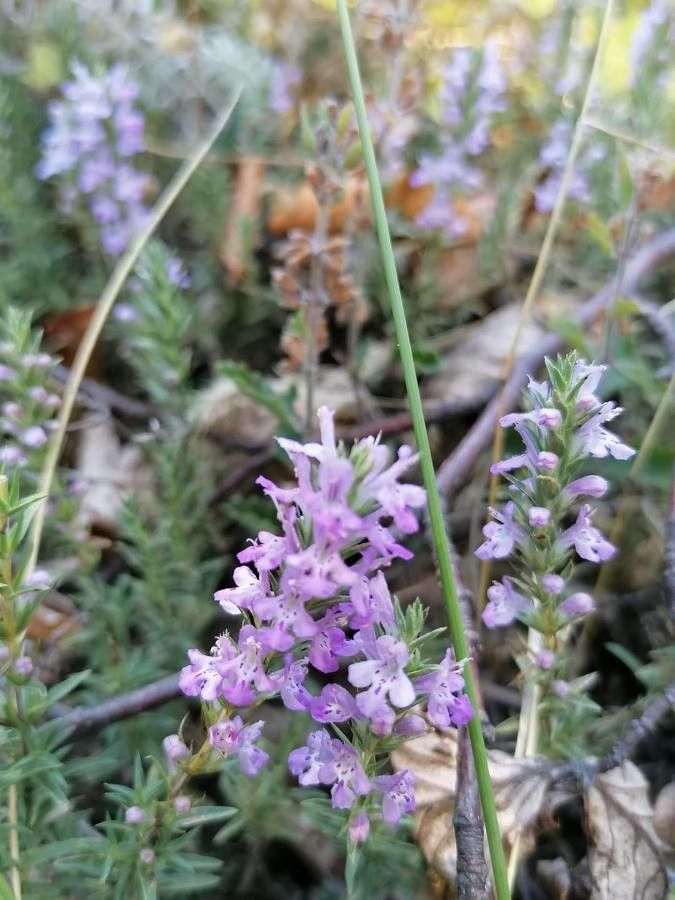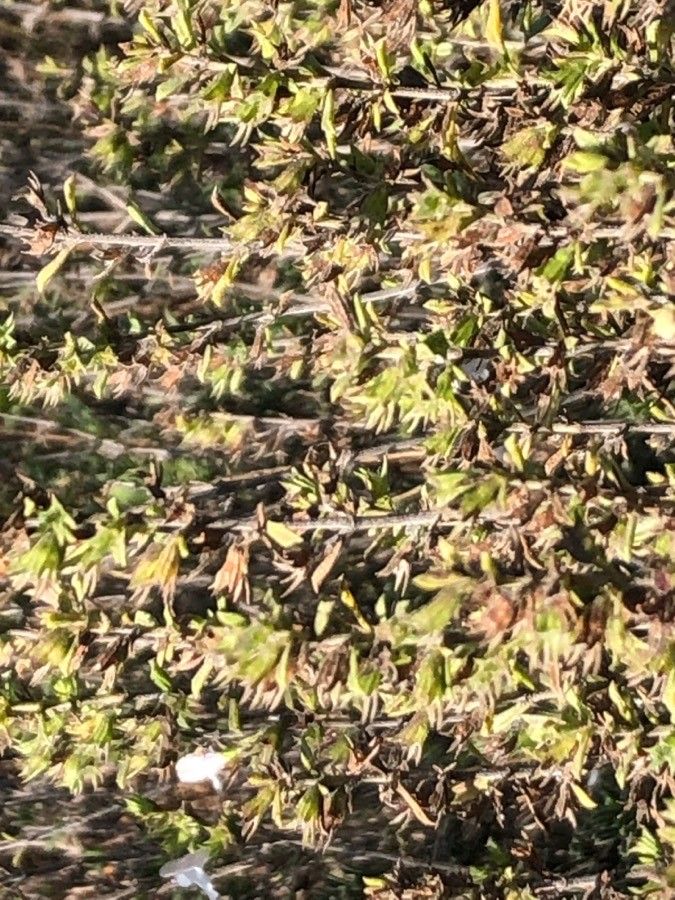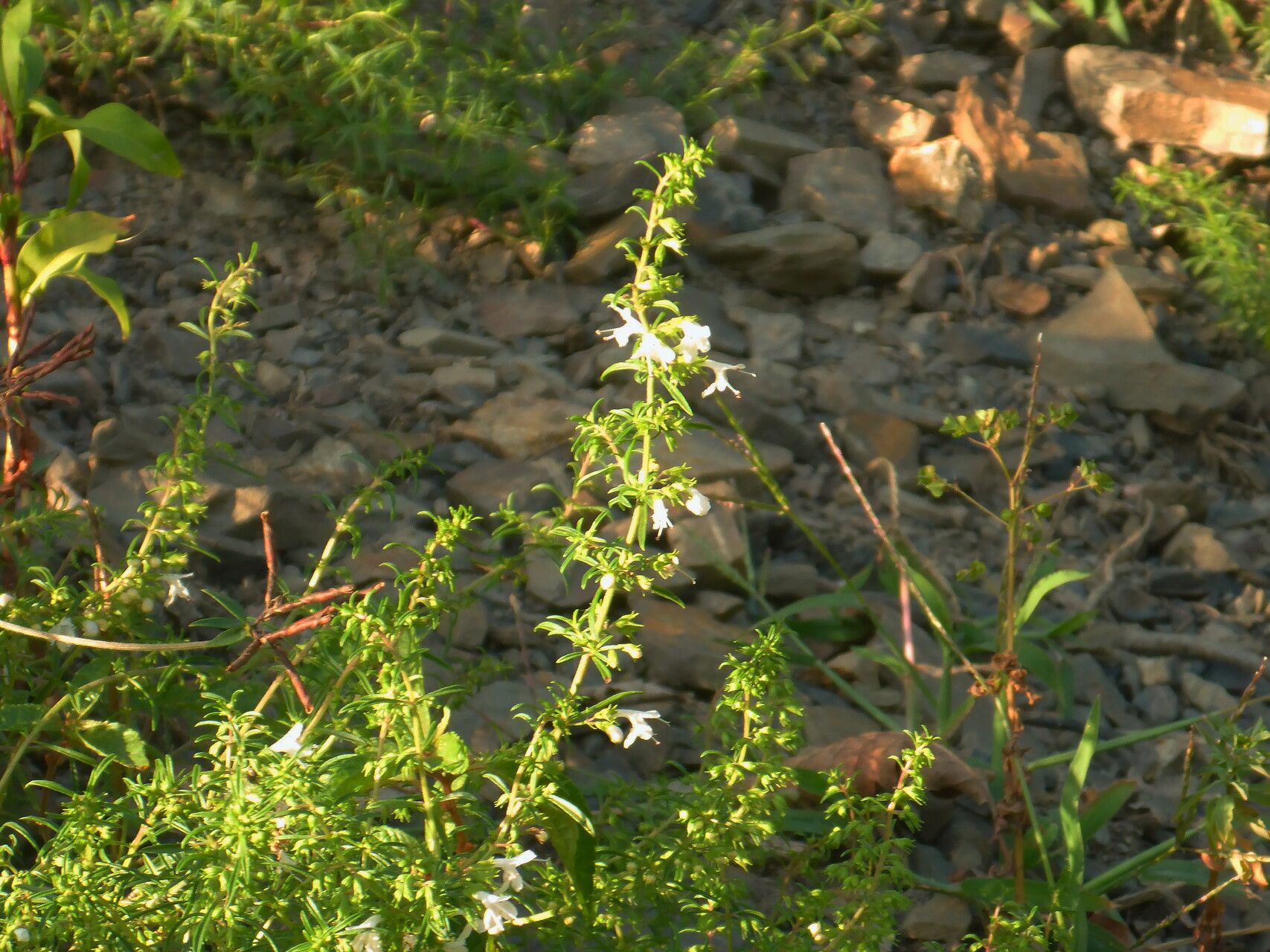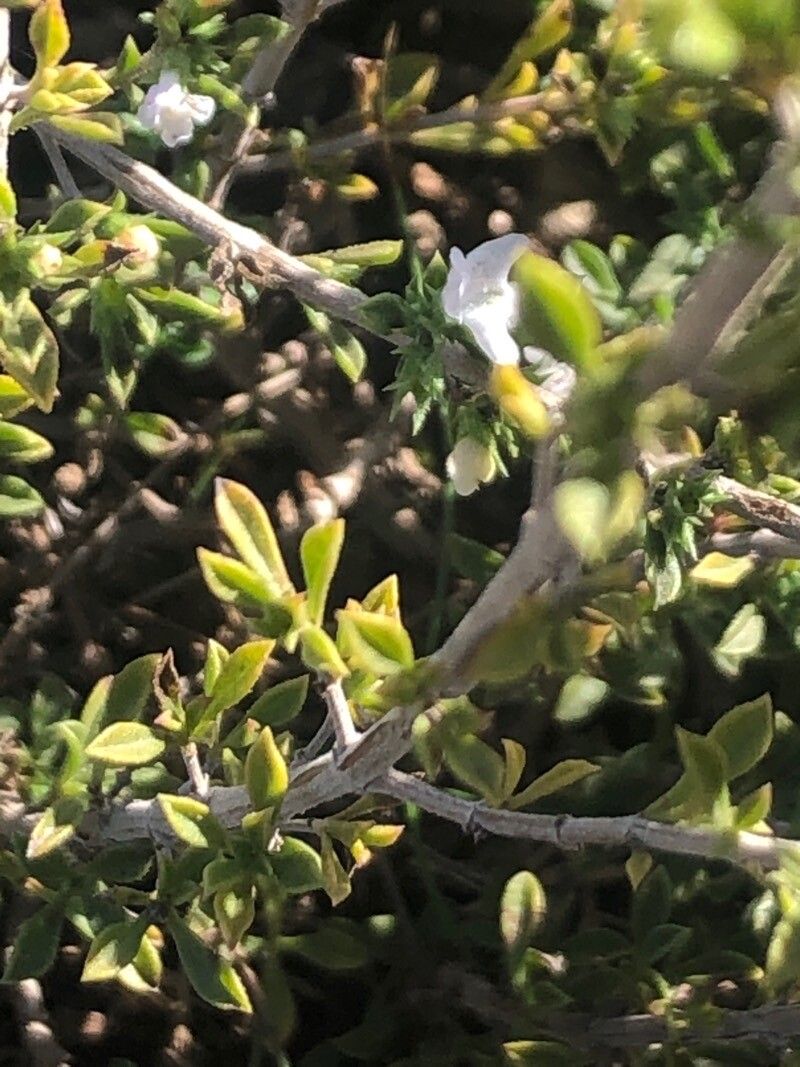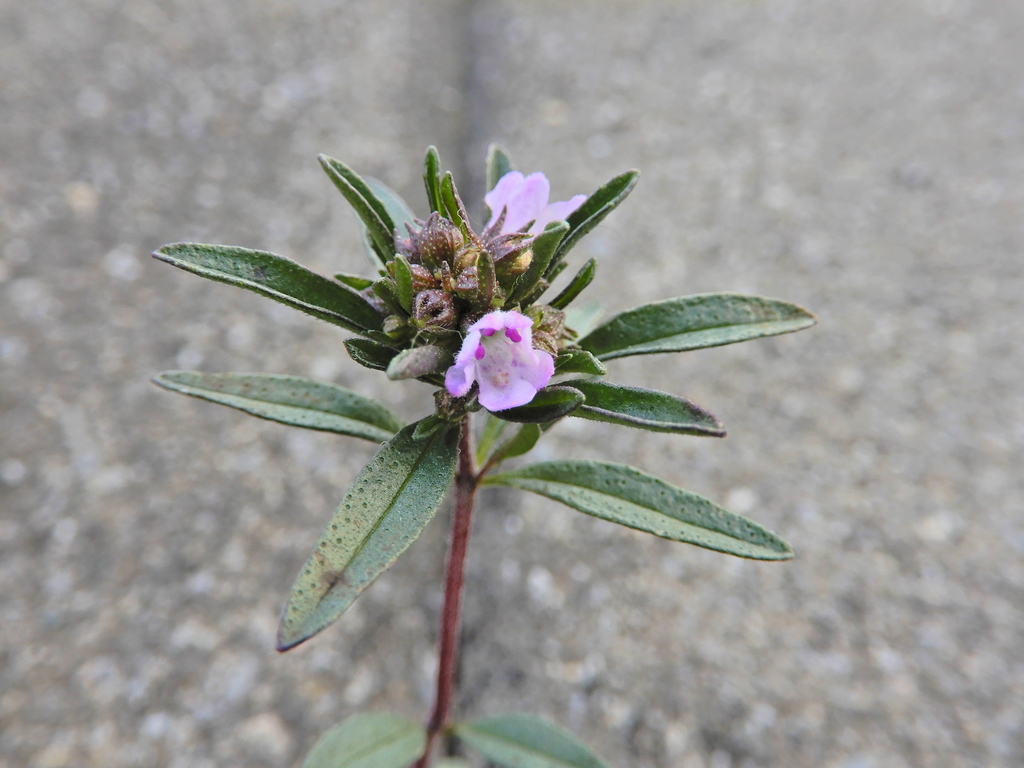
Summer savory (Satureja hortensis) is among the best known of the savory genus. It is an annual, but otherwise is similar in use and flavor to the perennial winter savory. It is used more often than winter savory, which has a slightly more bitter flavor. This herb has lilac tubular flowers which bloom in the northern hemisphere from July to September. It grows to around 30 to 60 cm (1 to 2 ft) in height and has very slender, bronze-green leaves. Summer savory is a traditional popular herb in Atlantic Canada, where it is used in the same way sage is elsewhere. It is the main flavoring in dressing for many fowl, mixed with ground pork and other basic ingredients to create a thick meat dressing known as cretonnade (cretonade) which may be eaten with turkey, goose and duck. It also is used to make stews such as fricot, and in meat pies. It is usually available year-round in local grocery stores in dried form and is used in varying proportions, sometimes added to recipes in large generous heaping spoonfuls (such as in cretonnade), and sometimes more subtly (as in beans, for which savory has a natural affinity). Summer savory is a characteristic ingredient of herbes de Provence. It is also widely used as a seasoning for grilled meats and barbecues, as well as in stews and sauces. Summer savory is preferred over winter savory for use in sausages because of its sweeter, more delicate aroma. It plays an important role in Bulgarian cuisine, providing a strong flavor to a variety of dishes. Instead of salt and pepper, a Bulgarian table will have three condiments: salt, red sweet pepper, and summer savory. When these are mixed it is called sharena sol (шарена сол 'speckled salt'). Summer savory, known as cimbru, is used in Romanian cuisine, especially in sarmale (stuffed cabbage or grape leaf rolls) and in mititei (grilled ground meat rolls). The plant is called Bohnenkraut in German, bonenkruid in Dutch, sarriette in French, santoreggia in Italian, segurelha in Portuguese, ajedrea in Spanish, θρούμπι (throúbi) in Greek, cząber in Polish, чубрица (chubritsa) in Bulgarian, cimbru in Romanian, borsikafű in Hungarian, чубар (čubar) in Serbian, чабер (chaber) in Ukrainian, and жамбил (jambil) in Uzbek. Summer savory is raised from seed grown in a rich, light soil. The seeds are very slow in germinating. The early spring seedlings are often topped for fresh use in June. When the plants are in flower, they may be pulled up and dried for winter use.
Summer savory, also known as annual savory, is a distinct herb compared to its perennial counterpart, winter savory (Satureja montana). As its name suggests, summer savory is an annual plant. Both summer and winter savory share a peppery taste, but summer savory is notably sweeter and milder in flavor.
Summer savory is fairly resistant to disease and usually does not develop many problems. Still, it can be vulnerable to pests and diseases present in its environment, though these issues tend to be mild. With respect to care, the plant requires moderate maintenance. It should be pruned regularly to preserve a neat appearance and healthy growth. Fertilizing can also encourage more flowering. Summer savory is appropriate for anyone with outdoor space, such as a garden or patio, and does not demand extensive gardening experience. It may need more attention when grown indoors.
How to keep Satureja Hortensis.
Light
Summer savory does best when exposed to plentiful light for most of the day, though it can tolerate less brightly lit conditions. Sunlight is important for its healthy growth; too little or too much light can interfere with its normal physiological functions. It originated in habitats with prolonged daily light exposure.
Water
Summer savory, which comes from a warm climate, thrives best with moderate weekly watering and well-drained soil to prevent waterlogging. When grown outdoors, it benefits from natural rainfall, aligning its care with its native hydration cycle. This approach ensures the plant receives optimal moisture without the risk of indoor water stagnation.
Humidity
This plant will thrive in moderate humidity, which is probably the level in your home. However, misting it a few times a week can be very beneficial. Make sure the room has good ventilation.
Temperature
Summer savory comes from areas where temperatures are usually between 68 and 100 °F (20 to 38 °C). It does best in warm conditions. In colder seasons, steps like adding extra warmth may be necessary to sustain its optimal growth.
Fertilizer
Summer savory responds well to regular, light applications of fertilizer to encourage healthy leaf development. Fertilize summer savory roughly once a month during the summer. Nitrogen is important for foliage, and adding nitrogen-rich sources helps summer savory thrive.
Pruning
Summer savory is an aromatic herbaceous annual that benefits from thoughtful pruning. In early spring, trim back about one-third of the plant to encourage bushy growth and enhance its flavor. Regularly remove spent flowers and straggly stems to prevent the plant from becoming leggy. Be sure to use clean, sharp tools to minimize the risk of disease and reduce stress on the plant.
Pot & Repot
When repotting Summer savory, choose a pot that is 1-2 inches (2.5–5.1 cm) larger in diameter and ensure it has good drainage. Use a well-draining potting mix and consider adding perlite for extra drainage. Repot in spring or early summer, then water thoroughly, and place it in a shady spot initially.
Botanical profile.
- Plant Type
- Herb
- Life Cycle
- Annual, Perennial, Biennial
- Genus
- Satureja
- Family
- Lamiaceae
- Hardiness Zone
- 2-11
- Mature Height
- 30 cm to 46 cm
- Mature Spread
- 30 cm
- Leaf Color
- Green
- Leaf Type
- Semi-evergreen
- Flower Color
- White, Pink
- Flower Size
- 2.54 cm
- Bloom Time
- Early summer, Mid summer
- Planting Time
- Spring
- Harvest Time
- Mid summer
- Native Area
- Turkey, Slovakia, Montenegro, Armenia, Croatia, Slovenia, China, Uzbekistan, Russia, Serbia, Iraq, Italy, Indonesia, Iran, Albania, Hungary, Turkmenistan, France
Other names.
Reader questions.
How should I water my Summer savory plant?
To water Summer savory, there are several options you can choose from. You can use a garden hose with a spray nozzle, a watering can, or any other common watering tool that you have. This plant is not too fussy about the type of water it receives. It can use rainwater, tap water, or filtered water without issue. However, it's generally best to avoid watering Summer savory from overhead as this can harm the leaves and flowers and may even cause disease. Instead, a drip irrigation system is often the most effective method. These systems distribute water evenly and directly to the soil, which is beneficial for Summer savory. If you have a container-grown Summer savory, you can follow a similar approach but adjust the tools you use. Simply use a cup, watering can, or even your tap to apply water directly to the soil in the container.
Why is it important to use fertilizer on my Summer savory plant?
Plants require nutrients to grow, and while some types can obtain all their necessary nutrients without additional fertilizers, Summer savory, like other plants, relies on nutrients for growth and internal processes. The main nutrients plants use, such as nitrogen, phosphorus, and potassium, play crucial roles in supporting various essential functions. In the case of foliage, nitrogen provides the greatest support. However, Summer savory often struggles to obtain sufficient nitrogen from the soil alone. As a result, many gardeners choose to supplement its nitrogen intake by feeding it with a nitrogen source.
What are the sunlight requirements for summer savory plants?
Summer savory plants thrive in environments that provide full sun, defined as above 6 hours of sunlight per day, or partial sun, which is about 3-6 hours of sunlight per day. It's crucial to monitor the sunlight patterns in your garden carefully to find areas that offer the ideal mix of light and shade, ensuring your plants remain healthy and happy. In its natural habitat, summer savory is accustomed to significant amounts of daily light, which is vital for its growth. Too little or excessive light can hinder its normal growth processes.
What is summer savory and where is it native to?
Summer savory, botanically known as Satureja hortensis, is native to regions with temperatures ranging from 68 to 100 °F (20 to 38 °C). It flourishes best in warm climates, indicating its preference for environments where it can receive ample warmth.
What should I do if I give my Summer savory plant too much or too little water?
Underwatering Summer savory is easily fixed - just water it more regularly when you notice it lacks moisture. On the other hand, overwatering can be even more serious, potentially leading to diseases and the eventual decline and death of the plant. To prevent this, choose a sunny growing location with good drainage to help dry the soil and prevent water from pooling. Additionally, if your Summer savory is in a pot and you've overwatered it, consider repotting it. Make sure the new pot has good drainage and add loose soil to promote drying.
When should I fertilize my Summer savory plant?
To ensure the growth of Summer savory, it is recommended to fertilize it once a month, particularly during the spring and summer months when it is actively growing. Avoid fertilizing during fall and winter as the plant becomes less active and requires fewer nutrients. Look for signs of new growth as an indication to start fertilizing. Whether grown outside or in a container, the fertilization schedule remains the same. However, if your Summer savory is in a container, you can wait for one to two months before starting to fertilize. Container plants usually have sufficient nutrients in the potting soil initially, so fertilization can begin after some time in the same soil.
How should indoor plants be supplemented with artificial lighting?
Indoor summer savory plants necessitate adequate lighting, especially when natural light is scarce, such as in winter or less sunny locations. Artificial lighting can be a beneficial supplement, promoting healthier and faster growth. LED lights are recommended due to their adjustability for specific light wavelengths needed by plants. The requirements for artificial light vary by plant type: full sun plants need 30-50W/sq ft, partial sun plants 20-30W/sq ft, and full shade plants 10-20W/sq ft. The artificial light source should be placed 12-36 inches above the plant, imitating natural sunlight as closely as possible, and should be kept on for 8-12 hours per day to replicate natural daylight hours.
Does summer savory need special care in cold weather?
Summer savory possesses strong cold resistance and typically doesn't require special frost protection measures during the winter. In areas where temperatures may drop below -40°C, it's recommended to protect the plant by covering it with soil or straw. Additionally, to prevent drought and ensure the soil remains moist into the frozen state, it's advisable to water the plant abundantly before the first freeze in autumn.
How often should I give water to my Summer savory plant?
To keep your Summer savory plant healthy, it's important to provide regular watering. In the spring, water once a week. As the weather gets hotter, increase watering to two to three times per week. However, be careful not to overwater, as it can harm the plant. Make sure the soil remains moist but not soaked. Watering a potted Summer savory plant requires more frequent watering compared to an in-ground plant. Generally, water a container-grown plant a few times per week, while an in-ground plant can be watered just once a week.
When is the best time to not fertilize my Summer savory?
To ensure the health of your Summer savory, avoid fertilizing it if it is already unhealthy due to disease or insect pests. Additionally, refrain from fertilizing a dehydrated plant, as the fertilizer could exacerbate the problem. It is advisable to only fertilize plants that are in good health. When watering, be cautious not to splash the leaves or stem of the plant with fertilizer as it can cause burnt spots. Unless using a specific foliage fertilizer, avoid direct contact between the plant and the fertilizer.
What are the symptoms of inadequate light in summer savory plants?
When grown indoors or under insufficient light, summer savory may display several symptoms indicating light deficiency. These include small new leaves, leggy or sparse growth, premature leaf drop, slowed or ceased growth, and pale or irregularly colored new leaves. Additionally, excessive sunlight can cause chlorosis (yellowing of the leaves), sunscald (sunburn), leaf curling, wilting, and leaf scorching. These symptoms suggest either a lack of sufficient sunlight or overexposure, both of which negatively impact the plant's photosynthesis process and overall health.
How does summer savory respond to low temperatures?
While summer savory is cold-tolerant and thrives best at temperatures above 20°C, keeping it above 0°C during winter is essential. If temperatures fall below -40°C, the plant might not show immediate distress, but there could be a noticeable decrease in sprouting or even no sprouting at all during spring. In such cases, removing any parts that have failed to sprout in spring is advised.