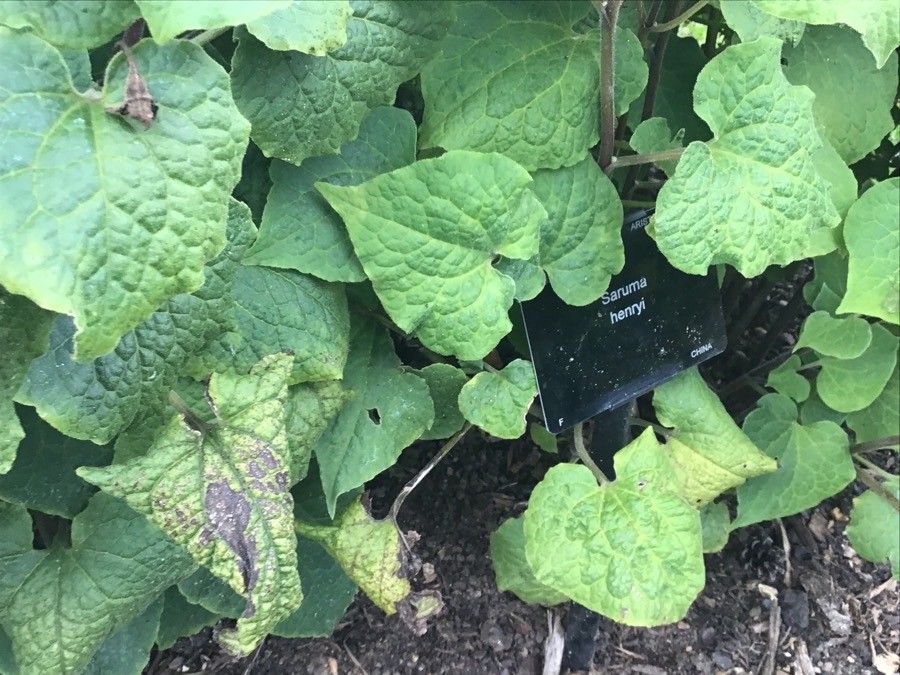
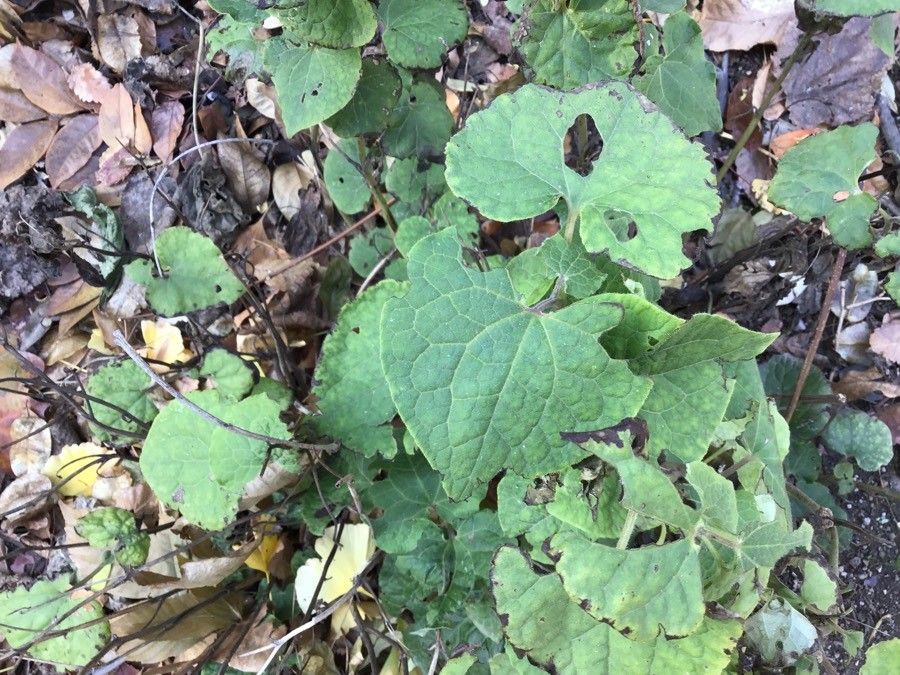
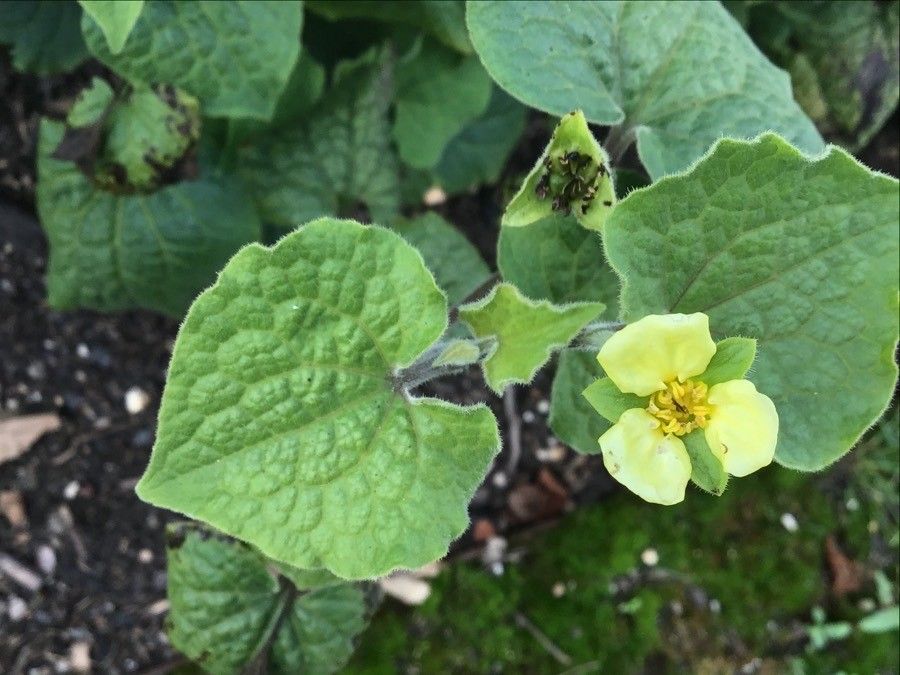
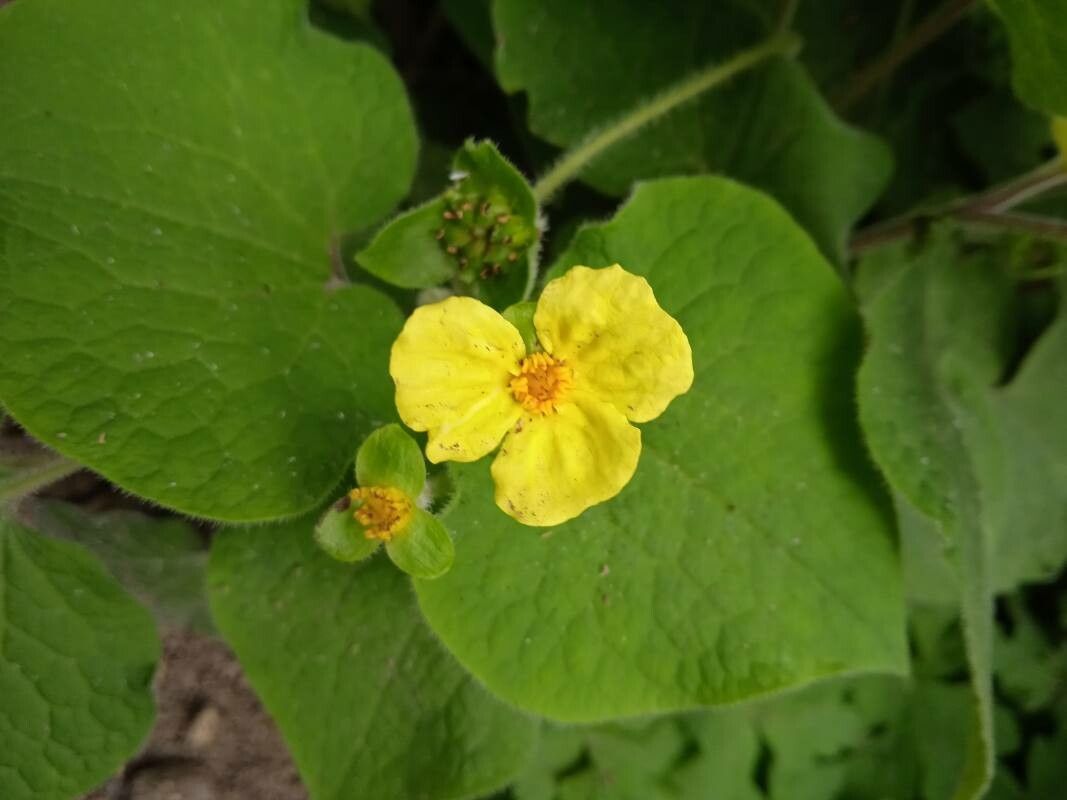
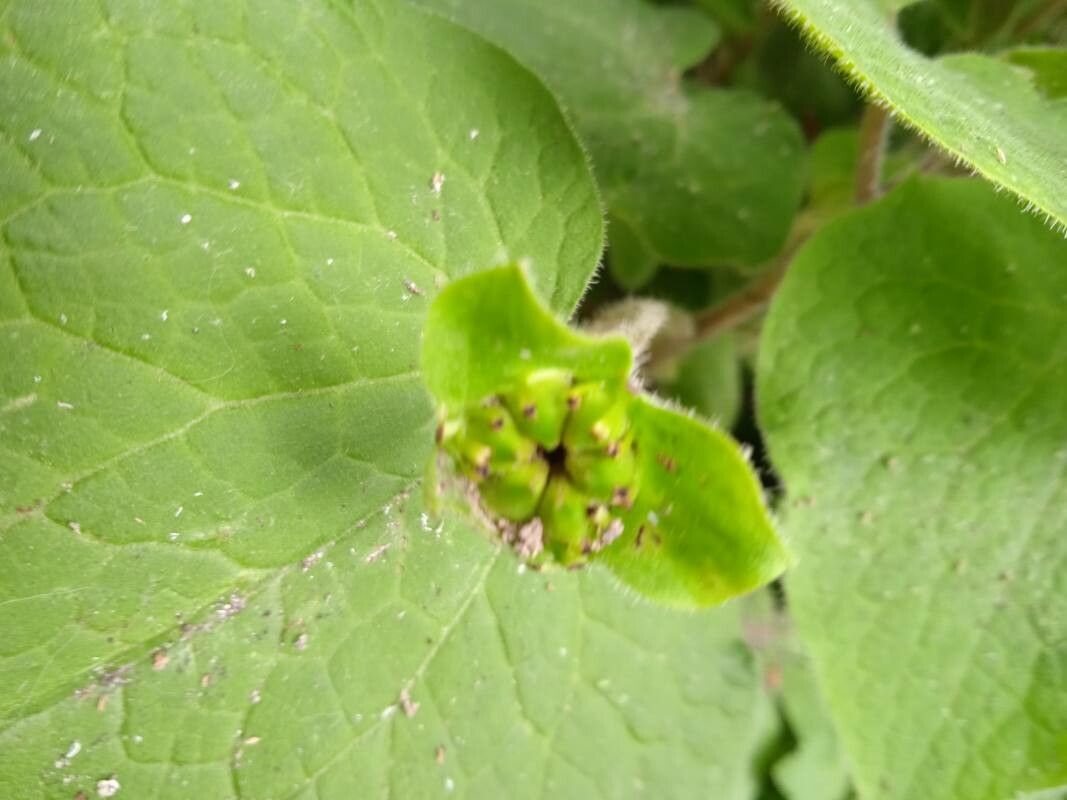
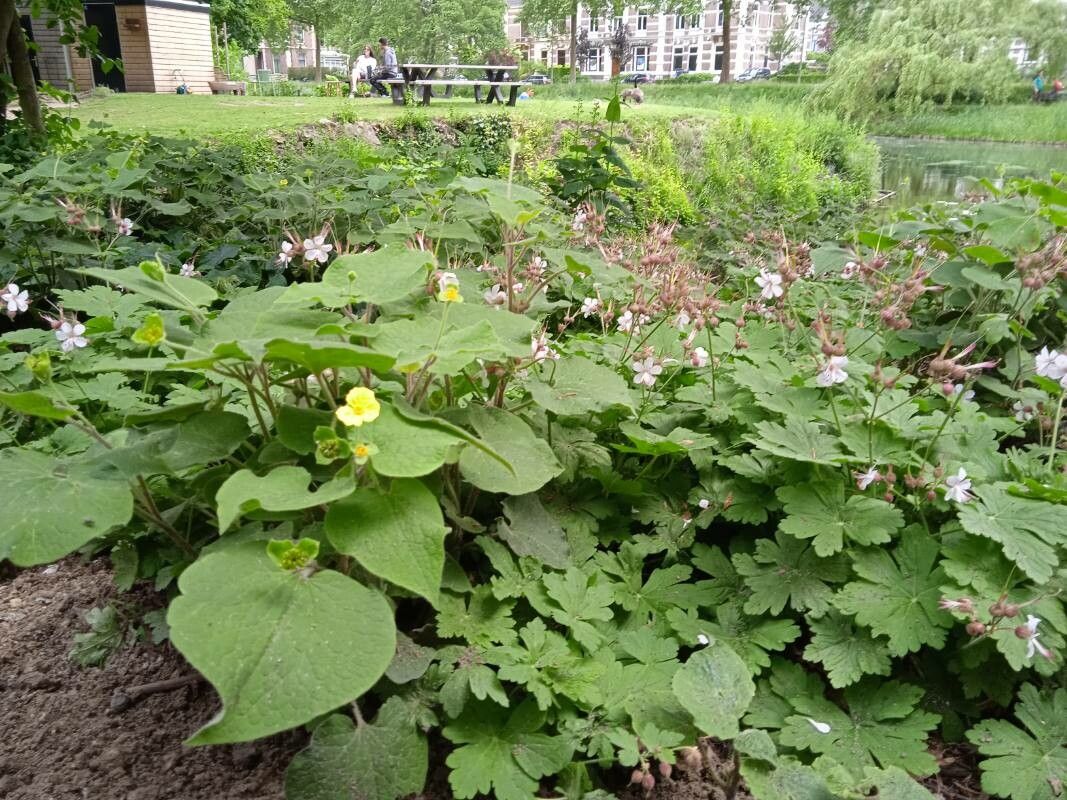
Saruma is a monotypic genus of flowering plants in the family Aristolochiaceae containing the single species Saruma henryi. It is endemic to China, where it occurs in Gansu, Guizhou, Hubei, Jiangxi, Shaanxi, and Sichuan.This species is a perennial herb growing from a system of rhizomes. The erect stem is up to a meter tall. The heart-shaped leaves are up to 15 by 13 centimeters. It produces yellowish or yellow-green flowers. The fruit is a follicle.
Upright wild ginger generally has strong disease resistance and is usually not susceptible to illnesses. Nonetheless, it can be affected by pests and diseases present in its environment. These problems are typically mild. As for care, the plant requires moderate maintenance. It should be pruned regularly to keep a tidy appearance and support healthy growth. Fertilizing can also encourage flowering. Upright wild ginger is well suited to anyone with outdoor space, such as a garden or patio, and does not demand extensive gardening experience. It may need more attention if grown indoors.
How to keep Saruma Henryi.
Light
Upright wild ginger tolerates a range of light conditions, doing well in locations that get a fair amount of sun each day, though it can also cope in places where light is mostly shaded. Too much sun can be damaging, and too little light may slow growth and result in weaker overall health.
Water
Upright wild ginger flourishes in humid environments and prefers consistent moisture, typically needing to be watered once a week. As a herbaceous perennial, it becomes dormant during colder months and requires less watering to prevent waterlogging.
Temperature
Upright wild ginger is native to regions with mild climates and does well in temperate areas. The plant prefers temperatures from 41 to 77 °F (5 to 25 °C). In colder periods, make sure upright wild ginger is kept at no less than 41 °F (5 °C).
Fertilizer
The best time to fertilize an Upright wild ginger is in early spring, as it emerges from dormancy and starts active growth. Fertilization supplies essential nutrients for healthy development. Although Upright wild ginger has fairly low fertilizer requirements, yearly fertilizing can improve its survival and encourage better, longer-lasting flowers.
Pruning
To help your upright wild ginger flourish, prune it carefully from early to late spring. This encourages healthy growth and better flowering. Remove any dead stems and trim selectively to improve shape and air circulation. Make sure to use sharp, clean tools to prevent disease and provide the best care for your plants.
Botanical profile.
- Plant Type
- Herb
- Life Cycle
- Perennial
- Genus
- Saruma
- Family
- Aristolochiaceae
- Hardiness Zone
- 4
- Mature Height
- 46 cm to 61 cm
- Mature Spread
- 91 cm
- Leaf Color
- Green, Silver, Gray
- Leaf Type
- Deciduous
- Flower Color
- Yellow
- Flower Size
- 2.54 cm
- Bloom Time
- Spring
- Planting Time
- Spring, Summer
- Harvest Time
- Summer
- Native Area
- China
Other names.
Reader questions.
What are the sunlight requirements for Upright wild ginger?
Upright wild ginger thrives in varying sunlight conditions. It can manage well in areas with a decent amount of sun each day but is also adaptable to locations where light is mostly obscured. The plant can flourish in partial sun, which is about 3-6 hours of sunlight, and in full shade, which means receiving less than 3 hours of sunlight. Overexposure to sun can harm the plant, and insufficient sunlight may slow its growth, affecting its health. It's essential to observe the movement of sunlight through your garden to choose the ideal spots that ensure the plant's happiness by offering a perfect balance of light and shade.
What is the ideal temperature range for upright wild ginger?
Upright wild ginger, botanically known as Saruma henryi, thrives best in moderate climates with temperatures ranging between 41 and 77 °F (5 to 25 °C). It's indigenous to temperate environments and prefers to be kept within this temperature range to flourish.
How can artificial lighting be used for Upright wild ginger growth indoors?
Indoor Upright wild ginger plants require adequate lighting for optimal growth, especially when natural sunlight is insufficient. Artificial lights, such as LED lights, can provide the necessary wavelengths of light that the plants need. For full sun plants, 30-50W per square foot of artificial light is needed; partial sun plants need 20-30W per square foot, and full shade plants require 10-20W per square foot. The light source should be placed 12-36 inches above the plant to mimic natural sunlight effectively. Most plants will thrive with 8-12 hours of light per day, simulating the natural daylight duration for the specific plant species.
How does upright wild ginger cope with cold temperatures?
Upright wild ginger is highly tolerant of cold temperatures and does not require additional frost protection during winter. However, it's essential to keep the plant in conditions not less than 41 °F (5 °C) during the colder months. To prepare for winter, it is recommended to water the plant generously before the first freeze in autumn to ensure the soil remains moist and enters a frozen state. This preparation helps prevent drought and water scarcity for the plant during winter and early spring.
What are the symptoms of light deficiency in Upright wild ginger?
Upright wild ginger might exhibit various symptoms when grown indoors with insufficient light. Symptoms of light deficiency include smaller new leaves, leggy or sparse growth, faster leaf drop, slower or no new growth, lighter-colored new leaves indicating a lack of chlorophyll, and chlorosis, where leaves turn yellow due to breakdown of chlorophyll. Excessive sunlight can cause symptoms like sunscald, leaf curling, wilting, and leaf scorching. Monitoring these symptoms can help diagnose light-related issues early, enabling timely corrective actions.
What should be done if upright wild ginger is exposed to temperatures below its cold tolerance?
Although upright wild ginger can tolerate cold down to -30°C, temperatures dropping below this threshold might not show immediate damage but can result in decreased sprouting or even a failure to sprout in the spring. The recommended solution is to remove any parts of the plant that have failed to sprout once spring arrives.
How should Upright wild ginger be managed for optimal growth in different lighting conditions?
For optimal growth of Upright wild ginger in different lighting conditions, a gradual adaptation process is recommended. Indoors, if the plant is large or non-movable, shifting it to sunnier spots each week until achieving 3-6 hours of direct sunlight daily or using artificial lighting for at least 8 hours daily can help. Outdoors, gradually moving plants to sunnier locations each week helps them adapt without experiencing sunburn. Additionally, reducing obstructions like tree branches to allow more sunlight or transplanting smaller plants during their dormant period to sunnier spots can significantly benefit their growth. It's crucial to avoid sudden changes in light intensity and ensure new growth after increasing light exposure is healthy.
How should upright wild ginger be cared for in high temperatures?
Upright wild ginger does not tolerate high temperatures well. When temperatures exceed 25°C, the plant stops growing and becomes susceptible to rot. To mitigate damage, trim away any sunburned or dried-up parts of the plant. Relocate the plant to a shaded area, especially during the midday and afternoon sun, or use a shade cloth. Additionally, ensure the soil remains moist by watering the plant in the morning and evening.