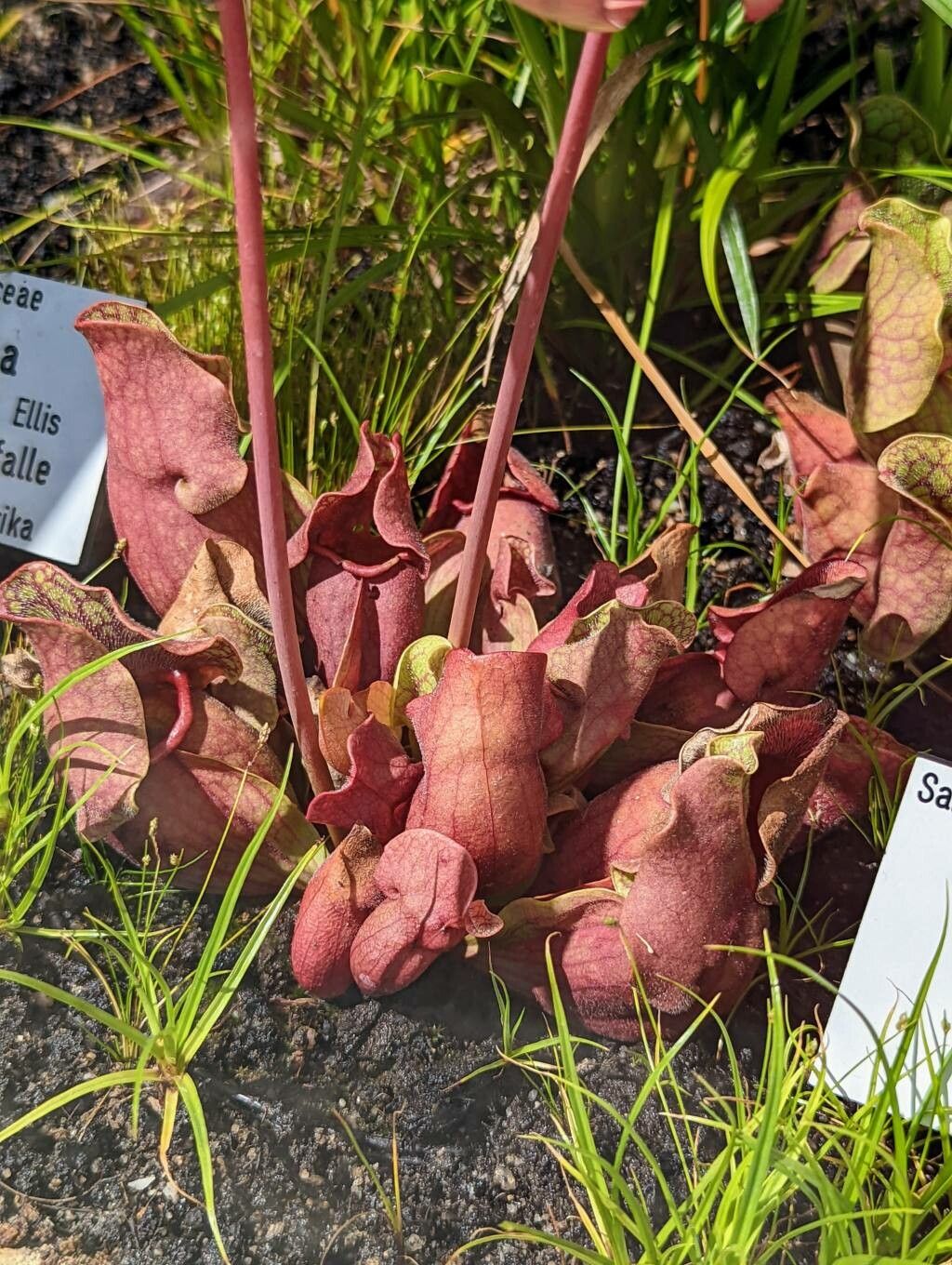
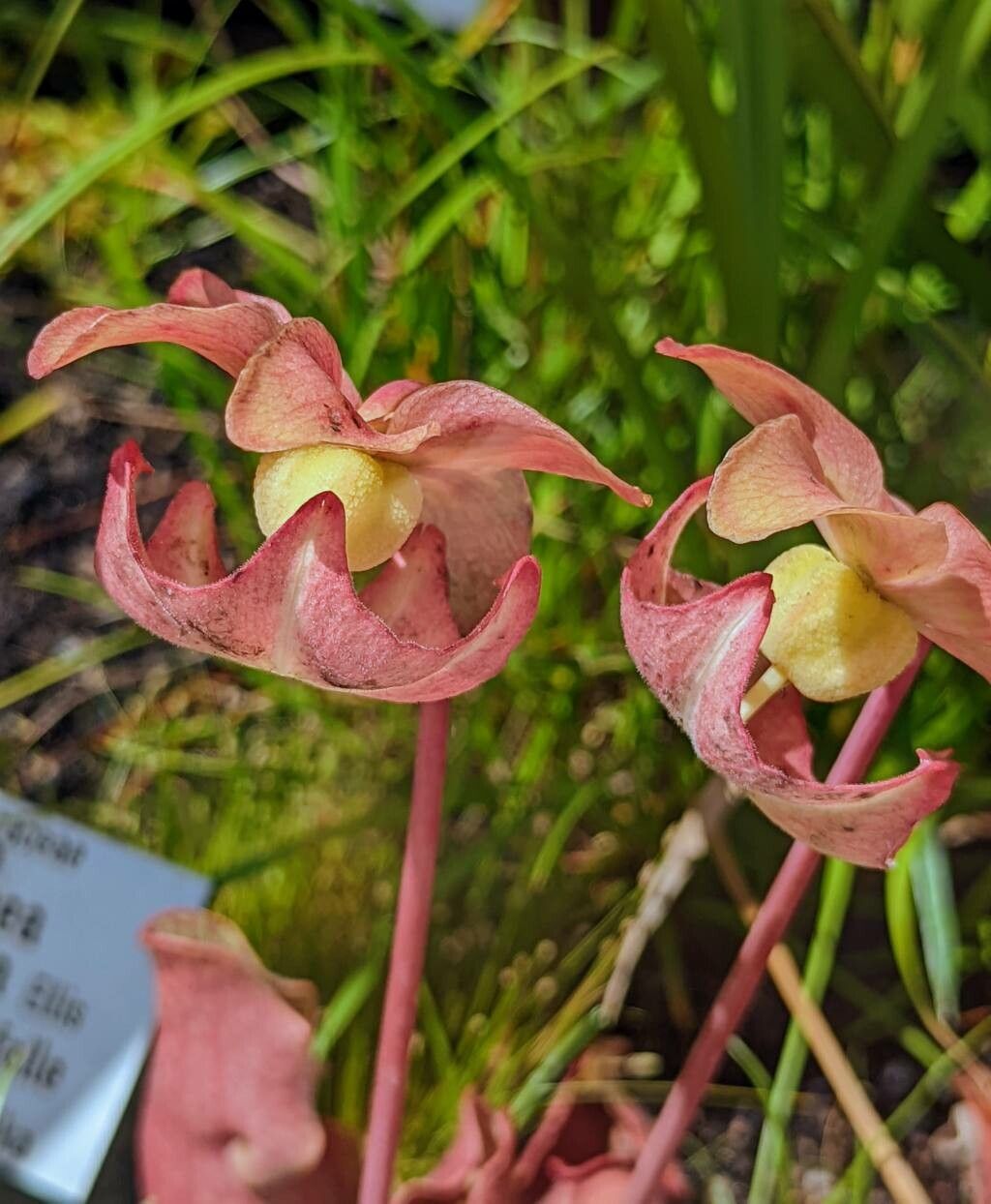
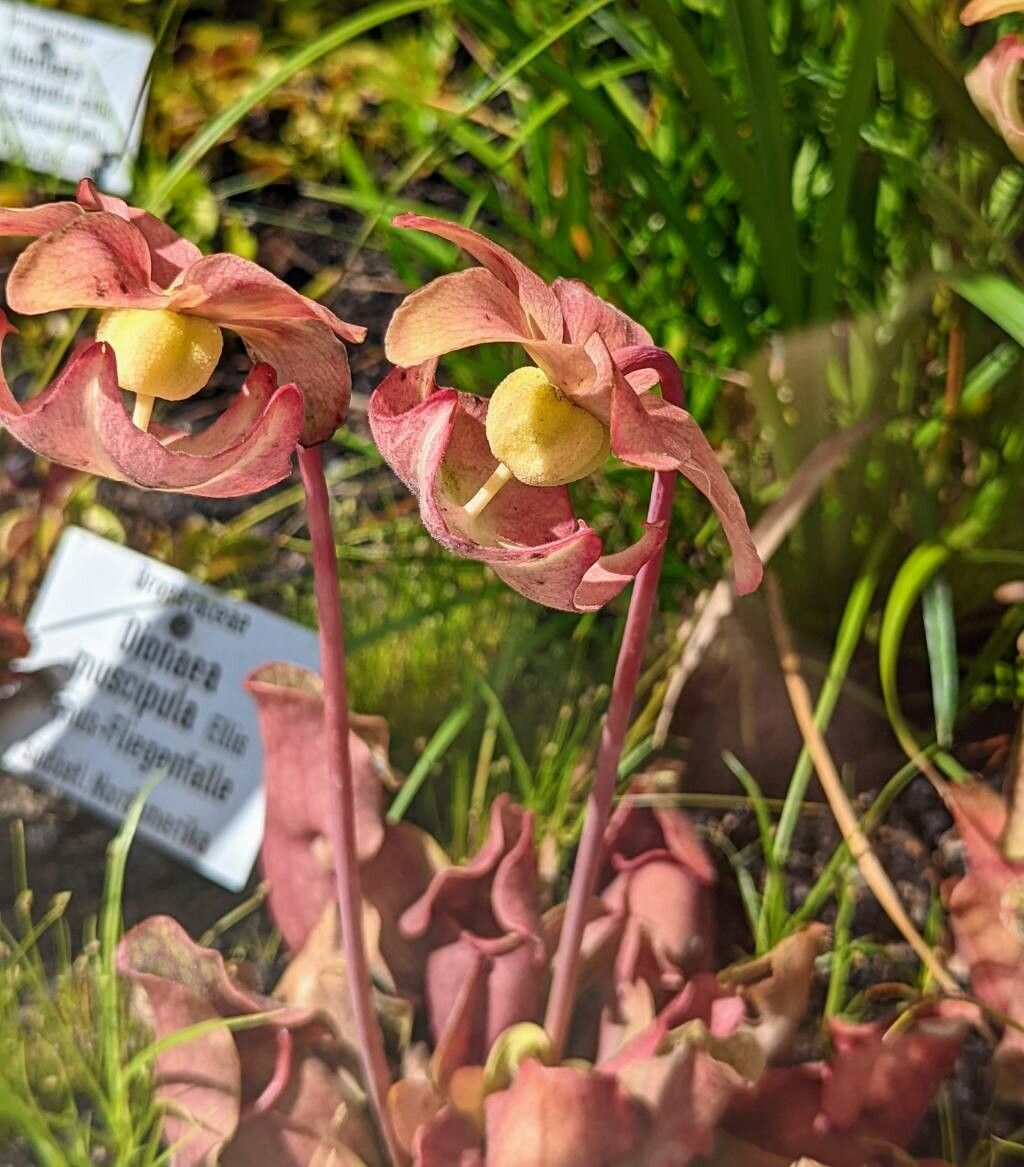
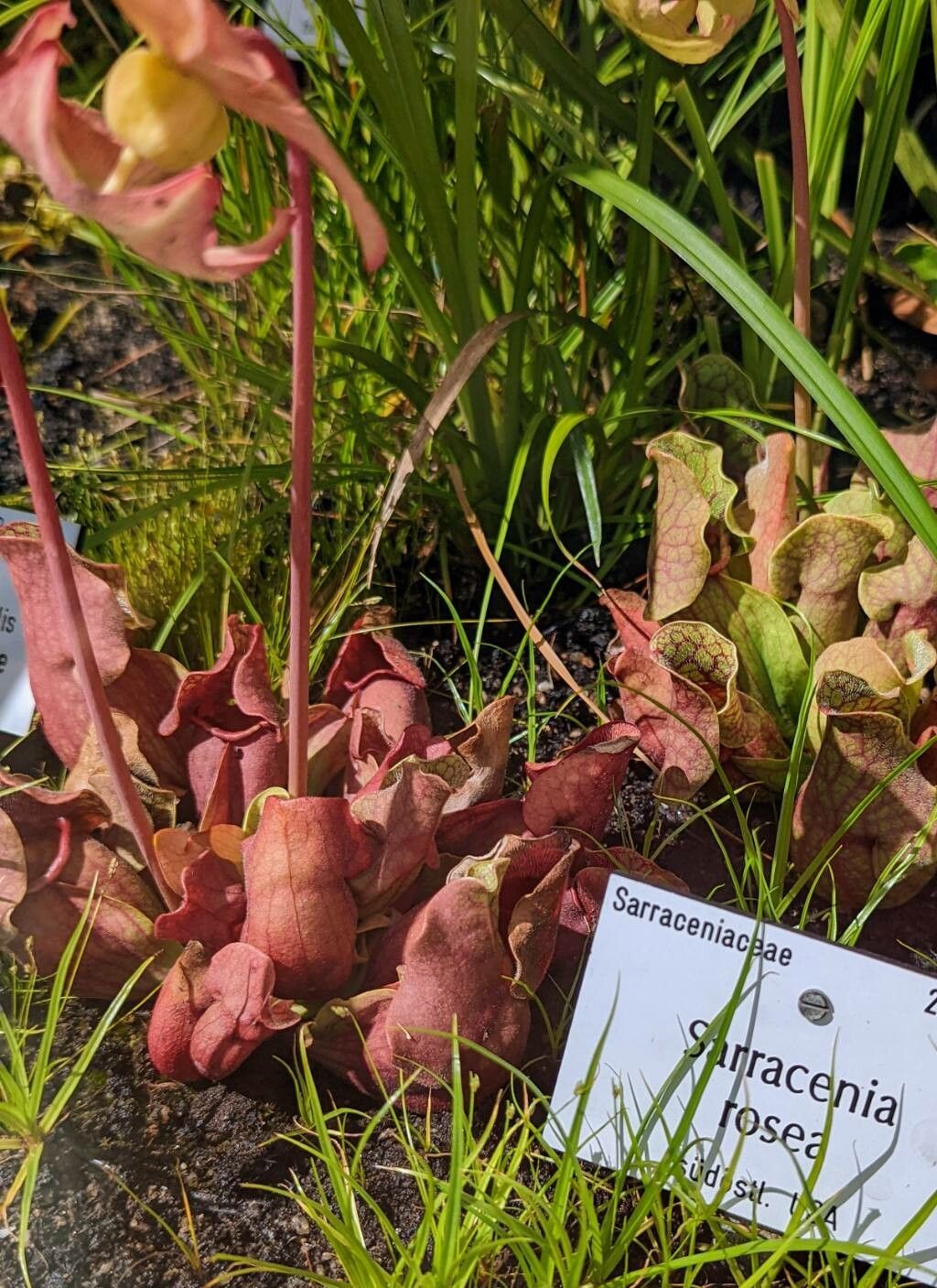
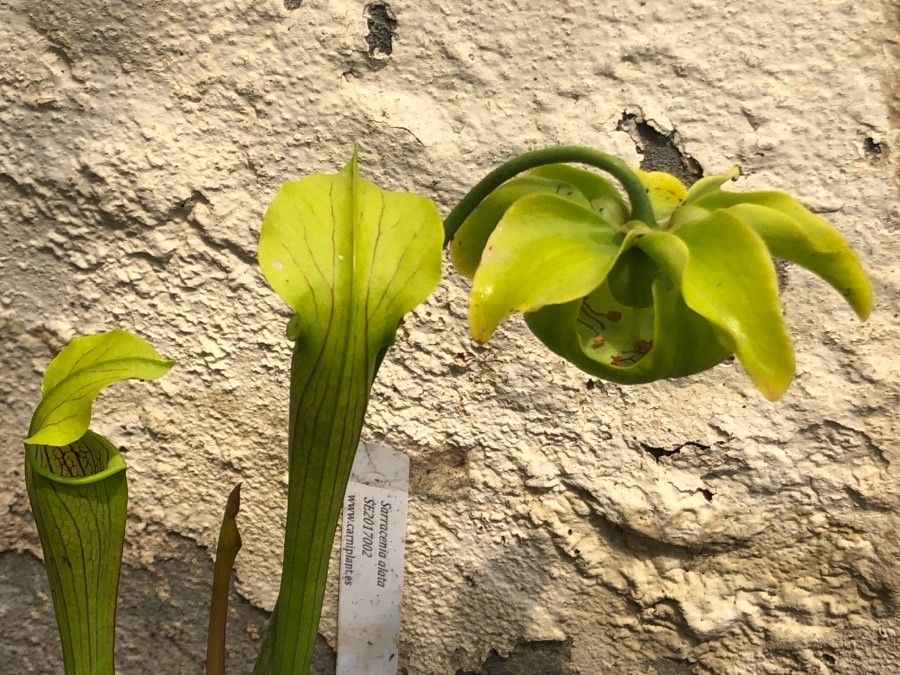
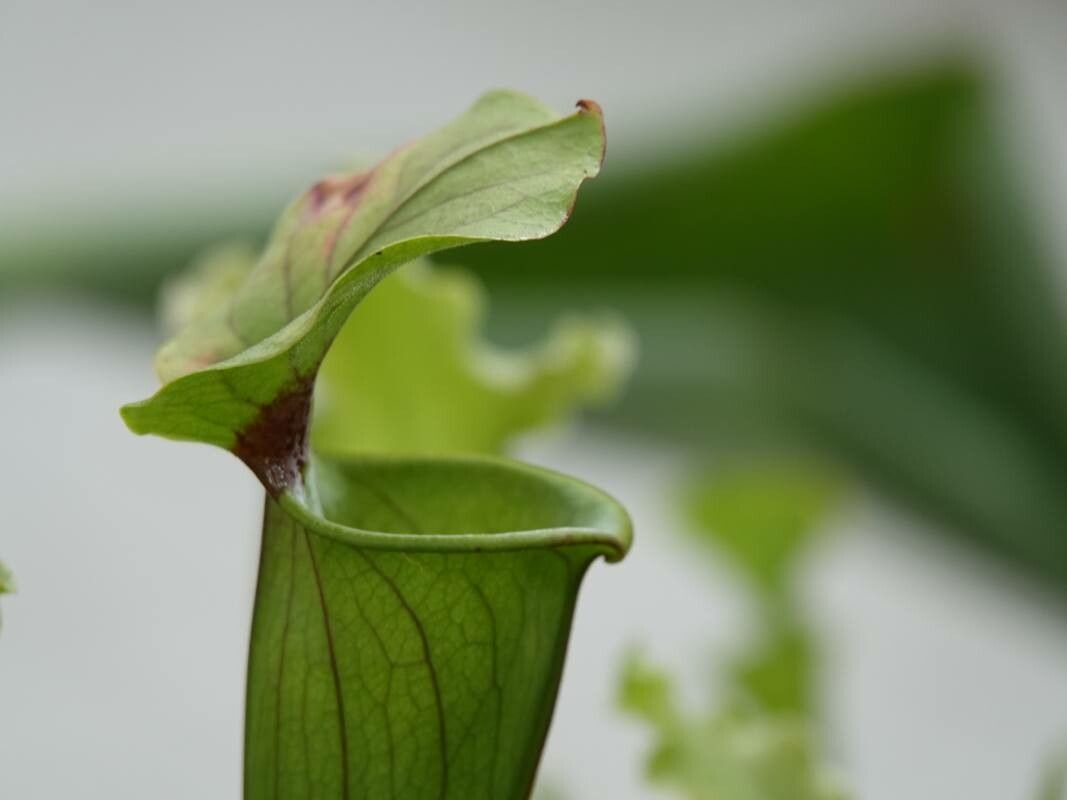
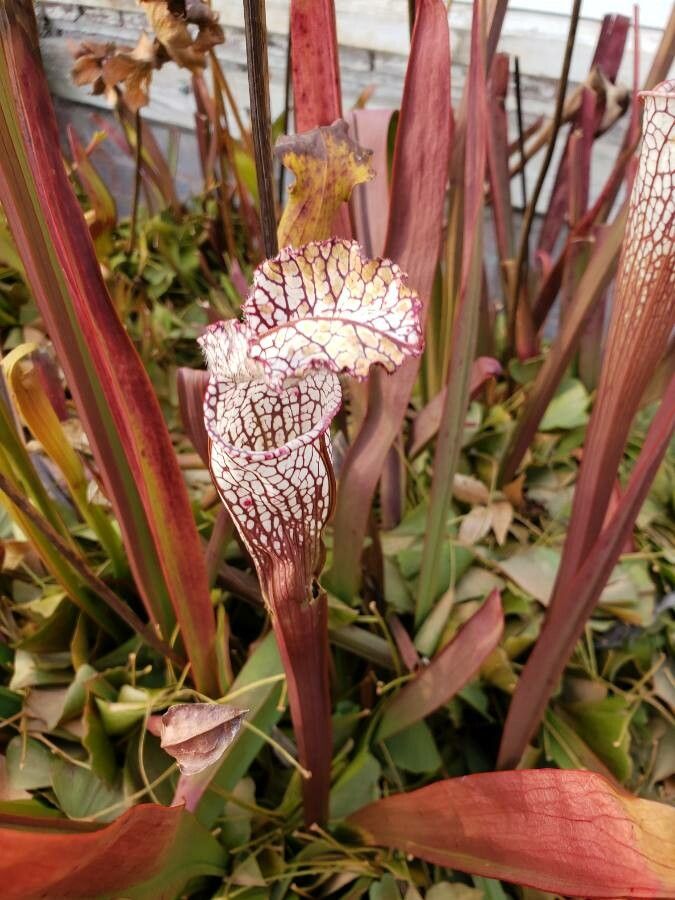
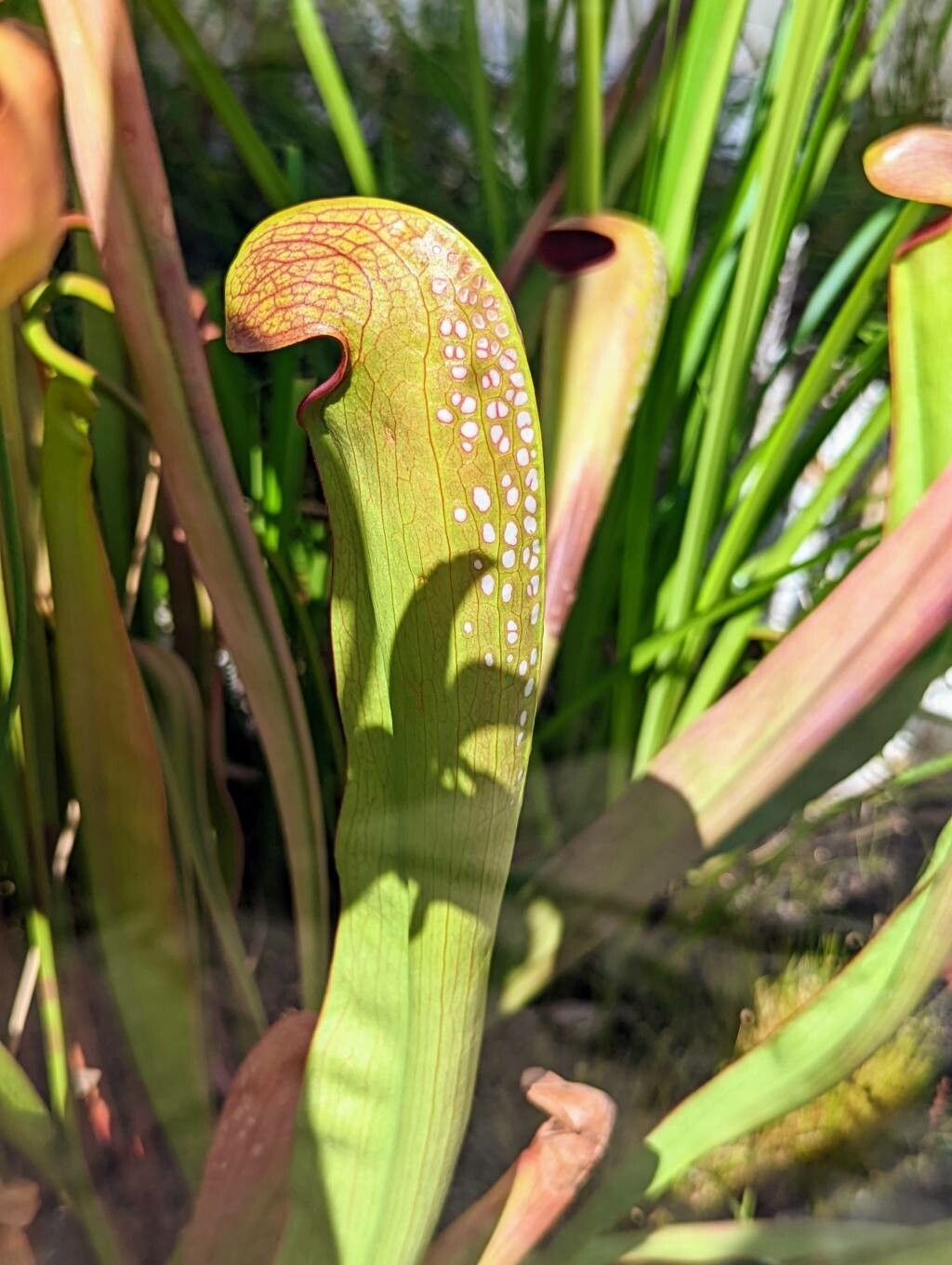
Sarracenia rosea is a species of pitcher plant in the genus Sarracenia and is sometimes known as Burk's southern pitcher plant.
Purple pitcherplant has moderate resistance to disease and needs a high-humidity environment. If air circulation is poor, however, it can be prone to rot. The care level for this plant is regarded as difficult because it requires constant humidification to keep humidity high. Purple pitcherplant is also highly prone to rot when the environment lacks ventilation and becomes too hot. Purple pitcherplant is appropriate for growers with more experience who can provide a suitable growing environment.
How to keep Sarracenia Rosea.
Light
The Purple pitcherplant comes from habitats with plentiful sunlight, such as open bogs and sunny wetlands. It prefers full sun but can also tolerate partial sun.
Water
To care for a purple pitcher plant, ensure that the soil remains consistently moist by using a soaker hose to prevent it from drying out. It is important to use pots with drainage holes to help flush out minerals. Water the plant with acidic sources, such as rainwater, and avoid using hard tap water. During the growing season, keep the soil saturated; however, in winter, reduce watering to prevent root rot.
Temperature
Purple pitcherplant prefers moderate temperatures, roughly comparable to what most people consider comfortable. It does best in conditions that are not excessively warm or cold. The primary concern with high heat is the potential for sunburn, so providing some shade in summer is recommended to prevent overheating. When temperatures fall, Purple pitcherplant goes into dormancy. If you want it to keep growing continuously, you must keep temperatures higher through the winter. Frost can harm the plant and should be avoided.
Pruning
To encourage healthy growth in your purple pitcher plant, prune any dead or damaged leaves in early spring and remove withered pitchers to maintain good hygiene. Be careful not to over-prune, as this can cause stress to the plant. Proper pruning not only improves the plant's appearance but also supports robust development, enhancing the overall health and visual appeal of your garden.
Pot & Repot
When repotting Purple pitcherplant, select a pot 1-2 inches (2.5–5.1 cm) larger with ample drainage. Use a well-draining potting mix. Repot in spring or fall, making sure the root ball sits slightly below the rim of the pot. Water thoroughly after repotting and place it in a warm spot with indirect sunlight.
Botanical profile.
- Plant Type
- Herb
- Life Cycle
- Perennial
- Genus
- Sarracenia
- Family
- Sarraceniaceae
- Hardiness Zone
- 6-9
- Mature Height
- 0 cm to 30 cm
- Mature Spread
- 25 cm
- Leaf Color
- Light Green, Red
- Leaf Type
- Deciduous
- Flower Color
- Pink
- Flower Size
- 5.08 cm to 6.35 cm
- Bloom Time
- Mid spring, Late spring
- Planting Time
- Spring, Autumn
- Harvest Time
- Summer
Other names.
Reader questions.
What are the sunlight requirements for the Purple pitcherplant (Sarracenia rosea)?
The Purple pitcherplant (Sarracenia rosea) demands specific sunlight conditions to thrive. It requires 'Full sun', which is defined as receiving above 6 hours of sunlight daily, for optimal growth. However, it can also tolerate 'Partial sun' conditions, where it gets about 3-6 hours of sunlight. It's important to observe the movement of sunlight through your garden to identify spots that provide a good balance of light and shade. This careful placement ensures the plant's well-being, allowing it to grow happily in your garden.
What is the Purple pitcherplant?
The Purple pitcherplant, known botanically as Sarracenia rosea, is a species of plant that does not have detailed information provided on essentials, symptoms, or additional aspects in this context. Further research is recommended for those interested in learning more about its characteristics, care, or habitat.