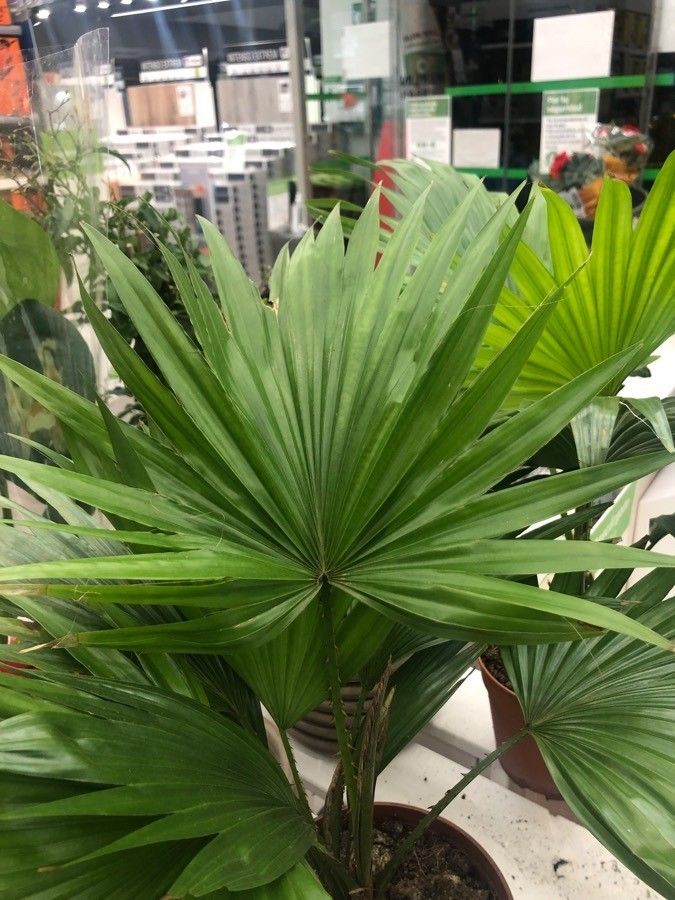
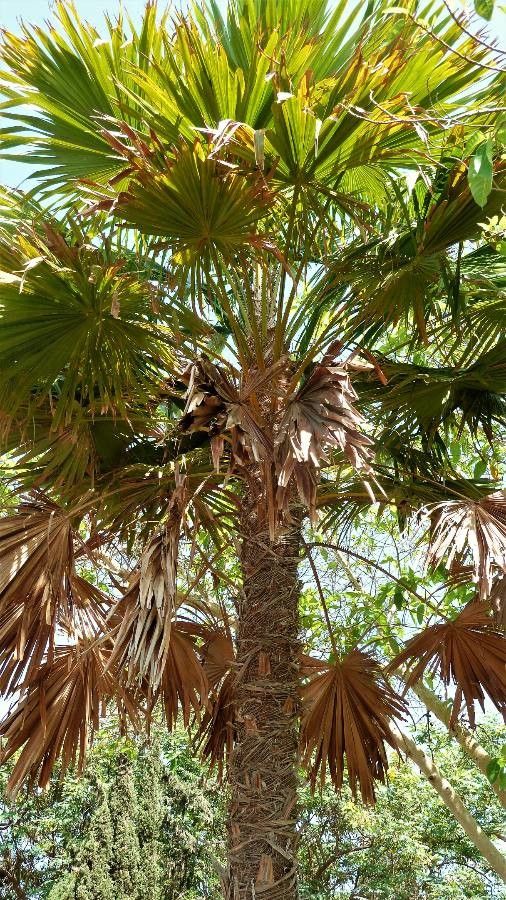
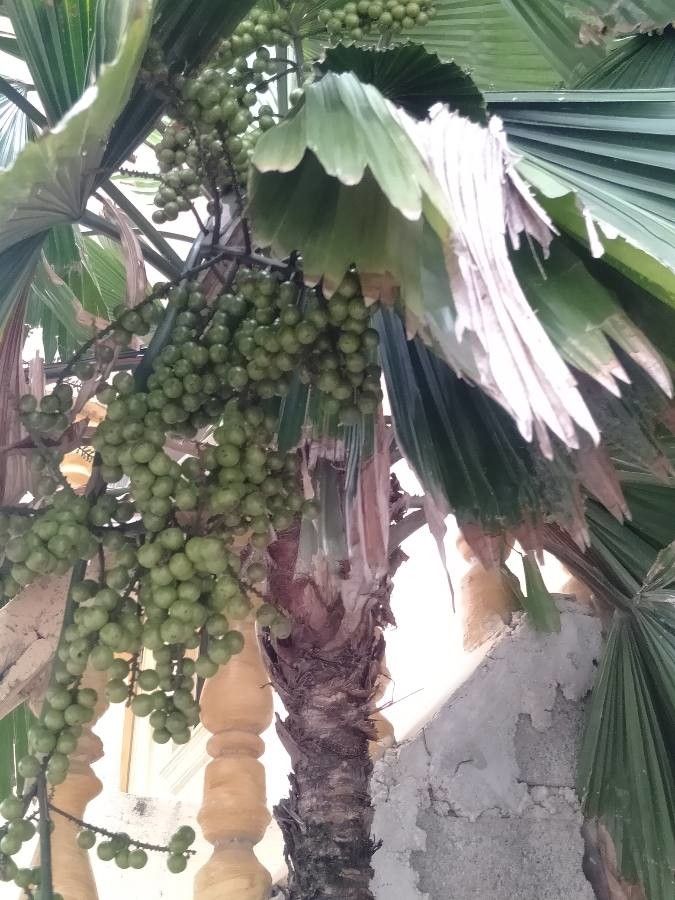
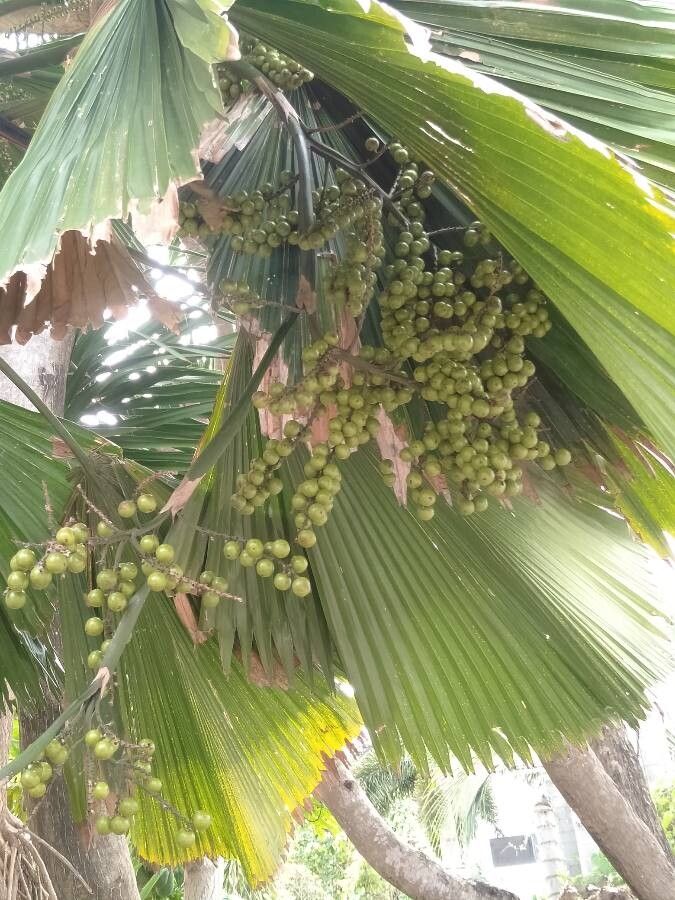
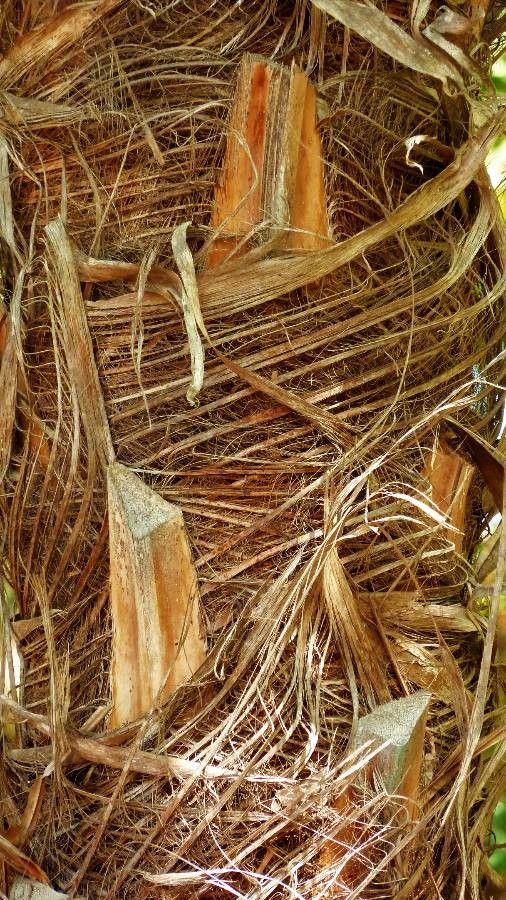
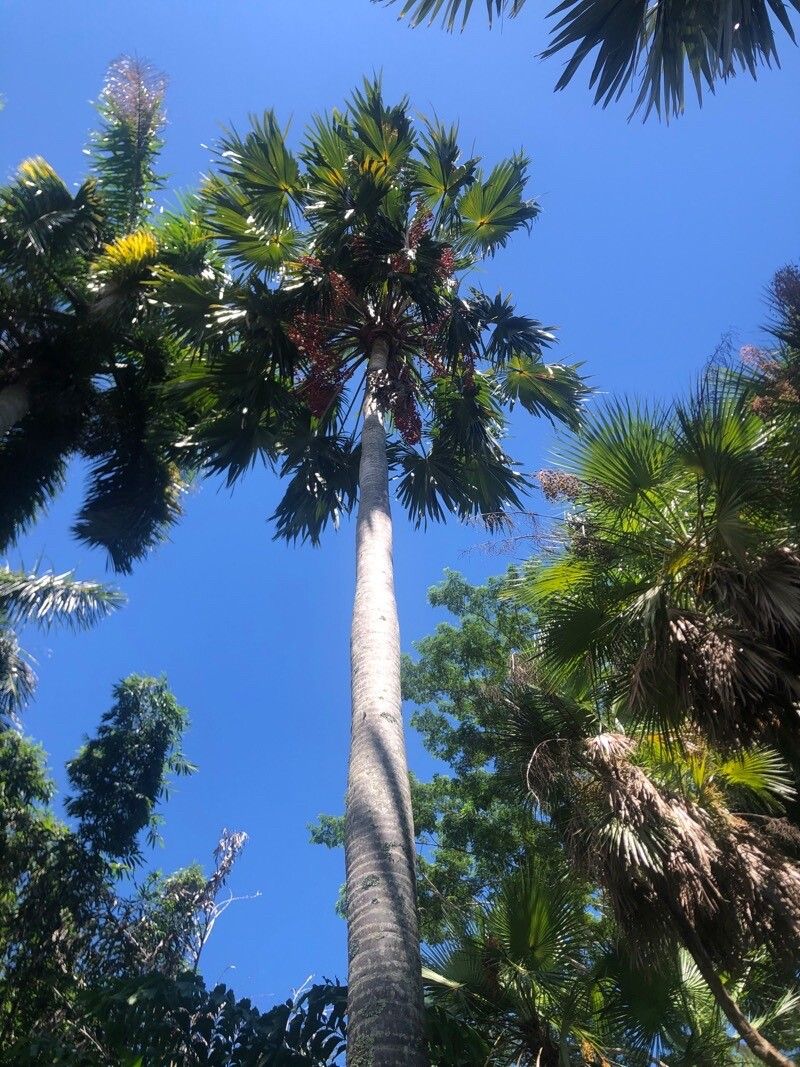
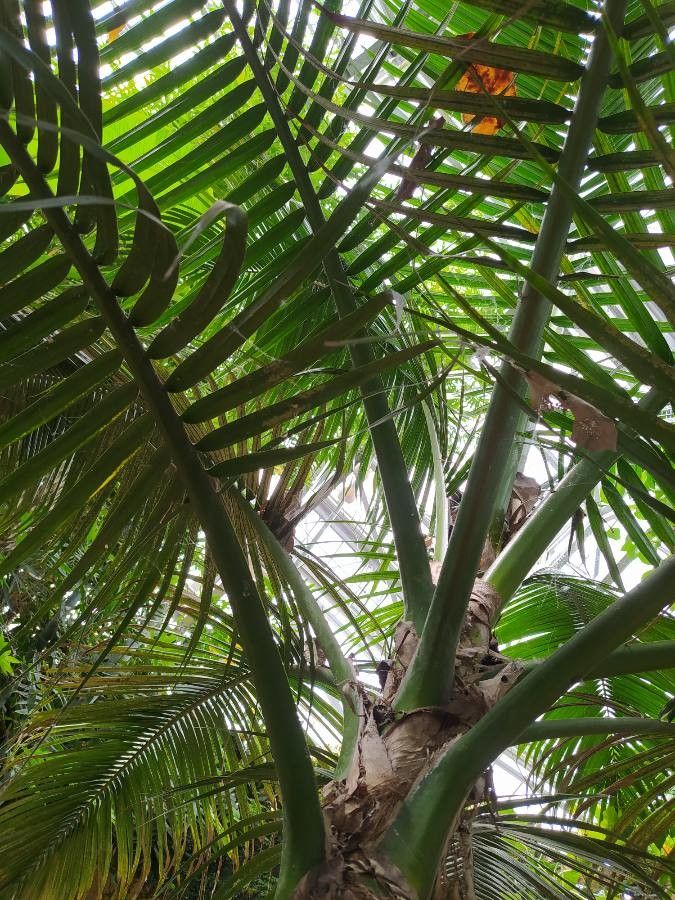
Saribus rotundifolius, also known as the footstool palm, is a common fan palm found in Southeast Asia. It is a member of the genus Saribus.
The round-leaf fountain palm has strong disease resistance and is generally not prone to diseases. Regarding care, this plant is fairly low-maintenance. When planted outdoors it needs minimal watering, and larger specimens usually do not require pruning. Smaller plants, however, should be pruned after they have bloomed. The round-leaf fountain palm is suitable for anyone with outdoor space, such as a garden or deck, and does not require much care experience.
How to keep Saribus Rotundifolius.
Light
The round-leaf fountain palm prefers spots with ample, but not excessively strong, sunlight. Abundant light encourages the plant's healthy development. At every growth stage, the plant does not display intolerance to varying light conditions. Native to areas with considerable yet not harsh daylight, it can tolerate both excessive and limited light without sustaining serious damage.
Water
The round-leaf fountain palm is native to the humid forests of Southeast Asia, where it thrives with consistent moisture and high humidity. While it can tolerate moderate drought, it needs watering every 1-2 weeks to prevent waterlogging. This palm is usually cultivated outdoors and benefits greatly from rainwater, which helps to maintain its lush evergreen foliage.
Humidity
This plant needs special care because it loves high humidity levels of 60-80% or more. The best way to achieve this is by placing a humidifier near the plant. Daily misting is also essential! Make sure the room has good ventilation.
Temperature
Round-leaf fountain palm comes from tropical areas, where the climate is generally warm and humid. As a result, it is well suited to high temperatures and humidity. It is sensitive to sudden temperature changes and prefers a steady temperature, so avoiding indoor temperature fluctuations is important. It typically does not tolerate cold and requires warmer conditions to grow. If the surrounding temperature drops too low, the plant may stop growing or even die.
Fertilizer
The best time to fertilize a Round-leaf fountain palm is in early spring as it breaks dormancy. This encourages overall growth and flower formation. Fertilization improves the foliage, stems, and branches and supports flowers that are larger, more vivid, and longer-lasting. It aids nutrient movement from the roots to the flowers and enhances the plant’s health and resistance to disease.
Pruning
The round-leaf fountain palm is known for its distinctive round, fan-like leaves and requires very little pruning. For optimal results, pruning should be done in early spring. Removing dead fronds helps maintain the health and appearance of the palm, while limiting pruning prevents stress on the plant. Using clean and sharp tools ensures precise cuts, which improve airflow and reduce the risk of disease, promoting strong growth.
Pot & Repot
Repot the round-leaf fountain palm every 1-2 years during the spring. Use a container that is one size larger and has good drainage. After repotting, maintain consistent moisture and provide bright, indirect light to support the palm's recovery and growth.
Botanical profile.
- Plant Type
- Tree
- Life Cycle
- Perennial
- Genus
- Saribus
- Family
- Arecaceae
- Hardiness Zone
- 10-12
- Mature Height
- 24.99 m
- Mature Spread
- 7.92 m
- Leaf Color
- Green
- Leaf Type
- Evergreen
- Flower Color
- Yellow, White
- Flower Size
- 2.54 cm
- Bloom Time
- Late spring, Summer, Early fall, Mid fall
- Planting Time
- Spring, Summer, Autumn
- Harvest Time
- Late summer, Fall, Early winter, Mid winter
- Native Area
- Indonesia, Philippines
Other names.
Reader questions.
What are the sunlight requirements for Round-leaf fountain palm?
Round-leaf fountain palm thrives in conditions where it can receive ample sunlight, although it is not particular about the intensity of light and can adapt to various light conditions. The ideal situation is where the plant gets about 3-6 hours of sunlight daily, which is considered partial sun exposure. This ensures the plant receives the right balance of light and shade for optimal growth. Observing how sunlight moves through your garden will help you choose the best spots for your plants, ensuring they receive the perfect balance of light necessary for their happiness. It's important to watch for the graceful movements of sunlight through your garden to identify ideal locations that provide this balance.
How can artificial lighting support the growth of indoor Round-leaf fountain palms?
For indoor Round-leaf fountain palms that don't get enough natural sunlight, especially during winter or in less sunny spaces, artificial lighting can be a vital solution to support their growth. It's recommended to choose the right type of artificial light, with LED lights being a popular choice due to their ability to be customized to provide specific wavelengths needed by plants. The amount of artificial light required varies based on the plants' natural needs: full sun plants need 30-50W per square foot, partial sun plants 20-30W per square foot, and full shade plants 10-20W per square foot. The light source should be placed 12-36 inches above the plant to mimic natural sunlight, and most plants will benefit from 8-12 hours of artificial light per day.
What are the symptoms of light deficiency in Round-leaf fountain palms?
When Round-leaf fountain palms are grown indoors with insufficient light, they may show subtle symptoms of light deficiency. These symptoms include small new leaves, leggy or sparse growth due to longer spaces between leaves or stems, faster leaf drop to conserve resources, slower or no new growth as the plant enters survival mode, and lighter-colored new leaves indicating insufficient sunlight. Additionally, specific symptoms like chlorosis (leaves turning yellow), sunscald (damaged leaves from intense sunlight exposure), leaf curling (to reduce surface area exposed to sunlight), wilting (due to overexposure to sunlight and increased water loss), and leaf scorching (brown, dry edges on leaves due to excessive sunlight) might be observed.
What solutions are recommended for light-related issues in Round-leaf fountain palms?
To address light-related issues in Round-leaf fountain palms, adjusting the plant's exposure to sunlight is crucial. For indoor plants, it's recommended to gradually shift them to sunnier spots each week until they receive 3-6 hours of direct sunlight daily for gradual adaptation. If the plant is large or not easily movable, consider using artificial lighting, keeping a desk or ceiling lamp on for at least 8 hours daily or investing in professional plant grow lights. Outdoors, move your plants gradually to better sunlight spots, avoiding sudden changes to prevent sunburn. If sunlight is obstructed, consider pruning branches or transplanting smaller plants during their dormant period to locations with ample sunlight and good drainage. It's important to note that while parts of the plant affected by insufficient sunlight may not recover, new growth after adjusting light exposure will be healthy.