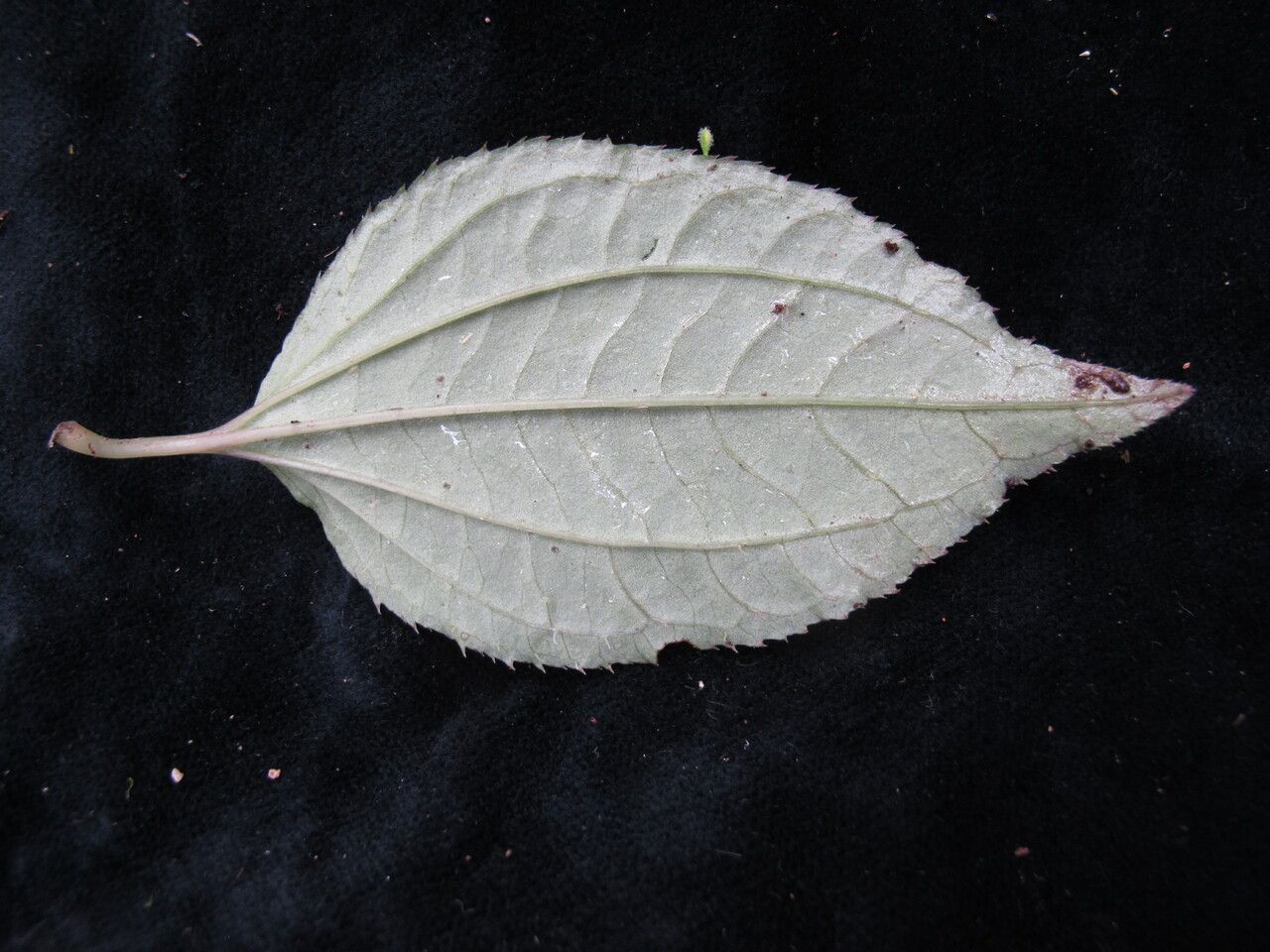
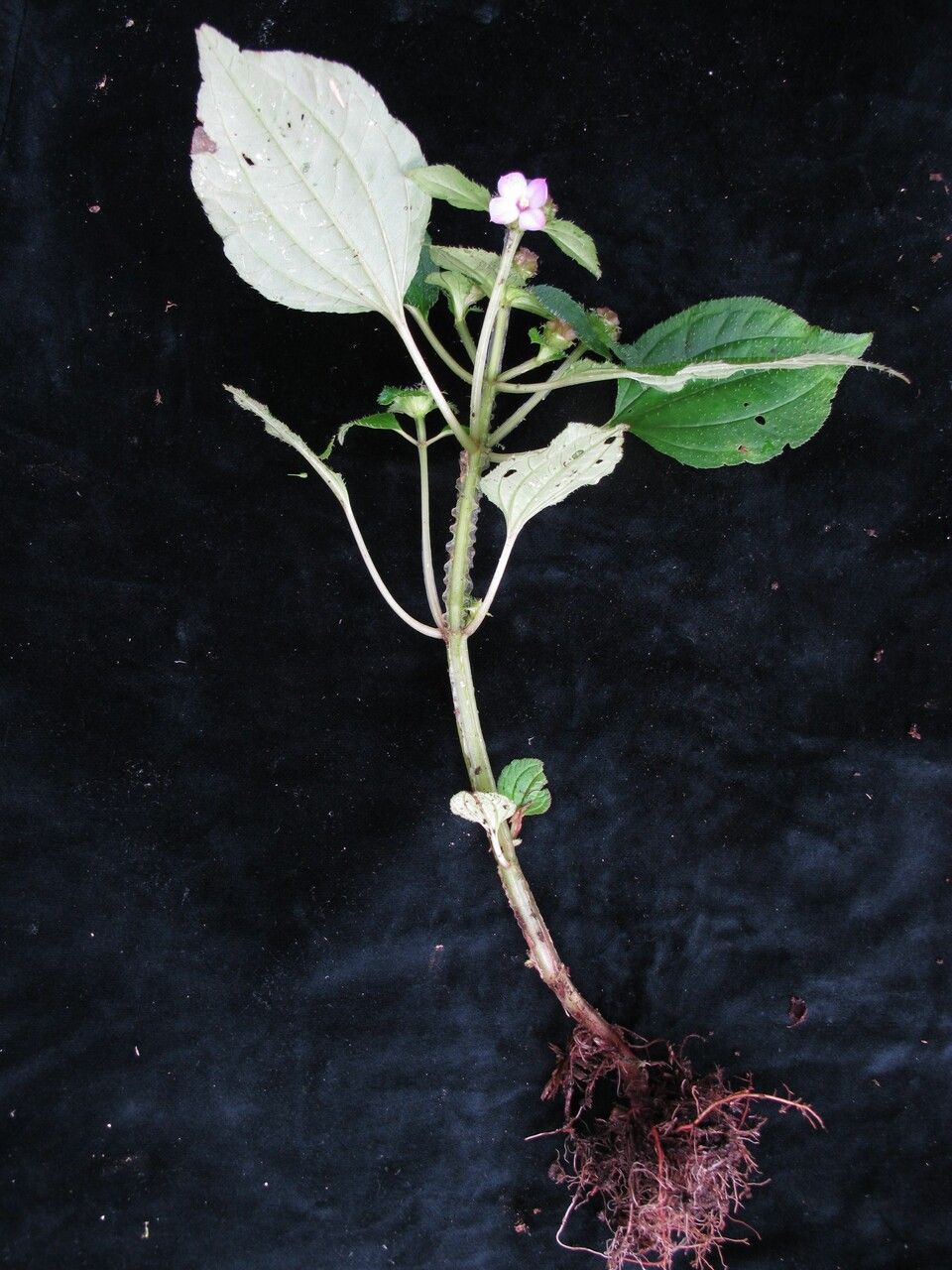
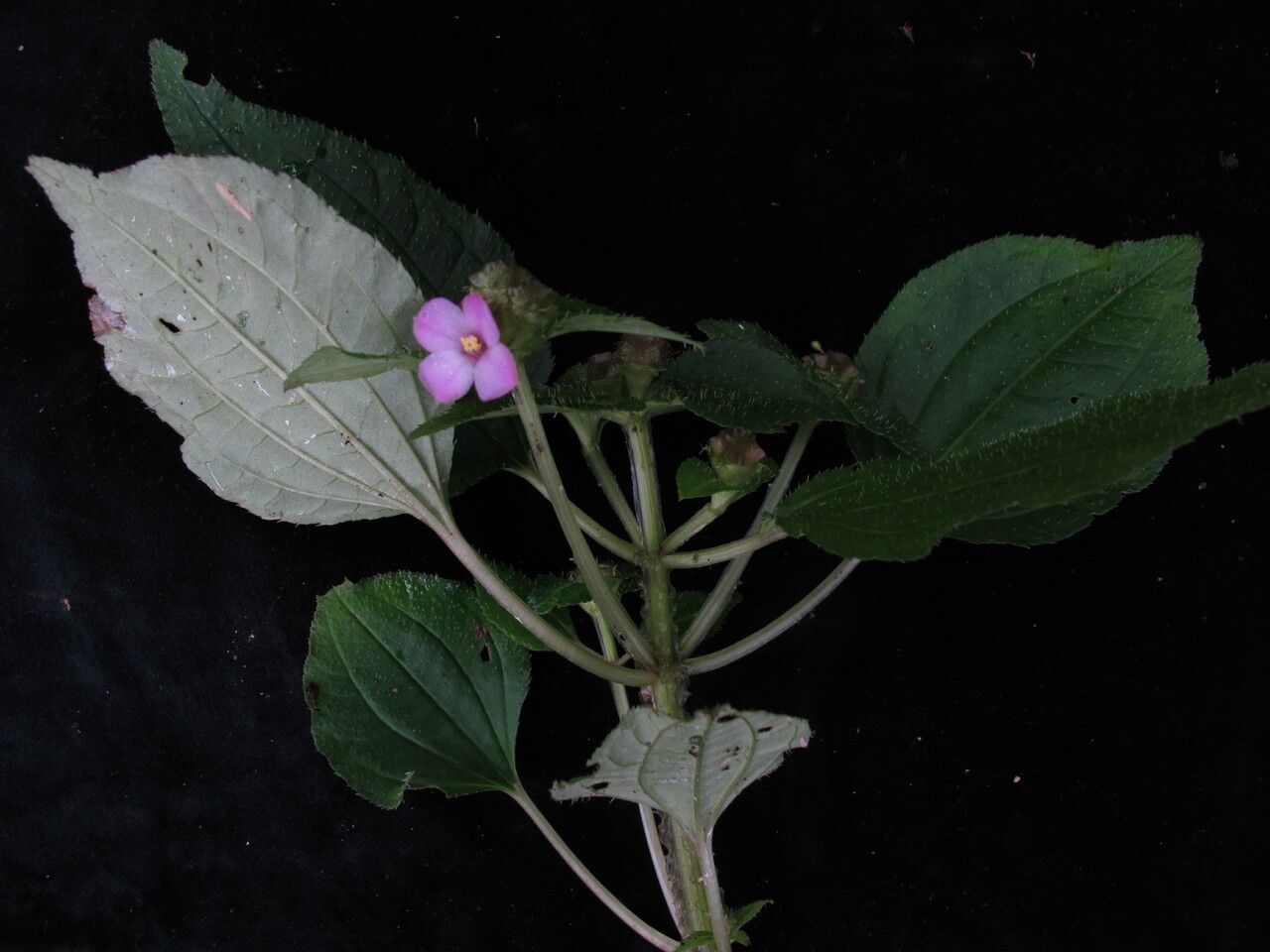
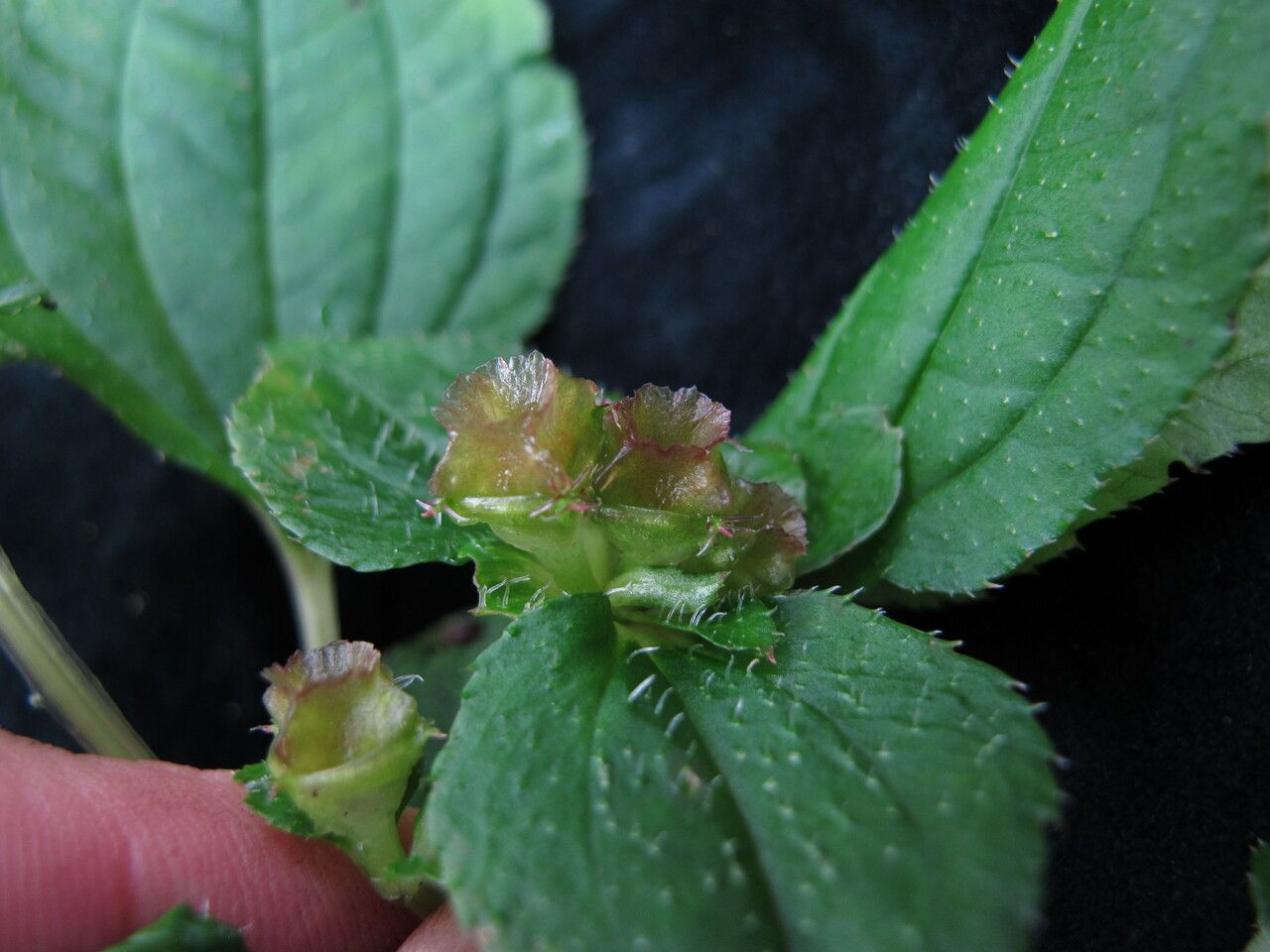
Sarcopyramis napalensis shows strong resistance to diseases and is generally unlikely to suffer from them. Still, it can be vulnerable to pests and illnesses present in its environment. Such infections are typically mild. Regarding maintenance, this plant needs a moderate level of care. It should be pruned regularly to preserve a neat appearance and support healthy growth. Applying fertilizer can also encourage blooming. Sarcopyramis napalensis is appropriate for anyone with outdoor areas like a garden or patio and does not demand extensive gardening experience. It may need more attention if cultivated indoors.
How to keep Sarcopyramis Napalensis.
Light
Sarcopyramis napalensis is a species indigenous to habitats like the understories of forests or rocky terrains where it is naturally shaded. The ideal sunlight condition for this plant is dappled sunlight, however, it is flexible and has the capacity to adjust to either full sunlight or full shade reflecting its adaptable and resilient character.
Water
Sarcopyramis napalensis thrives in humid, consistently damp conditions akin to tropical rainforests. To encourage growth, water the plant weekly, but keep in mind that it can tolerate brief periods of dryness. Enhancing ambient humidity is especially advantageous, particularly in environments like terrariums or well-lit bathrooms, to help maintain proper moisture levels.
Temperature
Sarcopyramis napalensis is native to tropical areas, characterized by a consistently hot and damp climate. Consequently, it thrives in conditions of high humidity and temperature. It does not respond well to abrupt shifts in temperature and prefers consistency, so try to maintain a steady indoor temperature. Normally, it can't withstand cold conditions and needs a warmer environment for its growth. If the surrounding temperature goes beyond a certain low, the plant might stop growing or potentially perish.
Fertilizer
For the health and visual appeal of Sarcopyramis napalensis, appropriate fertilization is key. It's recommended that Sarcopyramis napalensis is fertilized during the summer months, with monthly repetitions throughout the season. These nutrients encourage growth and upkeep of the plant's elements. Through fertilization, the floral display of Sarcopyramis napalensis is improved, guaranteeing the finest blossoms.
Pruning
To promote the healthy growth of Sarcopyramis napalensis, it's important to prune the plant from early to late spring. Focus on removing any dead or damaged branches and thin out crowded areas to improve air circulation. Be sure to use clean, sharp tools to minimize any potential damage to the plant. Regular pruning not only improves the plant's shape but also encourages more vigorous blooming.
Botanical profile.
- Plant Type
- Herb
- Life Cycle
- Perennial
- Genus
- Sarcopyramis
- Family
- Melastomataceae
- Hardiness Zone
- 9-11
- Mature Height
- 10 cm to 30 cm
- Mature Spread
- 10 cm to 20 cm
- Leaf Color
- Green, Dark Green
- Leaf Type
- Evergreen
- Flower Color
- Pink
- Flower Size
- 0.76 cm to 1.02 cm
- Bloom Time
- Summer
- Planting Time
- Spring, Summer, Autumn
- Harvest Time
- Late summer, Early fall, Mid fall
- Native Area
- Nepal, India, Malaysia, Indonesia, Vietnam, Myanmar, Bhutan, Thailand, China
Reader questions.
What are the sunlight requirements for Sarcopyramis napalensis?
Sarcopyramis napalensis thrives in conditions that mimic its natural habitat, such as forest understories or rocky areas, benefiting from partial sun to full shade. The ideal sunlight condition is partial sun, which entails about 3-6 hours of sunlight per day. However, it's important to observe the movement of sunlight through your garden to choose spots that offer the right balance of light and shade, ensuring the plant's health and happiness. This versatile perennial herbaceous plant can also tolerate full shade, making it adaptable to various garden environments.
How do indoor Sarcopyramis napalensis plants benefit from artificial lighting?
Indoor Sarcopyramis napalensis plants require adequate lighting, especially when natural sunlight is insufficient, such as in winter or in less sunny spaces. Artificial lighting is a key solution, promoting faster and healthier growth. LED lights are particularly recommended because they can be customized to provide the specific wavelengths of light needed. The required intensity of artificial light varies depending on the plant's natural sunlight needs: 30-50W/sq ft for full sun plants, 20-30W/sq ft for partial sun plants, and 10-20W/sq ft for full shade plants. The artificial light source should be placed 12-36 inches above the plant and kept on for about 8-12 hours per day to mimic natural daylight hours, ensuring optimal growth conditions.
What are the symptoms of light deficiency in Sarcopyramis napalensis?
When Sarcopyramis napalensis is grown indoors with insufficient light, it may exhibit several symptoms indicating light deficiency. These symptoms include smaller new leaves, leggy or sparse growth, faster leaf drop, slower or halted new growth, lighter-colored new leaves, chlorosis (yellowing leaves), sunscald, leaf curling, wilting, and leaf scorching. Each of these symptoms points to the plant's struggle to adapt to inadequate light conditions, impacting its health and growth. These physical changes serve as cues for gardeners to adjust the plant's exposure to light, whether by moving it to a sunnier location or providing additional artificial lighting.
How can I address light deficiency in Sarcopyramis napalensis?
To address light deficiency in Sarcopyramis napalensis, consider both indoor and outdoor solutions. For indoor plants, gradually shift them to increasingly sunnier spots each week until they get 3-6 hours of direct sunlight daily, or use artificial lighting if the plant is large or not easily movable. Keep a lamp on for at least 8 hours daily or invest in professional plant grow lights. Outdoors, move your plants to sunnier spots gradually to prevent sunburn, adapting them to changing light conditions. If certain areas are blocking sunlight, such as from trees, consider pruning to allow more sunlight through. For smaller plants, transplanting during their dormant period to a location with more sunlight and good drainage could be beneficial. Remember, parts of the plant that suffered from light deficiency may not recover, but new growth should be healthy once light conditions improve.