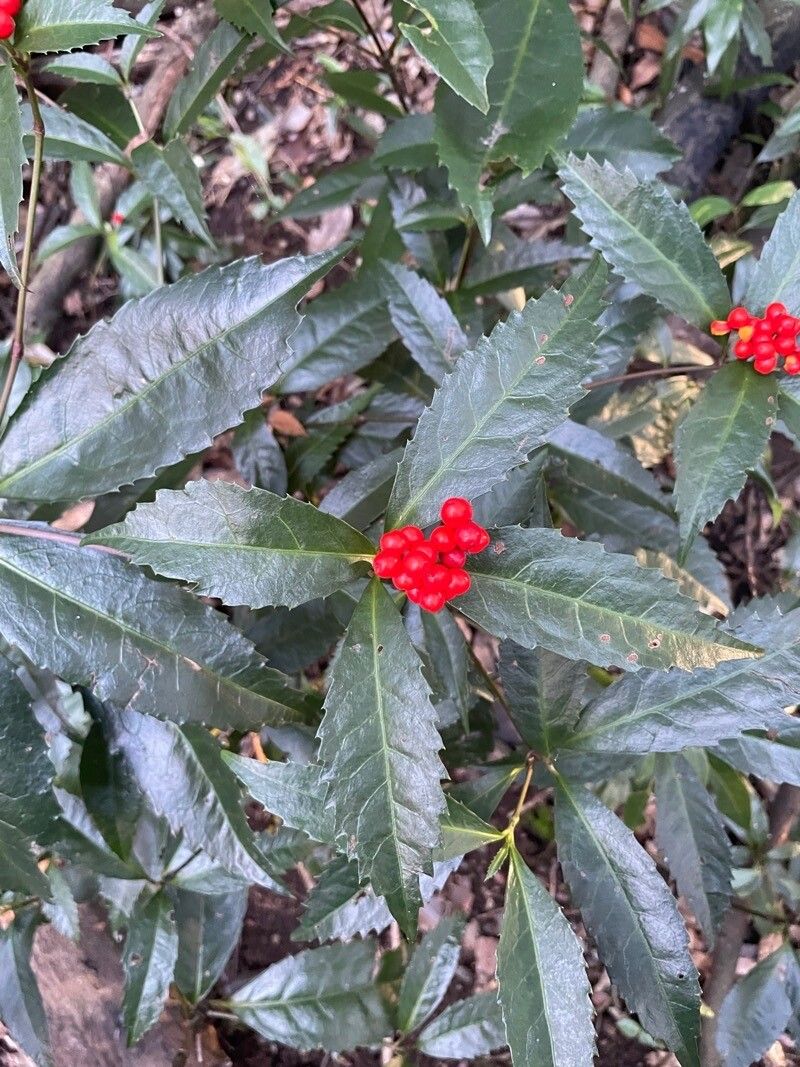
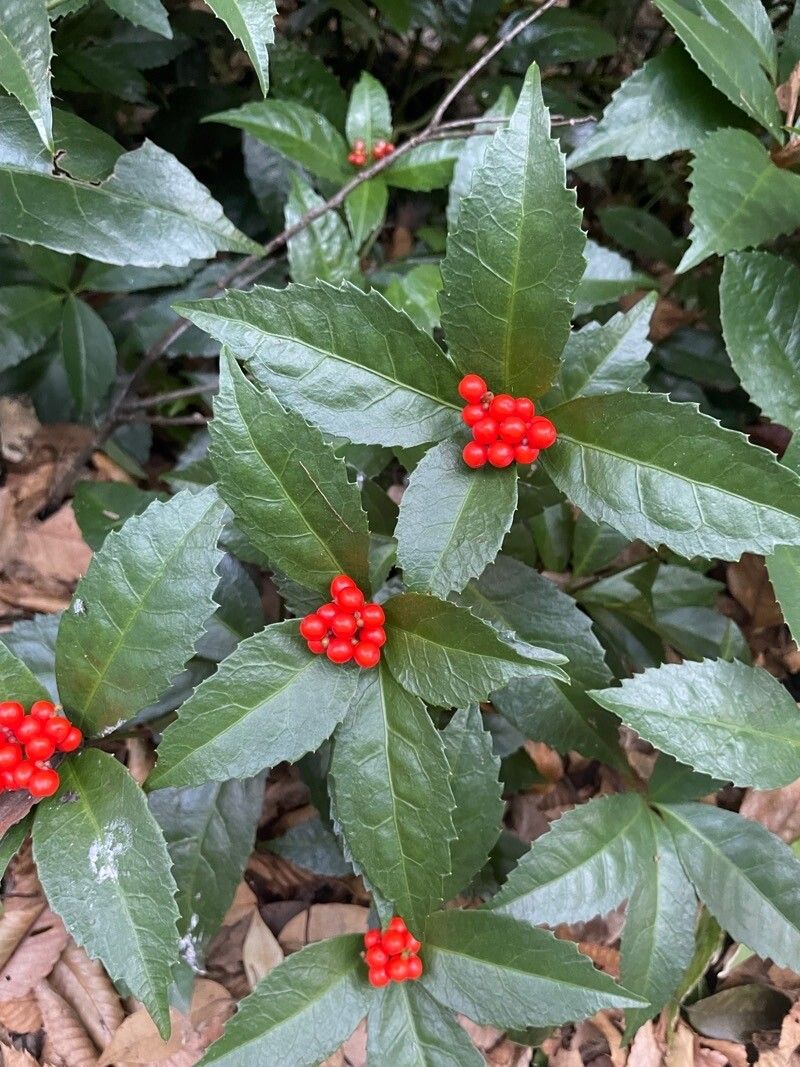
Sarcandra glabra is a herb native to Southeast Asia. It is also known as herba sarcandrae or glabrous sarcandra herb. Other common names include the nine-knotted flower and the bone-knitted lotus.
The Glabrous Sarcandra herb is known for its hairless, smooth foliage, which may also apply to its berries. The term "glabrous" means "smooth" or "hairless," highlighting this feature. The name "Sarcandra" comes from the Latin name of the genus. This plant is classified as an "herb" due to its use in traditional Chinese medicine.
Glabrous sarcandra herb is fairly resistant to disease and, in general, is not prone to illnesses. Nevertheless, it can be affected by pests and diseases existing in its surroundings, although these problems are typically mild. Regarding care, this plant needs moderate maintenance. Regular pruning is required to keep a neat appearance and support healthy growth. Applying fertilizer can also encourage blooming. Glabrous sarcandra herb is appropriate for anyone with outdoor space, such as a garden or patio, and does not demand extensive gardening experience. It may need more attention when cultivated indoors.
How to keep Sarcandra Glabra.
Light
The glabrous sarcandra herb generally grows best with a combination of shade and sunlight. Excessive exposure can result in scorching, although it can tolerate an absence of light. In its natural environment it occurs beneath taller plants' canopy, getting filtered light.
Water
The glabrous sarcandra herb thrives in humid subtropical environments and prefers consistent moisture without becoming waterlogged. To prevent the leaves from drying out, it's important to water it weekly to maintain the soil's moisture. This evergreen plant, often grown indoors, adapts well to the humidity levels typically found in households and boasts attractive foliage.
Temperature
Glabrous sarcandra herb originates from temperate regions where temperatures range from 59 to 89.6 °F (15 to 32 ℃). It favors these mild climates and can have difficulty with seasonal extremes. In cooler months, consider relocating glabrous sarcandra herb to a warmer spot to satisfy its temperature preference.
Fertilizer
Usually, a single fertilizer application in spring is enough for Glabrous sarcandra herb, though repeated feedings can help maximize growth. Feed it once every month to every month and a half. Fertilization improves the leaves’ appearance and function, helping them keep uniform color and a healthy texture. It also encourages root development and better nutrient uptake for long-term plant health.
Pruning
The glabrous Sarcandra herb is an evergreen plant known for its medicinal properties. To ensure healthy growth and maintain its shape, prune the plant from early to late spring by removing any dead branches. Be cautious not to prune too heavily, as this can stress the plant. Regular maintenance improves air circulation and light penetration, promoting a vigorous and appealing appearance.
Botanical profile.
- Plant Type
- Herb, Shrub
- Life Cycle
- Perennial
- Genus
- Sarcandra
- Family
- Chloranthaceae
- Hardiness Zone
- 7
- Mature Height
- 49 cm to 91 cm
- Mature Spread
- 91 cm
- Leaf Color
- Green
- Leaf Type
- Evergreen
- Flower Color
- White
- Flower Size
- 0.20 cm to 0.25 cm
- Bloom Time
- Early summer, Mid summer
- Planting Time
- Spring
- Harvest Time
- Mid summer, Late summer
Other names.
Reader questions.
What are the sunlight requirements for Glabrous sarcandra herb?
Glabrous sarcandra herb thrives best in conditions that offer a mix of shade and sun, approximately receiving about 3-6 hours of sunlight daily. It's crucial to observe how sunlight moves through your garden to find spots with the right balance of light and shade, ensuring the plant's well-being. Excessive exposure can lead to scorching, but the plant is also adaptable to lower light conditions. In its natural setting, it grows under the canopy of taller plants, benefiting from filtered light.
How do you compensate for insufficient natural sunlight for indoor plants?
For indoor Glabrous sarcandra herb plants not receiving enough natural sunlight, especially during winter or in less sunny spaces, artificial lighting serves as an essential solution. LED lights, known for their capability to mimic specific wavelengths needed by plants, are recommended. The lighting requirements vary with plant type: 30-50W/sq ft for full sun plants, 20-30W/sq ft for partial sun plants, and 10-20W/sq ft for full shade plants. The artificial light should be placed 12-36 inches above the plant to emulate the natural sunlight, ensuring the plant gets 8-12 hours of light per day.
What are common symptoms of inadequate lighting in Glabrous sarcandra herb?
When Glabrous sarcandra herb experiences insufficient light, several symptoms may appear, including smaller new leaves, leggy or sparse growth, early leaf drop, stalled or ceased growth, and pale or irregularly colored new leaves. Excessive sunlight exposure can cause chlorosis (where leaves turn yellow), sunscald, leaf curling as a defense mechanism, wilting due to increased water loss, and leaf scorching characterized by brown, dry patches on the leaves. These symptoms can vary depending on the specific light conditions.
What solutions exist for dealing with insufficient sunlight for Glabrous sarcandra herb?
To address insufficient sunlight for Glabrous sarcandra herb, gradually adapt the plant to more sun by shifting it to sunnier spots each week until it gets 3-6 hours of direct sunlight daily. For indoor or non-movable plants, consider using desk or ceiling lamps for at least 8 hours daily or invest in professional plant grow lights. Outdoors, move plants gradually to sunnier locations to avoid sunburn. If obstructions block sunlight, prune obstructing trees or transplant smaller plants during their dormant phase to sunnier areas with ample sunlight and good drainage. Note that parts of the plant that have suffered from low light might not recover, but new growth should be healthy after adjusting the light exposure.