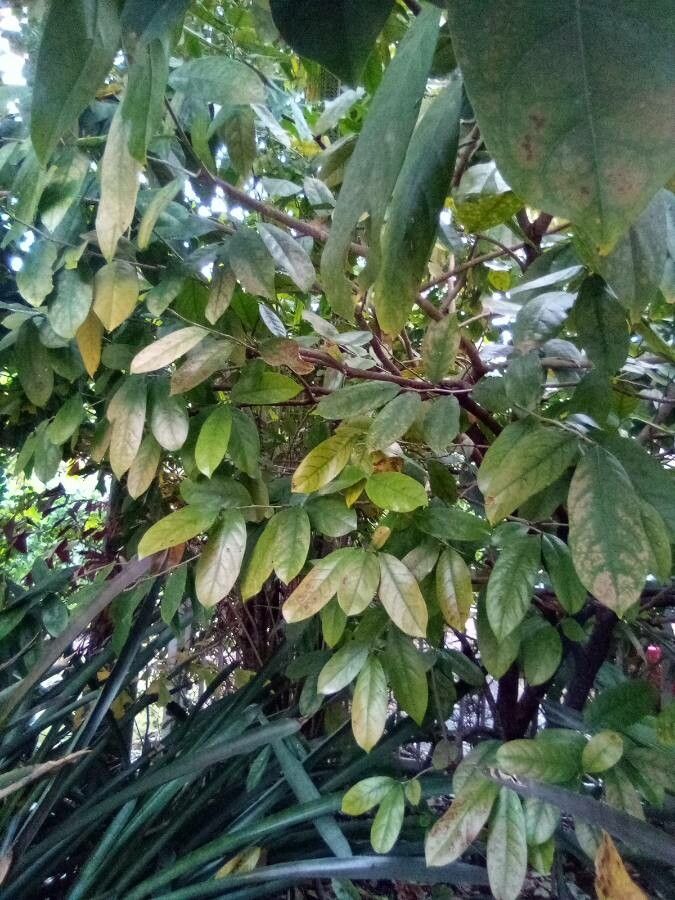
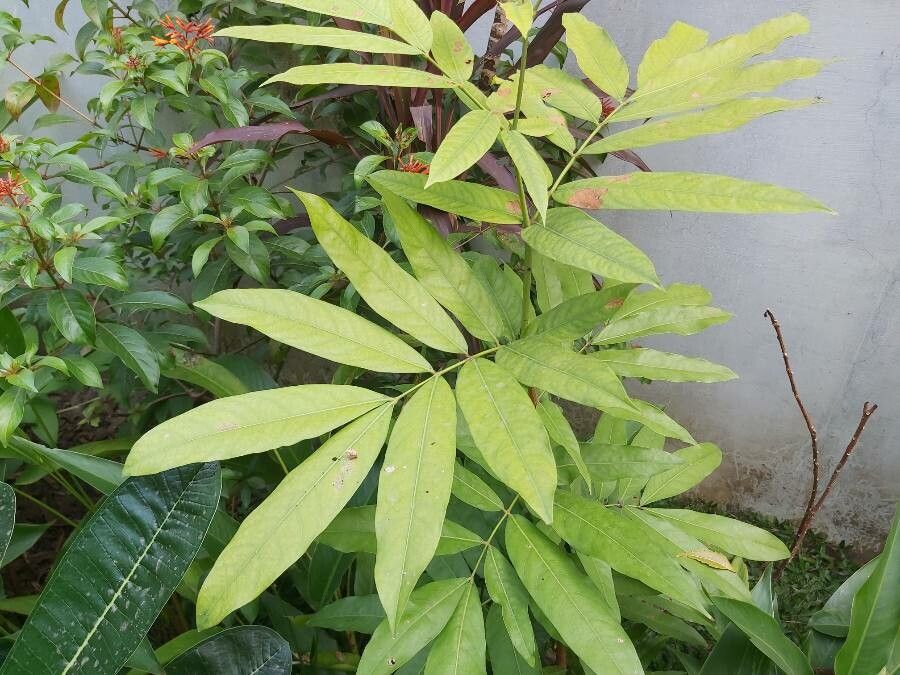
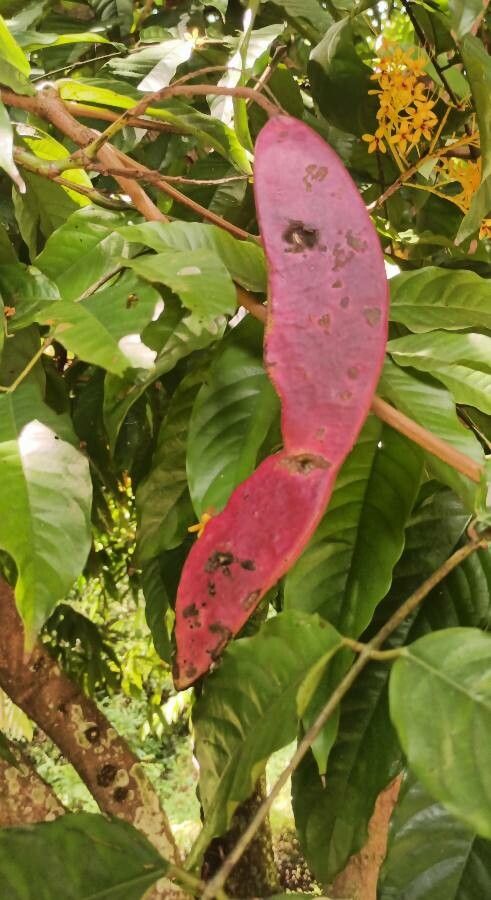
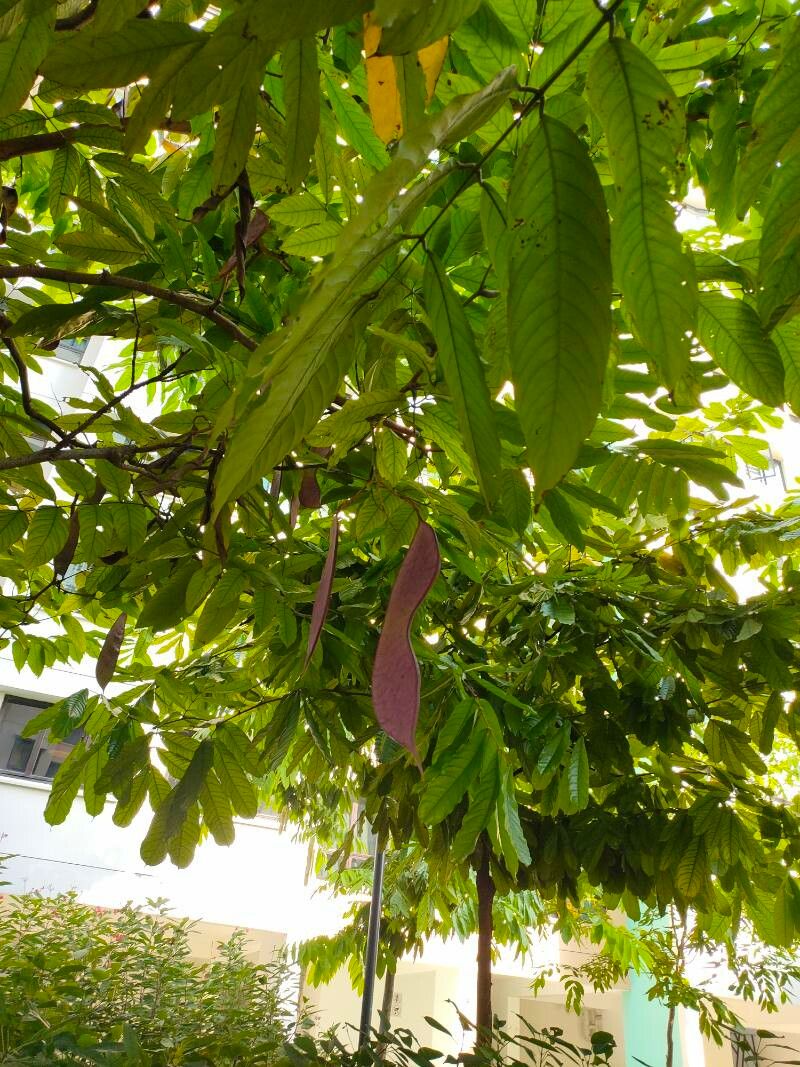
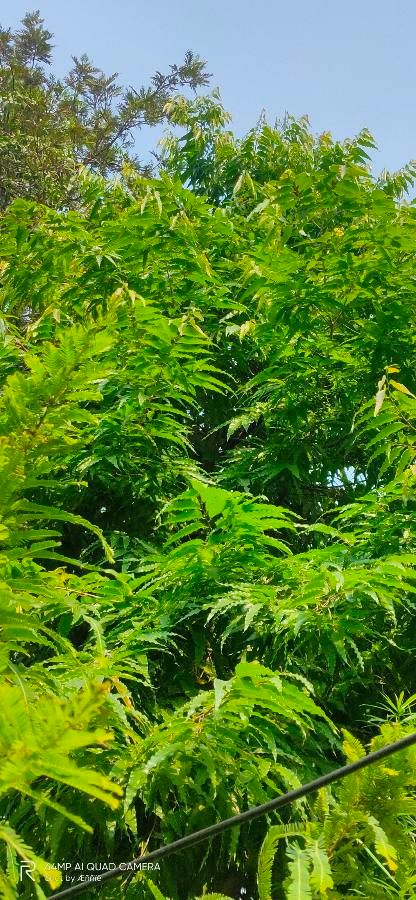
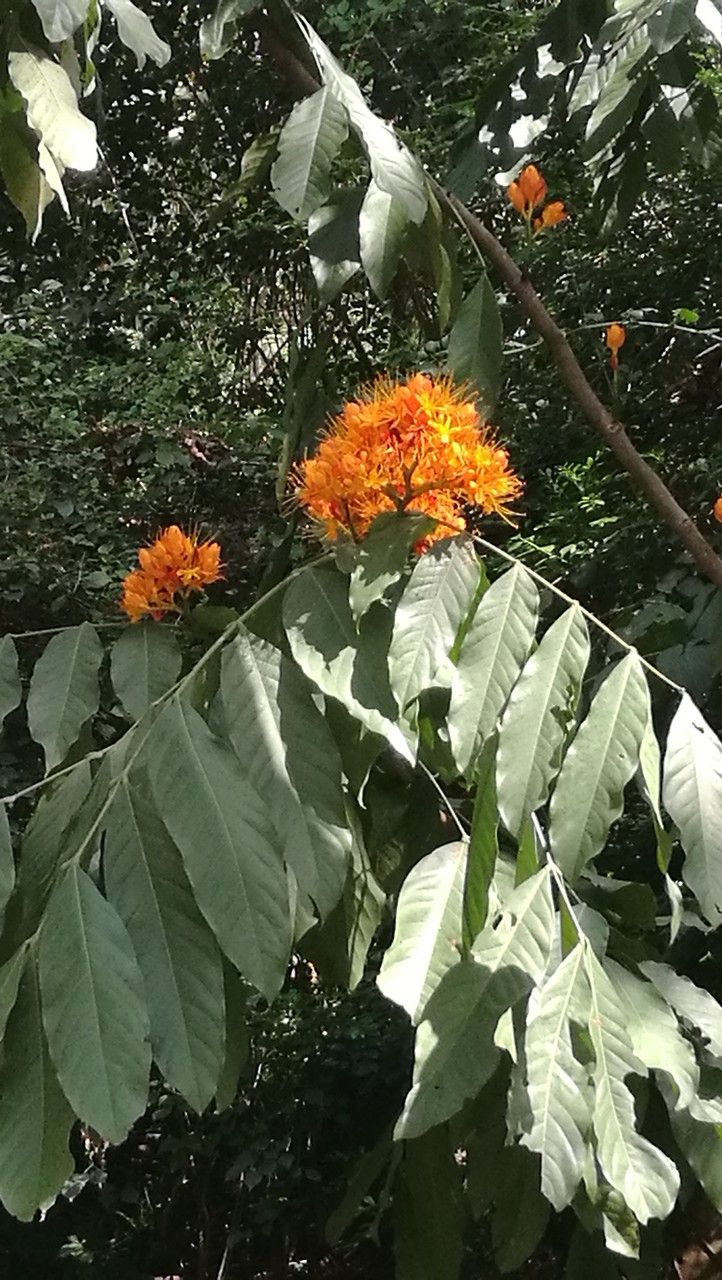
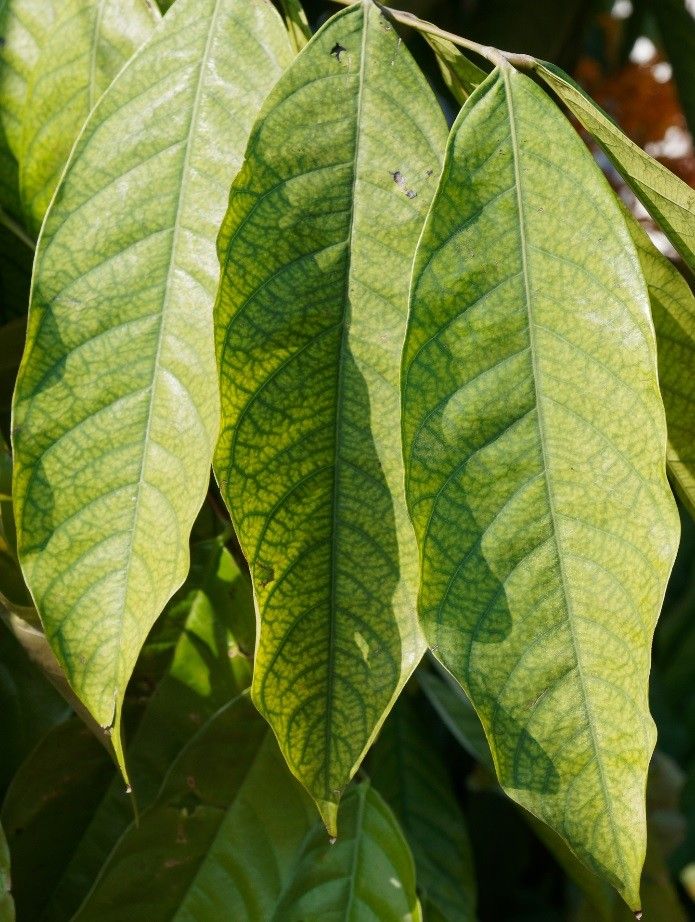
Saraca indica, commonly known as the Ashoka tree, is a small to medium-sized evergreen tree that belongs to the Fabaceae family. Native to the Indian subcontinent, this tree can be found in various parts of India, Nepal, and Sri Lanka. It features a straight trunk and a spreading crown of dark green, pinnately shaped leaves. These leaves are typically 15-20 cm long and consist of 6-12 pairs of leaflets.
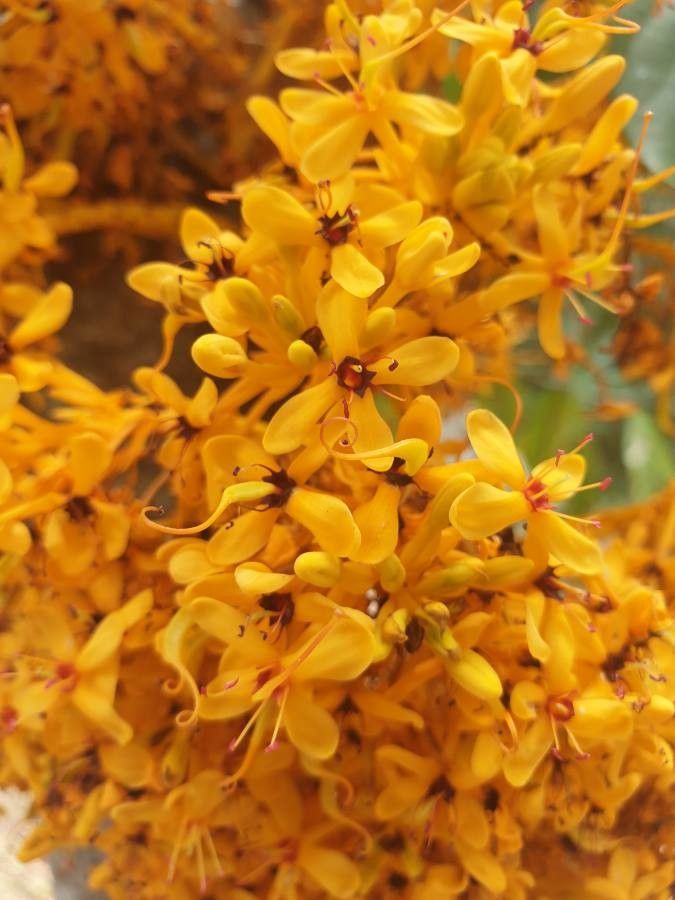
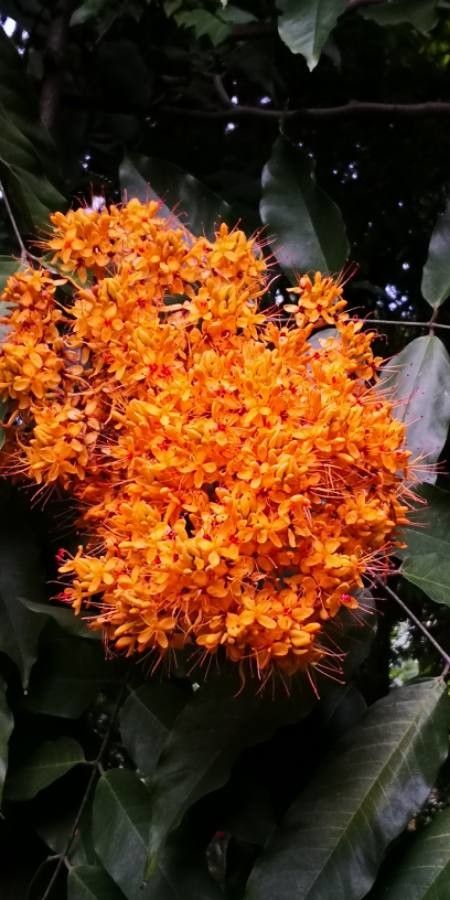
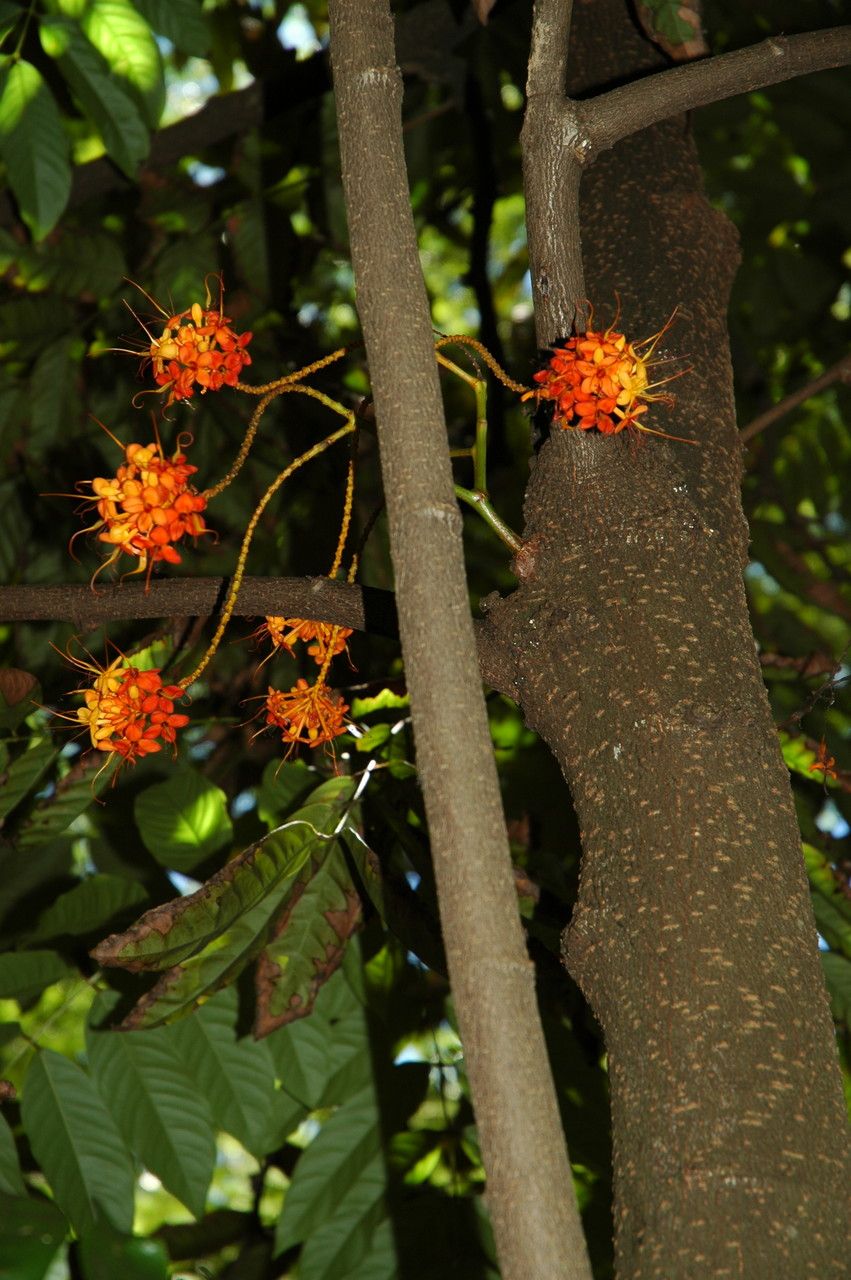
The Ashoka tree is renowned for its beautiful flowers, which bloom during the spring season. These bright orange-yellow flowers grow in clusters at the ends of branches and feature four petals with long stamens, giving them an attractive appearance.
For centuries, the bark of Saraca indica has been used medicinally due to its anti-inflammatory properties. It has proven to be an effective remedy for various ailments such as dysentery, diarrhea, fever, and menstrual disorders.
In Hindu mythology, Saraca indica holds great significance. It is believed to be associated with the birthplace of Lord Buddha's mother, Lumbini, where she is said to have given birth under an Ashoka tree.
Overall, Saraca indica is a plant of great cultural and medicinal importance, making it a significant species found across India.
The Sorrowless tree has strong disease resistance and is generally not susceptible to illnesses. In terms of care, this plant is fairly low-maintenance. When planted outdoors it needs little watering, and larger specimens typically do not require pruning. Smaller plants, however, should be pruned after they have finished blooming. The Sorrowless tree is suitable for anyone with outdoor space, such as a garden or deck, and does not demand much prior plant-care experience.
How to keep Saraca Indica.
Light
The sorrowless tree grows best with plenty of sunlight, though it can tolerate moderate light as well. Native to sunny environments, it depends on those conditions for robust growth. However, too much or too little sun can harm its overall health.
Water
The sorrowless tree thrives in tropical rainforests, where it prefers high humidity and consistently moist soil. While it has a moderate tolerance for drought, regular watering every 2-3 weeks is essential to maintain its health. This tree is primarily grown outdoors and benefits from ample rainfall during the growing season, which naturally matches its moisture needs.
Temperature
The Sorrowless tree comes from tropical regions, where the climate is generally warm and humid. Consequently, it is well suited to high temperatures and humid conditions. It does not tolerate abrupt temperature changes and prefers a steady thermal environment, so avoiding indoor temperature fluctuations is important. It generally cannot withstand cold and needs warmer conditions to grow. If environmental temperatures fall too low, the plant may stop growing or even die.
Fertilizer
Early spring, as the Sorrowless tree breaks dormancy, is the best time to apply fertilizer. This encourages general growth and flower development. Fertilizing improves the foliage, stems, and branches and supports large, bright, long-lasting blooms. It assists in moving nutrients from the roots to the flowers and boosts the plant’s health and resistance to disease.
Pruning
The Sorrowless Tree is renowned for its vibrant orange-yellow flowers. To maintain its health and encourage vigorous flowering, it's best to prune it in early spring. Start by removing any dead branches and thinning out dense areas to enhance air circulation and light penetration. Avoid heavy pruning late in the season, as this can cause stress to the tree. By following these guidelines, you will promote both the flowering and overall health of the tree.
Botanical profile.
- Plant Type
- Tree
- Life Cycle
- Perennial
- Genus
- Saraca
- Family
- Fabaceae
- Hardiness Zone
- 10-15
- Mature Height
- 20.12 m to 24.08 m
- Mature Spread
- 11.89 m to 17.98 m
- Leaf Color
- Dark Green, Forest Green
- Leaf Type
- Deciduous
- Flower Color
- Orange
- Flower Size
- 2.54 cm
- Bloom Time
- Late winter, Spring
- Planting Time
- Spring, Summer, Autumn
- Harvest Time
- Summer, Early fall
- Native Area
- Malaysia, Indonesia, Vietnam, Myanmar, Laos, Thailand
Other names.
Reader questions.
How should I water my Sorrowless tree?
To ensure excellent root development, it's recommended to place a garden hose at the base of the plant. Avoid spraying water directly on the leaves as this can be detrimental. If the plants are outdoors and exposed to direct sunlight, it's important to water the leaves more frequently. Moistening the roots can be done using bubblers or soaker hoses. When adding or removing plants, soaker hoses that cover the entire garden or bed can be used to encourage deep root growth. After watering, make sure to drain any excess water and allow the soil to dry before watering again. Watering at ground level is advised to prevent diseases. On a sunny day, spraying the entire bush with water can be beneficial. Whether the plant is potted or in the ground, it's important to keep in mind that the Sorrowless tree prefers deep watering rather than light sprinkling.
Why should I put fertilizer on my Sorrowless tree?
Maintaining the overall health and well-being of a Sorrowless tree requires proper fertilization. It ensures the tree receives sufficient energy and nutrients, resulting in healthy foliage growth as well as strong stems and branches. Additionally, gardeners highly value the flowers of a Sorrowless tree, which can be enhanced through fertilization. By providing the right type of fertilizer, the tree is better able to transfer essential nutrients from its roots to its flowers, resulting in larger, vibrant, and longer-lasting blooms. Proper fertilization also boosts the tree's overall health, making it more resistant to diseases.
What are the sunlight requirements for a Sorrowless tree?
The Sorrowless tree (Saraca indica) requires full sun, meaning it thrives best with more than 6 hours of sunlight daily, but it can also tolerate partial sun, which is about 3-6 hours of sunlight. It's crucial to monitor the movement of sunlight through your garden to ensure that your plants, including the Sorrowless tree, receive the optimal balance of light and shade. This balance promotes the plant's health and growth, originating from habitats that are rich in sunlight.
What temperature is best for the Sorrowless tree?
To help your tropical plants thrive, it's best to maintain a temperature range of 75℉ to 90℉ (25-32℃). While different species can tolerate temperatures outside this range, sticking within a few degrees of these limits will ensure optimal growth. However, there are extreme temperature limits to be aware of. Anything below 50℉ (10℃) or above 95℉ (35℃) can hinder growth and cause issues with the leaves and stems. Low temperatures are particularly damaging, as even a light frost can lead to the death of your tropical plants. In fact, cellular death can occur rapidly, with some species dying within 12 to 24 hours.
What do I do if I give the Sorrowless tree too much or too little water?
If you notice that the leaves of an overwatered Sorrowless tree are turning yellow, dropping off, and wilting, it's a sign that the plant is not healthy. Mushy stems may also be present. Adjust your watering schedule when you see these signs. Wilting can also be a sign of underwatering, which results in crispy and dry leaves. Check the soil, and if it is dry, give the plant a thorough watering. Even with enough water, the Sorrowless tree may still have dry and yellow leaves due to a damaged root system. Once the tree returns to normal, the yellowing leaves will stop. When you have the Sorrowless tree indoors, check the moisture levels and avoid overwatering. Look for signs of black spots, and if present, let the soil dry out for a few days. Overwatering can cause root rot, so if you notice discolored and slimy roots, consider transferring the plant to a different pot. Prevent root rot by not letting the soil become too soggy. When planting the Sorrowless tree outdoors, check the soil's moisture levels by digging a little deeper. If it feels too dry, it may be a sign of underwatering, so water adequately to help the plant recover.
When should I fertilize my Sorrowless tree?
The best time to fertilize a Sorrowless tree is in early spring when it is coming out of dormancy and getting ready to bloom. Providing nutrients during this time will give the tree the energy it needs to grow and develop flowers. However, you can also fertilize the tree in the fall, although a smaller amount is sufficient. Some gardeners choose to fertilize the tree when planting, but it is not always necessary.
How can artificial lighting support plant growth indoors?
When natural sunlight is insufficient, especially during winter or in spaces that do not receive enough sunlight, artificial lights provide an essential alternative for plant growth. Indoor plants, including those requiring full sun, benefit from artificial lighting that supports their growth needs. LED lights are a preferred option, as they can be customized to offer specific light wavelengths necessary for plant health. Full sun plants need 30-50W/sq ft of artificial light, partial sun plants require 20-30W/sq ft, and full shade plants need 10-20W/sq ft. The light source should be positioned 12-36 inches above the plant to simulate natural sunlight and turned on for 8-12 hours per day to mimic the length of natural daylight hours.
Does the Sorrowless tree need different temperatures at different stages of growth?
The Sorrowless tree is unique because it can transition between growing phases without needing changes in temperature. However, it's important to keep the temperature consistent for optimal growth. Any drastic changes in temperature can slow down the tree's growth, regardless of its current phase. To prevent this, it's recommended to maintain a controlled environment. The ideal temperature range for the Sorrowless tree is between 75℉ and 90℉ (25-32℃), with it being better to stay above the lower limit. While temperatures exceeding 90℉ (32℃) are not ideal, this tropical plant can tolerate them reasonably well. On the other hand, temperatures below 50℉ (10℃), especially 40℉ (5℃), can directly damage this heat-loving plant species.
How frequently do I need to water my Sorrowless tree?
The Sorrowless tree prefers deep and infrequent watering, particularly if it is planted in pots. Potted plants have limited water storage, so they tend to dry out more quickly. In cold regions, watering should occur every 3 to 5 days. It's best to water in the morning when the soil is dry both indoors and outdoors. You can determine if watering is needed by checking the top 2-3 inches of soil - if it's dry, it's time to water. On hot days, it's important to check the soil moisture daily to prevent it from drying out. If you have a garden, you will also need to irrigate the soil. In hot climates, watering once a week is usually sufficient. Only water when you notice the top 2-3 inches of soil becoming too dry. Be mindful of rainfall, as excessive water can cause root rot. During spring and fall, Sorrowless trees typically experience growth. Adding a 3-4 inch layer of mulch when they are outdoors helps conserve water. In sandy soil, more frequent watering is necessary due to faster drainage. On the other hand, clay soil requires less frequent watering to avoid root rot. Keeping track of watering dates on a calendar and paying attention to drooping leaves can help ensure timely watering.
When should I not put fertilizer on my Sorrowless tree?
During the winter, when the Sorrowless tree is in a dormant phase, fertilization is not necessary. Unlike other plants, the Sorrowless tree does not require much energy from the soil to grow during this period. Fertilizing in winter increases the risk of overfertilization. The optimal time to feed the Sorrowless tree is in early spring and fall, so it doesn't need fertilizer for most of the spring and summer. Additionally, if the tree is experiencing extreme heat or dryness, it is best to avoid feeding it.
What are the symptoms of insufficient light exposure in Sorrowless trees?
Sorrowless trees showing signs of inadequate light exposure may exhibit smaller new leaves, leggy or sparse growth, premature leaf drop, halted growth, lighter-colored new leaves, symptoms of chlorosis (yellowing leaves due to chlorophyll breakdown), sunscald on leaves or stems, leaf curling as a defense mechanism against extreme sunlight, wilting due to water loss, and leaf scorching marked by brown, dry, and crispy edges. These symptoms indicate either too much direct exposure or insufficient sunlight, affecting the plant's ability to photosynthesize and maintain health.
Does the Sorrowless tree require varying temperatures for different seasons?
The sorrowless tree is a tropical species that doesn't require varying temperatures for different seasons. To take care of it, the most crucial step is to maintain an optimal temperature range. To ensure this, it is recommended to keep the plant indoors. By doing so, you can control the temperature regardless of the external climate. In addition to temperature, light is also important for these plants. They prefer a partial side level of sun exposure. This means the light they receive should be dappled or filtered, with bright but indirect light being the best option when growing them indoors. Excessive direct sunlight can harm the plant's leaves and limit its growth potential.