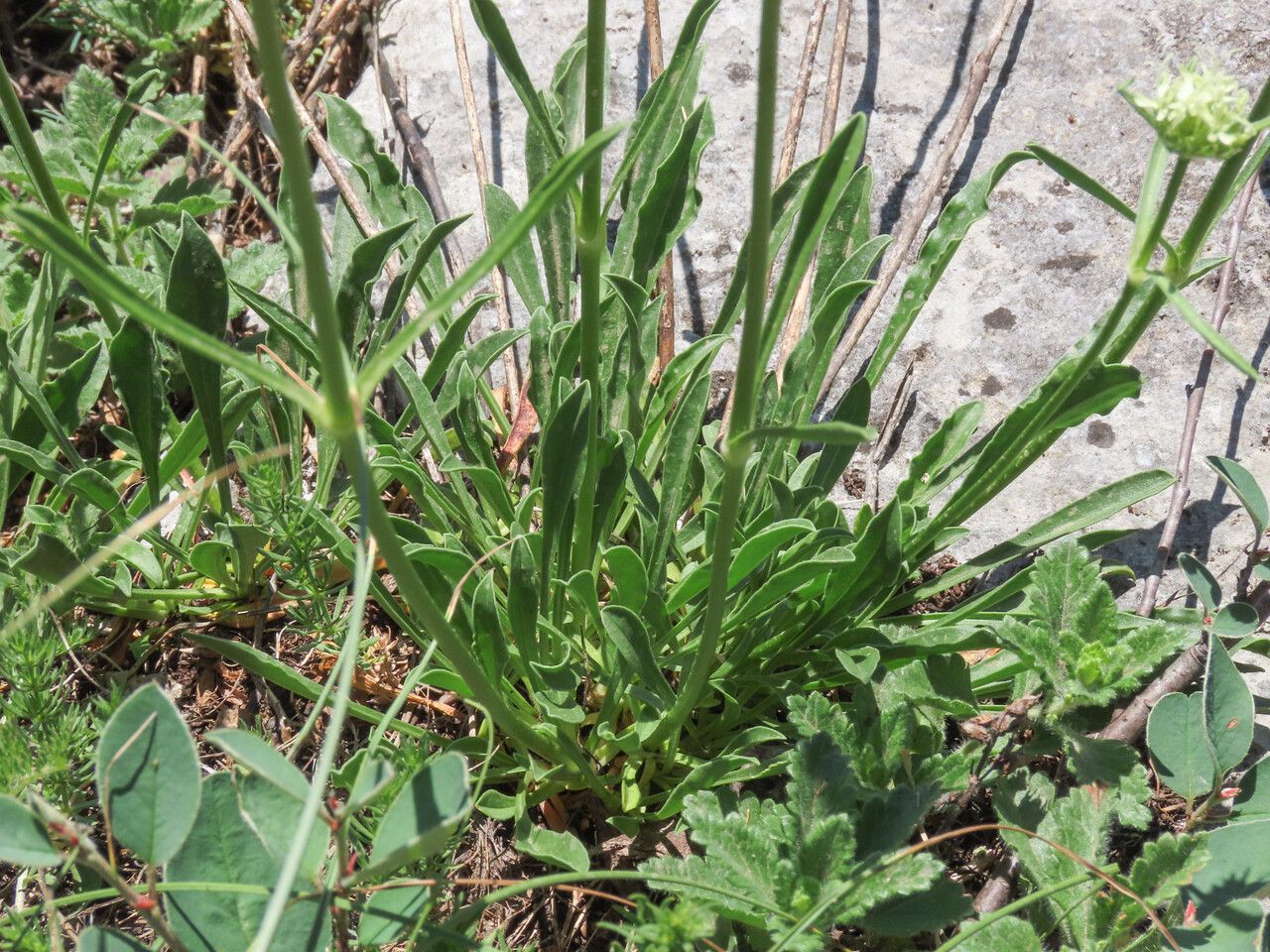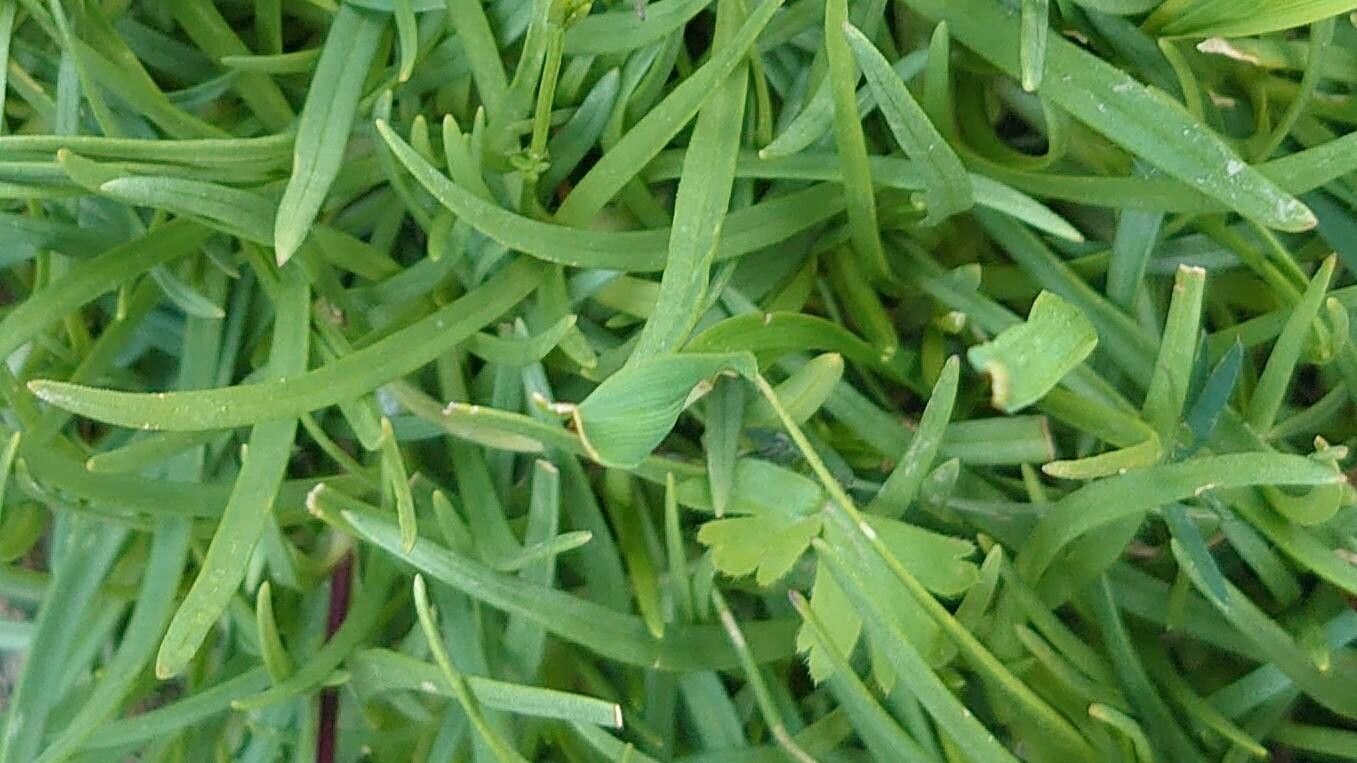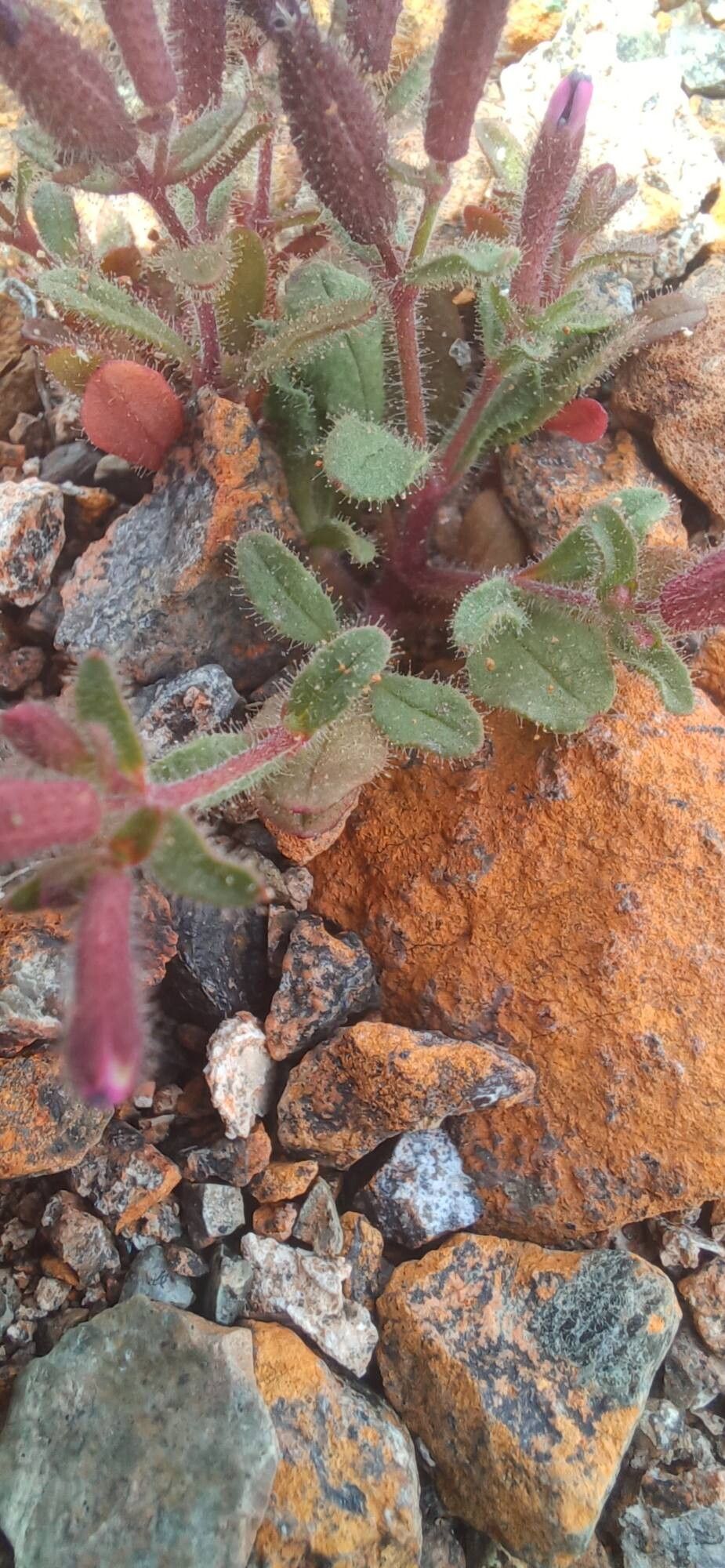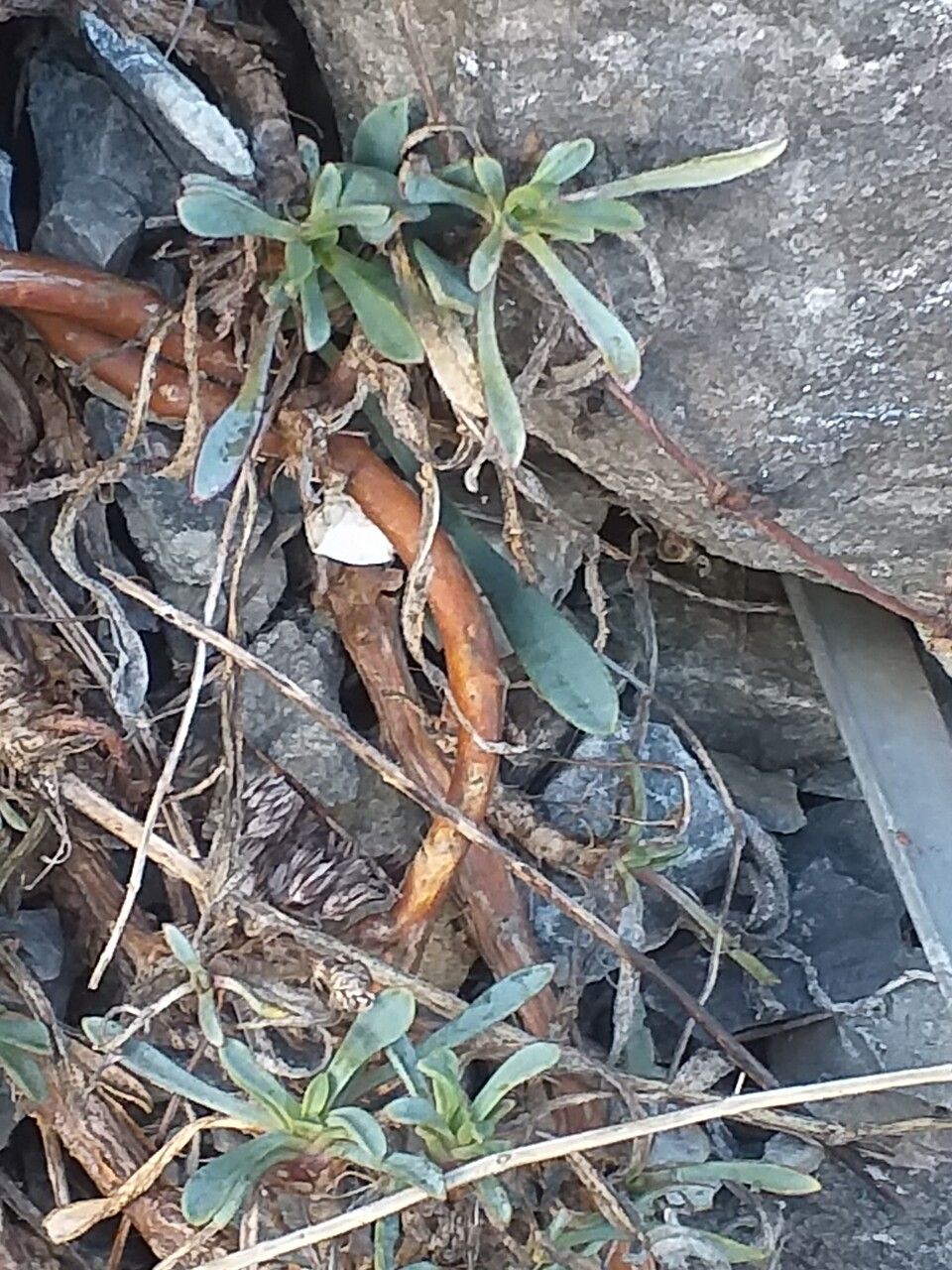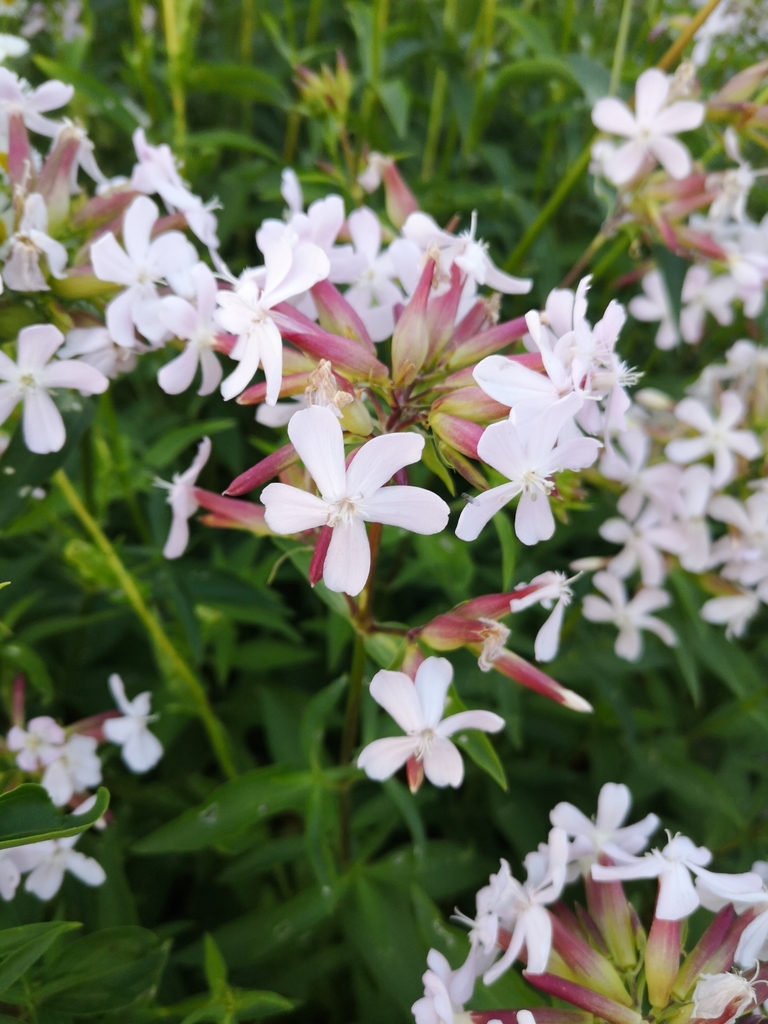
Saponaria officinalis, commonly known as soapwort, is a perennial herbaceous plant belonging to the Caryophyllaceae family. Native to Europe and Asia, it has been introduced and naturalized in North America. The plant reaches up to 60 cm in height and features lance-shaped leaves arranged in opposite pairs along the stem.
The flowers of Saponaria officinalis are pink or white, fragrant, and bloom from June to September. They are clustered at the top of the stem or in the leaf axils. The plant's roots contain saponins, which produce a soapy lather when mixed with water.
For centuries, Saponaria officinalis has been used medicinally due to its anti-inflammatory properties. Traditionally, it served as a natural remedy for skin conditions like eczema, psoriasis, and acne by soothing irritated skin.
Besides its medicinal applications, Saponaria officinalis is also appreciated as an ornamental plant for its attractive flowers and foliage. It thrives in full sun or partial shade with well-drained soil.
In summary, Saponaria officinalis is a versatile herbaceous perennial that offers both medicinal benefits and ornamental appeal, making it a favored choice among gardeners worldwide.
Common soapwort, as its name suggests, can be used to make soap, typically in a diluted form. Historically, it has been employed to clean delicate or unique textiles, particularly woolen fabrics. Additionally, there is a hypothesis that the plant was used to treat the Shroud of Turin.
Bouncing-bet has strong disease resistance and is generally unlikely to develop illnesses. However, it can be vulnerable to pests and diseases present in its surroundings. These problems are generally minor. In terms of care, this plant requires moderate maintenance. It should be pruned regularly to keep a neat appearance and support healthy growth. Fertilizing can also encourage flowering. Bouncing-bet is suitable for anyone with outdoor space, such as a garden or patio, and does not need extensive care experience. It may demand more attention when grown indoors.
How to keep Saponaria Officinalis.
Light
Bouncing-bet requires abundant light to thrive, so substantial sun exposure is necessary. Shorter spells of reduced light are tolerable, but they limit profuse blooming. Its native habitat provides these conditions. Excessive exposure can cause wilting, while insufficient light hampers propagation.
Water
Bouncing-bet flourishes in moist environments that require consistent humidity. To maintain this moisture, it should ideally be watered weekly. As an outdoor herbaceous perennial, it is well-adapted to the changing rainfall patterns that occur throughout the growing season.
Temperature
Bouncing-bet is indigenous to temperate regions and grows best at temperatures between 68 and 95 °F (20 to 35 ℃). To avoid damage, limit its exposure during colder seasons and keep optimal climate conditions.
Fertilizer
One application of fertilizer in spring is usually enough for Bouncing-bet, though multiple feedings can increase growth. Feed about once every month to a month and a half. Fertilizing improves the leaves’ appearance and function, maintaining even color and a healthy texture. It also promotes root development and nutrient uptake, supporting long-term plant health.
Pruning
Bouncing-bet displays vibrant clusters of pink or white flowers. For optimal health, it benefits from pruning from early to late spring. Trim any straggly growth and remove dead stems to keep the plant healthy. Light pruning after the first bloom can encourage a second round of flowering. Be sure to use sterilized tools to prevent the spread of disease.
Pot & Repot
When you repot Bouncing-bet, select a container 1–2 inches (2.5–5.1 cm) larger with ample drainage. Use a well-draining potting mix. Repot in spring or fall, making sure the root ball is slightly lower than the rim of the flower pot. Water thoroughly after repotting and place in a warm spot with indirect sunlight.
Botanical profile.
- Plant Type
- Herb
- Life Cycle
- Perennial, Annual
- Genus
- Saponaria
- Family
- Caryophyllaceae
- Hardiness Zone
- 3-8
- Mature Height
- 30 cm to 61 cm
- Mature Spread
- 30 cm to 46 cm
- Leaf Color
- Green
- Leaf Type
- Deciduous
- Flower Color
- Pink
- Flower Size
- 1.02 cm to 1.52 cm
- Bloom Time
- Early summer, Mid summer
- Planting Time
- Spring
- Harvest Time
- Mid summer
- Native Area
- Turkey, Austria, Czech Republic, Slovakia, Montenegro, Bulgaria, Armenia, Poland, Greece, Croatia, Slovenia, Serbia, Hungary, Germany, Italy, Spain, Switzerland, France, Iran, Albania, Azerbaijan, Romania, Belgium, Portugal
Other names.
Reader questions.
How do I water my Bouncing-bet plant as it grows?
The water needs of the Bouncing-bet can vary depending on its growth stages. For instance, when it is young or recently transplanted, it requires extra watering. During these stages, the plant focuses on developing new roots to support future growth, and these roots thrive with slightly more moisture. As the Bouncing-bet matures over a few seasons, it will require less water. Additionally, during the bloom period, the plant may need increased watering due to the significant moisture utilized for flower development.
Why should I put fertilizer on my Bouncing-bet plant?
The main structure of the Bouncing-bet is made up of its leaves, and proper fertilization is important for both their appearance and function. Fertilizing your Bouncing-bet will help maintain the leaves' color and texture, ensuring they look great. Additionally, fertilization also benefits the roots of your plant. It encourages the growth of new roots and helps sustain the existing ones. This means that fertilization not only keeps your plant healthy now, but also enhances its ability to absorb nutrients from the soil in the future.
What are the sunlight requirements for Bouncing-bet?
Bouncing-bet (Saponaria officinalis) thrives in conditions ranging from full to partial sun. Full sun exposure is defined as receiving above 6 hours of sunlight daily, while partial sun refers to about 3-6 hours of sunlight. It's essential to observe how sunlight moves through your garden, ensuring you place your plants in spots that offer the right balance of light and shade for optimal growth. Bouncing-bet prefers plenty of light for growth and blooming, though it can tolerate lower light conditions. Note, however, that overexposure to sunlight may lead to wilting, and insufficient light can hinder propagation.
What are the ideal temperature conditions for growing Bouncing-bet?
Bouncing-bet, known botanically as Saponaria officinalis, thrives best in temperate environments. The ideal temperature range for its growth is between 68 to 95 °F (20 to 35 °C). To ensure the plant's health, it's important to maintain these optimal climate conditions and reduce exposure during colder seasons to prevent damage. Although Bouncing-bet has strong cold resistance and usually does not require special frost protection measures during winter, ensuring the plant has cold protection if temperatures are expected to drop below its tolerance limit is still important.
How does watering my Bouncing-bet plant change if I do it indoors or outdoors?
Indoor gardening is ideal for growing the Bouncing-bet, especially for gardeners who live in non-temperate and non-tropical regions. It is important to note that soil in a container can dry out faster than ground soil, so regular watering is necessary. Additionally, if your indoor space has drying elements like air conditioning units, your Bouncing-bet will require even more frequent watering compared to if it was planted outside. However, if you do decide to plant it outside and receive regular rainfall, you may not need to water your Bouncing-bet as often. On the other hand, for those growing the plant indoors, relying on rainwater to moisten the soil is not an option, so watering will need to be done more regularly.
When should I put fertilizer on my Bouncing-bet plant?
If you grow your Bouncing-bet outdoors each year, you will notice new growth in early spring. This is a good time to start fertilizing. Usually, one application of fertilizer is enough, but if you want to maximize growth, you can fertilize multiple times in the spring and early summer. If you choose this option, feed your Bouncing-bet every month to a month and a half.
How can artificial lighting benefit indoor Bouncing-bet plants?
Indoor Bouncing-bet plants benefit significantly from artificial lighting, especially when natural sunlight is not sufficient. Artificial lights, such as LEDs, can be tailored to provide specific wavelengths needed for optimal plant growth. For full sun plants, 30-50W/sq ft of artificial light is recommended, 20-30W/sq ft for partial sun plants, and 10-20W/sq ft for full shade plants. The light source should be placed 12-36 inches above the plant, mimicking natural sunlight, and kept on for 8-12 hours per day to promote healthier, faster growth.
How can I protect Bouncing-bet in winter?
To protect Bouncing-bet during the winter, especially if temperatures are expected to fall below its cold tolerance limit, you can cover the plant with insulating materials such as soil or straw to maintain warmth. Additionally, water the plant abundantly before the first freeze in autumn to keep the soil moist, helping to prevent drought and water scarcity for the plant during the colder months and early spring. This preparation helps ensure the plant remains healthy and ready for the next growing season.
How should I water my Bouncing-bet plant?
To properly water the Bouncing-bet plant, it is advised to use filtered water at room temperature. Tap water may contain harmful particles, so it is better to avoid using it. The plant prefers warm water since it is native to warm environments, and using cold water may be too shocking for it. Additionally, overhead watering should be avoided as it can cause issues with the foliage. Instead, you should pour the filtered room temperature water directly into the soil until it is fully soaked. This method allows the roots to absorb the water and spread throughout the soil to collect essential nutrients.
When is the best time to not fertilize my Bouncing-bet plant?
During the late fall and winter, your Bouncing-bet goes into a dormant phase, meaning it stops producing new growth. It's best to avoid fertilizing during this time. If you decide to fertilize during the spring and summer, gradually decrease the amount of fertilizer as summer approaches since the Bouncing-bet's growth rate slows down. In general, it's not a good idea to fertilize your Bouncing-bet when the weather is unusually hot or the soil is excessively dry. Fertilizing during these conditions can stress the Bouncing-bet, leading to premature death.
What are the symptoms of light deficiency in Bouncing-bet?
When Bouncing-bet is grown in rooms with inadequate lighting, it may not show immediate symptoms of light deficiency. However, signs can appear over time, including new leaves growing smaller, leggy or sparse growth, accelerated leaf drop, halted new growth, and lighter-colored or chlorotic leaves. Excessive sunlight exposure can lead to chlorosis, sunscald, leaf curling, wilting, and leaf scorching, which are detrimental to the plant's health.
What should I do if my Bouncing-bet experiences low temperatures?
Bouncing-bet is cold-tolerant and generally thrives when the temperature is kept above a certain minimum suitable for its growth. However, if temperatures drop below the growth limit, there might not be any noticeable changes during the winter, but there could be a decrease in sprouting or even no sprouting at all during springtime. To address this, in spring, remove any parts of the plant that have failed to sprout to help encourage new growth and maintain the plant's health.