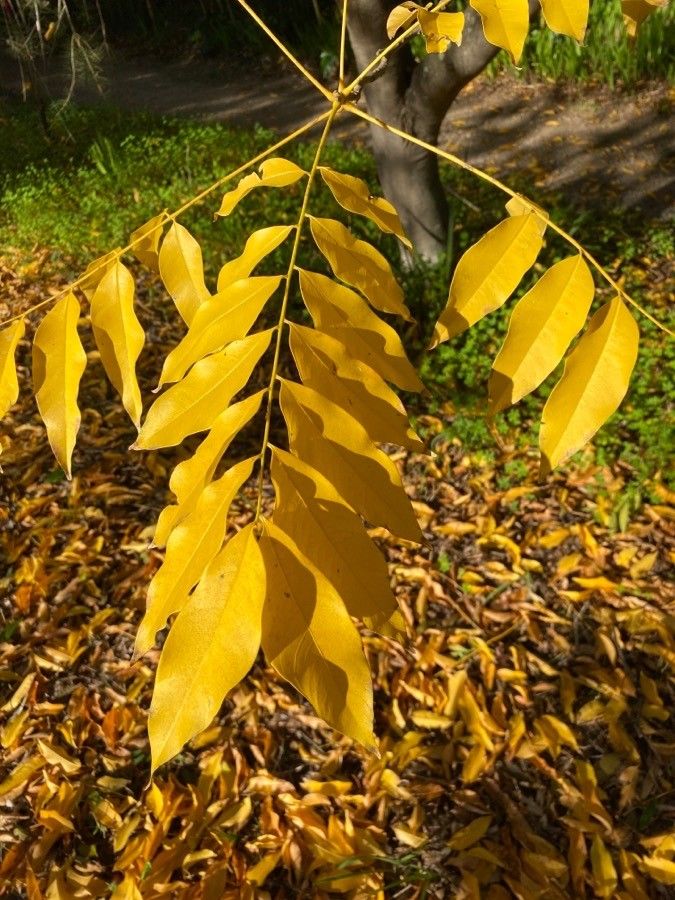
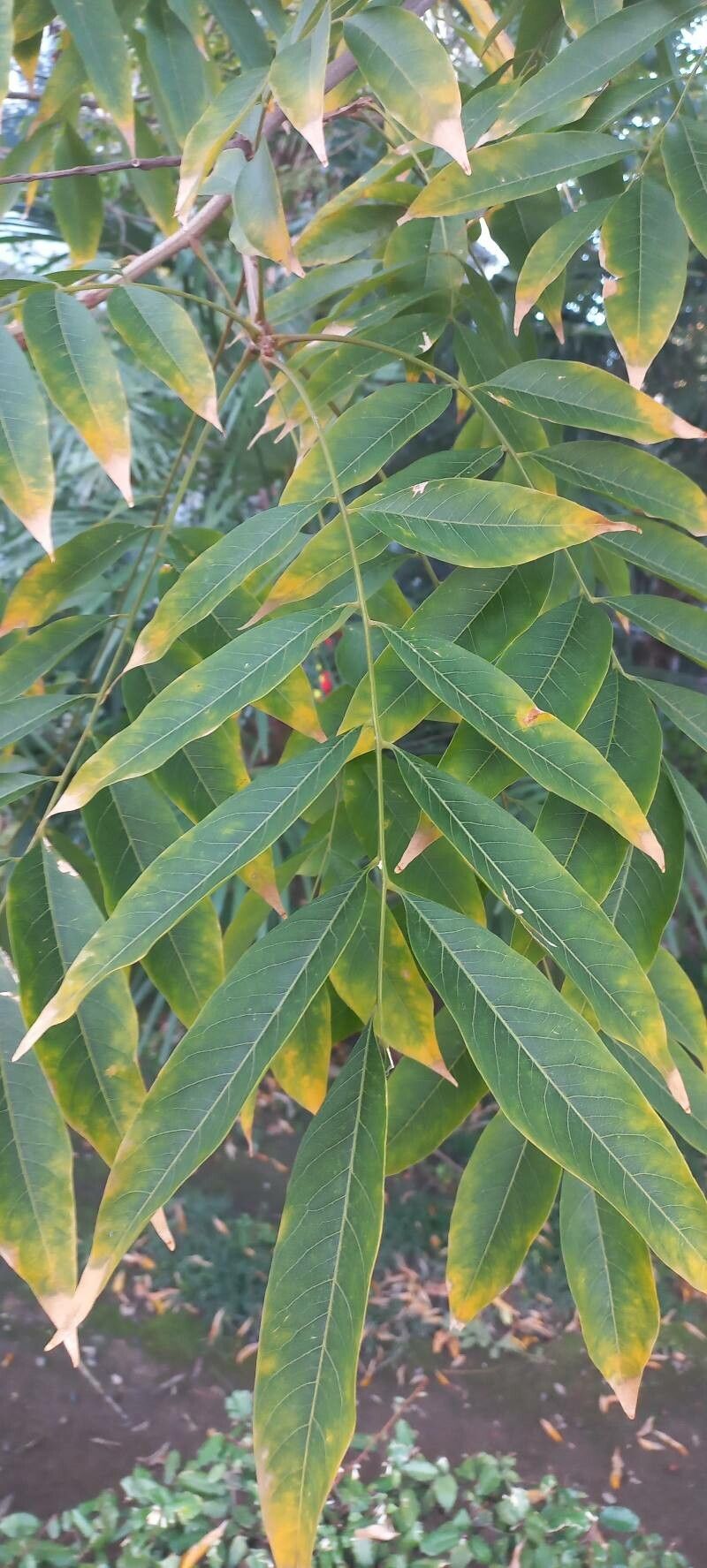
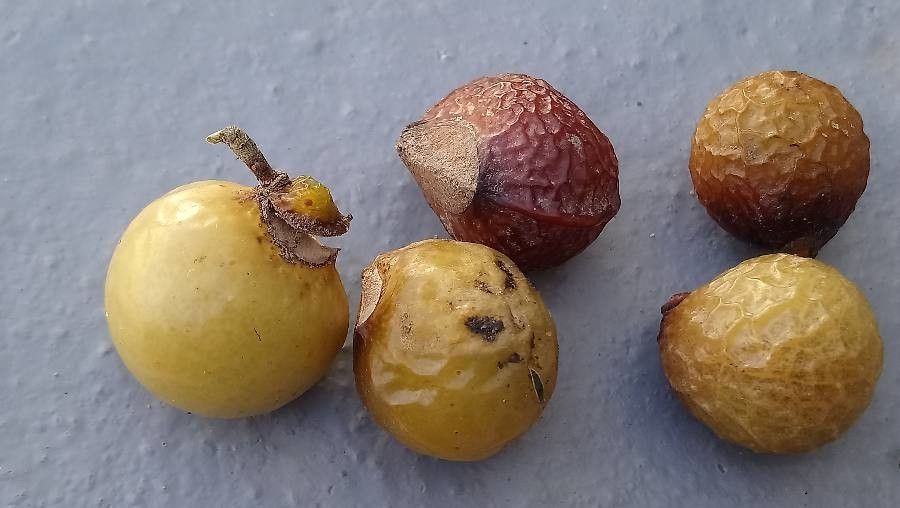
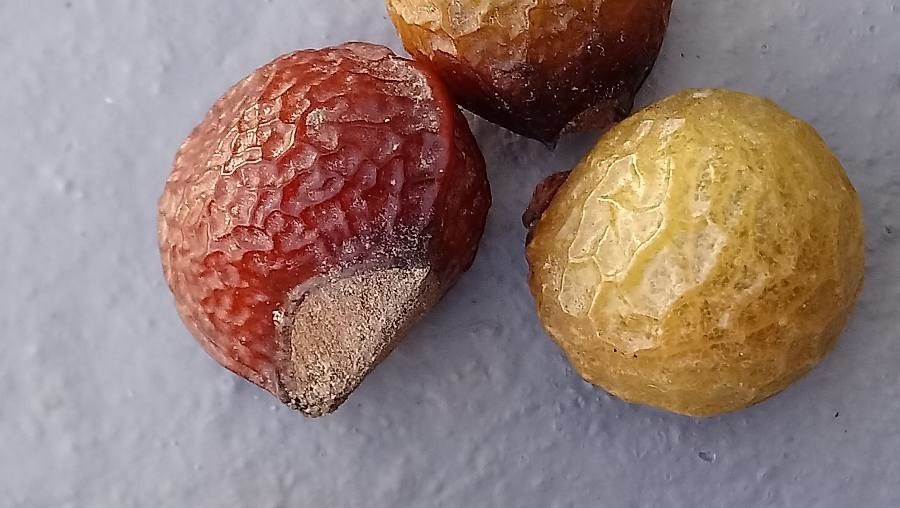
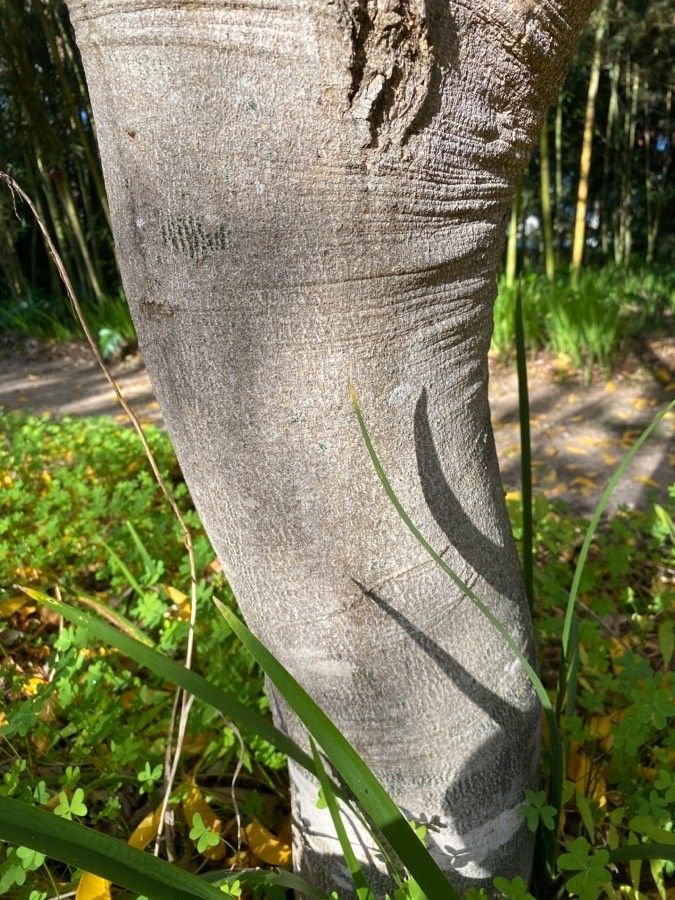
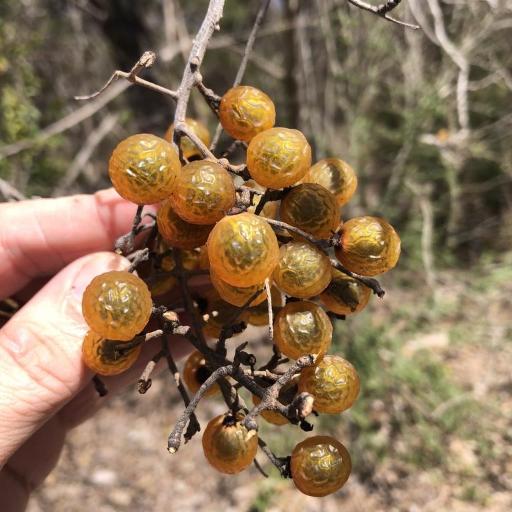
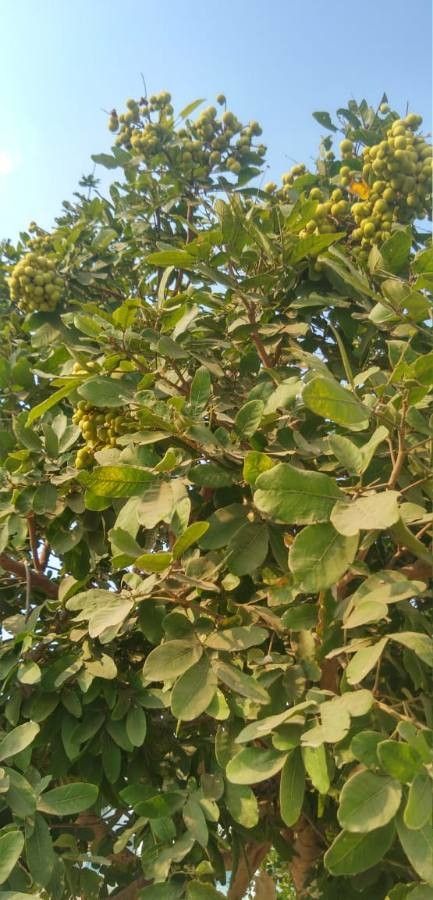
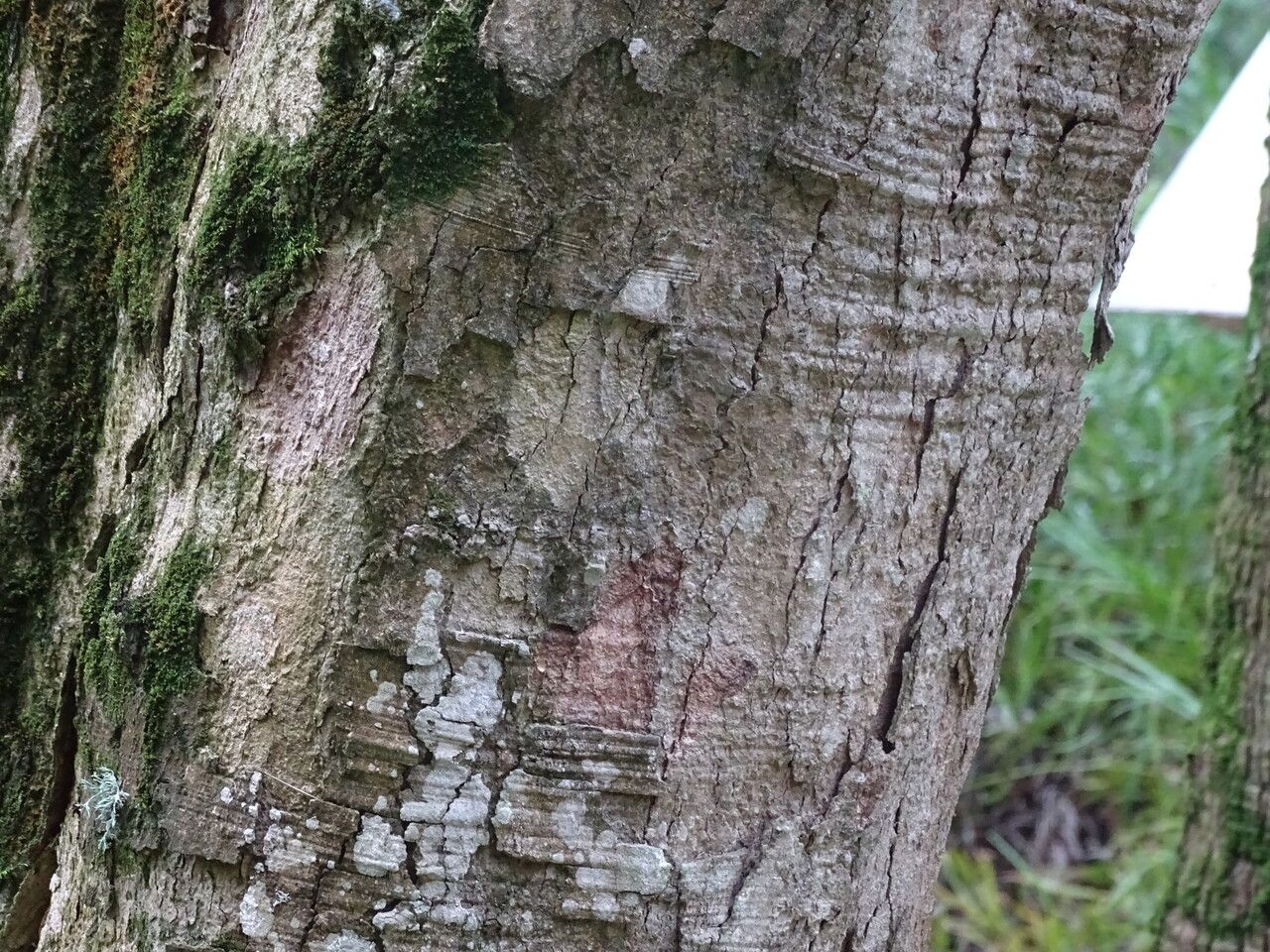
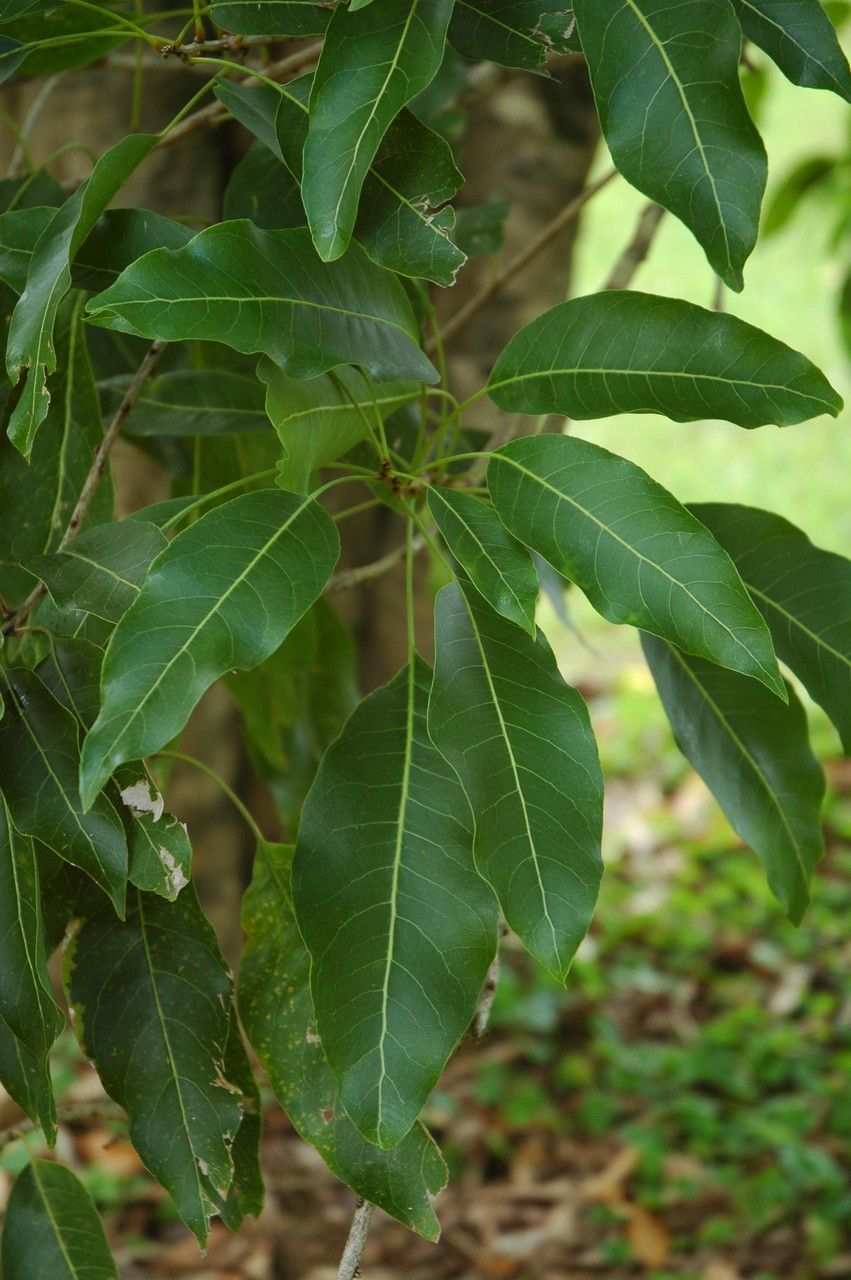
Sapindus mukorossi, commonly known as Indian soapberry, washnut, or ritha, is a species of tree in the family Sapindaceae. It is a deciduous tree that grows in the lower foothills and midhills of the Himalayas at altitudes of up to 1,200 metres (4,000 ft). It is also native to western coastal Karnataka, Maharashtra, and Goa in India. It is tolerant to reasonably poor soil, can be planted around farmers’ homes, and one tree can produce 30 to 35 kilograms (66 to 77 lb) of fruit per year.
Indian soapberry is resistant to disease and is typically not prone to infections. With regard to care, this plant is fairly low-maintenance. When grown outdoors it needs little watering, and larger plants usually do not require pruning. Smaller plants, however, should be trimmed after they have bloomed. Indian soapberryt is suitable for anyone with outdoor space, such as a garden or deck, and does not demand much care experience.
How to keep Sapindus Mukorossi.
Light
Indian soapberry tends to do best in highly exposed spots where sunlight is intense all day. Coming from a habitat with plentiful sun, its development is favored by those conditions. Throughout its various growth stages, consistent exposure to strong sunlight remains important. Too much or too little sun can negatively affect the plant’s health.
Temperature
Indian soapberry comes from temperate regions and does best in temperatures ranging from 59 to 100.4 °F (15 to 38 ℃). In colder areas, providing a warmer microclimate, for example a greenhouse, is advisable during winter.
Fertilizer
Fertilizing is essential for caring for Indian soapberry. Consistent feeding during the growing season helps maintain the vigor for its showy leaves and supports overall growth. Failing to fertilize can lead to unhealthy foliage, reduced ornamental value, and stunted or weak growth that is more likely to break.
Pruning
The Indian soapberry has lush foliage and produces berries that can be used to make soap. Pruning in early spring is beneficial as it removes dead branches, improves air circulation, increases fruit production, and helps prevent diseases. It's important to use sanitized tools during pruning to avoid infections and ensure the plant remains healthy and visually appealing.
Botanical profile.
- Plant Type
- Tree
- Life Cycle
- Perennial
- Genus
- Sapindus
- Family
- Sapindaceae
- Hardiness Zone
- 8-12
- Mature Height
- 20.12 m
- Mature Spread
- 2.74 m to 4.88 m
- Leaf Color
- Dark Green, Olive Drab
- Leaf Type
- Semi-evergreen, Deciduous
- Flower Color
- White, Green, Yellow
- Flower Size
- 0.51 cm
- Bloom Time
- Early summer, Mid summer
- Planting Time
- Spring, Summer
- Harvest Time
- Fall
- Native Area
- Nepal, India, Vietnam, Myanmar, Japan, Laos, Thailand, China
Other names.
Reader questions.
What are the sunlight requirements for the Indian soapberry?
The Indian soapberry requires above 6 hours of sunlight daily to thrive. It's essential to observe the movement of sunlight through your garden to identify areas that offer a mix of light and shade, ensuring an optimal environment for your plants. Indian soapberry thrives exceptionally well in fully exposed areas where it can bask in the sun's rays throughout the day, benefiting from its natural habitat's abundant sunlight. However, be mindful of providing the right balance as both overexposure and underexposure to sunlight can adversely affect the plant's health.
What is the native environment of Indian soapberry?
Indian soapberry, also known by its botanical name Sapindus mukorossi, is native to temperate environments. It thrives best in temperatures ranging from 59 to 100.4 °F (15 to 38 °C). This plant is extremely heat-loving and can be adversely affected by cold temperatures. For optimal growth, maintaining a warm environment, even through creating a warmer microclimate such as a greenhouse in colder climates during winter, is recommended.
How can artificial lighting support the growth of indoor Indian soapberry plants?
For indoor Indian soapberry plants or when natural sunlight is inadequate, artificial lighting can be a vital solution to facilitate optimal growth. Select the correct type of artificial light, such as LED lights, which can be tuned to deliver specific light wavelengths needed by your plants. For full sun plants, 30-50W/sq ft of artificial light is recommended, while partial sun plants need 20-30W/sq ft, and full shade plants require 10-20W/sq ft. The light source should be positioned 12-36 inches above the plant, resembling natural sunlight exposure, and ensure plants receive 8-12 hours of light per day to mimic natural daylight hours, promoting faster and healthier growth.
What should be done with Indian soapberry plants in the autumn and winter?
During the autumn, it's advised to bring outdoor-grown Indian soapberry plants indoors to protect them from cold temperatures. They should be placed near a bright window to ensure they receive enough light, but they must not be positioned too close to heaters to avoid damage. Throughout the winter, maintaining temperatures above 15°C is beneficial for the plant's growth, and it's crucial to ensure the temperature does not approach -5°C, as this can be detrimental.
What are the key symptoms of light deficiency in Indian soapberry?
Indian soapberry may show symptoms of light deficiency when it doesn't receive adequate sunlight. These symptoms include smaller new leaves, leggy or sparse growth with extended spaces between leaves or stems, faster leaf drop, delayed or halted growth, and new leaves that appear lighter in color or exhibit irregular patterns, indicating a lack of chlorophyll. Additionally, chlorosis can occur, leading to yellowing leaves, and sunscald, leaf curling, wilting, or leaf scorching may happen due to excessive sunlight exposure.
How does low temperature affect Indian soapberry, and what are the solutions?
Indian soapberries are not tolerant of low temperatures and prefer to be kept in conditions above 15°C. Exposure to temperatures below -5°C can cause the leaves to lighten in color, and frost damage can lead to browning or blackening of the leaves, wilting, and drooping. To address frost damage, trim off the damaged parts and move the plant to a warm, indoor environment. Place it near a south-facing window to ensure it receives ample sunlight, and be careful to avoid placing it near heaters or air conditioning vents to prevent air dryness.
How can you mitigate light deficiency problems for Indian soapberry plants?
To combat light deficiency in Indian soapberry plants, gradually increase sunlight exposure to ensure at least 6 hours of direct sunlight daily. For indoor plants, a south-facing window is ideal, with curtains kept open during the day. If necessary, use artificial lighting solutions like desk lamps or grow lights for at least 8 hours a day. For outdoor plants, transition them slowly to sunnier spots each week to avoid sunburn. Obstructions like trees may need pruning to improve sunlight access, and smaller plants could benefit from transplantation to better-lit locations during their dormant period, ensuring they receive ample sunlight and have good drainage.
What effect does high temperature have on Indian soapberry, and how can it be mitigated?
In the summer, it is crucial to ensure that Indian soapberry plants do not experience temperatures above 38°C, as exceeding 43°C can cause the leaves to lighten and increase susceptibility to sunburn. To counteract damage from high temperatures, trim away sunburned and dried parts of the plant. Relocate the plant to a shadier area to protect it from the harsh midday and afternoon sun, and water the plant in the morning and evening to keep the soil moist and support its health.