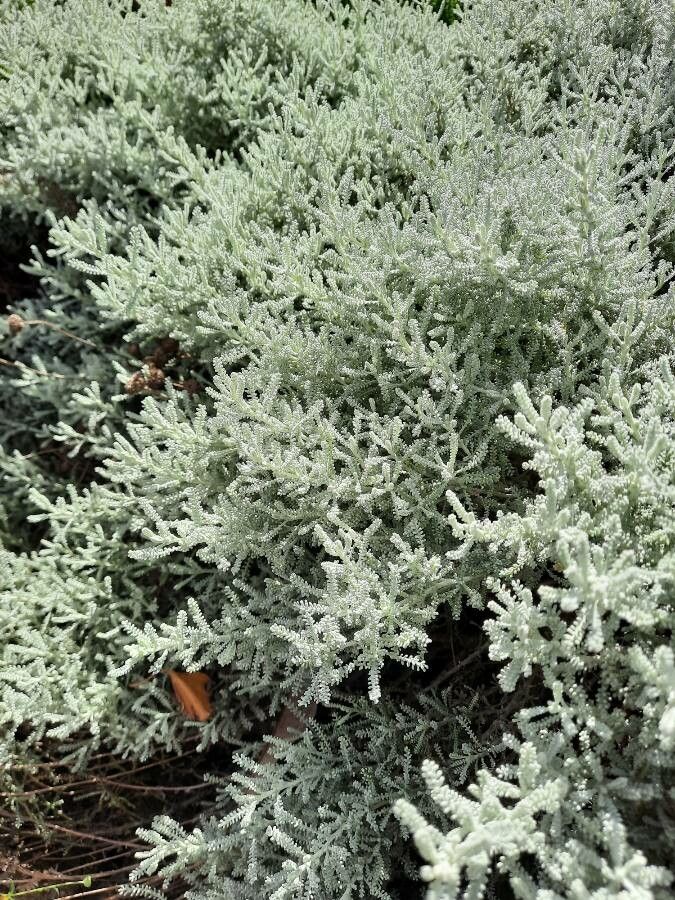
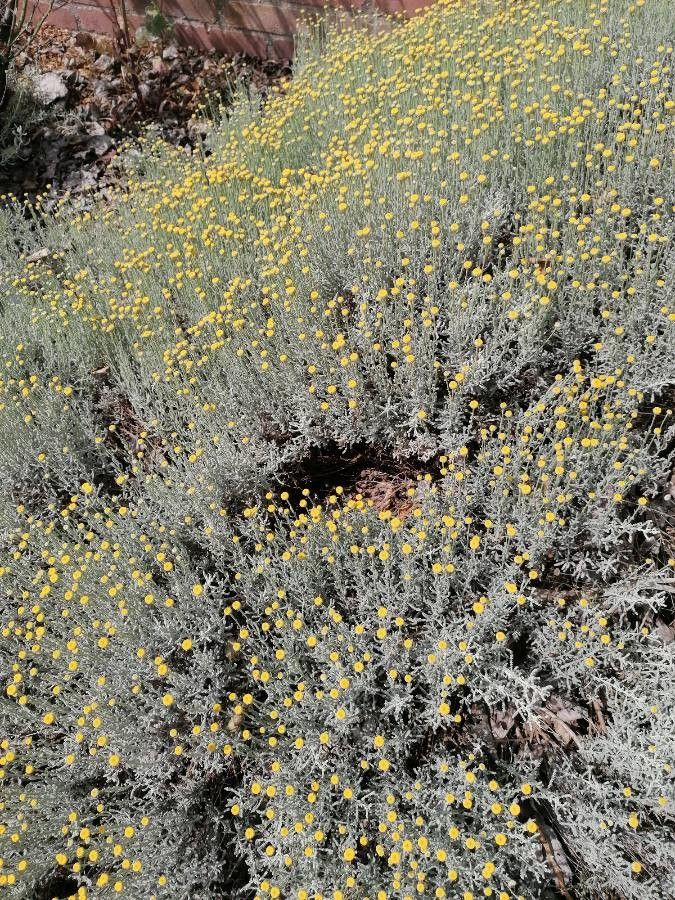
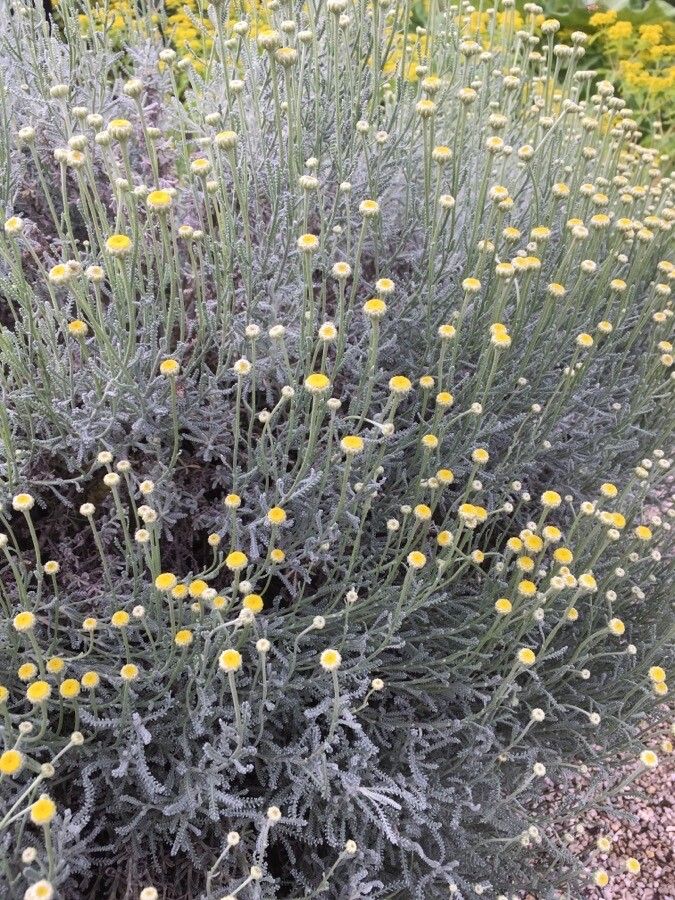
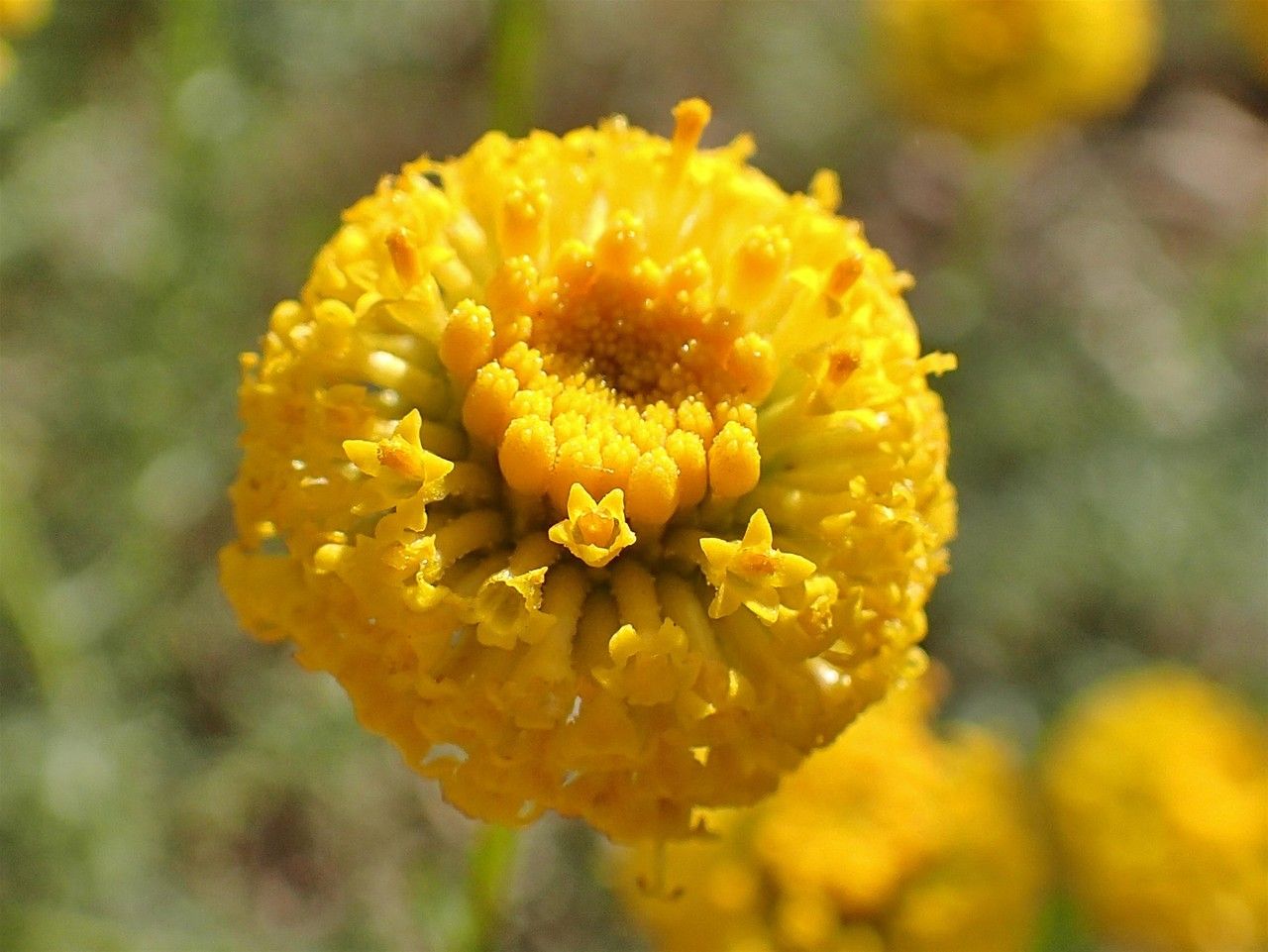
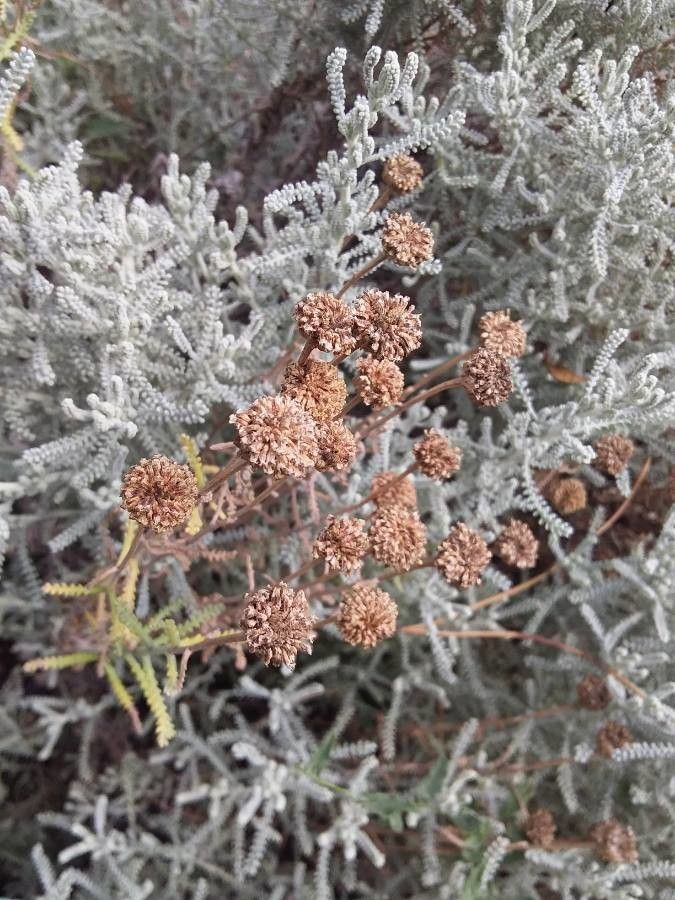
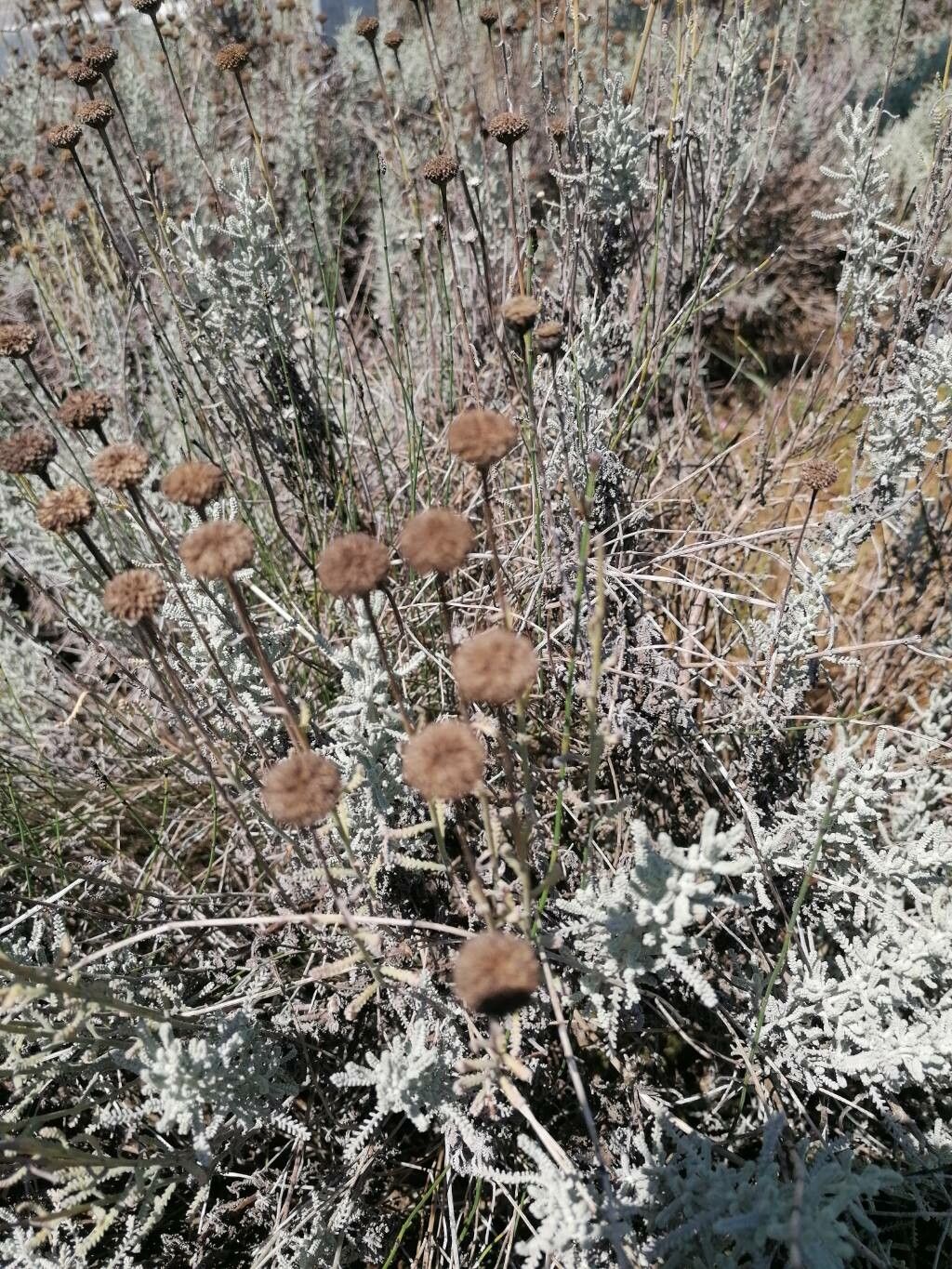
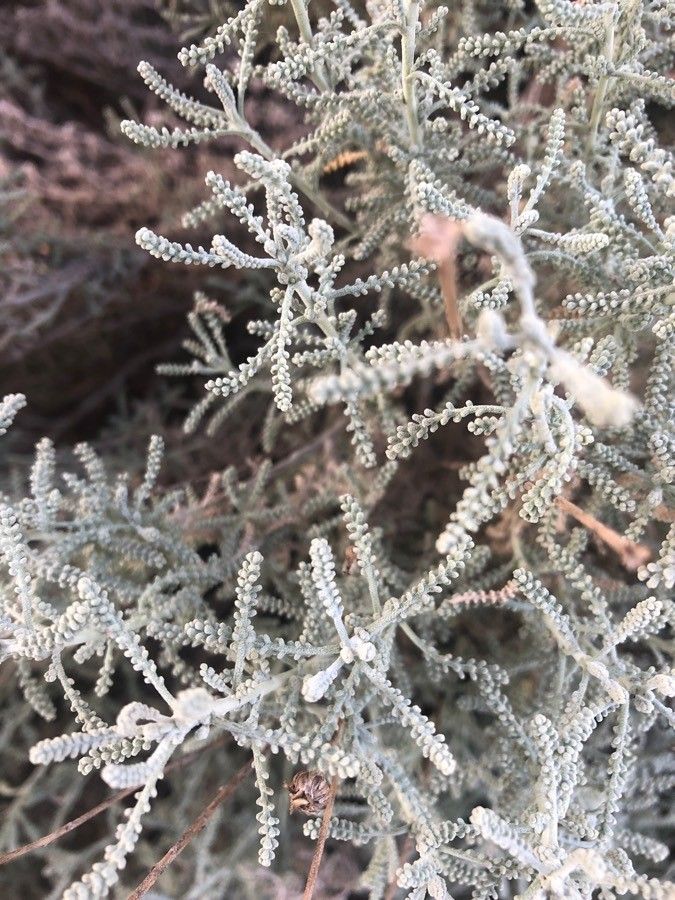
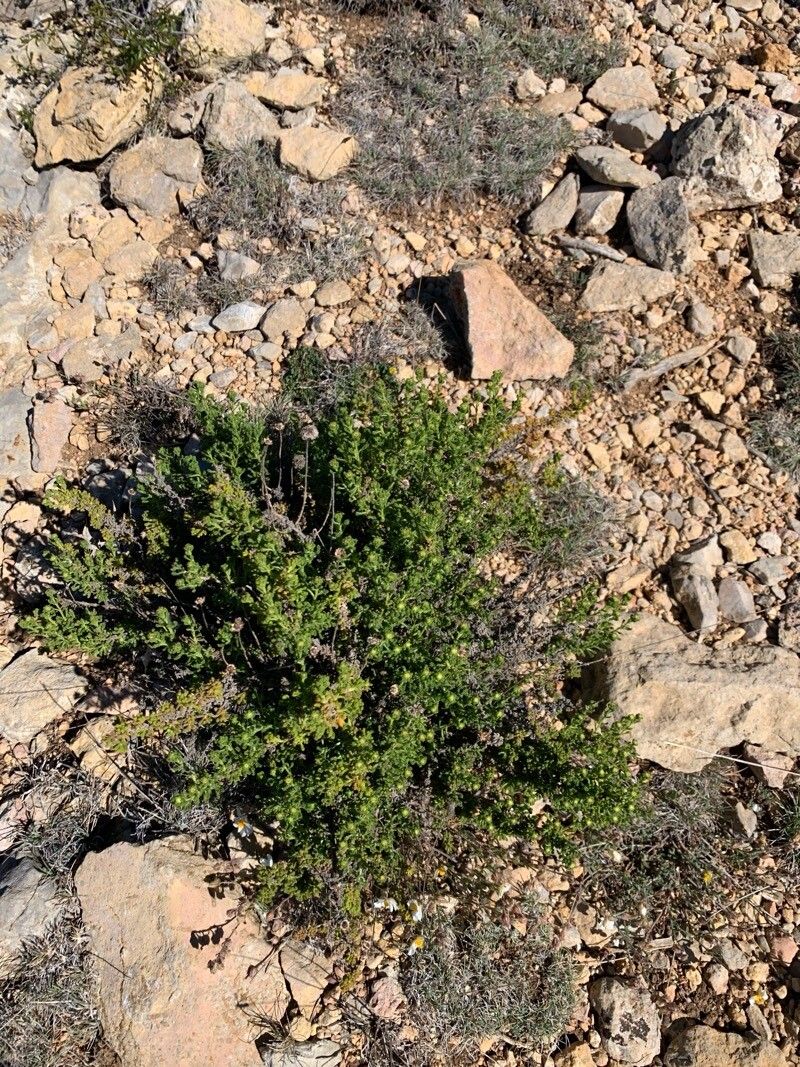
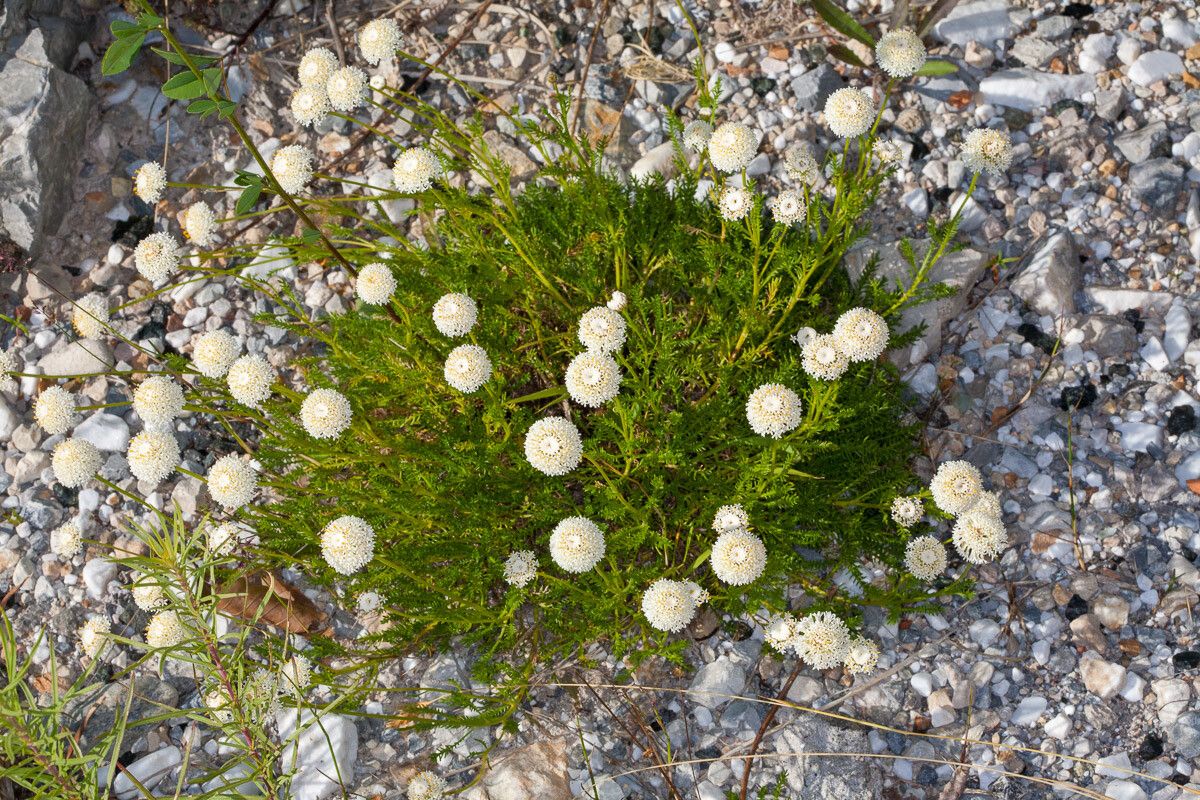
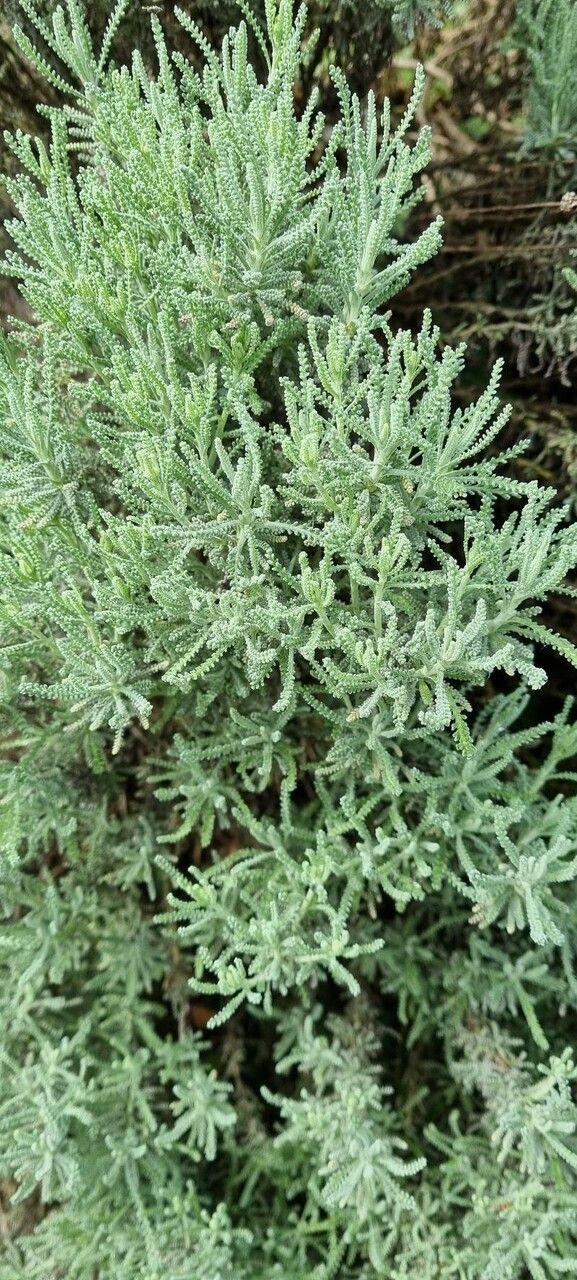
This dense, mounding, woody shrub features attractive, aromatic, finely textured silver-gray foliage. During the summer, it produces small, bright yellow flowers. It makes for a very appealing groundcover or edging for walkways and borders and fits beautifully in the foreground of an herb garden. It is drought-tolerant once established and is an evergreen plant.
Lavender cotton is resistant to disease and is generally not prone to illnesses. Regarding care, this plant is relatively low-maintenance. When grown outdoors it needs minimal watering, and larger plants usually do not require pruning. Smaller plants, however, should be pruned after they have finished blooming. Lavender cottont is suitable for anyone with an outdoor space, such as a garden or deck, and does not require much care experience.
How to keep Santolina Chamaecyparissus.
Light
Lavender cotton performs best when it gets plenty of sunlight each day, even though it can withstand periods of moderate sunlight shortage. Hailing from regions known for their significant sunlight, it displays stronger growth under ample sun exposure. On the other hand, continuously inadequate lighting conditions could negatively affect its healthy growth.
Water
Cotton lavender thrives in Mediterranean climates, where it enjoys a dry environment with occasional rainfall. To keep it healthy, water the plant weekly but allow the soil to dry out between waterings. It grows best outdoors in full sun and requires well-draining soil to mimic its natural, arid habitat.
Humidity
This plant prefers dry conditions, so don't mist it. However, watering it less often can also thrive in higher humidity.
Temperature
Lavender cotton originates from the region of the Mediterranean. It thrives in a temperature range between 59 and 95 ℉ (or 15 to 35 ℃). It is recommended that during the colder months, the plant be kept in a location with a minimum temperature of 50 ℉ (10 ℃) to avoid damage due to frost.
Fertilizer
For encouraging healthy development, nourish your Lavender cotton at the onset of spring. Consistent fertilizing boosts overall wellbeing, leading to robust growth, the ability to withstand challenging conditions, and heightened resistance to illnesses and pests. Stick to a certain fertilizing routine for your Lavender cotton to guarantee bright leaves with a rich color and a dense look.
Pruning
Cotton lavender, known for its silvery leaves and yellow flowers, benefits from annual pruning in late spring. To maintain a compact shape and encourage longer blooming, trim back one-third of the plant. Be sure to remove spent flowers to keep the plant vibrant. Avoid cutting into old wood. Pruning helps improve air circulation, which reduces the risk of disease and enhances the plant's overall health.
Pot & Repot
For repotting Santolina chamaecyparissus, select a container that is 1-2 inches (2.5-5 cm) larger and has substantial drainage capacity. Implement a potting blend that drains well. Carry out the repotting process in spring or autumn, making sure that the root ball is slightly below the edge of the plant pot. Drench the plant thoroughly following the repotting and place it in a warm location with filtered sunlight.
Botanical profile.
- Plant Type
- Shrub
- Life Cycle
- Perennial
- Genus
- Santolina
- Family
- Asteraceae
- Hardiness Zone
- 7-9
- Mature Height
- 15 cm to 49 cm
- Mature Spread
- 61 cm to 91 cm
- Leaf Color
- Green, Silver, Gray
- Leaf Type
- Evergreen
- Flower Color
- Yellow
- Flower Size
- 0.25 cm to 0.51 cm
- Bloom Time
- Early summer, Mid summer
- Planting Time
- Spring, Autumn
- Harvest Time
- Mid summer
Other names.
Reader questions.
How should I water my Cotton lavender?
Your Cotton lavender is not particular about how you water it. You can use any standard watering tool to water the plant, such as watering cans, hoses, or even cups. Make sure to water the soil directly and evenly, ensuring that all parts of the root system receive enough water. It's a good idea to use filtered water to avoid any harmful particles that may be in tap water. Additionally, using water that is at or slightly above room temperature is beneficial as extremely hot or cold water can be detrimental to the plant. However, the Cotton lavender usually responds well to any type of water you provide.
Why is it important to put fertilizer on my Cotton lavender plants?
No matter which type of Cotton lavender you have, regular fertilization is essential for maintaining the plant's overall health. Adequate nutrients promote strong growth, making it more resistant to harsh conditions and pests. Keeping the foliage intact is important because it contributes to the plant's attractiveness. To achieve this, it's necessary to establish and follow a fertilization schedule tailored to your Cotton lavender. This will result in vibrant, lush leaves with a deep color.
What are the sunlight requirements for cotton lavender?
Cotton lavender, known botanically as Santolina chamaecyparissus, thrives best when it receives abundant sunlight, ideally more than 6 hours daily, classifying it as a full sun plant. However, it can also adapt to conditions with about 3-6 hours of sunlight, known as partial sun. Originating from sun-rich climates, cotton lavender exhibits robust growth when exposed to ample sunlight, while inadequate light conditions could impede its healthy development. It's crucial to observe how sunlight moves through your garden, selecting locations that offer a balanced mix of light and shade to ensure the plant's well-being.
What is the native region of cotton lavender and its preferred temperature range?
Cotton lavender, scientifically known as Santolina chamaecyparissus, is native to the Mediterranean region. It thrives in a temperature range of 59 to 95 °F (15 to 35 °C). To ensure the plant stays healthy, it's suggested to maintain a temperature of at least 50 °F (10 °C) during colder seasons to prevent frost damage.
What should I do if I give my Cotton lavender too much or too little water?
When it comes to outdoor plants, especially newly planted ones or seedlings, they can be prone to not getting enough water. It's important to remember to water them consistently for a few months while they are still small or recently planted. This is because once the roots are established, Cotton lavender plants can rely on rain most of the time. When you have Cotton lavender plants in pots, overwatering is more likely to occur. If you accidentally overwater your Cotton lavender, there are steps you can take to fix the situation. First, stop watering the plant immediately to minimize the effects of overwatering. Then, remove the Cotton lavender from its pot to inspect the roots. If there are no signs of root rot, you can return the plant to its container. However, if you do find root rot, trim away the affected roots and consider applying a fungicide to prevent further damage. Finally, repot the Cotton lavender in well-draining soil. On the other hand, underwatering a Cotton lavender plant is a simpler issue to fix. If you notice drooping, drying, and falling off of leaves, it's a sign of underwatering. Simply water the plant more frequently, and you'll notice the leaves returning to fullness. Make sure to adjust your watering frequency as soon as you notice underwatering occurring.
When should I fertilize my Cotton lavender plant?
To ensure healthy growth, it is recommended to fertilize your Cotton lavender for the first time in late winter or early spring. This will provide the necessary nutrients for the plant to thrive once the weather warms up. If you live in a warm climate region, it can also be beneficial to fertilize again in early fall. This not only adds nutrients for the following growing season but also helps the plant withstand the winter cold without damage. Fertilizing earlier in the fall will allow the new branches to grow and become hardy enough to survive the cold.
What are the indications of insufficient sunlight for cotton lavender?
Cotton lavender may show several symptoms if it doesn't get enough sunlight. These include smaller new leaves than the previous ones, leggy or sparse growth, faster leaf drop, halted or no new growth, and leaves that may become pale due to insufficient sunlight, demonstrating a lack of chlorophyll and nutrients. Other signs include chlorosis, where leaves lose their green color and turn yellow, and sunscald, leading to pale, bleached, or necrotic areas on the plant. Moreover, leaf curling can occur under extreme sunlight as a defense mechanism, while wilting and leaf scorching are signs of excessive light exposure damaging the plant.
How does cotton lavender tolerate cold and what measures should be taken for frost protection?
Cotton lavender has strong cold resistance and generally doesn't require special frost protection measures. However, if temperatures are expected to drop below -15°C, it's important to provide protection by wrapping the trunk and branches with non-woven fabric or cloth. Additionally, watering the plant abundantly before the first freeze in autumn helps the soil stay moist and prevents drought during winter and early spring, aiding in the plant's resilience through colder months.
How frequently do I need to water my Cotton lavender?
Most outdoor plants can grow naturally with rainfall. However, if your area doesn't get enough rain, you should water your plants every 2 weeks in spring and fall. In summer, they'll need more frequent watering, while in winter, when growth slows down, you can water them less. You may not need to water them at all during winter. Young or newly planted Cotton lavender needs more frequent watering to help it establish and grow into a more adaptable and drought-tolerant plant. For potted plants, there are two main ways to determine how often to water your Cotton lavender. The first way is to set a schedule, like watering once a week or every other week. However, this may not always work since it doesn't consider the specific growing conditions of your Cotton lavender. Your watering frequency should also be adjusted based on the season. For example, during summer, when the plant requires more water, a predetermined schedule may not be enough. An alternative approach is to check the soil moisture before watering. It's generally best to wait until the top two to four inches of soil, about one-third to one-half the depth of the pot, have completely dried out before giving more water.
When is the best time to not use fertilizer on my Cotton lavender?
There are specific times in the year when you should avoid fertilizing your Cotton lavender. One of these times is in the early and mid-winter months when the plant is dormant and doesn't require any feeding. Another time to avoid fertilizing is during the late spring and summer when the weather is hotter and drier. Fertilizing during this period could have a negative impact on your Cotton lavender. To prevent any issues, it is recommended to only fertilize in early spring and early fall.
How can you mitigate the symptoms of poor lighting for cotton lavender?
To counteract poor lighting conditions for cotton lavender, gradually increase its sunlight exposure by moving it to sunnier spots weekly until it achieves at least 6 hours of direct sun daily. Indoors, utilize a south-facing window to provide maximum sunlight, leaving curtains open throughout the day. If the plant is large or not easily movable, consider artificial lighting solutions, ensuring lamps are on for at least 8 hours daily or opting for professional plant grow lights. Outdoors, avoid sudden changes in light exposure to prevent sunburn by gradually transitioning plants to brighter areas. You can improve sunlight accessibility by pruning obstructions like tree branches and, for smaller plants, consider transplanting during their dormant period to locations with better sunlight and drainage.
What are the symptoms of cotton lavender at low temperatures and how can they be addressed?
Cotton lavender is cold-tolerant and thrives best when the temperature remains above 15°C. In winter, it should be kept above -10°C. If temperatures fall below -15°C, the plant may not show immediate damage during winter, but its branches can become brittle, dry in springtime, and fail to produce new shoots. To address this, prune away any dead branches that failed to produce new leaves in spring.