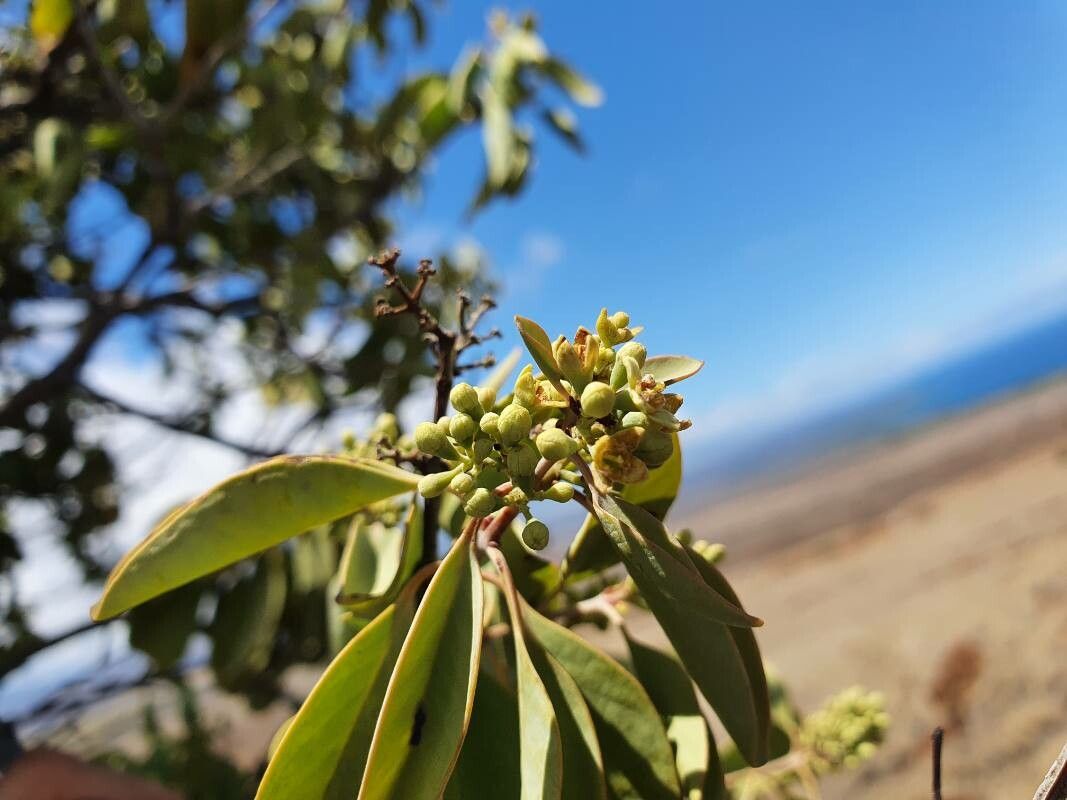
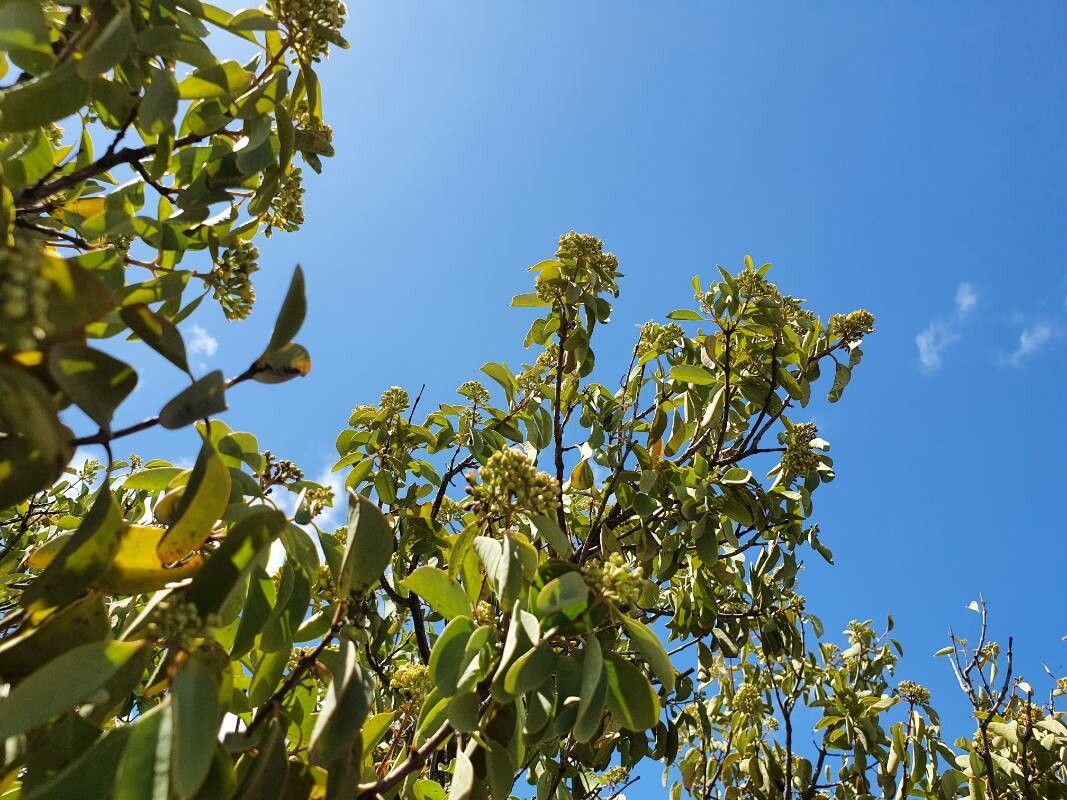
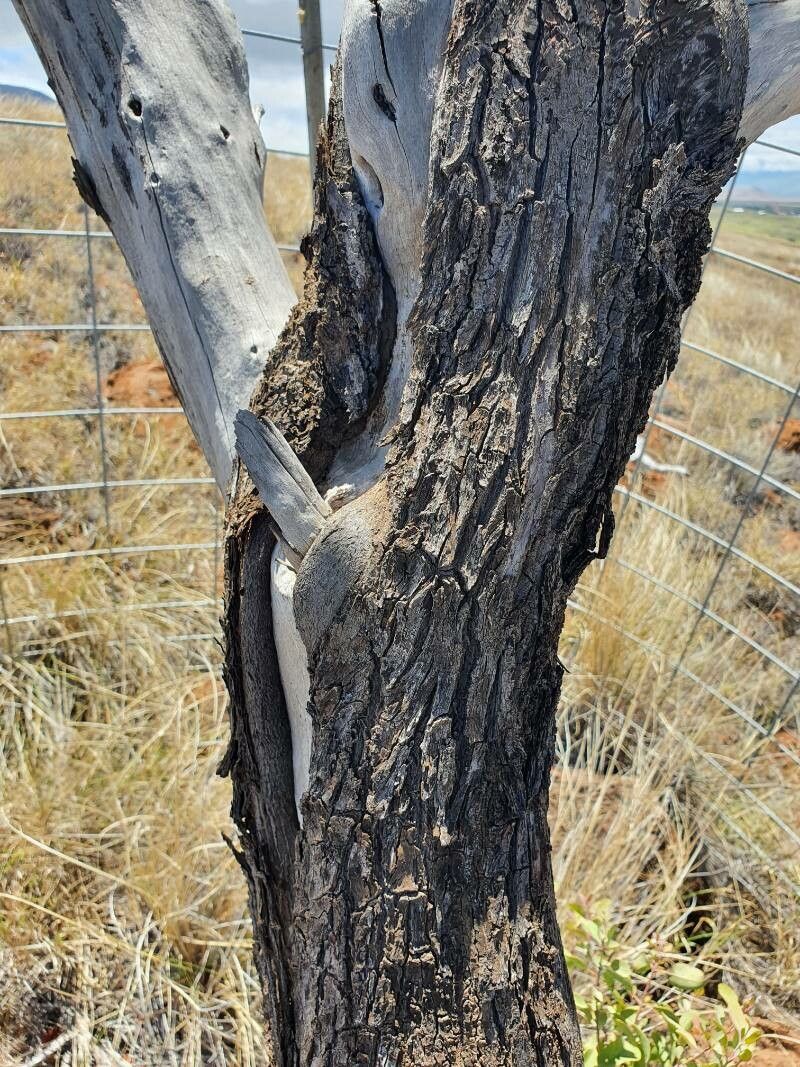
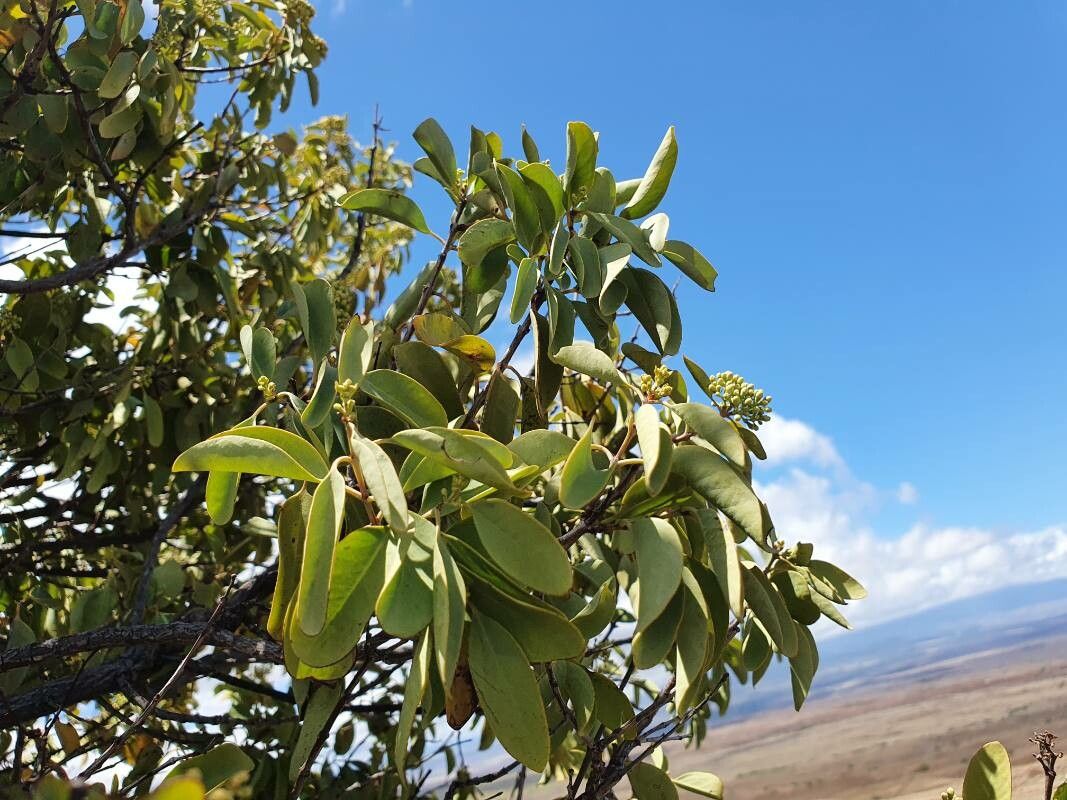
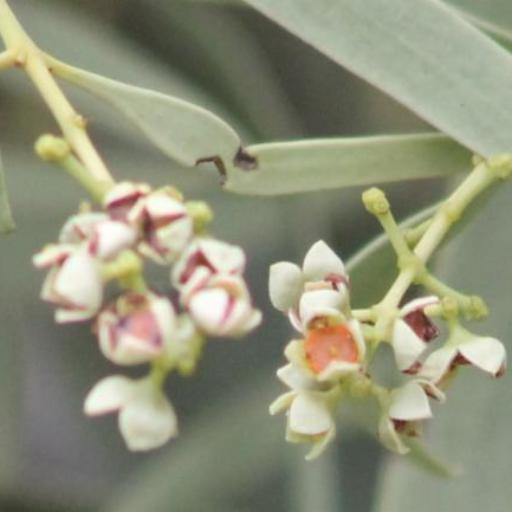
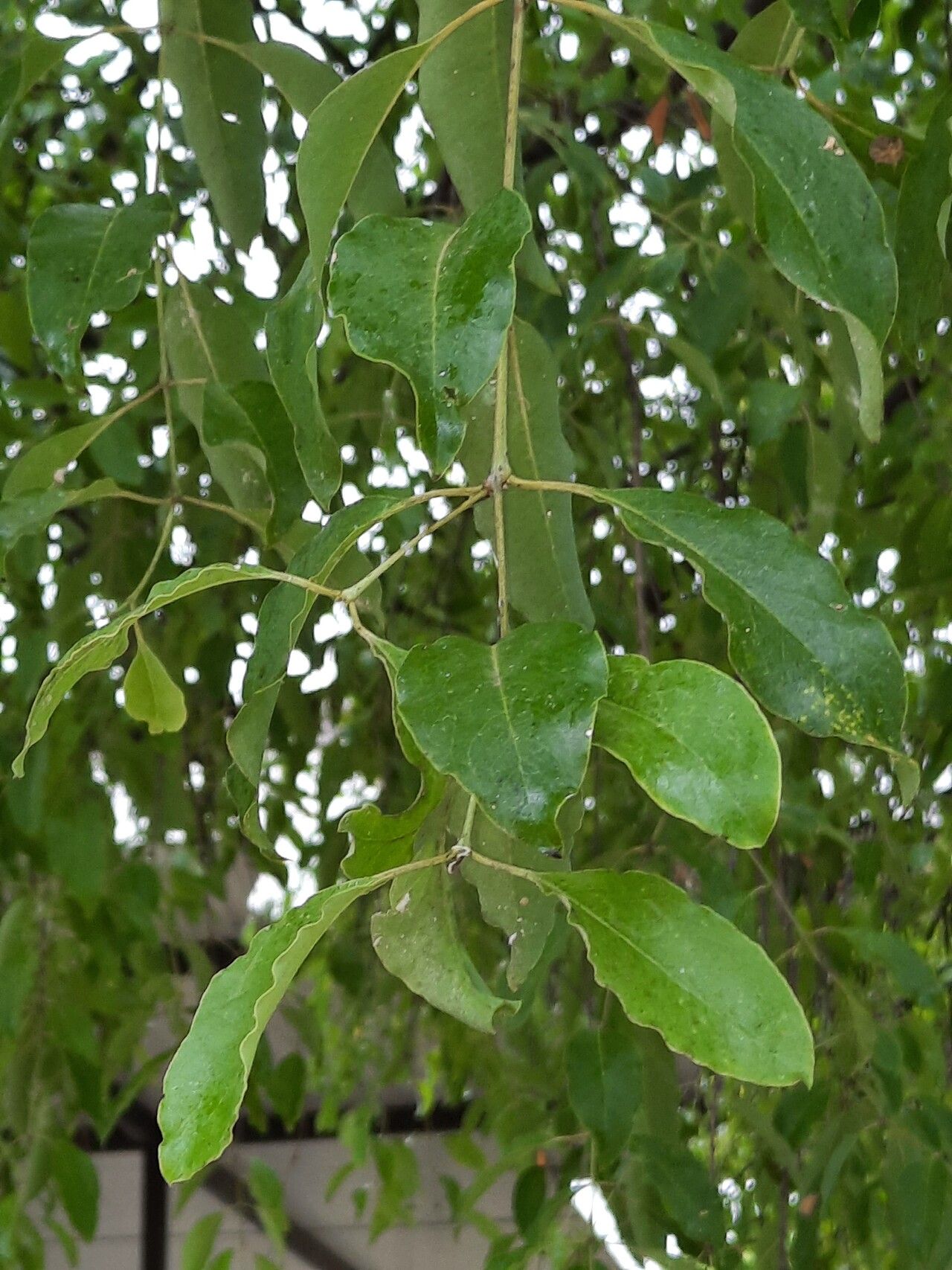
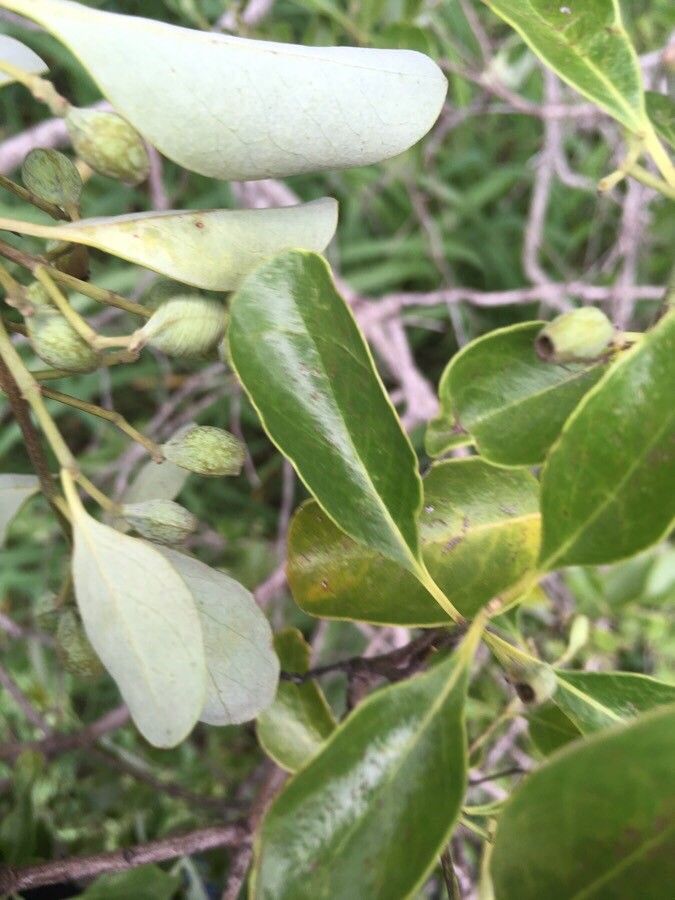
Santalum ellipticum, commonly known as ʻIliahialoʻe (Hawaiian) or coastal sandalwood, is a species of flowering plant in the mistletoe family, Santalaceae, that is endemic to the Hawaiian Islands. It is a sprawling shrub to small tree, typically reaching a height of 1–5 m (3.3–16.4 ft) and a canopy spread of 1–3 m (3.3–9.8 ft), but is extremely variable in size and shape. Like other members of the genus, S. ellipticum is a hemi-parasite, deriving some of its nutrients from the host plant by attaching to its roots.
Sandalwood is resistant to disease and typically not susceptible to illnesses. Regarding care, the plant is fairly low-maintenance. When grown outdoors it needs little watering, and larger specimens usually do not require pruning. Smaller plants, however, should be trimmed after they bloom. Sandalwoodt is appropriate for anyone who has an outdoor area, like a garden or deck, and it does not demand extensive gardening experience.
How to keep Santalum Ellipticum.
Light
The sandalwood thrives most favorably with plentiful sunlight, yet it is still capable of growing in partly shaded conditions. Its preference for sunlit environments stems from its sunny habitats of origin. Too much sunlight might cause the leaves to burn, while a lack of adequate light hampers growth and mutes leaf coloration.
Temperature
Sandalwood is a species of flora that flourishes in natural settings where the temperature ranges from 68 to 100.4 °F (20 to 38 ℃). It favours a moderate temperature and might need adjustments related to the season to sustain its ideal growth conditions.
Fertilizer
The best time to fertilize a Sandalwood is in early spring, when it breaks dormancy. Doing so supports overall growth and encourages flower development. Fertilization improves the foliage, stems, and branches, and leads to larger, more vivid, and longer-lasting flowers. It also helps move nutrients from the roots to the blooms and boosts the plant's health and disease resistance.
Botanical profile.
- Plant Type
- Tree
- Life Cycle
- Perennial
- Hardiness Zone
- 10-11
- Mature Height
- 3.96 m to 9.14 m
- Mature Spread
- 6.1 m to 7.92 m
- Leaf Color
- Dark Green
- Leaf Type
- Evergreen
- Flower Color
- Red, White, Yellow, Purple
- Flower Size
- 0.51 cm to 0.51 cm
- Bloom Time
- Late spring, Summer, Early fall, Mid fall
- Planting Time
- Spring, Summer, Autumn, Winter
- Harvest Time
- Late summer, Fall, Early winter, Mid winter
- Native Area
- Sri Lanka, Bangladesh, India
Other names.