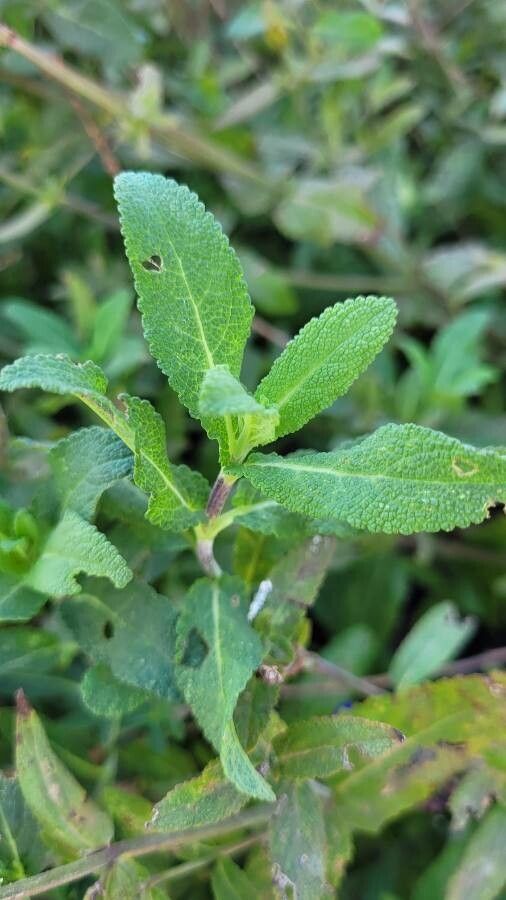
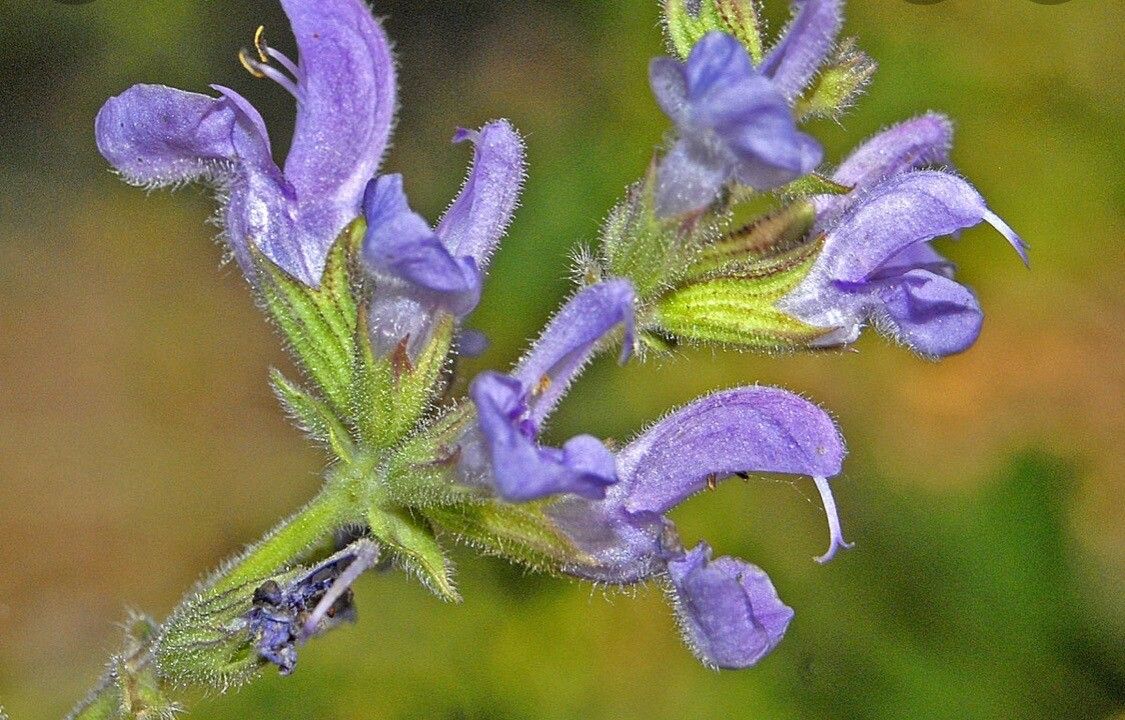
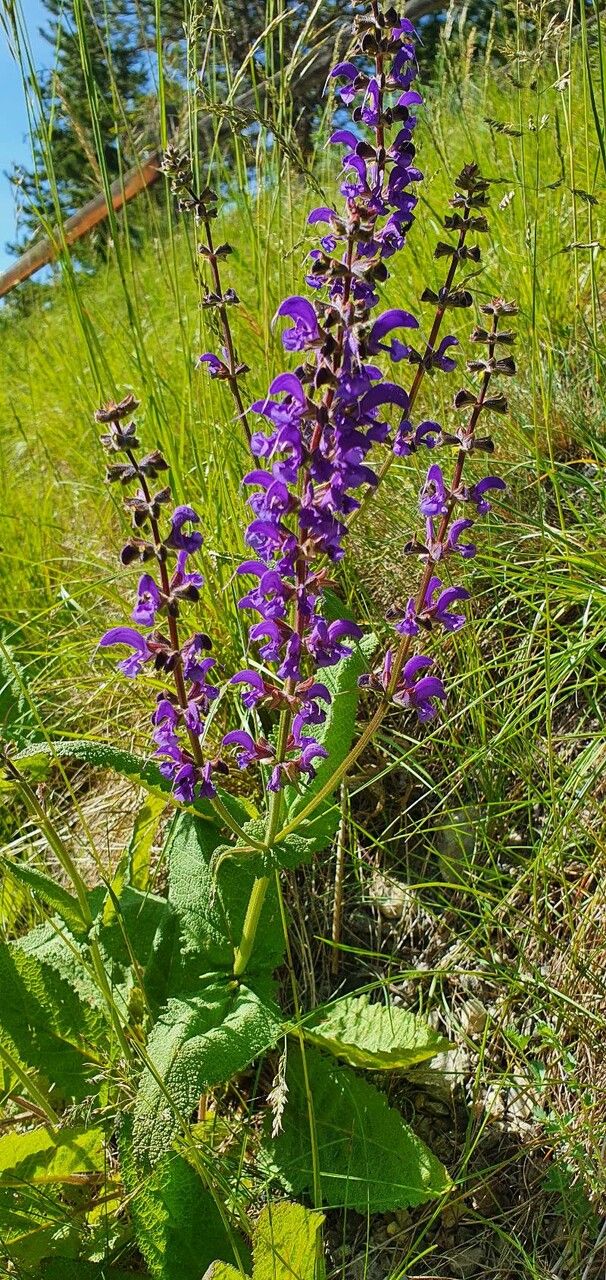
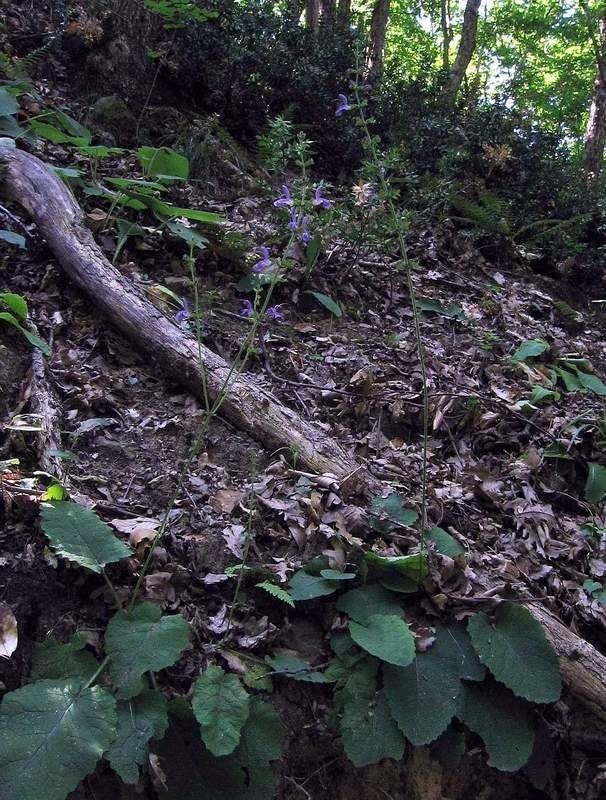
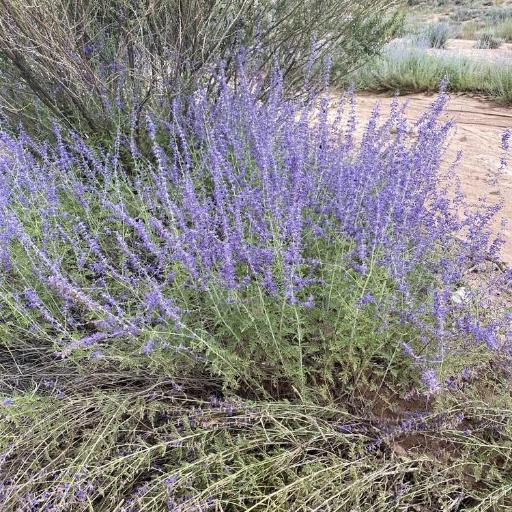
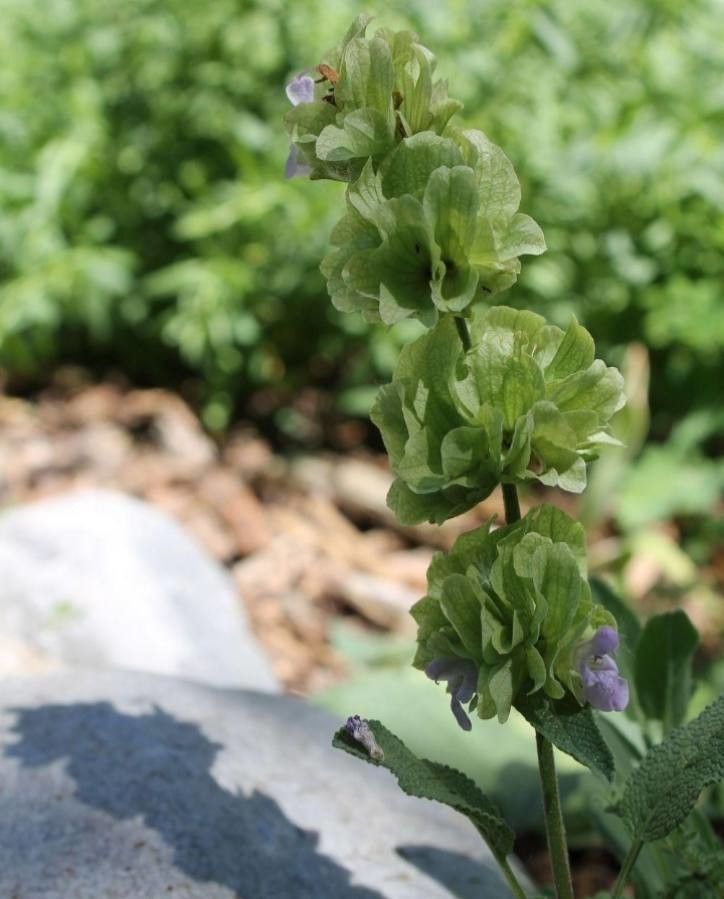
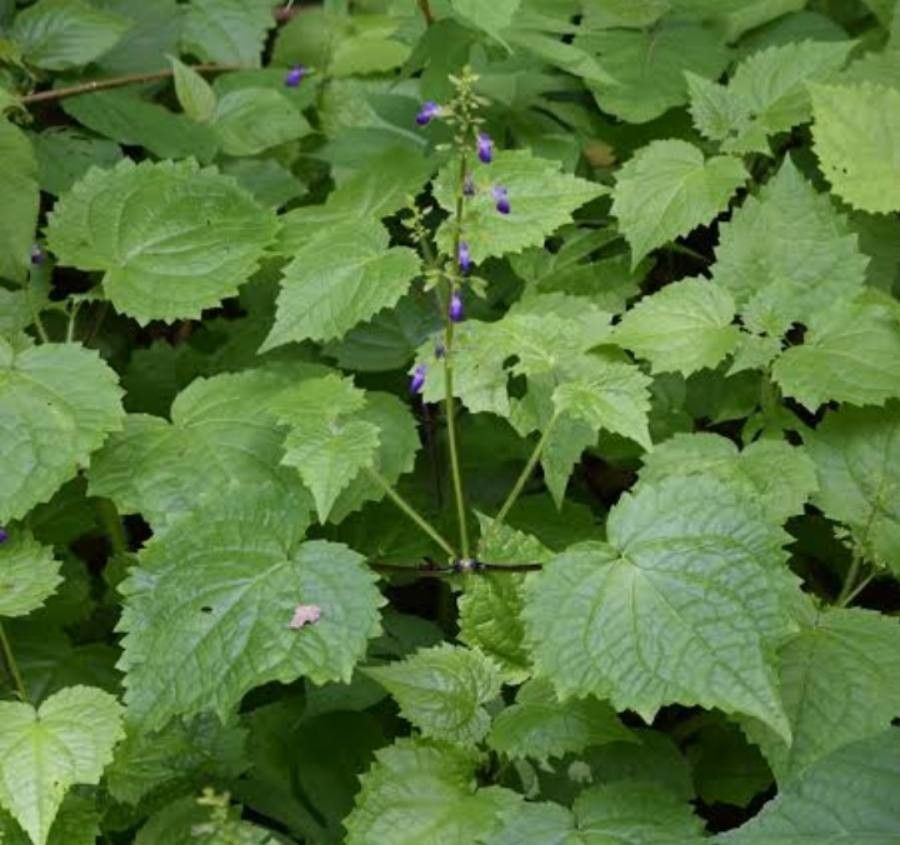
Salvia virgata (wand sage, southern meadow sage) is a perennial plant that is native to Asia and southeastern Europe. It is considered a noxious weed in many parts of the world.S. virgata is sometimes included within Salvia pratensis. Flowers grow in whorls of 4–6 with a blue-violet corolla (rarely white) that is 1 to 2 centimetres (0.39 to 0.79 in) long. The ovate to oblong leaves are dull green on the top surface, with the underside covered with glands and thick hairs.
Mealy Cup Sage has strong resistance to disease and is generally not liable to illnesses. Still, it can be vulnerable to pests and diseases present in its surroundings. These problems are typically not serious. Regarding care, this plant needs moderate maintenance. It should be pruned regularly to maintain a tidy appearance and support healthy growth. Fertilizing can also encourage flowering. Mealy Cup Sage is suitable for anyone with an outdoor area, such as a garden or patio, and does not demand extensive care experience. It may need more attention when cultivated indoors.
How to keep Salvia Virgata.
Light
Mealy Cup Sage prospers in ample sunlight, using the sun’s rays to support vigorous growth. Although it performs best in full, unobstructed sun, it can tolerate portions of the day when light is screened. Too much sun, or too little, can cause harm and impede the plant’s vigorous development.
Temperature
Mealy Cup Sage is native to environments with temperatures ranging from 68 to 95 °F (20 to 35 ℃). It favors the warmer end of that range. In cooler seasons, consider increasing the surrounding temperature to match its native growing conditions.
Fertilizer
The best time to fertilize a Mealy Cup Sage is in early spring, as it comes out of dormancy and starts active growth. Fertilizing supplies essential nutrients for healthy growth. Although Mealy Cup Sage has relatively low fertilizer requirements, an annual feeding can improve its survival and encourage better, longer-lasting flowers.
Pot & Repot
When repotting Mealy Cup Sage, select a pot 1-2 inches (2.5–5.1 cm) larger with good drainage. Use a well-draining potting mix. Repot in spring or fall, making sure the root ball is slightly lower than the rim of the flower pot. Water thoroughly after repotting and place it in a warm area with indirect sunlight.
Botanical profile.
- Plant Type
- Herb
- Life Cycle
- Perennial, Annual, Biennial
- Genus
- Salvia
- Family
- Lamiaceae
- Hardiness Zone
- 8-10
- Mature Height
- 30 cm to 91 cm
- Mature Spread
- 30 cm to 91 cm
- Leaf Color
- Green
- Leaf Type
- Deciduous
- Flower Color
- White, Blue, Purple, Lavender
- Flower Size
- 2.54 cm
- Bloom Time
- Late spring, Summer
- Planting Time
- Spring
- Harvest Time
- Summer, Early fall
- Native Area
- Mexico
Other names.