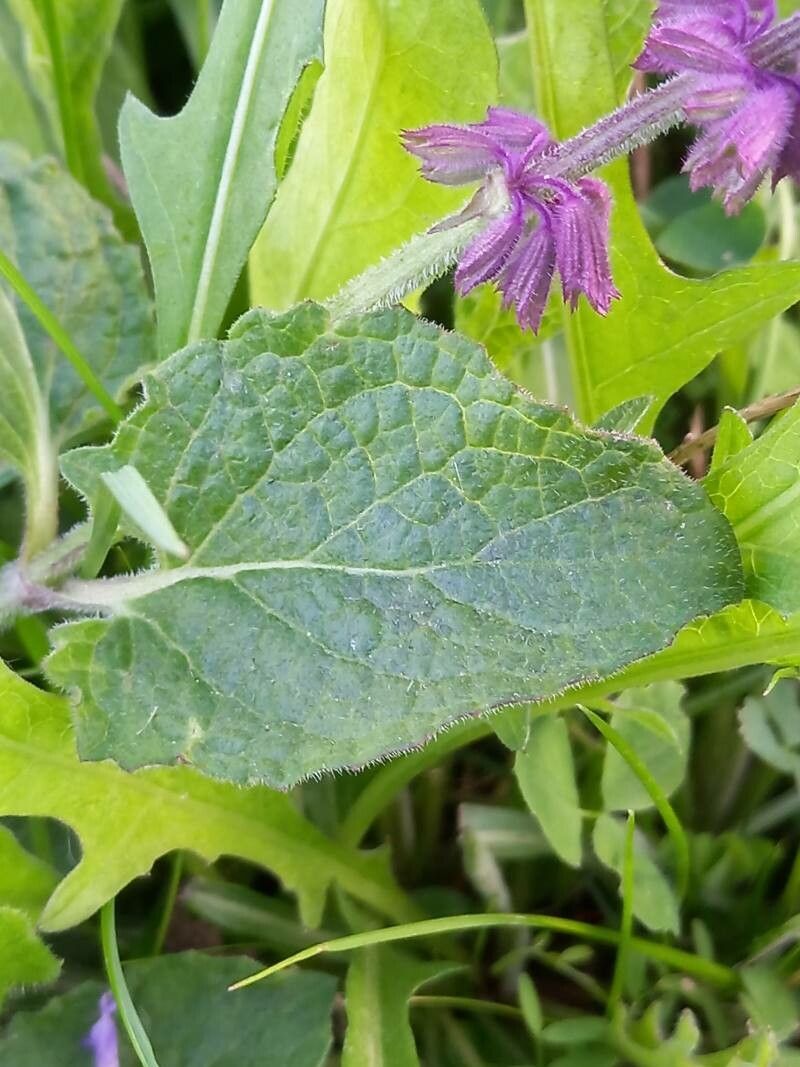
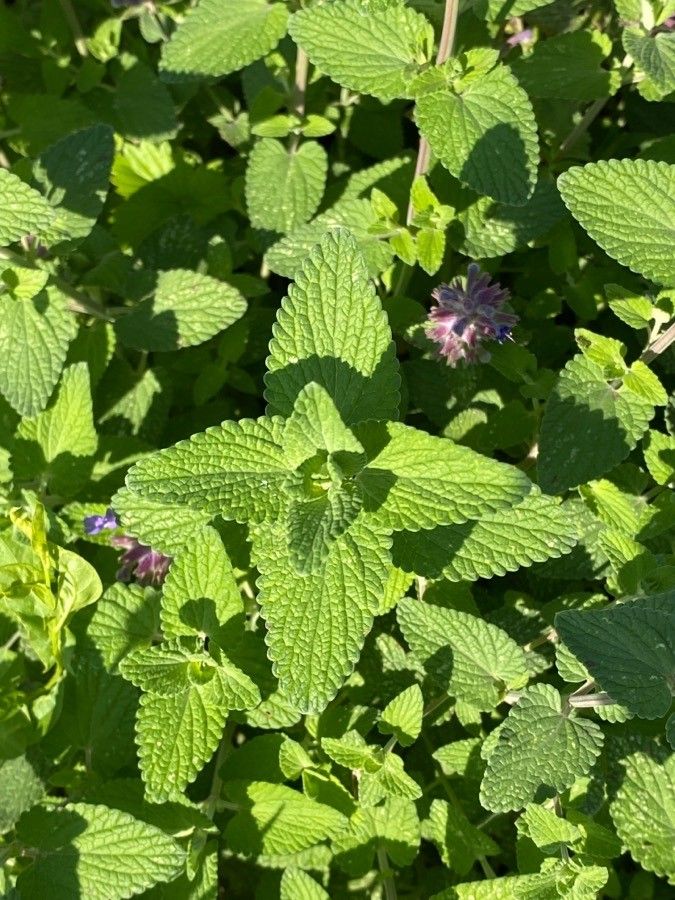
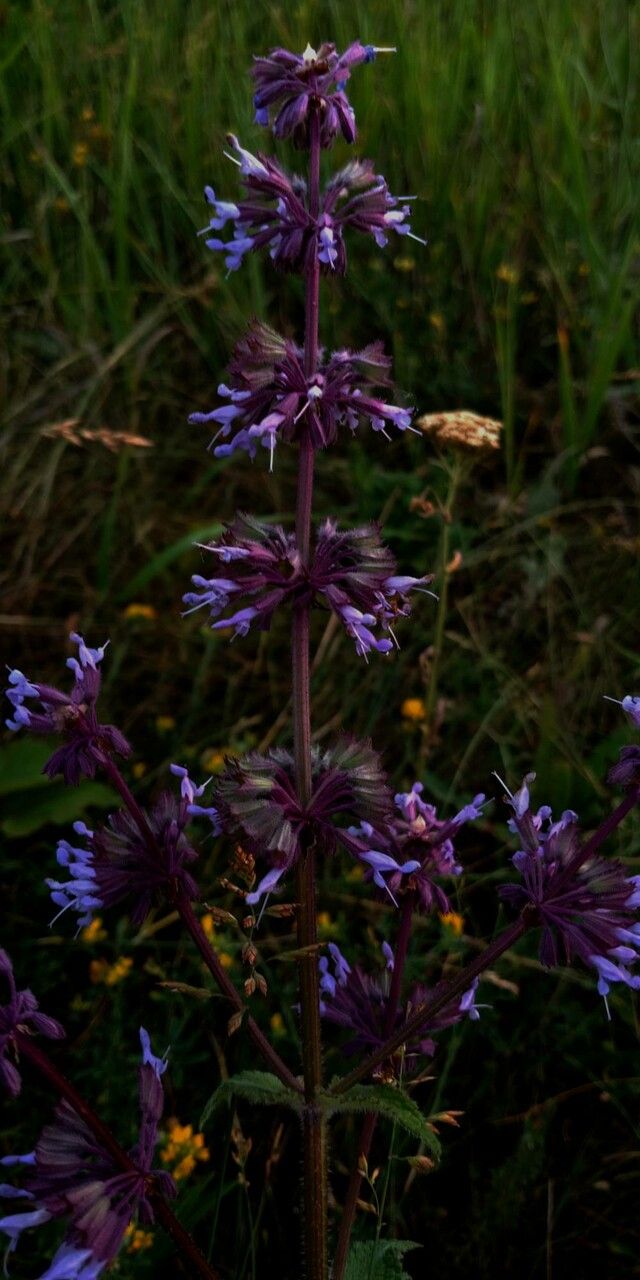
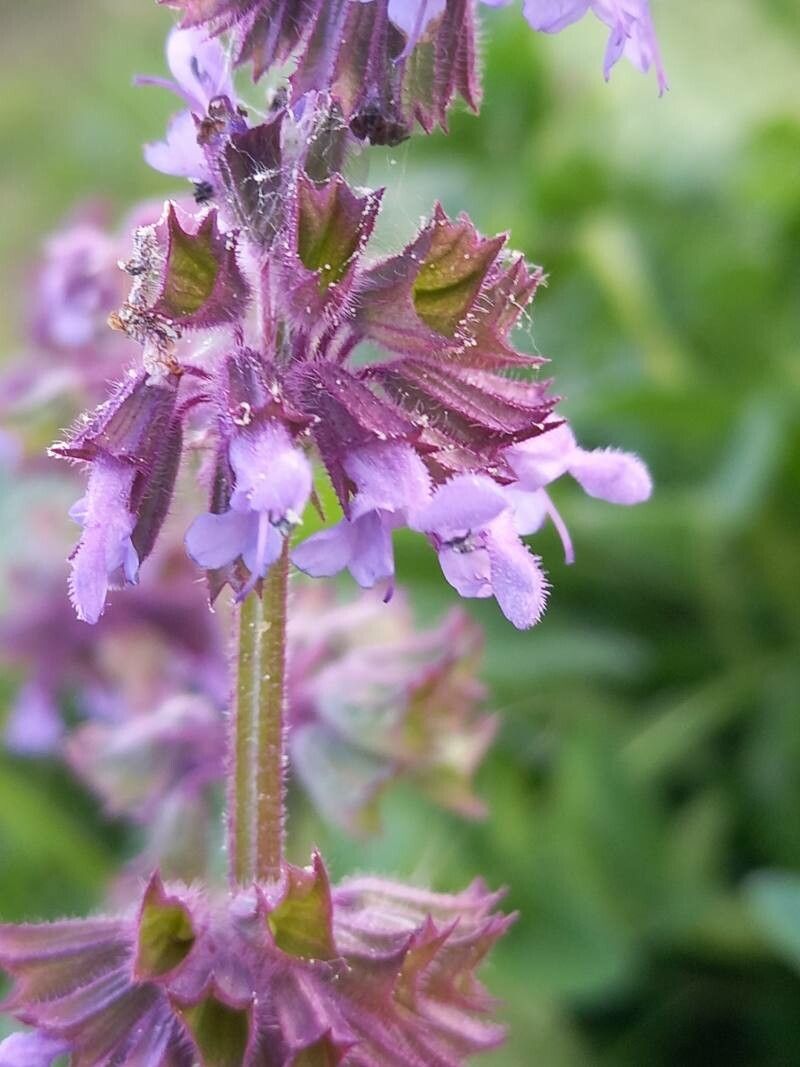
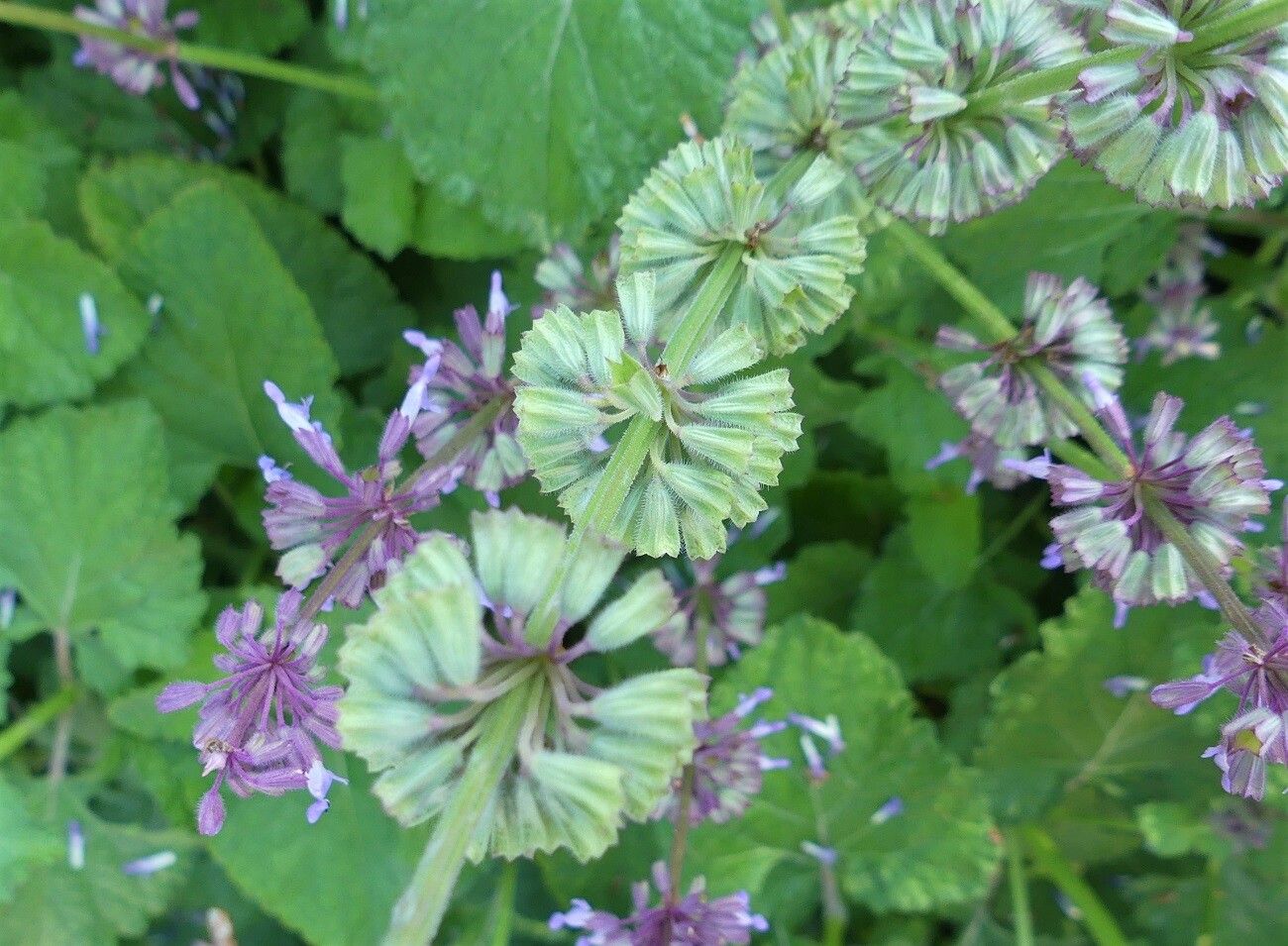
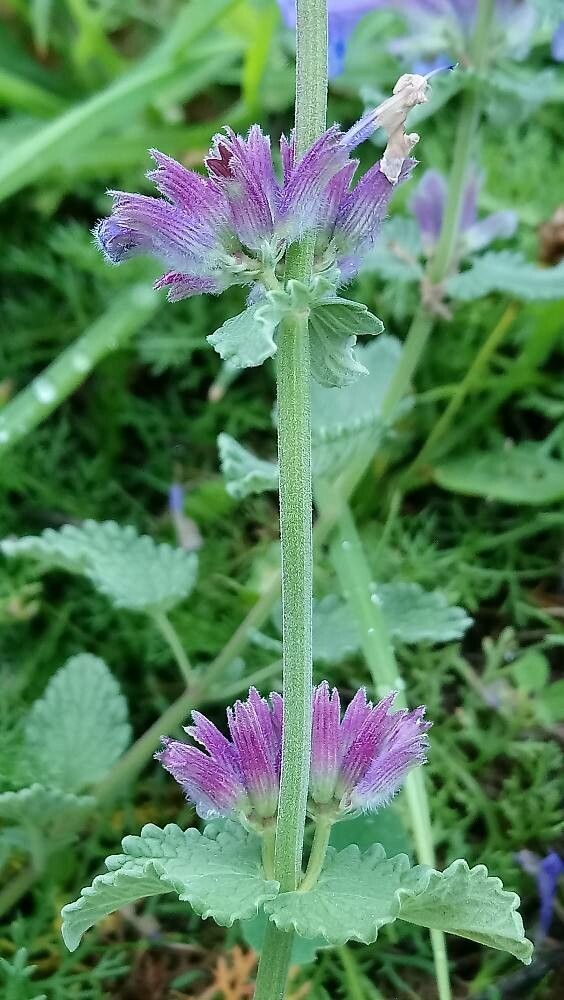
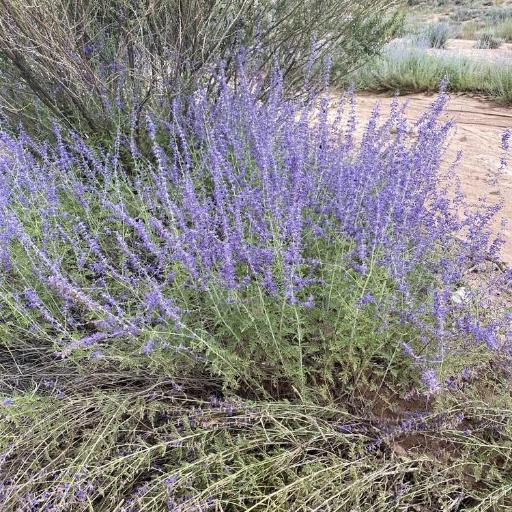
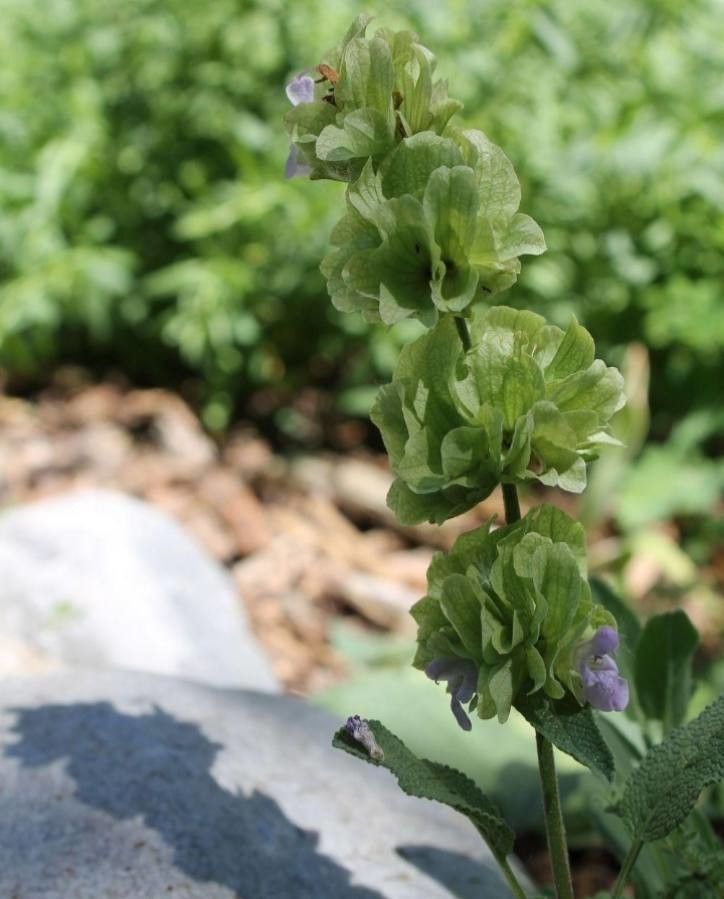
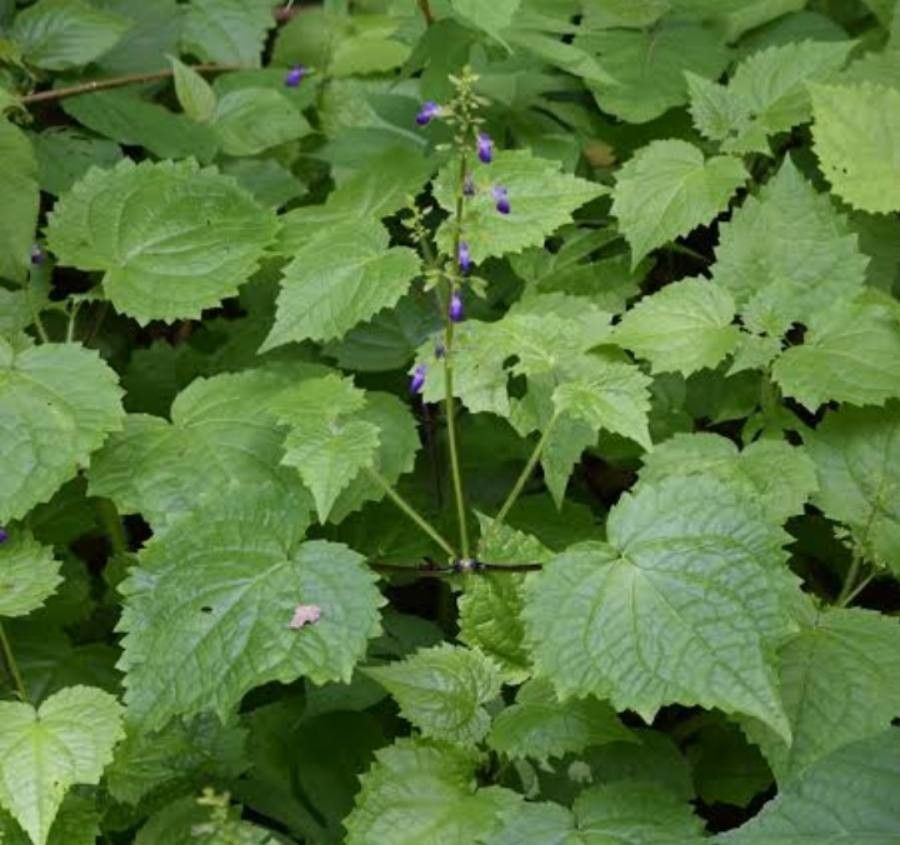
Salvia verticillata, the lilac sage or whorled clary, is a herbaceous perennial native to a wide area ranging from central Europe to western Asia, and naturalized in northern Europe and North America. It was first described by Carl Linnaeus in 1753.Salvia verticillata has a leafy base of mid-green leaves covered with hairs, putting up leaf-covered stems that carry 3 feet (0.91 m) inflorescences. The tiny lavender flowers grow tightly packed in whorls, with tiny lime-green and purple calyces. The specific epithet verticillata refers to the whorls that grow in verticils. A cultivar introduced in the 1990s, 'Purple Rain', is much more showy and long-blooming, growing about 2 feet (0.61 m) tall.
Lilac sage is fairly disease-resistant and generally does not suffer from many illnesses. That said, it can be affected by pests and diseases present in its environment, though such infections tend to be mild. Regarding maintenance, this plant is moderate in its needs. Regular pruning is necessary to preserve a tidy appearance and encourage healthy growth. Applying fertilizer can also encourage more blooms. Lilac sage is well suited for anyone with outdoor areas like a garden or patio and does not demand extensive gardening experience. It may need extra attention if cultivated indoors.
How to keep Salvia Verticillata.
Light
Lilac sage performs best when it receives plenty of sunlight during the day, though it can tolerate somewhat reduced light. Coming from sun-rich habitats, a lack of light can cause poor growth. Conversely, too much exposure can also damage the foliage.
Water
Lilac sage flourishes in dry conditions and has a moderate tolerance for drought. It prefers well-drained soil and needs to be watered weekly to maintain proper moisture and aeration. Usually grown outdoors, this herbaceous perennial takes advantage of natural rainfall during its growing season.
Temperature
Lilac sage comes from temperate areas and does best in moderate climates. It prefers temperatures from 68 to 95 °F (20 to 35 °C). Take care to protect it during extreme heat or frost by shading it in hot spells and covering it when frost is expected.
Fertilizer
The best time to fertilize a Lilac sage is in early spring, when it is coming out of dormancy and beginning active growth. Fertilization supplies essential nutrients needed for healthy development. Although Lilac sage has fairly low fertilizer requirements, applying fertilizer once a year can improve its survival and encourage stronger, longer-lasting blooms.
Pruning
Lilac sage is known for its whorled, lilac-colored flowers and aromatic leaves. To keep the plant healthy and encourage blooming, it benefits from annual pruning in early spring. The key techniques include cutting back one-third of the older stems and removing any dead branches. This helps promote better air circulation, enhances the plant's health, and ensures a compact and lush appearance.
Pot & Repot
Lilac sage needs good drainage when planted in pots. This helps promote healthy growth and prevents root rot.
Botanical profile.
- Plant Type
- Herb
- Life Cycle
- Perennial, Annual
- Genus
- Salvia
- Family
- Lamiaceae
- Hardiness Zone
- 3-8
- Mature Height
- 46 cm to 76 cm
- Mature Spread
- 46 cm to 61 cm
- Leaf Color
- Green
- Leaf Type
- Deciduous
- Flower Color
- Purple, Lavender
- Flower Size
- 1.02 cm to 1.52 cm
- Bloom Time
- Late spring, Early summer, Mid summer
- Planting Time
- Spring
- Harvest Time
- Mid summer, Late summer
Other names.
Reader questions.
How should I water my Lilac sage plant in the best way?
To properly water the Lilac sage, it is recommended to use filtered water at room temperature. Tap water may contain harmful particles, so filtered water is preferred. It is important to use room temperature water or slightly warmer because Lilac sage is accustomed to warmer environments and cold water can be a shock to it. Instead of overhead watering, it is advised to apply filtered room temperature water directly to the soil until it is completely soaked. This helps moisten the roots and allows them to spread through the soil to collect necessary nutrients.
Why should I put fertilizer on my Lilac sage plant?
Fertilization is important for the Lilac sage because it provides vital nutrients for the plant's growth. Although Lilac sage has relatively low fertilization needs and can survive without it, annual fertilization is beneficial as it helps the plant stay healthy and enhances flower production. Therefore, if you want your Lilac sage to look its best, it is recommended to fertilize it annually.
What are the sunlight requirements for Lilac sage?
Lilac sage requires full sun, defined as above 6 hours of sunlight daily, to thrive. However, it can also tolerate partial sun, which means about 3-6 hours of sunlight a day. Observing how sunlight moves throughout your garden will help you choose spots that offer the right balance of light and shade, ensuring your plants' growth and happiness. Originating from sun-rich environments, Lilac sage can struggle with inadequate light, leading to poor growth, whereas excessive direct exposure may cause unhealthy foliage.
What is the native habitat and preferred climate for Lilac sage?
Lilac sage, known botanically as Salvia verticillata, is native to temperate regions and thrives best in moderate climates. It prefers temperatures ranging from 68 to 95 °F (20 to 35 °C). It has strong cold resistance, which means it generally does not need special frost protection measures in winter. However, during extreme weather conditions, such as excessive heat or frost, the plant should be shaded or covered to protect it. If winter temperatures are expected to drop below -35°C, protective measures like covering the plant with soil or straw are advised. Additionally, watering the plant abundantly before the first freeze in autumn is recommended to ensure the soil remains moist and enters a frozen state, which helps prevent drought and water scarcity during winter and early spring.
What do I do if I give my Lilac sage too much or too little water?
The health of your Lilac sage can be negatively impacted by both overwatering and underwatering, but overwatering is more commonly observed. When this plant receives too much water, it may wilt and its green leaves can turn yellow. Overwatering for a prolonged period can also lead to diseases like root rot, mold, and mildew, which can be fatal for your plant. While underwatering is less common for Lilac sage due to its drought tolerance, it is still a possibility. In such cases, you will notice brittle and brown leaves. It is crucial to be vigilant for signs of overwatering when taking care of your Lilac sage. Some diseases caused by overwatering, such as root rot, may not be reversible if not addressed promptly. If you spot early signs of overwatering, reduce the watering schedule immediately. Additionally, check the quality of the soil in which your Lilac sage grows. If the soil drains poorly, replace it with a loose, well-draining potting mix. On the other hand, if your Lilac sage shows signs of receiving too little water, simply increase the frequency of watering until the signs subside.
When should I fertilize my Lilac sage for the best results?
The best time to fertilize a Lilac sage is in late winter to early spring when it is transitioning from dormancy to active growth. Fertilizing at this time promotes healthy growth and sets the plant up for a successful season. While early spring is the most beneficial, it is also acceptable to fertilize in the fall. However, it is not recommended to fertilize in the summer or winter.
How does artificial lighting benefit indoor plants?
Indoor plants, including Lilac sage, require adequate lighting for optimal growth. In situations where natural sunlight is insufficient, such as during winter or in less sunny spaces, artificial lights serve as a crucial alternative. They promote healthier and faster growth by providing the necessary light intensity. LED lights are especially beneficial because they can be tailored to supply specific light wavelengths needed by the plants. For indoor plants' lighting needs, full sun plants require 30-50 watts per square foot, partial sun plants need 20-30 watts per square foot, and full shade plants should get 10-20 watts per square foot. The light source should be placed 12-36 inches above the plant, mimicking natural sunlight conditions for 8-12 hours per day.
How does Lilac sage react to low temperatures?
Lilac sage is a cold-tolerant plant that ideally should be kept in temperatures above 20°C. However, during winter, it is crucial to ensure the temperature stays above 0°C to maintain its health. If temperatures fall below -35°C, the plant might not show immediate damage during winter, but it could lead to a decrease in sprouting or potentially no sprouting at all come springtime. In spring, if there are any parts of the plant that have failed to sprout due to the cold, it is recommended to remove these unsprouted parts to encourage new growth.
How frequently should I water my Lilac sage?
To determine if your Lilac sage plant needs water, you can use a simple test. For potted plants, stick your finger into the soil and check if the top two to three inches are dry. If they are, it's time to water. If your Lilac sage is planted outside, the same method applies. When the top few inches of soil are dry, it's a sign to hydrate your plant. Typically, during the spring and early fall, watering once per week is sufficient. However, in very hot weather, it may be necessary to water twice or more per week. It's worth noting that mature Lilac sage plants that are well-established have a remarkable ability to tolerate dry conditions.
When is it not a good idea to add fertilizer to my Lilac sage?
To avoid overfertilization and its complications, it is recommended to only fertilize your Lilac sage in late winter and early spring. A single annual feeding during this time should be sufficient. Fertilizing during spring, summer, and fall can easily lead to overfertilization. However, if you missed fertilizing in spring, it is permissible to feed the plant in fall. It is important to note that there is no need to fertilize the plant during winter, as it is in a dormant growth phase and does not put forth new growth. Therefore, fertilization during most of the winter is not advisable.
What are the symptoms of inadequate light in Lilac sage?
Lilac sage displays several symptoms when deprived of sufficient light. These include smaller new leaves, leggy or sparse growth, faster leaf drop, slowed or ceased new growth, and lighter-colored or irregularly patterned new leaves. Excessive sunlight exposure can cause chlorosis, where leaves lose their green color and turn yellow, sunscald indicated by pale or necrotic spots on leaves, leaf curling as a defense mechanism against excessive sunlight, wilting due to rapid water loss, and leaf scorching characterized by brown, dry edges on leaves.
How does Lilac sage respond to high temperatures?
In the summer, it's vital to keep Lilac sage's surroundings below 35°C. When exposed to temperatures above 38°C, the plant is prone to various symptoms such as lighter-colored leaves, leaf curling, susceptibility to sunburn, and in severe cases, wilting and drying of the entire plant. To manage these issues, it is advisable to trim away sunburned and dried-up parts. Additionally, shifting the plant to a spot with shade during the midday and afternoon sun or using a shade cloth can help. Ensuring the soil stays moist by watering the plant in the morning and evening is also beneficial.