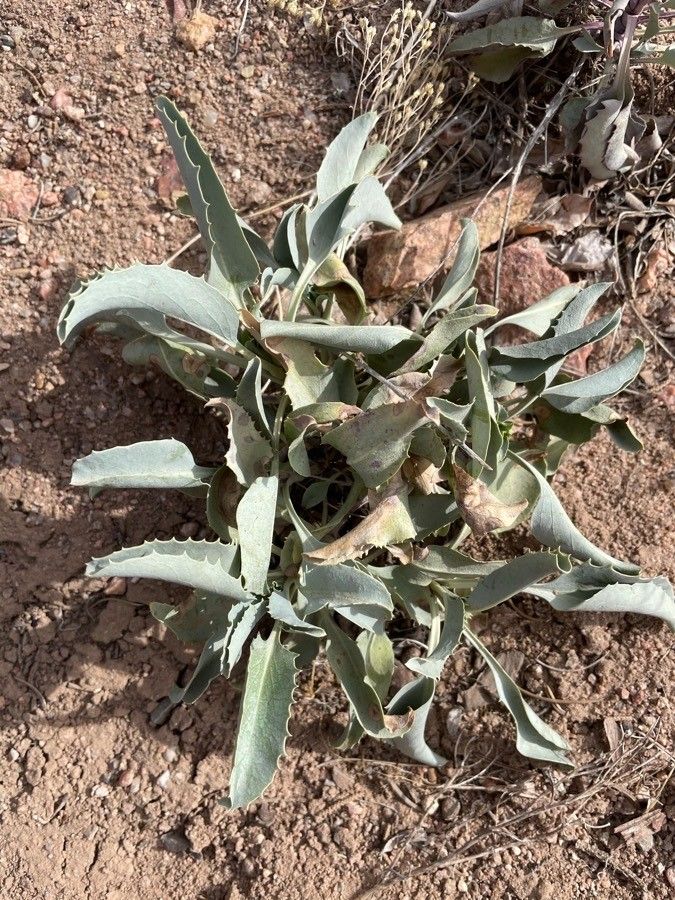
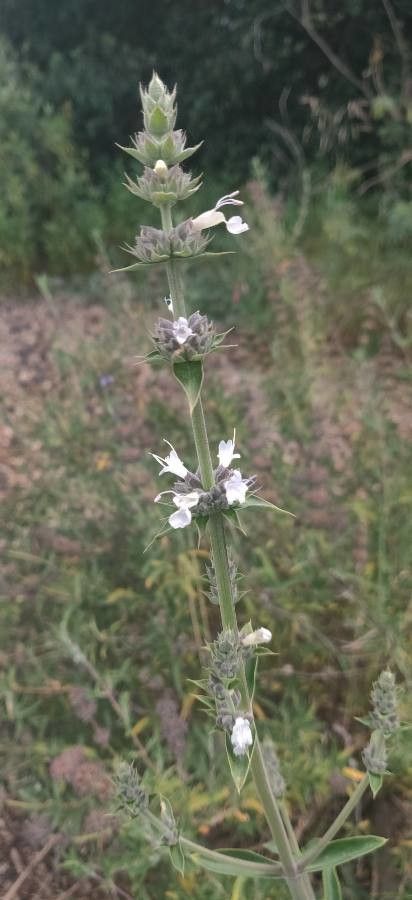
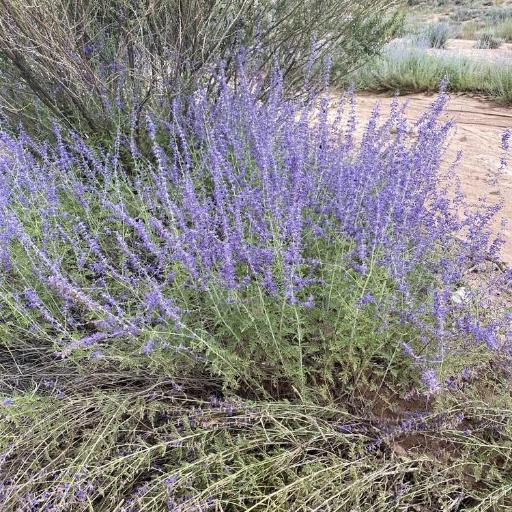
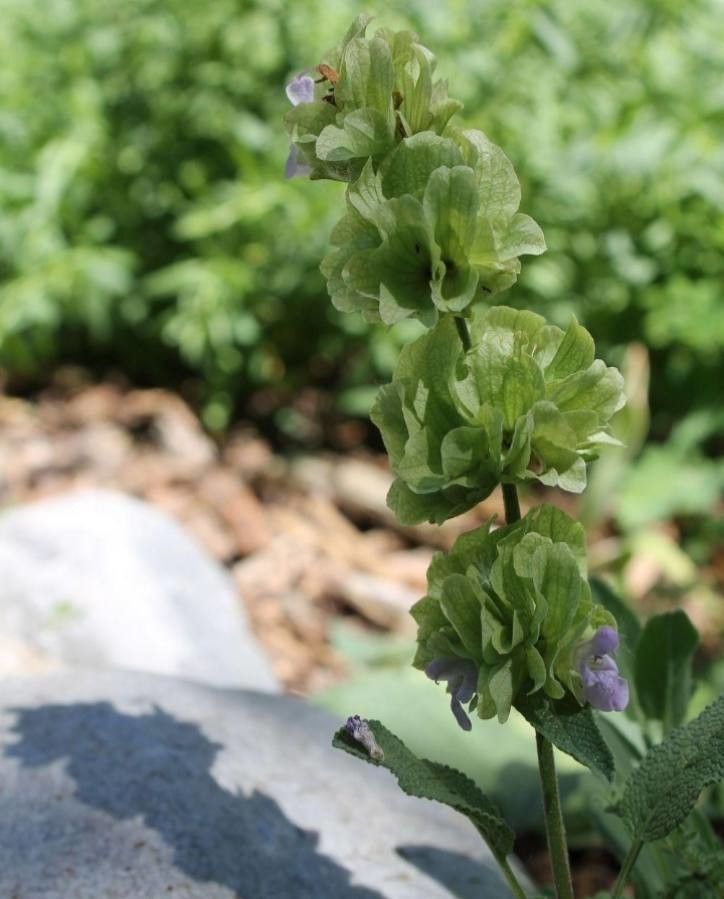
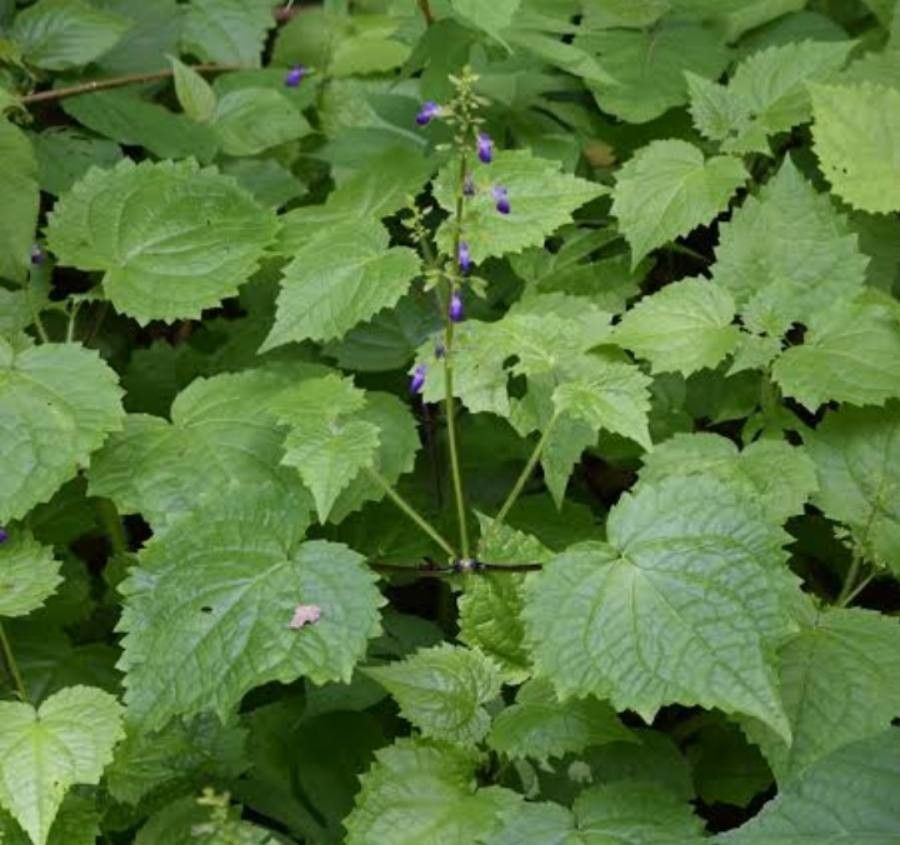
Salvia vaseyi, the scallop-leaf sage, bristle sage or wand sage, is a perennial native to the western Colorado Desert. Flowers grow in compact clusters on 1 to 2 ft (0.30 to 0.61 m) spikes. The .5 inches (1.3 cm) flowers are white, with whitish bracts, calyx, and leaves, blooming from April to June. The specific epithet was named after botanist George Vasey or for his son, George Richard Vasey, who collected the type specimen.
Scallopleaf sage is fairly disease-resistant and typically does not suffer from illnesses. Regarding care, the plant is relatively low-maintenance. When grown outdoors it needs only light watering, and larger specimens usually do not require pruning. Smaller plants, however, should be pruned after they bloom. Scallopleaf saget is suitable for anyone with an outdoor area, such as a garden or deck, and does not require much prior care experience.
How to keep Salvia Vaseyi.
Light
Scallopleaf sage is native to open habitats, such as sunny meadows and forest margins, which provide abundant light. It does best in Full Sun but can also tolerate Partial Sun, adapting well to a range of sunlight conditions.
Water
Drought-resistant varieties of scallopleaf sage require minimal watering, mainly during periods of drought. In contrast, tender varieties and young plants need about 2.5 cm (1 inch) of water every 7 to 10 days to prevent the soil from drying out completely.
Temperature
Scallopleaf sage shows strong adaptability to a range of climatic conditions, from scorching summers to cold winters. However, it does have an optimal temperature range for growth. If temperatures become excessively high, the plant is susceptible to heat and humidity stress, which can lead to its death. In areas where temperatures approach the lower limit of its cold tolerance, it is important to provide insulation to protect the plant.
Fertilizer
Fertilize your Scallopleaf sage in early spring to encourage healthy growth. Regular feeding improves overall health, leading to vigorous growth, greater tolerance of tough conditions, and enhanced resistance to diseases and pests. Stick to a defined fertilization schedule for your Scallopleaf sage to keep the foliage vibrant, deeply colored, and lush.
Pruning
Scallopleaf sage benefits from regular pruning to maintain its shape and encourage dense growth. The best time to prune is early spring, as this helps remove dead or diseased stems, improving the plant's health and flowering. It's important not to over-prune; making moderate cuts will support sustainable growth. For detailed care instructions, you may want to consult horticultural guides.
Botanical profile.
- Plant Type
- Shrub
- Life Cycle
- Perennial
- Genus
- Salvia
- Family
- Lamiaceae
- Hardiness Zone
- 8-11
- Mature Height
- 61 cm
- Mature Spread
- 40 cm
- Leaf Color
- Green, Dark Green
- Leaf Type
- Evergreen
- Flower Color
- Pink, Lavender
- Flower Size
- 2.03 cm to 3.05 cm
- Bloom Time
- Mid spring, Late spring, Early summer
- Planting Time
- Spring, Summer
- Harvest Time
- Summer
- Native Area
- Mexico
Other names.