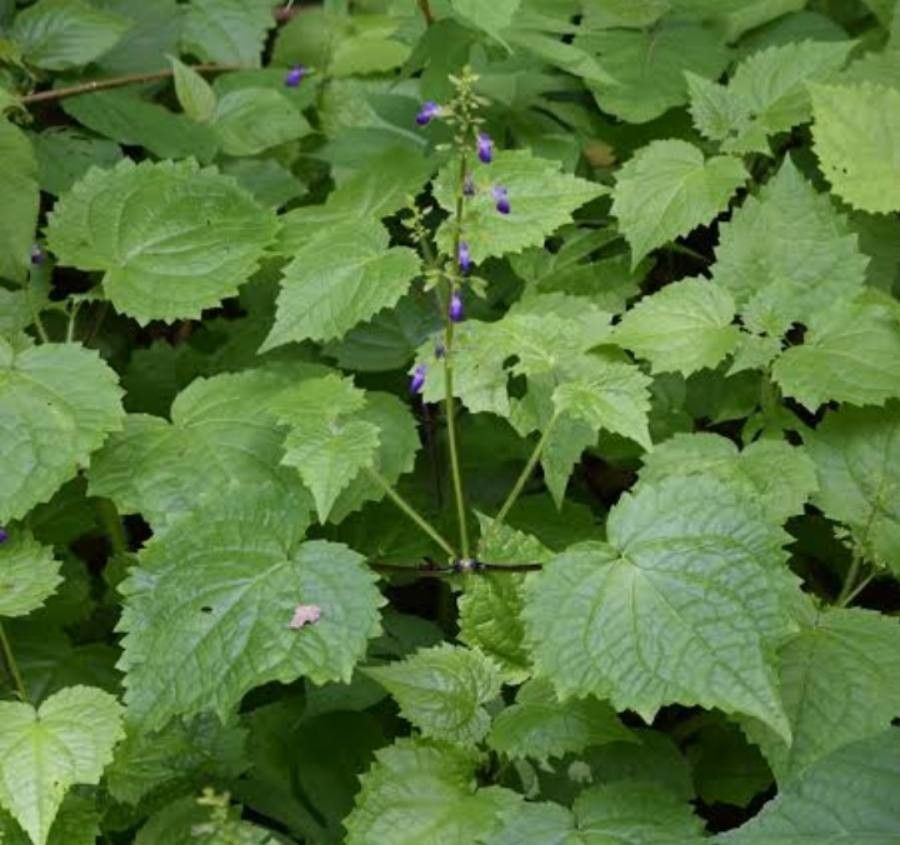
Salvia x sylvestris, commonly known as woodland sage, is a perennial flowering plant in the mint family. This hybrid species originated from the cross-breeding of Salvia nemorosa and Salvia pratensis. Native to Europe and Asia, woodland sage is now widely cultivated in gardens worldwide.
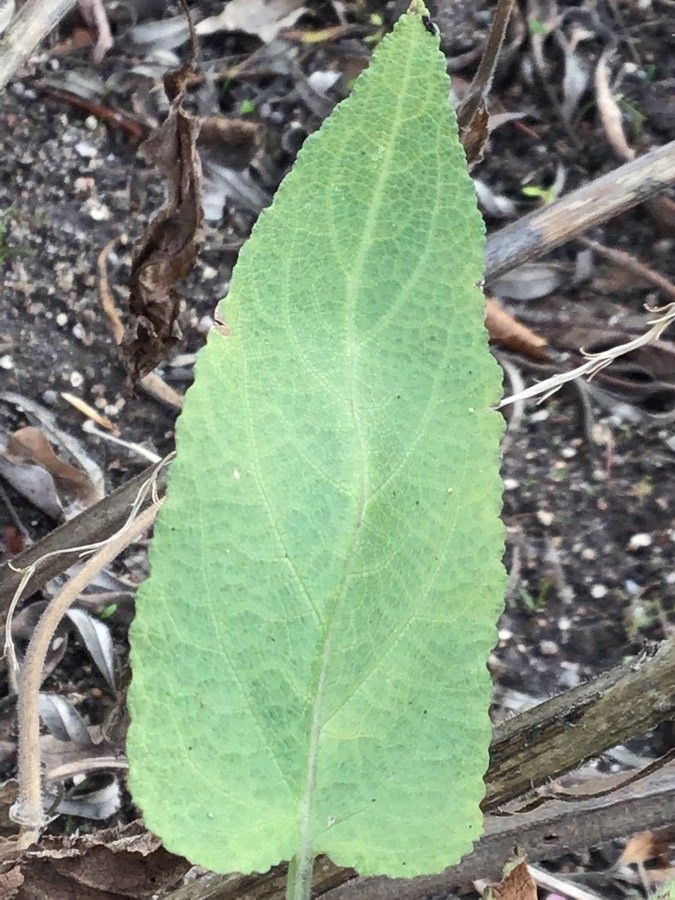
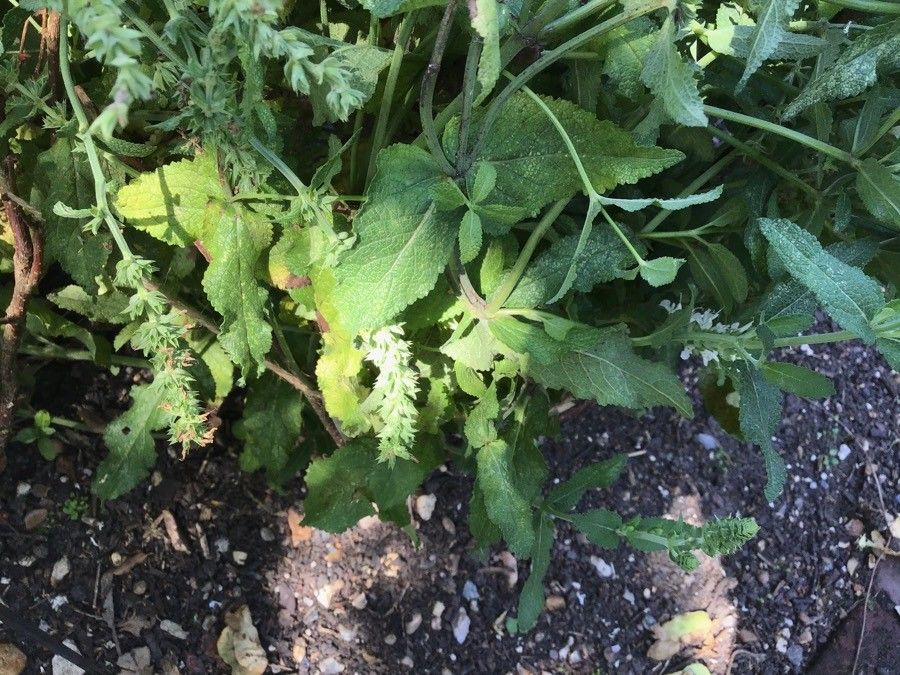
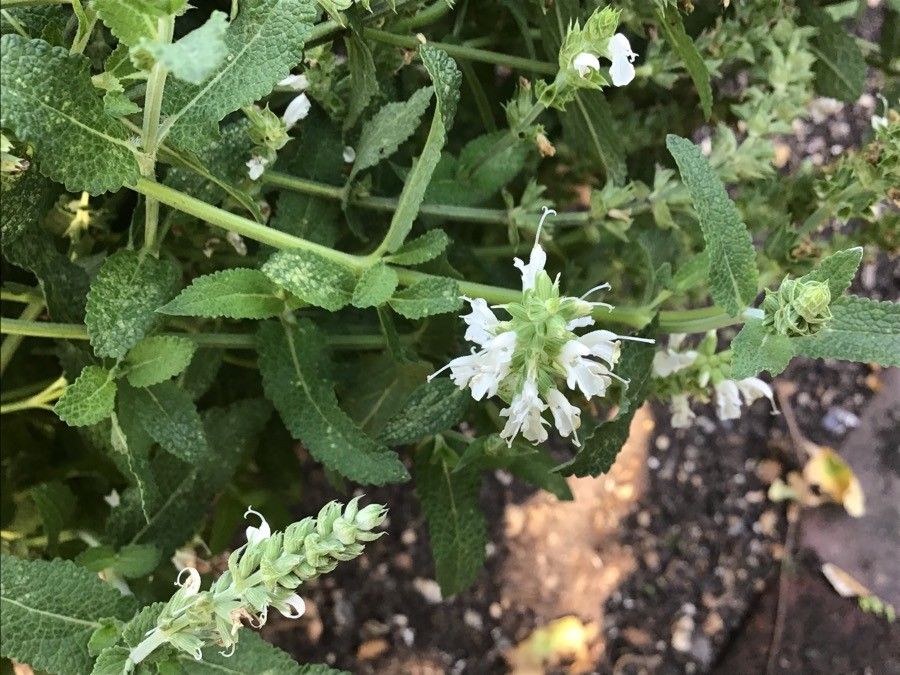
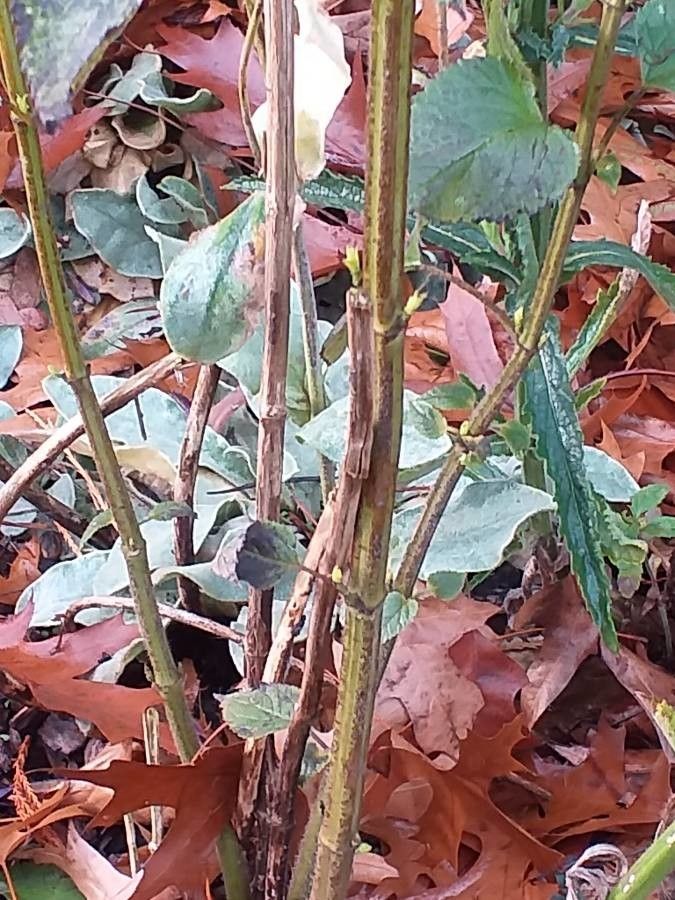
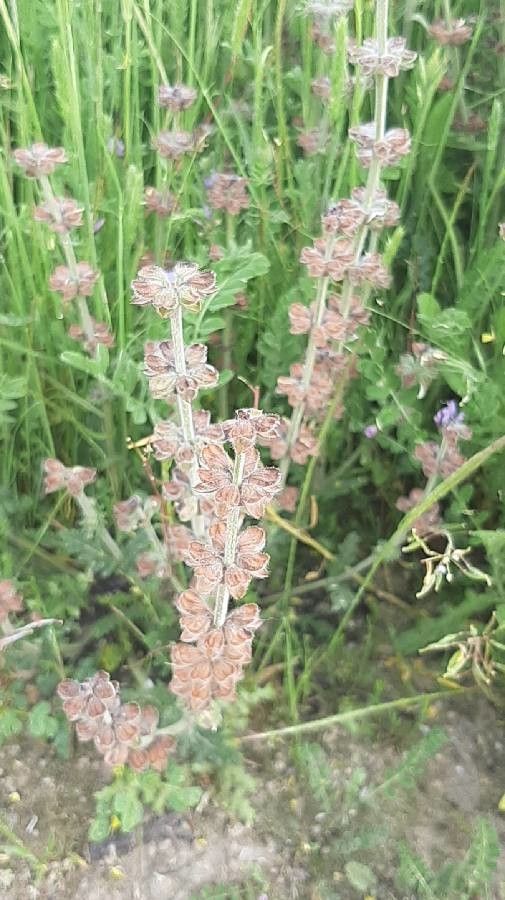
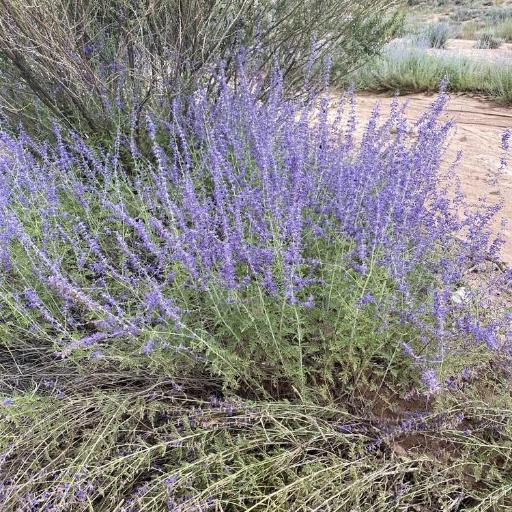
Woodland sage typically grows 2 to 3 feet tall with an upright habit and woody stems. Its green-grey leaves are lance-shaped with serrated edges and have a slightly hairy texture. The plant produces flowers on long spikes that rise above the foliage from late spring through summer.
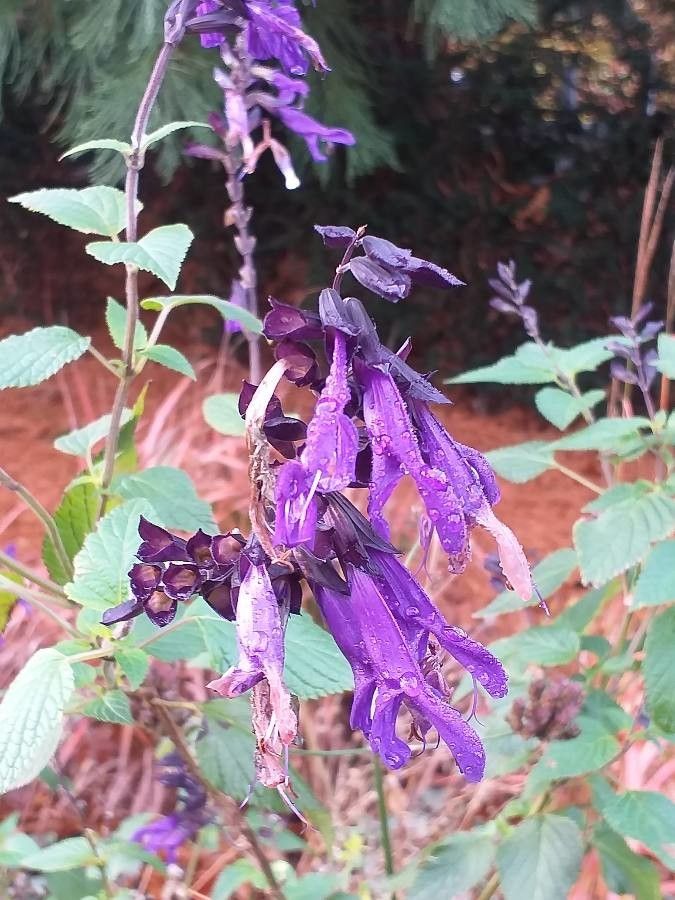
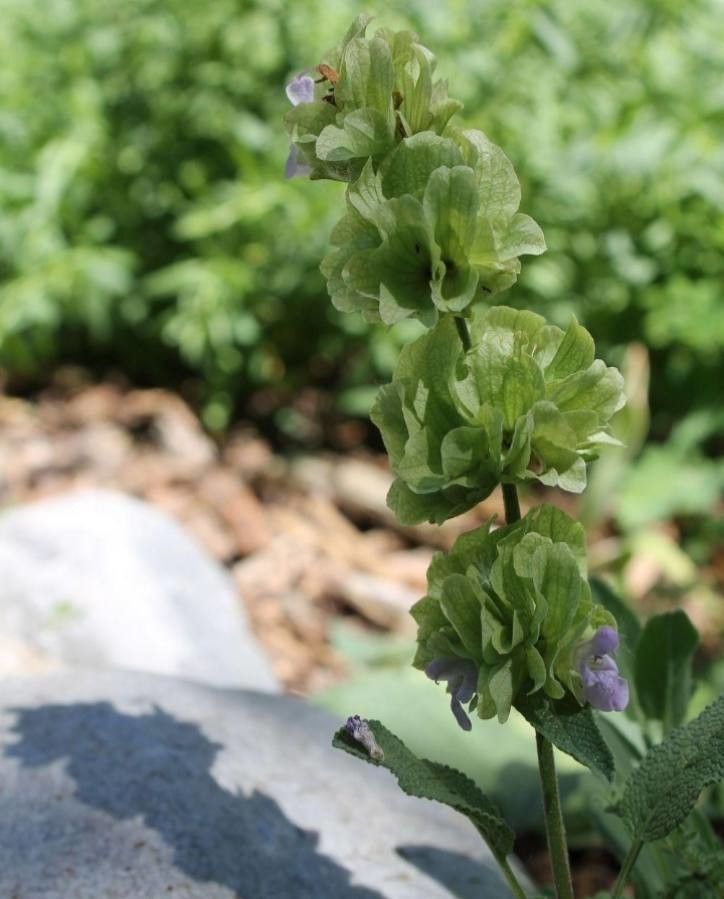
The tubular flowers of woodland sage feature two lips and come in shades of blue-violet or pink-purple, depending on the cultivar. These blooms attract bees, butterflies, and hummingbirds to gardens.
Woodland sage thrives in full sun or partial shade and prefers well-drained soil. It can tolerate some drought conditions once established. Minimal maintenance is required, as the plant is resistant to pests and diseases.
In summary, Salvia x sylvestris, or woodland sage, is an attractive perennial that brings vibrant color to gardens from late spring through summer. It attracts pollinators like bees and butterflies and is an excellent low-maintenance option for garden beds or borders.
Botanical profile.
Other names.