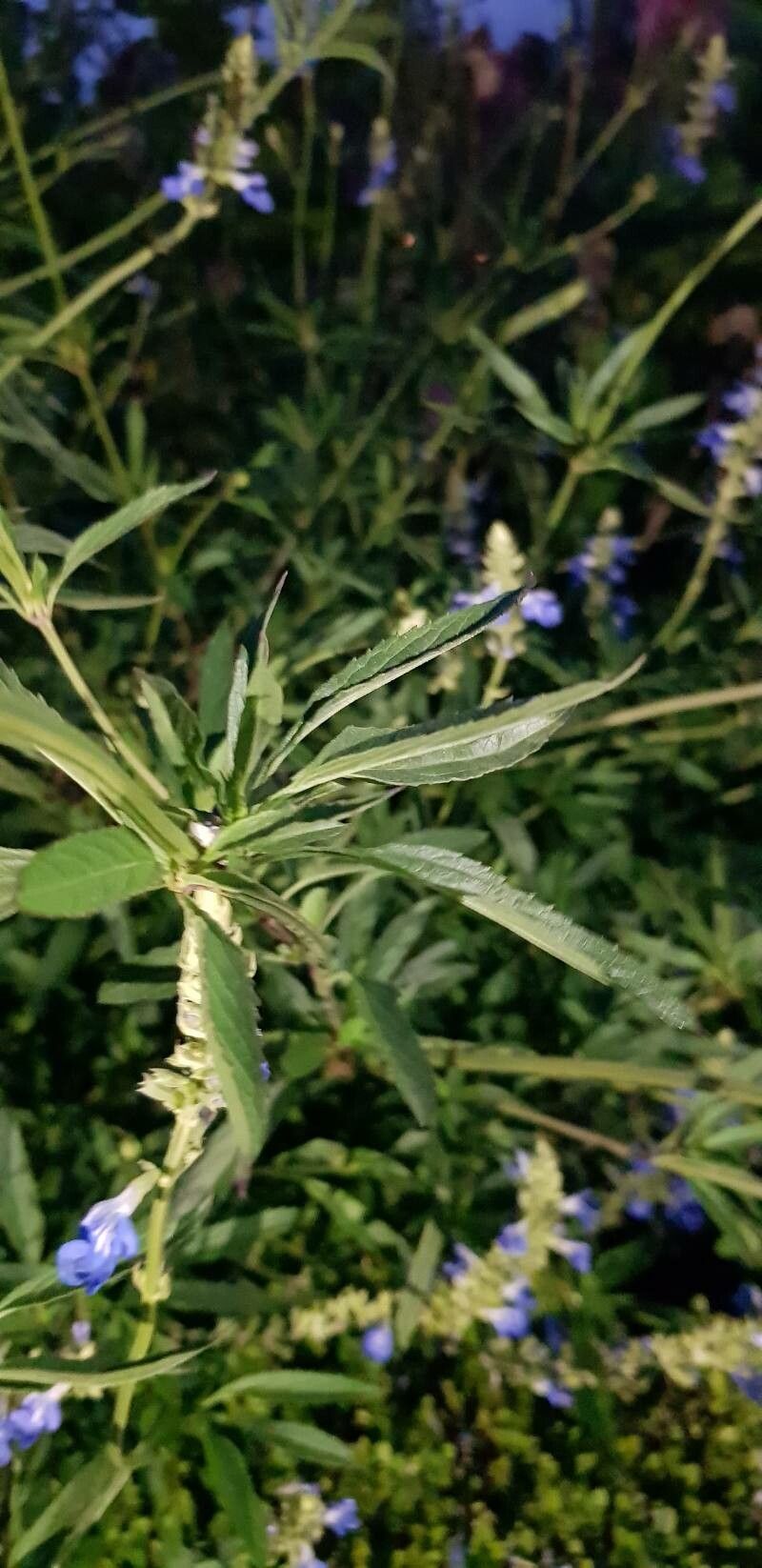
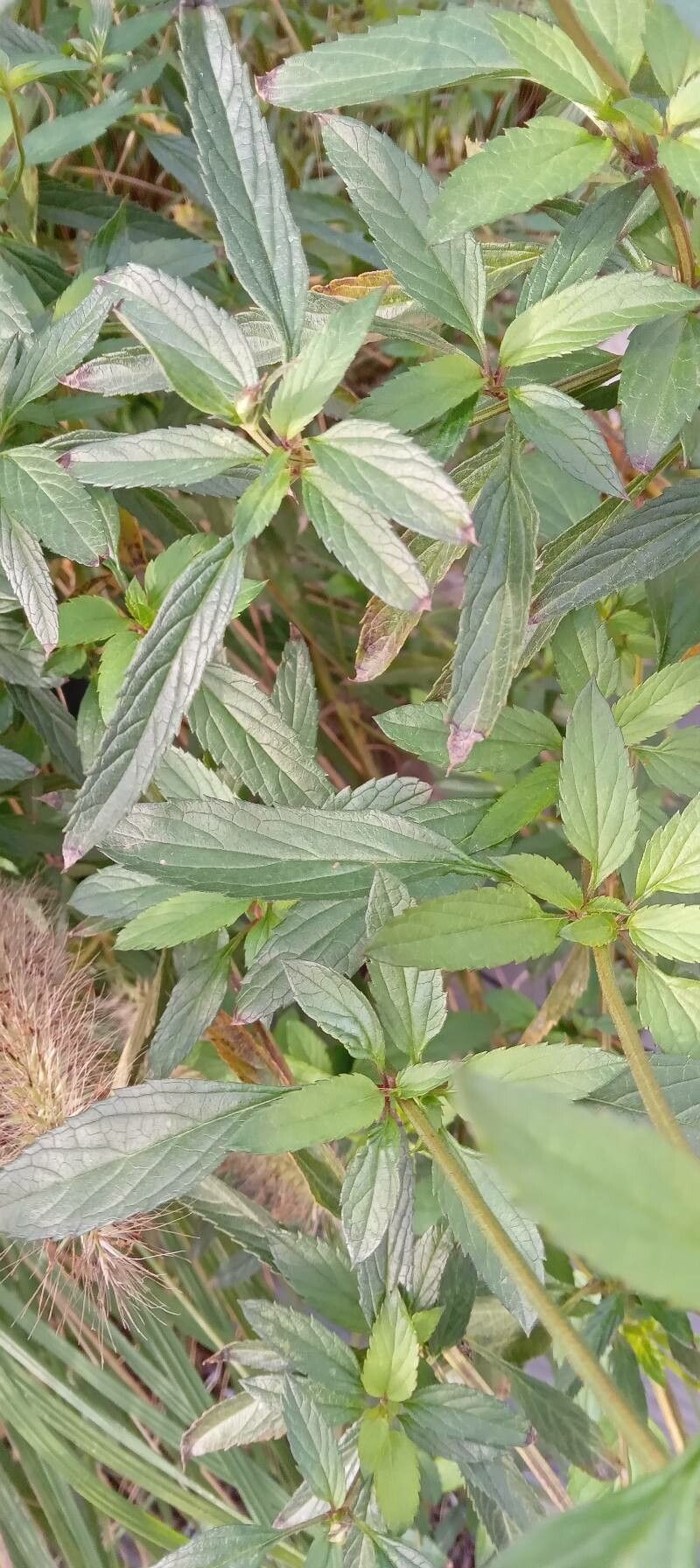
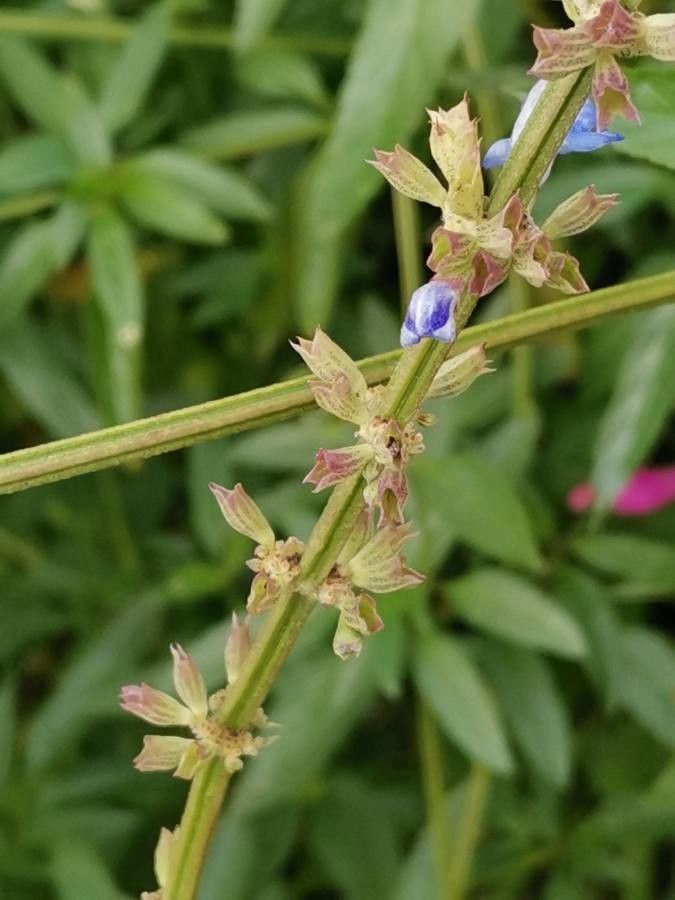
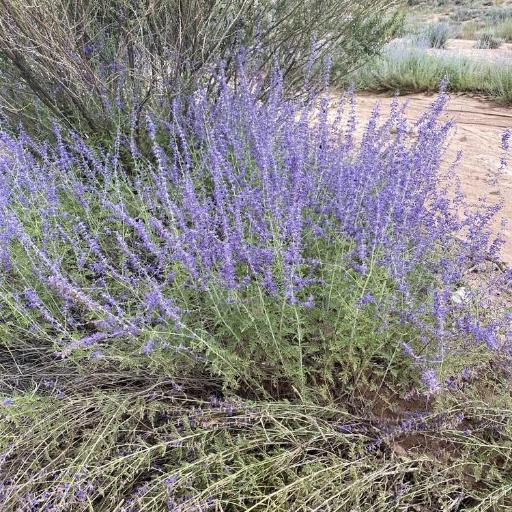
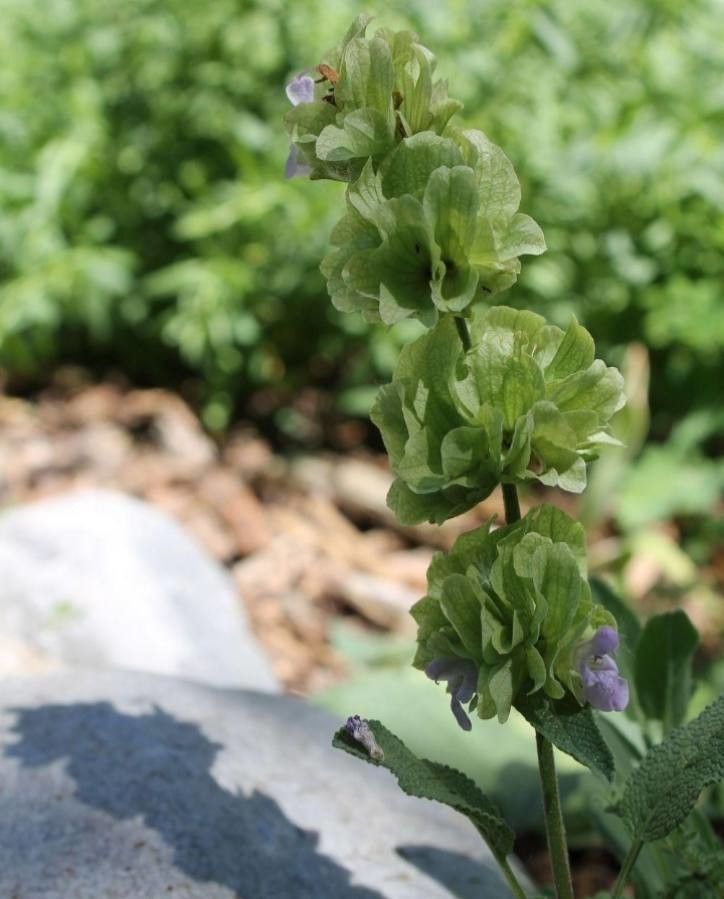
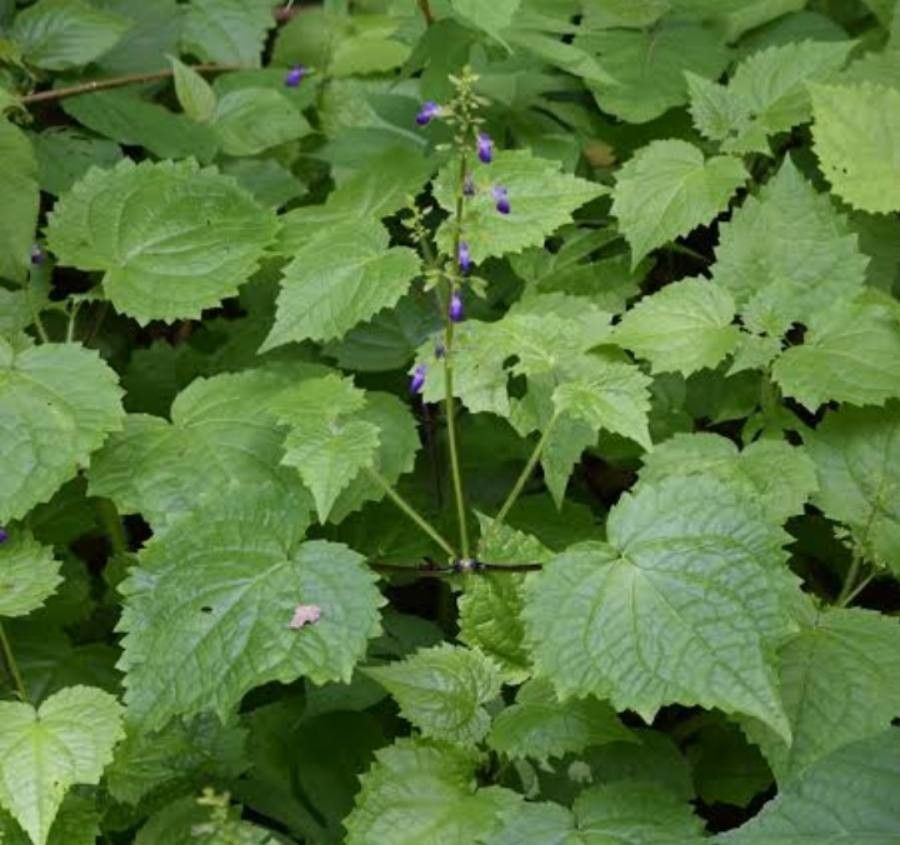
Salvia uliginosa, commonly known as bog sage, is a herbaceous perennial plant from the mint family. Native to South America, it is widely cultivated around the world for its ornamental value. The plant typically grows to a height of 1-2 meters and has a clumping growth habit with upright stems covered in lance-shaped, dark green leaves that have a slightly hairy texture.
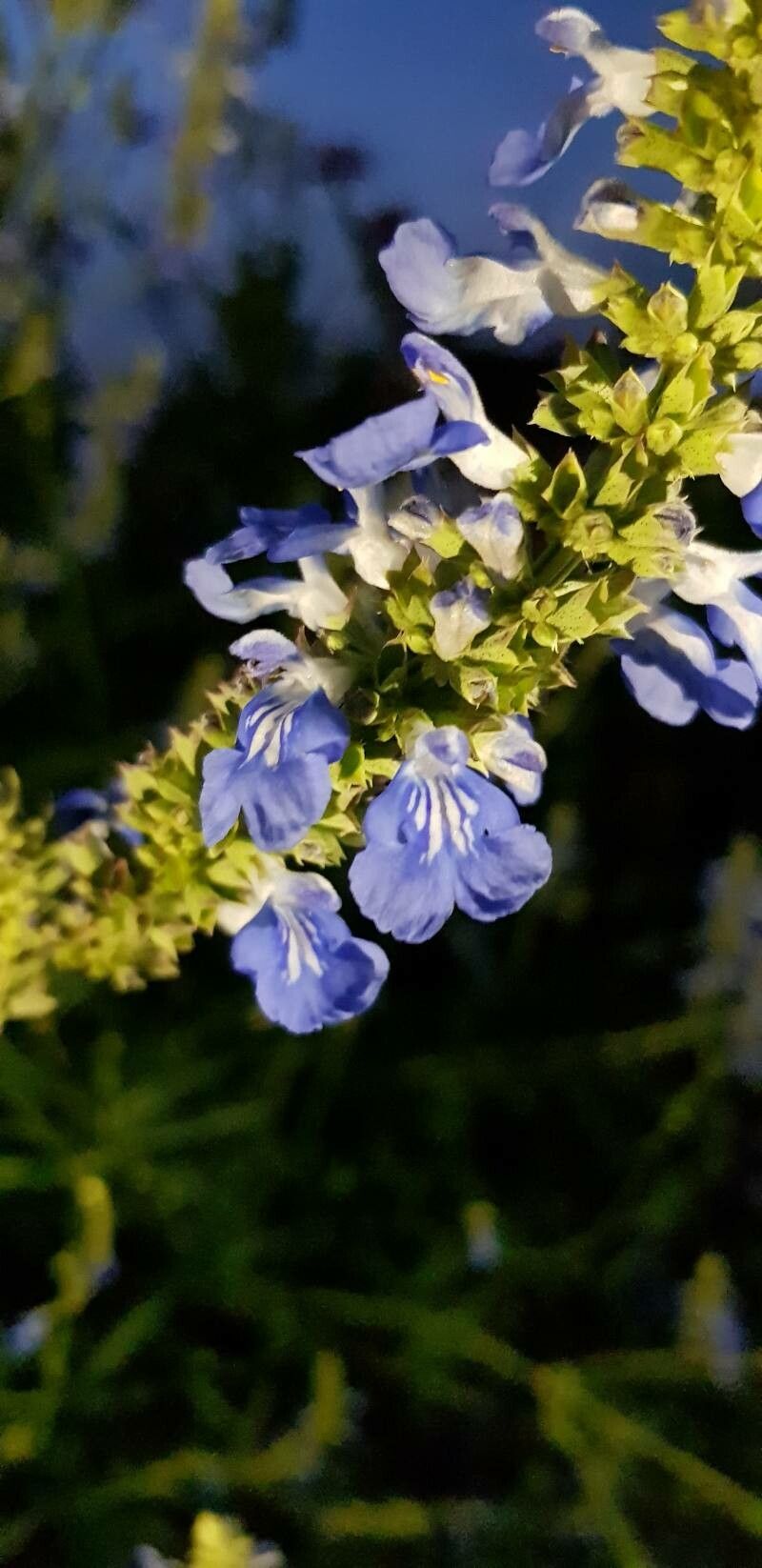
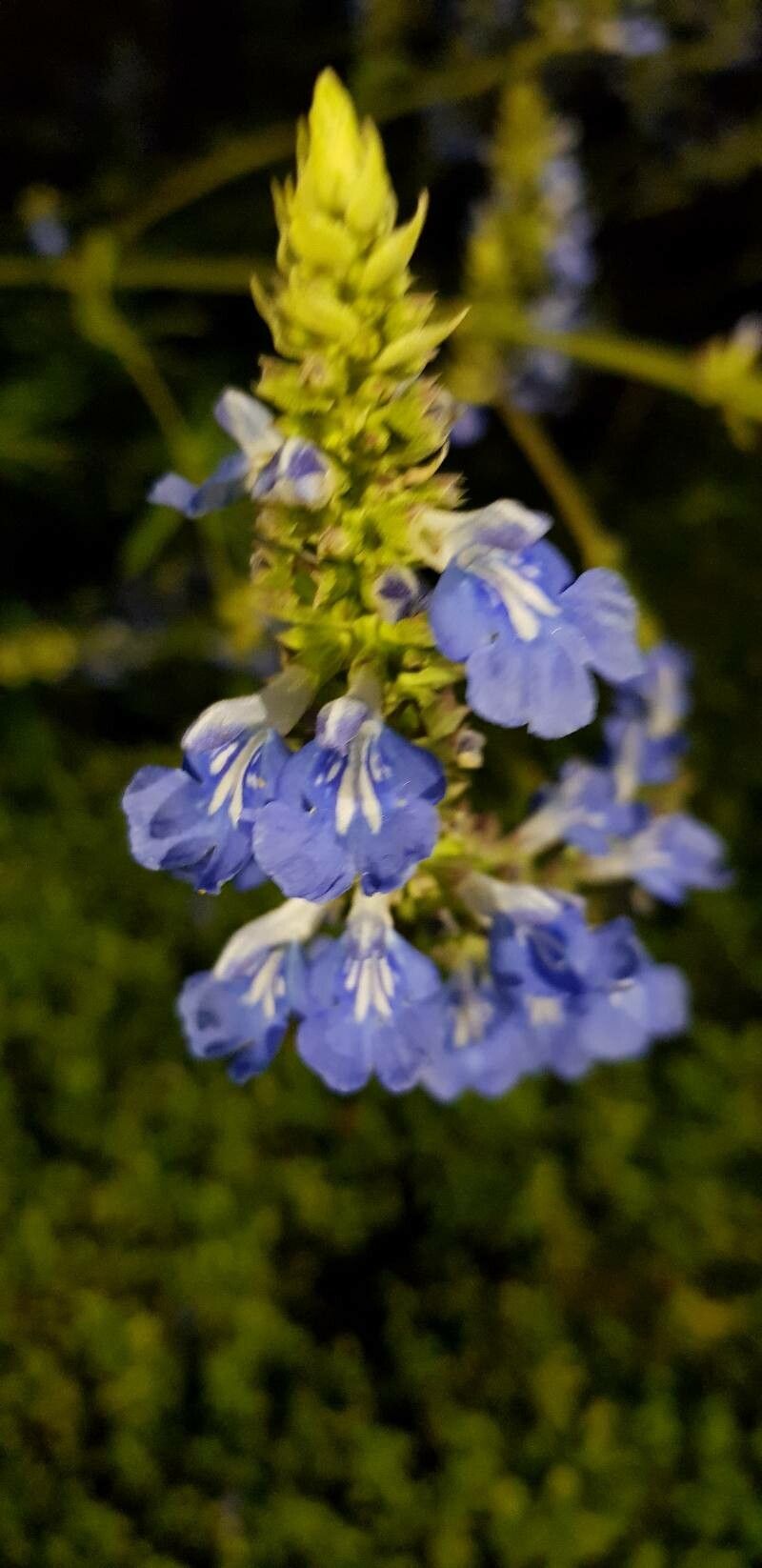
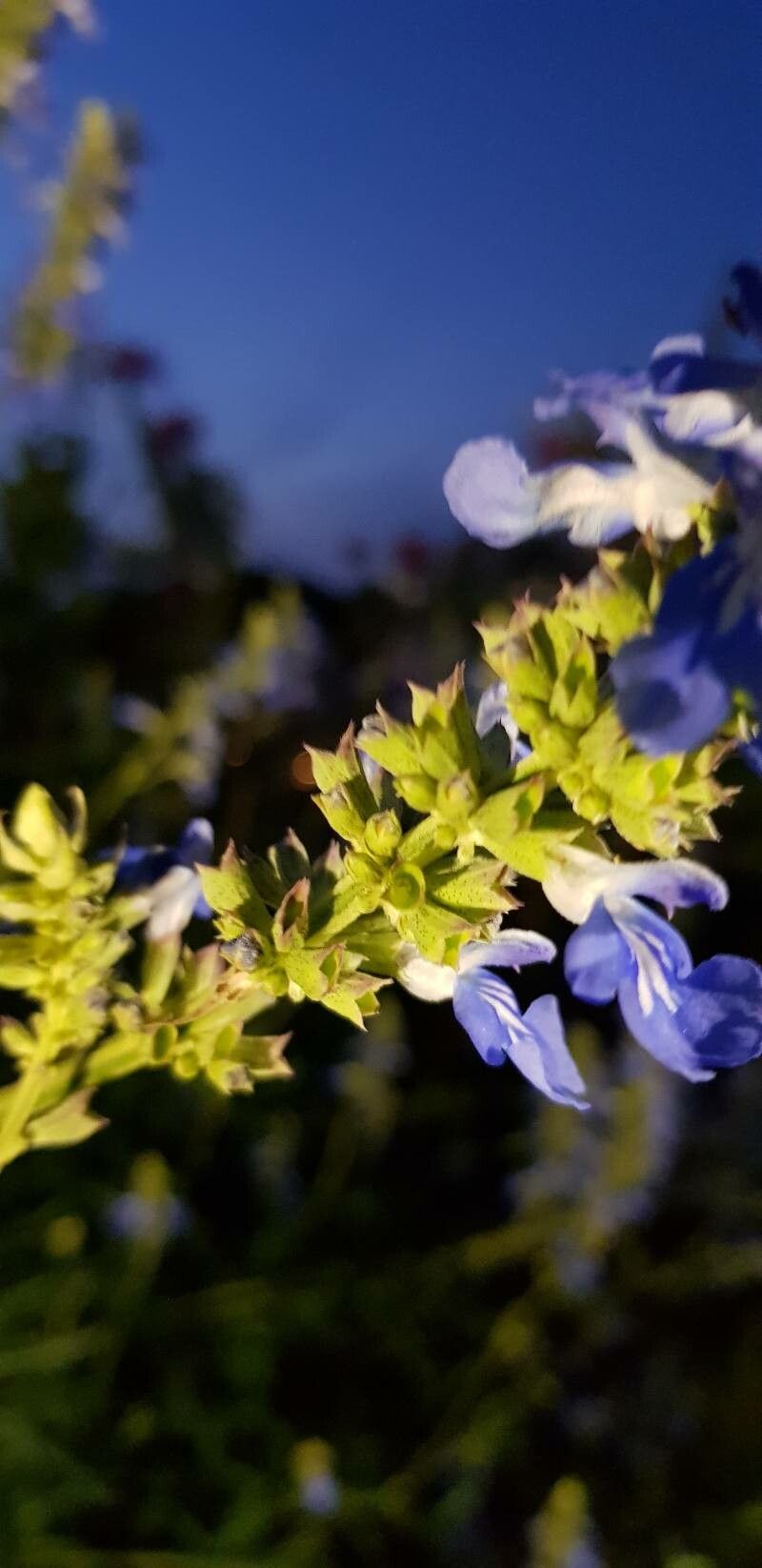
The flowers of Salvia uliginosa bloom on long spikes that emerge from the top of the stems during summer and autumn. These tubular flowers feature two lips: the upper lip is blue or violet-blue, while the lower lip is white or pale blue.
Bog sage thrives in moist soil conditions and can tolerate both partial shade and full sun. It can be grown in garden beds, borders, or containers, provided it receives adequate water during dry periods.
Beyond its ornamental appeal, Salvia uliginosa has medicinal properties. Its essential oils have been used to treat respiratory ailments such as asthma and bronchitis.
Overall, Salvia uliginosa is an attractive plant that adds color and texture to any garden setting while also offering potential health benefits through its essential oils.
Bog sage has strong resistance to disease and is generally not highly susceptible to illnesses. However, it can be affected by pests and diseases present in its surroundings. These infections are usually mild. In terms of care, this plant requires a moderate amount of maintenance. It should be pruned regularly to preserve its appearance and encourage healthy growth. Fertilizing can also help promote flowering. Bog sage is suitable for anyone with outdoor space, such as a garden or patio, and does not demand extensive plant-care experience. It may need more attention when grown indoors.
How to keep Salvia Uliginosa.
Light
Bog sage needs large amounts of sunlight to flourish, though it can tolerate moderate sun exposure. Ongoing exposure to abundant light promotes healthy growth. Native to sunlit habitats, it can handle reduced light levels but excessive shade will impede its growth.
Water
Bog sage, which originates from marshy terrains, thrives in wetland-like environments. It prefers consistent moisture and can tolerate some waterlogging. To support its lush foliage and flowering, water bog sage every 1-2 weeks, adjusting the frequency during periods of active growth.
Temperature
Bog sage is native to areas where temperatures generally range from 68 to 95 °F (20 to 35 ℃). These plants favor warmer conditions and may require protection or be brought indoors during cooler months.
Fertilizer
The best time to fertilize a Bog sage is early in the spring, as it comes out of dormancy and begins active growth. Fertilizing supplies essential nutrients for healthy development. Although Bog sage has relatively low fertilizer requirements, yearly fertilization can improve its survival and result in better, longer-lasting flowers.
Pruning
Bog sage, known for its tall spikes of blue flowers, thrives with regular pruning between early and late spring. To promote growth, denser foliage, and vibrant blooms, start by cutting back old stems to the base. Remove any dead or damaged wood, and be sure to use sterilized tools for the best results.
Pot & Repot
For optimal growth and to prevent root rot, bog sage needs excellent drainage when planted in pots.
Botanical profile.
- Plant Type
- Herb
- Life Cycle
- Perennial, Annual
- Genus
- Salvia
- Family
- Lamiaceae
- Hardiness Zone
- 6-10
- Mature Height
- 1.22 m to 1.52 m
- Mature Spread
- 1.22 m to 2.44 m
- Leaf Color
- Green
- Leaf Type
- Deciduous
- Flower Color
- Blue
- Flower Size
- 2.54 cm
- Bloom Time
- Mid summer, Late summer, Fall
- Planting Time
- Spring
- Harvest Time
- Late summer, Fall, Early winter
Other names.
Reader questions.
How should I water my Bog sage plant?
To properly water the Bog sage, it is recommended to use filtered water at room temperature or slightly warmer. Tap water may contain harmful particles for this plant, so filtering it is preferable. Since the Bog sage is accustomed to a warm environment, cold water can be a shock to its system, hence the need for room temperature or slightly warmer water. It is important to avoid overhead watering as it can lead to leaf issues. Instead, gently apply the filtered room temperature water directly to the soil until it is completely soaked. This will benefit the plant by keeping the roots moist and allowing them to spread and gather the necessary nutrients from the soil.
Why is it necessary to add fertilizer to my Bog sage?
Fertilization plays a crucial role in the growth of Bog sage and other plants as it provides essential nutrients for the plant's overall development, both above and below the ground. While Bog sage typically requires low levels of fertilization, it can still survive without it. However, annual fertilization greatly benefits the plant by promoting its survival and encouraging the production of longer-lasting, more vibrant flowers. To ensure your Bog sage looks its best, it is recommended to consistently provide annual fertilization.
What are the sunlight requirements for Bog Sage?
Bog Sage, or Salvia uliginosa, flourishes under conditions of full to moderate sunlight. To thrive, it ideally requires more than 6 hours of direct sunlight per day (full sun), but it can also manage with about 3-6 hours of sunlight (partial sun). Originating from sun-drenched habitats, this plant can survive lower levels of light; however, excessive shading can impede its growth. When selecting a spot for your garden or indoors, observe the movement of sunlight throughout the day to find a location that offers a balance of light and shade, ensuring the well-being of your plants.
What is the ideal temperature range for Bog sage?
Bog sage, also known by its botanical name Salvia uliginosa, thrives in regions where temperatures typically range between 68 to 95 °F (20 to 35 °C). These plants are indigenous to warmer conditions, and during cooler months, they may require protection or need to be moved indoors to ensure their survival.
What should I do if I give too much or too little water to my Bog sage?
Both overwatering and underwatering can harm your Bog sage's health, but overwatering is more common. When the plant gets too much water, its stems and leaves may wilt and turn yellow. Overwatering for a long time can also lead to diseases like root rot, mold, and mildew, which can kill the plant. Underwatering is less common because the Bog sage can tolerate drought well, but it's still possible. When underwatering happens, the leaves become brittle and brown. It's important to notice the signs of overwatering early on. Some diseases caused by overwatering, like root rot, can't be fixed if you wait too long. If you see early signs of overwatering, reduce your watering schedule immediately. Check the quality of the soil where your Bog sage grows. If it drains poorly, replace it with a loose, well-draining potting mix. If signs indicate not enough water, simply water more regularly until the signs go away.
When should I fertilize my Bog sage to get the best results?
To ensure healthy growth, it is best to fertilize a Bog sage during late winter to early spring when it is transitioning from dormancy to active growth. Fertilizing at this time sets the plant up for a successful season. While fall is also an acceptable time for fertilization, it is not recommended during summer or winter for a Bog sage.
How can I supplement natural lighting for Bog Sage indoors?
When natural sunlight is not sufficient, especially during winter or within less sunny indoor spaces, artificial lighting can be a vital supplement to promote optimal growth in Bog Sage. Indoor plants benefit from LED lights, which can be adjusted to provide specific wavelengths needed by the plants. For full sun plants like Bog Sage, aim for 30-50W per square foot of artificial light. The light source should be placed 12-36 inches above the plant, simulating natural sunlight as much as possible, and be kept on for 8-12 hours a day to mimic the natural daylight hours.
Does Bog sage require any special frost protection measures during winter?
Bog sage possesses strong cold resistance, generally negating the need for special frost protection measures during winter. However, if the winter temperatures are forecasted to plunge below -25°C, it is crucial to provide cold protection. This can be done by covering the plant with materials such as soil or straw. It's also advisable to water the plant abundantly before the first freeze in autumn, keeping the soil moist as it enters a frozen state, which helps to prevent drought and water scarcity during winter and early spring.
How frequently should I give water to my Bog sage plant?
To determine if your Bog sage needs water, you can use the following method regardless of whether it is planted in a pot or in the ground. Start by inserting your finger into the soil. If the top two to three inches feel dry, it's time to provide water. In the spring and early fall, watering once a week will usually suffice. However, during very hot weather, you may need to water the plant twice or even more frequently per week. It's worth noting that mature and well-established Bog sage plants can surprisingly endure drought conditions relatively well.
When is it best to not put fertilizer on my Bog sage?
To avoid overfertilization, it is best to fertilize your Bog sage only in late winter and early spring. This plant has low fertilization needs, so one annual feeding is sufficient. Fertilizing during spring, summer, and fall can lead to complications. The only exception is if you skipped fertilizing in spring, then it is okay to feed in fall. Additionally, there is no need to fertilize the plant during winter when it is in a dormant growth phase and not putting forth new growth.
What are the signs of insufficient lighting in Bog Sage?
Bog Sage may show several symptoms when it doesn't receive adequate light, including smaller new leaves, leggy or sparse growth, and quicker leaf drop. These signs indicate the plant is in survival mode, leading to a halt in growth. Insufficient light can also result in pale or irregularly colored new leaves, a condition known as chlorosis, or leaf curling as a defense mechanism against intense light. If the plant is exposed to too much sunlight, symptoms like sunscald, wilting, or leaf scorching may occur, all of which harm the plant's health.
How does low temperature affect Bog sage, and what are the solutions?
Bog sage is cold-tolerant and fares best when temperatures remain above 20°C. Throughout the winter, it is essential to keep the temperature above 0°C to avoid damage. When temperatures fall below -25°C, you may not notice immediate changes during winter; however, there might be a decrease in sprouting or even a failure to sprout during springtime. In spring, it's recommended to remove any parts of the plant that have failed to sprout as a solution to this issue.