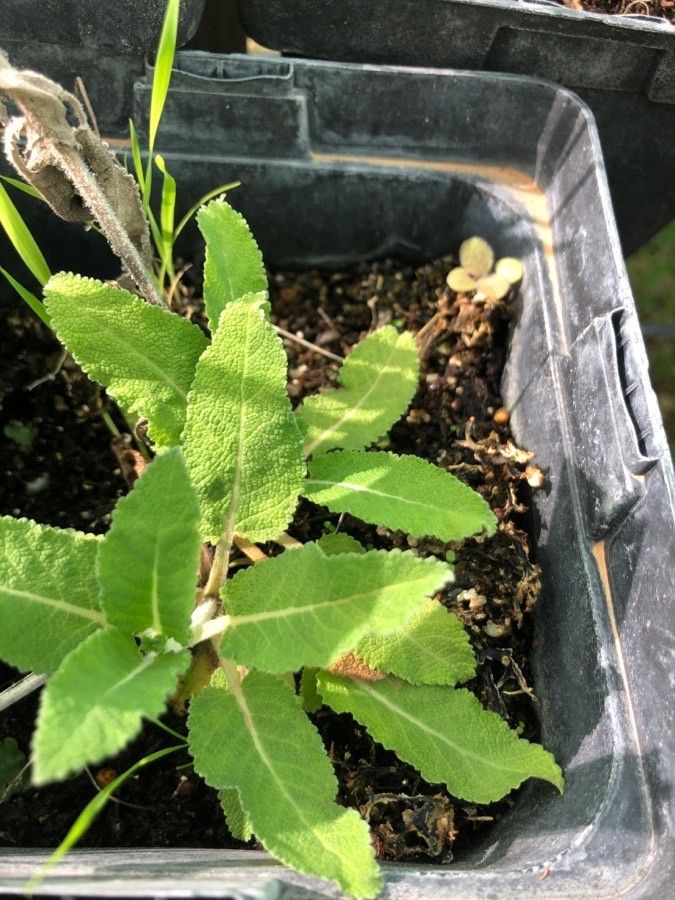
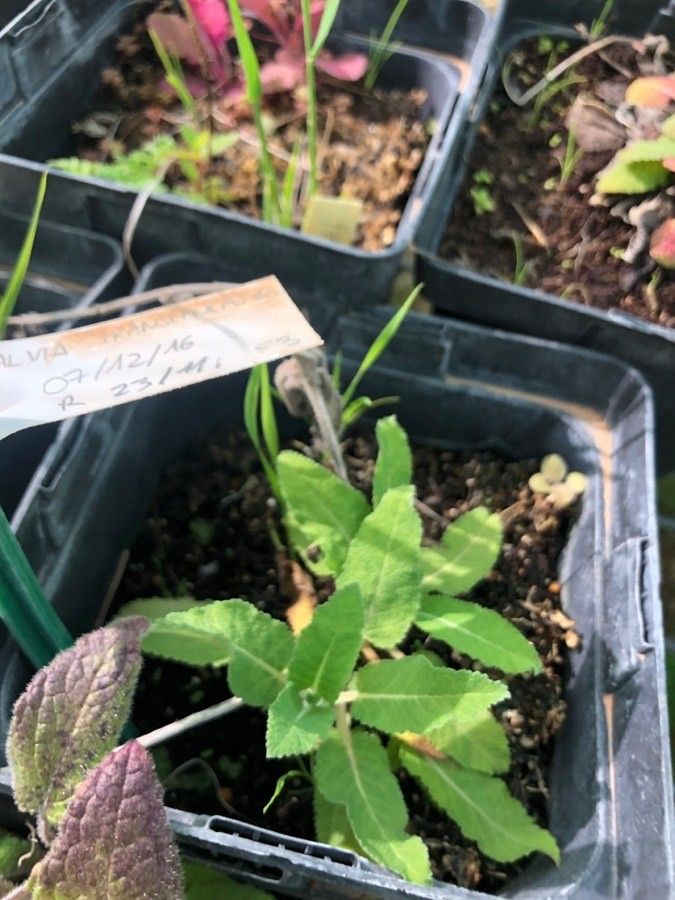
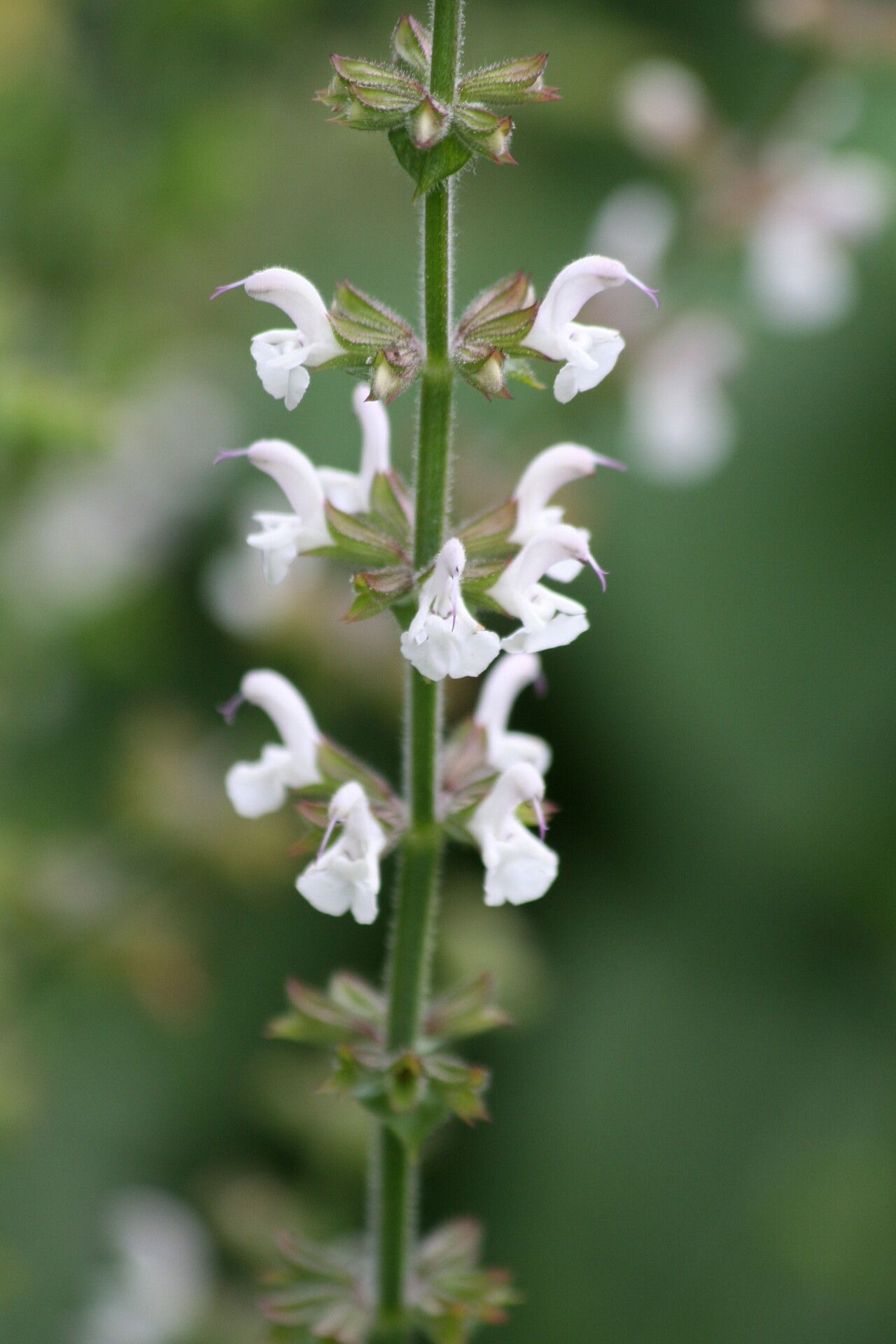
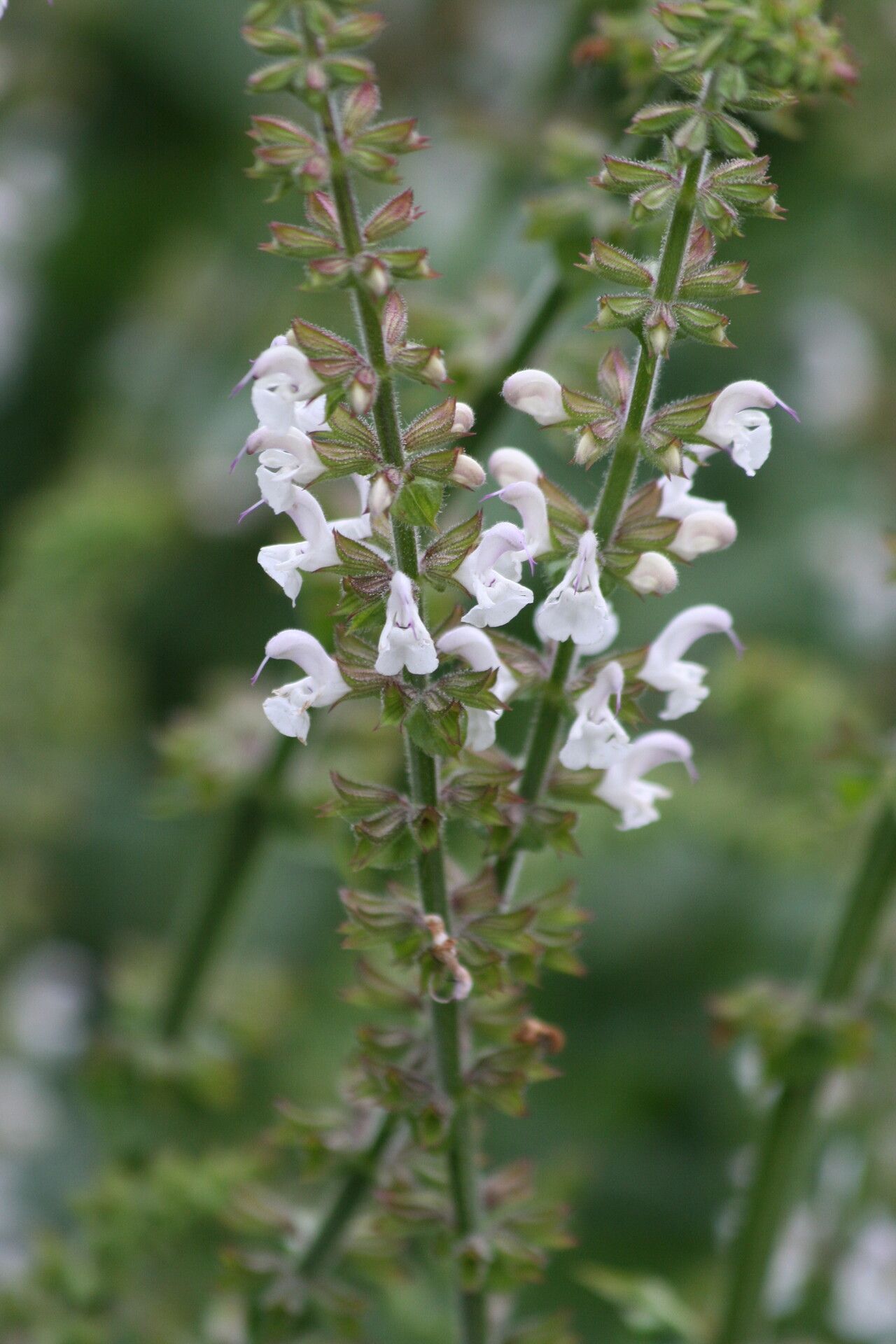
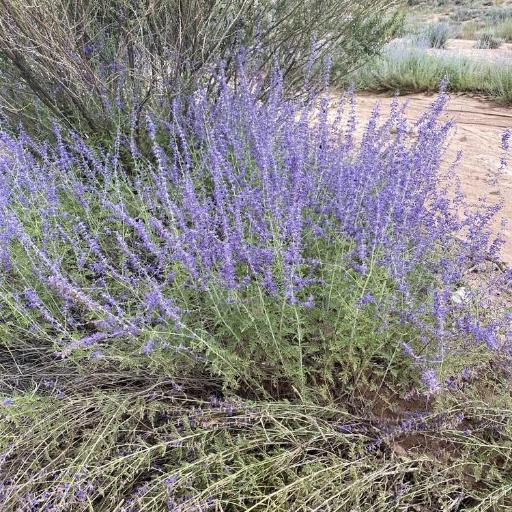
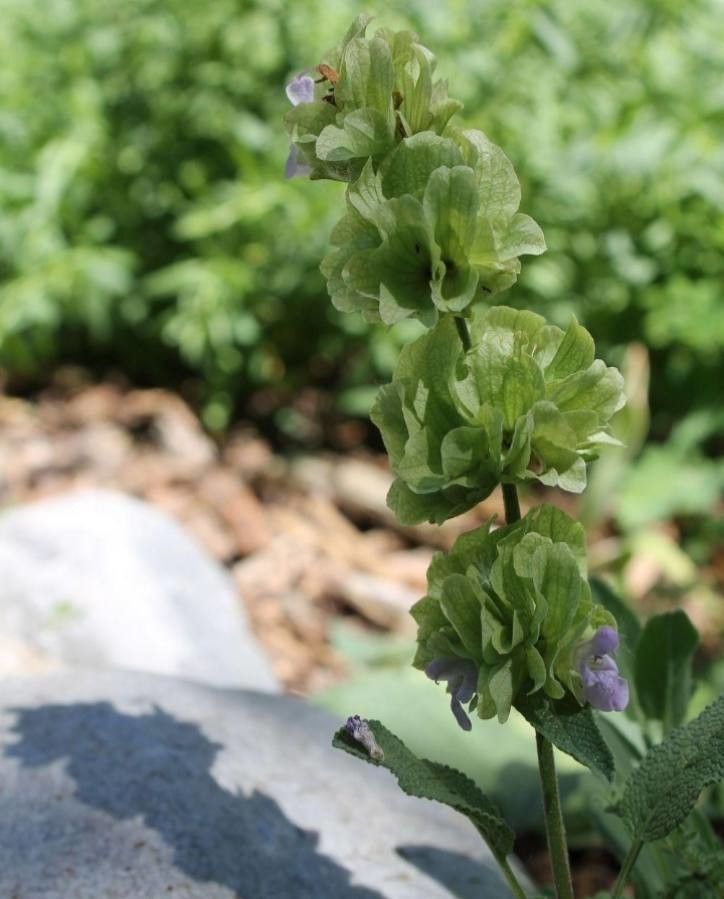
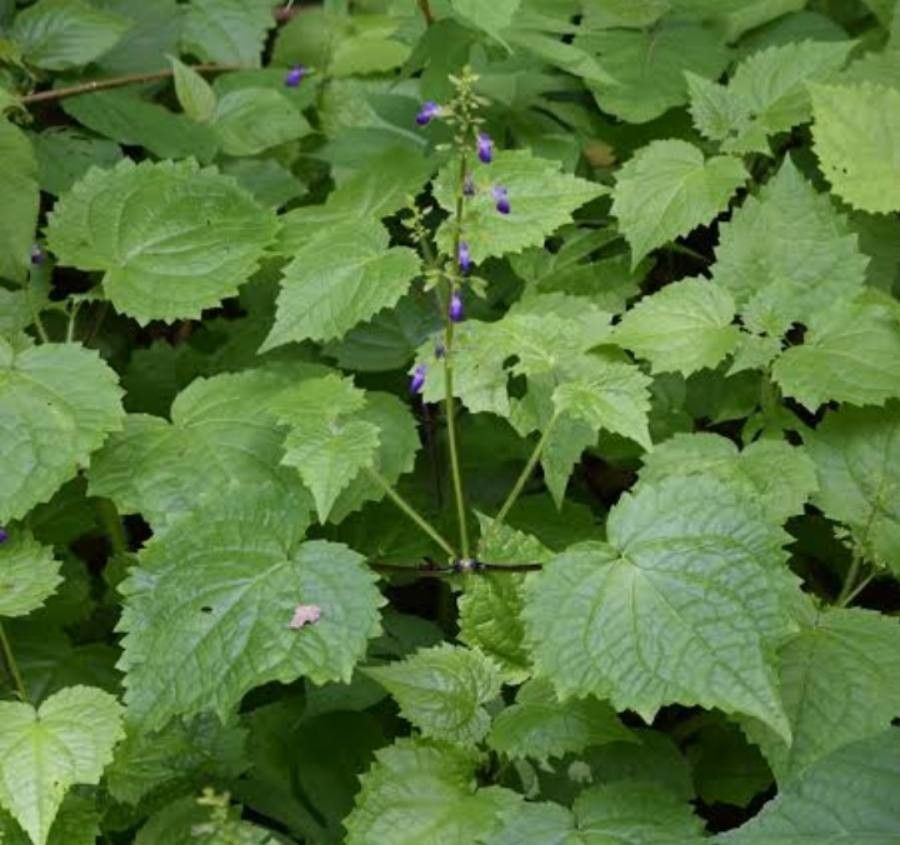
Salvia staminea is a herbaceous perennial shrub native to a wide area in Asia Minor that includes Turkey, Georgia, Armenia, and Iran, where it grows at elevations from 6,000 feet (1,800 m) to 14,000 feet (4,300 m). It is typically found growing in alpine meadows, screes, and cliffs, sometimes growing with scrub oak. Due to the wide variety of habitats in which it is found, there is a wide degree of variation in the species. It was first described in 1836 and has only slowly come into use in horticulture.Salvia staminea is an erect plant that grows up to 2.5 feet (0.76 m) tall and less in width. The dark green ovate leaves grow on a petiole and vary in size, reaching up to 6 inches (15 cm) long and 2 inches (5.1 cm) wide. The flowers are creamy to off-white, and less than .5 inches (1.3 cm) long. The branched inflorescences reaches 2 feet (0.61 m) long, with two to six flowers growing in spaced whorls.
Sage is relatively disease-resistant and typically does not suffer from illnesses. That said, it can be affected by pests and diseases present in its environment. These problems are generally mild. For care, the plant has moderate maintenance needs. It should be pruned regularly to maintain a tidy appearance and support healthy growth. Fertilizing can also help encourage flowering. Sage is well-suited to anyone with outdoor space, such as a garden or patio, and does not demand extensive experience in plant care. It may need more attention when grown indoors.
How to keep Salvia Staminea.
Light
Sage does best with extensive exposure to the sun, reflecting its native habitat where shade is absent. The plant's health improves with ample sunlight, encouraging vigorous growth. Excessive sun is seldom harmful, while insufficient light can result in stunted growth and poor flowering.
Temperature
Sage originates from regions where temperatures typically range from 68 to 95 °F (20 to 35 ℃). The plant favors these warmer conditions but may need seasonal adjustments in artificial settings to replicate its natural habitat.
Fertilizer
The best time to fertilize a Sage is in early spring, as it comes out of dormancy and begins active growth. Fertilization supplies essential nutrients for healthy development. Although Sage has relatively low fertilizer requirements, applying fertilizer annually can improve its survival and encourage better, longer-lasting flowers.
Botanical profile.
- Plant Type
- Herb
- Life Cycle
- Perennial, Annual
- Genus
- Salvia
- Family
- Lamiaceae
- Hardiness Zone
- 3-8
- Mature Height
- 30 cm to 61 cm
- Mature Spread
- 30 cm to 61 cm
- Leaf Color
- Green
- Leaf Type
- Deciduous
- Flower Color
- Blue
- Flower Size
- 2.54 cm to 5.08 cm
- Bloom Time
- Summer, Fall
- Planting Time
- Spring
- Harvest Time
- Late summer, Fall, Early winter
- Native Area
- Mexico, Guatemala