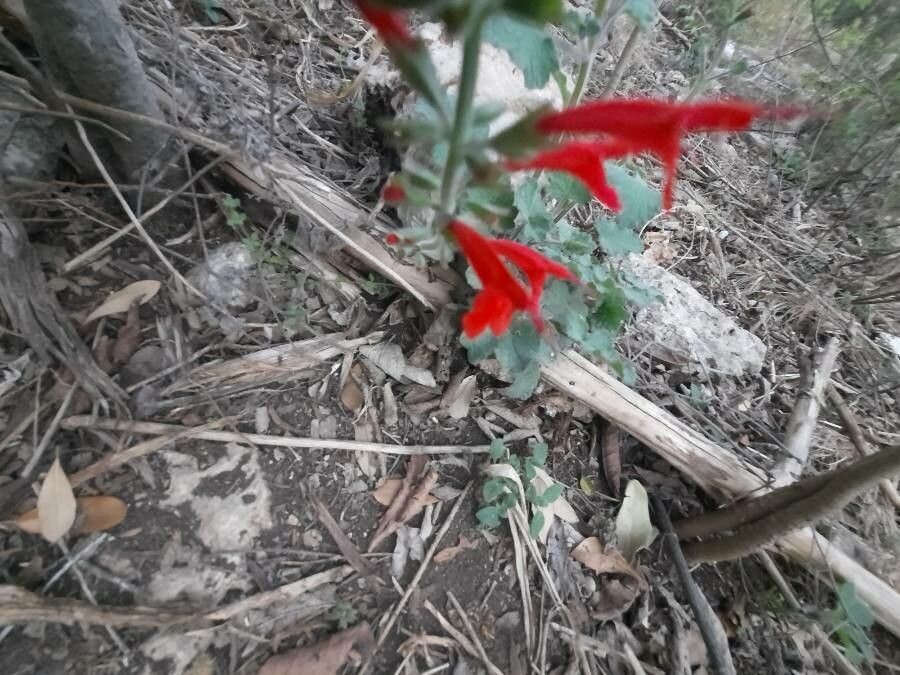
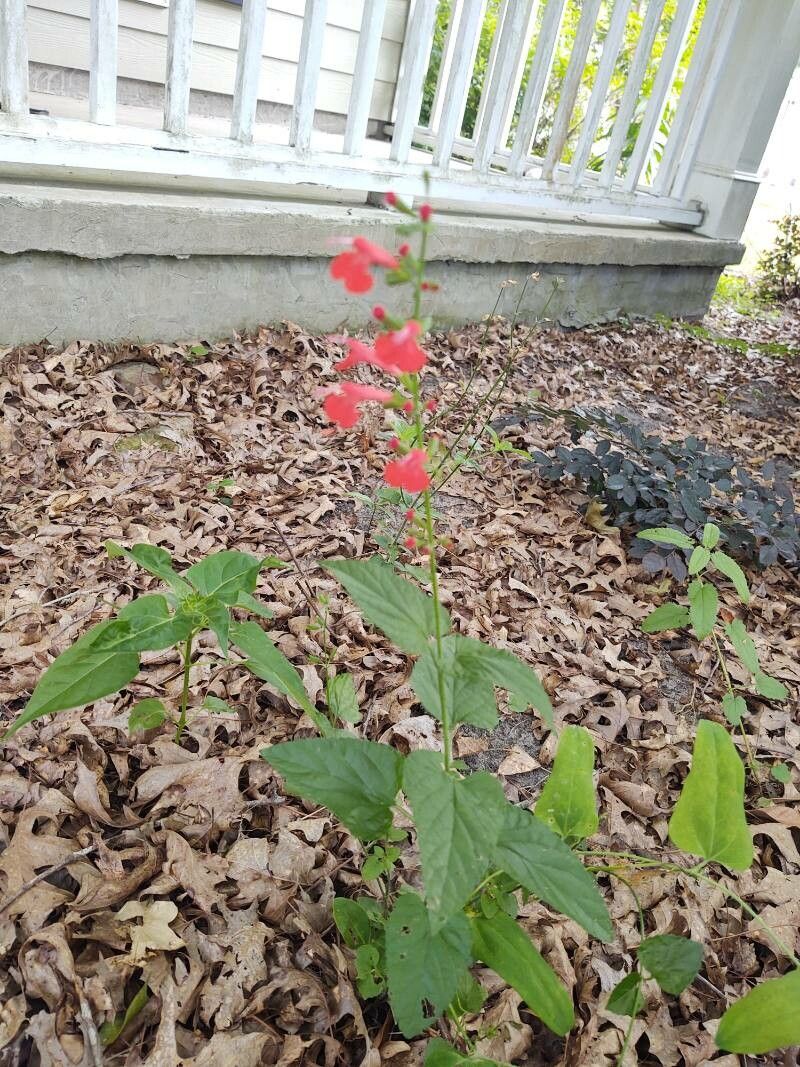
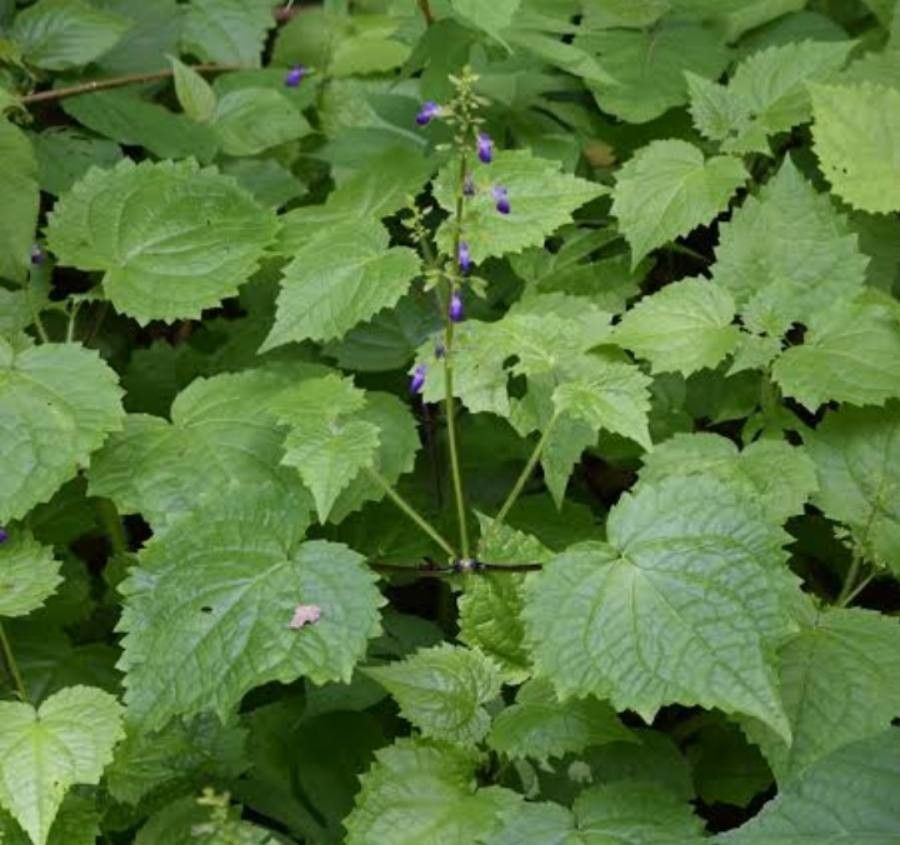
Salvia roemeriana, commonly known as Cedar Sage, is a perennial herbaceous plant belonging to the mint family. Native to Texas and Mexico, it thrives in rocky limestone soils found in woodlands, prairies, and along roadsides.
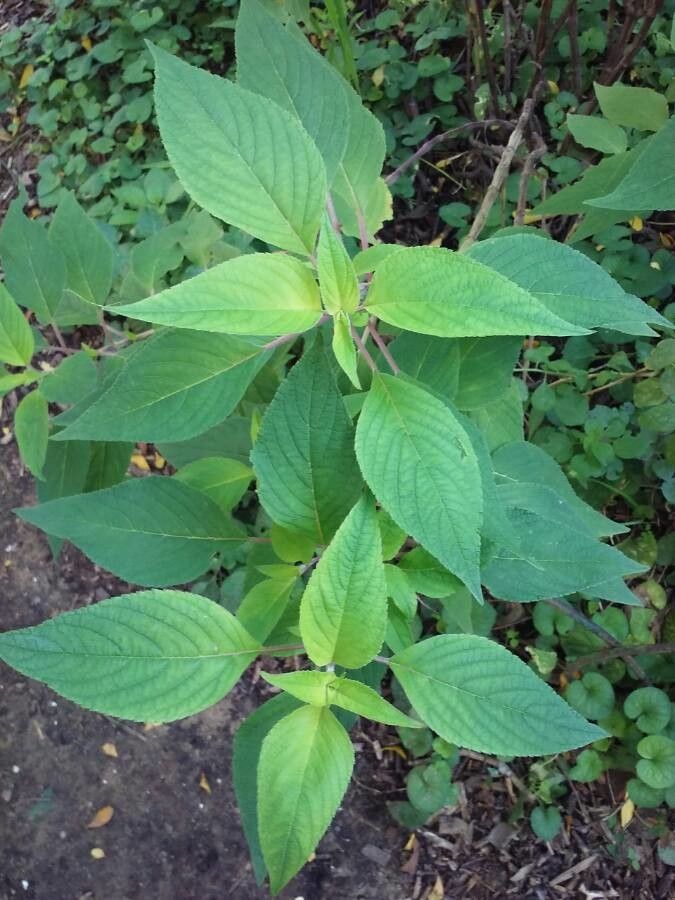
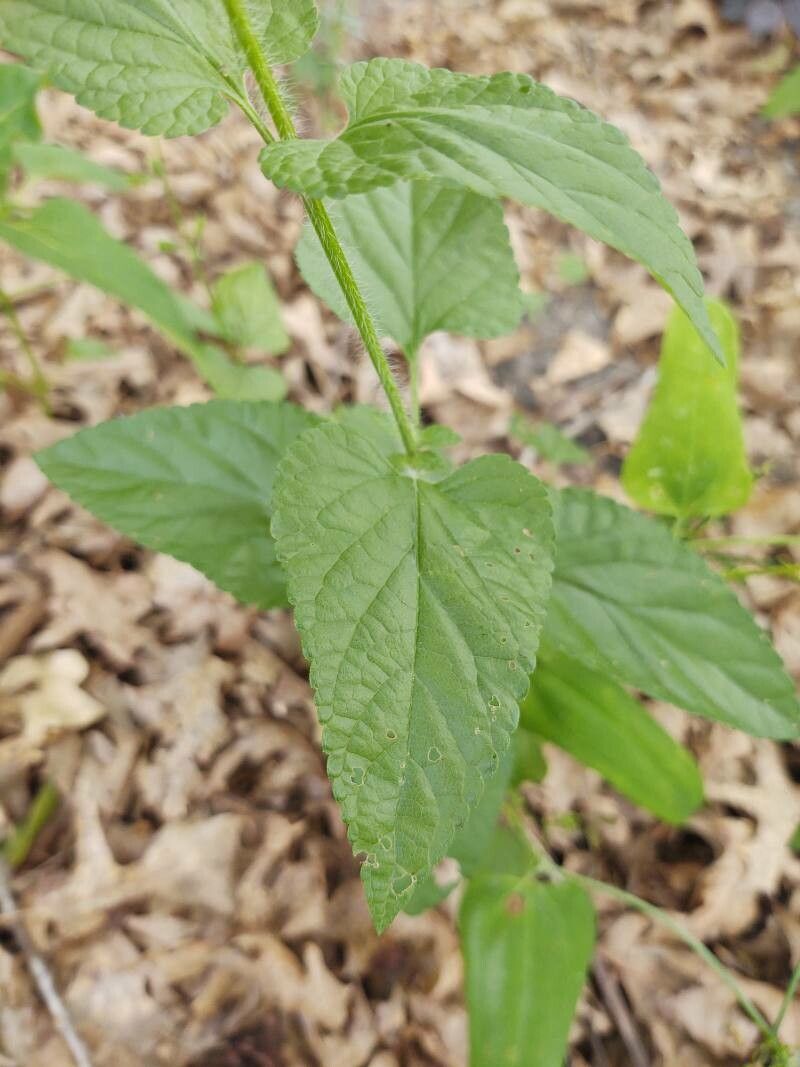
The plant can grow up to 2 feet in height, with a spread ranging from 1 to 2 feet. It features soft green, triangular leaves with serrated edges that release a pleasant aroma when crushed or bruised.
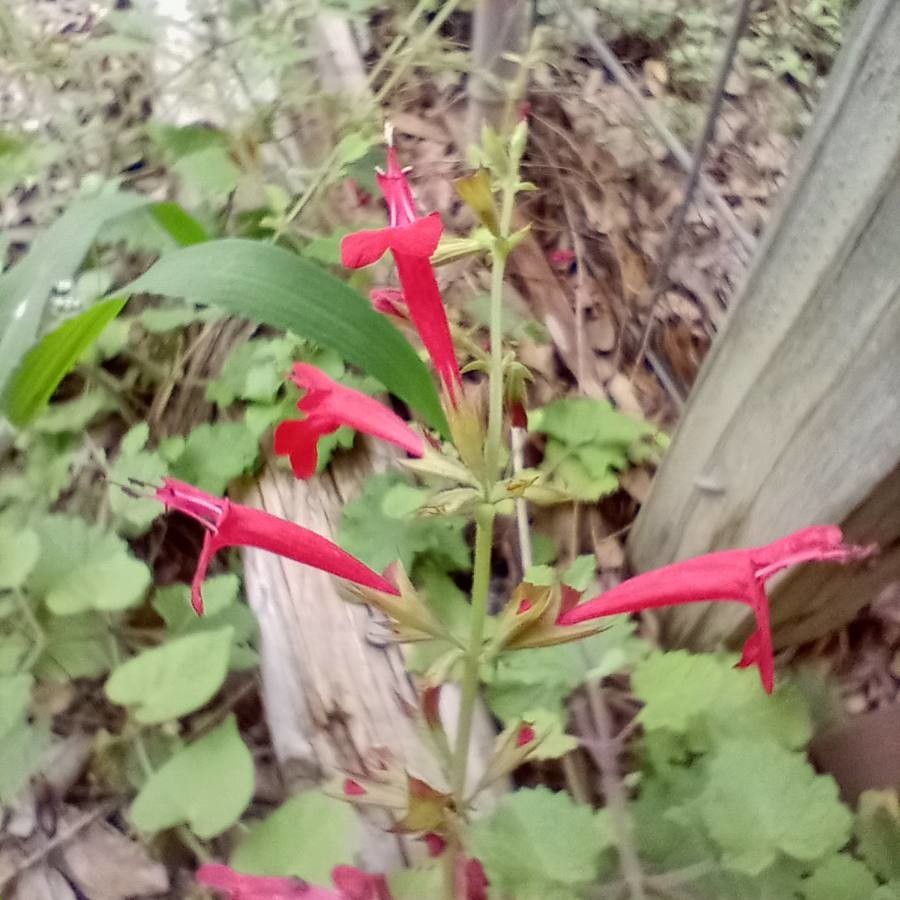
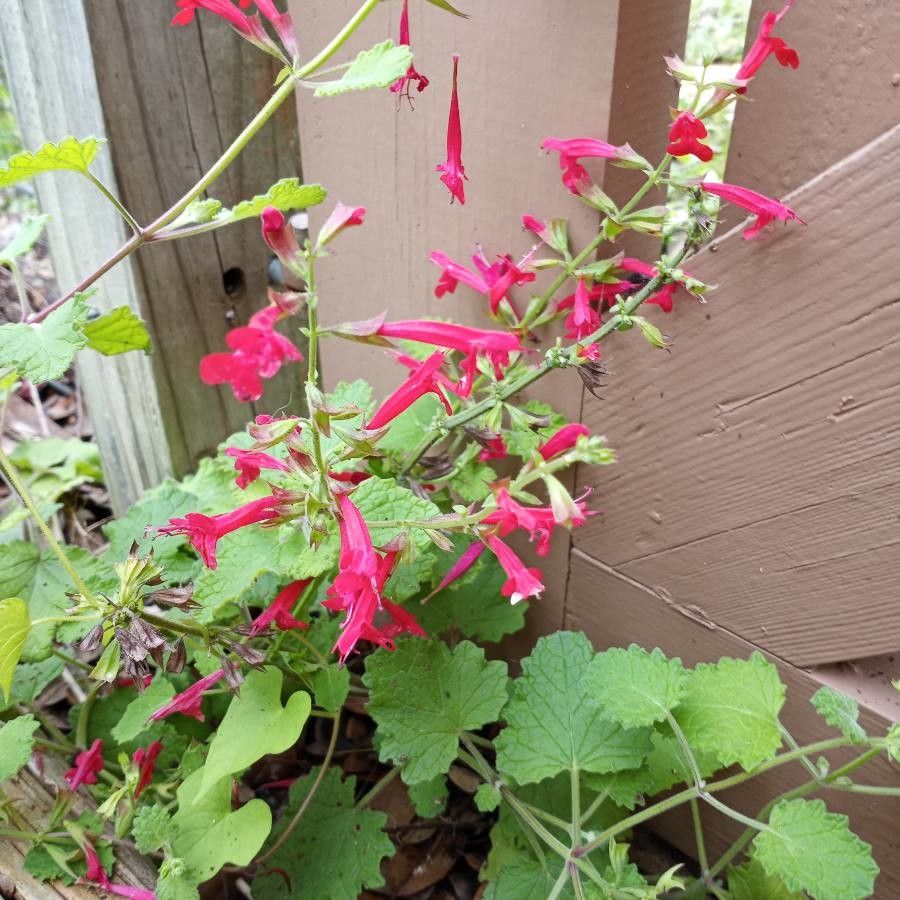
Cedar Sage blooms from March through May, producing bright red tubular flowers on spikes that rise above its foliage. These vibrant flowers attract hummingbirds and butterflies, adding life to your garden.
Once established, this plant is drought-tolerant but prefers moist soil conditions during its growing season. Propagation can be achieved through seeds or cuttings.
Historically, Salvia roemeriana has been used by Native Americans for its medicinal properties, particularly for its anti-inflammatory effects and for treating colds and coughs.
Overall, Salvia roemeriana is an attractive ornamental plant that adds vibrant color to any garden while also providing ecological benefits by attracting pollinators like hummingbirds and butterflies.
Cedar sage is fairly disease-resistant and usually does not develop illnesses easily. However, it can be vulnerable to pests and diseases present in its environment. These problems tend to be mild. For care, this plant requires moderate maintenance. It should be pruned regularly to preserve a neat appearance and support healthy growth. Fertilizing can also aid in boosting flowering. Cedar sage is a good choice for anyone with outdoor areas such as a garden or patio and does not require extensive plant-care experience. It may need increased attention when grown indoors.
How to keep Salvia Roemeriana.
Light
Cedar sage prefers strong light but tolerates moderate lighting. Its native open habitats explain this tendency. Excessive shade can limit growth, while very intense light may scorch the leaves. Its light needs stay largely the same throughout its growth stages.
Water
Cedar sage, a plant native to the shaded, moist areas of Texas, flourishes in conditions where the soil remains consistently moist. To ensure optimal growth as an herbaceous perennial, it is important to water it weekly and use mulch to help retain moisture. This is especially important during the growing season.
Temperature
Cedar sage is a species adapted to temperate conditions that grows best at temperatures from 59 to 100.4 °F (15 to 38 °C). Native to temperate regions, it favors steady, moderate temperatures and is able to withstand seasonal changes. Modify the environment as needed to ensure optimal growth.
Fertilizer
The ideal time to fertilize a Cedar sage is in early spring, when it is coming out of dormancy and beginning active growth. Fertilization supplies essential nutrients for healthy development. Although Cedar sage has relatively low fertilizer needs, yearly fertilization can improve its survival and promote better, longer-lasting flowers.
Pruning
Cedar sage has vibrant red flowers and aromatic leaves. For optimal growth, it's best to prune it from early to late spring. This involves removing spent blooms and any damaged branches, which helps improve air circulation and light access. Regular pruning not only enhances its appearance and boosts flowering but also reduces the risk of disease.
Pot & Repot
To thrive and prevent root rot, cedar sage needs pots with excellent drainage for healthy growth.
Botanical profile.
- Plant Type
- Herb
- Life Cycle
- Perennial
- Genus
- Salvia
- Family
- Lamiaceae
- Hardiness Zone
- 7-11
- Mature Height
- 61 cm
- Mature Spread
- 49 cm
- Leaf Color
- Green
- Leaf Type
- Deciduous
- Flower Color
- Red
- Flower Size
- 1.27 cm to 1.78 cm
- Bloom Time
- Mid spring, Late spring, Summer, Early fall
- Planting Time
- Spring, Autumn
- Harvest Time
- Summer, Fall
- Native Area
- Mexico
Other names.
Reader questions.
How should I water my Cedar sage plant for best results?
To properly water the Cedar sage, follow these steps for optimal health and growth. First, always use filtered water instead of tap water as tap water may contain harmful particles. Additionally, make sure the water is at room temperature or slightly warmer to avoid shocking the plant's system. Next, avoid overhead watering as it can lead to issues with the foliage. Instead, gently pour your filtered, room temperature water directly onto the soil until it is completely soaked. This method of watering is beneficial as it helps moisten the roots and supports their spread through the soil, enabling the plant to gather the necessary nutrients.
Why should I add fertilizer to my Cedar sage plant?
Fertilization is important for the Cedar sage for a few reasons. One, it provides essential nutrients that help the plant grow above and below ground. However, Cedar sage doesn't require a lot of fertilizer. It can still survive well without it. But, annual fertilization can greatly benefit Cedar sage. It helps to keep the plant alive and encourages the growth of more beautiful and longer-lasting flowers. So, if you want your Cedar sage to look its best, make sure to fertilize it every year.
What are the sunlight requirements for Cedar Sage?
Cedar Sage, or Salvia roemeriana, requires full sun, meaning it should receive above 6 hours of sunlight daily. The plant can also manage in partial sun conditions, with about 3-6 hours of sunlight. It's essential to watch how sunlight moves through your garden to ensure that your Cedar Sage gets the right balance of light and shade, providing a conducive environment for its growth and happiness.
What are the ideal growing conditions for Cedar Sage (Salvia roemeriana)?
Cedar Sage, or Salvia roemeriana, is a temperate species best suited for conditions ranging between 59 to 100.4 °F (15 to 38 °C). Originating from temperate climates, it requires steady, moderate temperatures and can handle seasonal fluctuations well. It has strong cold resistance, meaning special frost protection measures are not typically needed in winter. However, for winter temperatures expected to fall below -15°C, it is crucial to offer cold protection by covering the plant with materials like soil or straw. Additionally, it's advisable to water the plant abundantly before the first freeze in autumn to ensure the soil remains moist and enters winter in a frozen state, which prevents drought and water scarcity for the plant during the colder months.
What should I do if I give my Cedar sage too much water or not enough water?
Overwatering is a more common issue with Cedar sage, which can cause wilting, yellowing, and potential diseases like root rot, mold, and mildew. Underwatering is less common due to its drought tolerance but can result in brittle, brown leaves. It's crucial to notice signs of overwatering early to prevent irreversible damage. If overwatering is detected, reduce watering immediately and consider replacing poorly draining soil. If underwatering is suspected, increase watering until signs improve.
What is the right time to fertilize my Cedar sage plant?
The best time to fertilize a Cedar sage is in late winter to early spring when it is transitioning from dormancy to active growth. Fertilizing at this time promotes healthy growth and helps the plant thrive. While early spring is generally recommended, fertilizing in the fall is also acceptable. However, it is not recommended to fertilize during the summer or winter.
How does light affect Cedar Sage's growth?
Cedar Sage thrives under intense light conditions and prefers open environments echoing its natural habitat. Adequate lighting is crucial for its optimal growth; too much shadow can stunt the plant's development, while excessive light may lead to leaf scorching. It's noteworthy that the plant's light requirements don't significantly change throughout its growth stages.
How does Cedar Sage react to low temperatures and how can you protect it?
Cedar Sage is quite cold-tolerant, thriving best when the temperature stays above 15°C. In conditions where winter temperatures are about -10°C, the plant usually manages well, but if temperatures drop below -15°C, there might not be noticeable damage during winter, yet a decline or absence of sprouting could occur in spring. To mitigate this, in spring, any parts of the plant that have failed to sprout should be removed to promote new growth and maintain plant health.
How much should I water my Cedar sage plant?
If you have a potted plant, the best way to check if your Cedar sage needs water is to stick your finger into the soil. If the top two to three inches of soil are dry, it's time to water. If you have Cedar sage planted outdoors in the ground, you can use the same method. Once the top few inches of soil have dried out, it's time to water. In the spring and early fall, you'll likely need to water this plant about once a week. During extremely hot weather, you may need to water twice a week or even more. However, mature and well-established Cedar sage plants are typically able to tolerate drought conditions well.
When is it not a good idea to fertilize my Cedar sage plant?
To ensure proper fertilization for Cedar sage, it is important to only feed the plant during late winter and early spring. This low-maintenance plant only requires one feeding per year. Fertilizing during spring, summer, or fall can lead to overfertilization and its associated complications. The only exception is if you missed fertilizing in the spring, in which case it is acceptable to fertilize in the fall. Additionally, there is no need to fertilize during the winter months when the Cedar sage enters a dormant growth phase and does not produce new growth. Therefore, it is not advisable to fertilize during most of the winter.
Can artificial lighting be used for Cedar Sage, and how?
Yes, artificial lighting can serve as a vital solution for Cedar Sage, especially when natural sunlight is insufficient, like during winter or in less sunny spaces. LED lights are recommended due to their capability to provide specific wavelengths needed by plants. Full sun plants, including Cedar Sage, might need 30-50W/sq ft of artificial light, placed 12-36 inches above the plant, for 8-12 hours per day to mimic natural sunlight adequately.
What should I do if my Cedar Sage experiences high temperatures?
During the summer, it's crucial to ensure Cedar Sage doesn't endure temperatures above 38°C. Exceeding 43°C can cause leaves to lighten in color, curl, become prone to sunburn, and in severe cases, lead the entire plant to wilt and dry out. Combatting this involves trimming away sunburned and dried parts to facilitate recovery. Additionally, moving the plant to a shaded area during the peak sun hours of midday and afternoon, or employing a shade cloth, can prevent further damage. Watering the plant in the morning and evening will help keep the soil moist and the plant hydrated.