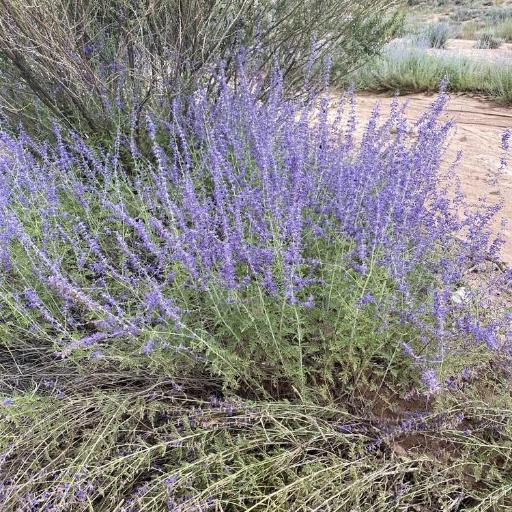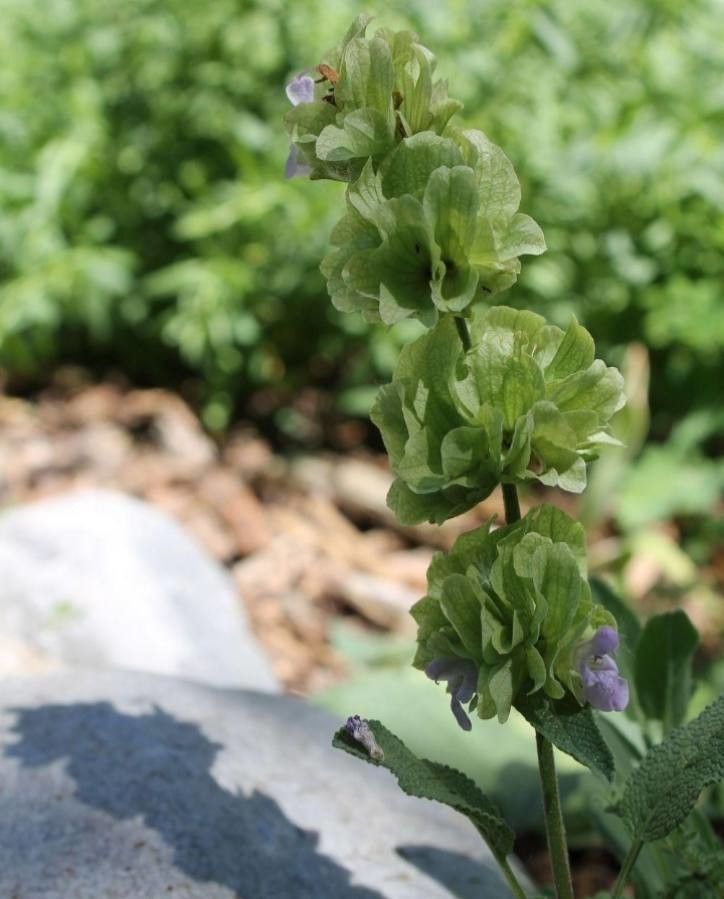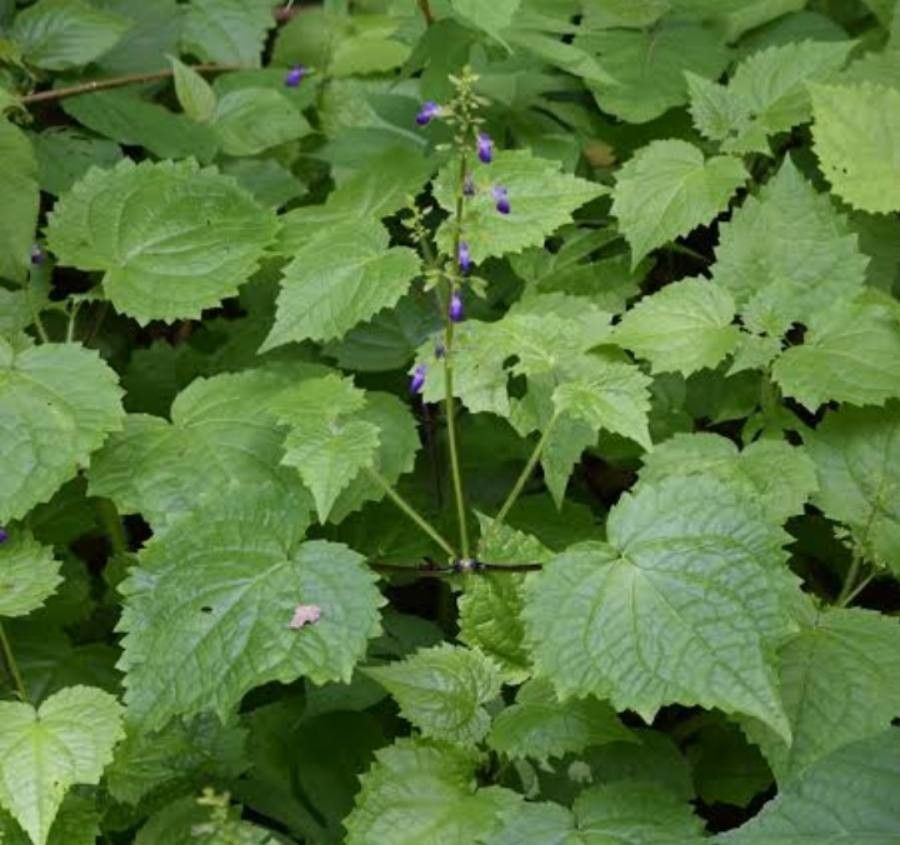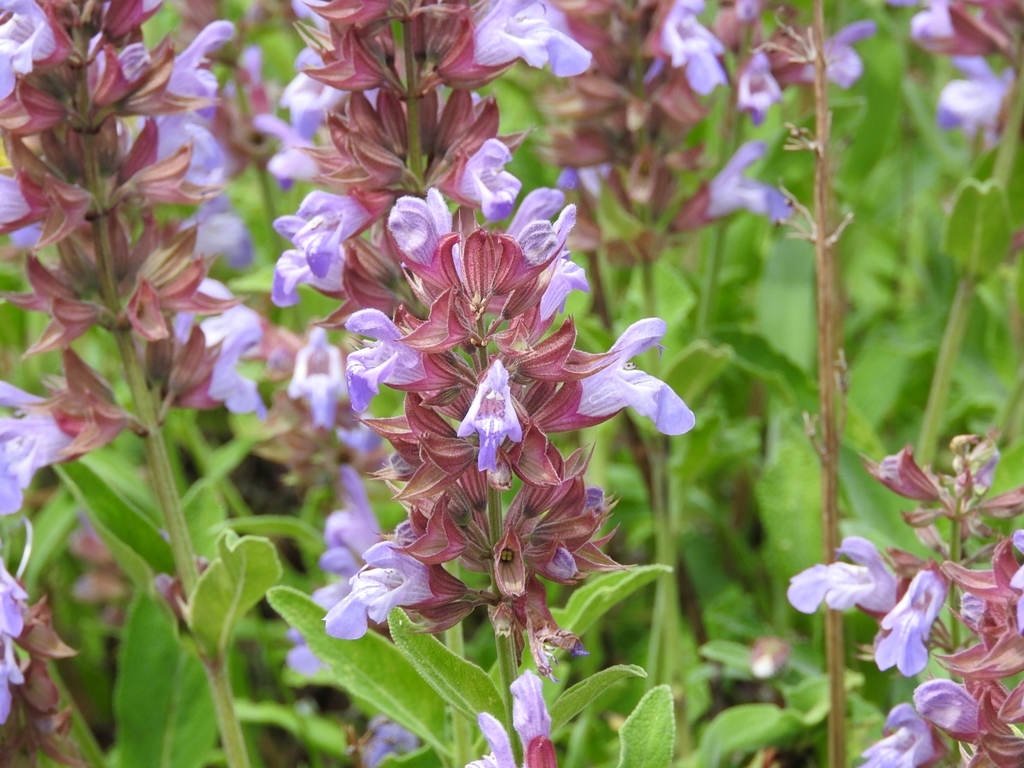
Salvia, commonly known as sage, is a genus of plants that belongs to the mint family, Lamiaceae. With over 900 species, most of which are native to Central and South America, Salvia boasts a rich history of both medicinal and culinary use. Some species are even known for their psychoactive properties.
Typically, Salvia plants are herbaceous perennials or shrubs featuring square stems and opposite leaves that are often aromatic. The flowers vary in color, ranging from blue and purple to pink and white, depending on the species.
Salvia is celebrated for its medicinal properties, including anti-inflammatory effects and relief from anxiety, depression, and digestive issues. The plant also contains antioxidants that help reduce oxidative stress in the body.
Beyond its medicinal uses, Salvia is also valued in the culinary world. Its strong flavor makes it a popular seasoning for meats and vegetables, whether used fresh or dried.
Overall, Salvia is an important herbaceous perennial with numerous health benefits and a long history of use. Its versatility and effectiveness make it a valuable addition to gardens worldwide.
Common sage is largely disease-resistant and generally not prone to illnesses. However, if light and ventilation are poor and watering is excessive, it can develop leaf spots. Its care level is considered easy because it only needs regular watering and little other attention. Common sage is well suited to people who lack the time and energy to devote to routine care.
How to keep Salvia Officinalis.
Light
Common sage grows best with abundant sunlight but can also cope with somewhat less. Its native habitat is characterized by plenty of sun. However, both extreme scarcity and excess can be harmful, adversely affecting its healthy growth.
Water
Common sage, which is native to the Mediterranean region, thrives in dry, rocky soils and is drought-tolerant. To care for it, water the plant weekly, but avoid overwatering. As an evergreen perennial herb, common sage requires less water during its dormant period in colder months. This makes it ideal for outdoor growth, where it can benefit from natural rainfall.
Humidity
This plant will thrive in moderate humidity, which is probably the level in your home. However, misting it a few times a week can be very beneficial. Make sure the room has good ventilation.
Temperature
Common sage prefers a native growing environment with moderate temperatures of 10 to 35 ℃ (50 to 95 ℉). It can tolerate cooler temperatures in autumn and winter, with a preferred range between 5 and 10 ℃ (41 to 50 ℉). In spring and summer it can handle temperatures up to 35 ℃ (95 ℉).
Fertilizer
The best time to fertilize Common sage is in early spring, as it comes out of dormancy and begins active growth. Fertilizing supplies essential nutrients needed for healthy development. While Common sage doesn't require much fertilizer, applying it annually can help its survival and encourage better, longer-lasting flowers.
Pruning
Common sage is an aromatic, woody perennial that is prized for its culinary and medicinal uses. To maintain its shape, prune the plant from early spring to late winter, cutting back about one-third of its growth. Be cautious not to prune heavily in late summer, as this can affect the blooms. Regular pruning improves air circulation, reduces the risk of disease, and increases the plant's vigor.
Pot & Repot
When repotting Common sage, select a pot 1–2 inches (2.5–5.1 cm) larger that has good drainage. Use a well-draining potting mix. Repot in spring or fall, placing the root ball slightly lower than the rim of the flower pot. Water thoroughly after repotting and set it in a warm spot with indirect sunlight.
Toxicity
When ingested in large quantities, culinary sage can be toxic to both people and pets. The plant contains a compound called thujone. Taking in a large dose of thujone can result in seizures, liver damage, and damage to the nervous system.
Further reading →
The toxicity and danger assessments provided are for reference only. We do not assure their accuracy, so it's crucial not to depend on them. Seek professional advice when necessary for accurate guidance.
Botanical profile.
- Plant Type
- Herb
- Life Cycle
- Perennial
- Genus
- Salvia
- Family
- Lamiaceae
- Hardiness Zone
- 6-9
- Mature Height
- 30 cm to 91 cm
- Mature Spread
- 61 cm
- Leaf Color
- Green, Gray, Silver, Yellow, Purple
- Leaf Type
- Evergreen
- Flower Color
- Purple, Lavender
- Flower Size
- 2.54 cm to 7.62 cm
- Bloom Time
- Late spring, Early summer
- Planting Time
- Spring
- Harvest Time
- Mid summer
- Native Area
- Mediterranean
Other names.
Reader questions.
When should I water my Common Sage?
Common Sage should be watered when the top 1 to 2 inches of soil around its base feel dry to the touch. Pay attention to the plant's leaves; if they appear wilted or start losing their vibrant color, this may indicate the need for watering. It's especially crucial to water during the pre-flowering stage to prevent bud drop. Conditions such as high temperatures and intense sunlight exposure increase the plant's water needs, so more frequent watering may be necessary. However, avoid watering too early when the soil is still moist to prevent root diseases, and beware of watering too late as prolonged dryness can harm the plant.
Why should I use fertilizer on my Common sage plant?
Fertilization is important for the Common sage because it provides essential nutrients for the plant's growth both above and below ground. Although the Common sage has relatively low fertilization requirements and can survive without it, annual fertilization can greatly benefit the plant. It helps to maintain the plant's health and may also promote the production of better quality and longer-lasting flowers. Therefore, those looking to ensure their Common sage looks its best should consider annual fertilization.
What are the sunlight requirements for common sage?
Common sage thrives best with plentiful exposure to sunlight, ideally thriving in full sun conditions, which means it requires above 6 hours of sunlight daily. It can also manage well in partial sun, with about 3-6 hours of sunlight. However, both extreme lack of sunlight or overabundance can negatively influence its healthy growth. Choosing the right spot in your garden that provides a balance of light and shade, as observed throughout the day, ensures the happiness and health of your common sage.
What are the ideal temperature ranges for common sage?
Common sage, or Salvia officinalis, thrives best in moderate temperature ranges between 10 to 35°C (50 to 95°F). It can adjust to cooler temperatures during autumn and winter, preferring temperatures between 5 to 10°C (41 to 50°F). In spring and summer, it can adapt to higher temperatures, with a maximum tolerance of 35°C (95°F).
How should I water my Common Sage?
Watering Common Sage efficiently involves using a watering can with a fine, narrow spout to direct water towards the base of the plant, avoiding the foliage to minimize disease risks. Check the soil's moisture with your finger or a moisture meter; once the top inch feels dry, it's time to water deeply to ensure the roots receive adequate moisture, keeping in mind that the soil shouldn't be allowed to dry out completely between watering sessions. Utilize rainwater or distilled water when possible, as these are healthier choices for Common Sage. Always aim to water early in the morning to allow any accidental splashes on the leaves to dry out over the course of the day.
When should I fertilize my Common sage for the best results?
The best time to fertilize a Common sage is in late winter to early spring. This is when the plant is coming out of dormancy and entering a phase of active growth. Fertilizing at this time promotes healthy growth and helps the plant start the season off well. While early spring is generally the most optimal time, it is also acceptable to fertilize in the fall. However, it is not recommended to fertilize the Common sage during summer or winter.
How can artificial lighting be used for common sage?
When natural sunlight is insufficient, especially during winter or in less sunny spaces, artificial lighting serves as an essential solution for maintaining the health and growth of indoor common sage plants. LED lights are recommended due to their customizable wavelengths suited to plant needs. Full sun plants require 30-50 W/sq ft, partial sun plants need 20-30 W/sq ft, and full shade plants need 10-20 W/sq ft of artificial light. The light source should be placed 12-36 inches above the plant, mimicking the length of natural daylight hours, usually 8-12 hours per day, to promote optimal growth.
Does common sage require special frost protection measures during winter?
Common sage has strong cold resistance and usually does not require special frost protection measures during winter. However, if winter temperatures are expected to drop below -25°C, providing cold protection is important. This can be done by covering the plant with soil or straw. It's also recommended to water the plant abundantly before the first freeze in autumn, ensuring the soil remains moist and enters a frozen state to help prevent drought and water scarcity.
How much water does Common Sage really need?
The required water amount for Common Sage varies depending on factors like pot size, root depth, and plant size. Ensure the soil is deep enough to accommodate the plant's shallow root system. Generally, water when the top inch of soil feels dry. A well-watered sage will have upright stems and vibrant leaves. Signs of overwatering include yellowing leaves, mushy stems, and an unpleasant smell from the soil, while underwatered plants show wilting, drooping, and possibly yellowed leaves. Maintaining a balance between these extremes is crucial for healthy growth.
When is it best not to put fertilizer on my Common sage plant?
To avoid overfertilization and its complications, it is best to only fertilize your Common sage during late winter and early spring. This plant has low fertilization needs, so a single annual feeding is sufficient. However, if you didn't fertilize in spring, you can also feed it in fall. During most of the growing season, refrain from fertilizing. Also, there is no need to fertilize during the winter when the Common sage is in a dormant phase and not experiencing new growth.
What are the symptoms of inadequate light exposure in common sage?
Common sage shows various symptoms when exposed to inadequate light. These include smaller new leaves compared to mature ones, leggy or sparse growth leading to a thin appearance, faster leaf drop, slower or halted new growth, and the development of lighter-colored or pale new leaves. Chlorosis, sunscald, leaf curling, wilting, and leaf scorching are also significant symptoms, indicating either excessive sunlight exposure or the lack thereof, which can greatly affect the plant's ability to thrive.
How does common sage react to low temperatures?
Common sage is cold-tolerant and performs best when temperatures are above 10°C. During winter, it should ideally be kept above -15°C. Temperatures falling below -25°C may not show visible changes during winter, but may lead to a decreased sprouting or no sprouting at all during springtime. In such cases, it is advised to remove any parts of the plant that have failed to sprout come spring.