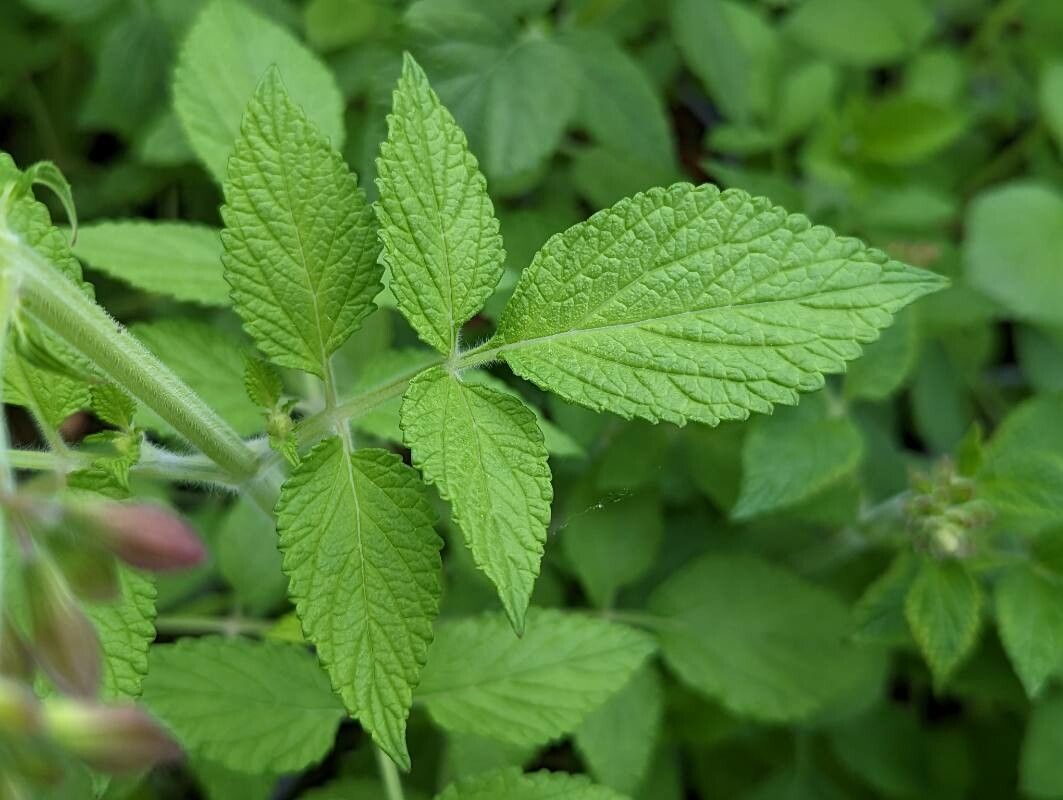
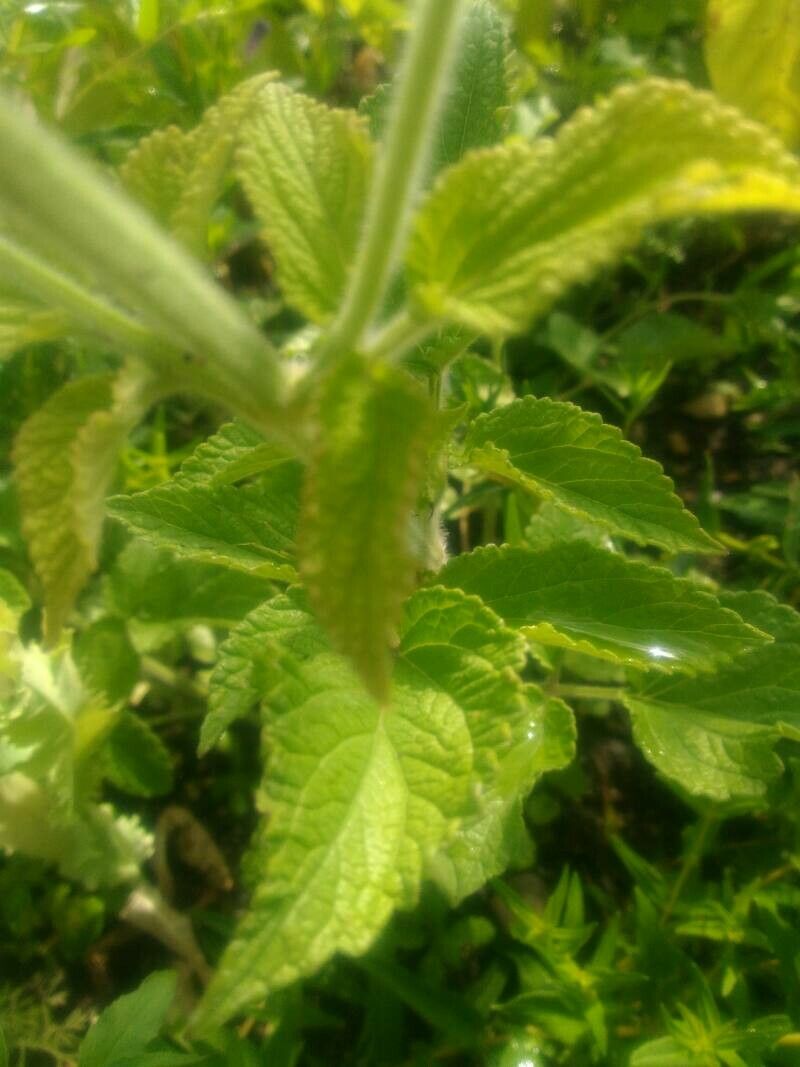
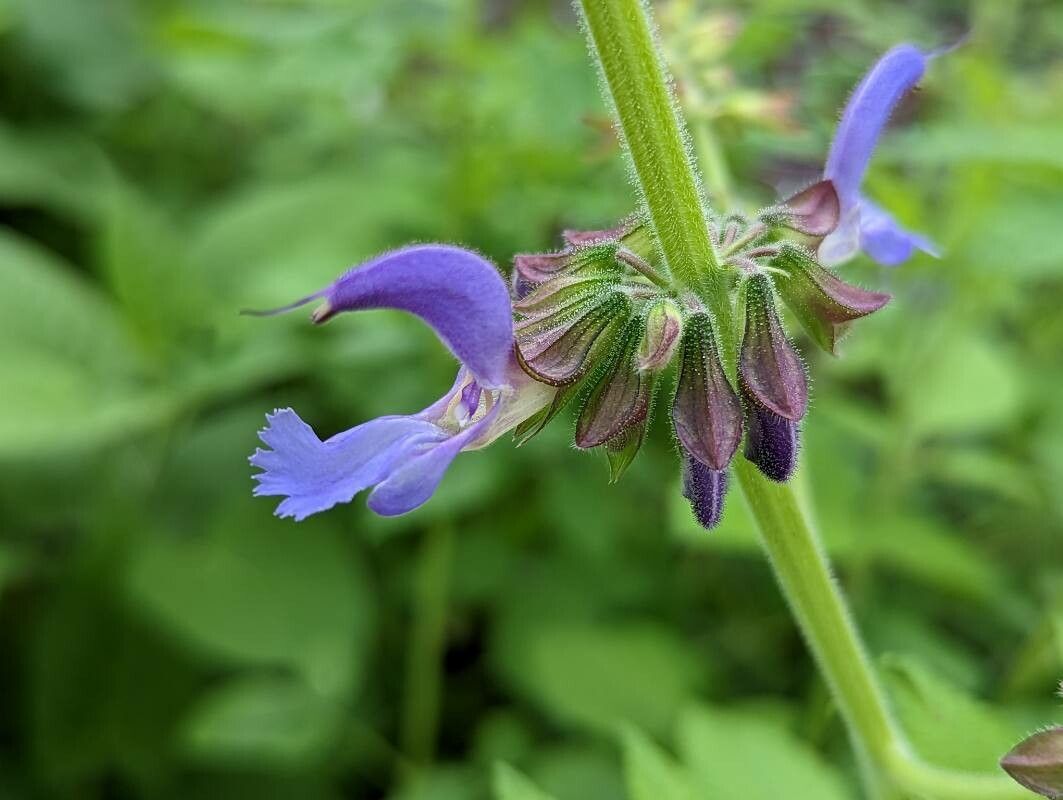
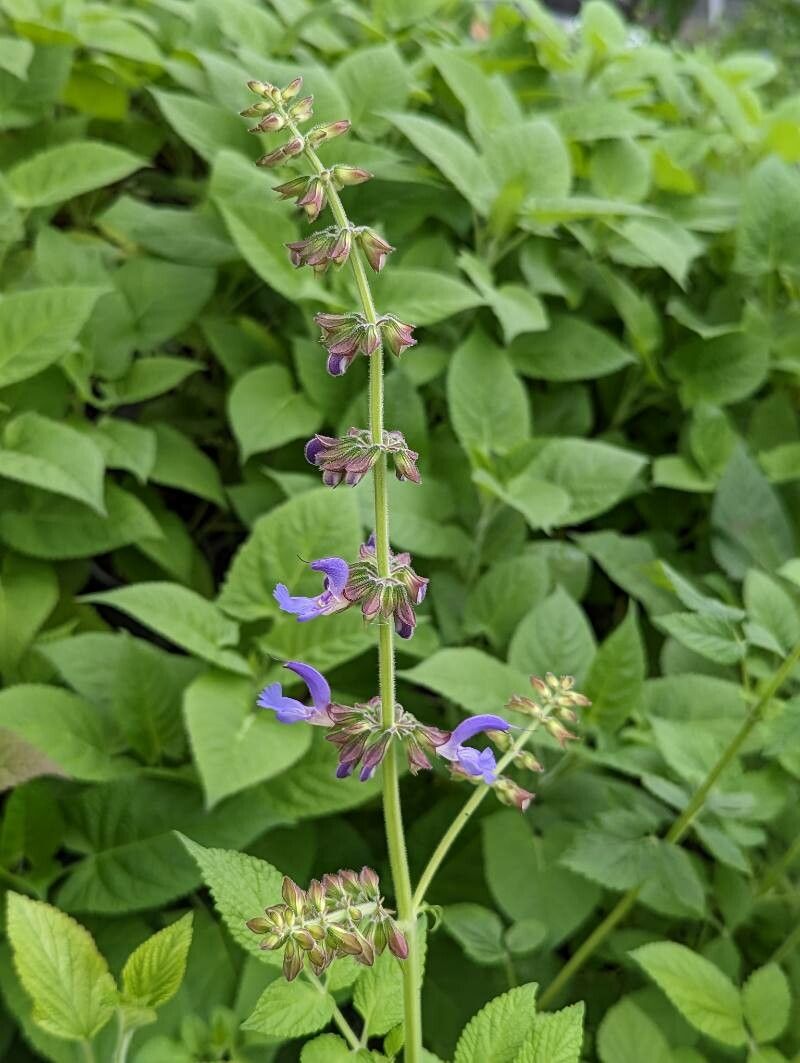
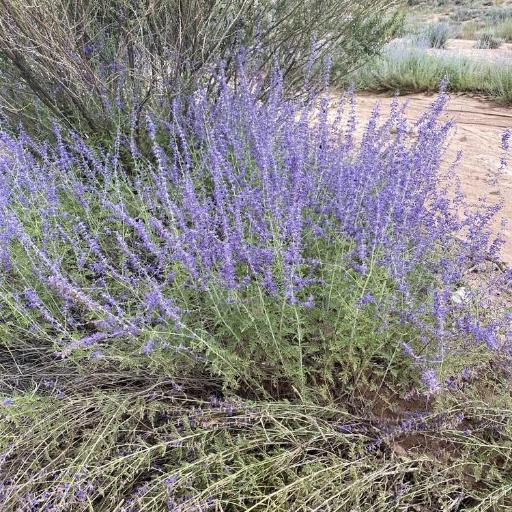
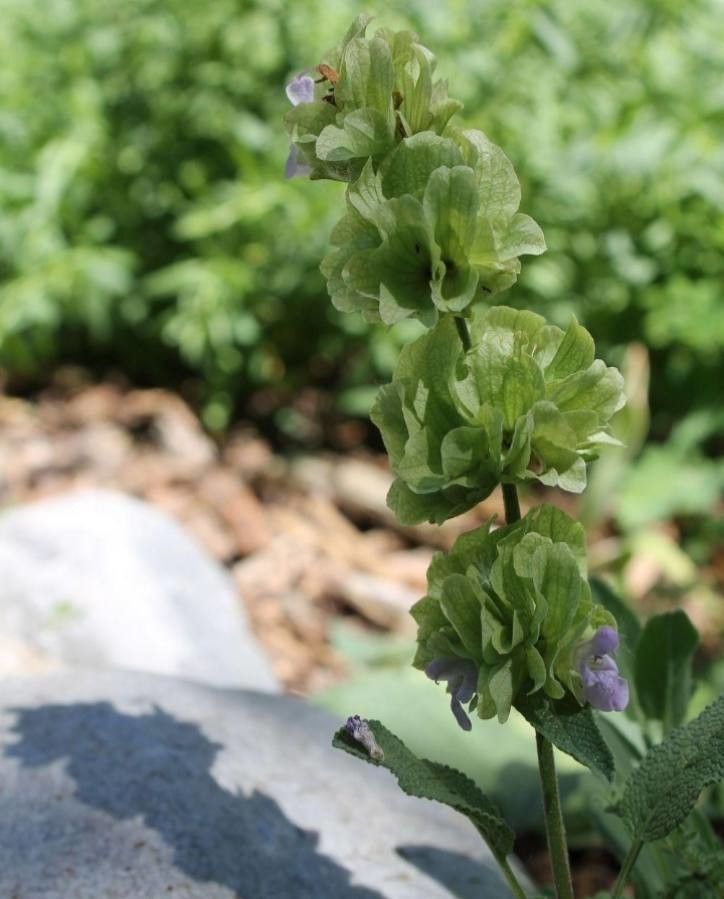
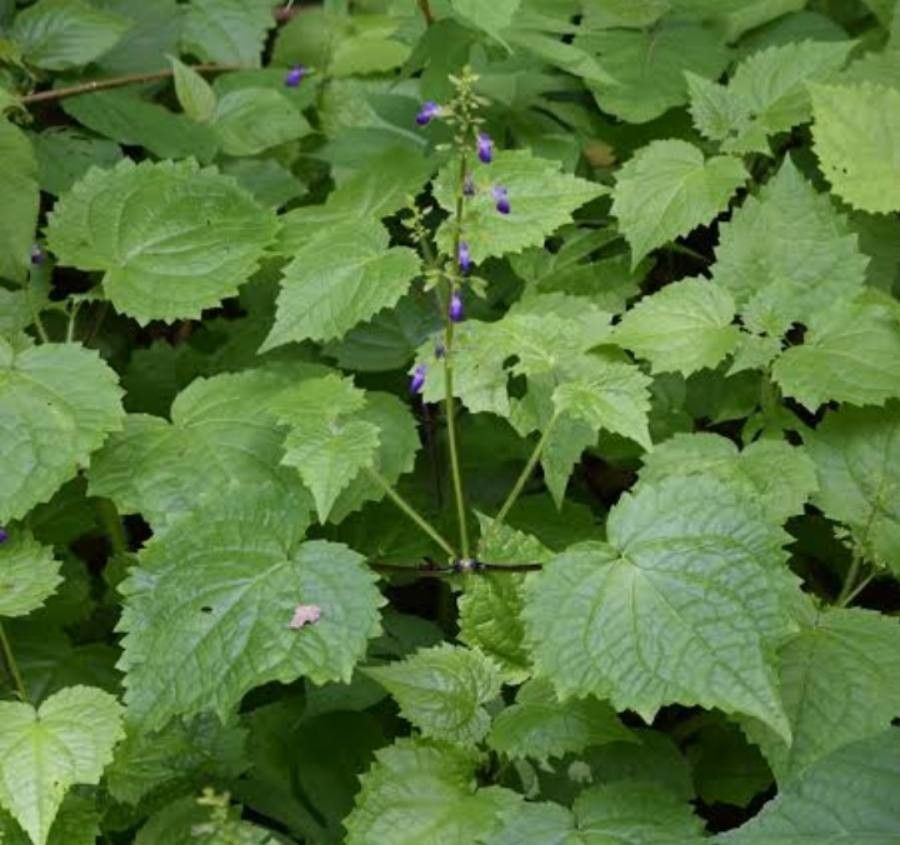
Salvia miltiorrhiza, also known as red sage, redroot sage, Chinese sage, or danshen, is a perennial plant in the family Lamiaceae, highly valued for its roots in traditional Chinese medicine. Native to China and Japan, it grows at 90 to 1,200 m elevation, preferring grassy places in forests, hillsides, and along stream banks. The specific epithet miltiorrhiza means "red ochre root".
Chinese sage has strong disease resistance and is generally unlikely to suffer from illnesses. Nevertheless, it can be affected by pests and diseases present in its environment. These problems are typically not serious. For care, this plant needs moderate maintenance. It requires regular pruning to preserve a neat appearance and healthy growth. Fertilizing can also encourage flowering. Chinese sage is suitable for anyone with outdoor space, such as a garden or patio, and does not demand extensive gardening experience. When grown indoors, it may need extra care.
How to keep Salvia Miltiorrhiza.
Light
Originating in regions with plentiful light, chinese sage does best in spots that receive abundant sunlight. It can tolerate light shade but needs strong light for optimal growth. Every stage of its development benefits from generous sun. Too much or too little exposure can negatively influence its growth and vigor.
Water
Chinese sage, originally from East Asia, grows best in well-drained soils with moderate moisture. It requires regular watering, ideally once a week, to maintain consistent hydration. As an herbaceous perennial, Chinese sage thrives when supplemented with rainwater during its active growing season, reflecting its natural water needs.
Temperature
Chinese sage is native to areas where the climate ranges from 59 to 95 °F (15 to 35 ℃). It grows best in these warm temperatures and may require temperature adjustments in different seasons to replicate its native conditions.
Fertilizer
The best time to fertilize Chinese sage is in early spring, as it comes out of dormancy and begins active growth. Fertilizer supplies the essential nutrients needed for healthy development. While Chinese sage has fairly low fertilizer requirements, giving it fertilizer once a year can improve its survival and encourage better, longer-lasting flowers.
Pruning
Chinese sage, a perennial herb, is appreciated for its medicinal qualities and vibrant blue or purple flowers. To encourage new growth, improve air circulation, and minimize the risk of disease, prune the plant from early to late spring. Regular pruning also boosts flowering and helps maintain the plant's shape.
Pot & Repot
To thrive and prevent root rot, Chinese sage needs excellent drainage when planted in pots.
Botanical profile.
- Plant Type
- Herb
- Life Cycle
- Perennial
- Genus
- Salvia
- Family
- Lamiaceae
- Hardiness Zone
- 7-9
- Mature Height
- 61 cm
- Mature Spread
- 61 cm
- Leaf Color
- Dark Green
- Leaf Type
- Deciduous
- Flower Color
- Purple
- Flower Size
- 30.48 cm
- Bloom Time
- Early summer, Mid summer
- Planting Time
- Spring
- Harvest Time
- Late summer, Early fall
- Native Area
- Vietnam, China
Other names.