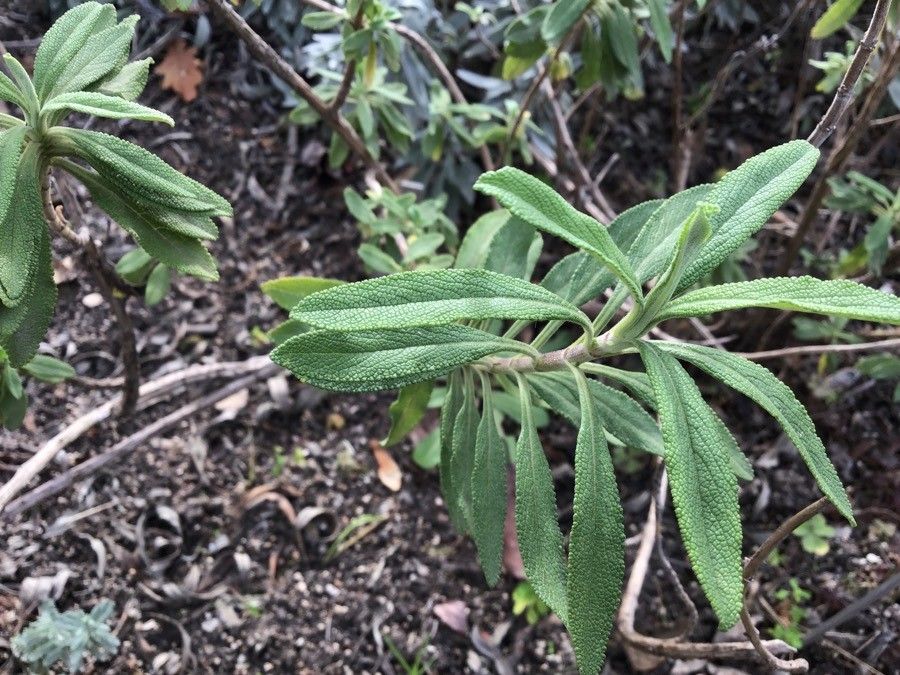
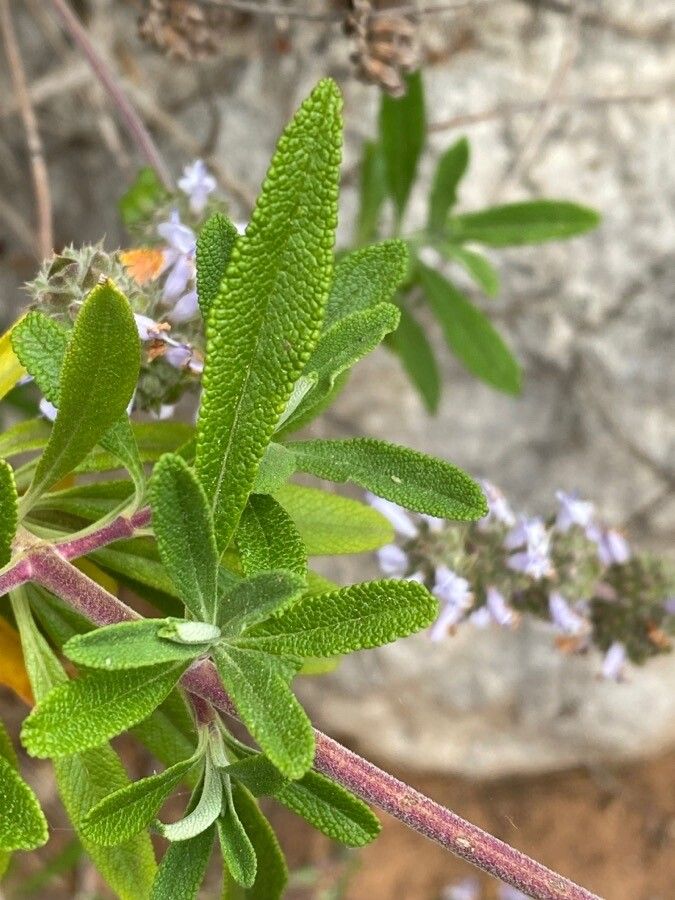
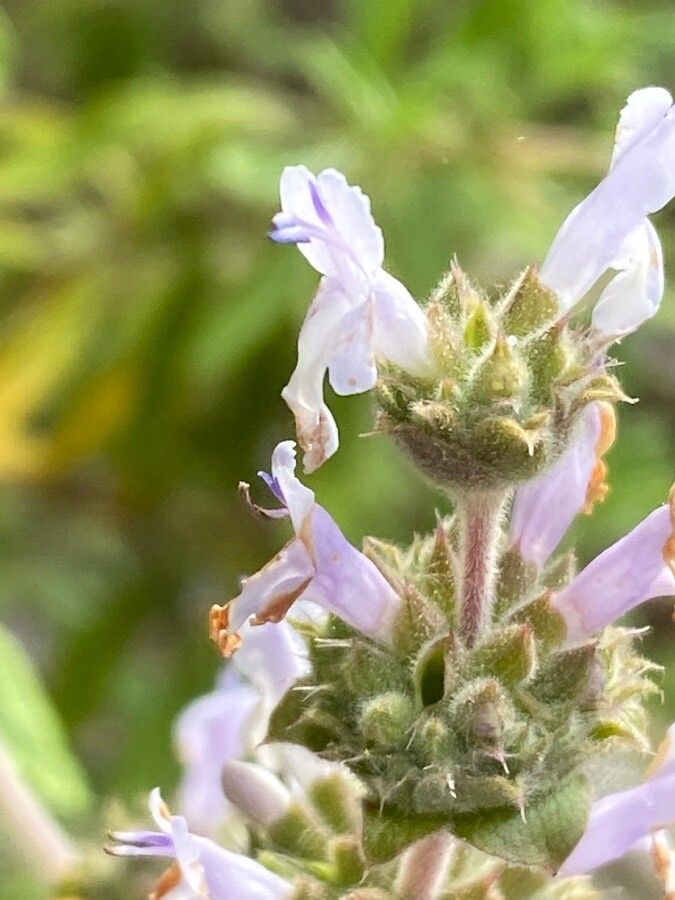
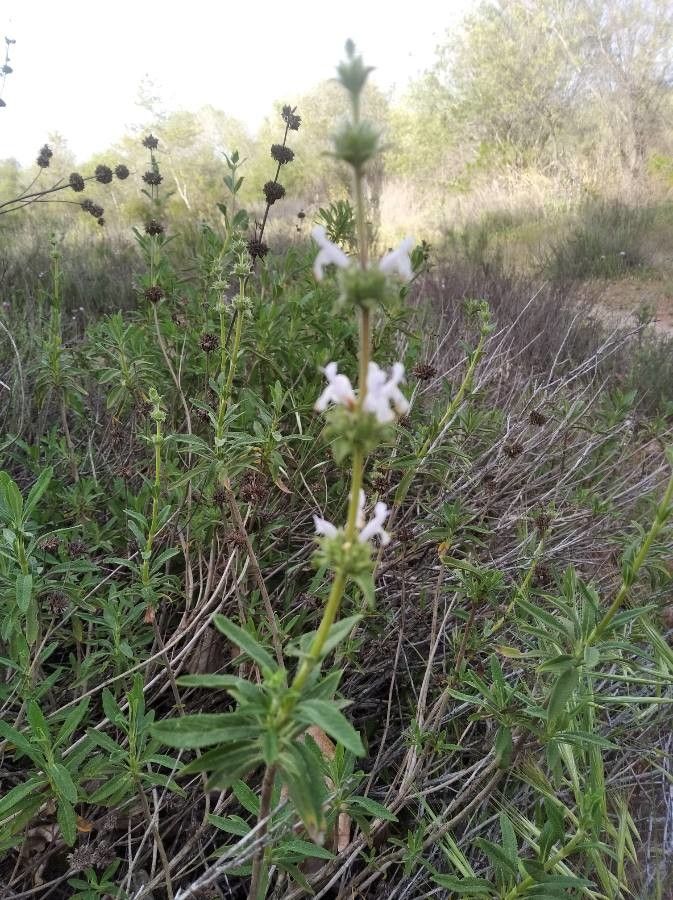
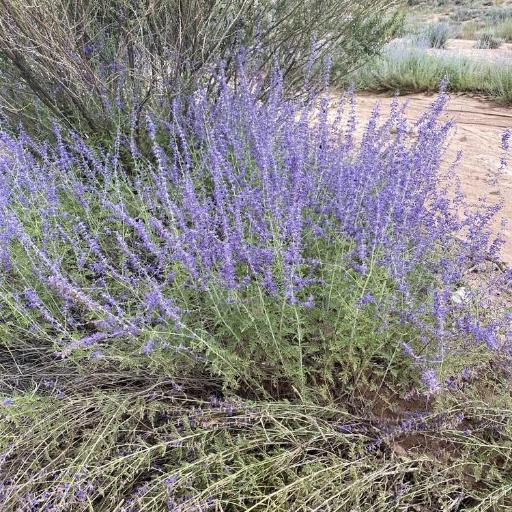
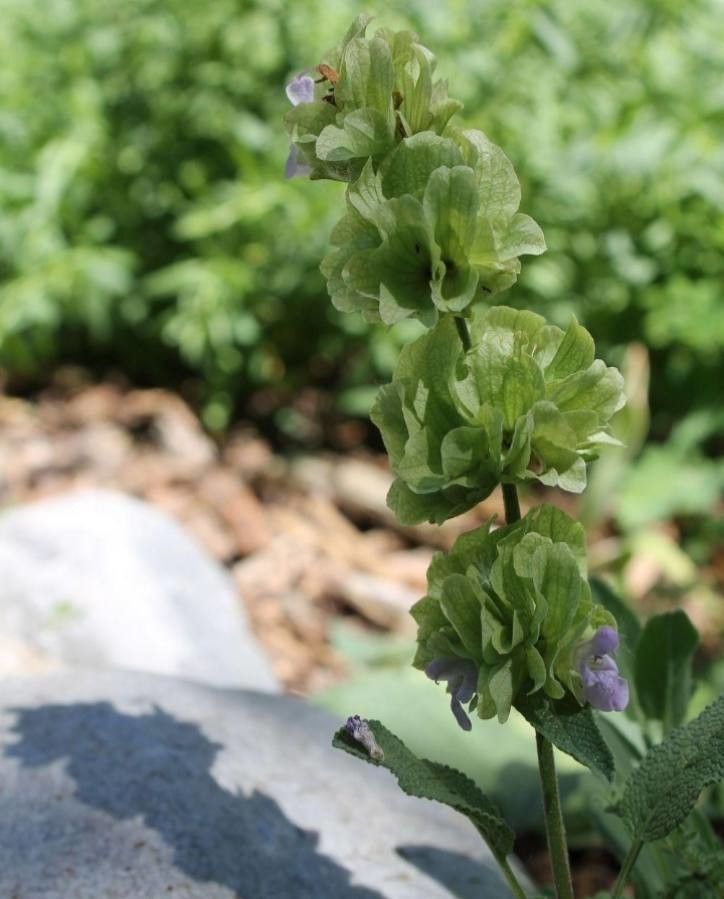
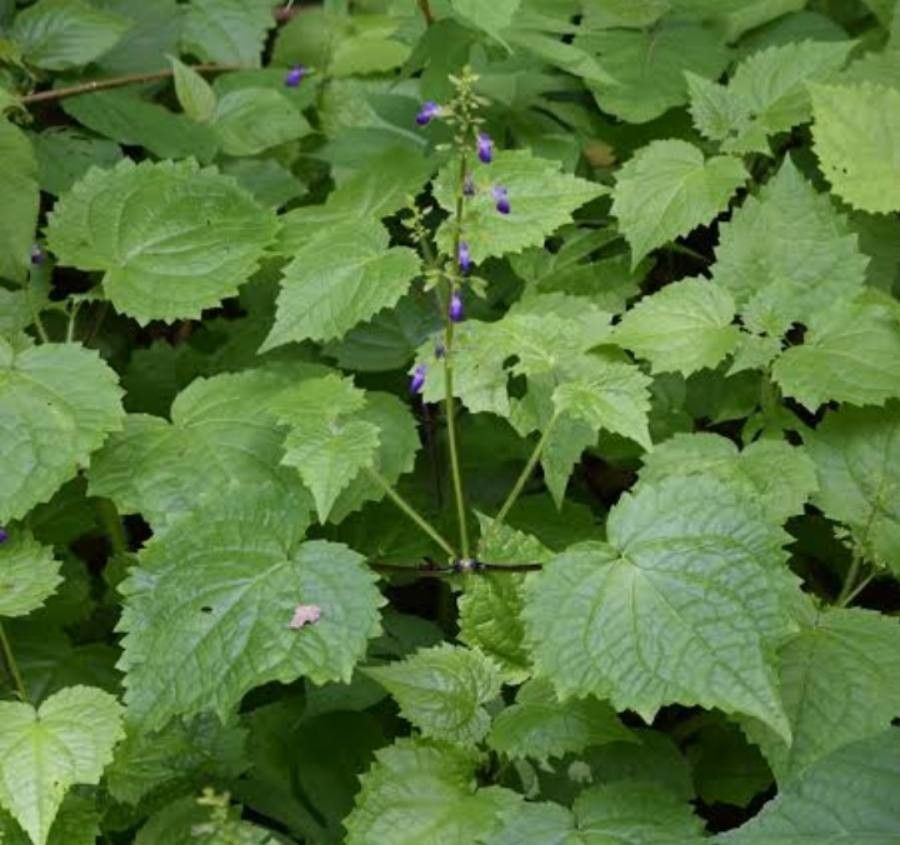
Salvia mellifera, commonly known as black sage, is a perennial shrub native to California and Baja California. Belonging to the Lamiaceae family, this plant can grow up to 6 feet tall. It features dark green, aromatic leaves, which release their scent when crushed, and produces small purple-blue flowers in the spring.
Black sage is vital in its native habitat as it provides nourishment for pollinators like bees and butterflies. Additionally, it holds medicinal properties and has been traditionally used by indigenous peoples to treat various ailments such as sore throats, colds, headaches, and respiratory issues.
The plant thrives in well-drained soil under full sun or partial shade but is adaptable to a variety of soil types. Although drought-tolerant once established, it benefits from occasional watering during dry spells.
In landscaping, black sage is valued for its attractive foliage and flowers. It can also be planted in natural areas to support local wildlife populations. However, it is important to note that the plant contains compounds that are toxic if ingested by humans or animals.
Overall, Salvia mellifera is an ecologically significant species in its native California and Baja California habitats. It also boasts a long history of medicinal use among indigenous communities in the region.
Black sage resists disease well and is typically not vulnerable to illnesses. Regarding maintenance, this plant is fairly low-maintenance. Planted outdoors, it needs little watering, and larger plants usually do not require pruning. Smaller plants, however, should be pruned after they have bloomed. Black saget is appropriate for anyone with an outdoor area, such as a garden or deck, and does not demand much care experience.
How to keep Salvia Mellifera.
Light
Black sage does best under a sky that provides plentiful light throughout the day. In its native habitat, it has adapted to strong, unfiltered sunlight for optimal growth. Too little light can result in stunted development, while too much can scorch the leaves. At all growth stages, it consistently prefers exposure to clear, unobstructed skies.
Water
Originating from the dry regions of California, black sage is a resilient plant that thrives with minimal moisture, requiring only weekly watering. Its drought tolerance makes it an excellent choice for xeriscaping. As an evergreen shrub, it benefits from occasional deep watering during its growth phase, which helps enhance root development and improve drought resistance.
Temperature
Black sage is native to habitats where temperatures typically range from 59 to 95 °F (15 to 35 °C). It strongly favors moderate temperatures, so adjustments to growing conditions may be necessary if temperatures exceed that range.
Fertilizer
Timing is essential when fertilizing Black sage. Start fertilizing in early spring and continue once a month until early summer. Fertilizer promotes lovely blooms and supplies energy during both dormant and active growth phases.
Pruning
Black sage is known for its aromatic, drought-tolerant foliage and delicate pale purple flowers. To encourage optimal growth and maintain a tidy appearance, prune the plant in late spring after it has finished flowering. Pay particular attention to trimming overgrown stems to enhance airflow. Pruning offers several benefits, such as improved aesthetics, better flowering, and controlled plant size. For detailed pruning techniques, consult reputable sources.
Pot & Repot
Black sage is a drought-tolerant shrub that typically grows to a height of 1 to 2 meters. Repot it every two years in early spring, using a wide and shallow container. After repotting, water the plant sparingly and ensure it receives full sun exposure. This will help maintain its hardiness and encourage robust growth.
Botanical profile.
- Plant Type
- Shrub
- Life Cycle
- Perennial
- Genus
- Salvia
- Family
- Lamiaceae
- Hardiness Zone
- 7-10
- Mature Height
- 0.91 m to 2.13 m
- Mature Spread
- 1.22 m
- Leaf Color
- Green
- Leaf Type
- Evergreen
- Flower Color
- Lavender
- Flower Size
- 1.52 cm to 4.06 cm
- Bloom Time
- Mid spring, Late spring, Early summer, Mid summer
- Planting Time
- Spring, Autumn
- Harvest Time
- Mid summer, Late summer, Fall
- Native Area
- Mexico
Other names.
Reader questions.
How should I water my Black sage plant in the best way?
Your Black sage is not picky when it comes to watering. You can use any common watering tool like a watering can, hose, or even a cup to moisten the soil. It's best to water directly onto the soil and make sure all areas are evenly moistened to provide water to the entire root system. Filtering the water is a good idea to remove harmful particles, as tap water may contain them. Also, using water that is at or slightly above room temperature is ideal as very cold or hot water can shock the Black sage. However, the Black sage generally responds well to any kind of water you give it.
Why is it important to fertilize my Black sage?
To help your Black sage thrive and produce beautiful blooms, it's important to fertilize it. Fertilizing in early spring is particularly beneficial, as it ensures excellent flowers during that season. Additionally, fertilizer provides the Black sage with extra energy that can be stored in the ground during its dormant growth phases. By providing extra nutrients during fall planting or late spring, you can help the Black sage store more energy to use when active growth resumes.
What are the sunlight requirements for Black sage (Salvia mellifera)?
Black sage, also known as Salvia mellifera, thrives best in full sun, requiring more than 6 hours of sunlight daily for optimal growth. It's essential to observe how sunlight moves through your garden to find spots that offer a perfect balance of light and shade for the plants. In its native habitats, Black sage has adapted to robust, unobstructed rays throughout the day. Both lack and excess of sunlight could lead to stunted growth or leaf scorching, respectively. It maintains a consistent need for clear sky exposure at different stages of growth.
What is the native environment of Black Sage?
Black Sage, botanically known as Salvia mellifera, is native to environments with moderate temperatures, thriving in a range of 59 to 95 °F (15 to 35 °C). It is well-suited to conditions where such temperatures are consistent, indicating a preference for environments that do not experience extreme heat or cold. Adjustment of growing conditions may be necessary to replicate this climate if temperatures exceed this preferred range.
What should I do if I give my Black sage too much water or too little water?
Outdoor plants, especially newly planted ones or seedlings, are susceptible to not being watered enough. It is important to continue watering adequately for a few months when the tree is small or recently planted. Once the roots are established, Black sage can usually rely on rainwater. When Black sage is planted in pots, overwatering is more likely. If you accidentally overwater your Black sage, there are steps you can take to fix the situation. First, stop watering the plant immediately to minimize the impact of overwatering. Then, remove the Black sage from its pot to check the roots. If there are no signs of root rot, you can return the plant to the container. However, if there is root rot, trim any affected roots and consider applying a fungicide to prevent further damage. Finally, repot the Black sage in well-draining soil. In the case of underwatering, simply water the plant more frequently. Underwatering is often easily resolved. If the plant's leaves droop, dry out, and fall off, watering it adequately will quickly restore the leaves' fullness. Make sure to adjust your watering frequency as soon as you notice underwatering.
When should I fertilize my Black sage plant?
Timing is important for fertilizing Black sage. If you apply fertilizer too early while the Black sage is still dormant, it won't work effectively and will be washed away by rainwater, leading to waste and pollution. To avoid this, the first application of fertilizer should be done in the early spring, and then continue fertilizing once a month until early summer.
How can artificial lighting supplement natural sunlight for Black sage?
When natural sunlight is insufficient, particularly in winter or in less sunny spaces, artificial lighting can be a vital solution for Black sage’s growth. Indoor plants require adequate lighting to promote faster, healthier growth. LED lights are recommended because they can be customized to provide specific wavelengths needed by the plant. Full sun plants need 30-50W/sq ft of artificial light, partial sun plants need 20-30W/sq ft, and full shade plants need 10-20W/sq ft. The light source should be placed 12-36 inches above the plant to mimic natural sunlight, and most plants need 8-12 hours of light per day.
Does Black Sage require special frost protection?
Black Sage possesses strong cold resistance, meaning special frost protection measures are typically not needed during the winter months. However, in regions where winter temperatures are anticipated to drop below -15°C, it's important to provide some form of cold protection. This can be achieved by wrapping the trunk and branches with insulating materials like non-woven fabric or cloth. Additionally, before the onset of the first freeze in autumn, it's recommended to water the plant generously. This ensures the soil stays moist and freezes, which helps in preventing drought and water scarcity for Black Sage during the winter and early spring periods.
How much should I water my Black sage?
Most outdoor plants can rely on rainfall for their watering needs. However, if your area doesn't receive enough rain, you should water your plants every 2 weeks in spring and fall, and more often in summer. In winter, when plants grow slower and need less water, you can water them less frequently or not at all. Young or newly planted Black sage plants should be watered more often to help them establish and become more adaptable to drought conditions. When it comes to potted plants, there are two main ways to determine watering frequency for your Black sage. The first is to follow a set schedule, watering once a week or every other week. However, this approach may not account for the specific growing conditions of your Black sage. Another option is to base your watering frequency on the moisture level of the soil. Wait until the top two to four inches of soil (about ⅓ to ½ depth of the pots) have completely dried out before watering again. This method allows you to adjust watering frequency based on the season, as the plant's water needs are highest during summer.
When is the wrong time to add fertilizer to my Black sage plant?
To avoid excessive leaf growth and inadequate blooming, it is important to avoid fertilizers high in nitrogen for Black Sage. Look for fertilizers with a lower nitrogen content compared to other nutrients. Additionally, refrain from fertilizing Black Sage after early autumn as it can promote excessive growth before winter. Similarly, avoid fertilization during hot and dry periods, as dry soil is less effective at delivering fertilizer and can trigger growth that requires more water, potentially causing a water shortage. It is advisable to use fertilizer earlier in the season when temperatures are cooler. Lastly, be cautious not to inadvertently provide Black Sage with a double dose of fertilizer by using nearby plants or lawns as a source.
What are the common symptoms of light deficiency or excess in Black sage?
Black sage may exhibit various symptoms in response to light deficiency or excess. Light deficiency can lead to small new leaves, leggy or sparse growth, faster leaf drop, slower or no new growth, lighter-colored new leaves, and symptoms of chlorosis. On the other hand, excessive sunlight exposure can cause sunscald, leaf curling, wilting, and leaf scorching. These symptoms indicate either a lack of or excess sunlight exposure, affecting the plant's health and ability to photosynthesize effectively.
How does Black Sage react to low temperatures?
Black Sage is cold-tolerant and fares best when temperatures remain above 15°C. Through the winter, maintaining a temperature above -10°C is ideal for its survival. If temperatures fall below -15°C, the plant may not show immediate distress during the winter, but come spring, the branches could become brittle and dry. In such cases, these branches may not produce new shoots, indicating a need for pruning to remove any dead branches that have failed to produce new leaves, ensuring the plant remains healthy and can continue to grow.