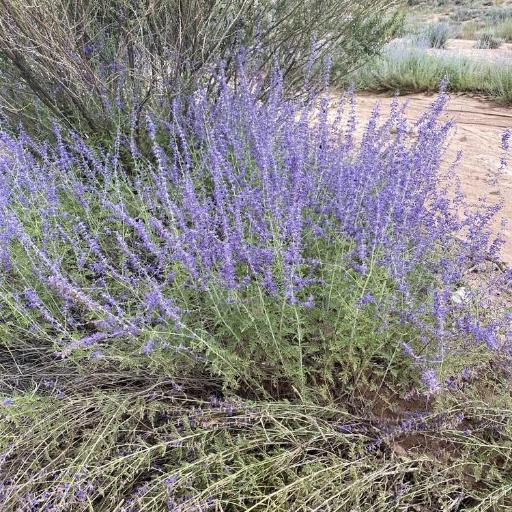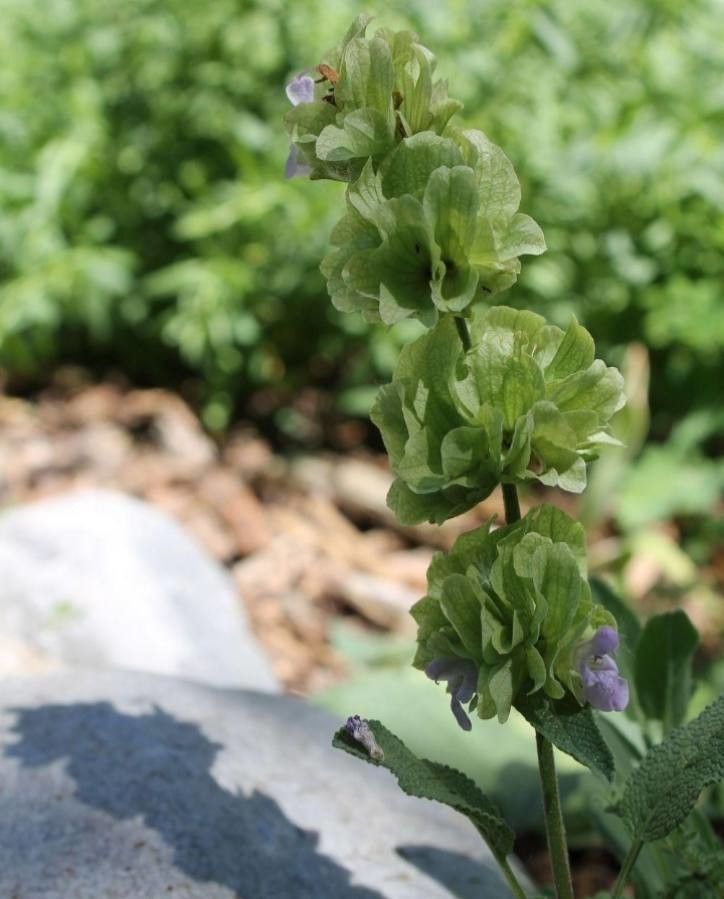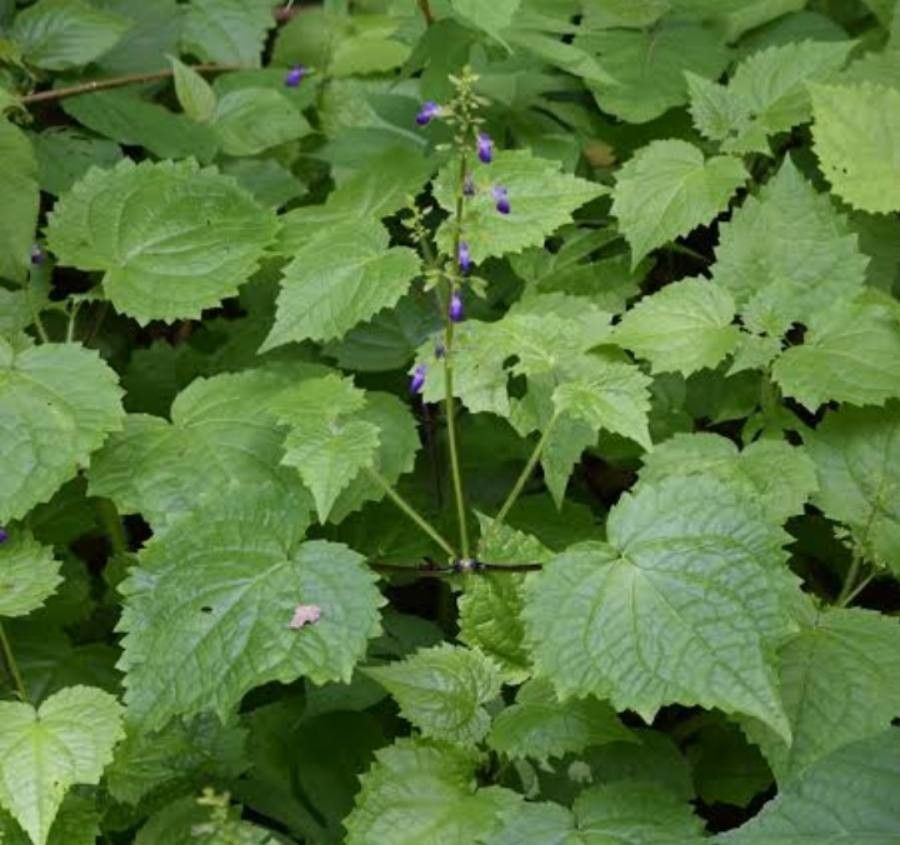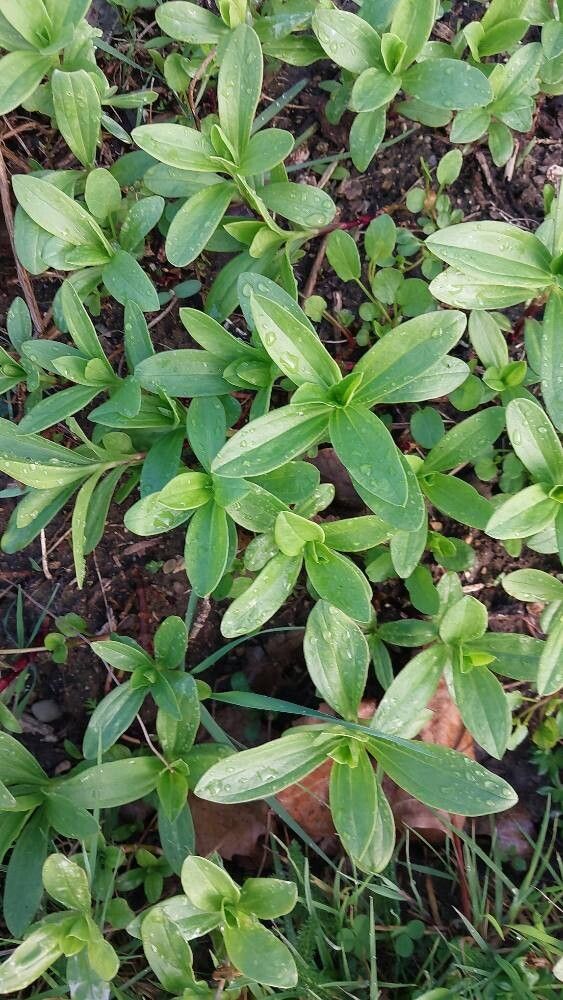
Salvia lycioides is a perennial native to a wide area ranging from west Texas and New Mexico in the U.S., south through Mexico to the state of San Luis Potosi. It typically grows on dry limestone hills and canyons above 5,000 feet elevation. It was named in 1886 by Asa Gray, the most respected American botanist of the 19th century. The specific epithet, "lycioides", from the Greek, is due to the plant's resemblance to Lycium, a genus also known as "boxthorn" in the nightshade family.
Canyon sage shows good resistance to disease and is generally not susceptible to illnesses. As for care, this plant is fairly low-maintenance. Planted outdoors it needs little watering, and larger plants typically do not require pruning. Smaller plants, however, should be pruned after they finish blooming. Canyon saget is appropriate for anyone with an outdoor space, such as a garden or a deck, and does not demand much prior care experience.
How to keep Salvia Lycioides.
Light
Sage from canyons primarily comes from areas with open exposure, like bright fields and the outskirts of forests, which provide abundant sunlight. It flourishes in direct sunlight but can equally withstand partial sun, demonstrating its adaptability to a range of sunlight circumstances.
Water
Drought-resistant varieties of canyon sage need very little water, except during dry spells when some watering may be necessary. On the other hand, tender varieties and young plants require regular watering—about 2.5 cm (1 inch) every 7 to 10 days—to ensure the soil does not completely dry out.
Temperature
Sage in the canyon shows impressive capability to adjust to diverse weather conditions, be it extremely hot summers or frosty winters. Nonetheless, there exists a perfect temperature range for its development. When the mercury soars to extremely high levels, the plant is susceptible to damage from heat and humidity, potentially leading to its death. In areas where the temperatures near the plant's minimum survival point, it's crucial to put insulating strategies into action to shield the plant.
Fertilizer
The timing for fertilizing Canyon sage is critical. Begin fertilisation in the early part of spring and continue on a monthly basis until the start of summer. Fertilizer aids in the production of beautiful flowers and supplies energy during both dormant and active growth periods.
Pruning
Canyon sage is drought-tolerant and has aromatic leaves. To maintain its health and appearance, it benefits from pruning in early spring. Begin by removing any dead branches, and then shape the plant to encourage bushier growth. Regular light trimming promotes the plant's overall health and results in vibrant blooms. However, avoid heavy pruning, as it can hinder flowering. Proper and timely pruning not only enhances the plant's aesthetics but also boosts its vitality.
Botanical profile.
- Plant Type
- Shrub
- Life Cycle
- Perennial
- Genus
- Salvia
- Family
- Lamiaceae
- Hardiness Zone
- 7-10
- Mature Height
- 30 cm to 91 cm
- Mature Spread
- 49 cm
- Leaf Color
- Green, Dark Green
- Leaf Type
- Deciduous
- Flower Color
- Purple
- Flower Size
- 1.02 cm to 2.03 cm
- Bloom Time
- Late spring, Summer
- Planting Time
- Spring, Summer, Autumn
- Harvest Time
- Late summer, Fall
- Native Area
- Mexico