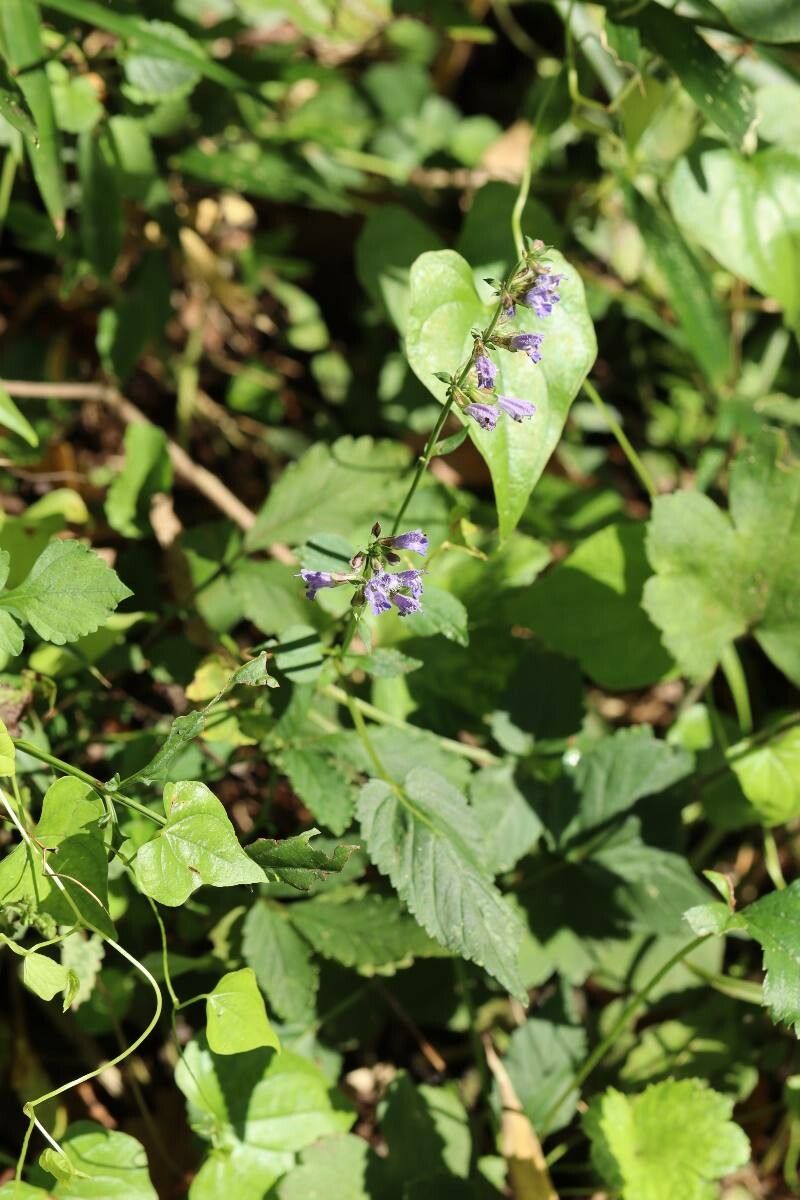
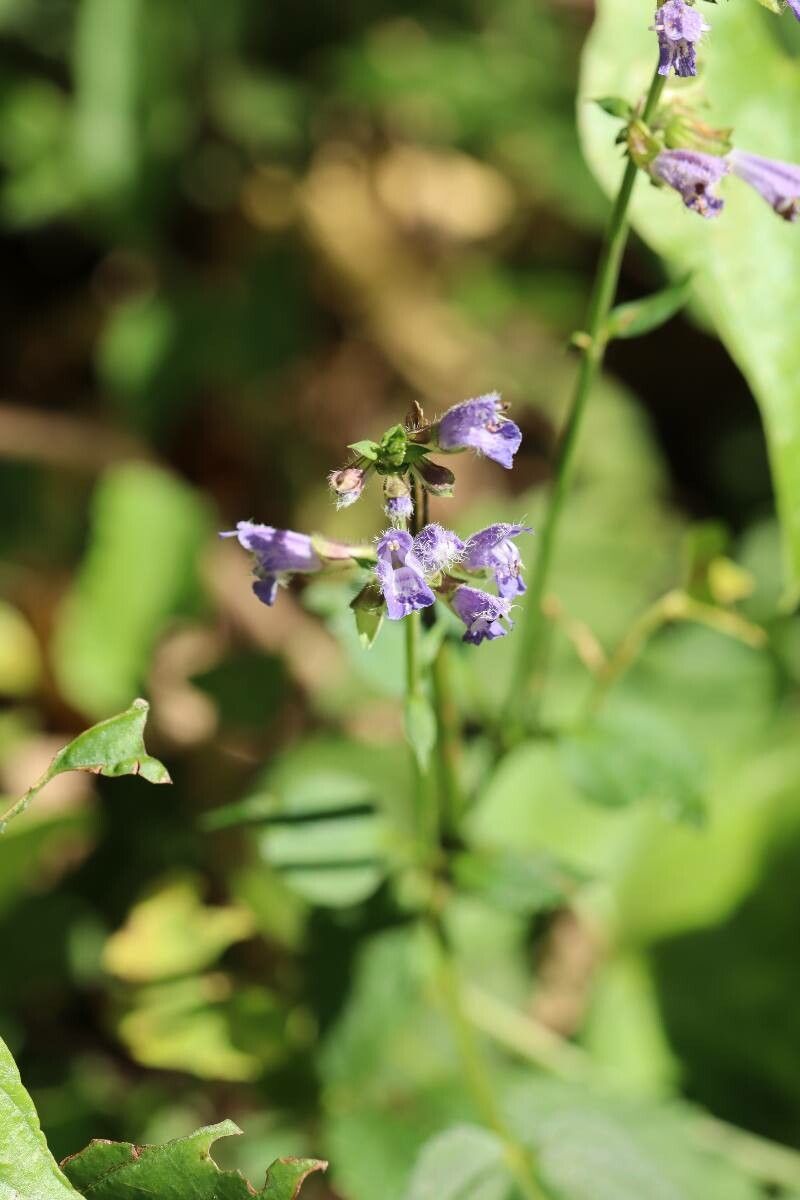
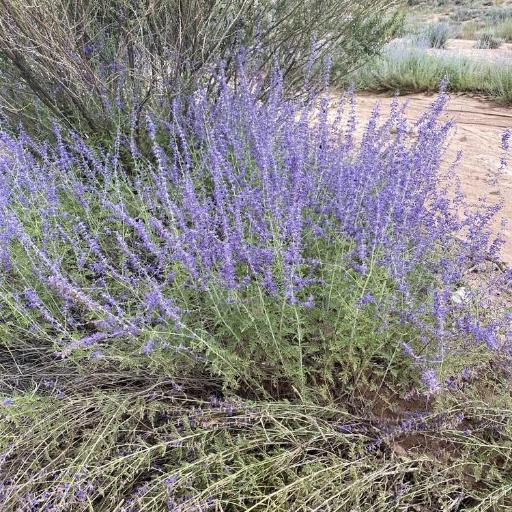
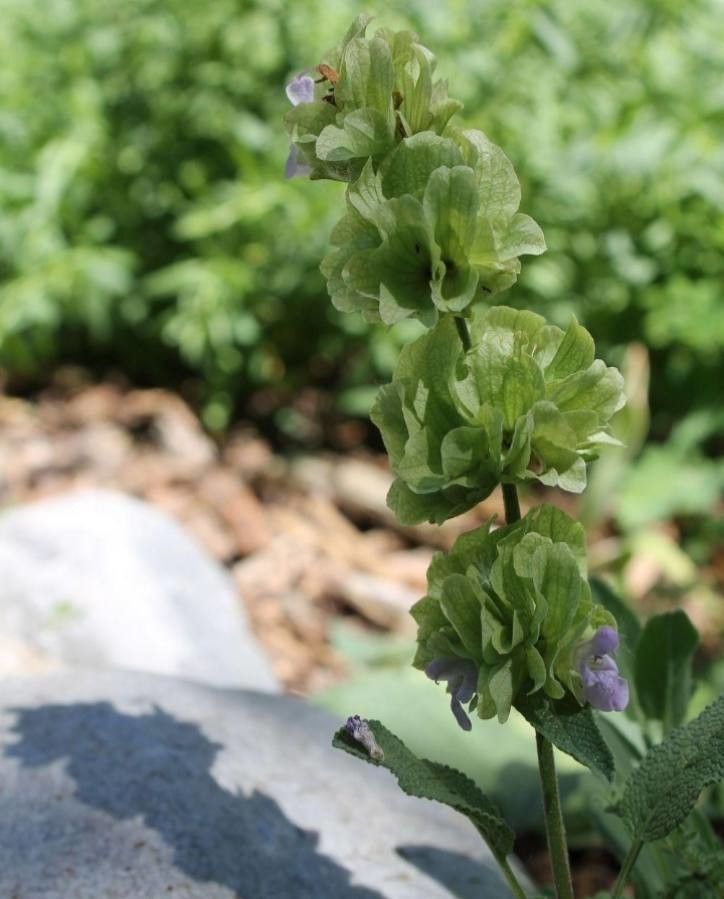
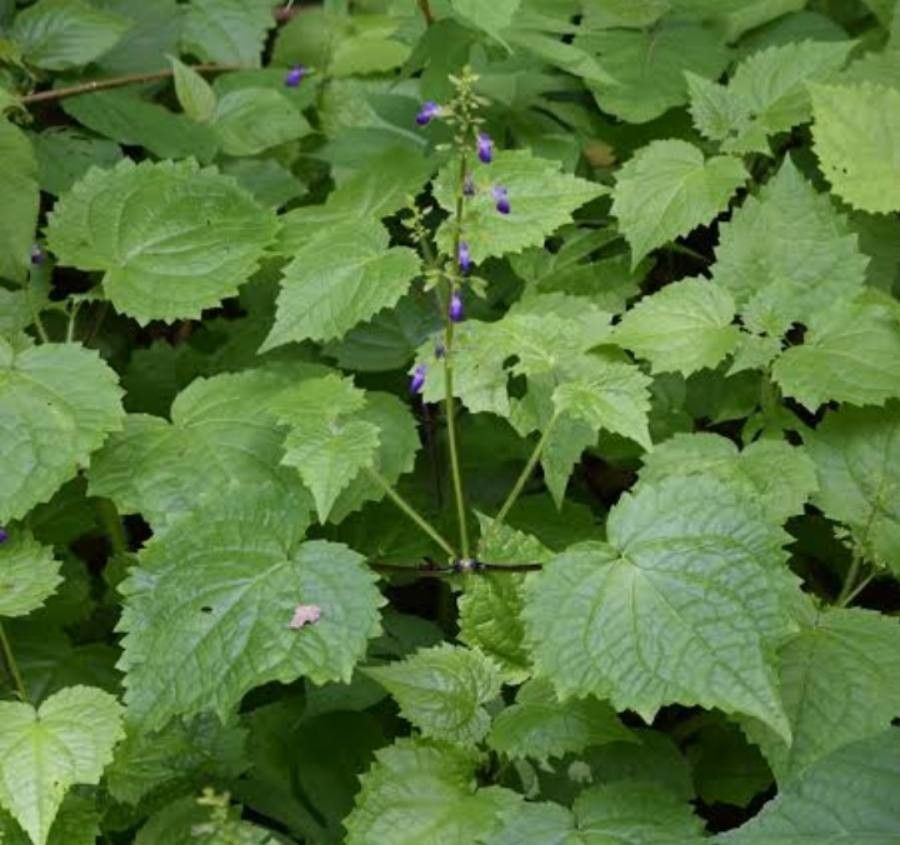
Salvia japonica, known as East Asian sage, is an annual plant that is native to several provinces in China and Taiwan, growing at 200 to 1,200 m elevation. S. japonica grows on erect stems to 40 to 60 cm tall. Inflorescences are 2-6 flowered verticillasters in terminal racemes or panicles, with a corolla that varies in color from reddish, purplish, bluish, to white, and is approximately 1.2 cm (0.47 in).
East asian sage has strong resistance to disease and is typically not prone to illnesses. Still, it can be vulnerable to pests and diseases present in its environment. Such infections are generally mild. Regarding care, this plant needs a medium level of maintenance. It should be pruned regularly to preserve a good appearance and encourage healthy growth. Applying fertilizer can also aid in boosting flowering. East asian sage is appropriate for anyone who has an outdoor area, like a garden or patio, and does not demand extensive care experience. It may need increased attention when cultivated indoors.
How to keep Salvia Japonica.
Light
The east asian sage grows best in moderate, diffused sunlight, like the light found beneath a leafy canopy. It can tolerate lower light levels, but this can reduce its vigor and growth. Excessive sun can scorch the leaves, while too little light often results in elongated stems and sparse foliage. The east asian sage adapted to these light conditions in its original environment under forest canopies.
Water
East Asian sage thrives in conditions similar to its natural habitat, which requires consistently moist soil. It prefers evenly moist environments, so it needs to be watered weekly. As an outdoor plant, it benefits from rainwater, which helps keep it hydrated without causing waterlogging.
Temperature
East Asian sage grows best at temperatures from 41 to 95 °F (5 to 35 ℃), which corresponds to its native East Asian environment. Seasonal adjustments may be necessary to reproduce these temperature conditions.
Fertilizer
The best time to fertilize an East asian sage is in early spring, when it is coming out of dormancy and beginning active growth. Fertilizing supplies essential nutrients for healthy development. Although East asian sage has relatively low fertilizer needs, applying fertilizer annually can improve its survival and encourage better, longer-lasting flowers.
Pruning
To promote healthy growth and maintain the shape of East Asian sage, prune it from early to late spring. Start by removing dead stems and thinning out overcrowded areas. Cut back any leggy growth to encourage a fuller appearance. Always use clean tools, as this will enhance air circulation and flowering, maximizing the plant's ornamental appeal and vitality.
Pot & Repot
To ensure optimal growth, plant East Asian sage in flowerpots that are larger than 10 cm (4 inches) in diameter. Make sure the pots have excellent drainage to prevent waterlogging.
Botanical profile.
- Plant Type
- Herb
- Life Cycle
- Perennial
- Genus
- Salvia
- Family
- Lamiaceae
- Hardiness Zone
- 5-9
- Mature Height
- 30 cm to 91 cm
- Mature Spread
- 30 cm
- Leaf Color
- Green, Dark Green
- Leaf Type
- Semi-evergreen
- Flower Color
- Purple, Lavender
- Flower Size
- 1.02 cm to 2.03 cm
- Bloom Time
- Summer
- Planting Time
- Spring, Summer
- Harvest Time
- Late summer, Early fall, Mid fall
- Native Area
- South Korea, Japan, China
Other names.