Salvia hispanica, commonly known as chia (), is a species of flowering plant in the mint family, Lamiaceae, native to central and southern Mexico and Guatemala. It is considered a pseudocereal, cultivated for its edible, hydrophilic chia seed, grown and commonly used as food in several countries of western South America, western Mexico, and the southwestern United States.
Mexican chia is fairly disease-resistant and generally does not easily suffer from illnesses. That said, it can be vulnerable to pests and diseases present in its environment. These problems are typically mild. In terms of care, the plant requires moderate maintenance. It should be pruned regularly to maintain an attractive appearance and support healthy growth. Fertilizing can also help encourage flowering. Mexican chia is suitable for anyone with outdoor space, such as a garden or patio, and does not demand extensive gardening experience. It may need more attention when grown indoors.
How to keep Salvia Hispanica.
Light
Mexican chia prefers very bright light and needs prolonged exposure each day. Its native habitat offers plentiful sunlight, which supports vigorous growth. At every stage of development, abundant light remains necessary. Any deviation from this can stunt growth or lead to unhealthy foliage.
Water
Mexican chia thrives in environments with consistent moisture, needing watering on a weekly basis. While it has moderate tolerance to drought, it is often grown indoors to take advantage of controlled soil moisture, which mimics the humid conditions of its native climate.
Temperature
Mexican chia is naturally adapted to flourish in temperatures of 68 to 100 °F (20 to 38 ℃). The plant originates from areas where the climate is generally warm. It prefers full sun and warm conditions. In colder months, keep temperatures within this optimal range to maintain healthy growth.
Fertilizer
For best growth, Mexican chia needs three fertilizer applications: one before planting, a second one month after seedlings emerge, and a third 1 to 1.5 months after the second. Some Mexican chia types benefit from an extra dose of fertilizer at planting to promote rapid growth.
Pruning
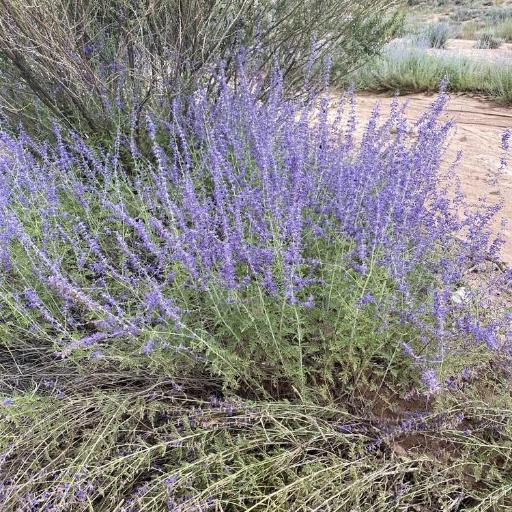
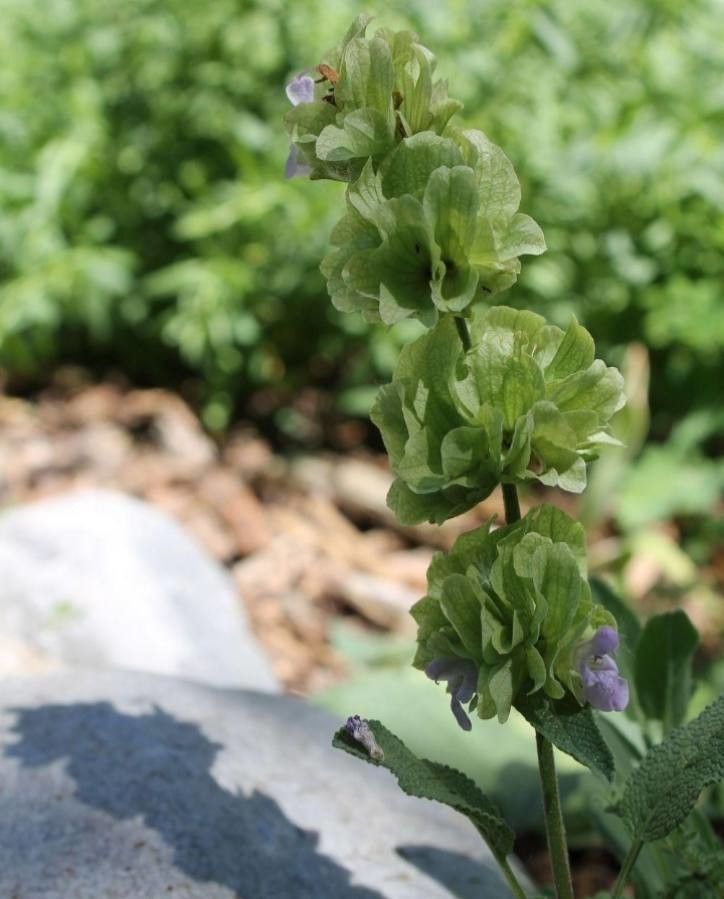
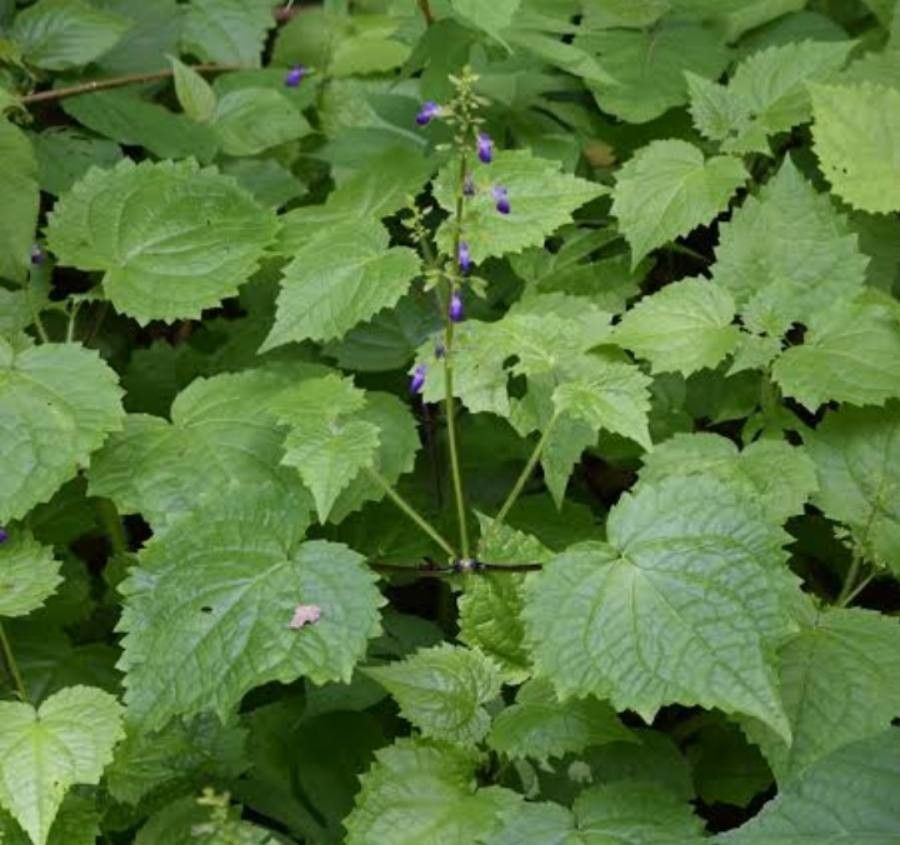
Mexican chia plants have tiny blue or purple flowers and produce nutritious seeds. To keep your plant healthy, prune it between early and late spring. Remove any dead stems to improve air circulation and allow more light to reach the plant. This will encourage healthy growth, help control the plant's height, and result in a more vigorous and visually appealing plant.
Pot & Repot
To thrive, Mexican chia plants need pots with excellent drainage. This helps ensure proper airflow and prevents root rot.
Botanical profile.
- Plant Type
- Herb
- Life Cycle
- Annual, Perennial
- Genus
- Salvia
- Family
- Lamiaceae
- Hardiness Zone
- 9-11
- Mature Height
- 1.83 m
- Mature Spread
- 49 cm to 91 cm
- Leaf Color
- Green, Dark Green
- Leaf Type
- Deciduous
- Flower Color
- Blue, Purple
- Flower Size
- 2.54 cm
- Bloom Time
- Mid summer, Late summer, Early fall
- Planting Time
- Spring
- Harvest Time
- Early fall, Mid fall
- Native Area
- Mexico, Guatemala
Other names.
Reader questions.
How should I water my Mexican chia plants to keep them healthy?
To water Mexican chia, there are various options you can use such as a garden hose with a spray nozzle or a watering can. This plant is not too particular about the type of water it receives, as it can thrive with rainwater, tap water, or filtered water. It's advisable to avoid watering the plant from above as it can harm the leaves and flowers, and potentially lead to disease. Setting up a drip irrigation system is often the best watering method as it provides even and direct water distribution to the soil. When it comes to container-grown Mexican chia, you can use a cup, watering can, or tap water to directly water the soil.
Why do I have to put fertilizer on my Mexican chia?
To ensure the survival and blooming of Mexican chia plants, it is important to provide them with the right nutrients. All gardeners, regardless of their experience, understand this crucial aspect. Without proper nourishment, Mexican chia plants will die shortly after the initial pollination. By supplying the appropriate nutrients in the correct quantities, gardeners can successfully maintain the growth of Mexican chia throughout the blooming season. Additionally, fertilizing the plants helps them develop a strong and healthy root system. Since the root system of Mexican chia plants is thin and susceptible to damage, fertilization plays a crucial role in aiding their growth. By fertilizing the plants at the time of planting, gardeners can establish a sturdy root structure that not only provides stability but also contributes to an impressive flowering display. Proper timing of fertilization can also significantly prolong the flowering period of Mexican chia plants.
What are the sunlight requirements for Mexican chia?
Mexican chia requires full sun, which means it should receive above 6 hours of sunlight daily. Watch how sunlight gracefully moves through your garden, and choose spots that provide the perfect balance of light and shade for your plants, ensuring their happiness. The plant has a strong affinity for intense light with prolonged exposure throughout the day, originating from a habitat known for its ample sunlight, which is beneficial for its robust growth. Throughout different growth stages, copious light remains essential, and any departure from this could stunt growth or cause unhealthy foliage.
What is the ideal temperature range for growing Mexican chia (Salvia hispanica)?
Mexican chia, also known as Salvia hispanica, thrives in temperatures between 68 to 100 °F (20 to 38 °C). Originating from warm environments, this plant prefers full sun and heat. During the colder seasons, it's important to keep the temperature within this optimal range to ensure the plant's healthy growth. It is extremely heat-loving, and exposure to cold can be harmful. In autumn, it's advisable to move outdoor-grown Mexican chia indoors to a location with bright light but away from direct heat sources, maintaining indoor temperatures above 20°C to foster growth. Temperatures nearing 0°C can be detrimental to the plant.
What do I need to do if I give my Mexican chia plant too much or too little water?
If your Mexican chia plant is not getting enough water, the solution is simple—start watering it more regularly. On the other hand, overwatering can be a more serious issue, especially if you don't catch it early. If your Mexican chia is overwatered, it can become diseased and eventually die. To prevent this, choose a sunny spot for your plant that allows the soil to dry out and has good drainage. If your potted chia is overwatered, you may need to change it to a new pot with better drainage and add loose soil.
When should I fertilize my Mexican chia plant?
Mexican chia experiences significant growth at the beginning of the growing season, once the last frost is no longer a threat. The best time to fertilize Mexican chia is during planting, right when the plant is placed in the ground or in planters. This initial dose of fertilizer is all that is needed until later in the year when the plant is covered in blooms. When the season is in full swing and most of the blooms have opened, it is time to resume fertilizing. Start fertilizing every three to four weeks, depending on the weather, around the time when the blooms are at their peak output. Once Mexican chia starts producing fewer new blooms, stop fertilizing as there is no need to continue when the plant can no longer produce blooms.
How can artificial lighting compensate for insufficient natural light for Mexican chia?
Indoor plants like Mexican chia require adequate lighting for optimal growth. When natural sunlight is insufficient, particularly in winter or in less sunny spaces, artificial lights offer a vital solution, promoting faster, healthier growth. It's important to choose the right type of artificial light; LED lights are popular for their ability to provide specific wavelengths that plants need. Full sun plants need 30-50W/sq ft of artificial light, partial sun plants need 20-30W/sq ft, and full shade plants need 10-20W/sq ft. The light source should be placed 12-36 inches above the plant, and the duration should mimic the natural daylight hours, usually 8-12 hours per day.
How does low temperature affect Mexican chia and what are the solutions?
Mexican chia is not tolerant of low temperatures and fares best when the temperature remains above 20°C. During winter, it's crucial to keep it above 0°C to prevent damage. Exposure to temperatures below -5°C can cause the leaves to lighten in color and, following frost damage, turn brown or black with symptoms such as wilting and drooping appearing. To counteract frost damage, trim off the affected parts and immediately move the plant indoors to a warm environment for protection. Position it near a south-facing window for ample sunlight, ensuring it's not placed too close to heaters or air conditioning vents to avoid excessive air dryness.
How frequently should I water my Mexican chia plant?
Mexican chia plants require regular watering during the growing season. In the spring, water the plant once a week. As the season progresses and it gets warmer, you may need to increase watering to two or three times a week. However, be careful not to exceed this rate as it can harm the plant. It is important to keep the soil moist but not wet, regardless of how often you water. When watering Mexican chia in a pot, you will need to water more frequently. The soil in pots can heat up and dry out faster than the ground soil. Usually, watering container-grown Mexican chia a few times a week is sufficient, compared to once a week for plants in the ground.
When is the best time to not fertilize my Mexican chia?
Regular fertilizing is important for Mexican chia, but it's crucial to apply it at the right time. There are situations where it's necessary to hold back on fertilizing. These situations are typically climate-related, but there are also controllable factors to consider. When there are issues with the plant, soil, or climate, it's best to wait until things have improved and the plant has recovered. For example, if there are sudden severe weather changes like a cold snap in the middle of summer, it's best to wait until it warms up again before fertilizing. Similarly, if the soil becomes too dry or compacted to absorb fertilizer properly, it's best to wait until the soil conditions have improved. When temperatures are extremely high during the hottest parts of the day, it's also advisable to avoid fertilizing. Hot temperatures can cause fertilizer to break down too quickly, so it's important to wait for cooler temperatures. Additionally, any pests or diseases should be treated and resolved before restarting fertilization.
What symptoms indicate Mexican chia is getting inadequate light?
When Mexican chia is cultivated indoors with insufficient light, it may show symptoms such as small leaves, leggy or sparse growth, faster leaf drop, slower or no new growth, and lighter-colored new leaves. Conditions such as chlorosis, sunscald, leaf curling, wilting, and leaf scorching can also occur due to inadequate or excessive sunlight exposure. These symptoms are crucial indicators that your Mexican chia needs a change in lighting conditions to thrive.
What should be done if Mexican chia is exposed to high temperatures?
During the summer, it is important to keep Mexican chia below 38°C to prevent heat stress. Temperatures above 43°C can cause the leaves to lighten in color and make the plant more susceptible to sunburn. In such cases, trim away the sunburned and dried-up parts of the plant. Relocate the plant to an area that offers protection from the midday and afternoon sun. To ensure the soil remains moist, water the plant adequately in the morning and evening.