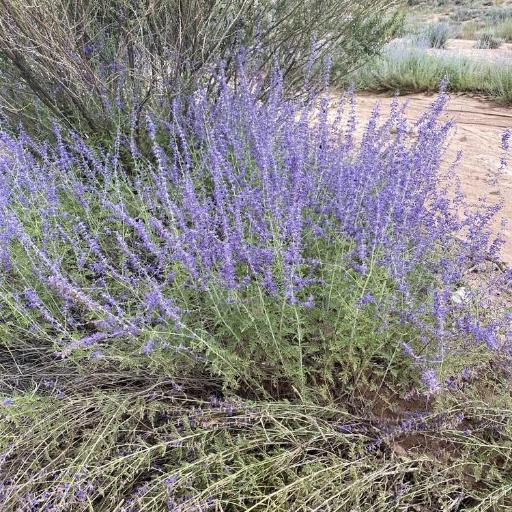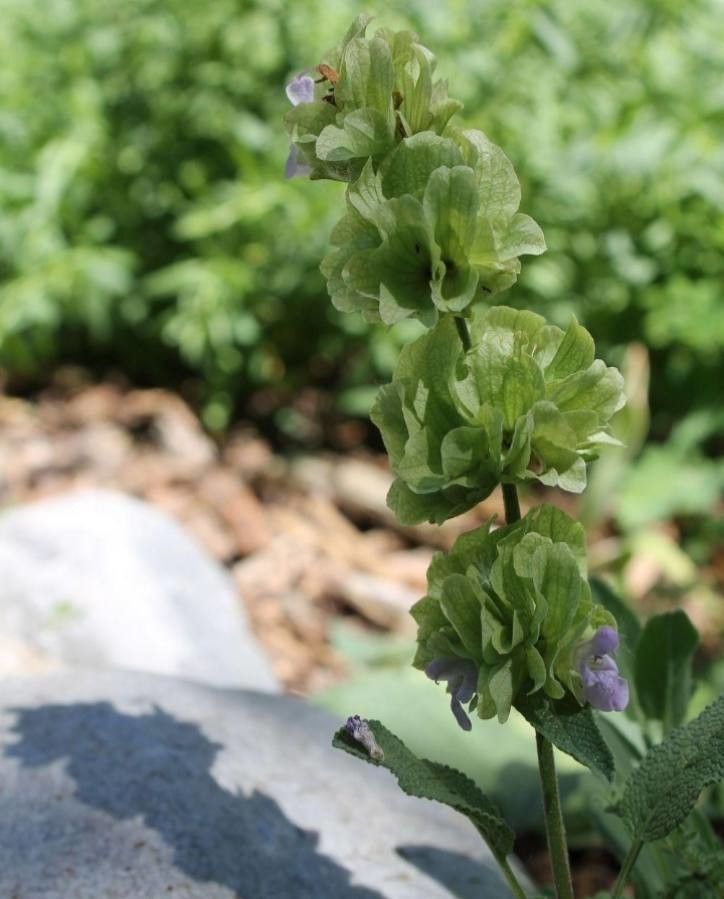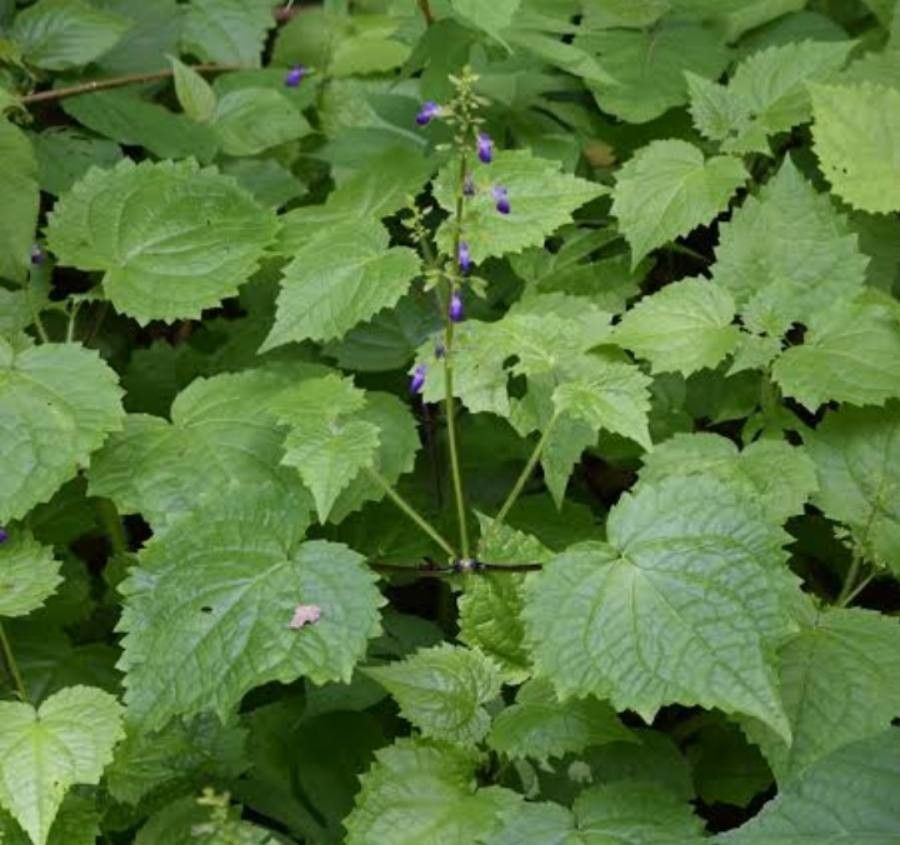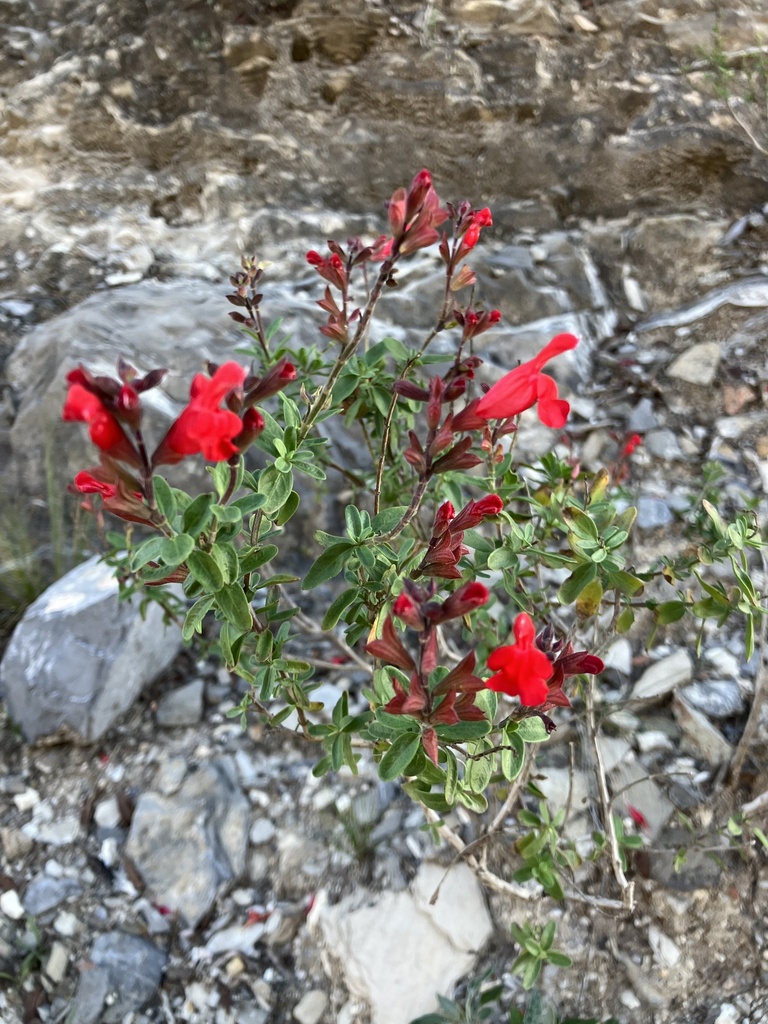
Salvia greggii, commonly known as Autumn Sage, is a perennial flowering plant native to Texas and Mexico. Belonging to the mint family, it is a popular ornamental plant thanks to its attractive flowers and foliage. The plant can grow up to 3 feet tall and has woody stems covered in small, aromatic leaves that are gray-green with a slightly fuzzy texture. The flowers of Salvia greggii bloom from spring through fall and come in shades of pink, red, purple, or white. These flowers grow on spikes that rise above the foliage, attracting hummingbirds and butterflies. Salvia greggii thrives in full sun or partial shade and prefers well-draining soil. Although it is drought-tolerant once established, it benefits from occasional watering during prolonged dry spells. The plant can be propagated by seeds or cuttings taken during the growing season. It requires minimal maintenance but benefits from pruning after flowering to encourage bushier growth. Overall, Salvia greggii is an attractive addition to any garden due to its long blooming period, ability to attract pollinators, and minimal care requirements.
Autumn Sage: This plant is closely related to Salvia microphylla and often hybridizes with it. True to its name, Autumn Sage blooms throughout the summer and fall. This extended blooming period is why it is called Autumn Sage.
Autumn sage has strong disease resistance and is generally unlikely to develop illnesses. However, it can be affected by pests and diseases present in its surroundings. These problems are usually mild. In terms of care, this plant requires moderate maintenance. It should be pruned regularly to keep a neat appearance and promote healthy growth. Fertilizing can also help encourage flowering. Autumn sage is suitable for people with outdoor areas, such as a garden or patio, and does not demand extensive gardening experience. It may need more attention when grown indoors.
How to keep Salvia Greggii.
Light
Autumn sage grows best beneath a clear, open sky and needs a generous amount of sunlight to achieve optimal growth. If it gets somewhat less sun, it will still do well, though its vigor for flourishing may decline a little. Having originated in a sunny environment, too little light can stunt its growth, while too much can make it overly dry and slightly stressed.
Water
Autumn sage is well-suited to arid regions, as it is drought-tolerant and requires minimal irrigation. It thrives in low humidity and can withstand dry conditions, needing only weekly watering for optimal growth. Being an evergreen, autumn sage retains its foliage throughout the year, efficiently using water in different climates.
Temperature
Autumn sage thrives at temperatures between 59 and 95 ℉ (15 to 35 ℃), mirroring the conditions of its native habitat. However, with suitable protection it can endure winter temperatures as low as 23 ℉ (-5 ℃). To promote optimal growth during the growing season, keep it at a steady 68 to 77 ℉ (20 to 25 ℃).
Fertilizer
The best time to fertilize an Autumn sage is in early spring, when it is coming out of dormancy and starting active growth. Fertilizing supplies essential nutrients for healthy development. Although Autumn sage has relatively low fertilizer requirements, applying fertilizer annually can improve its survival and encourage better, longer-lasting flowers.
Pruning
Autumn sage benefits from regular pruning, which is best done between late winter and early spring. Trim back about one-third of its growth and remove any dead stems. This improves air circulation and encourages new growth, promoting the plant's overall health. For the best results, always use clean, sharp tools.
Pot & Repot
When repotting Autumn sage, choose a pot 1-2 inches (2.5–5.1 cm) larger with good drainage. Use a well-draining potting mix. Repot in spring or fall, making sure the root ball sits slightly below the rim of the flower pot. Water thoroughly after repotting and place in a warm spot with indirect sunlight.
Toxicity
Generally, sage is not toxic to people or pets. You can actually eat the mint-scented and flavored leaves of Autumn Sage.
Further reading →
The toxicity and danger assessments provided are for reference only. We do not assure their accuracy, so it's crucial not to depend on them. Seek professional advice when necessary for accurate guidance.
Botanical profile.
- Plant Type
- Herb
- Life Cycle
- Perennial
- Genus
- Salvia
- Family
- Lamiaceae
- Hardiness Zone
- 8-9
- Mature Height
- 0.3 m to 1.22 m
- Mature Spread
- 61 cm to 91 cm
- Leaf Color
- Green
- Leaf Type
- Evergreen
- Flower Color
- Red
- Flower Size
- 2.54 cm
- Bloom Time
- Mid spring, Late spring, Summer, Early fall
- Planting Time
- Spring, Summer
- Harvest Time
- Late spring, Summer, Fall
- Native Area
- Mexico
Other names.
Reader questions.
How should I water my Autumn sage plant?
To properly water the Autumn sage, use filtered water at room temperature or slightly warmer. The plant benefits from filtered water as tap water may have harmful particles. Since the Autumn sage is accustomed to warm environments, avoid using cold water as it can shock the plant. Additionally, overhead watering should be avoided as it can cause issues with the foliage. Instead, thoroughly soak the soil with the filtered room temperature water. This helps moisten the roots and allows them to spread and collect nutrients in the soil.
Why should I put fertilizer on my Autumn sage plant?
Fertilization plays a crucial role in supporting the Autumn sage's growth and development. It provides essential nutrients for both above-ground and below-ground parts of the plant. While the fertilization requirements for Autumn sage are generally low, annual fertilization can significantly benefit the plant. Not only does it enhance the plant's longevity but also promotes the production of more vibrant and long-lasting flowers. Therefore, regular fertilization is recommended for those who want their Autumn sage to thrive and showcase its optimal appearance.
What are the sunlight requirements for Autumn Sage (Salvia greggii)?
Autumn Sage requires a considerable amount of sunlight to thrive, ideally positioned under the clear, open sky. For optimal growth, it necessitates over 6 hours of sunlight daily, classified as 'Full sun'. It can still perform reasonably well in 'Partial sun', defined as about 3-6 hours of sunlight, but its vigor might diminish slightly. Adapting well to its native abundant sunshine environment, insufficient light could impede its growth, whereas excessive exposure might lead to dryness and stress.
What temperature range is preferred by Autumn Sage?
Autumn Sage (Salvia greggii) prefers temperature ranges from 59°F to 95°F (15°C to 35°C) which is typical for its native growth environment. For optimal growth, maintaining a consistent temperature between 68°F to 77°F (20°C to 25°C) during the growing season is recommended. It possesses some degree of cold tolerance and can withstand temperatures as low as 23°F (-5°C) in winter with proper protection.
What should I do if I give too much or too little water to my Autumn sage plant?
Overwatering and underwatering can both harm your Autumn sage plant, but overwatering is more common. Too much water can cause wilting and yellowing of the stems and leaves. Overwatering for an extended period can also lead to diseases like root rot, mold, and mildew, which can be fatal for the plant. Underwatering is less common since Autumn sage has good drought tolerance, but it can still happen. When it does, the leaves may become brittle and brown. It's essential to recognize the signs of overwatering early when caring for your Autumn sage. Some diseases, like root rot, cannot be corrected if you wait too long. If you spot early signs of overwatering, reduce your watering immediately. Check the soil drainage quality - if it drains poorly, replace it with a loose, well-draining potting mix. If you notice signs of underwatering, simply water more regularly until the signs improve.
When should I fertilize my Autumn sage?
The best time to fertilize an Autumn sage is in late winter to early spring when it is coming out of its dormant phase and starting to grow. This helps promote healthy growth and prepare the plant for the season ahead. While early spring is generally the most advantageous time to fertilize, fall is also an option. However, it is not recommended to fertilize during summer or winter.
How can artificial lighting benefit indoor Autumn Sage plants?
Indoor Autumn Sage plants benefit from adequate lighting, especially when natural sunlight is lacking, which is common in winter or less sunny locations. Artificial lights play a crucial role in promoting faster, healthier growth. LED lights are favored for their ability to provide specific light wavelengths needed by plants. For full sun plants, 30-50W/sq ft is recommended; partial sun plants require 20-30W/sq ft, and full shade plants need 10-20W/sq ft. Positioning the artificial light 12-36 inches above the plant and ensuring it mimics natural daylight hours (around 8-12 hours per day) will support optimal growth.
How should I protect Autumn Sage from extreme cold temperatures?
Autumn Sage requires temporary protective measures if temperatures are expected to drop below 23°F (-5°C). This can involve wrapping the plant with materials such as plastic film, fabric, or other insulating materials. Once the temperature rises, these protections should be removed to prevent any potential damage to the plant.
How often should I give water to my Autumn sage plant?
To determine when to water your Autumn sage, there are different methods depending on whether it is in a pot or planted directly in the ground. For potted plants, simply insert your finger into the soil and check if the top two to three inches are dry. If they are, it's time to water. The same method can be used for plants in the ground: if the first few inches of soil are dry, add water. During the spring and early fall seasons, watering once a week is typically sufficient. However, during hot weather, you may need to increase watering to twice or more per week. It's worth noting that well-established Autumn sages can endure drought conditions reasonably well.
When is not a good time to fertilize my Autumn sage?
To properly fertilize your Autumn sage, it is best to do so during late winter and early spring. This plant has low fertilization needs, so a single feeding per year is enough. Overfertilizing during spring, summer, and fall can cause complications, unless you did not fertilize in spring, in which case you can fertilize in fall. During the winter, when the Autumn sage is in a dormant growth phase and not producing new growth, there is no need to fertilize.
What are the symptoms of light deficiency or excess in Autumn Sage?
Light deficiency in Autumn Sage may lead to smaller new leaves, leggy or sparse growth, faster leaf drop, slowed or halted growth, and lighter-colored or chlorotic leaves. Excessive sunlight can cause chlorosis, sunscald, leaf curling, wilting, and leaf scorching. These symptoms respectively manifest as yellowing leaves due to chlorophyll breakdown, damaged plant tissue, curled leaves as a defense against water loss, drooping from rapid water loss, and brown, crispy leaf edges.
What are the symptoms of Autumn Sage being affected by low temperatures?
When Autumn Sage experiences temperatures below 14°F (-10°C), its leaves may begin to droop. In milder cases, the plant can recover, but in severe cases, the leaves will wilt and eventually fall off. To help the plant cope with low temperatures, it's advisable to trim off frost-damaged parts, wrap the plant with protective materials like non-woven fabric or cloth, and construct a wind barrier for added protection against cold winds.