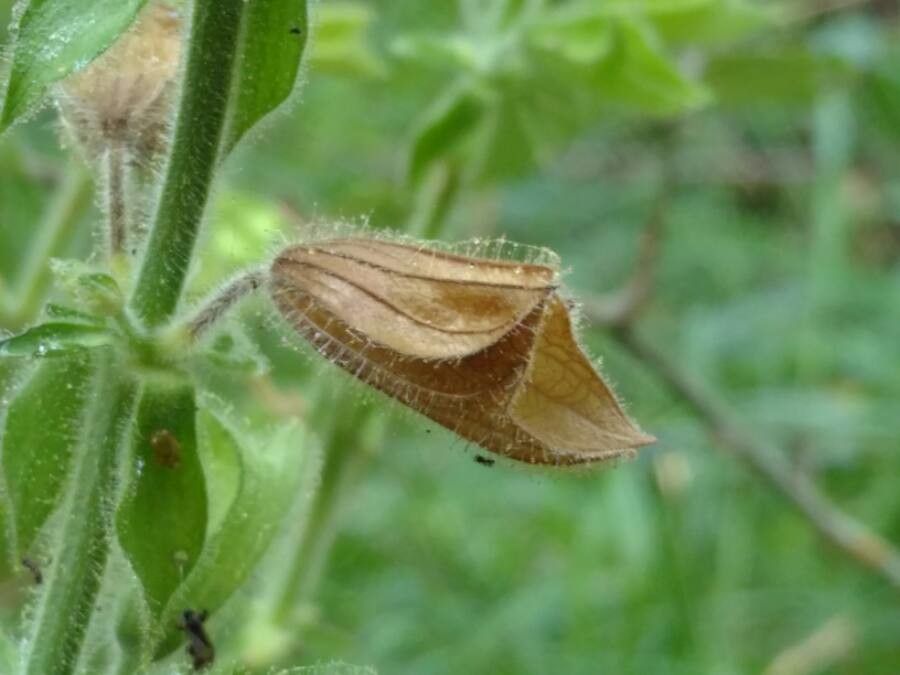
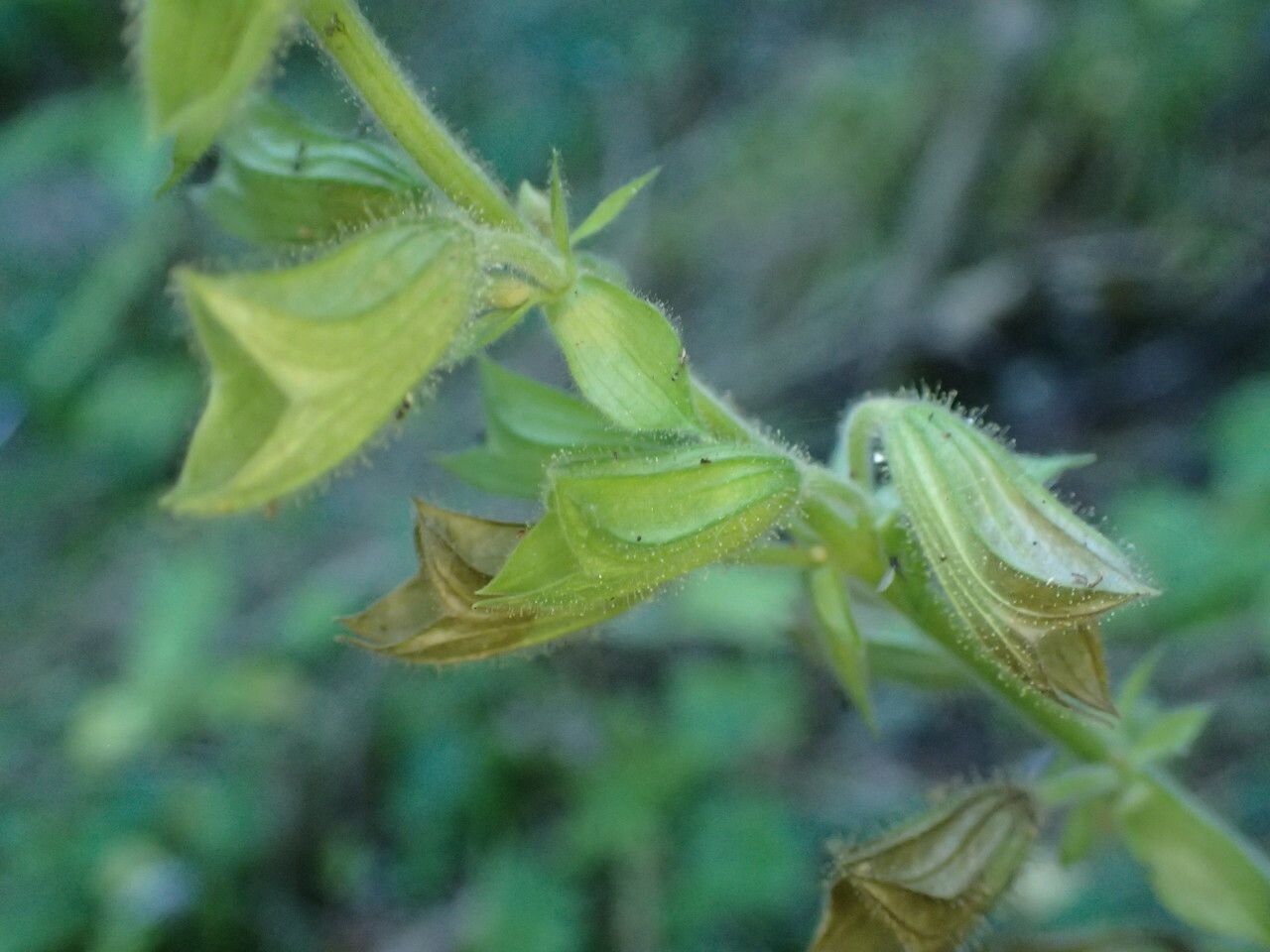
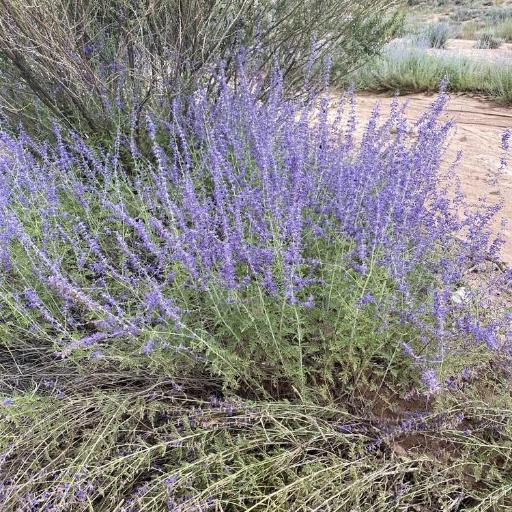
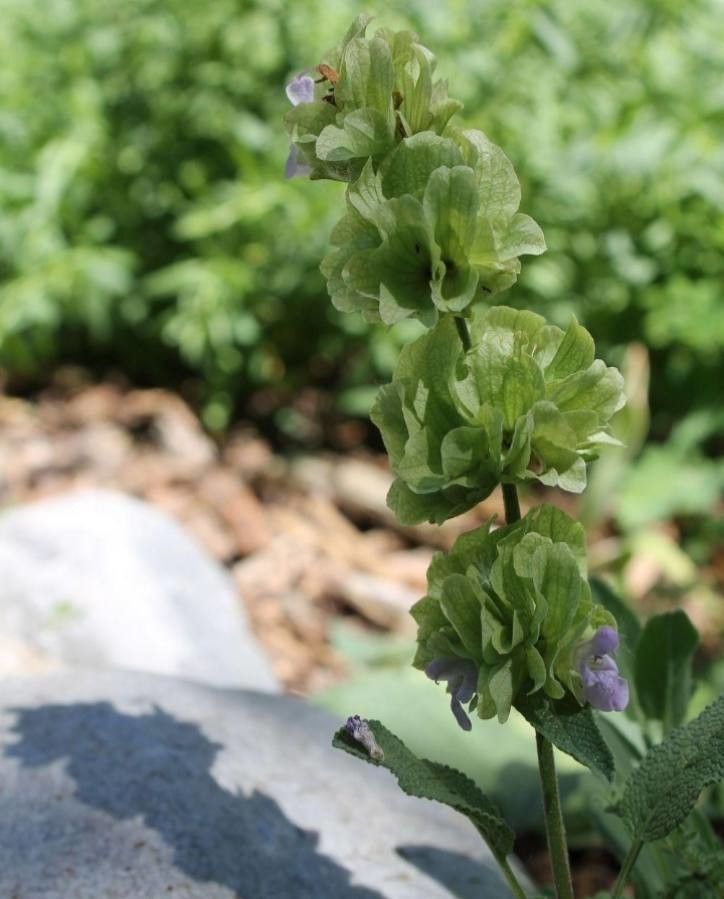
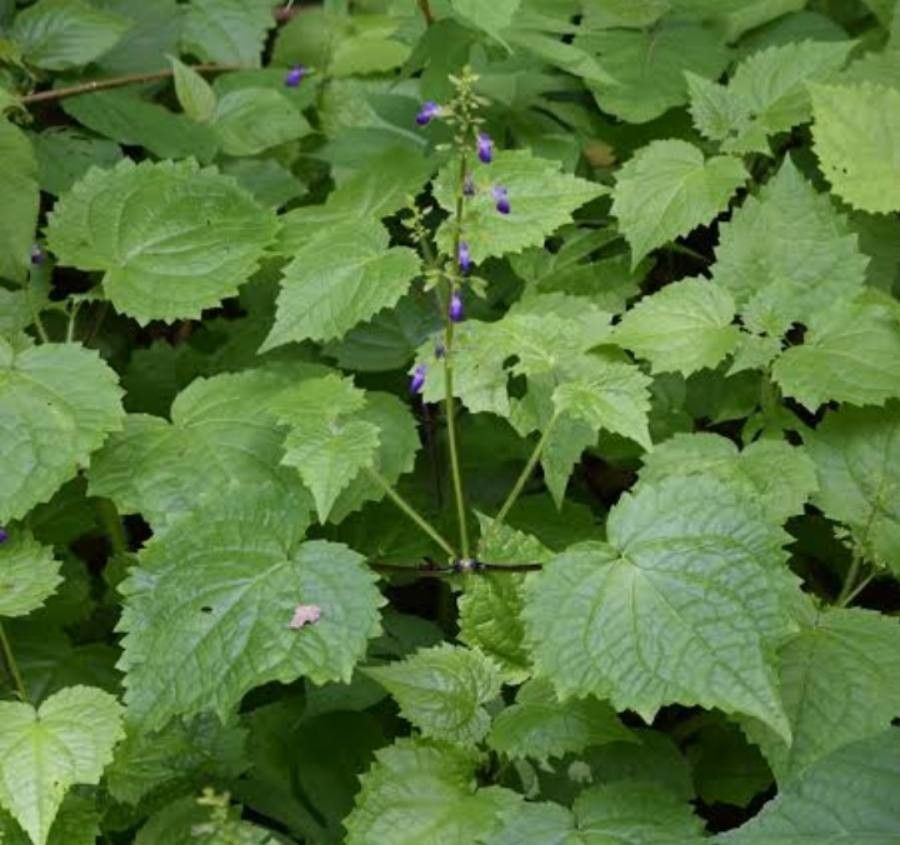
Salvia glutinosa, commonly known as sticky sage or Jupiter's distaff, is a perennial herbaceous plant in the Lamiaceae family. Native to Europe and Western Asia, it can grow up to 1.5 meters tall. The plant is characterized by a sticky texture resulting from glandular hairs on its leaves and stems.
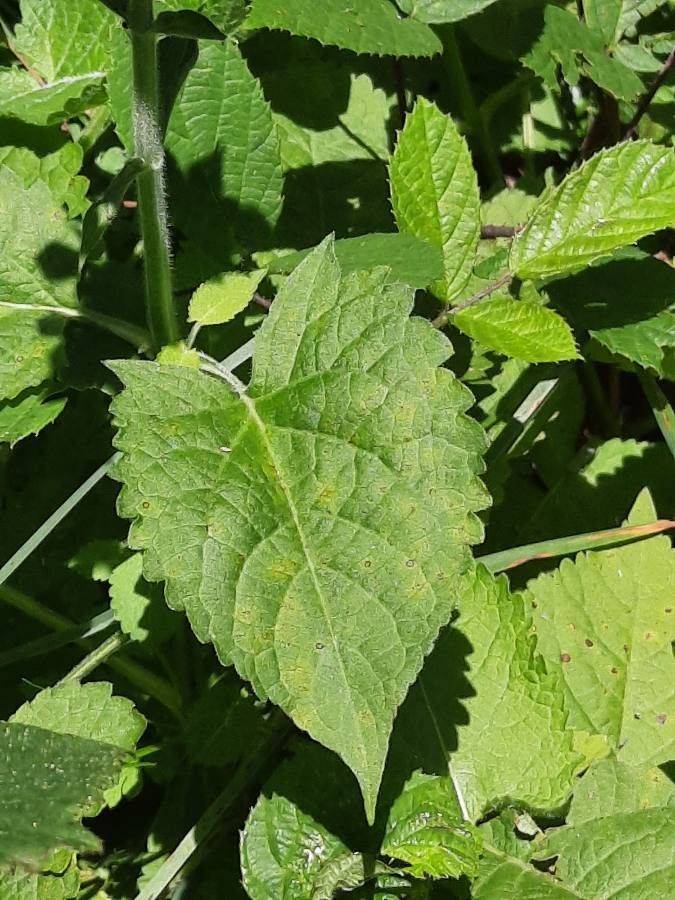
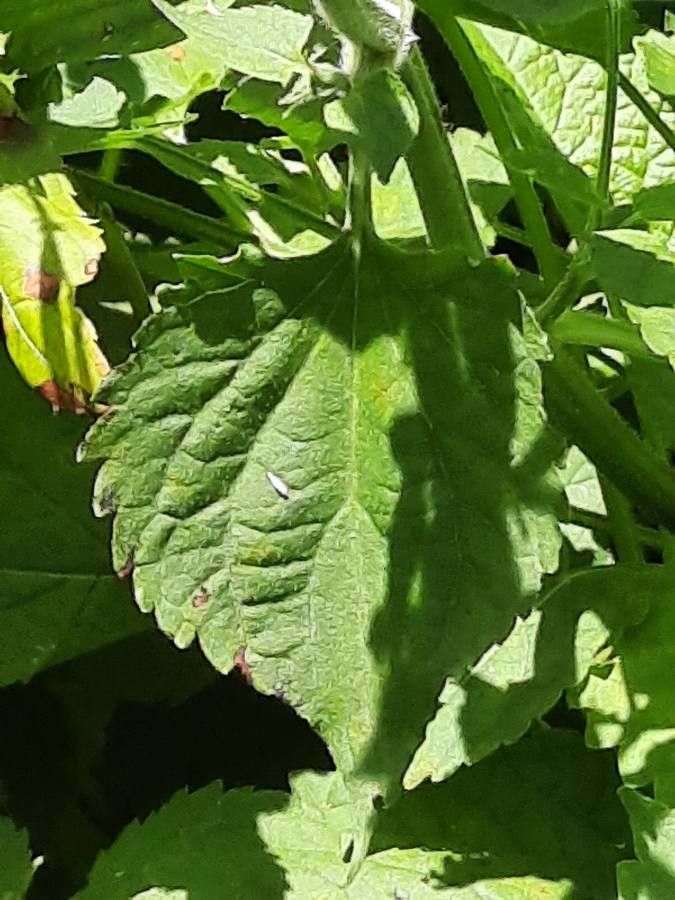
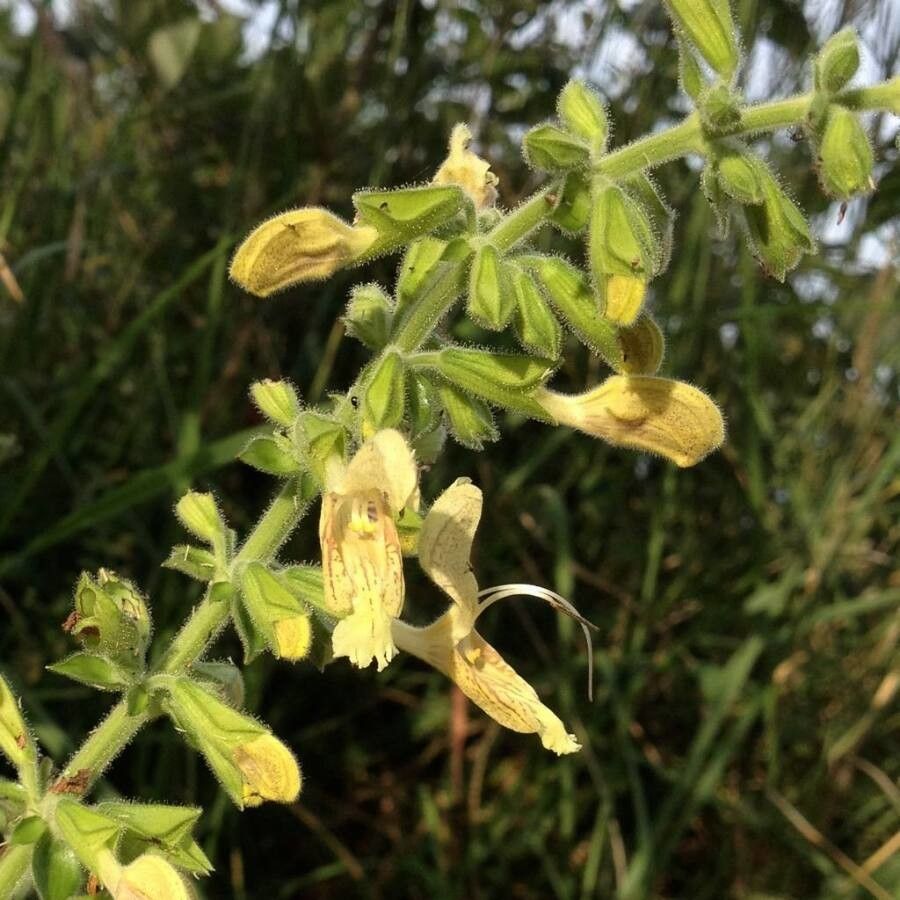
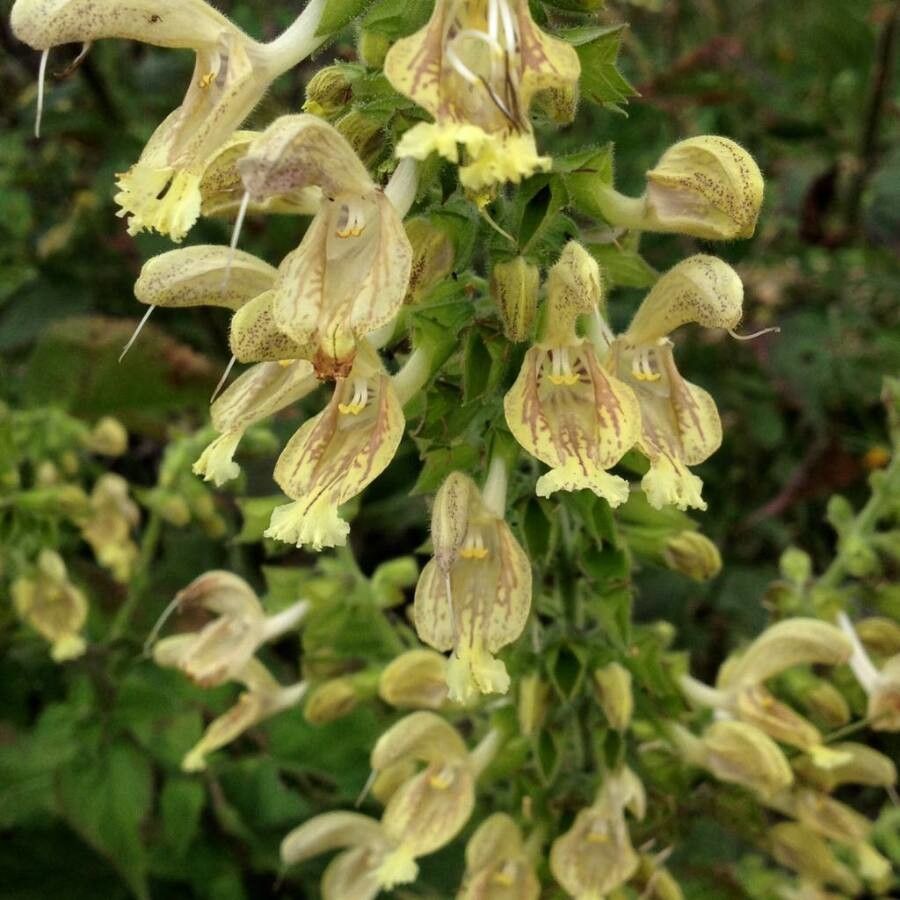
The leaves of Salvia glutinosa are opposite, ovate or lanceolate, and have serrated edges. The flowers are arranged in whorls on spikes that can reach up to 30 cm in length. They are tubular with two lips: the upper lip is hooded, while the lower lip has three lobes.
Salvia glutinosa thrives in moist soils and is commonly found near riversides, wet meadows, or marshes. It blooms from June to September, attracting bees, butterflies, and other pollinators with its nectar-rich flowers.
The plant has been used for medicinal purposes for centuries due to its anti-inflammatory properties, making it useful for treating sore throats and respiratory infections such as bronchitis and asthma.
Additionally, Salvia glutinosa has been used as a culinary herb in some parts of Europe. It can be added fresh or dried to soups, stews, sauces, salads, and other dishes, imparting a slightly bitter taste similar to that of common sage (Salvia officinalis).
Overall, Salvia glutinosa is a fascinating plant with both medicinal and culinary uses, making it a valuable part of traditional European herbal medicine today.
Sticky sage has strong resistance to disease and is generally not likely to develop illnesses. Nevertheless, it can be affected by pests and diseases present in the surrounding area. Such infections are typically mild. Regarding care, this plant needs a moderate level of maintenance. It should be pruned regularly to preserve an attractive appearance and promote healthy growth. Applying fertilizer can also encourage more flowering. Sticky sage is well suited for anyone with outdoor space, like a garden or patio, and does not demand extensive care experience. It may need extra attention when cultivated indoors.
How to keep Salvia Glutinosa.
Light
Sticky sage typically leans toward spots with dappled light and can tolerate locations exposed to stronger sun. Originally raised in environments with uneven light, the plant adapts well to a range of sunlight conditions. However, too much sun can reduce its vigor, while too little light can limit its growth.
Water
Sticky sage flourishes in moist, well-drained soil with consistent humidity, needing weekly watering for optimal growth. While it is moderately drought-tolerant, it requires extra moisture during its active growing season to support vigorous flowering. This reflects its origin in the understory of European woodlands.
Temperature
Used to 41-95°F (5-35℃), sticky sage thrives within this temperature range. During different seasons, make sure to reproduce similar temperature conditions for the best growth.
Fertilizer
The best time to fertilize a Sticky sage is in early spring, when it is coming out of dormancy and starting active growth. Fertilization supplies essential nutrients needed for healthy development. Although Sticky sage has fairly low fertilizer requirements, giving it fertilizer once a year can improve its survival and encourage better, longer-lasting flowers.
Pruning
Sticky sage, characterized by its mucilaginous leaves and yellow flowers, benefits from pruning between early and late spring. To encourage better airflow, concentrate on removing dead stems and thinning out crowded sections. Regular maintenance not only promotes bushier growth but also extends the flowering period by eliminating spent blooms.
Pot & Repot
Repot sticky sage every 2-3 years in the spring, using a slightly larger container to encourage root growth. After repotting, place the plant in a location with bright, indirect light and maintain consistent soil moisture. Be gentle when handling its unique sticky leaves to support optimal growth and recovery.
Botanical profile.
- Plant Type
- Herb
- Life Cycle
- Perennial
- Genus
- Salvia
- Family
- Lamiaceae
- Hardiness Zone
- 5-9
- Mature Height
- 1.22 m
- Mature Spread
- 91 cm
- Leaf Color
- Green
- Leaf Type
- Evergreen
- Flower Color
- Yellow
- Flower Size
- 2.54 cm to 5.08 cm
- Bloom Time
- Mid summer, Late summer, Early fall
- Planting Time
- Spring
- Harvest Time
- Early fall, Mid fall
- Native Area
- Turkey, Austria, Czech Republic, Slovakia, Montenegro, Bulgaria, Armenia, Poland, Greece, Croatia, Slovenia, Ukraine, Serbia, Russia, Hungary, Germany, Italy, Spain, Switzerland, Iran, Albania, Romania, France
Other names.
Reader questions.
How should I water my Sticky sage plant?
When watering the Sticky sage, it is best to use filtered water at room temperature. Tap water may have harmful particles, so filtered water is preferable. The plant prefers warm environments, so using cold water can be a shock. Additionally, overhead watering should be avoided as it can cause problems with the foliage. Instead, the filtered room temperature water should be applied directly to the soil so that it becomes completely soaked. This is beneficial as it helps moisten the roots and allows them to spread throughout the soil and absorb the necessary nutrients.
Why should I put fertilizer on my Sticky sage plant?
Fertilizing your Sticky sage is essential for maintaining healthy and vibrant leaves. The leaves play a crucial role in the plant's structure, so proper fertilization ensures they look great and function well. By providing the right nutrients, you can help your Sticky sage maintain consistent leaf color and a healthy texture. Fertilization also benefits the plant below the surface, promoting the growth of new roots and preserving the existing ones. This not only keeps your plant healthy currently but also boosts its ability to absorb nutrients from the soil in the long run.
What are the sunlight requirements for Sticky Sage?
Sticky Sage, or Salvia glutinosa, requires varying amounts of sunlight depending on its environment. It thrives in areas with partial sun, which means about 3-6 hours of sunlight, but it can also tolerate full sun, indicating more than 6 hours of sunlight daily. When planning your garden, it's important to watch how sunlight moves through the area to choose spots providing a perfect balance of light and shade for your plants. Sticky Sage leans towards areas with scattered rays and can withstand greater solar exposure, adapting well to a variety of sunlight situations. However, excessive exposure can decrease its vigor, while insufficient light can stunt its growth.
What are the essential temperature conditions for the growth of Sticky Sage?
Sticky sage, scientifically known as Salvia glutinosa, thrives in temperatures ranging from 41-95°F (5-35°C). To ensure the best growth outcome across varying seasons, it's important to replicate similar temperature conditions as much as possible. Sticky sage exhibits strong cold resistance, meaning special frost protection measures are not typically necessary during winter. However, if winter temperatures are expected to fall below -25°C, it's crucial to provide cold protection by covering the plant with insulating materials like soil or straw. Additionally, watering the plant abundantly before the first freeze in autumn, to keep the soil moist, helps prevent drought and water scarcity for the plant during winter and early spring.
What should I do if I give too much or too little water to my Sticky sage?
Overwatering and underwatering can both harm your Sticky sage, but overwatering is more common. Excessive water can cause wilting, yellowing, and diseases like root rot, mold, and mildew, which can kill the plant. Underwatering is less common since Sticky sage is fairly drought tolerant, but it can still happen and result in brittle, brown leaves. It's important to recognize signs of overwatering early and take action, as some diseases may be irreversible if left untreated. Reduce watering if you see signs of overwatering and assess the soil's drainage. If it drains poorly, replace it with a loose, well-draining potting mix. Conversely, if signs indicate the plant needs more water, increase watering until the signs improve.
What is the right time to add fertilizer to my Sticky sage plant?
If you grow Sticky sage outdoors, it will send out new growth in early spring. This is when you should start fertilizing for the year. Usually, one application of fertilizer in the spring is enough for Sticky sage to thrive. However, if you want to maximize its growth, you can fertilize it multiple times throughout spring and early summer. To do this, feed it once every month to a month and a half.
How to use artificial lighting for Sticky Sage indoors?
For indoor Sticky Sage plants requiring more light, especially in winter or less sunny spaces, artificial lighting is essential for optimal growth. LED lights are recommended due to their ability to provide specific wavelengths needed by plants. Full sun plants need 30-50W/sq ft, partial sun plants require 20-30W/sq ft, and full shade plants need 10-20W/sq ft of artificial light. The light source should be placed 12-36 inches above the plant to mimic natural sunlight's distance. Mimicking natural daylight hours, most plants benefit from 8-12 hours of artificial light per day.
How does Sticky Sage react to low temperatures?
Sticky sage is quite cold-tolerant, preferring temperatures above 5°C and should ideally be kept above -20°C during the winter. If temperatures drop below -25°C, while there might not be any noticeable immediate changes, come spring, there could be a decrease in sprouting or even no sprouting at all. To address issues arising from low temperatures, in spring, it is advised to remove any parts of the plant that have failed to sprout.
How frequently should I water my Sticky sage?
If your Sticky sage plant is in a pot, the most precise way to determine if it needs water is by checking the soil with your finger. If the top two to three inches of soil feel dry, then it's time to water it. Similarly, if you have your Sticky sage plant growing outdoors in the ground, you can use the same method to test the soil. When the top few inches of soil are dry, it's time to water it. Typically, during the spring and early fall, you'll need to water this plant about once every week using this method. However, in extremely hot weather, you may need to increase watering to about twice per week or even more. Nevertheless, it's worth mentioning that mature and well-established Sticky sage plants are quite resilient and can withstand drought conditions fairly well.
When is it not a good idea to fertilize my Sticky sage plant?
During the late fall and winter, your Sticky sage goes into a dormant phase and stops producing new growth. It is important to avoid fertilizing it during this time. In the spring and summer, if you choose to fertilize multiple times, gradually reduce the rate as summer approaches because the growth rate of your Sticky sage also slows down. Additionally, it is not advisable to fertilize your Sticky sage when the weather is unusually hot or the soil is extremely dry. Fertilizing in these conditions can cause stress to your Sticky sage and lead to premature death.
What are the symptoms of insufficient or excessive sunlight in Sticky Sage?
Sticky Sage shows several symptoms when exposed to insufficient or excessive sunlight. Insufficient light may lead to smaller new leaves, leggy or sparse growth, faster leaf drop, slower or no new growth, and lighter-colored new leaves, indicating a lack of chlorophyll and essential nutrients. Excessive sunlight can cause chlorosis (leaves turning yellow), sunscald (pale, bleached areas on leaves or stems), leaf curling (to reduce surface area), wilting (from increased water loss), and leaf scorching (brown, crispy edges on leaves). These symptoms help identify when the plant needs adjustments in its light exposure.
What should I do if Sticky Sage is exposed to high temperatures?
During the summer, it's important to ensure that Sticky Sage does not endure temperatures above 35°C. Should the temperature rise above 38°C, the plant's leaves may lighten in color, become prone to curling, suffer from sunburn, and in severe cases, the entire plant may wilt and dry up. To mitigate damage from high temperatures, trim away the sunburned and dried-up parts of the plant. Position the plant in a location that offers shade during the midday and afternoon sun, or use a shade cloth to reduce exposure. It's also beneficial to water the plant in the morning and evening to maintain soil moisture.